
How to Find a Golf Coach by Evaluating Experience and Fit
This post contains affiliate links. As an Amazon Associate, we earn from qualifying purchases.
This post contains affiliate links. As an Amazon Associate, we earn from qualifying purchases.
To find a golf coach, verify three things: PGA or LPGA certification, a minimum of seven years of full-time coaching experience, and a significant investment in modern teaching technology like launch monitors. Your priority should be a local professional whose teaching philosophy is flexible enough to adapt to your swing, not the other way around.**
That experience floor matters because it separates teachers who have seen enough swings to know the patterns from those still memorizing the textbook. A coach with less than seven years hasn’t worked through enough season-to-season player cycles to spot what truly sticks.
What follows: the specific gear that signals a coach is serious, the questions that reveal their flexibility, and why the best coach for you is likely within a 20-minute drive, not a two-hour flight.
Key Takeaways
- A PGA or LPGA professional has completed a multi-year training program that is continually updated; this accreditation is your baseline filter. Look for a coach who has invested in their own technology, launch monitors, high-speed video, because it signals commitment and provides objective feedback you can’t argue with.
- Prioritize a coach within reasonable driving distance; consistency beats a single visit to a distant star.
- Ask about their philosophy on indoor vs. Outdoor teaching; if they teach only indoors, you’re missing the game’s context.
- The first conversation should be free and focused on whether they listen more than they talk.
Start With the Paperwork: PGA and LPGA Certification
Forget the Instagram follow count. The first line on your checklist is professional accreditation. In the US, that means a PGA Professional. In the UK, look for the PGA designation. For women, an LPGA Teaching Professional holds equivalent standing.
These aren’t just letters after a name. They represent completion of a structured, multi-year training program, the PGA Training Programme in the UK, the PGA Professional Golf Management Program in the US, that covers swing mechanics, club fitting, sports psychology, and business operations. More importantly, maintaining that status requires ongoing education. A certified pro is required to stay current, which is something a self-appointed “guru” is not.
The PGA of America states there are nearly 29,000 PGA Professionals available through their coach directory, and The PGA in the UK lists 8,000 highly-trained members. Only coaches with these designations have completed the “intense training which they need to continually update.”
Use the official directories. In the US, go to pga.com/coach. In the UK, use pgaplay.co.uk. These tools let you filter by location, specialty, and lesson type. They are your primary source, not a filtered social media search.
The 7-Year Experience Floor and Why It Matters
You want a coach who has seen it all. Or at least enough of it to recognize your particular mess.
GOLF Top 100 Teacher Trent Wearner sets a clear benchmark: a coach should have at least seven years of full-time coaching experience. That number isn’t arbitrary. It’s roughly the time it takes to guide a variety of students through multiple competitive seasons, off-season slumps, and swing-change regressions. A coach with less than seven years is often still figuring out their own teaching voice and which fixes last beyond a single range session.
Where this goes sideways: Hiring a coach based solely on their playing resume. A great player and a great teacher are different skill sets. The YouTube transcript of a popular instructor highlights the disconnect: “most amateur golfers that struggle with their swing… it’s because their bodies physically can’t move the way that you’re supposed to.” A former Tour pro might not have the tools to diagnose that physical limitation if they’ve never had to adapt their own textbook-perfect motion.
Experience also shows in their network. A seasoned coach will usually have connections to a team, a fitness trainer, a club fitter, a sports psychologist. You might not need them all now, but knowing they exist means your coach thinks about the game beyond the hour you pay for.
The Technology Investment: Your Coach’s Toolbox
Walk into a teaching bay. What do you see?
If the answer is a mat, a net, and an iPhone on a tripod, you’re in a hobbyist’s garage. A professional coach’s studio is a different animal. As one article bluntly puts it, “Just about every respected coach in the country has thousands (if not hundreds of thousands) of dollars invested in technology.”
This investment is a tangible signal. It means the coach is committed to their craft and to giving you objective data. You can feel like you’re swinging well, but a launch monitor like TrackMan or Foresight GCQuad doesn’t lie about club path, face angle, or smash factor. This tech moves the conversation from “I think” to “the numbers show.”
| Technology | What It Measures | Why It Matters for You |
|---|---|---|
| High-Speed Camera (1,000+ fps) | Frame-by-frame swing positions, impact blur | Shows exact sequencing flaws no naked eye can see |
| Launch Monitor (e.g., TrackMan, GCQuad) | Ball speed, launch angle, spin rates, club data | Provides objective feedback for distance gaps and dispersion patterns |
| 3D Motion Capture (e.g., K-Vest, GEARS) | Skeletal rotation, weight shift, kinematic sequence | Diagnoses physical limitations causing swing faults |
| Pressure Plates (e.g., BodiTrak) | Foot pressure distribution throughout the swing | Identifies balance issues that kill power and consistency |
A coach using this level of tech isn’t just showing off. They’re building a baseline for your swing and creating a way to measure progress that’s free of opinion. It also empowers you. As Wearner notes, a good coach will eventually ask, “if the technology wasn’t here, what would you do more of or less of in the next swing?” That’s the sign of a teacher building your self-sufficiency.
The Local Pro vs. The Distant Star
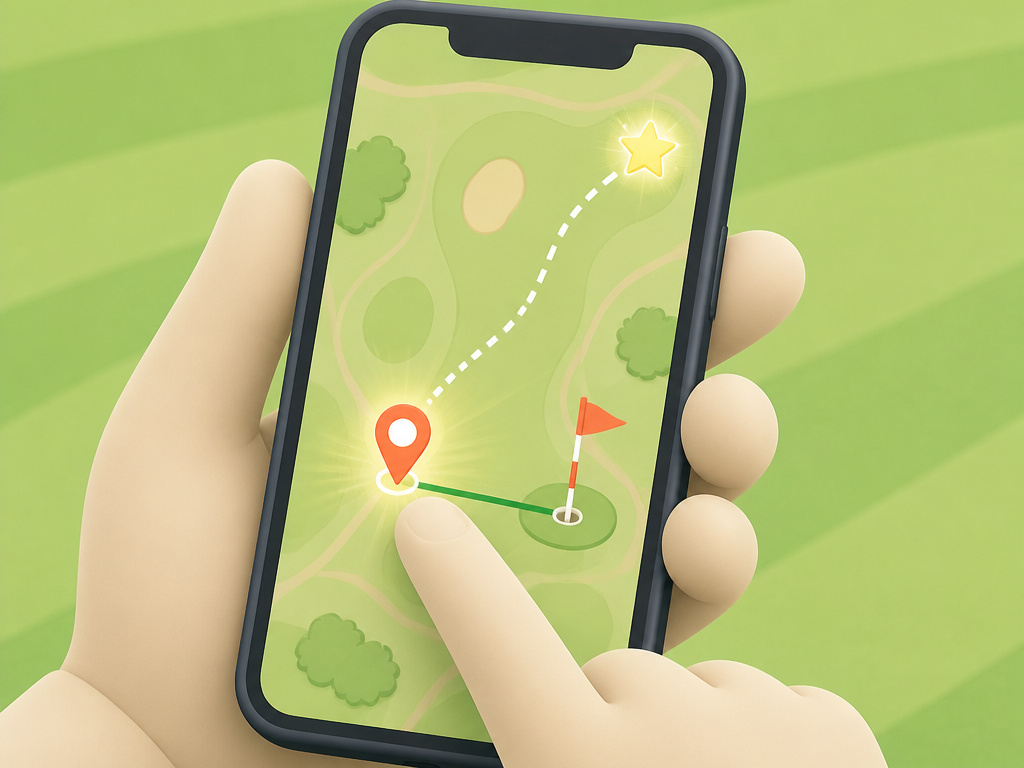
Here’s the romantic idea: you save up, travel hours, and get a life-changing lesson from a famous instructor. Here’s the practical reality: you’ll forget 70% of it by the time you get home, and you can’t go back for a quick tune-up next week.
GOLF Top 100 Teacher Adam Smith advises against traveling “great distances” for an instructor. “There are great golf professionals right next door, I promise you!” The geographic trade-off is real. A local PGA pro you can see every two weeks will create more lasting change than an annual pilgrimage to a big name.
This is where the PGA Play or pga.com/coach directories are gold. You can find a qualified, experienced professional within a 20-minute drive. The relationship you build allows for incremental learning, a concept crucial for adult recreational players. A local instructor will give you “just about enough information that challenges you, but is still manageable,” avoiding the overload that comes from a single, intense session with a distant coach.
Common mistake: Choosing a coach based on a single viral video or a famous student. One standout player on a coach’s roster is marketing; a long list of improved amateurs at your handicap level is evidence.
Check their responsiveness, too. The PGA Play service notes that while most pros are busy coaching or managing their club, “you should expect a reply within 72 hours.” If a potential coach can’t meet that basic courtesy, it tells you everything about their availability down the line.
The Interview: Questions That Reveal Philosophy
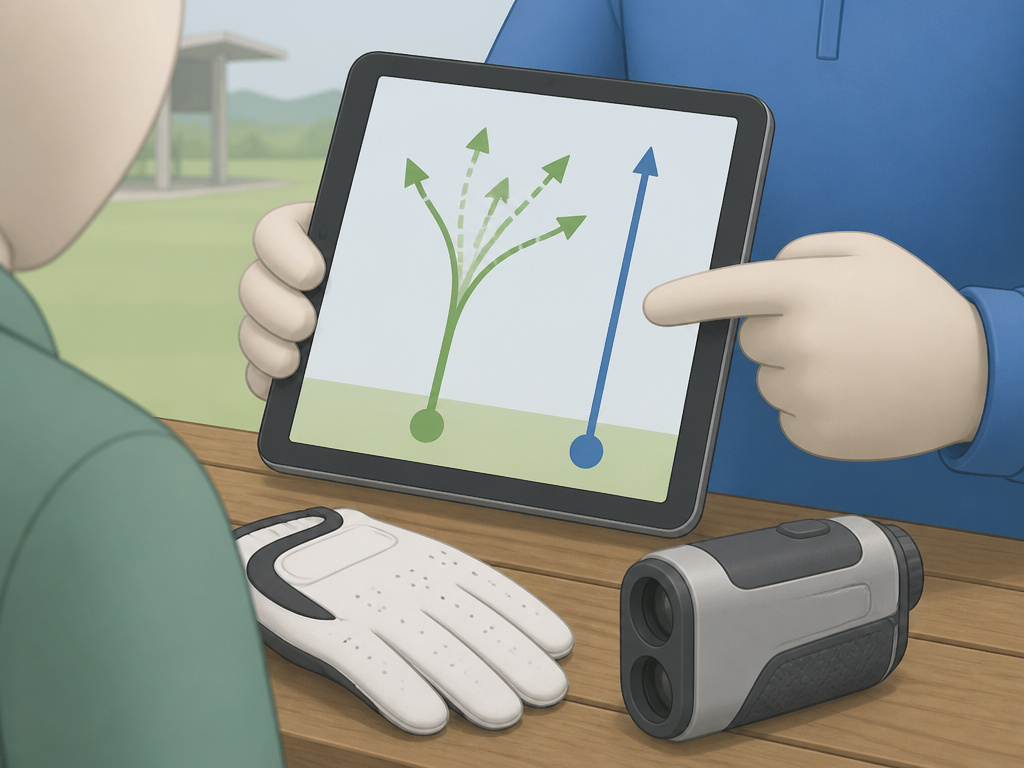
Once you have a shortlist from the directories, it’s time for a conversation. This should be a free, no-obligation chat, either on the phone or in person. Your goal isn’t to get a free mini-lesson, but to listen.
Your first question should be about their teaching philosophy. Listen for the word “flexible.” As the research notes, “no two swings are alike,” and a “one-size-fits-all approach” is a red flag. A rigid coach will try to put your swing into their mold. A flexible one will look at your body, your goals, and your existing motion and build from there.
My hard-won rule is that if a player can’t perform a drill consistently alone, it’s not a good drill for their game. A coach’s philosophy should extend to the homework they give you. Ask them: “What does a good practice session look like without you there?” If their answer is vague, you’ll be lost between lessons.
Next, ask about their mix of indoor vs. Outdoor teaching. Wearner is adamant: “If a high percentage of your coaching only takes place indoors, then you’re taking yourself further away from where the game is played… you must ultimately learn it outdoors.” An instructor with access to a range or course is providing context, how the swing works on uneven lies, in the wind, toward actual targets. Indoor-only instruction is a limited view.
Finally, talk about communication. How do they deliver feedback after the lesson? Do they use video summaries? A dedicated app? The best coaching relationship continues between sessions, and the method matters.
Your First Lesson: What to Look For
The first paid lesson is the real test. Go in with a specific goal, “I want to reduce my slice with my driver” is better than “I want to get better.”
Watch how the coach uses their technology. It should be a tool for explanation, not a magic trick. They should show you the data, connect it to a feel or a simple swing thought, and have you rehearse it. You should leave with one or two clear, actionable keys, not a laundry list of faults.
Pay attention to the language. Are they speaking in technical terms you don’t understand, or are they translating mechanics into feels you can grasp? A great coach communicates in your language.
Notice if they ask you questions. “How did that feel?” “What do you think changed?” This collaborative approach means they’re teaching you to understand your own swing, which is the entire point.
Easy to miss: The coach’s passion for playing. As Adam Smith observes, “a passion for playing defines the instructor’s passion for teaching.” A coach who still loves to play the game understands the pressure, the frustration, and the joy you’re seeking. It makes them a better guide.
If the hour feels like a collaborative problem-solving session rather than a lecture, you’re on the right track. If it feels like you’re being fitted for a uniform swing that isn’t yours, thank them and use the directory to find the next candidate.
Frequently Asked Questions
What’s the difference between a PGA Pro and any other golf instructor?
PGA or LPGA Professional has completed a rigorous, accredited training program that includes testing on instruction, golf operations, and player development. They are required to earn continuing education credits to maintain their certification. An uncertified instructor may have playing experience or theoretical knowledge but lacks this standardized, verified training and accountability.
How much should golf lessons cost?
Lesson prices vary widely based on the coach’s experience, location, and the technology they use. A 45-minute lesson with a local PGA pro will typically cost less than one with a nationally recognized instructor. Many pros offer discounted packages for a series of lessons, which is often a better value if you’re committed to improvement.
Can I get better without a coach?
You can improve through dedicated, structured practice and using quality feedback tools. However, a coach provides an external eye, corrects misconceptions, and accelerates progress by preventing you from ingraining mistakes. For most players, occasional coaching combined with smart practice is the fastest path.
How often should I take lessons?
It depends on your practice frequency and goals. For a recreational player practicing once or twice a week, a lesson every 3-4 weeks is a good rhythm. This allows enough time to work on the previous lesson’s focus while ensuring you don’t stray too far off course. Competitive players might see their coach weekly or bi-weekly.
What if my swing feels worse after a lesson?
This is common and often a sign the change is working. You’re breaking an old habit to build a new, more efficient one. The new move will feel awkward and unfamiliar at first. Give it a few dedicated practice sessions. If the feeling is still one of confusion or pain (not just discomfort) after a week, communicate that to your coach. A good teacher will adjust.
The Bottom Line
Start your search on the official PGA directories with a filter for your zip code. Screen for the seven-year experience marker and a visible investment in teaching technology. Then, have a conversation focused on flexibility and communication, not playing pedigree.
The right coach isn’t the one with the most followers. It’s the one whose teaching philosophy adapts to your body and goals, who empowers you with data from their launch monitor, and who is close enough that you’ll actually go see them when your game wanders off the map. That local pro, whose name you didn’t know before you searched, will likely do more for your scores than the distant star you’ve been dreaming about.
Commit to a short series of lessons with your chosen pro, improvement is a project, not an event. Then, pair that instruction with consistent, deliberate work on your own. That’s the combination that shaves strokes for good.
