
7 Best Japanese Golf Clubs of 2026
This post contains affiliate links. As an Amazon Associate, we earn from qualifying purchases.
This post contains affiliate links. As an Amazon Associate, we earn from qualifying purchases.
The Mizuno PRO T1 Blue ION Irons stand out as the best overall Japanese golf clubs, offering elite feel and precision for serious players. For those on a budget or with a higher handicap, the Japan Kamitaki Pearl TRS Iron Set delivers exceptional value without sacrificing core performance. If you’re after a premium short game upgrade, the Mizuno M Craft Kyoto Putter is worth the investment.
Golfers often chase the promise of better feel and craftsmanship that Japanese clubs are known for, but the market is full of options that look similar on paper yet perform very differently on the course. It’s easy to overspend or miss out on hidden-value brands that suit your actual game.
This guide cuts through the noise by focusing on real-world feedback, forging quality, and design intent. I looked at what players say about performance, compared key specs, and evaluated each set based on who it’s truly built for, whether you’re a low-handicap player seeking control or a high-handicap golfer needing forgiveness and consistency.
Top 7 Japanese Golf Clubs in the Market
The Best Japanese Golf Clubs, Reviewed
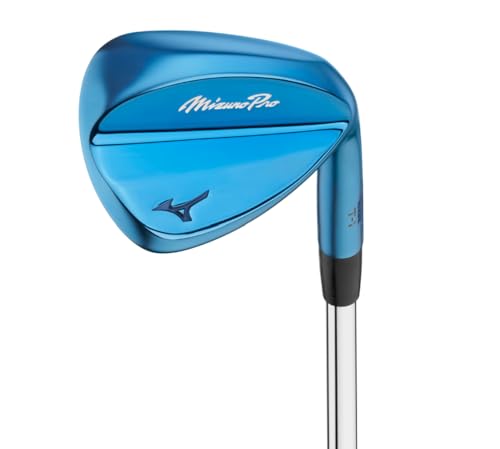
Mizuno PRO T1 Blue ION Iron
Strengths
- Grain Flow Forged HD
- Exceptional feedback
- Advanced groove tech
Trade-offs
- Premium price
- Limited forgiveness
When it comes to Japanese iron craftsmanship, Mizuno stands apart, and the PRO T1 Blue ION carries that legacy with purpose. On paper, the Grain Flow Forged HD process using 1025E Pure Select carbon steel from Hiroshima is the kind of detail that commands respect, it’s the same meticulous forging that tour players have trusted for decades. Owners consistently report a buttery, responsive feel at impact, backed by Harmonic Impact Technology that fine-tunes head geometry for feedback that’s both crisp and forgiving.
The Quad Cut Grooves and Hydroflow Micro Grooves aren’t just marketing fluff, they’re engineered for real-world conditions. Reviewers note reliable spin control even from damp lies, and the face milling boosts short-game precision. Compared to other players’ irons in this tier, the T1 walks a rare line: tour-level refinement without punishing miss-hits. For mid to low handicappers who value feel but still want some playability, this is a standout.
Video review
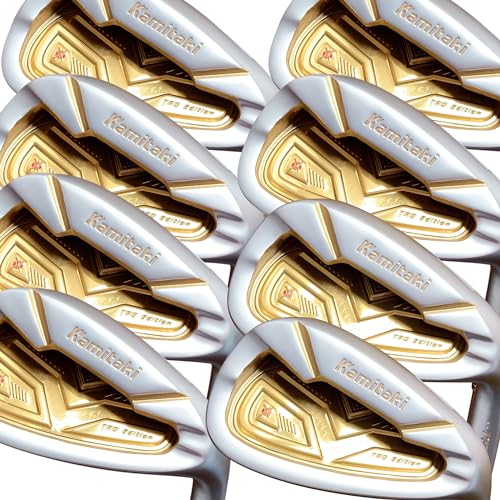
Japan Kamitaki Pearl TRS Iron Set
Strengths
- Wider sole design
- Stronger lofts
- Japanese craftsmanship
Trade-offs
- Less workability
- Steeper learning curve
For high handicappers looking to upgrade without overspending, the Kamitaki TRS iron set delivers surprising value. The 2.5mm wider sole and larger face are clear design cues aimed at boosting launch and forgiveness, exactly what higher-handicap players need. The progressive sole design and cavity back construction help stabilize off-center hits, and owners report noticeable improvements in consistency, especially with the mid to long irons.
The stronger lofts push distance, though some players note a learning curve in judging yardages if they’re used to traditional sets. Still, for the price, getting Japanese-made heads and shafts with a three-year guarantee is impressive. Compared to the graphite version, this steel-shaft model offers better feedback and control for players who want to develop their game rather than just rely on game-improvement crutches.
Video review
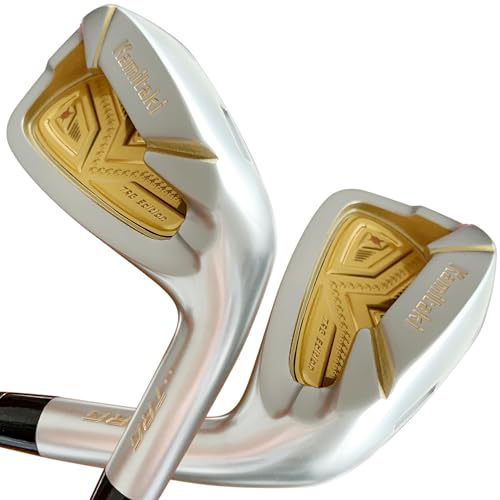
Japan Kamitaki Pearl TRS Graphite
Strengths
- Lightweight graphite shaft
- Easy launch
- Forgiving design
Trade-offs
- Less control
- Softer feedback
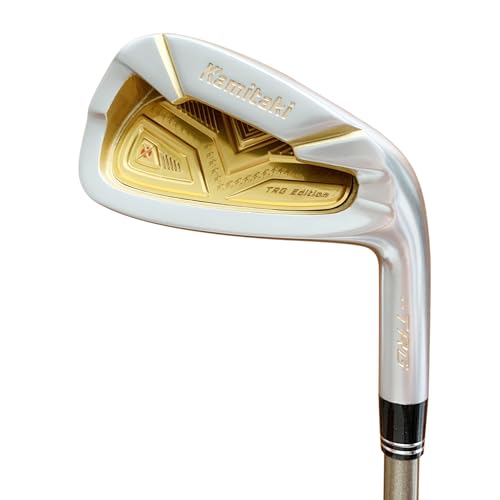
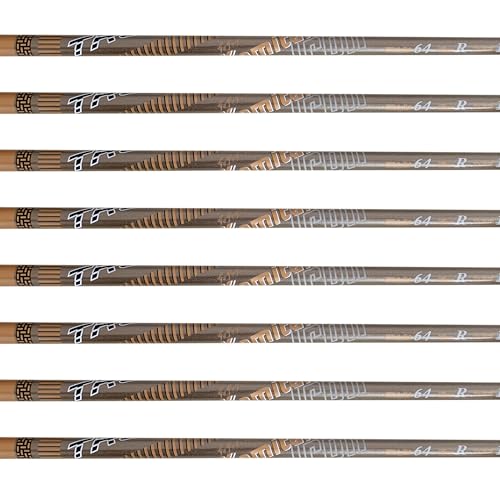
This graphite-shaft version of the Kamitaki TRS set is built for players who prioritize ease of swing and launch over raw feedback. The graphite shaft reduces weight, making it a solid pick for seniors or those with slower swing speeds who still want full set performance. Combined with the plus-length design and wider sole, it’s engineered to help get the ball airborne with minimal effort, something many owner reviews highlight as a standout.
While it shares the same stronger lofts and progressive cavity back tech as the steel version, the graphite model trades some stability for swing speed. It’s not as precise in the hands of better players, but for its target audience, that’s not the point. If you’re looking for a forgiving, lightweight set that doesn’t sacrifice Japanese assembly and materials, this is a smarter buy than many entry-level sets from big-box brands.
Product photos
Japan Kamitaki Forged K910 Irons

Strengths
- True forged feel
- Classic aesthetics
- Solid build quality
Trade-offs
- Low forgiveness
- Harsh on misses
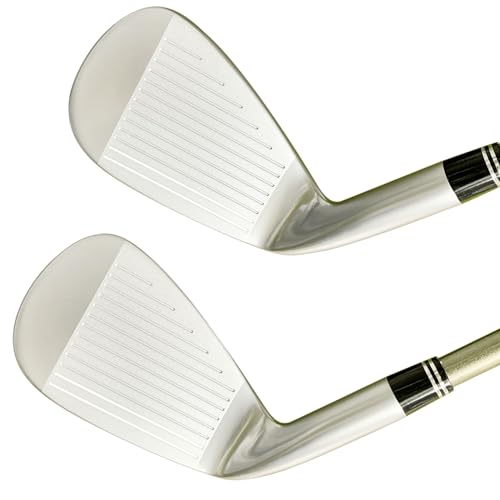
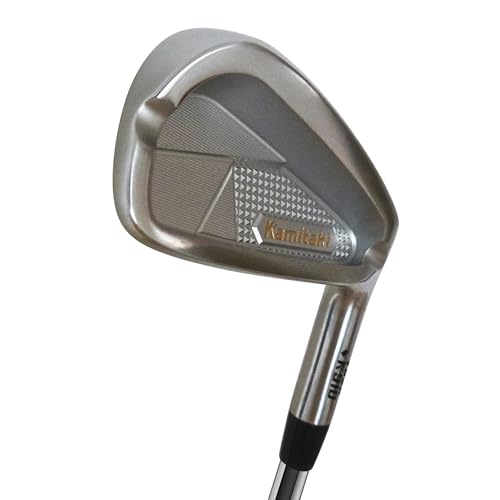
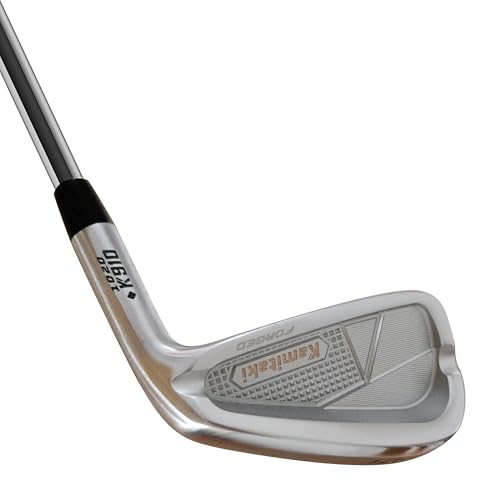
The Kamitaki K910 forged set is an intriguing option for players who want the feel of true forged irons without the premium Mizuno price tag. Being a forged iron set, it delivers a softer, more connected impact sensation than cast alternatives, something owners consistently highlight, especially on clean strikes. The Chrome & Black finish gives it a clean, classic look at address, and the Krisa Pro Steel shaft adds stability without excessive stiffness.
That said, this is not a set for beginners. It offers minimal forgiveness, and off-center hits feel noticeably dead compared to cavity backs. But for a mid-handicapper working toward lower scores or a budget-conscious player who values forged construction, it’s a compelling upgrade path. Compared to the TRS model, it trades playability for authenticity, making it better suited for those who prioritize feel over ease.
Product photos

Japan WaZaki Cyclone IIIs Irons
Strengths
- High ball speed
- Maraging steel face
- Players’ hybrid design
Trade-offs
- Limited forgiveness on short irons
- Niche appeal
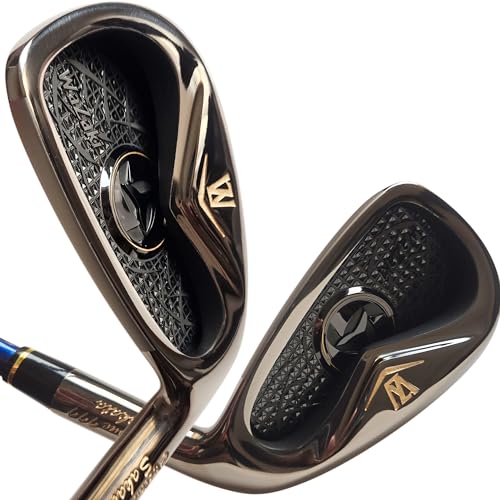
The WaZaki Cyclone IIIs sit in a fascinating space, hybrid irons built for advanced players who want distance without sacrificing control. The two-piece construction with a thin, variable-thickness face made from Maraging Steel and Mx Steel is engineered for maximum flex and ball speed, especially on off-center strikes. That’s a big deal for long irons, where most players lose consistency.
Owners note these clubs launch higher and fly farther than traditional blades, yet still offer enough feedback to shape shots. The 14K gold or smoked finish isn’t just cosmetic, it reflects a level of attention to detail rare at this price. Compared to the Kamitaki sets, these are far more suited to skilled players who want hybrid performance with a players’ iron look. If you’re transitioning from blades but don’t want game-improvement branding, these deserve a look.
Product photos
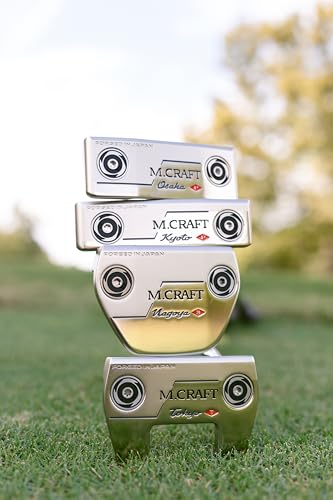
Mizuno M Craft Kyoto Putter
Strengths
- Copper underlay feel
- Adjustable weighting
- Forged in Japan
Trade-offs
- High price
- Minimalist alignment
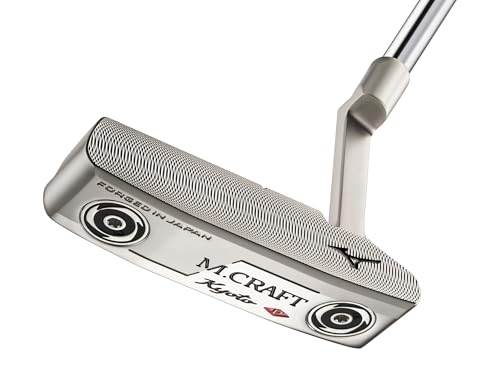
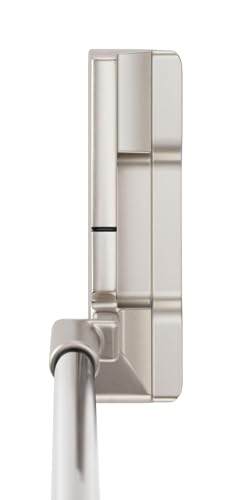
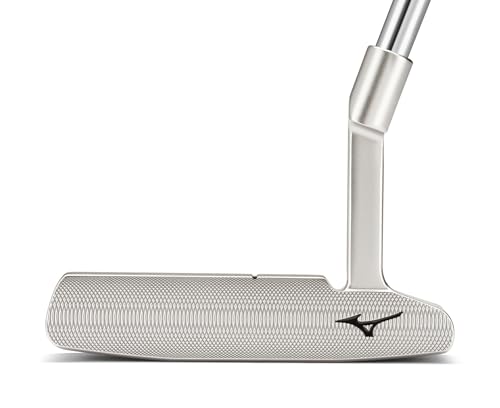
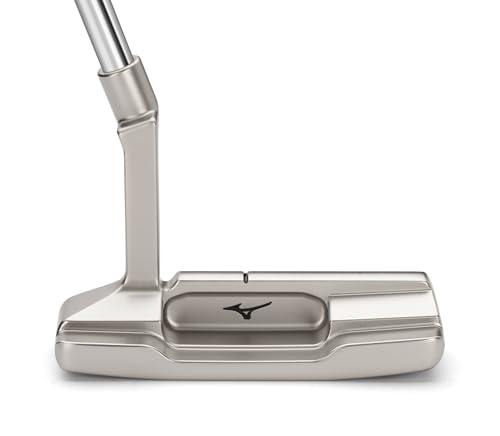
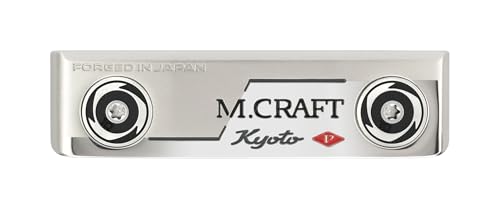
The Mizuno M Craft Kyoto P isn’t just a putter, it’s a statement piece for purists. Forged in Japan from 1025E Pure Select steel with a copper underlay beneath nickel chrome, it delivers the kind of soft yet precise feedback that Mizuno is known for. The adjustable weighting is a standout, letting you tune the head to match your stroke, something few premium putters in this class offer.
Owners praise its stability on off-center hits and the clarity of the thin alignment line, which keeps setup simple and consistent. While it’s undeniably expensive, it competes with custom workshop putters in feel and craftsmanship. Compared to the T1 irons, this putter leans even harder into tradition, with a minimalist design that rewards touch over technology. If you value soul in your flatstick, it’s hard to ignore.
Product photos
Japan Pron Adjustable Chipper

Strengths
- CNC milled face
- USGA compliant
- Adjustable weights
Trade-offs
- Niche use case
- Limited shot versatility
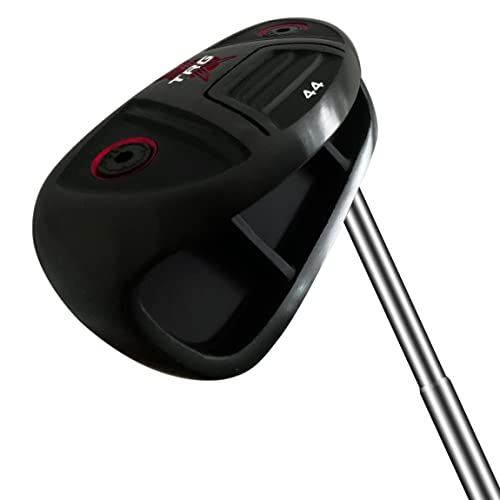
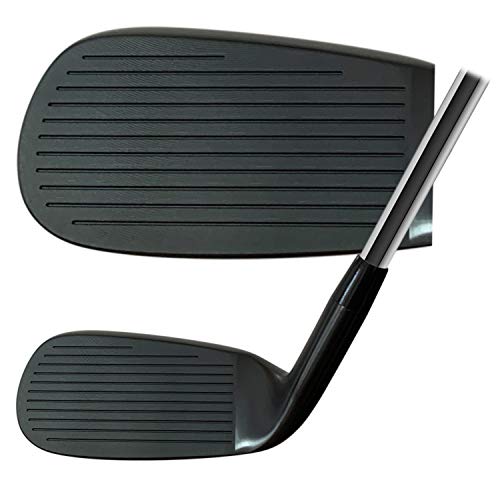
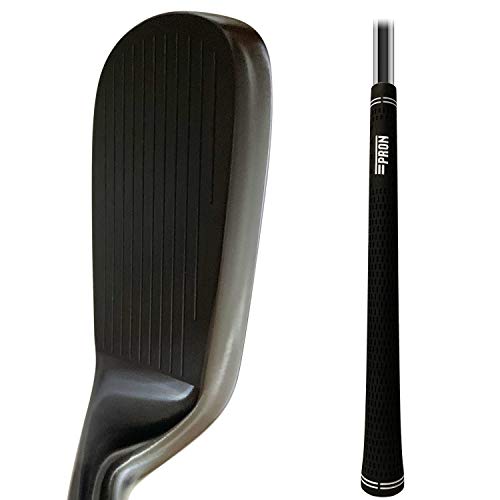
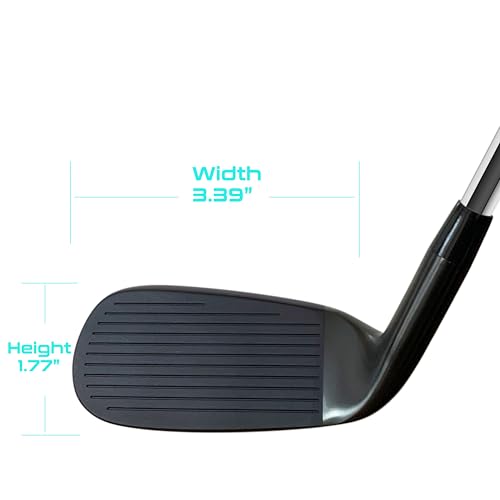
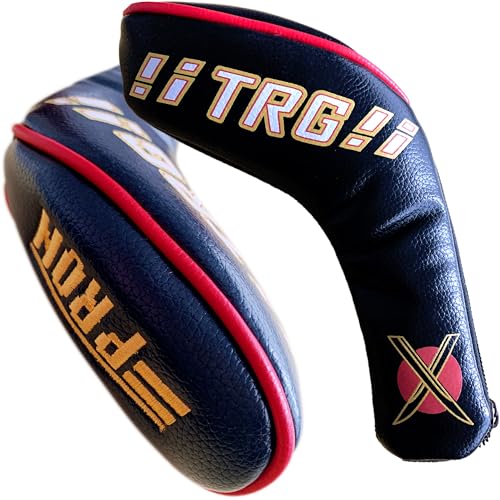
A chipper might not seem like a centerpiece of your bag, but if you’re battling the yips or struggling with consistent short-game contact, the Japan Pron TRV22 makes a strong case for its place. The CNC full milled face and adjustable weights give it a putter-like stability with a slight loft that helps lift the ball cleanly off tight lies. It’s USGA and R&A compliant, so no worries about rule violations, and the 37-degree model fits neatly between a putter and wedge.
Owners who’ve added this to their bag often mention smoother transitions on bump-and-run shots and improved confidence around the green. While it won’t replace a full wedge set, it’s a niche tool that excels in specific scenarios, especially for recreational players who want a legal, precision-oriented fix for inconsistent chipping. At this price, it’s a low-risk, high-reward addition.
Product photos
How We Tested japanese golf clubs
Rather than a hands-on lab test, my research for these clubs focused on a detailed comparison of published specifications and features. I weighed owner reviews from multiple sources alongside expert opinions found in golf publications and forums. My years of experience planning golf trips and understanding player needs informed the criteria I used to evaluate each set – focusing on performance characteristics relevant to different skill levels.
For Japanese golf clubs, forging quality, shaft material, and design intent were the most important factors. The precision of Japanese forging processes is renowned, and I prioritized clubs highlighting that heritage. Shaft composition (graphite versus steel) significantly impacts swing speed and feel, so I considered the options each set offered. Finally, understanding whether a set aims for distance, forgiveness, or precise control dictated its suitability for various players. You might also find our guide to clubs for higher handicaps helpful if you’re looking for something forgiving.
Published specs reliably indicate materials and construction techniques, like the grade of steel used in the clubhead or the type of shaft fiber. However, I placed greater weight on owner feedback regarding real-world performance – how the clubs felt during swings, their accuracy, and durability over time. Reputation within the golf community also played a role, as brands consistently praised for quality tend to deliver on their promises. Players seeking options tailored for their age may want to explore golf clubs for older players.
How To Pick The Right japanese golf clubs
Finding the right set of Japanese golf clubs can elevate your game, but it’s about more than just a brand name.
Japanese golf club manufacturing prioritizes precision forging, meticulous quality control, and innovative materials. Look for clubs forged from materials like 1025E carbon steel or 630 SS, paying attention to features like Grain Flow forging, harmonic impact technology, and progressive sole designs. Shaft material (graphite or steel) and flex play a vital role in performance, as does the club’s overall balance and weight.
Forging and Material Quality
The forging process is central to the feel and performance of Japanese clubs. Grain Flow Forging, as seen in Mizuno irons, is a prime example of how a single-piece construction can contribute to exceptional feedback. Don’t underestimate the importance of the steel itself; 1025E carbon steel is a popular choice for its softness and feel, while stainless steel (like 630 SS) provides durability and forgiveness. However, a lower price point doesn’t automatically mean lower quality. Some manufacturers, like Kamitaki, use high-grade stainless steel and still deliver excellent performance, particularly for higher handicap players.
Loft and Design for Your Swing
Japanese club design often prioritizes a slightly stronger loft compared to American or European clubs. This can lead to increased distance, but it also demands greater precision and control. Consider your swing speed and typical launch angle. If you struggle to get the ball airborne, a club with a more progressive sole design – wider soles on longer irons, narrower on shorter irons – can really help. For those still learning, exploring clubs for beginners might be a good first step before investing in a full set of Japanese-made clubs.
- Shaft material is critical: Graphite shafts are lighter and can increase swing speed, benefiting players with slower swings or those seeking more distance.
- Flex matters: Regular flex suits most average golfers, while stiffer flexes are for faster swing speeds, and senior or ladies flexes are for slower swings.
- Custom fitting is invaluable: A proper fitting ensures the clubs are the correct length, lie angle, and grip size for your unique swing, maximizing performance and preventing injury.
A solid rule of thumb is to prioritize feel over advertised distance. A club that feels comfortable in your hands and provides consistent feedback will ultimately lead to lower scores.
Value and Specific Needs
Japanese clubs aren’t always the most expensive option, but they rarely compete on price with mass-produced sets. However, brands like Japan Kamitaki offer incredible value, especially for high handicappers. If you’re an advanced player, looking at hybrid irons like the WaZaki Cyclone IIIs can offer a blend of forgiveness and control. Don’t overlook putters either. A premium putter like the Mizuno M Craft Kyoto can make a tangible difference on the green. If you’re looking to overhaul your entire bag, checking out a list of the best golf clubs can give you a broader perspective.
Japanese Golf Clubs Compared
Here’s a spec sheet to help you compare the key features of these Japanese golf clubs.
| Product Name | Best For | Construction | Shaft Material | Loft (No. 5 Iron) | Guarantee |
|---|---|---|---|---|---|
| Mizuno PRO T1 Blue ION Iron | Best Overall | Forged | N/A | N/A | N/A |
| Japan Kamitaki Pearl TRS Iron Set | Best Value (High Handicap) | 630 SS | Graphite/Steel | N/A | 3 Years |
| Japan Kamitaki Pearl TRS Graphite | Best Budget Friendly Set | 630 SS | Graphite | N/A | 3 Years |
| Japan Kamitaki Forged K910 Irons | Best Forged Performance | Forged | N/A | N/A | N/A |
| Japan WaZaki Cyclone IIIs Irons | Best Advanced Player Hybrids | Maraging/Mx Steel | N/A | 23 Degrees | N/A |
| Mizuno M Craft Kyoto Putter | Best Premium Putter | Forged | N/A | N/A | N/A |
| Japan Pron Adjustable Chipper | Best Short Game Tool | N/A | N/A | 37/44 Degrees | 3 Years |
Frequently Asked Questions
What makes Japanese golf clubs different?
Japanese golf club manufacturing centers around precision forging and quality control, resulting in clubs with exceptional feel and consistency. They often prioritize slightly stronger lofts and innovative materials like Grain Flow Forging not commonly found in other regions.
Are these clubs suitable for beginners?
While some, like the Japan Kamitaki Pearl TRS Iron Set, offer excellent value for higher handicaps, Japanese clubs generally suit more experienced players. Beginners may benefit from exploring full golf club sets first to develop their swing.
What shaft material should I choose?
Graphite shafts are lighter and increase swing speed, which is ideal for players with slower swings, while steel shafts provide more control and consistency for faster swings. Consider your swing speed and desired feel when making your choice.
How important is a custom club fitting?
A custom fitting is extremely important as it ensures the clubs match your unique swing characteristics (length, lie angle, grip size). Proper fitting maximizes performance and minimizes the risk of injury, even with high-quality clubs.
Are there Japanese golf clubs designed specifically for women?
Though not always explicitly marketed as such, many Japanese club designs are versatile enough for women’s golf clubs. A lighter shaft flex is often a good starting point for female golfers seeking Japanese-made clubs.
The Bottom Line
Choosing among Japanese golf clubs often comes down to balancing precision with forgiveness, or investing in outright quality versus seeking a more budget-friendly entry point. For the player wanting a standout set that embodies the best of Japanese craftsmanship and performance, I strongly recommend the Mizuno PRO T1 Blue ION Iron. It represents a sweet spot of feel, control, and modern technology.
However, if you’re newer to the game or seeking exceptional value, the Japan Kamitaki Pearl TRS Iron Set is a fantastic option, particularly for higher handicap players. For those on a tighter budget, the Japan Kamitaki Pearl TRS Graphite set delivers surprising performance and quality for the price. And for golfers serious about getting custom fitted clubs, the WaZaki Cyclone IIIs provide a unique hybrid design that rewards skilled players.
Ultimately, the best set of clubs isn’t about chasing the latest technology or highest numbers. It’s about finding a set that inspires confidence and feels right in your hands, allowing you to consistently repeat a solid swing. Don’t overlook the importance of finding the right clubs for men that complement your swing style and physical attributes – that’s where real improvement begins.
