Master Golf Glove Sizing and Purpose for a Consistent Swing
Golf glove sizing and purpose start with two numbers: your middle finger length and the circumference around your knuckles. The glove’s job is to create a consistent, high-friction link between your hand and the club, allowing a lighter grip pressure for more power and control. A fit that’s loose by even half a size lets the club slip at the top of your backswing, where you feel it least until the ball flies offline.
That measurement gap is where most players get it wrong. A 2019 peer-reviewed study that used 3D hand scans to compare athletes to glove specs found significant mismatches, the labeled sizes didn’t match the actual hand dimensions for a large portion of the test group. This isn’t about a little extra room. It’s about a piece of performance equipment that either works for you or actively works against your swing.
What follows: the two measurements that actually matter, why brand labels like “Large” are almost meaningless, the material choice that decides your glove’s lifespan, and the one break-in rule everyone ignores until their glove is shot.
Key Takeaways
- Measure your middle finger length and hand circumference at the knuckles; ignore overall hand length. If these two numbers differ by more than 2 on a brand’s sizing chart, you likely need a Cadet size.
- A new glove should feel snug, almost too tight. Premium cabretta leather will stretch about half a size over 2-3 rounds. A glove that’s comfortable out of the packet will be baggy and unreliable by the fourth round.
- Glove sizing is not standardized. A “Large” in FootJoy can fit differently than a “Large” in Titleist or Callaway. You must check each brand’s specific size chart.
- The primary purpose of a glove is to increase friction, allowing you to hold the club with 30-50% less grip pressure. This reduces tension in your forearms and wrists, directly increasing swing speed and consistency.
- Take your glove off after every full shot. Letting it air out on your bag or pocket between shots can nearly double its usable life by preventing sweat from degrading the leather or synthetic materials.
Why a Glove Isn’t Optional Equipment
You can play without one. You’ll also play worse, and your hands will hurt.
The glove’s purpose is mechanical, not decorative. It transforms your connection to the club. Your skin, especially when damp with sweat or morning dew, has a variable coefficient of friction. A golf glove’s palm material, whether cabretta leather, synthetic, or a hybrid, provides a consistent, high-friction surface. This consistency lets you achieve a secure hold with what instructors call “light grip pressure.”
The Velcro Test: On a new glove, fasten the wrist closure. The tab should cover only about 75% of its landing pad. If it stretches all the way across on day one, the glove is already too big and will not break in correctly.
Squeezing the club tightly is a instinctive compensation for a poor grip. That tension travels up your forearms, locks your wrists, and kills any chance of a fluid, powerful release. A proper glove replaces brute force with engineered friction. It also acts as a sacrificial layer. Hundreds of swings create heat and abrasion; a glove prevents the blisters and calluses that would otherwise cut a practice session short.
The Two Measurements That Matter (and the One That Doesn’t)
Forget measuring your entire hand from wrist to fingertip. That number is useless for glove fitting. Every major manufacturer, including FootJoy, uses a two-number system based on specific hand landmarks.
First, measure the length of your middle finger, from the base of the finger where it meets the palm to the very tip. Second, measure the circumference of your hand around the knuckles of your index, middle, ring, and pinky fingers, excluding the thumb. Use a soft tailor’s tape for accuracy.
These two numbers are then matched to a brand’s sizing chart, which translates them into codes. For example, FootJoy uses a numeric code from 0-9 for each measurement. A mismatch between these codes is the most common fitting problem.
| Measurement | How to Measure | Why It Matters |
|---|---|---|
| Middle Finger Length | Base of finger to tip. | Determines if the glove’s finger pockets are the correct depth. Too long and material bunches at the tips; too short and the seams strain. |
| Hand Circumference | Around the knuckles, thumb excluded. | Dictates palm width and overall volume. A circumference too large for the finger length means you need a Cadet fit. |
| Overall Hand Length | Wrist crease to tip of middle finger. | Ignore this. It doesn’t correlate with glove pocket placement and leads to incorrect size selection. |
If your finger length code is lower than your palm width code, try a Cadet glove in your size. This fit offers a standard palm width with shorter finger pockets, designed for hands that are broad relative to their length.
The research is clear on how often this system fails in practice. A study titled “Comparison of Glove Specifications, 3D Hand Scans, and Sizing of Sports Gloves for Athletes” used 3D scans to compare actual hands to glove specs. It concluded that traditional sizing is often inadequate, with significant percentage differences between glove dimensions and the scanned hand measurements. This sports glove sizing study provides hard data on why so many gloves feel off, the specs and the hands simply don’t align.
How to Perform a 60-Second Fit Test
You can have the perfect measurements and still get it wrong if you don’t test the fit dynamically. Do this with every new glove model.
- Slide it on carefully. Work each finger fully into its pocket before pulling the glove over your palm. Don’t yank it from the cuff.
- Make a fist. Look at the palm of the glove. It should be smooth. Any significant wrinkling or loose fabric means the glove is too large.
- Extend your fingers. The material should feel snug across the back of your hand and knuckles but not restrictive. You should feel the seams at the base of your fingers, not pinching.
- Fasten the closure. Check the 75% rule. Then, grip an imaginary club. There should be zero bunching in the palm where the club handle sits.
Where this goes sideways: Assuming “it will stretch” to justify a tight fit across the back of the hand. A glove stretches in the palm and fingers from flexing. The back material, often synthetic for flexibility, gives very little. If it’s tight there when new, it will stay tight.
A glove that passes this test will feel almost too perfect when new. That’s correct. The break-in process is about the palm and fingers molding to you, not the entire glove growing a size.
Decoding Sizing Labels: Why “Large” Means Nothing
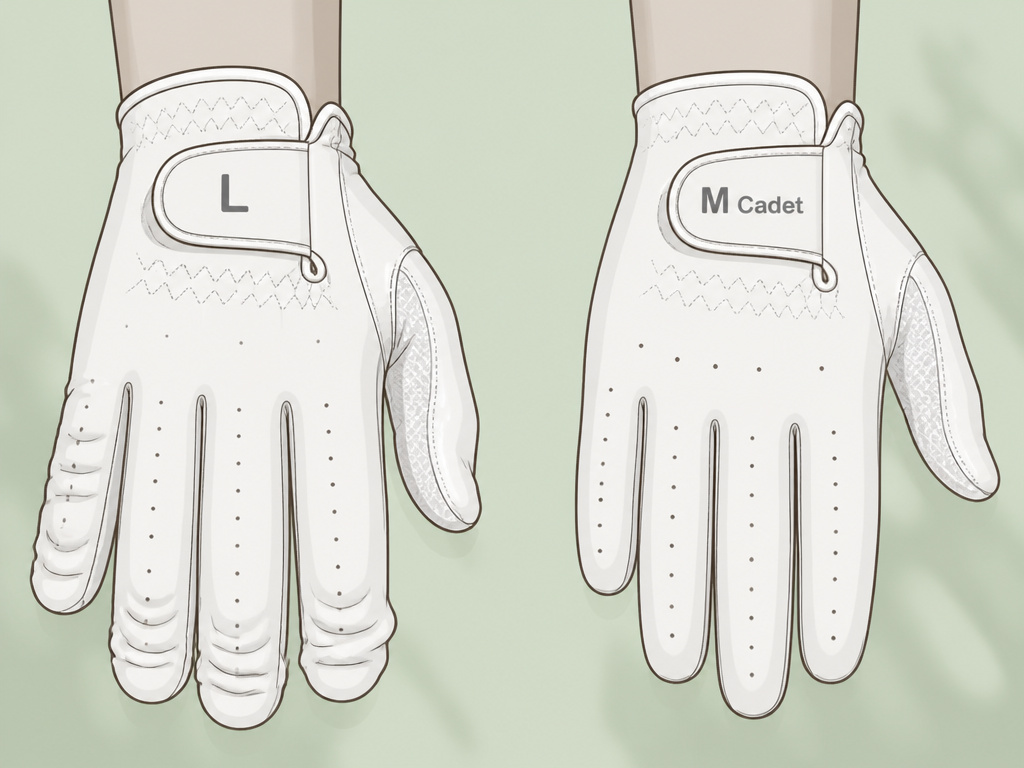 This is the single biggest point of confusion. There is no industry standard for what constitutes a Men’s Medium or a Women’s Large.
A FootJoy Men’s Large and a Titleist Men’s Large are cut from different patterns and can fit noticeably different hand shapes. The same goes for men’s golf gloves across all major brands like Callaway and Mizuno. This variation is why you must consult the specific brand’s size chart every time you switch. Buying the same letter size out of habit is a guaranteed way to get a poor fit.
The “Cadet” category exists specifically for this variability. It’s not a smaller size; it’s a different shape: a standard (or even larger) palm width paired with shorter finger lengths. If you’ve ever had to pull the fingertips of a glove taut before swinging, you are a Cadet fit.
| Sizing Label | What It Actually Means | Who It’s For |
|---|---|---|
| Standard (e.g., M, L) | Proportional finger length to palm width. | Hands where the two key measurements align on the brand’s chart. |
| Cadet (e.g., M Cadet, L Cadet) | Standard palm width, shorter fingers. | Players with broad, powerful palms relative to finger length. Very common. |
| Women’s Specific Sizes | Narrower overall palm and shorter finger profile. | Not just for women. Some male tour pros wear them for a tighter, “next-to-skin” fit. |
FootJoy openly states that several of their tour players wear a women’s glove for optimal performance. This isn’t a gimmick. If a man’s hand measurements align better with a brand’s women’s size chart, that glove will provide a superior fit. Let the numbers, not the label, make the choice.
Material Matters: Feel, Durability, and When to Use Each
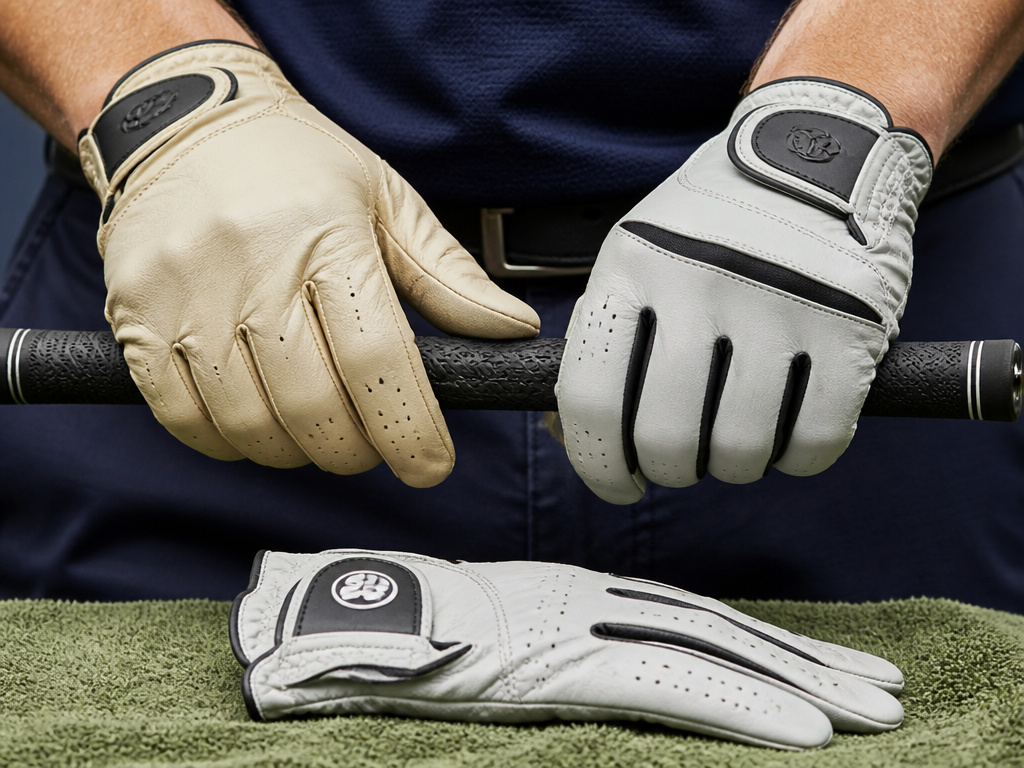 Your glove material is a trade-off between sensory feedback, longevity, and performance in specific conditions. Picking the right one is as important as the size.
- Cabretta Leather: This is the premium standard, made from the hide of hair sheep. Nothing provides better feel and connection. It’s thin, supple, and molds to your hand like a second skin. The break-in is real; a quality cabretta leather glove will stretch about half a size. The downside is durability, especially when wet. It requires care.
- Synthetic Leather: Engineered for toughness and weather resistance. Modern synthetics are very good, offering consistent performance in rain or humidity without getting stiff. They stretch less than leather, so the fit you buy is the fit you keep. They can feel slightly thicker and offer less sheer tactile feedback.
- Hybrid Gloves: The best all-around choice for most players. These combine a cabretta leather palm for feel with a synthetic back and knuckles for durability, flexibility, and a more secure fit. They bridge the gap between the two worlds effectively.
- All-Weather/Rain Gloves: A specialty item, sold in pairs. Made from synthetic materials that actually improve grip when soaked. If you play in frequent rain, these are non-negotiable. They are not for everyday dry use.
Your climate and frequency of play dictate the choice. In hot, humid climates, a synthetic or hybrid might outlast leather. For pure feel during a weekend round, nothing beats cabretta. For a durable, recommended glove for hot and humid play, a synthetic or advanced hybrid is often the best tool for the job.
Common Sizing Mistakes and Their Consequences
Getting the size wrong has immediate, mechanical effects on your swing. Here’s what each error costs you.
| Mistake | Immediate Consequence | Long-Term Result |
|---|---|---|
| Glove too large (baggy) | Material bunches in the palm, creating a variable layer between hand and grip. The club can torque slightly at impact. | You unconsciously increase grip pressure to compensate, leading to arm tension, fatigue, and lost distance. |
| Glove too small | Seams pull tight across the knuckles, restricting hand movement and causing discomfort. Fingertips are compressed. | The glove will tear at the seams or in the thumb crotch within a few rounds. It never breaks in properly. |
| Ignoring Cadet fit | Excess material at the fingertips. Before every shot, you’ll pull the fingers taut—a tiny but consistent distraction. | You never achieve a truly secure, set-and-forget feel. It subtly undermines confidence at address. |
| Not re-measuring seasonally | A glove that fit last spring feels different now. | You play with a sub-optimal fit for months, blaming your swing for a loss of control that starts in your hands. |
Hand size can change due to weight fluctuation, hydration, or even arthritis. Make measuring part of your seasonal gear check, just like checking your grip size.
Glove Strategy: Making a Single Glove Last 20+ Rounds
A glove is a consumable, but you control its expiration date. The enemy is moisture, both sweat and environmental.
The single most effective habit is to remove your glove after every full shot. Immediately after you hit, take it off. Hang it from the Velcro patch on your golf bag, clip it to a carabiner, or let it air out in your back pocket. This allows the interior to dry and prevents sweat from breaking down the leather’s fibers or the synthetic’s adhesives. This one habit can double a glove’s lifespan.
When putting or hitting chips around the green, go bare-handed. You want maximum tactile feedback for these shots, and giving the glove a rest extends its life. At the end of the round, never stuff a sweaty glove into a dark bag pocket. Smooth it out and let it air dry flat at room temperature. Never use direct heat.
For players who go through gloves quickly due to perspiration, investing in a pair of gloves for sweaty hands designed with advanced moisture-wicking linings is a smarter long-term play than burning through standard models.
Frequently Asked Questions
Do any pros play without a glove?
Tiny minority do, typically to maximize feel. The overwhelming majority of tour professionals wear a glove on their lead hand. The performance benefit, a consistent, light grip, is too significant to give up, especially under pressure.
How tight should a golf glove be?
It should be snug to the point of feeling slightly restrictive when new, particularly in the fingers and palm. You should not be able to pinch any excess material at the fingertips. The “second skin” analogy is correct, but remember skin is tight.
What does “Cadet” mean in golf glove sizing?
Cadet indicates a glove cut with a standard (or wide) palm width but shorter finger lengths. It is designed for players whose hand circumference measurement is large relative to their finger length. If standard gloves leave extra material at your fingertips, try a Cadet size.
Can I wear a golf glove on both hands?
You can, and some do in very cold or wet conditions to maintain feel and warmth. For standard play, one glove on the lead hand is the convention. The trailing hand is often kept bare for enhanced feel and touch, especially on short shots.
Why do some men wear women’s golf gloves?
Because the fit is better. Glove sizing is about dimensions, not gender. If a man’s hand measurements (finger length, palm circumference) align more closely with a brand’s women’s size chart, that glove will provide a superior, tighter fit. Several FootJoy tour pros do this for performance.
How often should I replace my golf glove?
Replace it when it loses its snug fit, develops a slick spot in the palm, or the material becomes stiff and cracked. For a regular player using a cabretta leather glove, this might be every 15-20 rounds with proper care. A worn-out glove fails at its primary job: providing consistent friction.
The Bottom Line
Stop guessing your glove size. Measure your middle finger and knuckle circumference, today. Match those numbers to the specific chart of the brand you’re buying, whether that’s for the latest premium golf gloves or a durable synthetic model. Embrace the fact that a proper fit feels tight at first. Let the leather mold to you over two rounds, not the other way around.
The glove’s purpose is to be an invisible, reliable partner. When it’s right, you don’t think about it. Your grip is light, your wrists are free, and the club feels like an extension of your arms. When it’s wrong, you fight it on every swing, trading potential power for compensatory tension. Get the measurements right, pick the material for your conditions, and take the thing off between shots. Your hands, and your scores, will thank you.
