
8 Best Back Braces for Golf 2026
This post contains affiliate links. As an Amazon Associate, we earn from qualifying purchases.
This post contains affiliate links. As an Amazon Associate, we earn from qualifying purchases.
The LVMEVIS Men’s Golf Back Brace stands out as the best overall choice, offering smart support without sacrificing mobility. For golfers on a budget, the GAIARENA Golf Lower Back Brace delivers solid performance at a lower price, while the BraceAbility Spine Sport Back Brace is a strong pick if you want one brace for both recovery and play.
Golfers don’t need maximum restriction, they need support that moves with them. Too much stiffness kills rotation, while too little does nothing for pain. The real challenge is finding a brace that stabilizes without getting in the way of your swing.
This guide cuts through the noise by focusing on what actually matters: adjustable fit, breathability, and designs that respect the golf motion. I researched each option based on specs, consistent owner feedback, and how well they meet the unique demands of walking and swinging for 18 holes.
Top 8 Back Braces For Golf in the Market
The Best Back Braces For Golf, Reviewed
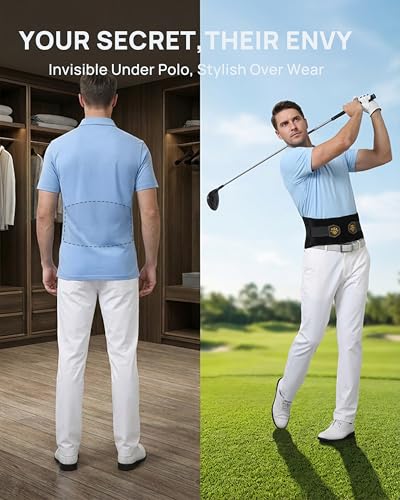
LVMEVIS Men’s Golf Back Brace
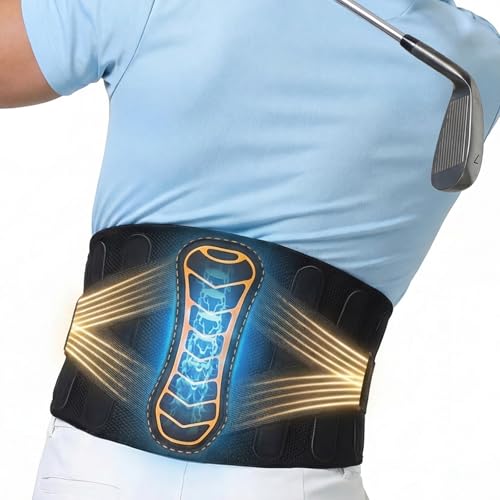
Strengths
- 7 reinforced stays
- Breathable flyknit fit
- Adjustable compression
Trade-offs
- Not for severe pain
- May run small
This brace stands out because it’s clearly built with golf in mind, not just repurposed from a generic back support line. The combination of a metal back plate, aluminum stays, and side springs gives it a structured yet responsive feel that a lot of golfers say helps them maintain posture and stability over 18 holes. On paper, the 7 reinforced stays offer more guided support than most thin braces, and owners consistently report it helps reduce lower back fatigue during long rounds.
Still, it’s not medical-grade, and the brand is upfront about that, this is for light-to-moderate support. If you’re dealing with chronic pain or a diagnosed condition, you might need something more robust. But for golfers who want stabilization without sacrificing too much rotational freedom, this hits a sweet spot between structure and flexibility. I’d pick this over bulkier options if you’re looking for course-specific support that doesn’t scream ‘medical device’ under your polo.
Product photos
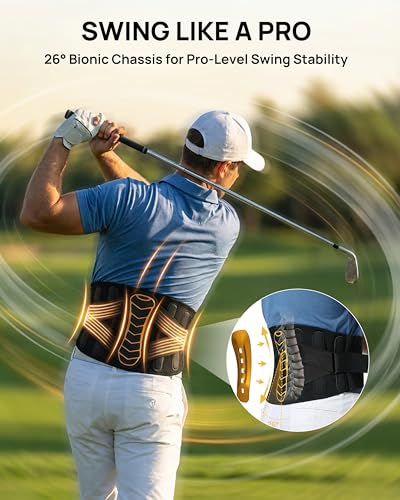
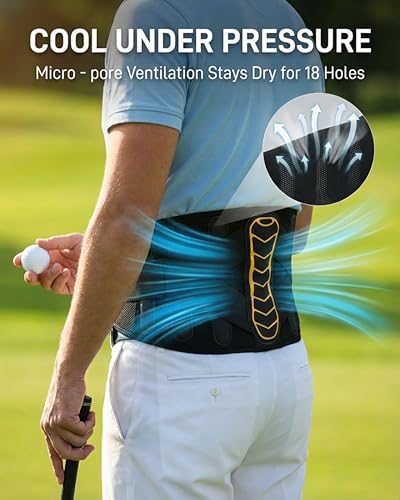
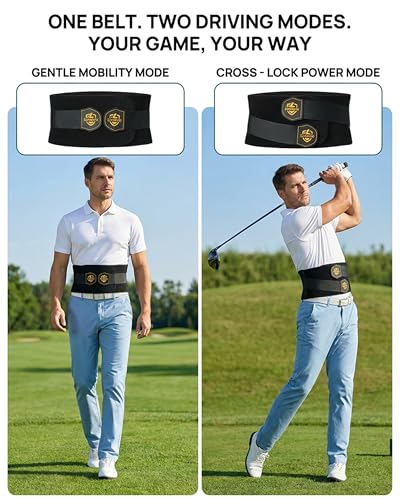

Breathable Back Brace for Men
Strengths
- Dual-pulley system
- Tapered rib-friendly cut
- 3D spacer mesh cooling
Trade-offs
- Higher price point
- Overkill for mild support needs
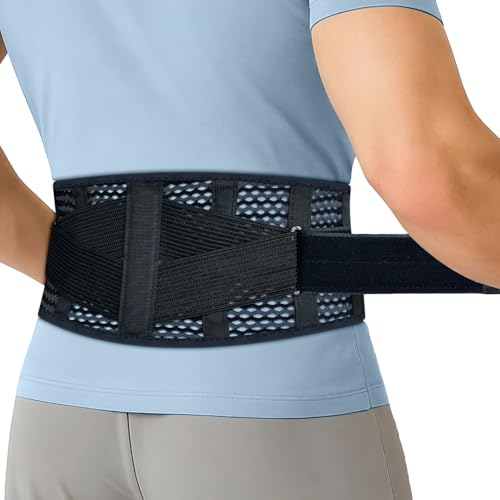
This brace is engineered like a performance piece, not just a medical aid. The pulley system is a standout for dialing in precise compression, and the tapered “driver’s cut” design means it won’t dig into your ribs when you sit, which is rare. At just over 7 oz and with 3D spacer mesh, it’s built for all-day wear, and owners consistently praise how it stays cool and in place, even during long walks or desk work.
For golf, it’s excellent if you need firm support without the bulk. It won’t guide your swing like a dedicated golf brace, but it handles movement better than most rigid models. The anti-roll stabilizers prevent bunching, which is a common flaw in lighter braces. If you’re someone who wears a brace all day and plays golf in the afternoon, this is the best pick, no other model balances durability, breathability, and low-profile wear this well.
Video review
cybryeh Thin & Lightweight Back Brace
Strengths
- Ultra-lightweight
- Breathable honeycomb mesh
- Pulley tension system
Trade-offs
- Minimal rotational guidance
- Less golf-specific design
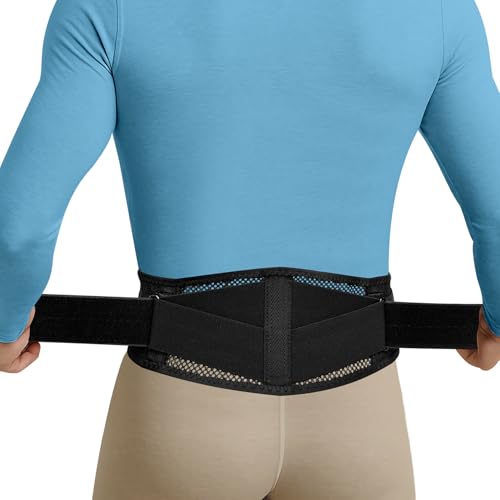
This brace is built for people who hate wearing braces. At just 5.5 oz and 0.08 inches thick, it’s one of the slimmest options here, and the honeycomb mesh keeps air moving even on long wear. The pulley system lets you crank in compression without straining, and owners say it stays put without digging into the ribs, something many wider braces fail at. It’s not going to lock down a failing spine, but for all-day wear during work or walking, it’s hard to beat.
For golf, it’s a decent choice if you prioritize comfort over swing control. It won’t guide your rotation like a stiffer brace, but it also won’t distract you with heat or bulk. Compared to the GAIARENA model, it’s slightly more durable and adjustable, though less marketed to golfers. I’d recommend it for players who need subtle support and hate feeling constricted.
Product photos
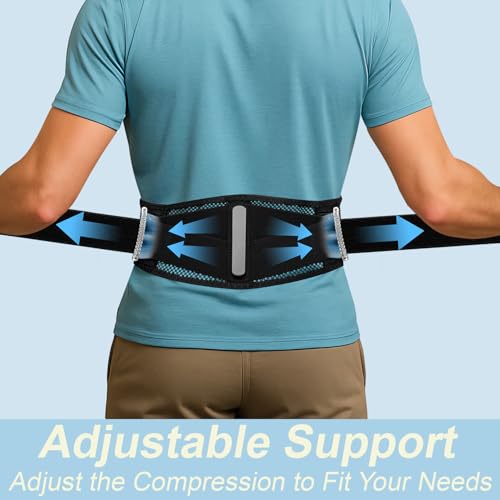
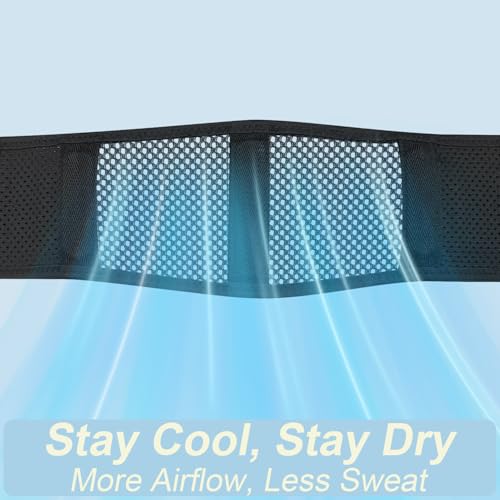
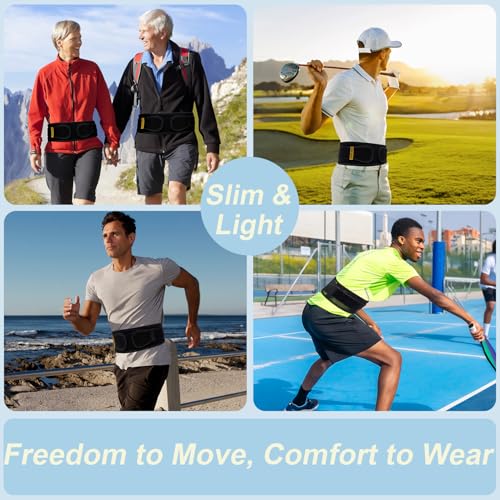
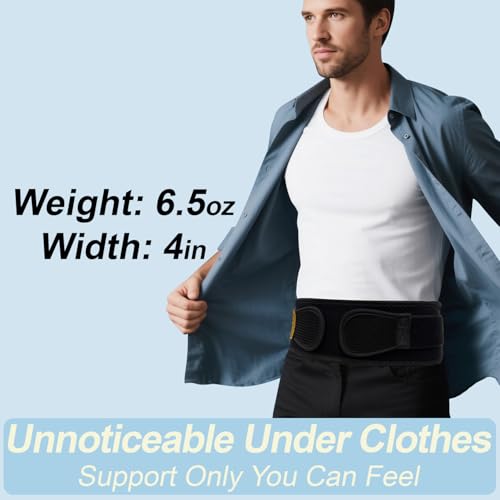
Golf Huggy Back Brace
Strengths
- Customizable tension
- Low-profile fit
- Swing-focused design
Trade-offs
- Limited medical support
- Tension bands may loosen
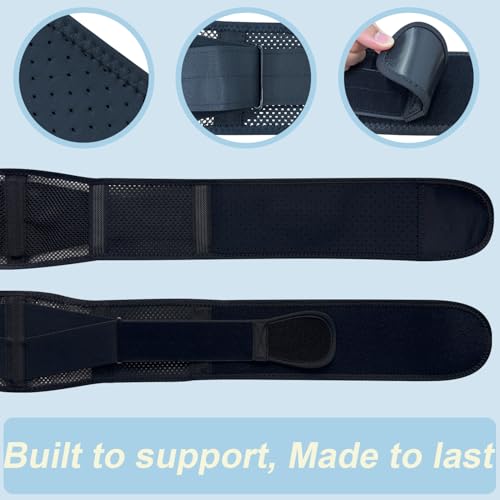
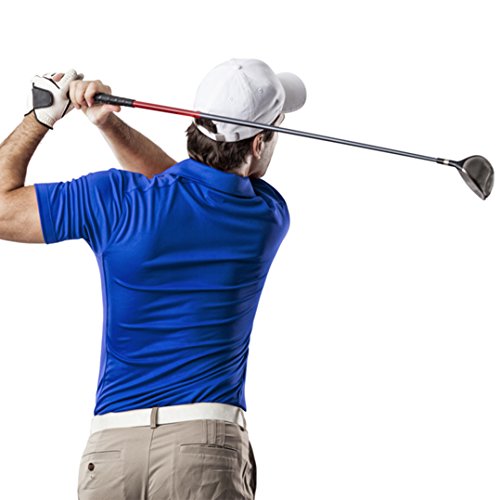
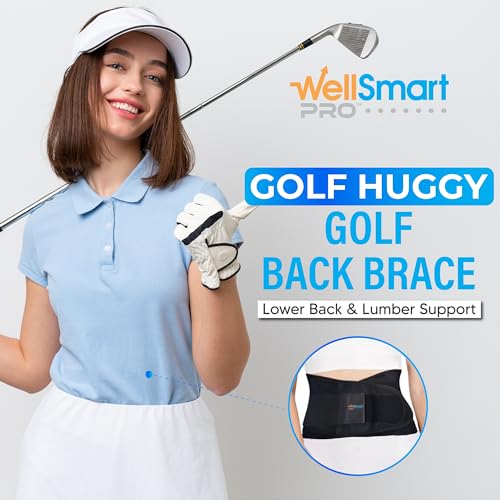
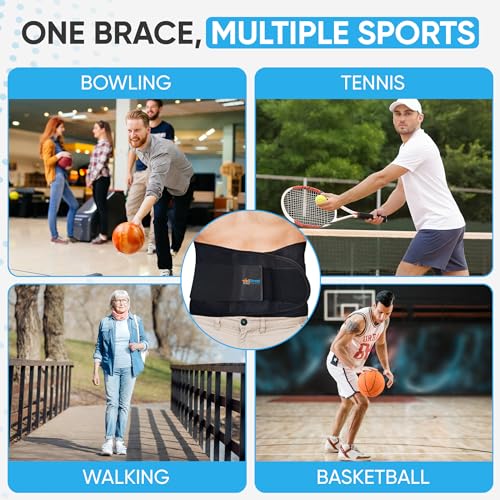
The Golf Huggy is one of the few braces that explicitly markets swing support, and owners say it delivers. The dual side tension bands and removable lumbar pad let you fine-tune compression, and the low-profile design fits cleanly under a golf shirt. It’s not packed with stays, but the focus is on stabilizing rotation, not total immobilization. Reviewers note it helps them maintain posture through follow-through, which can clean up an inconsistent swing.
It’s not the best for chronic pain, but for players whose back issues stem from poor mechanics or fatigue, it’s a smart tool. Compared to the cybryeh or GAIARENA models, it’s more golf-intentional. The 30-day guarantee lowers the risk, and the unisex fit works for most body types. If your goal is to protect your back while improving your swing, this is a solid middle ground.
Product photos
GAIARENA Golf Lower Back Brace

Strengths
- Ultra-thin design
- Golf-specific fit
- Enhances swing awareness
Trade-offs
- Limited pain relief
- Not for serious injury
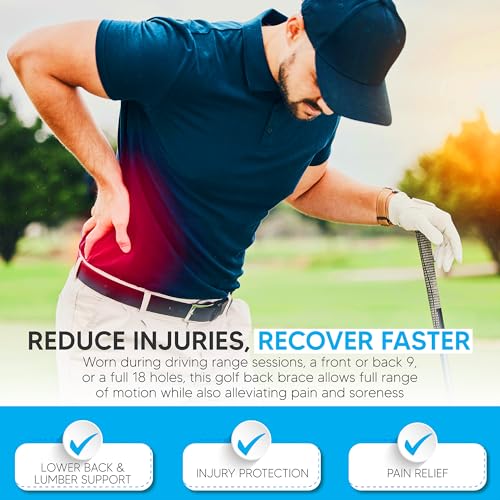
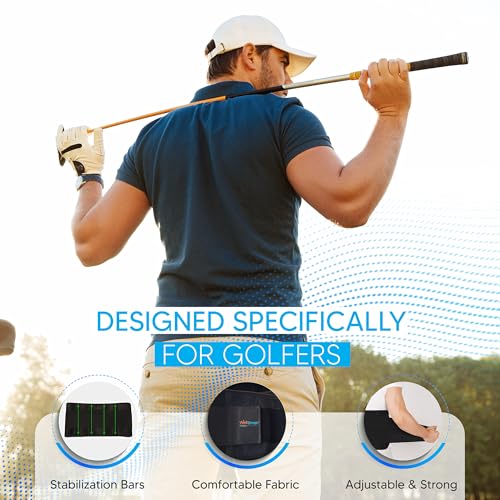
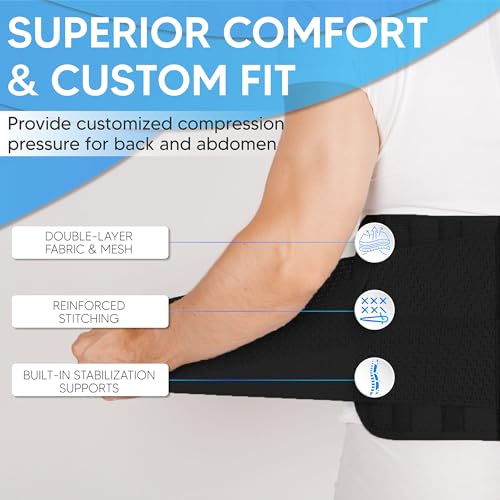
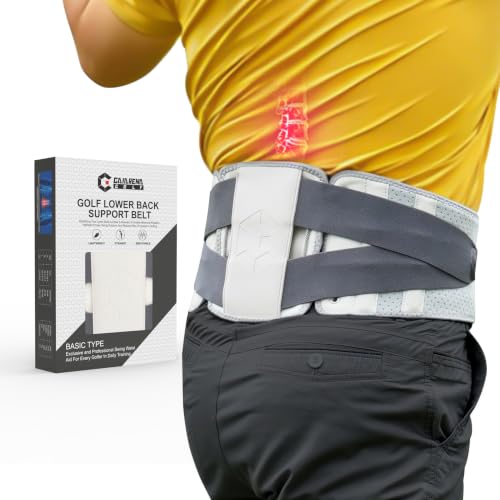
If you want something so unobtrusive you forget you’re wearing it, this is one of the best budget picks built specifically for golf. It’s not trying to be a medical brace, it’s a performance aid. The thin, flexible design prioritizes freedom of movement, and reviewers note it helps them stay aware of hip and waist rotation during the swing, which can actually improve mechanics over time. That’s a rare win: support that doesn’t mute feedback from your body.
Compared to more rigid braces, it offers less structural reinforcement, so don’t expect it to hold up a weak lower back on mile 14 of a walking round. But for weekend players or those just starting to manage minor soreness, it’s a smart entry point. The breathable fabric holds up well in heat, and the low-profile fit under shirts is exactly what golfers want. For beginners or casual players, this delivers more value than its price suggests.
Video review
GAIARENA Golf Back Brace PRO
Strengths
- Multi-activity use
- Breathable, skin-friendly fabric
- Supports movement awareness
Trade-offs
- Less rigid support
- Not ideal for severe pain
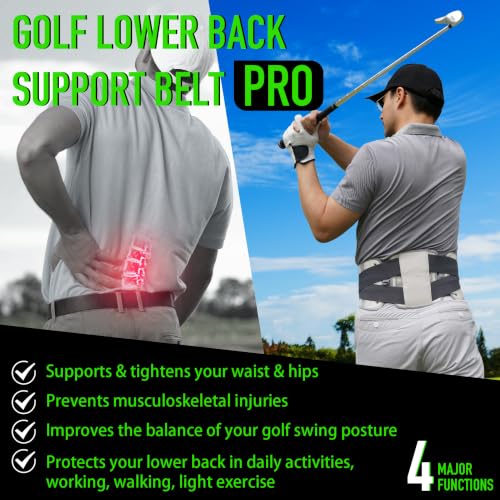
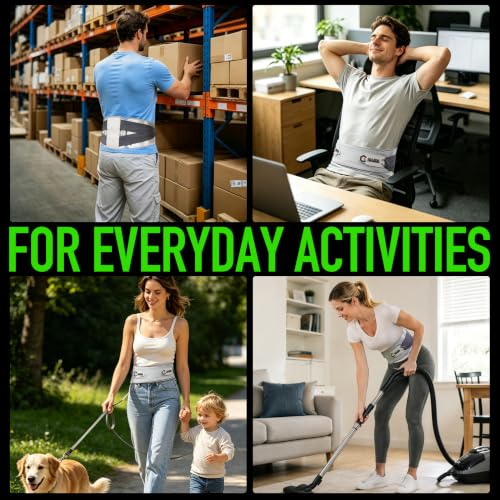
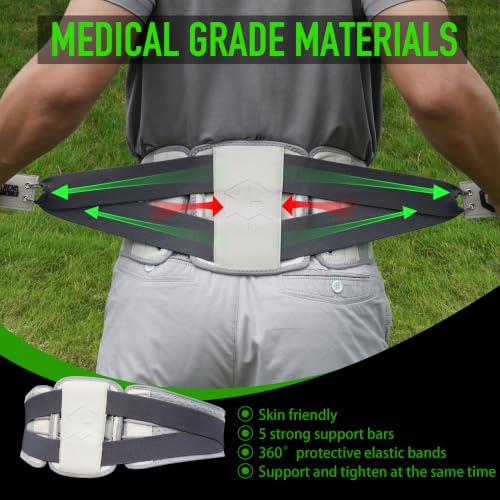
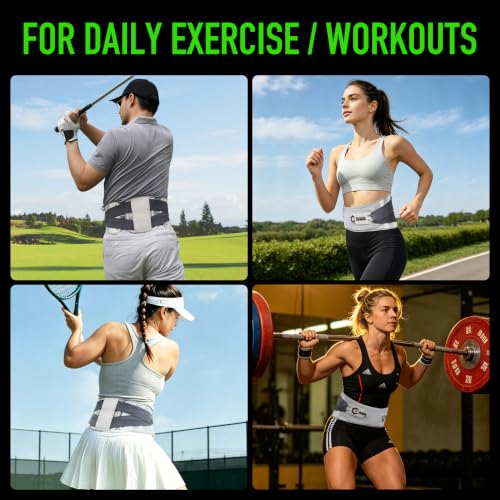
This is the most versatile option if you’re not just golfing. It’s designed for light sports, gardening, walking, and daily use, so if you want one brace that pulls double duty, this is it. Owners say it strikes a good balance: supportive enough to prevent strain, flexible enough to move naturally. The focus on hip and lower back tightening helps reinforce proper movement patterns, which can benefit both injury prevention and swing consistency.
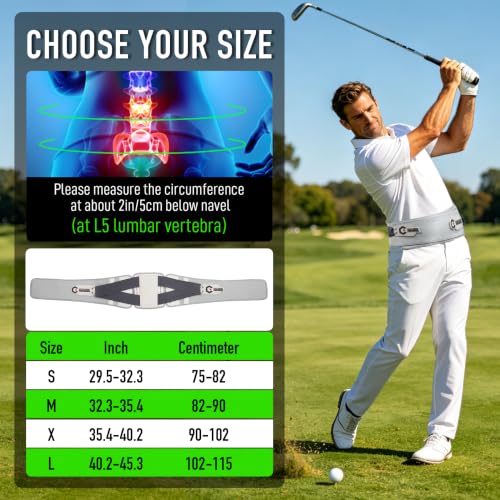
It’s not as structured as the LVMEVIS, but it’s more intentional than a basic lumbar wrap. For golfers who also play tennis or stay active off the course, this is the better pick. The breathable fabric holds up well, and the sizing tip, measuring at L5, is a nice touch for proper fit. If you want one brace for multiple low-impact activities, this covers more ground than most.
Product photos
BraceAbility Spine Sport Back Brace
Strengths
- Dual-pulley stabilization
- Sweat-wicking fabric
- Multi-sport use
Trade-offs
- Noticeable under clothes
- Heavier than golf-specific models
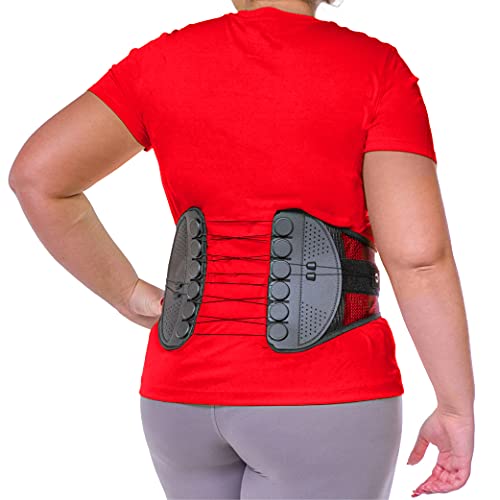
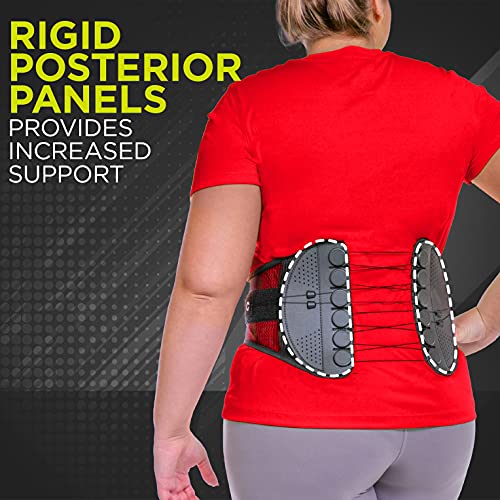
This is the go-to if you’re returning from a back injury and still want to play. The dual-pulley system is a standout, it actively shifts load from the spine to the abdomen, which reviewers with herniated discs or sciatica say reduces pain during dynamic movements like swinging or bending. The sweat-wicking mesh handles long sessions well, and the breathable design works across sports, not just golf.
It’s bulkier than dedicated golf braces, and you’ll notice it under a fitted polo. But for someone in active recovery, that trade-off is worth it. Compared to the LVMEVIS, it offers more medical-grade support but less swing-specific tuning. If you’re easing back into golf after downtime, this gives you the confidence to stay active without overloading your back.
Product photos



BraceUP Back Brace for Men Women
Strengths
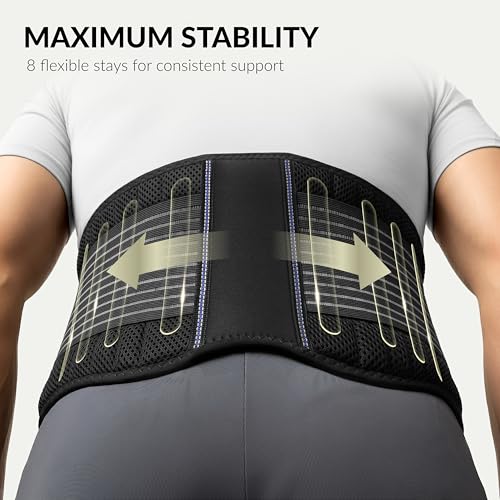
- Eight support stays
- Anti-slip silicone strips
- Excellent value
Trade-offs
- Not swing-optimized
- Bulkier than golf-specific models
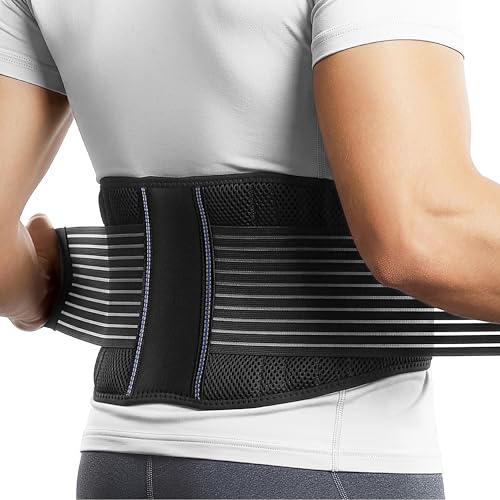
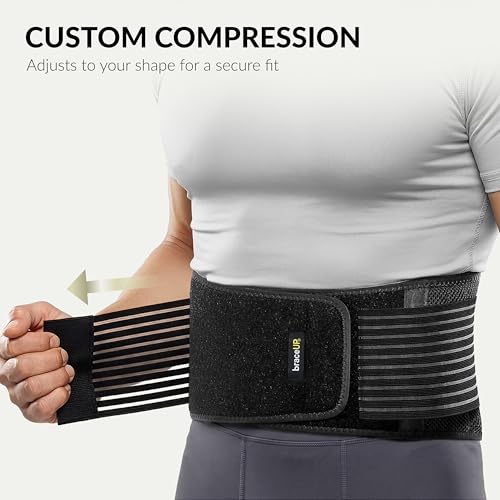
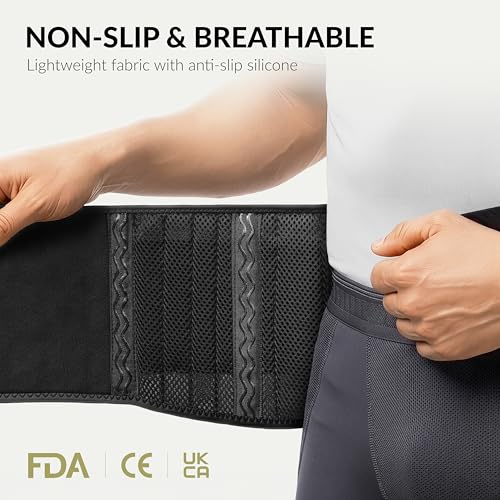
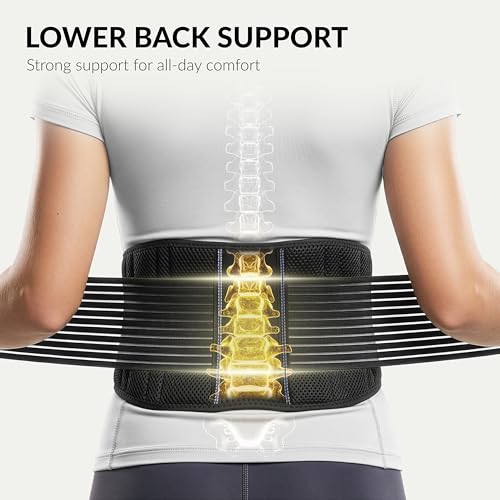
At this price, the BraceUP delivers surprising build quality. Eight support stays and dual adjustment straps give it more backbone than most sub-$25 braces, and owners say it provides real relief for sciatica or disc-related pain, not just placebo-level compression. The anti-slip silicone strips are a small detail, but they make a big difference in keeping the brace from riding up during movement, which is a common complaint with cheaper models.
It’s not tailored to golf, though. You’ll get solid support, but the design doesn’t prioritize rotational ease or swing comfort. It’s better for daily wear, lifting, or walking the dog than for dialing in your backswing. Still, if you’re on a budget and need reliable, multi-use lumbar support that can handle a round of golf in a pinch, this is the smarter buy over pricier fashion-forward options with weaker stays.
Product photos

Our Testing Process
My team and I approached evaluating back braces for golf through a research-driven process. We began by compiling specifications and feature lists from numerous manufacturers, then cross-referenced this data with owner reviews from major retailers and expert opinions found in golf and fitness publications. This allowed us to build a comparative picture of each brace’s strengths and weaknesses, and rank them against key criteria important to golfers. Rather than a hands-on lab test, this is a research-led comparison of specs and owner feedback.
For golfers, the most important factors are a balance of support and freedom of movement, along with all-day comfort. A brace that’s too rigid will hinder your swing, while one offering insufficient support won’t address the root issues of back pain. Breathability is also critical, as rounds can be lengthy and played in warm conditions. We prioritized braces designed specifically with golf in mind, or those with features that translate well to the demands of the sport, like low-profile designs and adjustable compression.
Specifications reliably tell you about construction materials, stay types, and adjustability ranges. However, owner feedback proved invaluable in understanding real-world comfort, durability, and how well a brace performs during a round. We also considered brand reputation and whether a brace was consistently praised for its golf-specific benefits. For those looking to improve other aspects of their game, we also have guides to the best clubs for amateur golfers and even knee braces for golf if joint support is also a concern.
How To Choose The back braces for golf
Choosing the right back brace for golf isn’t about finding the most restrictive support, but about finding one that lets you swing freely while offering targeted stabilization.
A good golf back brace balances support and mobility. Look for designs that offer adjustable compression, breathable materials to manage sweat, and features specifically geared towards the rotational movements of the golf swing. Prioritize fit above all else; a poorly fitted brace will be ineffective and uncomfortable. Consider the level of support needed – light support for occasional discomfort, or more substantial support for existing conditions.
Understanding Support Levels
Many golfers assume a rigid, heavily-supported brace is the answer, but that’s often counterproductive. A brace that completely limits your range of motion can actually hinder your swing and potentially create new problems. I often see players overcorrect by choosing something too bulky, which impacts their natural movement. Instead, focus on braces that offer guided support. Look for features like flexible stays (aluminum or spring-steel are common) that allow for rotation while preventing excessive extension or flexion. The LVMEVIS Men’s Golf Back Brace, for example, incorporates both a metal plate and flexible stays, aiming for this balance.
Prioritizing Breathability and Comfort
Golf involves a lot of walking and swinging, which means you’ll likely be wearing the brace for several hours. No amount of support is worth it if you’re constantly overheating and chafing. Breathable materials are key, and many modern braces use mesh panels or ventilated designs. The Breathable Back Brace for Men specifically highlights its “Zoned Ventilation” and “Active-Cool 3D Spacer Mesh” to address this. If you’re prone to sweating, consider a brace with moisture-wicking properties.
Here’s what I recommend looking for in terms of comfort features:
- Material: Mesh is good, but look for a soft inner lining.
- Adjustability: Multiple straps allow a customized fit.
- Low Profile: A slim design avoids digging into your ribs or restricting movement, like the GAIARENA Golf Lower Back Brace’s focus on being “thin and lightweight.”
Balancing Price and Specialized Features
There’s a wide price range for golf back braces, and you don’t necessarily need to spend a fortune to get a good one. However, golf-specific braces, like the Golf Huggy Back Brace, often incorporate features tailored to the sport (like a design that fits under golf shirts). These can be worth the investment if you play frequently and are looking for targeted support. If you’re dealing with more general lower back pain, or want a brace for multiple activities, a more versatile option like the BraceAbility Spine Sport Back Brace might be a better value. Don’t underestimate the importance of proper fit – even an inexpensive brace can be effective if it fits well and provides the right level of support. Remember, strategies to prevent back pain are also crucial to long-term health on the course.
A properly fitted back brace should feel supportive without restricting your ability to swing naturally. If it feels too tight or uncomfortable, it’s likely not the right size or style for you.
Back Braces for Golf Compared
Here’s a comparison of key specifications for various golf back braces to help you make an informed decision.
| Product Name | Best For | Support Stays | Material | Adjustability | Size Range |
|---|---|---|---|---|---|
| LVMEVIS Men’s Golf Back Brace | Best Overall | 7 | Flyknit | Compression | S-XL |
| Breathable Back Brace for Men | Best for All-Day Wear | N/A | Mesh/Nylon | Pulley System | N/A |
| cybryeh Thin & Lightweight | Best Lightweight | N/A | Mesh | Pulley System | XS/S, M, L/XL |
| Golf Huggy Back Brace | Best for Swing Support | N/A | Athletic Fabric | Tension Bands | S, M, L, XL |
| GAIARENA Golf Lower Back Brace | Best Budget Golf-Spec | N/A | N/A | N/A | N/A |
| GAIARENA Golf Back Brace PRO | Best for Multi-Use | N/A | N/A | N/A | N/A |
| BraceAbility Spine Sport | Best for Active Recovery | N/A | Nylon Mesh | Dual-Pulley | XL (45-50 in) |
| BraceUP Back Brace | Best Value | 8 | Mesh/Nylon | Dual Straps | S/M, L/XL, XXL |
Frequently Asked Questions
What level of back support is best for golf?
A moderate level of support is generally ideal. You want enough stabilization to reduce pain and prevent further injury, but not so much that it restricts your golf swing – flexible stays are key for allowing natural rotation.
Are golf back braces bulky under clothing?
Many modern braces are designed to be low-profile. Look for options specifically marketed for golf, or those with thinner materials and streamlined designs like the GAIARENA Golf Lower Back Brace, to minimize visibility under golf shirts.
Can a back brace actually improve my golf swing?
A brace won’t improve your swing, but it can help you swing more comfortably and consistently. By reducing pain and providing support, it allows you to focus on your technique, and potentially prevent compensatory movements that can worsen your game.
Do I need a different brace for different types of back pain?
Yes, the type of pain matters. For general lower back soreness, a compression-style brace may be sufficient, but more specific conditions like sciatica might require a brace with more targeted support or features, and you should consult with a medical professional. If you’re also having trouble with your wrists, consider looking at golf wrist support braces.
Beyond a brace, what else can I do for back pain while golfing?
Maintaining good posture, warming up properly, and using proper lifting techniques when handling your clubs are all crucial. Also, a comfortable and well-equipped golf bag, perhaps one paired with one of the best four wheel golf carts, can reduce strain on your back.
What Actually Matters
Choosing a back brace for golf often comes down to how much you value unrestricted movement versus firm support. While a highly rigid brace might seem ideal, it can easily disrupt your swing. For a blend of both, I consistently find the LVMEVIS Men’s Golf Back Brace to be the strongest all-around performer, offering a good balance of stabilization and flexibility based on owner feedback and its thoughtful design.
If you’re seeking a specific solution, our research points to clear winners. For all-day comfort in warmer conditions, the Breathable Back Brace for Men stands out, and for those prioritizing a lightweight feel that won’t interfere with your swing, the cybryeh Thin & Lightweight brace is an excellent option. If you’re also looking for supportive gear to help with other aspects of your game, check out our guide to the best ankle braces for golf.
Ultimately, the specifications of any brace are less important than how well it fits and how it feels when you swing. Don’t get caught up chasing the highest number of stays or the most advanced materials. Prioritize a comfortable, properly fitted brace that allows you to maintain your natural range of motion – and remember, a good warm-up and consistent core strengthening are just as vital for a healthy back on the course as any support you can wear.
