
8 Best Base Layers for Golf 2026
This post contains affiliate links. As an Amazon Associate, we earn from qualifying purchases.
This post contains affiliate links. As an Amazon Associate, we earn from qualifying purchases.
The Callaway Soft Touch Blocked Base Layer is the best overall for its comfortable fit and reliable moisture management, while the Moozava Men’s Compression Shirt stands out as a top versatility pick with UPF 50+ protection and solid performance. If you’re watching your budget, the DEVOPS 3-Pack offers solid value without sacrificing core features.
Golfers face real challenges when the weather doesn’t cooperate, sweat-cooled fabric on chilly mornings or sun exposure during long summer rounds can ruin your focus and comfort. A base layer shouldn’t just sit under your clothes. It should actively help you stay dry, move freely, and handle changing conditions from tee to green.
This guide cuts through the marketing by focusing on what actually matters: moisture-wicking fabrics, unrestricted movement, and features like UV protection and warmth where needed. I researched each option based on specs, verified owner feedback, and how well it serves real golfers in real conditions, whether you’re walking a links course in Scotland or playing nine in the Arizona heat.
Top 8 Base Layers For Golf in the Market
The Best Base Layers For Golf, Reviewed
Callaway Soft Touch Blocked Base Layer

Strengths
- Quarter-zip ventilation
- Opti-Dri moisture control
- Golf-specific design
Trade-offs
- Not ideal for extreme cold
- Slight sheen in sunlight
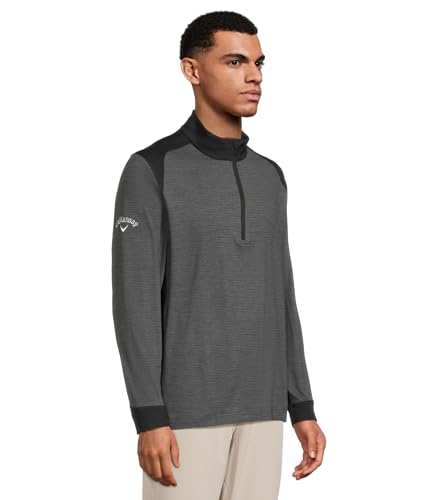
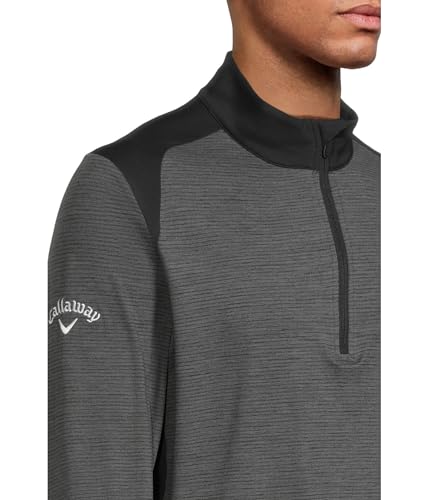
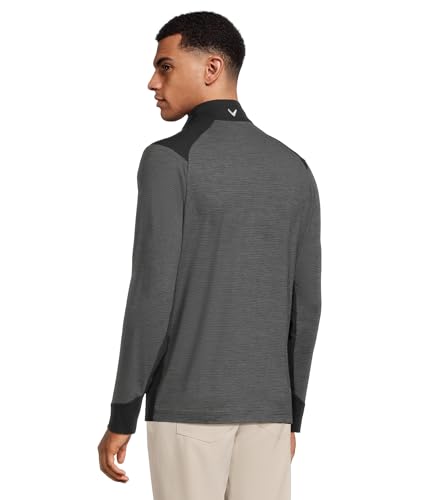
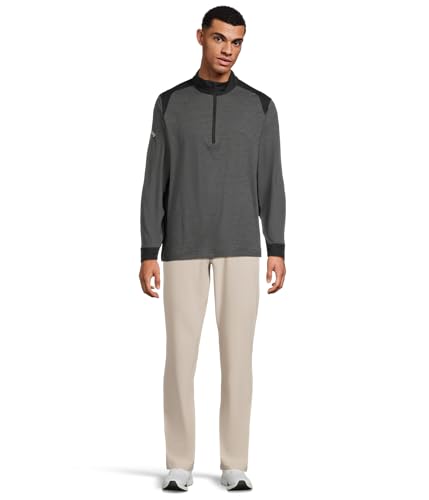
Callaway didn’t just slap their name on this one, it’s clearly designed with golfers in mind. The quarter-zip is a standout for temperature control, letting you vent heat mid-round without removing layers. The Opti-Dri fabric wicks effectively, and the blocked color design gives it a more intentional, course-ready look than generic athletic shirts. The 88/12 polyester-elastane blend offers gentle compression and enough stretch for full mobility, and owners consistently rate it as one of the most comfortable base layers they own.
It’s not the warmest or the most protective, but it hits the sweet spot between performance and polish. Compared to others, it feels like the only one built specifically for golf, not repurposed from gym wear. For that reason, it earns the “Best Overall” title, not because it dominates any single category, but because it balances everything well. I’d choose this as my go-to for most conditions and recommend it as the all-around best pick.
Product photos
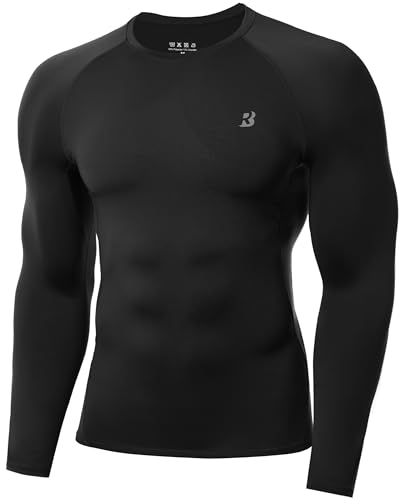
Roadbox Men’s Compression Shirt
Strengths
- Extremely affordable
- UPF 50+ protection
- Seamless design
Trade-offs
- Basic branding
- Less refined fit
At this price, the Roadbox shirt feels like a steal, and surprisingly, owners don’t report the usual trade-offs in durability. The 88/12 polyester-spandex blend delivers real 4-way stretch, and the seamless raglan sleeves move naturally with the golf swing. The UPF 50+ protection is a standout at this price, and the flatlock seams do their job preventing irritation during long sessions.
It’s clearly designed with gym culture in mind, the sporty seams and tight fit aim to highlight physique, but that doesn’t ruin its function on the course. It wicks decently, though not as efficiently as Adidas or Callaway. Still, for beginners or occasional players who want a no-name layer that performs better than expected, this is the smarter buy over pricier unknowns. I’d recommend it as a starter base layer, especially if you’re unsure how often you’ll use it.
Video review
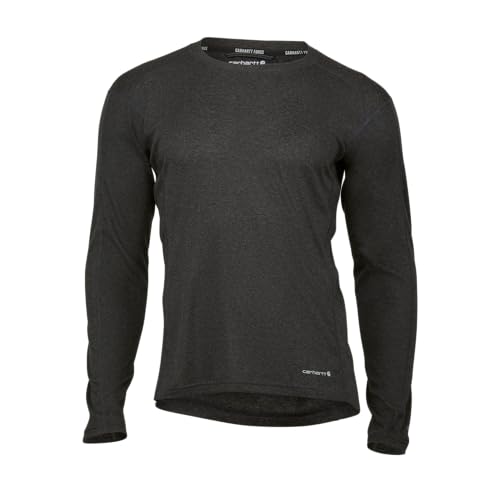
Carhartt Force Midweight Stretch Layer
Strengths
- Brushed thermal interior
- Odor resistant
- Thumb loops
Trade-offs
- Too warm for mild weather
- Crewneck limits sun protection
When the temperature drops, you need a base layer that balances warmth with breathability, and Carhartt’s Force midweight option delivers exactly that. The 170 GSM fabric is heavier than most on this list, and the brushed interior adds a softness that feels great under outer layers. It’s not meant to be worn alone on the course, but as a true base, it excels. The concealed thumb loops are a small but meaningful touch, keeping sleeves in place during bag lifts or windy walks.
FastDry tech and odor resistance make it practical for multi-day trips, and golfers who play in northern climates or early-season rounds consistently praise its durability. It’s less about performance tech and more about rugged reliability. Compared to sleeker compression fits, this one trades agility for warmth, a fair trade in cold conditions. I’d choose this over lighter options when playing below 50°F.
Video review
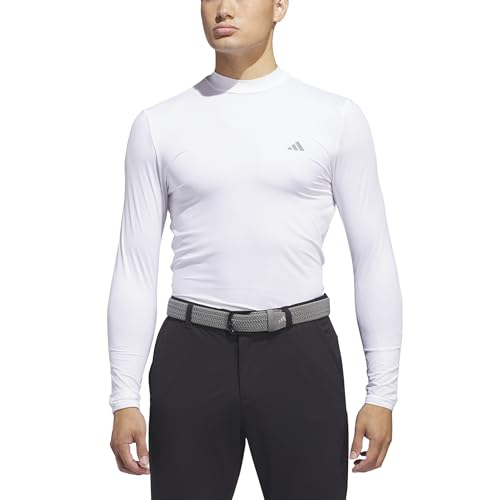
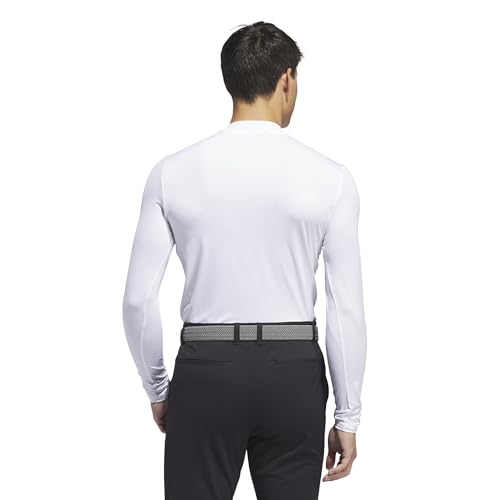
Adidas Men’s Baselayer Shirt

Strengths
- AEROREADY moisture control
- Mesh underarm vents
- Recycled materials
Trade-offs
- Light compression
- Higher price point
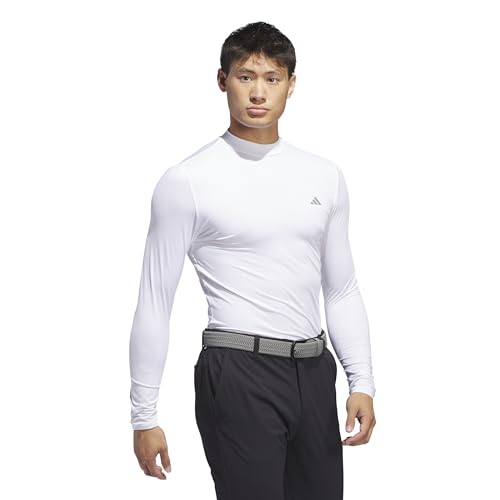
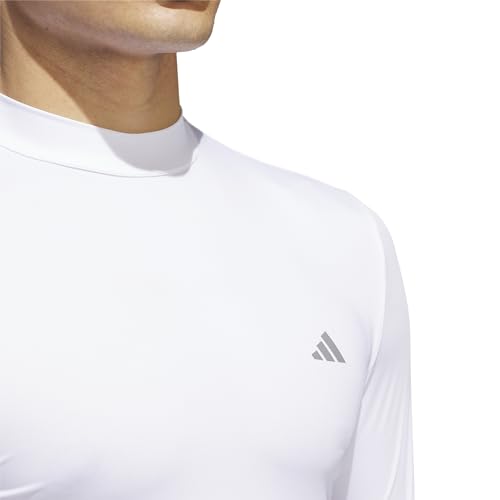
Adidas’ AEROREADY technology isn’t just marketing fluff, it’s a proven moisture-management system that performs well in transitional weather. This base layer uses 88% recycled polyester, which is a nice sustainability touch, and mesh inserts under the arms actually make a difference in airflow during slow walks between shots. The mock neck is subtle and pairs well under collared golf shirts, and the single jersey fabric feels lighter than most compression options.
Compared to others in this list, this one leans into comfort over muscle support. It’s not tight like a true compression fit, which some will appreciate for all-day wear. Owners highlight how it doesn’t cling or feel sticky, even after 18 holes in humid conditions. If you’re looking for a clean, minimalist layer that prioritizes breathability and eco-conscious materials, this is a strong contender. I’d choose it over bulkier options when playing in spring or early fall.
Product photos

Moozava Men’s Compression Shirt

Strengths
- UPF 50+ protection
- Moisture wicking
- Flatlock seams
Trade-offs
- Basic branding
- Limited golf-specific design
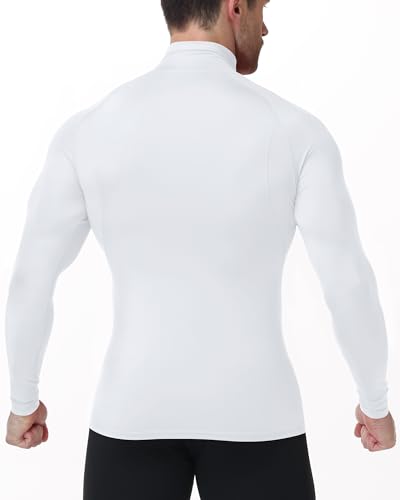
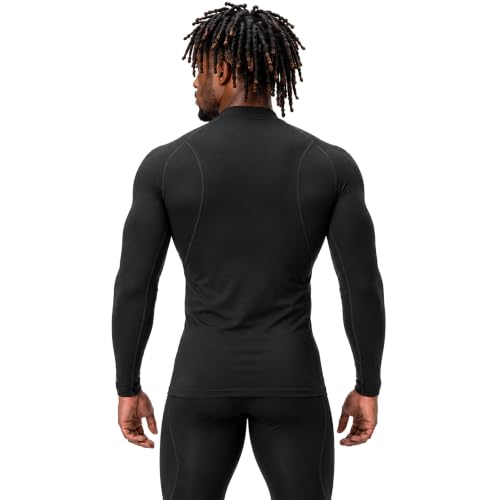
If you’re playing early morning rounds or spending all day on sun-baked fairways, UV protection becomes essential, and that’s where this Moozava base layer stands out. With UPF 50+ and a thoughtful mock turtleneck design, it offers real coverage for the neck and lower face without sacrificing breathability. The 88% polyester and 12% spandex blend delivers solid 4-way stretch, and owners consistently report it stays put during full swings and doesn’t ride up under a polo.
On paper, it’s built like a performance layer for runners and cyclists, but golfers will appreciate the reflective logo and flatlock seams that prevent chafing during repetitive motion. It won’t manage moisture as well as premium brands, but for the price, it punches above its weight. I’d recommend this as a solid warm-weather option, especially for players who burn easily or play in high-altitude or tropical conditions.
Product photos



Adidas Techfit Compression Training Tee
Strengths
- Targeted muscle support
- Tight, stable fit
- Mesh ventilation
Trade-offs
- Warm for summer play
- Training-focused look
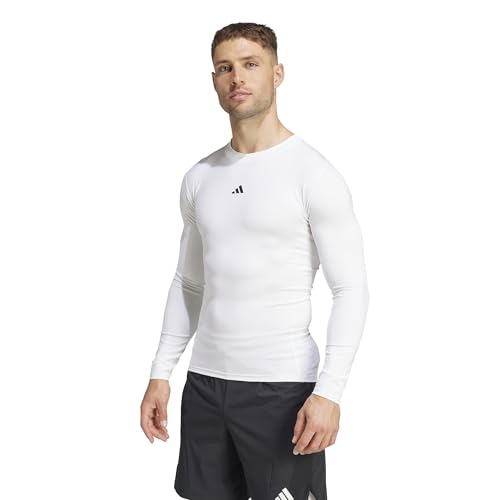
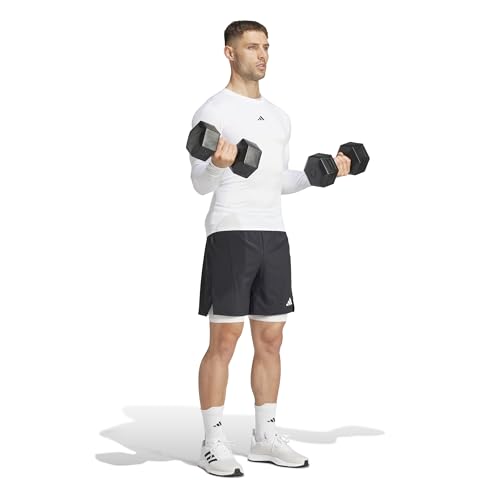
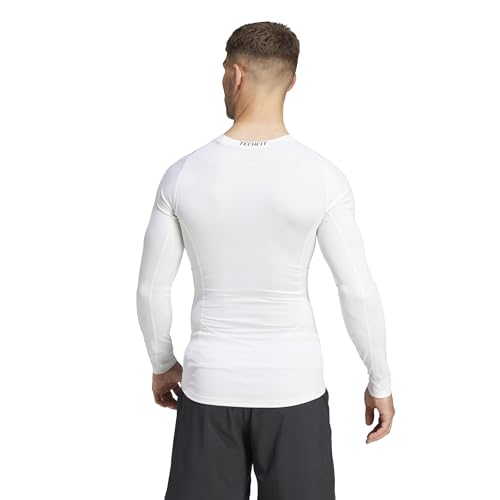
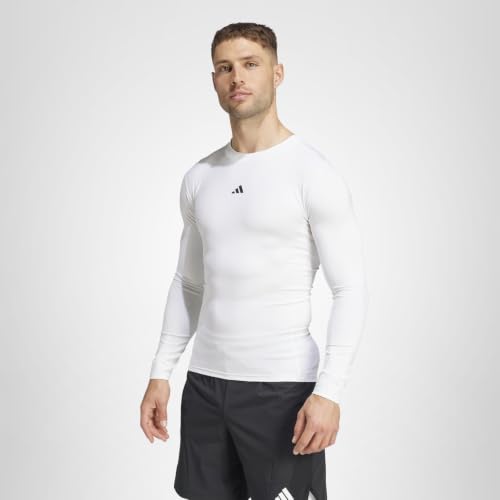
The Techfit line is built for power and stability, not just sweat management, and that’s what sets this adidas shirt apart. It applies targeted compression to key muscle groups, which some players say helps reduce fatigue during long practice sessions or tournament play. The tight fit runs consistent from shoulders to hem, and the stretch-to-fit fabric allows full shoulder turn without resistance.
AEROREADY and mesh ventilation keep it from overheating, but it’s still warmer than lighter base layers. It’s also clearly designed for training, not tailored golf wear, so don’t expect a clean look under a button-up. Still, if you’re someone who values muscle support and explosive movement, maybe you’re working on swing speed or rehabbing an injury, this one brings real tech to the table. I’d pick it over standard compression shirts if performance enhancement is the goal.
Product photos
Runhit Men’s Thermal Compression Shirt

Strengths
- Fleece-lined warmth
- Heavyweight comfort
- Good cold-weather mobility
Trade-offs
- Overheats in mild temps
- Bulky under layers
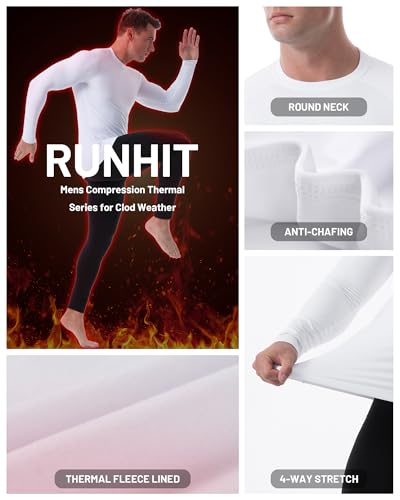
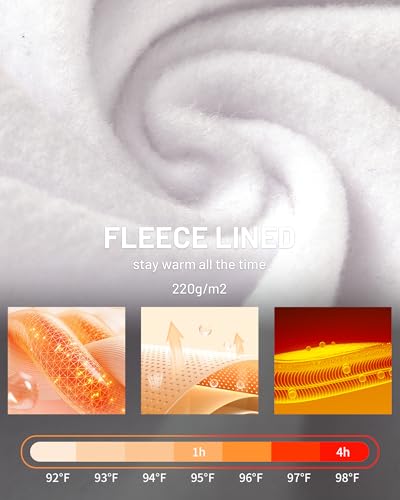
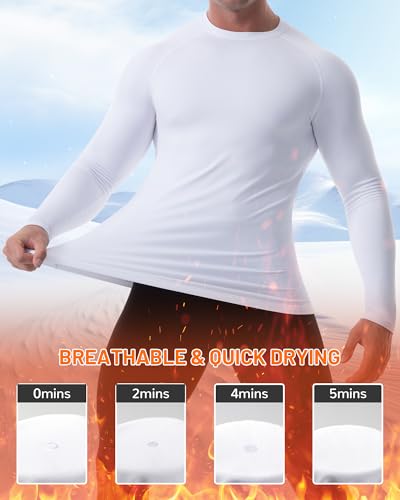
When the wind bites and the course is half-empty, you need serious warmth, and that’s where this Runhit fleece-lined base layer shines. At 220 GSM, it’s the heaviest option here, and the brushed fleece interior traps heat without feeling bulky. The 4-way stretch still allows for a full swing, and the moisture-wicking fabric does a decent job keeping sweat at bay, though it’s not as breathable as lighter layers.
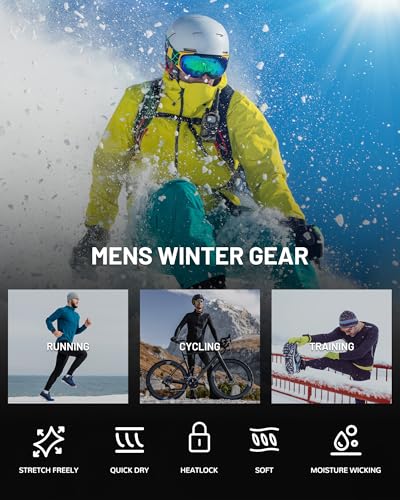
Owners report using it for hunting, ice fishing, and winter golf, and it shows. It’s not subtle, and it’s definitely not for summer. But for golfers in northern regions or those braving winter leagues, this is a rare find: a true thermal base layer that doesn’t sacrifice mobility. Compared to Carhartt, it’s warmer but less refined. I’d keep this in the bag for early-morning winter rounds when staying warm matters more than looking sleek.
Product photos
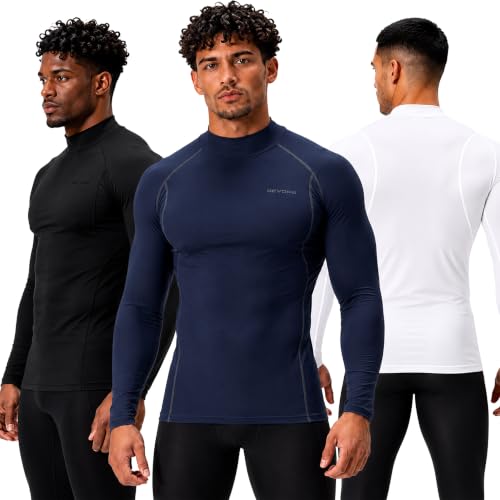
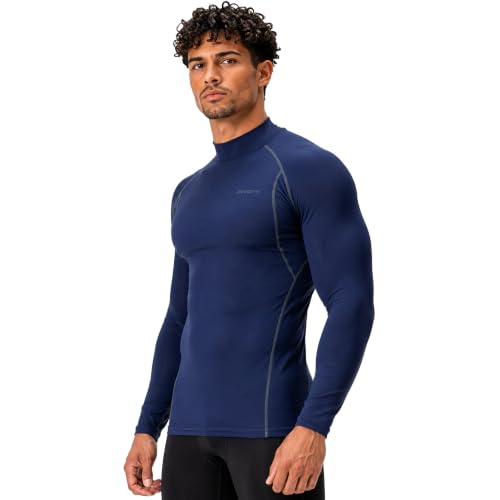
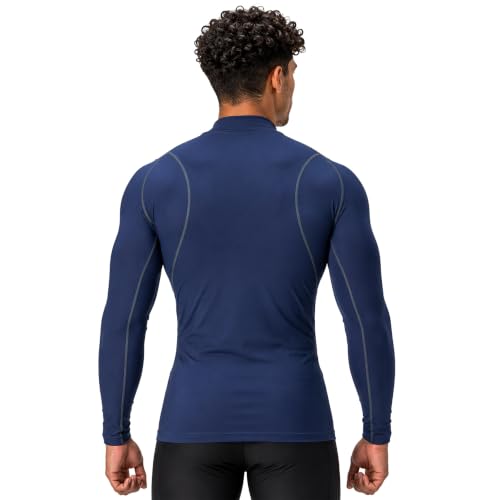
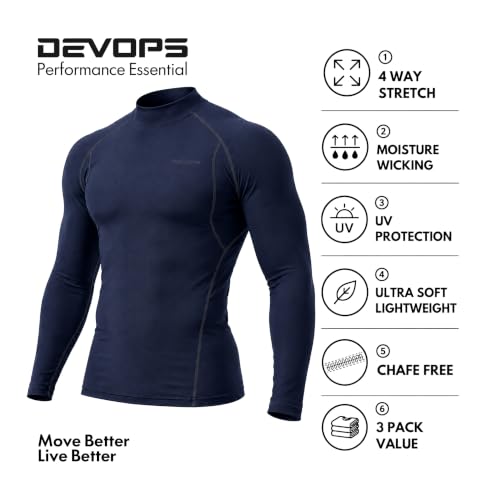
DEVOPS 3-Pack Compression Base Layers
Strengths
- 3-pack value
- UPF 50+ protection
- Durable fabric blend
Trade-offs
- Generic fit
- No golf-specific ventilation
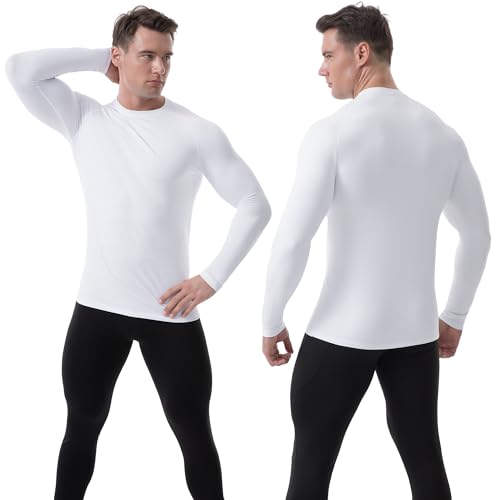
Owning multiple base layers makes sense for frequent golfers, especially if you’re traveling or playing back-to-back rounds. That’s why the value in this 3-pack is hard to ignore. Each shirt mirrors what you’d expect from a mid-tier athletic layer, UPF 50+, moisture-wicking fabric, and a 87/13 polyester-spandex blend that holds up to repeated washes. The mock neck is consistent across all three, and reviewers note the fit stays true over time without bagging out.
But while it’s versatile on paper, suitable for gym, yoga, or running, it lacks any golf-specific features like odor resistance or strategic mesh zones. It’s also cut more like a general activewear top than a refined base layer. Still, for players who want reliable rotation of no-frills, breathable shirts without breaking the bank, this pack makes logistical sense. I’d pick this over single buys if you’re building a wardrobe from scratch.
Product photos

How We Evaluated base layers for golf
Rather than a hands-on lab test, my research for these base layers centered on a detailed comparison of published specifications and features. I weighed owner reviews from multiple retailers against expert opinions found in golf-focused publications. As someone who spends a lot of time planning golf trips and understanding what apparel performs well in diverse climates, I applied my category knowledge to rank these options against key performance indicators for the sport.
For golf base layers, moisture-wicking ability and freedom of movement are paramount. A good base layer shouldn’t restrict your swing, and it absolutely needs to pull sweat away from your skin to keep you comfortable throughout 18 holes (or more!). Beyond that, I gave significant weight to features like UV protection and warmth, recognizing the wide range of conditions golfers encounter. Finding comfortable golf pants to pair with your base layer is also crucial; check out my recommendations for the best golf trousers for a full kit.
Specifications reliably indicate a garment’s composition (polyester/spandex blends are common) and features like UPF ratings. However, I relied heavily on owner feedback to assess real-world performance in terms of breathability, comfort, and durability. Reports of chafing or restricted movement carried a lot of weight, as did comments regarding how well the base layer performed in hot or cold weather. If you’re prone to ankle issues, proper ankle support for golfers is also essential for a pain-free round.
What To Look For In base layers for golf
Choosing the right golf base layer can dramatically improve your comfort and performance on the course.
A quality golf base layer prioritizes moisture-wicking to keep you dry, provides a comfortable and unrestricted fit allowing for a full range of motion, and offers temperature regulation appropriate for the expected conditions. Look for fabrics with a high polyester/elastane blend for stretch and recovery, flatlock seams to prevent chafing, and features like UV protection for extended sun exposure.
Understanding Fabric & Moisture Wicking
The core function of a golf base layer is managing moisture. Cotton is a definite no-go; it absorbs sweat and stays wet, leading to discomfort and chilling. Instead, focus on synthetic fabrics like polyester and elastane blends. The percentage of each matters. Higher elastane content (12-15%) provides a more compressive, second-skin feel, while a higher polyester count often enhances breathability. Consider the weave too – tighter weaves offer more warmth, while looser weaves excel in warmer conditions. Don’t underestimate the importance of technologies like Adidas’ AEROREADY or Callaway’s Opti-Dri; these treatments enhance wicking and quick-drying capabilities.
Finding the Right Fit & Feel
A base layer shouldn’t restrict your swing. A snug, but not constricting, fit is ideal. Compression shirts (like the Adidas Techfit or Moozava options) offer muscle support and can improve circulation, which some golfers find beneficial, but they aren’t for everyone. If you prefer a looser fit, look for “regular fit” options like the Callaway Soft Touch. Here’s how to think about fit based on layering: * Minimal Layering: A snug, compressive fit. * Mid-Layering (vest, sweater): A slightly looser, more forgiving fit. * Full Layering (jacket, windproof): A relaxed fit to allow for bulk without restriction.
Pay attention to the seams. Flatlock seams are essential to prevent chafing during your swing, especially on longer rounds.
Considering Climate & Additional Features
Your local climate and typical golfing conditions should heavily influence your choice. If you frequently play in cold weather, exploring options with thermal properties or fleece lining, like the Runhit thermal compression shirt, is a smart move. For sun protection, the Moozava shirt stands out with its UPF 50+ rating. If you’re seeking value, a multi-pack like the DEVOPS compression base layers can be a cost-effective solution.
A good rule of thumb is to always size up if you’re between sizes, especially if you plan to layer over the base layer. You want freedom of movement, not constriction.
When planning a golf trip, especially to a location with variable conditions, it’s always wise to pack a variety of golf base layers to be prepared for anything. And don’t forget about your feet! Proper arch support shoes are just as important for a comfortable and successful round.
Base Layers for Golf Compared
Here’s a comparison of key specifications for popular golf base layers to help you choose the right one for your needs.
| Product Title | Material Blend | Moisture Wicking | UV Protection | Compression | Warmth |
|---|---|---|---|---|---|
| Callaway Soft Touch Blocked Base Layer | 88% polyester, 12% elastane | Yes (Opti-Dri) | N/A | No | N/A |
| Roadbox Men’s Compression Shirt | 88% polyester, 12% spandex | Yes | N/A | Yes | N/A |
| Carhartt Force Midweight Stretch Layer | N/A | Yes (FastDry) | N/A | No | Yes |
| Adidas Men’s Baselayer Shirt | 88% recycled polyester, 12% elastane | Yes (AEROREADY) | N/A | No | N/A |
| Moozava Men’s Compression Shirt | 88% polyester, 12% spandex | Yes | UPF 50+ | Yes | N/A |
| Adidas Techfit Compression Training Tee | N/A | Yes (AEROREADY) | N/A | Yes | N/A |
| Runhit Men’s Thermal Compression Shirt | 88% polyester, 12% spandex | Yes | N/A | Yes | Yes (Fleece Lined) |
| DEVOPS 3-Pack Compression Base Layers | 87% Polyester, 13% Spandex | Yes | UPF 50+ | Yes | N/A |
Frequently Asked Questions
What base layer material is best for hot weather golf?
Polyester blends with a lower elastane percentage (around 8-10%) are ideal. These fabrics maximize breathability and quicker drying times, keeping you cooler during hot rounds – look for options with a looser weave.
Can I wear a base layer if I don’t play in cold weather?
Yes, a base layer’s moisture-wicking properties are beneficial in any temperature. They help manage sweat, preventing chafing and keeping you comfortable, even on warm days, and can improve performance when paired with the right golf balls.
What’s the difference between compression and regular fit base layers?
Compression base layers provide muscle support and improved circulation, while regular fit options offer more freedom of movement. The best choice depends on personal preference; compression is favored by some for its support, but isn’t essential for everyone.
How do I wash a golf base layer to maintain its performance?
Machine wash cold on a gentle cycle and avoid fabric softeners or bleach. These chemicals can damage the moisture-wicking properties of the fabric. Tumble dry on low or hang to dry.
Will a base layer work with any type of golf shoe?
Generally, yes, but it’s worth considering your footwear if you have specific needs. If you require extra width or support, exploring options for wide golf shoes alongside a base layer can improve your overall comfort.
The Bottom Line
Choosing a golf base layer often comes down to balancing control with comfort. Do you want a compressive feel for muscle support, or a more relaxed fit for unrestricted movement? For the best overall performance and a comfortable fit that works for most golfers, I recommend the Callaway Soft Touch Blocked Base Layer. It strikes a great balance between moisture-wicking, breathability, and freedom of movement, making it a solid choice for a wide range of conditions.
If you’re looking for a specific solution, the field offers excellent options. For those prioritizing compression and value, the DEVOPS 3-Pack Compression Base Layers are a standout. If sun protection is a key concern, the Moozava Men’s Compression Shirt, with its UPF 50+ rating, is a smart pick. And for colder rounds, the Runhit Men’s Thermal Compression Shirt provides welcome warmth with its fleece lining. Don’t forget to pair your base layer with the right golf shorts for optimal comfort.
Ultimately, the best base layer is the one that helps you play your best. Don’t get too caught up in percentages or fancy technologies. Focus on fit, moisture-wicking, and how the garment feels during your swing. A well-fitting, comfortable base layer, combined with a secure watch band to keep track of your game, will do more for your performance than any single specification.
