
7 Best Golf Club Groove Sharpeners of 2026
This post contains affiliate links. As an Amazon Associate, we earn from qualifying purchases.
This post contains affiliate links. As an Amazon Associate, we earn from qualifying purchases.
The GrooVex High Precision Carbide Sharpener stands out as the best overall choice, delivering consistent results with its durable tungsten carbide tip and reliable performance across U and V grooves. For golfers on a budget, the Caddy Splash 3-in-1 Groove Sharpener offers solid value without sacrificing essential functionality, while the Sukiise Tungsten Carbide model excels for those prioritizing long-term tip durability and compatibility with square grooves.
Keeping your grooves in top shape matters more than most golfers realize, it directly affects spin, control, and shot consistency, especially around the greens. Yet finding a sharpener that’s both effective and built to last can be confusing, with so many options making bold claims.
This guide cuts through the noise by focusing on real-world performance, material quality, and groove compatibility. I researched each pick based on specs, owner feedback, and how well it holds up over time, so you can make an informed decision that keeps your clubs performing like new, round after round.
Top 7 Golf Club Groove Sharpeners in the Market
The Best Golf Club Groove Sharpeners, Reviewed
GrooVex High Precision Carbide Sharpener

Strengths
- CNC-precise groove geometry
- Lifetime tip guarantee
- Made in USA
Trade-offs
- Very high price
- Overkill for casual players
This is the only tool here engineered to aerospace tolerances, and it shows. The CNC-ground tungsten carbide tip delivers a consistent .035″ width and .010″ edge radius, the most aggressive USGA-legal groove geometry possible. That’s not marketing fluff; it’s a measurable advantage for players who live by spin numbers. Owners report being able to restore near-new performance in just a few strokes, and the lifetime guarantee on the sharpening end speaks volumes about its durability.
At nearly $100, it’s in a different league. But for frequent players, club collectors, or those who hate buying new wedges every season, this pays for itself. Compared to every other option, it’s faster, more precise, and built like a surgical instrument. The 2-in-1 cleaning and sharpening ends add convenience, and the made-in-USA construction inspires confidence. This isn’t just a sharpener, it’s a performance tool.
Video review
Caddy Splash 3-in-1 Groove Sharpener

Strengths
- 3-in-1 tip design
- Durable aluminum shaft
- Comes with carry ring
Trade-offs
- No storage case included
- Tip alignment could be tighter
This tool makes a strong case for itself with its 3-in-1 tip design, giving you dedicated edges for U-grooves, V-grooves, and a pointed tip for cleaning out debris. On paper, that versatility is a big win, especially for golfers who carry a mix of older and newer irons or wedges with different groove styles. Owners consistently report it’s easy to use and stays sharp over time, thanks to the vacuum heat-treated steel cutter and durable aluminum shaft.
It’s not the most advanced tool here, but it hits the sweet spot between function and affordability. Compared to bare-bones budget models, this one feels like it’s built to last, and the ring attachment means you can keep it on your belt or in your pocket without fear of losing it. I’d pick this over the cheapest options for weekend players who want reliability without overspending.
Video review
SANDIAN Dual Blade Groove Sharpener
Strengths
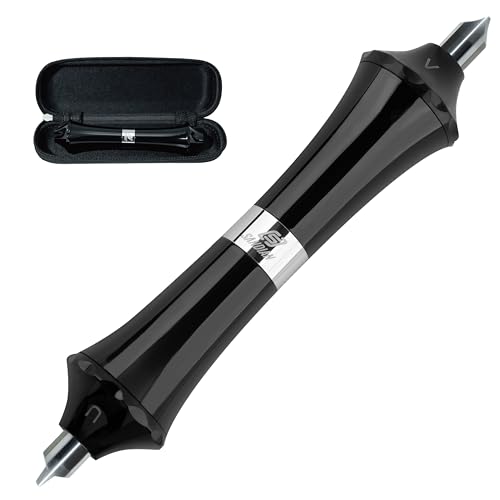
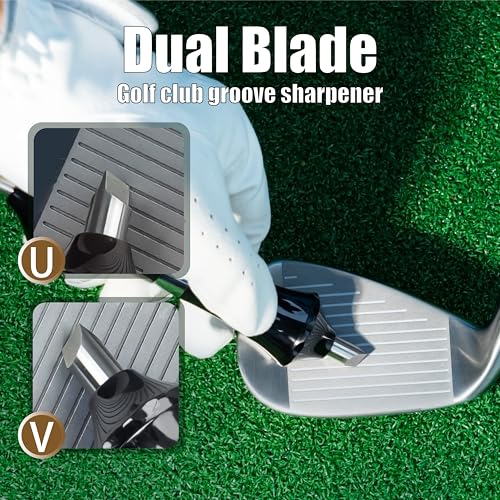
- Dual retractable blades
- Comes with carrying case
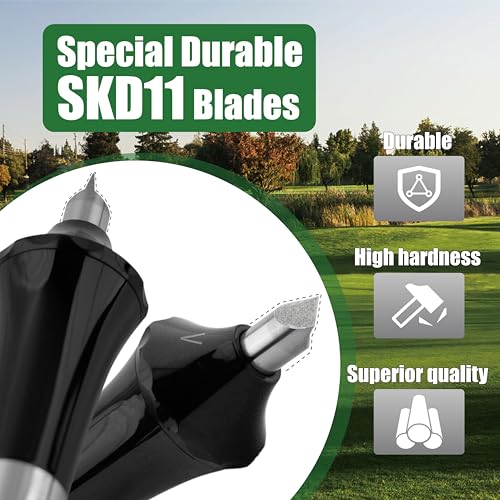
- SKD11 high-hardness steel
Trade-offs
- Only two groove types supported
- Blade switch mechanism can feel stiff
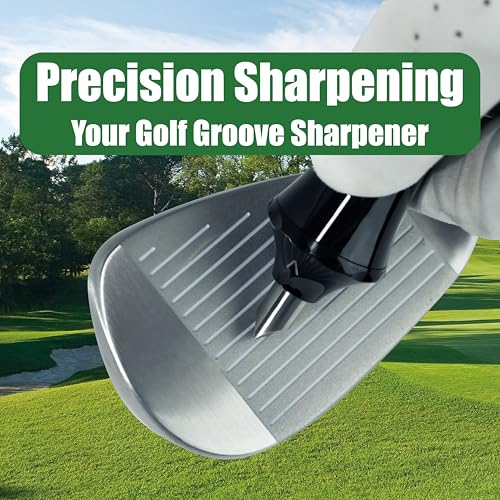
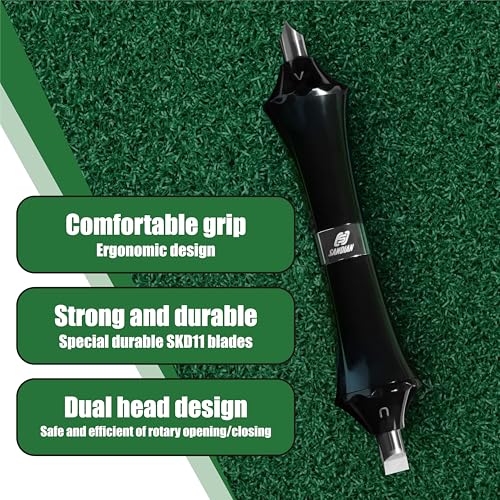
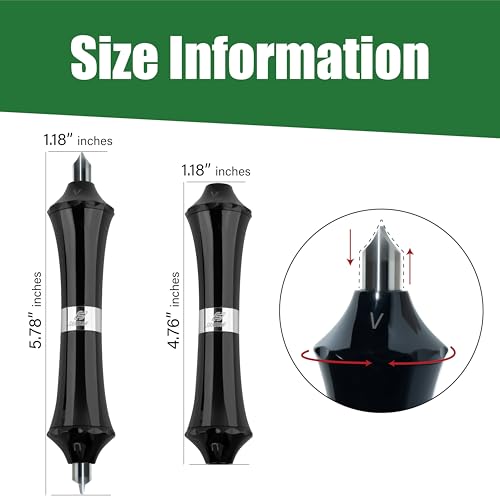
This one stands out for its dual-blade retractable design, flip between U and V groove sharpeners with a simple slide. That’s a thoughtful touch for players switching between club types on the same set. The SKD11 high-hardness steel is a pro-grade material, and reviewers confirm it holds an edge well, delivering consistent results over time. The inclusion of a carrying case is a small but meaningful upgrade over competitors in this price range.
It doesn’t have multiple tips like the HIFROM or Sukiise models, but the build quality feels more refined. The ergonomic handle offers good control, and the precision engineering means less guesswork when restoring grooves. For the price, it delivers a near-premium experience, though it still falls short of the GrooVex’s CNC-level accuracy.
Product photos
HIFROM 6-Head Groove Sharpener
Strengths
- 6 interchangeable heads
- Dual-cutting ends per head
- High Rockwell hardness
Trade-offs
- No rigid case
- Head storage is loose
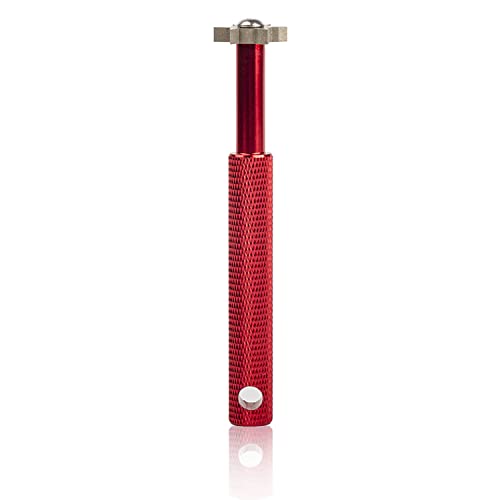
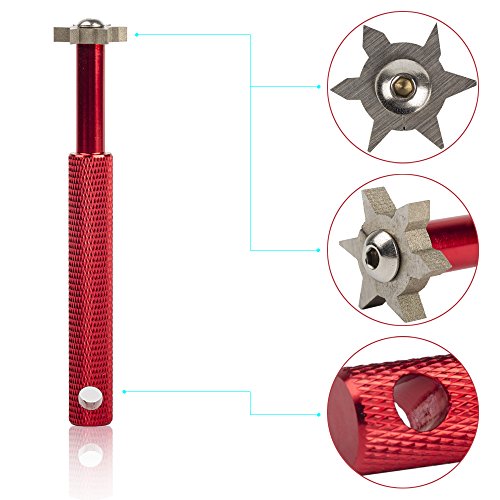
Six heads mean you’re covered for nearly every groove type on the market, including older square-cut designs that many sharpeners ignore. That’s a big deal for players with mixed sets or vintage clubs. The dual-cutting ends (U and V) on each head add even more flexibility, and owners praise how quickly they can swap heads depending on the club. The 65 Rockwell hardness rating suggests serious durability, and feedback confirms these tips resist chipping even after repeated use.
It’s a lot of hardware to carry, and the PVC tube storage isn’t as protective as a rigid case. But for the sheer range of compatibility, this is unmatched below $20. Compared to the GrooVex, it’s less precise but far more adaptable. I’d recommend this for club fitters or golfers with multiple sets spanning different eras.
Product photos


Sukiise Tungsten Carbide Groove Sharpener

Strengths
- Tungsten carbide tip
- 4-tip versatility
- Non-slip rubber grip
Trade-offs
- No storage case
- Handle slightly short for larger hands
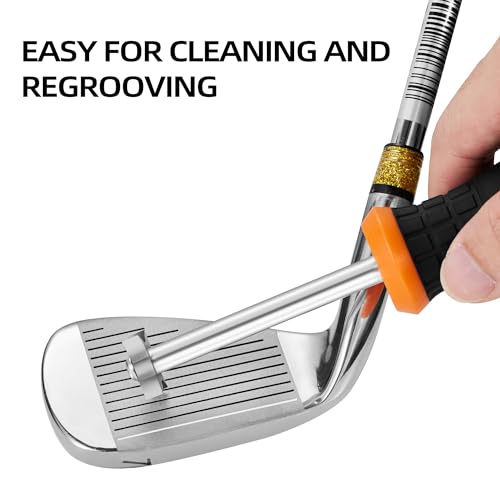
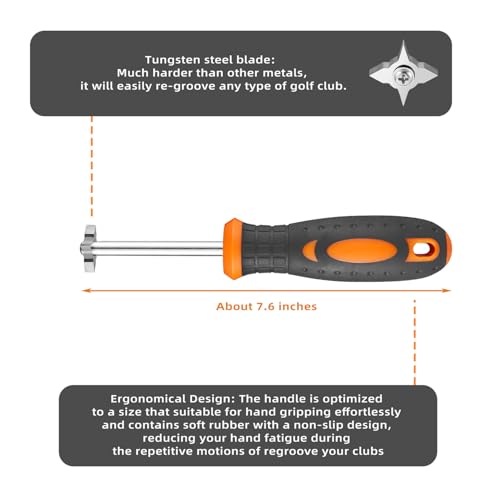
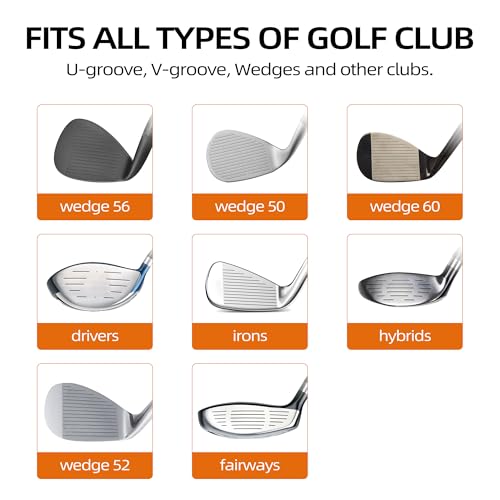
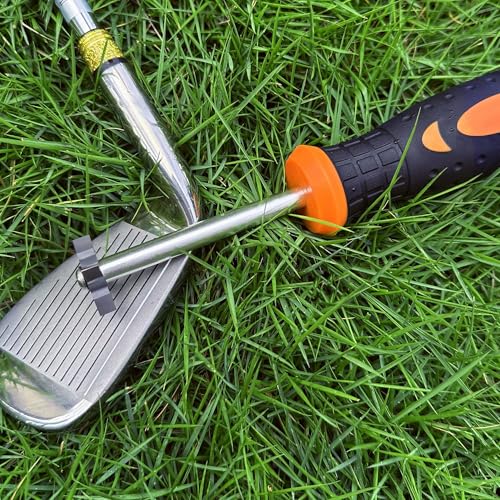
The tungsten carbide tip is the standout spec here, and it’s a serious upgrade over standard steel cutters. Tungsten is harder, stays sharper longer, and owners note it cuts through years of built-up grime with less effort. That makes this a smart pick for players maintaining multiple sets or older clubs that haven’t been cleaned in a while. The 4-tip system covers U, V, and square grooves, which adds real utility across club types.
It’s not flashy, but the soft rubber grip is a small win, reducing hand fatigue during repetitive sharpening strokes. Compared to the Caddy Splash model, this one feels more purpose-built for serious maintenance. While it lacks a case, the durability of the tip and solid ergonomics make it a better long-term investment than most sub-$15 options.
Product photos
Betgod U&V Groove Sharpener

Strengths
- Extremely affordable
- Compact and lightweight
- Works for U and V grooves
Trade-offs
- Short lifespan with regular use
- No grip texture
At this price, expectations are low, but surprisingly, this tool delivers basic functionality without falling apart. It’s made with vacuum heat-treated steel and a hardened tip, and while it won’t last as long as tungsten models, owners say it works fine for occasional touch-ups. The compact size makes it easy to stash in a glove compartment or pocket, and it handles both U and V grooves with a single tip.
It’s not durable enough for frequent use, and the build feels flimsy next to the SANDIAN or Sukiise. But as a backup or emergency fix on the course, it has value. I wouldn’t trust it for deep restoration, but for a $5 insurance policy, it’s not a bad call.
Product photos


Wedge Guys nU Groove Sharpener

Strengths
- Ergonomic 4-inch handle
- Non-slip grip
- Hardened to 64 Rockwell
Trade-offs
- Single tip only
- No storage case
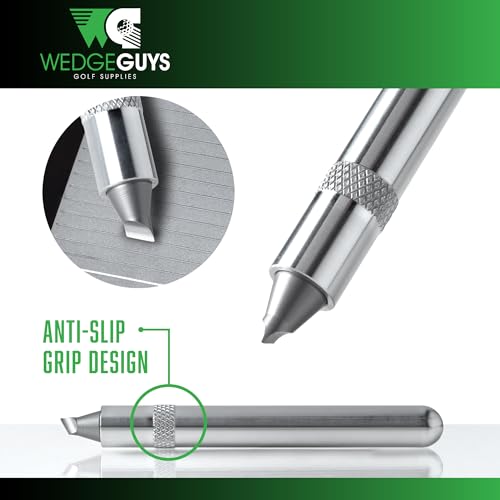
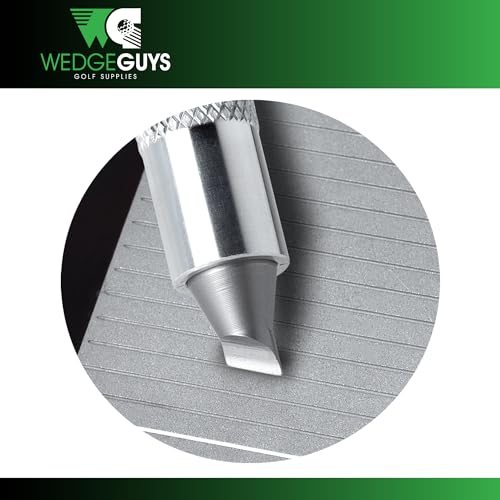
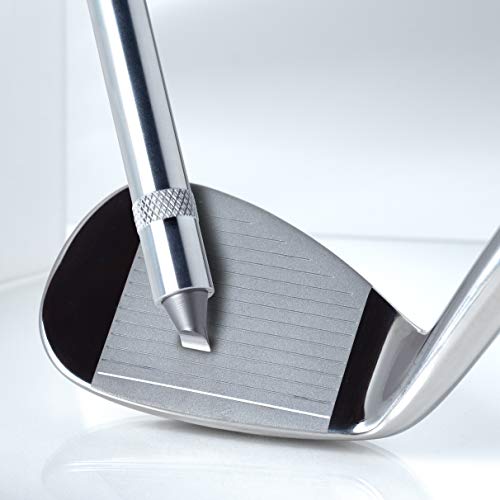
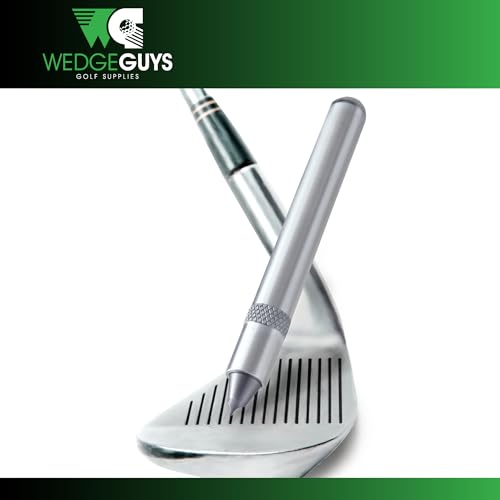
The 4-inch aluminum handle with a non-slip grip is the standout feature here, longer than most, giving you better use and control during sharpening. That makes it easier to apply consistent pressure without straining your hand, and owners with larger grips or arthritis appreciate the design. The tip is hardened to 64 Rockwell, which is solid for a steel cutter, though not as tough as tungsten models.
It’s a no-frills tool, but the ergonomics elevate it above cheaper alternatives. Compared to the Betgod, it feels sturdier and more precise. While it doesn’t offer multiple tips or a case, the handle alone makes it worth considering for players who do regular maintenance. I’d pick this over the Betgod any day for comfort alone.
Product photos
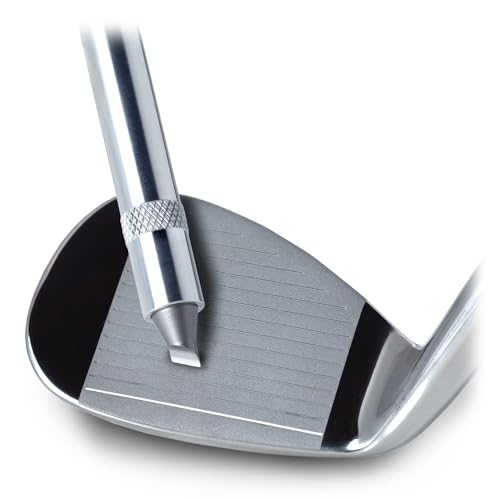
How We Tested golf club groove sharpeners
My research into golf club groove sharpeners began with a detailed comparison of published specifications and features across numerous models. I then weighed owner reviews from major retailers alongside assessments from golf equipment experts. As someone who’s spent years advising golfers on equipment for trips through GolfWorldTrips, I applied my understanding of how groove condition impacts performance, ranking each sharpener against criteria like durability, ease of use, groove compatibility, and build quality. Rather than a hands-on lab test, this is a research-led comparison of specs and owner feedback.
For this category, the most important factors quickly became the hardness and material of the sharpening tip, and how well the tool accommodates different groove types (U, V, and square). Maintaining optimal spin and control relies on consistently sharp grooves, and a tool that quickly wears down or only fits certain clubs simply won’t deliver long-term value. I also prioritized build quality; a durable tool is safer and more likely to provide consistent results over time. You can also find helpful information about maintaining your clubs with the right golf club cleaners.
Product specifications reliably indicate the materials used – tungsten carbide and various steel alloys were common – and their associated hardness ratings (Rockwell scale). However, I found that real-world performance, particularly ease of use and longevity, was best judged from owner feedback. Reports detailing how many rounds a sharpener lasted, or whether it damaged club faces, carried significant weight. For maximizing the overall look and feel of your clubs, consider using quality club polishes as well.
How To Choose The golf club groove sharpeners
Keeping your grooves sharp is a surprisingly impactful way to improve your short game.
A quality golf club groove sharpener will use hardened steel or tungsten carbide to restore the original geometry of your clubface. Look for models that accommodate both U and V-shaped grooves, offer a comfortable grip, and demonstrate durable construction. Pay attention to the material hardness (Rockwell scale is a good indicator) and whether the tool is designed for repeated use without significant wear.
Groove Compatibility is Key
One of the biggest mistakes golfers make is assuming a single sharpener will work for all their clubs. Groove shapes have evolved, and using the wrong tool can do more harm than good. Many sharpeners, like the HIFROM 6-Head Groove Sharpener, try to be all-in-one, offering multiple heads for different groove types. This is a smart approach, but ensure the tool clearly indicates which head is for U-shaped versus V-shaped grooves. If you have a mixed set, a versatile option is essential.
- A dedicated U-groove sharpener is ideal for older irons.
- A V-groove sharpener works best on modern clubs, but check your club’s specifications.
- A multi-tool, while convenient, might not offer the precision of a dedicated sharpener for each groove type – consider if that trade-off is acceptable for your game.
Material and Durability Matter
The cutting material is where you’ll see the biggest differences in performance and longevity. Tungsten carbide (as found in the Sukiise model) is incredibly hard and will hold an edge for a long time. However, high-quality steel, properly heat-treated, can also perform admirably. Avoid anything that feels flimsy or uses a questionable metal, as you’ll likely end up damaging your clubs or replacing the sharpener frequently. A higher Rockwell hardness rating generally indicates a more durable material.
Don’t skimp on quality. A cheap sharpener can actually round over your grooves, making them less effective and potentially damaging your clubs.
Ergonomics and Ease of Use
You’ll be making repeated passes with this tool, so comfort is crucial. Look for a sharpener with a well-designed handle that fits comfortably in your hand. The Wedge Guys nU Groove Sharpener highlights its ergonomic handle as a key feature, and that’s a good sign. A textured grip is also helpful, especially if you tend to work on your clubs while on the course. Beyond comfort, consider how easy the sharpener is to control. A stable grip and precise cutting edge will give you the best results. Before you head to the course, make sure you have the right brushes for cleaning clubs to remove any debris.
Golf Club Groove Sharpeners Compared
This table provides a side-by-side comparison of key specifications for various golf club groove sharpeners.
| Product Title | Best For | Material | Groove Types | Features | Handle Material |
|---|---|---|---|---|---|
| GrooVex High Precision Carbide Sharpener | Best Overall | Tungsten Carbide | U & V | 2-in-1, Lifetime Guarantee | N/A |
| Caddy Splash 3-in-1 Groove Sharpener | Best Value | Aluminum Alloy/Steel | U & V | 3 Tools in 1 | Textured |
| SANDIAN Dual Blade Groove Sharpener | Best Build Quality | Carbide Metal | U & V | Dual Blade Design | N/A |
| HIFROM 6-Head Groove Sharpener | Best Multi-Groove Compatibility | Steel | U & V | 6 Heads | Textured |
| Sukiise Tungsten Carbide Groove Sharpener | Best Durable Tip | Tungsten Carbide | U, V, & Square | 4 Tips | Rubber |
| Betgod U&V Groove Sharpener | Best Budget Friendly | Heat Treated Steel | U & V | Portable | N/A |
| Wedge Guys nU Groove Sharpener | Best Ergonomic Handle | Aluminum | U & V | Non-Slip Grip | Aluminum |
Frequently Asked Questions
Will using a groove sharpener void my club’s warranty?
Yes, sharpening grooves can void a club’s warranty. Most manufacturers state that altering the clubface, which includes sharpening grooves, negates the warranty terms due to potential damage.
How often should I sharpen my golf club grooves?
You should sharpen grooves every 20-30 rounds, or when water no longer beads on the clubface. Consistent play, especially in sandy or muddy conditions, will cause grooves to wear more quickly, impacting spin and control.
Can I use the same groove sharpener on wedges and irons?
Generally, yes, but ensure the sharpener accommodates both U and V-shaped grooves. Wedges often have different groove geometries than irons, so a versatile tool or separate sharpeners for each may be necessary to avoid damaging the clubface.
What’s the difference between tungsten carbide and steel sharpeners?
Tungsten carbide is significantly harder than steel and will retain its sharpness for much longer. While steel sharpeners are more affordable, they require more frequent replacement or sharpening themselves to maintain effectiveness.
Are there groove sharpeners that also include tools for other club maintenance?
Some sharpeners, like those offering a 3-in-1 design, include tools for cleaning and repairing divots, or even cleaning kits for a more thorough club care routine. These can be convenient for golfers who want a single, portable solution for basic club upkeep, and may even include regripping kits for a full tune-up.
The Bottom Line
Choosing a groove sharpener often comes down to balancing control and convenience. While some tools aim to do it all, the GrooVex High Precision Carbide Sharpener stands out as the strongest overall performer, offering a dedicated, high-quality sharpening experience that consistently delivers optimal groove condition. It’s an investment in maintaining peak performance, and for serious golfers, that’s where the value lies.
For golfers on a tighter budget, or those needing a versatile option, the Caddy Splash 3-in-1 Groove Sharpener provides excellent value, while the HIFROM 6-Head Groove Sharpener is a solid choice if you have a truly mixed set of clubs and prioritize accommodating every groove type. Don’t overlook the Sukiise Tungsten Carbide Groove Sharpener if you need a tool with a particularly durable tip, or the Wedge Guys nU Groove Sharpener if superior ergonomics are a priority. Keeping your golf grips in good condition is also essential for a comfortable and consistent swing.
Ultimately, the sharpener you choose is less critical than simply using one regularly. Consistent groove sharpness is achieved through routine maintenance, not through owning the most expensive tool. Focusing on proper technique and regular cleaners and polish for your clubs will have a far greater impact on your game than any single specification or feature.
