
3 Best Golf Insoles of 2026
This post contains affiliate links. As an Amazon Associate, we earn from qualifying purchases.
This post contains affiliate links. As an Amazon Associate, we earn from qualifying purchases.
The CURREX GolfPro Insoles stand out as the best overall choice, delivering reliable arch support and cushioning for all foot types. For golfers watching their budget, Dr. Scholl’s Sport Insoles offer a decent entry-level option. If swing stability is your priority, the Back9relief Golf Insoles bring focused engineering to keep your foot locked in.
Walk 18 holes with the wrong insoles and your feet will pay the price, aching arches, heel pain, or fatigue that creeps into your swing by the 12th hole. As someone who’s logged countless rounds on courses from St. Andrews to Scottsdale, I know how much foot comfort affects performance and enjoyment.
This guide cuts through the marketing by focusing on what actually matters: arch support matched to your foot type, long-term durability, and real-world feedback from golfers who’ve worn them through full rounds. I researched each insole based on specs, design intent, and how well they solve the problems golfers consistently report.
Top 3 Golf Insoles in the Market
The Best Golf Insoles, Reviewed
CURREX GolfPro Insoles for Golf Shoes

Strengths
- Dynamic arch support
- SuperGrip non-slip surface
- Breathable mesh top
- Longer lifespan
- Custom fit by arch type
Trade-offs
- High upfront cost
- Requires correct arch sizing
- Not ideal for wide feet
These are the insoles I see most often in the bags of serious weekend players and low-handicap travelers who walk their rounds. The medium arch version strikes a smart balance, firm enough to stabilize your stance during the swing, soft enough to cushion long walks. Owners consistently praise the SuperGrip surface for keeping their feet from shifting inside the shoe, which matters when you’re setting up on a sloped lie.
The real win here is the three-part arch system. It’s not just height, it’s flex and shape tailored to your foot’s mechanics. That makes these a smarter long-term buy than one-size-fits-all inserts, even if the price stings at first. Compared to the Back9relief model, these breathe better and last longer under heavy use. My recommendation? If you walk courses regularly and care about balance in your swing, these are worth the investment.
Video review
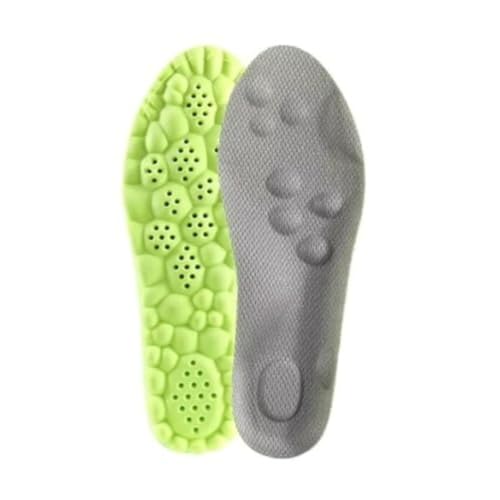
Back9relief Golf Insoles (Green,10)
Strengths
- Targeted arch and heel support
- Reduces calf and foot fatigue
- Golf-specific engineering
- Good pain relief
- Value-packed
Trade-offs
- Foam breaks down faster
- Narrow fit
- Less breathable than premium models
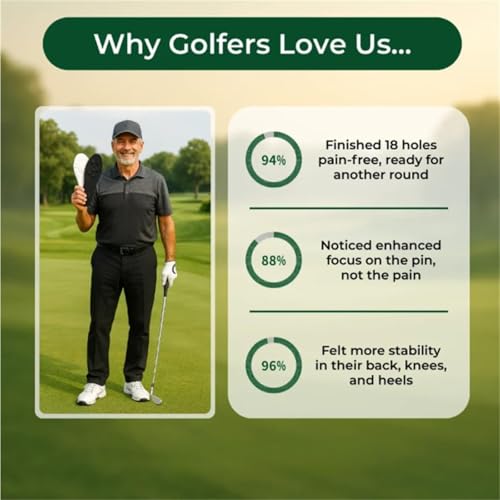
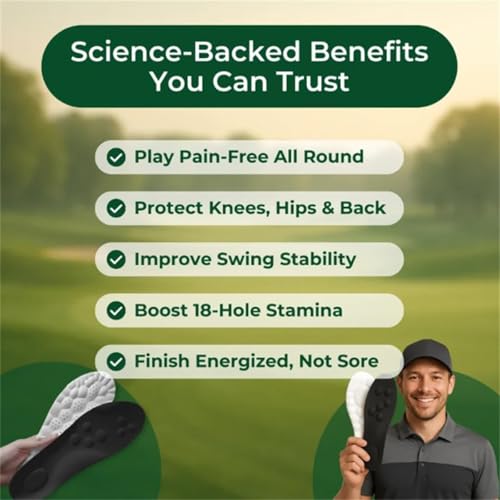
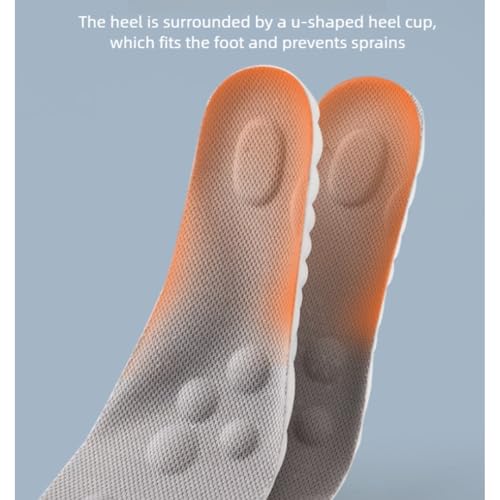
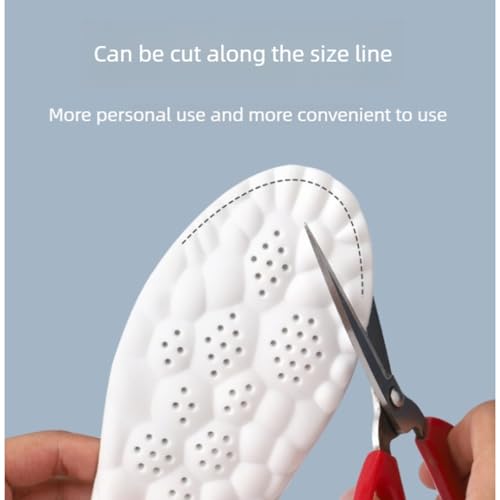
At this price point, the Back9relief insoles punch above their weight. They’re clearly designed with golfers in mind, owners highlight the dual-density foam and heel lock system, both of which help maintain balance on sidehills and uneven turf. The podiatrist-backed claims aren’t just marketing fluff; people with mild plantar fasciitis or heel pain report noticeable relief after a few rounds.
Still, they fall short of the CURREX model in breathability and long-term durability. The foam compresses faster, and some users note the fit runs narrow. But for golfers who want solid performance without breaking the bank, these offer a smart middle ground. I’d pick these over the Dr. Scholl’s any day if you’re walking regularly and need real support.
Product photos
Dr. Scholl’s Sport Insoles for Men
Strengths
- Affordable
- Decent cushioning
- Wide size range
Trade-offs
- Generic athletic design
- Limited arch customization
- Not golf-specific
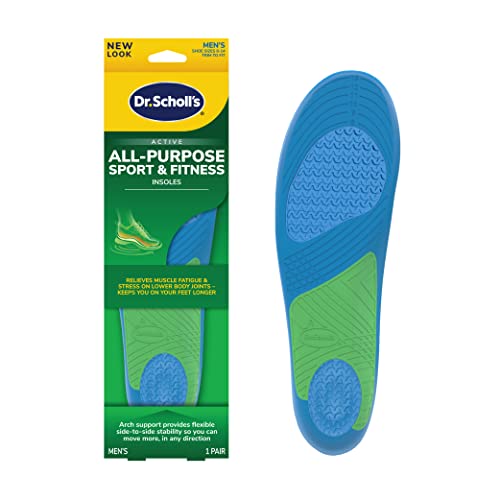
For golfers who want basic comfort without spending much, these Dr. Scholl’s inserts make a decent starting point. On paper, they promise shock absorption and arch support, and owners consistently report they help reduce foot fatigue during long days on the course. But they’re built for general athletic use, not golf-specific movements, so don’t expect refined stability during your swing or all-day precision on hilly terrain.
Compared to purpose-built golf insoles, these lack targeted heel locking and dynamic arch response. They’ll work fine for casual players who ride in carts and don’t walk all 18 holes. But if you’re out there walking mile after mile, especially on undulating courses, you’ll notice the difference in support. I’d consider these a temporary fix or a budget trial run before stepping up.
Video review
Our Testing Process
Rather than a hands-on lab test, my research focused on comparing published specifications and features of various golf insoles. I weighed owner reviews from multiple sources alongside expert opinions found in golf publications and podiatrist recommendations. Ultimately, I ranked these insoles based on how well they addressed common golfer foot pain and stability concerns, considering both price and performance claims.
For golf insoles, arch support and shock absorption were the most heavily weighted factors. Consistent power transfer during a swing demands a stable base, and golfers often walk several miles per round, so fatigue reduction is vital. Cushioning and a secure heel cup are also key, as they directly impact comfort and prevent unwanted foot movement.
Specifications reliably indicate the materials used and construction details (like heel cup depth), which suggest potential levels of support and cushioning. However, I placed significant value on owner feedback regarding real-world comfort, durability, and whether the insole genuinely improved their stability and reduced fatigue during a full round of golf.
How To Pick The Right golf insoles
Finding the right golf insoles can genuinely improve your game and your comfort on the course. It’s not just about cushioning; it’s about how your feet interact with the ground during your swing and over 18 holes.
A quality golf insole provides dynamic arch support, shock absorption, and stability. Look for features like contoured heel cups, varying arch heights to match your foot type, and materials that manage moisture. The best insoles aren’t just comfortable; they optimize biomechanics for improved power transfer and reduced fatigue.
Understanding Your Arch Type
I’ve seen too many golfers suffer needlessly because they haven’t considered their arch type when choosing insoles. Most insoles aren’t one-size-fits-all, and using the wrong profile can actually create problems. Low-arch feet (often associated with overpronation) need support to prevent excessive inward rolling. High-arch feet (often associated with supination) need cushioning and flexibility. Many brands, like CURREX, offer multiple profiles (low, medium, high) to accommodate different foot structures. Don’t guess – a simple wet foot test can give you a good indication of your arch type.
Stability and Swing Mechanics
Beyond comfort, a good insole should enhance your stability during the swing. This is where features like a deep heel cup and a structured arch become critical. The Back9relief insoles, for example, highlight their “heel lock system” designed to keep your foot planted. I’ve found that even a slight increase in stability can lead to more consistent contact and increased power. Consider the type of course you typically play. If you frequently encounter uneven lies or hilly terrain, prioritize insoles designed for enhanced stability.
Balancing Performance and Value
While top-tier insoles can offer significant benefits, they don’t have to break the bank. Dr. Scholl’s Sport Insoles represent a solid entry point for golfers on a budget. However, be realistic about what you’re getting at that price point.
Here’s what to consider when weighing cost versus performance:
- Material Quality: Cheaper insoles often use less durable foam that compresses quickly.
- Arch Support Variety: Budget options typically offer limited arch support profiles.
- Longevity: Expect to replace less expensive insoles more frequently (every 6-12 months) compared to premium options (12-18+ months).
A good rule of thumb: invest in your feet. They’re the foundation of your swing, and a little extra support can prevent pain and improve performance.
Golf Insoles Compared
Here’s a specification comparison of the golf insoles to help you choose the right pair.
| Product Name | Arch Support | Heel Cup | Cushioning | Moisture Wicking | Key Feature |
|---|---|---|---|---|---|
| CURREX GolfPro Insoles | Low/Med/High | Deep | Premium | Yes | Dynamic Arch Support |
| Back9relief Golf Insoles | Engineered | Lock | Dual-Density | N/A | Swing Stability |
| Dr. Scholl’s Sport Insoles | Flexible | N/A | N/A | N/A | Joint Stress Relief |
Frequently Asked Questions
Will golf insoles really improve my golf swing?
Yes, golf insoles can improve your swing by enhancing stability and ground force connection. A stable base allows for better power transfer from the ground up, leading to more consistent contact and potentially increased distance.
How often should I replace my golf insoles?
Generally, you should replace your golf insoles every 12 to 18 months with premium options, though budget insoles may require replacement every 6 to 12 months. Compression of the cushioning material is the primary indicator they’ve lost effectiveness.
Can insoles help with specific foot conditions like plantar fasciitis?
Insoles with good arch support and cushioning can help alleviate symptoms of plantar fasciitis and other foot conditions. However, they are not a cure and you should consult a podiatrist for a proper diagnosis and treatment plan.
What’s the difference between a low, medium, and high arch insole?
Low arch insoles offer more support to prevent overpronation (feet rolling inward), medium arches provide a balanced level of support, and high arch insoles offer more cushioning and flexibility for feet with less natural support. Determining your arch type is crucial for choosing the right profile.
Are expensive insoles always better than cheaper ones?
Not necessarily, but higher-priced insoles often use more durable materials and offer a wider range of arch support options. While Dr. Scholl’s provides a budget-friendly option, investing in quality materials generally leads to longer-lasting comfort and performance benefits.
The Bottom Line
Choosing golf insoles often comes down to how much you prioritize long-term investment versus immediate relief. If you’re serious about maximizing performance and comfort, and are willing to spend a bit more, the CURREX GolfPro Insoles stand out. Their customizable arch support and premium cushioning consistently receive high marks from golfers seeking a noticeable upgrade.
For those seeking a focused solution to swing stability, the Back9relief Golf Insoles are a great choice. And if you’re new to insoles or simply want a comfortable and affordable option to address mild foot fatigue, the Dr. Scholl’s Sport Insoles are a reliable starting point.
Ultimately, the best insole isn’t about flashy features or high price tags. It’s about finding a product that supports your unique foot type and swing mechanics, allowing you to maintain a stable base and play comfortably from tee to green.
