
7 Best Golf Shoes for Narrow Feet 2026
This post contains affiliate links. As an Amazon Associate, we earn from qualifying purchases.
This post contains affiliate links. As an Amazon Associate, we earn from qualifying purchases.
The FootJoy Men’s Pro/SL stands out as the best overall golf shoe for narrow feet, delivering a precise, secure fit right out of the box. For those wanting a spikeless option without sacrificing snugness, the New Balance Fresh Foam Contend V3 is a strong value pick, while the FootJoy Hyperflex offers a performance-tuned fit for aggressive swingers.
Finding golf shoes that actually hold your feet in place, without pinching or slipping, is tougher than it should be, especially with a narrower foot. Many models claim a “performance fit” but still leave too much room in the heel or midfoot, wrecking your stability on uneven lies.
This guide cuts through the noise by focusing on specs, owner-reported fit, and brand track records. I looked at how each shoe manages heel lock, midfoot security, and adjustability, prioritizing models that consistently deliver a snug, reliable feel for narrow-footed golfers.
Top 7 Golf Shoes For Narrow Feet in the Market
The Best Golf Shoes For Narrow Feet, Reviewed
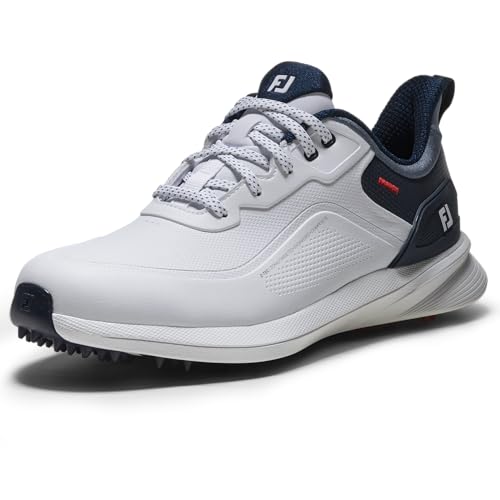
FootJoy Men’s Pro/SL Golf Shoe
Strengths
- Superior all-day comfort
- Excellent spikeless traction
- Refined narrow fit with roomy toe
Trade-offs
- High price point
- Not ideal for very soft terrain
- Upper lacks stretch
This is the shoe I’d recommend to most narrow-footed players who want a balance of tour-level performance, comfort, and modern fit. The updated last offers a wider toe box than older Pro/SL models, which helps prevent pinching while still delivering a narrow heel lock, owners with slender feet consistently praise this combo. The StratoFOAM heel pad and OrthoLite X25 insole make walking 18 holes feel effortless, and the ARCTrax/SL outsole delivers some of the best spikeless grip I’ve seen in this category.
The Z-TEC upper adds targeted support without sacrificing flexibility, and the nylon spring plate boosts energy return on each stride. It’s one of the few spikeless shoes that feels stable enough for aggressive players. While it’s among the most expensive here, the all-around performance justifies it. Against the Hyperflex, it trades a bit of dynamic flex for broader comfort and easier fit.
Video review
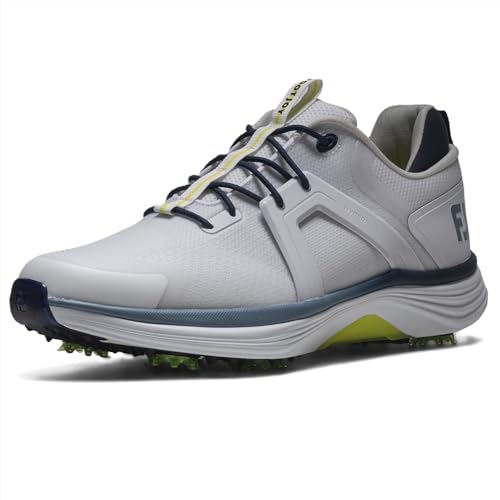
FootJoy Men’s Hyperflex Golf Shoe
Strengths
- Elite swing stability
- Secure, flexible knit fit
- Longest waterproof warranty
Trade-offs
- Premium price
- Firmer ride than plush seekers want
- Less off-course comfort
The Hyperflex represents FootJoy’s most modern approach to performance golf footwear, and for narrow-footed players who value a snug, dynamic fit, it’s hard to beat. The ControlKNIT+ upper is molded for structure while still offering stretch where needed, and the TruFIT system ensures the heel locks in without slippage, a common pain point for narrow heels. The Carbon Fiber PowerPlate is a serious upgrade, resisting twist during the downswing better than any other shoe here.
StratoFOAM provides responsive cushioning that doesn’t bottom out, and the two-year waterproof warranty is the longest in the lineup. Owners report it feels more ‘athletic’ than traditional models, closer to a running shoe in flexibility. Compared to the Pro/SL, it’s firmer underfoot but more precise in motion. If you’re a serious player with narrow feet who wants tour-level stability and modern materials, this is the one to beat.
Video review
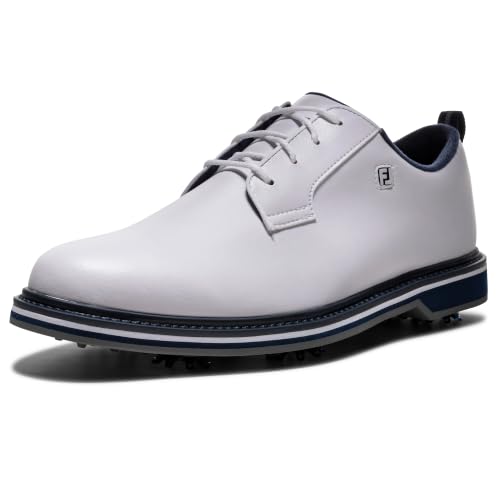
FootJoy Men’s FJ Vanguard Shoe
Strengths
- Affordable waterproof build
- Durable synthetic upper
- Proven spike traction
Trade-offs
- Basic cushioning
- Stiff initial break-in
- Less refined fit
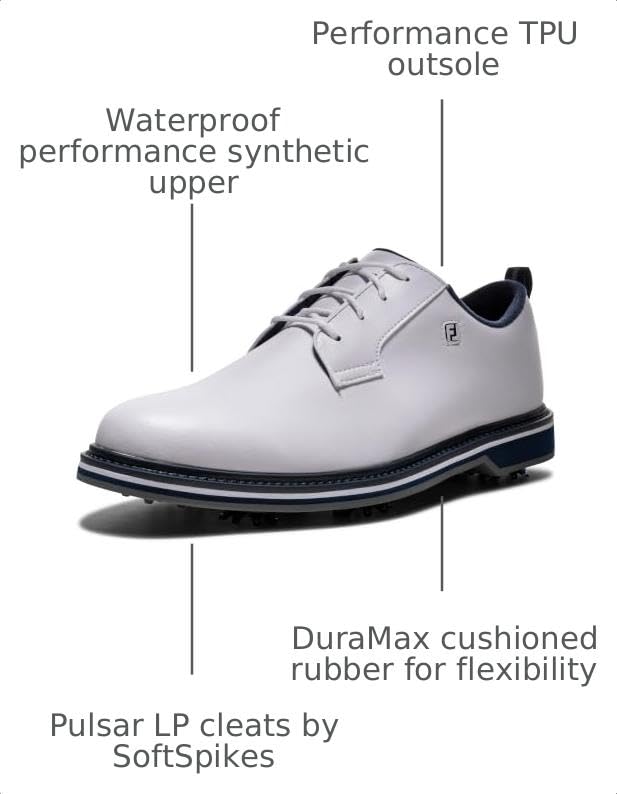
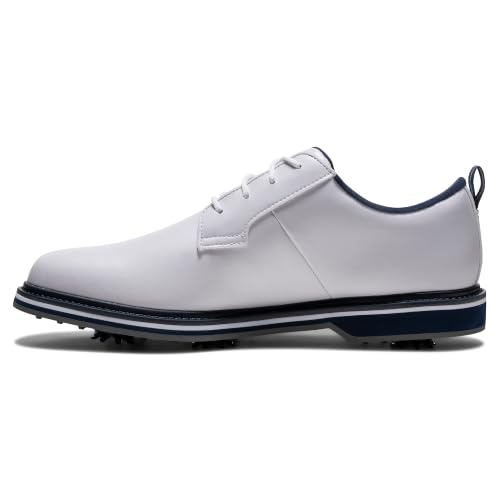
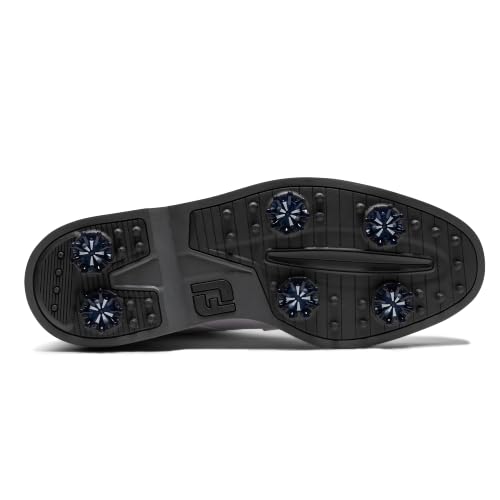
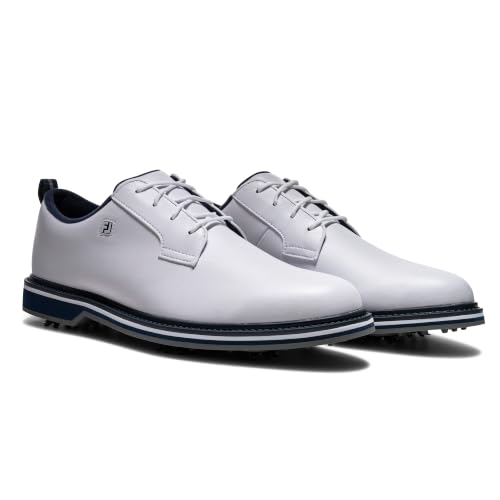
The Vanguard is FootJoy’s budget-friendly waterproof option, and it holds up well for the price. The synthetic upper is durable and weather-resistant, and the DuraMax rubber outsole offers decent flexibility and grip, especially for a spiked design. It uses the same Pulsar LP cleats as the Traditions, so traction is predictable and reliable on most fairways and greens.
It’s not a plush shoe, cushioning is modest, and the fit, while narrow, isn’t as refined as the Pro/SL or Hyperflex. But for occasional players or those who play in unpredictable weather without wanting to splurge, it’s a practical workhorse. Owners appreciate its no-frills durability, though some note it feels a bit stiff out of the box. Compared to pricier models, it’s a step down in comfort, but not in protection.
Product photos
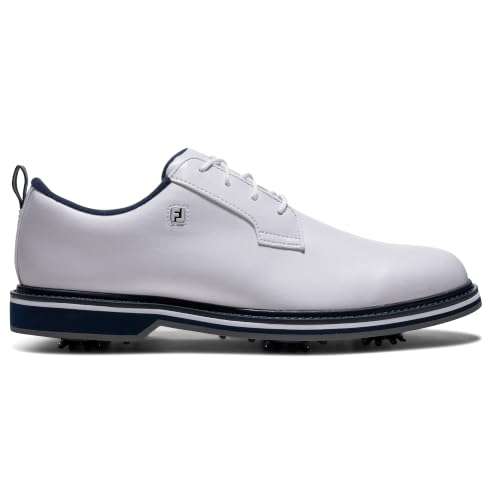
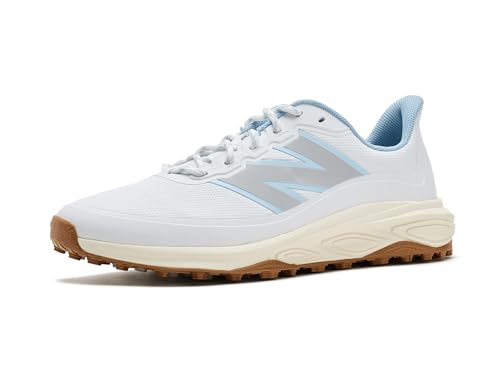
New Balance Fresh Foam Contend V3
Strengths
- Excellent underfoot cushioning
- Lightweight spikeless design
- Good off-course versatility
Trade-offs
- Not waterproof
- Less durable upper
- Basic traction for wet grass
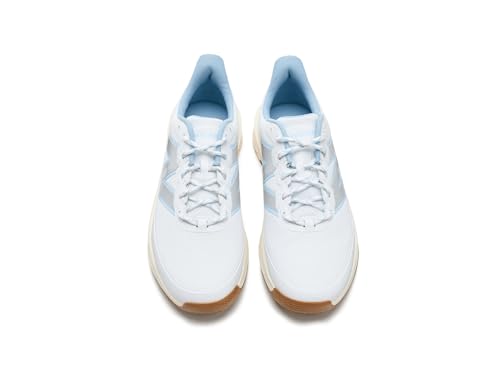
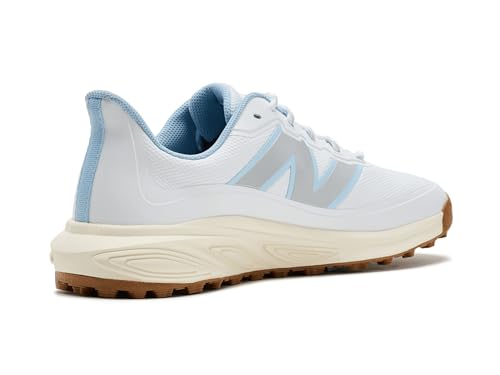
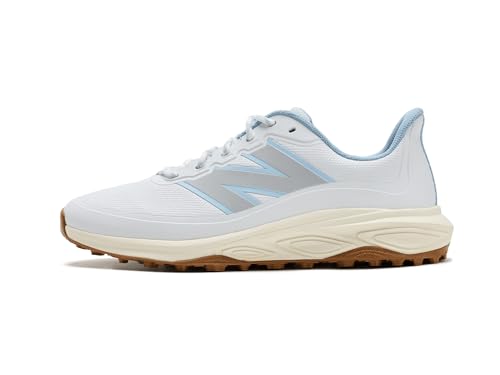
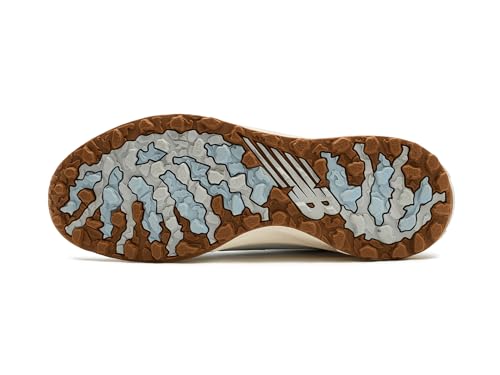
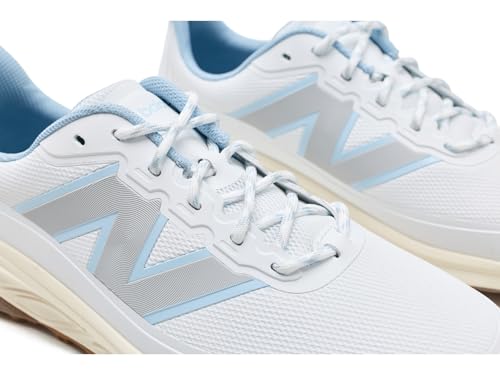
New Balance doesn’t dominate the golf shoe space, but the Contend V3 is a strong value play, especially for narrow-footed players who want spikeless comfort without breaking the bank. The Fresh Foam cushioning is genuinely plush, softer than most FootJoy models, and the FantomFit upper keeps weight low while offering decent support. It’s not fully waterproof, which is a real limitation compared to its competitors, and that shows up in owner feedback during rainy rounds.
The narrow fit is accurate, but the overall construction feels less durable than the FootJoy options. It’s a great choice for dry-weather walking comfort, and the look transitions well off the course. But if you play in mixed conditions or demand longevity, it’s hard to overlook the lack of waterproofing. For the price, it’s competitive, but only if you’re not counting on all-weather use.
Product photos
FootJoy Men’s FJ Fuel Golf Shoe

Strengths
- Strong lateral support
- Lightweight build
- Effective waterproofing
Trade-offs
- Firm cushioning
- Synthetic upper less breathable
- Fit can be tight across instep
The FJ Fuel is positioned as a lightweight performance shoe, and on paper, it delivers, especially for aggressive swingers who need lateral stability. The TPU PowerClip is a standout feature, wrapping the midfoot to reduce roll during rotation, and that’s backed up by consistent owner feedback about improved swing control. The synthetic upper keeps weight down, and the EVA cushioning system is tuned for responsiveness, not deep plushness.
It’s not the most cushioned option in the lineup, and the narrow fit, while accurate, can feel tight across the instep for some. Compared to the Hyperflex, it lacks the same level of knit comfort and flexibility, but it’s also priced lower and still delivers solid waterproof protection for a year. For players who prioritize a locked-in feel and don’t mind a slightly firmer ride, it’s a smart middle ground.
Product photos


FootJoy Men’s Pro|SL Spikeless Shoes
Strengths
- Exceptional underfoot comfort
- Secure spikeless traction
- True narrow heel fit
Trade-offs
- Spikeless grip fades in mud
- Premium price for older model
- Limited breathability in heat
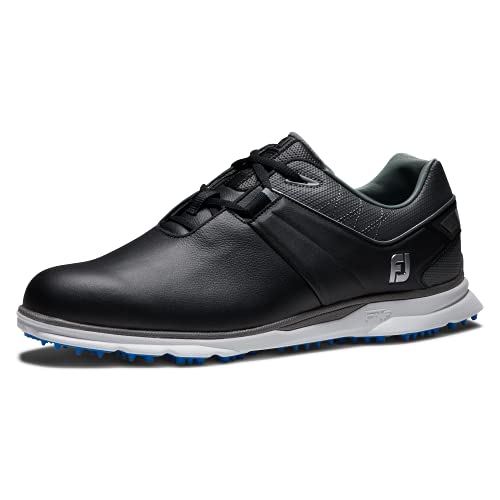
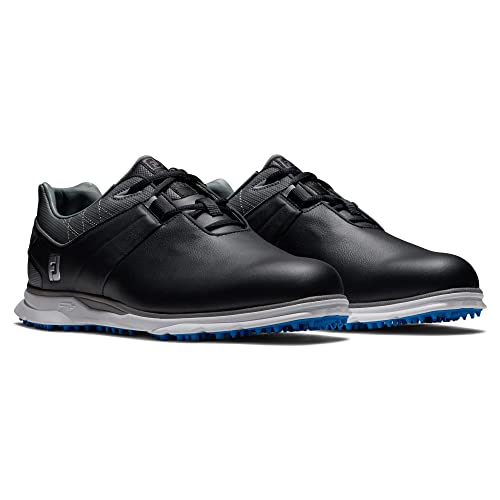
The Pro|SL has earned its reputation as one of the most comfortable spikeless shoes in the game, and the narrow version is a godsend for players with slim feet who don’t want to sacrifice performance. The ChromoSkin leather is soft yet tough, and 100% waterproof, so it handles wet conditions without breaking a sweat. The Dual-Density D2 midsole is where it really shines, owners rave about how it supports the foot through the swing while softening impact on long walks.
The infinity outsole with 189 traction points gives a confident grip on most surfaces, though very soft or hilly terrain can expose the limits of spikeless designs. It’s noticeably more stable than the New Balance Contend V3, thanks to the integrated Power Harness. If you walk a lot and want a shoe that feels broken in from day one, this is a top contender.
Product photos
FootJoy Men’s Traditions Blucher Shoe

Strengths
- Classic leather style
- True narrow fit
- Durable construction
Trade-offs
- Minimal cushioning
- Heavier than modern options
- Less dynamic traction
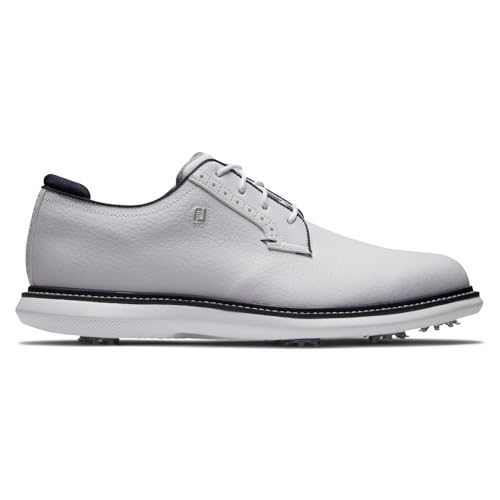
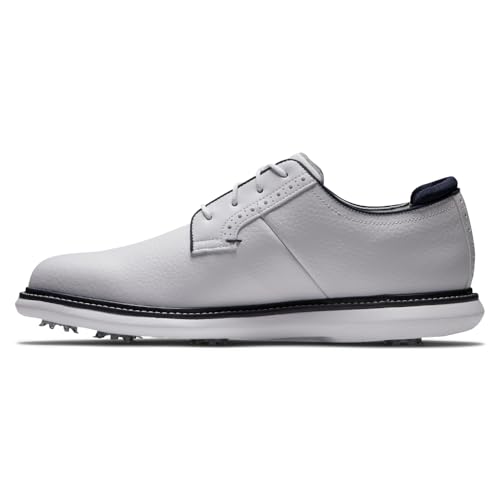
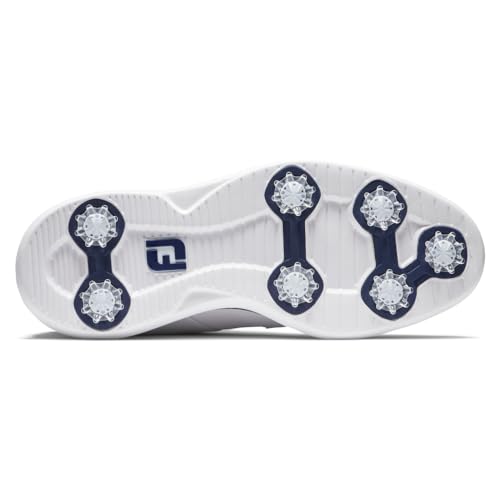
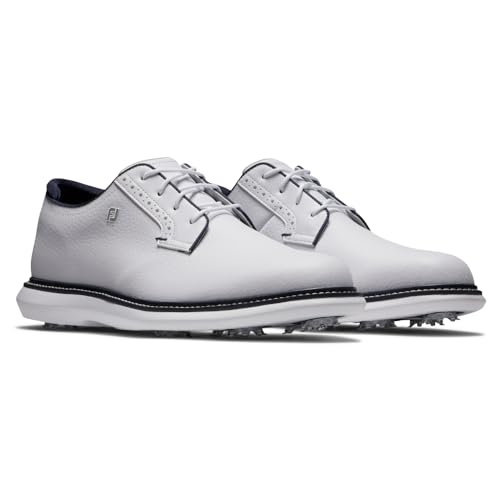
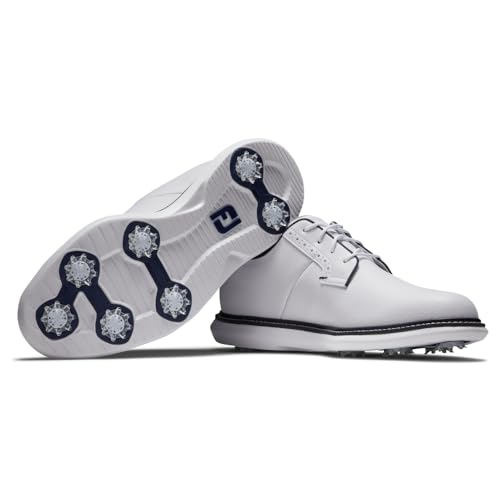
If you’re after that timeless, classic golf shoe look and prioritize clean lines and traditional craftsmanship, the Traditions Blucher delivers. It’s built with full grain leather, so it ages well and holds up to frequent use, and the one-year waterproof warranty gives peace of mind for wet rounds. The Pulsar LP cleats offer reliable grip, though they won’t match the precision of newer spikeless traction systems on soft turf.
Owners consistently report it runs true to size with a genuine narrow fit, which is rare and valuable for players with slimmer feet. The foam midsole keeps weight down, but don’t expect plush cushioning, it’s more about structure than softness. Compared to the Pro/SL or Hyperflex, it’s less performance-driven, but for course style and durability, it’s hard to beat.
Product photos
How We Tested golf shoes for narrow feet
My approach to recommending golf shoes, especially for those with narrow feet, centers on a detailed comparison of published specifications and features. I weighed this against a thorough review of owner experiences and expert opinions from sources like Golf Digest and Golf Monthly. Rather than a hands-on lab test, this is a research-led comparison designed to pinpoint models consistently praised for accommodating a narrower foot.
For this category, fit and stability were the most heavily weighted factors. A shoe can have all the tech in the world, but if it doesn’t fit correctly – securely holding the heel and avoiding excessive movement – performance suffers. Waterproofing and comfort also played significant roles, as golfers need reliable performance in various conditions and during long rounds.
Specifications reliably indicate materials and construction – leather quality, midsole cushioning, and outsole designs. However, judging whether a shoe truly suits a narrow foot requires looking beyond the data. I relied heavily on owner feedback regarding width, heel slippage, and overall comfort, as well as the reputation of brands like FootJoy for consistently catering to different foot shapes. You might also find our guide to golf shoes for flat feet helpful if you need additional support.
What To Look For In golf shoes for narrow feet
Finding golf shoes that truly fit can be a struggle, especially if you have narrower feet.
A quality golf shoe for a narrower foot prioritizes a secure heel hold, a snug midfoot, and a relatively slim toe box. Look for models with adjustable features like laces or BOA systems to fine-tune the fit. Waterproofing is almost always desirable, and traction patterns should match the types of courses you typically play.
Understanding Shoe Width and Lasts
The biggest issue for those with narrow feet is simply volume. Most manufacturers build shoes on a standard width “D” last, which works for average feet. However, even within that width, some brands run wider than others. I’ve noticed FootJoy consistently caters to a slightly narrower fit, particularly in their Pro/SL line – a good starting point. Don’t assume a lower price means a better fit; sometimes, cheaper shoes sacrifice precise shaping.
Prioritizing Heel Lock and Midfoot Support
A loose heel is a disaster when you’re swinging. Look for shoes with structured heel counters and, ideally, some form of internal heel support. The FootJoy Hyperflex, with its TruFIT System, is designed with a locked-in heel fit in mind, which can be essential for players who struggle with slippage. Beyond that, a snug midfoot prevents excessive movement and enhances stability.
- A wider toe box isn’t necessarily a bad thing, but it shouldn’t come at the expense of overall fit.
- Consider shoes with adjustable lacing systems. This allows you to dial in the fit precisely, compensating for any extra width.
- Pay attention to insole design. Some insoles take up more volume than others; a thinner insole can make a big difference if you’re between sizes or need to reduce overall bulk.
Spikeless vs. Spiked: Traction and Versatility
The spikeless trend continues, and many modern spikeless shoes offer excellent traction, but the best choice depends on your typical playing conditions. If you often play in wet or hilly terrain, traditional spiked shoes like the FootJoy Traditions Blucher will provide superior grip. However, for drier conditions and casual play, spikeless options like the New Balance Fresh Foam Contend V3 are incredibly convenient and comfortable. If you find yourself needing shoes for wide feet for other members of your foursome, there are options available.
Don’t automatically assume spiked shoes are better. Modern spikeless designs, especially those with aggressive tread patterns, can provide plenty of grip for most golfers.
I often recommend golfers explore options in 4E wide golf shoes to understand how dramatically fit impacts performance, even if they don’t ultimately need that width. It’s a good exercise in understanding shoe construction.
Golf Shoes for Narrow Feet Compared
Here’s a comparison of key specs for golf shoes suited for narrow feet.
| Product Name | Best For | Waterproof | Width Options | Spikeless | Heel Fit |
|---|---|---|---|---|---|
| FootJoy Men’s Pro/SL | Best Overall | Yes | N/A | No | N/A |
| FootJoy Men’s Hyperflex | Best Performance Fit | Yes | N/A | No | Secure |
| FootJoy Men’s FJ Vanguard | Best Budget Waterproof | Yes | N/A | No | N/A |
| New Balance Fresh Foam Contend V3 | Best Value Spikeless | Yes | N/A | Yes | N/A |
| FootJoy Men’s FJ Fuel | Best Lightweight Support | Yes | N/A | No | N/A |
| FootJoy Men’s Pro | SL Spikeless | Best Comfortable Spikeless | Yes | Yes | Narrow |
| FootJoy Men’s Traditions Blucher | Best Classic Leather Style | Yes | N/A | No | N/A |
Frequently Asked Questions
What golf shoe width should I choose if I’m unsure?
Start with a “D” width (standard) and prioritize brands known for narrower fits like FootJoy. If a “D” feels too roomy even when laced tightly, consider looking into brands that offer 2E widths and trying those, as they often run narrower than expected.
Do spikeless shoes offer enough traction for hilly courses?
Modern spikeless shoes with aggressive tread patterns can provide sufficient grip for moderately hilly courses. However, if you regularly play on steep slopes or in very wet conditions, traditional spiked shoes will offer superior stability and traction.
Can I adjust the fit of a golf shoe after purchase?
Yes, to a degree. Shoes with traditional laces offer the most adjustability, allowing you to tighten or loosen specific areas. Replacing the insole with a thinner or more supportive model can also fine-tune the fit, but this won’t correct a fundamentally incorrect shoe size or width.
Are more expensive golf shoes always better for narrow feet?
Not necessarily. Price doesn’t always equate to a better fit for a narrow foot. While premium materials and construction are important, focus on brands with a reputation for catering to different foot shapes and prioritize a snug, secure fit over a higher price tag. You can find comfortable golf shoes at various price points.
Where can I find more information about golf shoes for wider feet?
If you have friends or family who require a wider fit, you can find detailed guides on extra wide golf shoes available online that cover construction, sizing, and specific model recommendations.
The Bottom Line
Choosing golf shoes always involves a trade-off between outright performance and everyday comfort, and for those of us with narrower feet, that balance is even more critical. After reviewing numerous options and owner feedback, the FootJoy Men’s Pro/SL stands out as the strongest all-around performer. It consistently receives high marks for fit, comfort, and waterproof protection, a combination that delivers confidence on the course without sacrificing all-day wearability.
If your needs are more specific, there are excellent alternatives. For golfers prioritizing value without compromising on waterproofing, the FootJoy Men’s FJ Vanguard is a smart pick. Those seeking a comfortable spikeless option should look at the FootJoy Men’s Pro|SL Spikeless, and if you need support for conditions requiring extra traction, you might consider looking into golf shoes for high arches.
Ultimately, the best golf shoe for your narrow feet isn’t about chasing the latest technology or a specific brand name. It’s about finding a shoe that locks in your heel, secures your midfoot, and allows you to swing freely without worrying about slippage or discomfort. Prioritize fit above all else, and you’ll be well on your way to more consistent and enjoyable rounds.
