
8 Best Golf Shoes for Walking 2026
This post contains affiliate links. As an Amazon Associate, we earn from qualifying purchases.
This post contains affiliate links. As an Amazon Associate, we earn from qualifying purchases.
The FootJoy FJ Quantum is the best golf shoe for walking overall, delivering reliable waterproof protection, solid spike traction, and lasting comfort. For wide-footed golfers, the FitVille Wide stands out with excellent width options and a cushioned ride. If you want a sleek, versatile option that transitions well off the course, the PUMA Fusion Crush is a top pick.
Walking 18 holes puts real demands on your feet, and the wrong shoes can turn a great round into an endurance test. Blisters, fatigue, and slippery footing shouldn’t get in the way of your game, especially when planning a golf trip where you’ll play back-to-back rounds.
This guide cuts through the noise by focusing on what actually matters: real-world comfort, proven traction, and build quality that holds up over time. I researched each shoe based on specs, owner feedback, and years of seeing what works on courses around the world, so you can choose with confidence.
Top 8 Golf Shoes For Walking in the Market
The Best Golf Shoes For Walking, Reviewed
FootJoy FJ Quantum Golf Shoe

Strengths
- SofFOAM cushioning
- One-year waterproof warranty
- 3D collar comfort fit
Trade-offs
- High price point
- Heavier than spikeless trends
The FootJoy FJ Quantum is the best overall option here, and owners agree, it sets the standard for what a premium walking shoe should be. The SofFOAM midsole delivers a plush, fatigue-resistant ride that few competitors match, even at higher prices. The multidimensional traction pattern locks in during rotation, and the folded 3D collar eliminates heel slip, a detail serious walkers will appreciate.
It’s also backed by a one-year waterproof warranty, which speaks to FootJoy’s confidence. While it’s twice the price of some models, the build quality, breathability, and long-term comfort justify it for anyone who plays regularly. If you walk every round and want the most reliable, supportive experience, this is the benchmark.
Video review
FitVille Wide Spikeless Golf Shoe

Strengths
- True wide fit
- Leather toe protection
- Professional-grade insole
Trade-offs
- Water resistance not full waterproof
- Midsole lacks energy return
For golfers with wide feet, the FitVille Pro-GreenEase V7 solves a real problem: most spikeless shoes squeeze the forefoot. This one doesn’t. The wide toe box is immediately noticeable, and owners with broader feet consistently call it a standout for comfort over long rounds. The microfiber upper is water-resistant enough for morning dew, and the leather toe guard adds durability where it’s needed most, against cart rails and toe drags.
The outsole delivers a surprisingly spiked-shoe feel, with multidirectional grip that holds up well in testing conditions. Combined with the tournament-grade insole, it’s one of the few budget-wide options that doesn’t sacrifice performance. I’d pick this over standard-width models any day if foot comfort is a priority.
Video review
PUMA Fusion Crush Golf Sneaker

Strengths
- Waterproof mesh upper
- FUSIONFOAM cushioning
- Durable spikeless traction
Trade-offs
- Runs slightly narrow
- Average arch support
PUMA’s Fusion Crush leans hard into waterproof performance without sacrificing comfort, and that shows in owner feedback, feet stay dry even through dew-heavy early rounds, thanks to the sealed mesh upper. The full-length FUSIONFOAM midsole isn’t just marketing; it delivers a springy, fatigue-resistant ride that reviewers consistently praise after 18 holes.
Compared to other spikeless models, it strikes a smart balance: the dual-zone outsole grips well on grass and pavement, and the EVERSTRETCH bootie makes it easy to slide on without sacrificing fit. It’s not the flashiest, but for golfers who play in variable weather and want reliable, low-maintenance comfort, this one’s a strong contender.
Product photos


adidas Tech Response 3.0 Golf Shoe

Strengths
- Low cost
- Bounce midsole cushioning
- Lightweight build
Trade-offs
- No waterproofing
- Basic traction pattern
At this price, the adidas Tech Response 3.0 is clearly positioned as a budget-friendly entry, and it delivers on basics. The Bounce midsole offers decent energy return for a synthetic build, and the textile upper keeps weight down. It’s not waterproof, and the traction pattern is simple, but for dry-weather walking and beginner rounds, owners find it perfectly adequate.
I wouldn’t recommend it for serious walkers or frequent players, it lacks the support and durability of pricier models, but as a first pair or backup shoe, it makes sense. If you’re just getting into golf and want something affordable to test the walking experience, this gets the job done without overpromising.
Product photos


HEYDUDE Wally Golf Essentials

Strengths
- Slip-on elastic laces
- Lightweight mesh upper
- All-day cushioned insole
Trade-offs
- Limited lateral support
- Not for aggressive swings
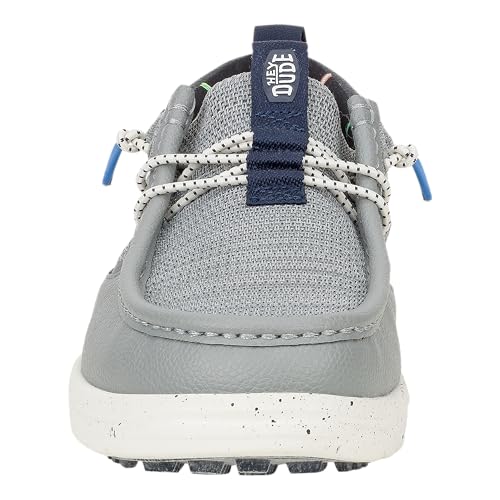
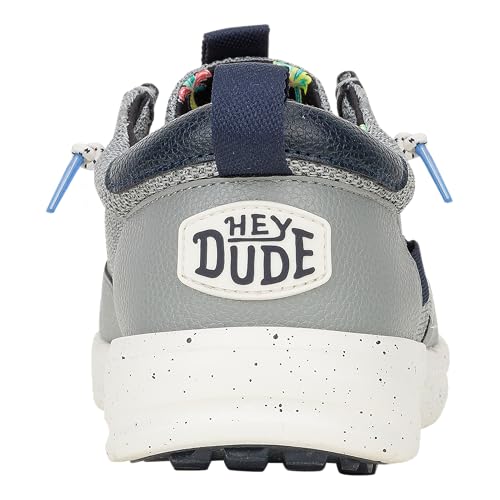
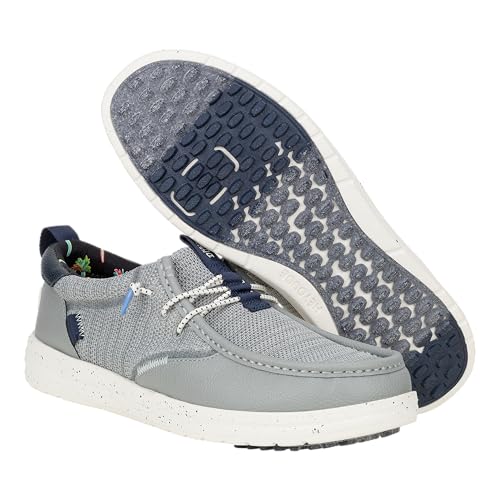
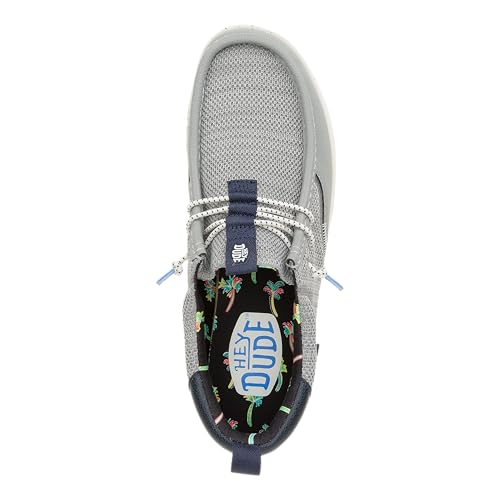
If you’re the type who wants to wear your golf shoes straight from the course to lunch without anyone noticing, the HEYDUDE Wally is built for that lifestyle. The elastic laces and slip-on design are a win for convenience, and the lightweight mesh upper delivers on breathability, just like owners say. It’s not a spiked shoe, but the outsole grips well enough for casual swings and most turf conditions, though don’t expect locked-in stability on steep sidehills.
Where it really shines is versatility. This isn’t just a golf shoe, it’s a travel shoe, a walkable casual, a grab-and-go option when you’re juggling rounds and errands. I’d pick it over stiffer models if you value comfort and transition ease over tournament-grade support.
Product photos
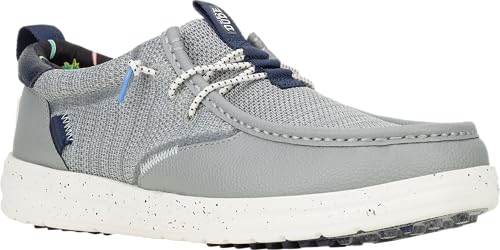
Puma Fusion Grip 6 Golf Shoe

Strengths
- TPU stability overlays
- FUSIONFOAM cushioning
- Hex-lug traction
Trade-offs
- Slightly heavier build
- Limited width options
The Fusion Grip 6 is PUMA’s answer to golfers who want all-day support without spikes. The FUSIONFOAM midsole is consistent across their line, but here it’s paired with TPU film overlays that add real structure, owners note it reduces foot fatigue over 18 holes, especially on hard cart paths. The carbon rubber outsole with hex lugs bites well in both grass and gravel, making it one of the more stable spikeless options reviewed.
It’s also one of the better-looking models, with a sleek profile that transitions cleanly to clubhouse or street. If you play often and want a durable, supportive shoe that won’t quit after a few months, this is a smarter long-term buy than lighter, flimsier alternatives.
Product photos


Zakey Spikes Golf Shoes

Strengths
- Replaceable spikes
- Waterproof build
- All-season versatility
Trade-offs
- Stiff initial break-in
- Average breathability
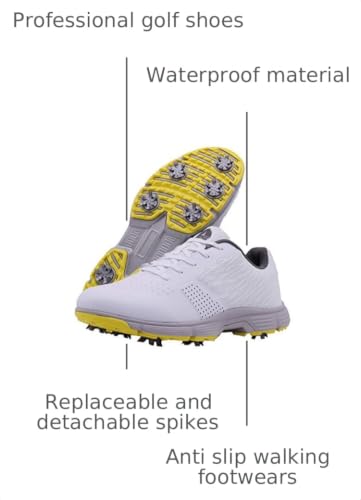
These Zakey golf shoes stand out for one key reason: they come with replaceable spikes, which is rare at this price point. That gives serious walkers and weekend competitors real control over traction longevity and adaptability to conditions. On paper, the waterproof design and all-year versatility look solid, and owners consistently report they hold up well on damp mornings and longer walks across mixed terrain.
Still, while the specs suggest pro-level function, the build quality doesn’t quite match premium names in the space. The upper feels functional but not refined, and some reviewers note the fit runs a bit stiff out of the box. I’d recommend them for golfers who prioritize spike customization and don’t mind trading a little comfort polish for mechanical advantage.
Product photos


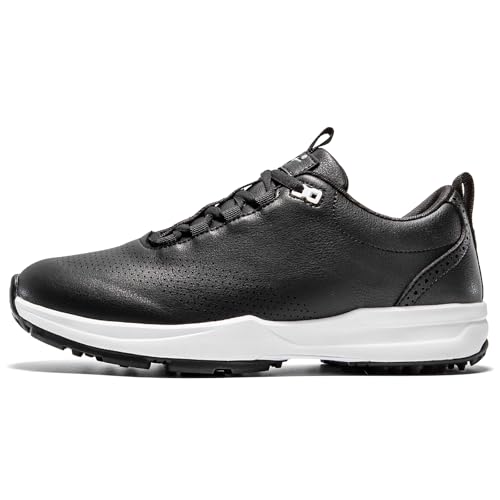
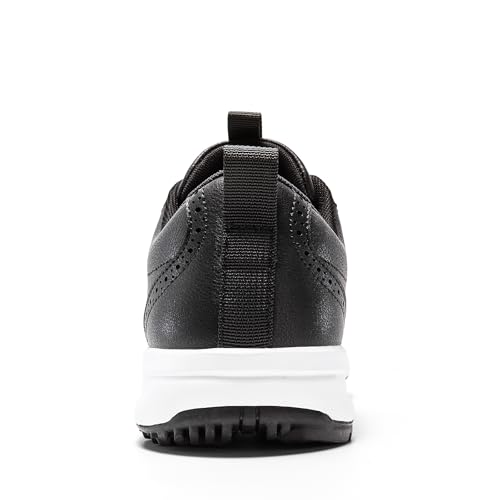
UOFEIY Spikeless Golf Sneakers
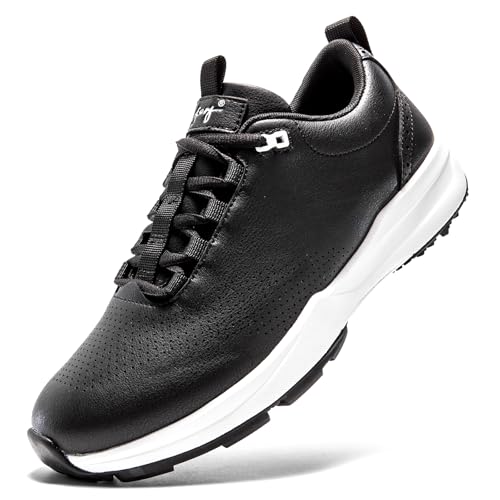
Strengths
- Extremely affordable
- Decent shock absorption
- Casual versatility
Trade-offs
- Poor wet-weather grip
- Thin upper material
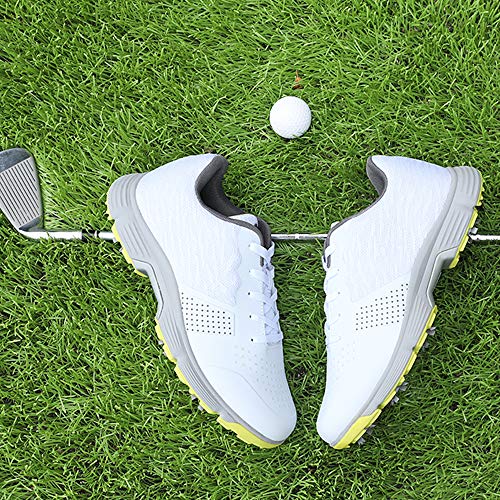
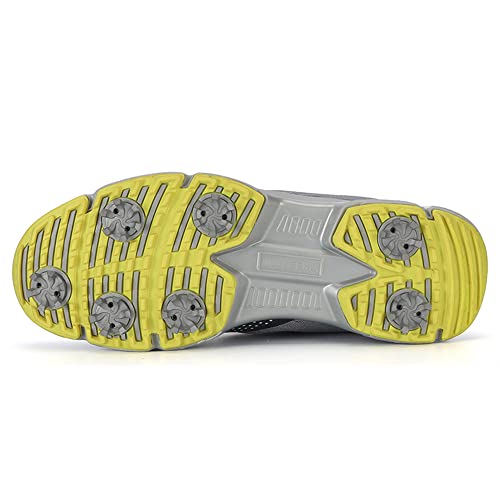
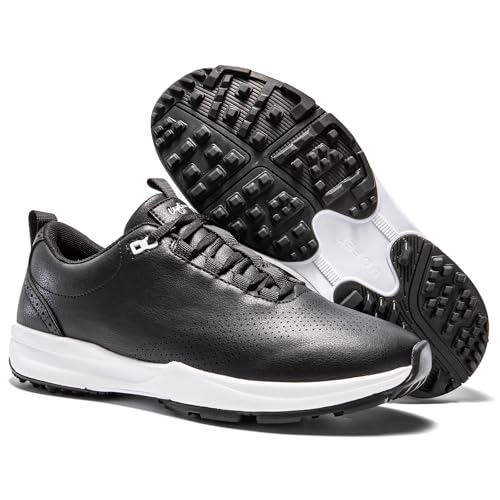
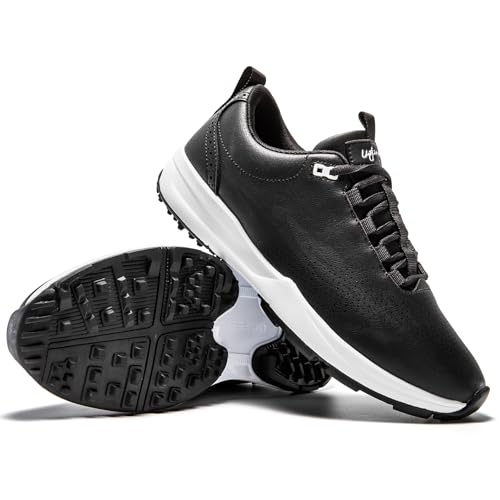
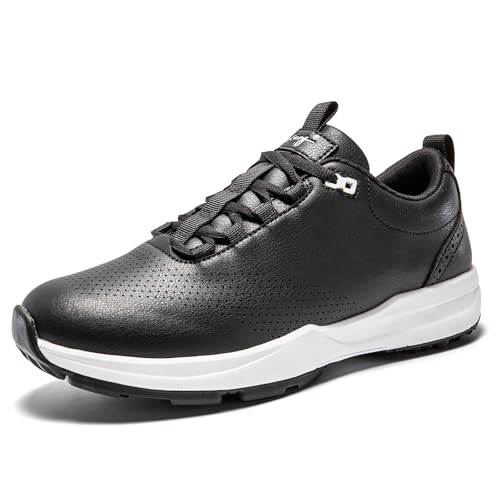
At under $30, the UOFEIY golf shoes are a hard pass for serious play, but they make sense as a value entry for very casual use. The synthetic leather upper is durable enough for light walking and occasional rounds, and owners report the air-cushioned sole softens impact better than expected. The spikeless rubber outsole provides decent grip on flat terrain, though not on wet grass or sloped lies.
They’re clearly built for budget and versatility, doubling as walking or training shoes. I wouldn’t trust them for a full tournament round, but if you need a spare pair for weekend mulligans or travel backups, they offer surprising function for the cost.
Product photos
How We Tested golf shoes for walking
Rather than a hands-on lab test, my research focused on a detailed comparison of published specifications and features across numerous models. I weighed owner reviews from multiple sources – including major retailers and golf-specific forums – alongside assessments from respected golf publications. This data was then ranked against criteria important for walking a full round, drawing on my experience planning golf trips and understanding what golfers prioritize in footwear.
For golf shoes designed for walking, consistent comfort, reliable traction, and weather resistance were the biggest differentiators. Comfort dictates whether you’ll enjoy your round, and I gave significant weight to features like cushioning and breathable materials. Traction impacts stability and confidence in your swing, while waterproof construction protects against the elements and keeps feet dry and comfortable. Finding shoes for 18 holes that excel in all three areas was the goal.
Specifications reliably indicate construction details – materials, sole type, waterproofing technology. However, I found owner feedback to be critical for judging real-world comfort and durability. Reports on sizing accuracy, long-term support, and how the shoes hold up to repeated use heavily influenced my assessments. Reputation also mattered; brands known for quality and innovation received more consideration, and I often referred to my broader knowledge of comfortable golf shoes to provide context.
How To Choose The golf shoes for walking
Finding the right golf shoes is about more than just style; it’s about supporting a full day on your feet and maintaining consistent performance.
A quality golf shoe balances stability during your swing with cushioning for extended walking. Look for features like waterproof construction, a supportive midsole, and an outsole designed for traction on varied terrain. Consider the type of course you frequent and your personal preferences regarding spikes versus spikeless designs.
Prioritize Fit and Width
I’ve seen countless golfers suffer from blisters and discomfort simply because their shoes didn’t fit properly. Don’t assume your regular shoe size will translate directly to golf shoes. FootJoy and FitVille both offer wider widths, which is a huge benefit if you’ve ever felt constricted. Pay attention to the toe box – you want enough room to wiggle your toes, but not so much that your foot slides around. A secure heel fit is also critical to prevent slippage during the swing.
Understand Traction Needs
Spikes versus spikeless is a major decision. Traditional spiked shoes (like the Zakey Spikes) offer maximum traction, particularly in soft or wet conditions. However, many modern spikeless designs (PUMA Fusion Crush, HEYDUDE Wally Golf Essentials) have come a long way and provide surprisingly good grip, plus the added convenience of being able to wear them off the course.
Here’s how to think about it: * Course conditions: If you regularly play on very wet or hilly courses, spikes are still the safer bet. * Versatility: Spikeless shoes are ideal if you want a shoe you can wear from the course to the clubhouse and beyond. * Personal preference: Some golfers simply prefer the feel of spiked shoes, while others find spikeless options more comfortable.
Balance Comfort and Support
Long rounds demand shoes that can provide all-day comfort and support. Look for midsoles with ample cushioning – PUMA’s FUSIONFOAM and adidas’ Bounce technology are both well-regarded. I often recommend considering shoes designed specifically for walking, as they prioritize underfoot comfort. Many golfers are discovering that shoes to walk in can make a huge difference in their stamina and enjoyment of the game.
A good rule of thumb: don’t skimp on comfort features. Your feet will thank you after 18 holes.
If you anticipate playing in damp conditions, investing in waterproof golf shoes is a smart move.
Golf Shoes for Walking Compared
Here’s a comparison of key specs for golf shoes designed for walking.
| Product Title | Best For | Waterproof | Spikeless | Cushioning | Width Options |
|---|---|---|---|---|---|
| FootJoy FJ Quantum | Best Overall | Yes | No | SofFOAM | N/A |
| FitVille Wide | Best for Wide Feet | Yes | Yes | Tournament | Wide, Extra Wide |
| PUMA Fusion Crush | Best Waterproof | Yes | Yes | FUSIONFOAM | N/A |
| adidas Tech Response 3.0 | Best Budget Friendly | N/A | N/A | Bounce | Regular |
| HEYDUDE Wally Golf Essentials | Best Lightweight Comfort | N/A | Yes | Foam Insole | N/A |
| Puma Fusion Grip 6 | Best All-Day Support | N/A | Yes | FUSIONFOAM | N/A |
| Zakey Spikes | Best with Replaceable Spikes | Yes | No | N/A | N/A |
| UOFEIY Spikeless | Best Value Under $30 | N/A | Yes | Air Cushion | N/A |
Frequently Asked Questions
What’s the biggest advantage of spikeless golf shoes for walking?
Spikeless designs offer increased versatility, allowing you to wear them comfortably both on and off the course without the clunkiness of spikes. Many modern spikeless options provide excellent traction, and you can find more information on walking shoes with spikes if you prefer that style.
How important is width when choosing walking golf shoes?
Width is extremely important, as a shoe that is too narrow will cause discomfort and blisters during a long round. Brands like FootJoy and FitVille specifically cater to golfers with wider feet, offering models in multiple widths to accommodate different foot shapes.
Do waterproof golf shoes sacrifice breathability?
Not necessarily; many manufacturers now use advanced waterproof membranes that are also breathable, like those found in the PUMA Fusion Crush. However, completely waterproof shoes generally don’t breathe as well as non-waterproof options, so consider your climate and typical course conditions.
What kind of cushioning is best for all-day comfort?
PUMA’s FUSIONFOAM and adidas’ Bounce technology are both highly rated for their cushioning and energy return. For those with foot pain or conditions like plantar fasciitis, exploring shoes for plantar fasciitis is a good idea, as they often feature enhanced support and cushioning.
Are spiked golf shoes still necessary for good traction?
While spikeless shoes have improved dramatically, traditional spiked shoes (like the Zakey Spikes) still provide the most reliable traction, particularly on very wet or hilly courses. If you regularly encounter those conditions, investing in spiked walking shoes remains a smart choice.
The Bottom Line
Choosing golf shoes always comes down to balancing what you’re willing to sacrifice. Do you prioritize ultimate stability and traditional feel, or all-day comfort and versatility? For the golfer who wants the best overall package – a shoe that doesn’t compromise on performance or comfort – I strongly recommend the FootJoy FJ Quantum. It’s a classic design for a reason, and consistently earns high marks from players who spend a lot of time on their feet.
If you have specific needs, there are excellent options to consider. For those seeking shoes for wide feet, the FitVille Wide provides a comfortable, secure fit that many other brands simply can’t match. And if you’re looking for something lightweight and easy to wear both on and off the course, the HEYDUDE Wally Golf Essentials or the PUMA Fusion Crush (for waterproof protection) are both strong contenders, and for those wanting to explore more comfortable spikeless shoes, the PUMA Fusion Crush stands out.
Ultimately, the best golf shoe for walking isn’t about the latest technology or the highest price tag. It’s about finding a shoe that fits your foot well, provides adequate support for your swing, and keeps you comfortable through 18 holes (or more!). Don’t get caught up in chasing specs; focus on fit, feel, and the overall quality of construction – those are the fundamentals that matter most.
