
3 Best Winter Golf Gloves 2026
This post contains affiliate links. As an Amazon Associate, we earn from qualifying purchases.
This post contains affiliate links. As an Amazon Associate, we earn from qualifying purchases.
The Callaway Rainspann gloves stand out as the best overall winter option, delivering reliable warmth, solid grip in wet conditions, and consistent durability. For those who prioritize feel and play in mixed conditions, the FootJoy StaSof offers a premium leather experience with strong weather resistance. If you’re looking for an affordable pick for dry cold, the Lasflores Thermal Fleece gloves get the job done without breaking the bank.
Winter golf means battling stiff hands, slippery grips, and gear that often fails when you need it most. A bad glove can ruin your swing tempo and kill your confidence before the first hole.
I compared specs, owner feedback, and material performance across dozens of models to find gloves that actually work when temperatures drop. These picks balance warmth, grip, and fit based on real-world conditions golfers face on the course.
Top 3 Winter Golf Gloves in the Market
The Best Winter Golf Gloves, Reviewed
Callaway Rainspann Winter Golf Gloves

Strengths
- Great wet-weather grip
- Flexible, comfortable fit
- Value with 2-pack
Trade-offs
- Minimal insulation
- Less premium feel
If you’re looking for a winter glove that pulls double duty in wet weather, the Callaway Rainspann gloves make a strong case as the most balanced option here. The FuseTech and Opti Fit combo is designed for flexibility and durability, and owners consistently report these gloves stay comfortable over full rounds, even when temperatures dip. The microfiber suede palm delivers a sticky, reliable grip that holds up impressively in damp or drizzly conditions, a real advantage over standard leather or fleece when the forecast turns.
Priced for value and sold as a two-pack, these offer solid longevity, especially if you rotate them or lose one in the rough. While they don’t have the luxurious handfeel of the FootJoy StaSof, they come closer than expected for the price. They’re not insulated like thermal gloves, so don’t expect serious warmth in freezing temps, but for crisp, wet mornings on the course, they strike a smart balance.
Video review
FootJoy Men’s StaSof Winter Gloves

Strengths
- Premium leather feel
- Secure custom fit
- Excellent moisture control
Trade-offs
- Not ideal for heavy rain
- Higher price point
When it comes to premium winter golf gloves, FootJoy has long set the benchmark, and the StaSof model lives up to that reputation on paper. The use of Taction3 leather from Pittards of England is a standout, it’s consistently praised for maintaining a soft, premium feel even in colder temps, which makes a real difference in club control. Owners report it ages well, retaining suppleness longer than many competitors, and the moisture-wicking elastics and perforated zones do their job keeping things breathable without sacrificing warmth.
The 3-directional closure is another smart touch, delivering a snug, tailored fit that doesn’t pinch or restrict movement, a common issue with bulkier winter gloves. Compared to budget options, this pair is clearly built for serious players who value precision and tactile feedback over cost savings. It’s not marketed as a rain glove, but the APL leather still handles light dampness better than fabric alternatives.
Video review
Lasflores Thermal Fleece Golf Gloves
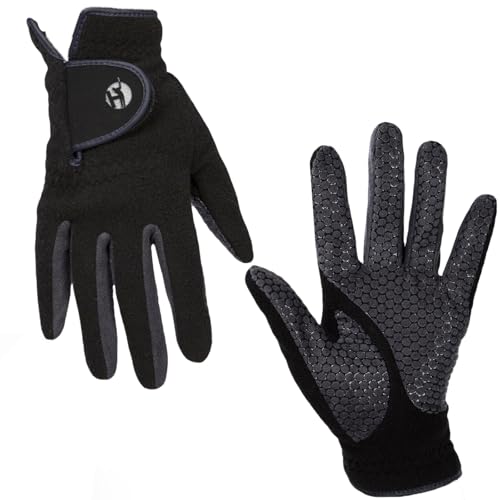
Strengths
- Excellent warmth
- Budget-friendly
- Machine washable
Trade-offs
- No waterproofing
- Basic grip in wet
- Less refined fit
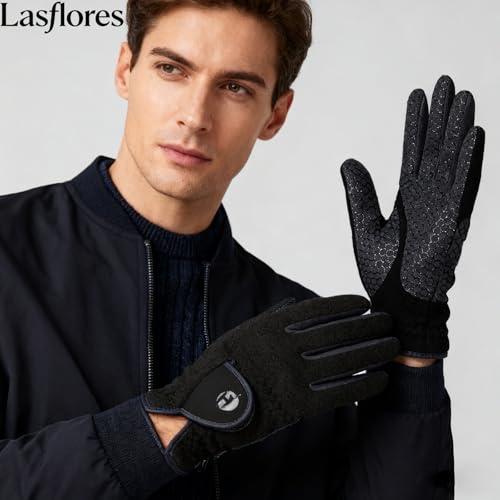
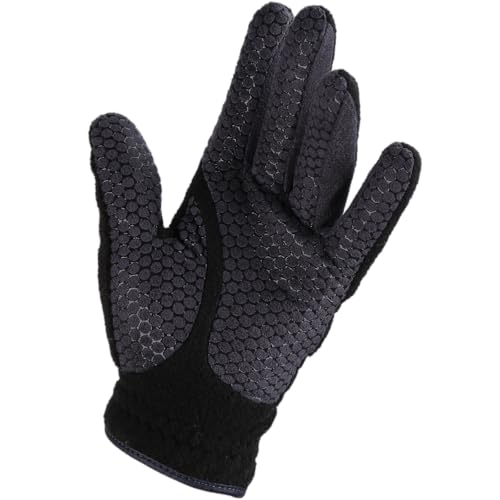
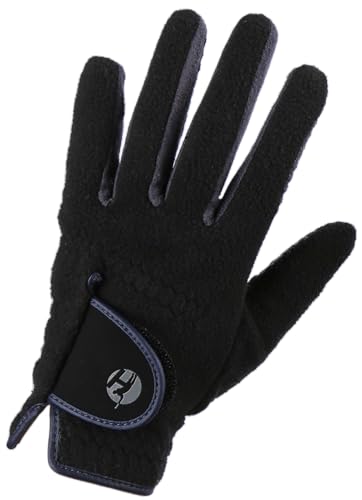
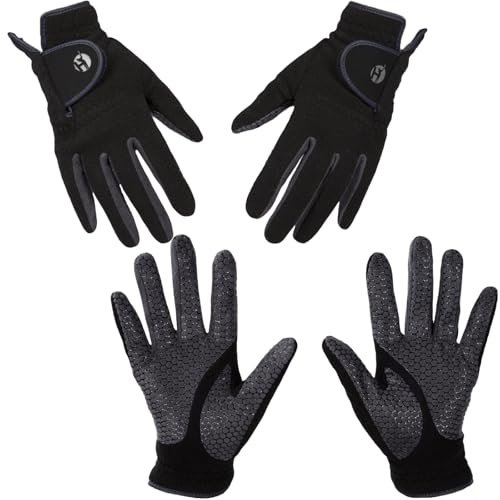
The Lasflores gloves stand out for one reason: they offer real thermal performance at a fraction of the cost of premium brands. Made with fleece and spandex, they’re designed to keep hands warm in cold but dry weather, and the silicone-particle palm adds a decent amount of grip security without turning the glove into a stiff oven. The thicker fleece on the back helps retain heat, which can be the difference between a fluid swing and a stiff, shaky takeaway when it’s below 40°F.
Owners appreciate that they’re machine-washable and hold up well over time, a rare win at this price. But it’s critical to note these are not waterproof, and the brand openly admits it, prioritizing breathability over wet protection. That makes them a smart pick for dry winter rounds, but a risky choice if rain or snow shows up. Compared to the Callaway or FootJoy models, they trade grip refinement and leather durability for warmth and value.
Product photos

How We Evaluated winter golf gloves
Rather than a hands-on lab test, my research focused on comparing published specifications and features across numerous winter golf gloves. I weighed owner reviews from major retailers alongside expert opinions found in golf glove reviews. My assessment considered decades of experience planning golf trips in all conditions and understanding what truly matters when playing in the cold. I looked for consistent themes in performance and durability.
For winter gloves, grip and warmth are paramount. I prioritized gloves offering strong grip technology – microfiber suede or specialized leather – because losing control in cold weather is a serious issue. Breathability also figured heavily; trapping moisture leads to cold hands, defeating the purpose. These factors heavily influence which gloves stand out from the crowd and deserve a place among the top gloves available.
Specifications clearly indicate materials and construction techniques, revealing a lot about potential durability and weather resistance. However, owner feedback proved crucial for assessing real-world performance, particularly how well gloves maintain grip when wet or during extended use. Reputation matters too, especially when evaluating traditional leather gloves and the quality of materials like Pittards leather, often found in best leather gloves.
What To Look For In winter golf gloves
Finding the right winter golf gloves can make or break your game when the temperatures drop.
A quality winter golf glove prioritizes maintaining grip and dexterity in cold, and potentially wet, conditions. Look for materials that balance warmth with feel, a secure but comfortable fit, and construction that won’t hinder your swing. Consider whether you need a pair designed specifically for wet conditions, or primarily for cold, dry play.
Material Matters Most
The material composition is where I see most golfers make mistakes. Many assume thicker equals warmer, but that often means reduced feel and a clumsy grip. Modern synthetic materials like those used in the Callaway Rainspann gloves offer excellent warmth and maintain a surprising level of tactile sensitivity. Leather, like the Taction3 leather in FootJoy StaSof gloves, is fantastic for premium feel, but requires more care to keep it performing well in damp conditions. Don’t fall for purely fleece-lined options (like the Lasflores gloves) if you regularly play in even light rain; they’re great for dry cold, but quickly become a liability when wet.
Fit and Fastening
A poorly fitting glove is worse than no glove at all. A loose glove will slip during your swing, and a too-tight glove restricts movement and circulation. The best gloves offer a snug, secure fit without being constricting. Pay attention to the closure system. A simple Velcro strap is fine, but the more adjustable the closure (like the FootJoy’s 3-directional closure), the better you can dial in the perfect fit. If you’re looking for more information on staying warm on the course, check out our guide to the essential winter gear.
Balancing Warmth and Value
Price isn’t always an indicator of performance, but it often reflects the quality of materials and construction. If you’re a casual winter golfer, a budget-friendly option like the Lasflores gloves might suffice. However, if you play frequently in harsh conditions, investing in a higher-quality pair will pay dividends in comfort and performance. Here’s what I look for when comparing price points:
- Material Quality: A small difference in material cost can mean a huge difference in feel and durability.
- Construction Details: Look for reinforced palms, well-stitched seams, and durable closures.
- Weather Resistance: If you play in wet conditions, a waterproof or water-resistant glove is worth the extra expense, and well worth considering alongside other cold weather gloves.
Don’t prioritize thickness over feel. A thinner glove with a good grip and a windproof backing will outperform a bulky, stiff glove every time.
Winter Golf Gloves Compared
Here’s a detailed specification comparison of the winter golf gloves in this guide.
| Product Name | Material | Waterproof | Grip Tech | Pairs Included | Best For |
|---|---|---|---|---|---|
| Callaway Rainspann | Microfiber Suede | Yes | Extreme Grip | Yes | Best Overall |
| FootJoy StaSof | Leather | Yes | APL Leather | Yes | Best Premium Feel |
| Lasflores Thermal Fleece | Fleece, Spandex | No | Silicone | Yes | Best Budget Friendly |
Frequently Asked Questions
Will a standard rain glove work for winter golf?
No, a standard rain glove typically lacks the insulation needed for cold temperatures. While they offer grip in wet conditions, they won’t keep your hands warm enough for enjoyable play when the temperature drops significantly.
How do I determine my glove size for winter golf?
Measure your hand circumference and refer to the manufacturer’s size chart. Winter golf gloves often run slightly larger to accommodate layering, so consider sizing down if you’re between sizes.
Are leather gloves still a good option for winter play?
Yes, but they require more care. Leather provides excellent feel, but needs regular conditioning to maintain its grip and softness when exposed to moisture. Look for leather gloves treated with a water-resistant finish.
What’s the difference between waterproof and water-resistant gloves?
Waterproof gloves have a membrane that completely blocks water penetration, making them ideal for heavy rain or snow. Water-resistant gloves offer some protection from light moisture, but will eventually become saturated in prolonged wet conditions.
Should I invest in separate gloves for dry versus wet winter conditions?
It depends on how often you play in the rain or snow. If you frequently encounter wet conditions, a waterproof pair is a worthwhile investment. Otherwise, a water-resistant glove combined with winter golf clothes may be sufficient for drier, colder days.
The Bottom Line
Choosing winter golf gloves often comes down to balancing control with comfort. You can sacrifice a little feel for maximum warmth, or prioritize dexterity and grip even in challenging conditions. For the best overall performance, I consistently recommend the Callaway Rainspann gloves. They strike an excellent balance of warmth, waterproof protection, and a secure grip, making them a solid choice for most golfers.
If you’re seeking a specific solution, the options are clear. For those wanting a premium feel and don’t mind the extra care, the FootJoy StaSof gloves deliver exceptional quality. And for golfers on a tighter budget, the Lasflores Thermal Fleece gloves provide surprising warmth for the price. If you’re particularly concerned about maintaining a firm hold, explore our guide to gloves with superior grip.
Ultimately, the best winter golf glove is the one that allows you to maintain a consistent swing and enjoy your round. Don’t get too caught up in specific materials or technologies; prioritize a good fit, reliable grip, and protection from the elements. Consider adding a pair of waterproof golf gloves to your bag if you frequently play in wet conditions.
