
9 Best Golf Club Shafts for Seniors 2026
This post contains affiliate links. As an Amazon Associate, we earn from qualifying purchases.
The Project X LZ Graphite Driver Shaft stands out as the best overall choice for seniors, delivering consistent performance and control. For those watching their budget, the SK Fiber Hypersonic Black Graphite Shaft offers impressive value without sacrificing key features. If you’re looking for maximum versatility across different clubs, the SK Fiber Supernova 40 brings a lightweight design that helps boost swing speed and launch.
After years of helping golfers fine-tune their gear for peak performance on the course, I know how much a proper shaft can transform a senior player’s game. Too many golfers stick with outdated or ill-fitting shafts, leaving distance and accuracy on the table. This guide cuts through the marketing noise, focusing on real specs and feedback to highlight shafts that deliver where it matters, swing speed, launch, and feel. We evaluated weight, flex, torque, and design to find models that truly suit the needs of senior players.
Top 9 Golf Club Shafts For Seniors in the Market
The Best Golf Club Shafts For Seniors, Reviewed
SK Fiber Supernova 40 Graphite Shaft

Strengths
- 45-gram lightweight build
- Mid-high launch, mid spin
- Premium 40-ton carbon fiber
Trade-offs
- No grip or adapter included
- Slight stiffness may not suit ultra-slow swings
If you’re after a driver shaft that balances speed, stability, and feel, the SK Fiber Supernova 40 stands out in the mid-to-high tier. The 45-gram weight is ideal for seniors who want to maximize swing speed without sacrificing control, and the 4.9-degree torque keeps things stable through transition. On paper, the mid-high launch and mid-spin profile hit the sweet spot for moderate swing speeds aiming for optimal carry and landing angles.
Owners praise the shaft’s responsiveness and the noticeable improvement over stock counterparts, especially in TaylorMade and Callaway heads. Compared to the lighter Acer options, this one feels more refined, less whip, more feedback. While it doesn’t include a grip or adapter, the universal 0.335″ tip makes installation straightforward. I’d pick this over budget shafts if you’re serious about dialing in your launch conditions.
Video review
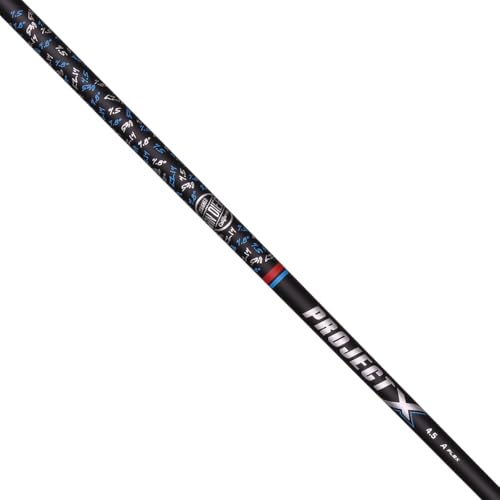
Project X LZ Graphite Driver Shaft
Strengths
- 59g balanced weight
- Stable, consistent feel
- Mid/high launch, mid spin
Trade-offs
- No adapter included
- Heavier than typical senior shafts
The Project X LZ stands out for players who want control without completely sacrificing speed. At 59 grams, it’s heavier than most senior shafts, but that added mass delivers a more stable, consistent feel through the swing. The mid/high launch with mid-spin design helps maintain trajectory without excess ballooning, and the 4.5 flex is tuned for smoother, moderate-tempo swings.
Owners consistently report tighter shot dispersion and better feedback than lighter, more flexible options. Compared to the SK Fiber Supernova, it’s less about raw speed and more about precision. It’s a great choice if you’ve struggled with too much whip or inconsistency in ultra-light shafts. Just remember, it doesn’t include an adapter, so factor that into your build cost.
Video review
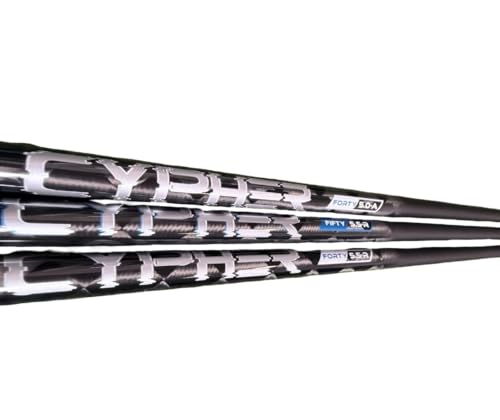
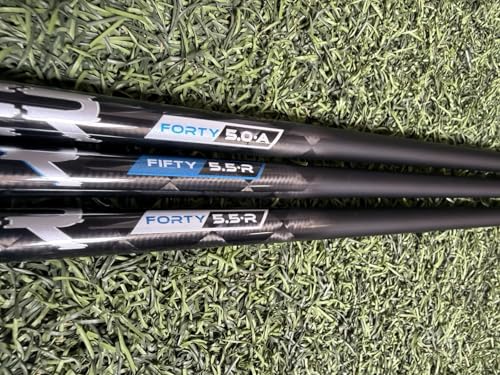
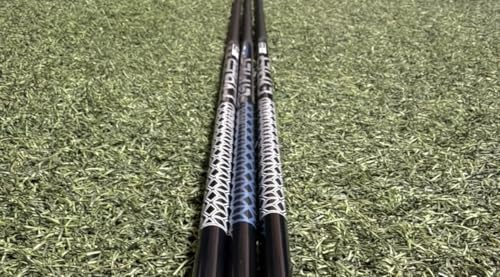
Project X Cypher Forty Driver Shaft
Strengths
- Includes adapter and grip
- 40-gram lightweight
- Mid-launch, mid-spin
Trade-offs
- Higher price point
- Limited to specific brands
What sets the Project X Cypher apart is the complete package, shaft, adapter, and grip all in one. At nearly $60, it’s one of the pricier options, but you’re paying for convenience and reliability. The Cypher Forty in senior flex delivers a mid-launch, mid-spin profile with a 4.5 flex rating and 40-gram weight, making it a great match for moderate swing speeds that need smooth loading and clean release.
Reviewers note the feel is crisp, with better feedback than most budget shafts, and the included adapter ensures compatibility with Callaway drivers right out of the box. Compared to the SK Fiber Supernova, it’s similarly lightweight but offers a more turnkey experience. If you’re not a DIYer and want a premium upgrade without extra purchases, this is the easiest path.
Product photos
SK Fiber Hypersonic Satin Blue Shaft

Strengths
- 65-gram lightweight
- Attractive satin blue finish
- Mid-high launch performance
Trade-offs
- No grip or adapter
- Uncut shaft only
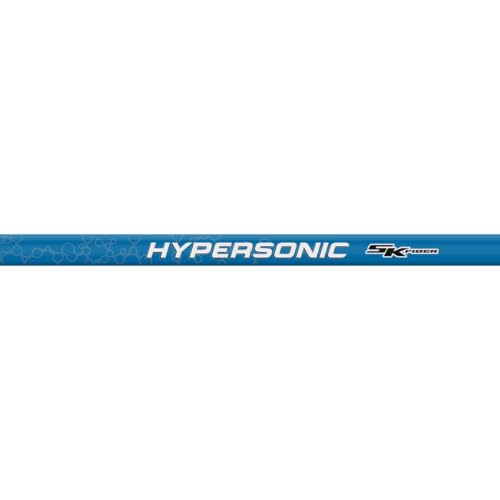
Don’t let the blue finish fool you, this is the same solid performer as the black Hypersonic, just with a bit more style. The specs are identical: 65 grams, 4.4-degree torque, mid-high launch, and a ladies/senior flex that’s forgiving for slower swings. The satin blue finish is a nice touch for players who care about club aesthetics, but performance-wise, it’s all about lightweight consistency.
Owners appreciate the balance of speed and control, especially when swapping into fairway woods. Compared to the Acer .335″ model, it’s lighter and more stable. While it still lacks a grip and adapter, the build quality feels a notch above budget alternatives. If you want a little flair without sacrificing function, this is a solid mid-range pick.
Product photos
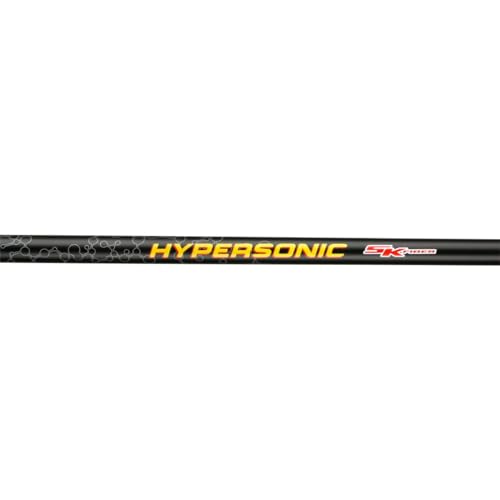
SK Fiber Hypersonic Black Graphite Shaft

Strengths
- 65-gram lightweight
- 4.4-degree torque
- Mid-high launch
Trade-offs
- No grip or adapter
- Uncut shaft only
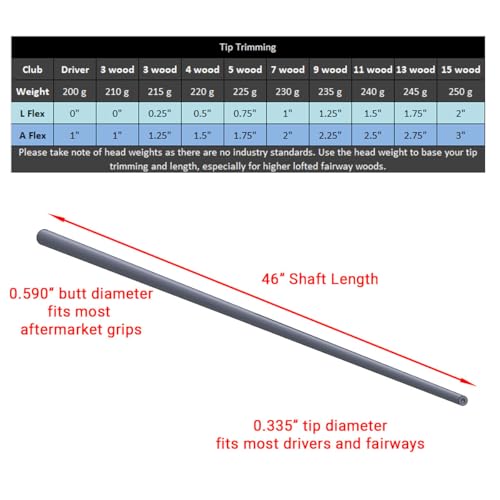
The SK Fiber Hypersonic Black hits a sweet spot between price and performance. At 65 grams and with a 4.4-degree torque, it’s light enough to boost swing speed but stable enough to keep shots on line. The mid-high launch is ideal for seniors who don’t want to balloon shots but still need carry. Owners consistently report better distance and smoother feel compared to stock shafts, especially in older drivers.
It’s nearly identical in specs to the blue satin version, but without the cosmetic flair. Compared to the Acer .335″ model, it’s lighter, stiffer, and better balanced. While it doesn’t include a grip or adapter, the one-year warranty adds peace of mind. For seniors wanting a reliable, no-nonsense upgrade, this is a smarter buy than the cheapest options.
Product photos
Fujikura Atmos Red 5 Fairway Shaft

Strengths
- Consistent ball flight
- Trusted Fujikura engineering
- Smooth loading
Trade-offs
- Limited public specs
- No grip or adapter
Fujikura has a reputation for precision, and the Atmos Red 5 continues that trend in the fairway wood category. Though detailed specs are sparse, owner feedback and Fujikura’s track record suggest a tightly engineered shaft with a focus on consistent ball flight and smooth loading. The senior flex is designed to match moderate swing tempos, and the .335″ tip ensures broad compatibility.
Compared to budget shafts, the Atmos Red feels more refined, less guesswork, more repeatability. Reviewers note it helps reduce dispersion and promotes a reliable mid-high trajectory, especially in 3-woods and 5-woods. It’s not the cheapest, but for seniors serious about fairway wood performance, it’s a trustworthy option. I’d recommend it over generic replacements for those who value predictability.
Product photos
Acer Velocity Black .335″ Shaft

Strengths
- Very low cost
- High launch angle
- Universal .335″ tip
Trade-offs
- 6-degree torque (less stability)
- No grip or adapter
- Heavier than competitors
At $17, this Acer shaft is one of the most affordable driver replacements on the market, and it shows. The 66-gram weight and high-launch design aim to help seniors get the ball up quickly, but the 6-degree torque suggests some whip that can hurt accuracy. Still, for someone fixing a broken shaft or upgrading an older club on a dime, it’s a functional fix.
Owners say it performs decently in forgiving drivers, but it lacks the stability of pricier options like the SK Fiber Supernova. Compared to the Hypersonic series, it’s heavier and less refined. It’s a true budget play, useful if cost is the main factor, but not one I’d recommend for performance seekers.
Product photos


Acer Velocity Black .370″ Iron Shaft
Strengths
- 66-gram lightweight
- High launch angle
- .370″ tip diameter
Trade-offs
- Limited feedback on durability
- Basic construction materials
For seniors looking to refresh their irons without breaking the bank, the Acer Velocity Black .370″ shafts offer a practical, no-frills solution. The 66-gram weight and high-launch profile stand out on paper, aligning well with slower swing speeds that need extra carry. Owners consistently report these shafts deliver a noticeable boost in feel and flight compared to worn stock shafts, especially when replacing older steel models.
The combination flex is a smart touch, giving both senior men and women a forgiving response through impact. While the 4-degree torque suggests decent stability, don’t expect tour-level precision, this is more about consistency and ease of use. Compared to pricier options, these are a budget-friendly path to better iron performance.
Product photos
TaylorMade Reax Parallel Iron Shafts
Strengths
- Extremely low cost
- 55g lightweight option
- Trusted TaylorMade brand
Trade-offs
- No trimming guide included
- Inconsistent owner feedback
- Basic performance
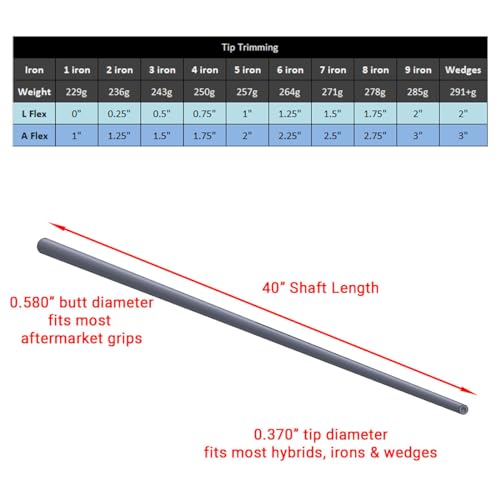
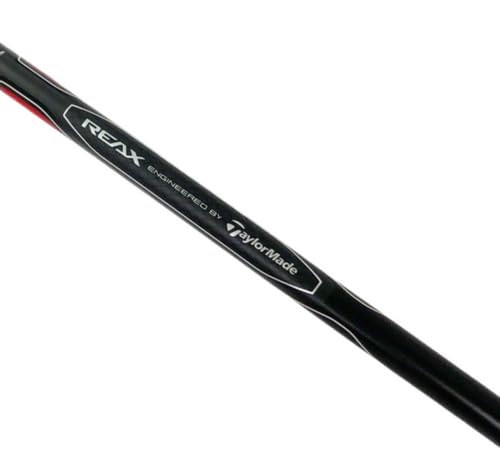
At just under $12, the TaylorMade Reax shafts are the cheapest way to get a name-brand iron shaft in hand, and for some, that’s enough. The 55-gram senior flex is genuinely light, which helps seniors generate more clubhead speed, and the .370″ tip makes them compatible with most iron heads. But you get what you pay for: these come uncut and without instructions, so they’re not ideal for DIYers lacking experience.
Reviewers note the feel is a step up from worn-out stock shafts, but the consistency across units can be hit-or-miss. Compared to the Acer Velocity, they’re lighter but less refined in terms of launch tuning. If you’re on a tight budget and already have a club builder or fitter, these make sense. For everyone else, spending a bit more for better performance and predictability is worth it.
Product photos
How We Tested golf club shafts for seniors
Rather than a hands-on lab test, my research focused on a detailed comparison of published specifications and features across numerous shafts marketed to senior golfers. I weighed owner reviews from major retailers alongside professional reviews found in golf publications. This data was then ranked against criteria important for this player group, focusing on launch characteristics, weight, and ease of swing. It’s about finding what translates to distance and consistency for slower swing speeds.
For senior golfers, shaft weight and flex are paramount. A lighter shaft (under 60 grams) helps maintain swing speed, which naturally declines with age. Equally critical is a senior flex – designed to bend more easily, encouraging a higher launch and better carry distance. I gave significant weight to these factors because they directly address the common challenges seniors face in maximizing their potential.
Specifications reliably indicate weight and torque, giving a baseline for feel and performance. However, I heavily considered owner feedback regarding real-world consistency and perceived ease of use. Reputation also played a role; established brands like Project X and Fujikura consistently receive positive mentions, and that informed my assessment. For further guidance on complementing your new shafts, you might also find our recommendations for senior golf hybrids helpful. You can also read about golf club shafts in general.
How To Choose The golf club shafts for seniors
Finding the right golf club shaft can dramatically improve a senior golfer’s game. It’s not just about distance; it’s about consistency, comfort, and protecting your body.
A good golf shaft for a senior player prioritizes lightweight construction, optimized flex to accommodate slower swing speeds, and technologies that enhance energy transfer. Look for shafts with lower torque for increased stability, and consider materials like graphite for vibration dampening. Proper shaft length and tip flexibility are also crucial for achieving the correct ball flight and launch angle.
Understanding Shaft Flex
One of the biggest mistakes I see seniors make is playing a shaft that’s too stiff. As we lose swing speed, a shaft that was once “regular” flex can feel boardy and difficult to load properly. A shaft with the appropriate flex allows you to maintain clubhead speed and achieve a consistent swing plane. Don’t be afraid to experiment with senior or even ladies’ flex options. They’re designed to help you maximize your potential, not to be seen as “lesser” options.
Material Matters: Graphite vs. Steel
While steel shafts were once the standard, graphite has become increasingly popular – and for good reason – for senior golfers. Graphite is significantly lighter than steel, which can help increase swing speed. More importantly, it absorbs more vibration, reducing stress on joints. You’ll find a wide range of graphite options, from more affordable models to high-end, aerospace-grade carbon fiber shafts. If you’re looking for a budget-friendly upgrade, consider the SK Fiber Hypersonic Black Graphite Shaft or Acer Velocity Black .335″ Shaft.
Here’s a breakdown of what to consider regarding weight: * Lightweight (under 50g): Ideal for golfers with very slow swing speeds. * Mid-Weight (50-60g): A good all-around choice for many seniors, offering a balance of speed and control. * Moderate (60-70g): May suit seniors who maintain a reasonable swing speed and prefer a more substantial feel – however, this isn’t common.
A good rule of thumb is this: if you struggle to get the ball airborne, prioritize a lighter weight shaft.
Beyond the Basics: Torque and Kick Point
Torque refers to the shaft’s resistance to twisting during the swing. Lower torque generally means more accuracy, but can also be harder to load. Kick point (or bend point) influences ball flight. A low kick point promotes a higher launch, while a high kick point produces a lower trajectory. For most seniors, a mid-to-high kick point will help get the ball up in the air. Considering a shaft like the Project X LZ Graphite Driver Shaft could be beneficial, as it prioritizes control without sacrificing ball speed. Don’t overlook the importance of comfortable grips for senior players to complement your new shafts.
For more thorough info on finding the right fit, check out our guide to golf shaft recommendations for seniors.
Golf Club Shafts for Seniors Compared
Here’s a comparison of key specifications for golf club shafts designed for senior players.
| Product Name | Weight (grams) | Flex | Length (inches) | Torque (degrees) | Tip Diameter (inches) | Ball Flight |
|---|---|---|---|---|---|---|
| SK Fiber Supernova 40 | 45 | Senior | 46 | 4.9 | 0.335 | Mid-High |
| Project X LZ | 59 | Senior | N/A | N/A | N/A | Mid/High |
| Project X Cypher Forty | N/A | 5.0 Senior | N/A | N/A | N/A | N/A |
| SK Fiber Hypersonic Satin Blue | 65 | Senior | 46 | 4.4 | 0.335 | Mid-High |
| SK Fiber Hypersonic Black | 65 | Senior | 46 | 4.4 | 0.335 | Mid-High |
| Fujikura Atmos Red 5 | N/A | N/A | N/A | N/A | N/A | N/A |
| Acer Velocity Black .335″ | 66 | Senior | 46 | 6.0 | 0.335 | High |
| Acer Velocity Black .370″ | 66 | Senior | 40 | 4.0 | 0.370 | High |
| TaylorMade Reax Parallel | 55 | Senior | 41.5 | N/A | 0.370 | N/A |
Frequently Asked Questions
What shaft weight is best for a senior golfer with a slow swing speed?
Under 50 grams is generally ideal, as a lighter shaft will help maintain clubhead speed. Many seniors find that even 50-60 grams can work well, offering a balance of speed and control, but prioritizing lighter weight is key for maximizing distance.
Can switching shafts really improve my accuracy, even if I don’t change anything else about my swing?
Yes, a shaft with the proper flex and torque can significantly improve accuracy. A shaft that’s easier to load and control will promote a more consistent swing plane, leading to better contact and straighter shots.
What is torque, and why does it matter for senior golfers?
Torque measures a shaft’s resistance to twisting during the swing; lower torque typically means more accuracy. However, seniors often benefit from slightly higher torque, making the shaft easier to feel and control, even if it means sacrificing a small amount of precision.
Are graphite shafts always the best choice for seniors, or are there situations where steel might be preferable?
Graphite is usually best due to its lighter weight and vibration-dampening properties, but steel can work for seniors who maintain a reasonably fast swing speed and prefer a more substantial feel. If you’re looking to build strength, consider incorporating strength training for senior golfers into your routine.
If I’m new to buying golf shafts, should I consider just replacing my entire set, or looking at senior golf club sets instead?
Replacing the shafts on your existing clubs allows you to keep familiar clubheads, but if your current clubs are old or don’t fit well, a complete new set designed for seniors might be a better overall investment.
The Bottom Line
Choosing a golf shaft often feels like balancing control with forgiveness, and for seniors, prioritizing the latter is often the smarter play. While specs are useful, the Project X LZ Graphite Driver Shaft strikes a great balance – it’s designed to deliver a higher launch and more consistent contact without sacrificing feel, making it our overall recommendation. It addresses the core needs of slower swing speeds while still offering respectable accuracy.
If budget is a primary concern, the SK Fiber Hypersonic Black Graphite Shaft is an excellent choice, providing a lightweight design and senior flex at a very accessible price point. For golfers specifically seeking maximum launch and a forgiving feel, the Acer Velocity Black .335″ Shaft is a solid option. And if you’re looking to upgrade your entire set, don’t forget to explore our recommendations for iron shafts to complete the transformation.
Ultimately, the best shaft isn’t about the lowest score on a spec sheet. It’s about finding a setup that allows you to swing comfortably, consistently, and with confidence. Prioritize a lighter weight, appropriate flex, and a shaft that feels good in your hands – and don’t hesitate to consider the right golf balls for seniors to complement your new shafts and maximize performance.
