
7 Best Golf Club Shafts of 2026
This post contains affiliate links. As an Amazon Associate, we earn from qualifying purchases.
This post contains affiliate links. As an Amazon Associate, we earn from qualifying purchases.
The Fujikura Ventus Blue stands out as the best overall golf club shaft for its consistent performance and stability, especially for players with faster swing speeds. For those on a budget, the SK Fiber Hypersonic Satin Blue delivers solid feel and accuracy without the premium price. If you’re looking for a lightweight option that still offers control, the SK Fiber Supernova 60 is a strong contender.
Choosing the wrong shaft can sabotage even the most polished swing. Too often, golfers focus on drivers and clubheads while overlooking the shaft, the engine of the club. After comparing the field and analyzing specs, owner feedback, and performance trends, these models rose to the top based on how well they match real golfers’ needs. This guide breaks down what actually matters when picking a shaft, so you can make a choice that improves your ball flight, control, and confidence.
Top 7 Golf Club Shafts in the Market
The Best Golf Club Shafts, Reviewed
Fujikura Ventus Blue Driver Shaft

Strengths
- Superior energy transfer
- Excellent stability
- Wide adapter support
Trade-offs
- Expensive for casual use
- No grip included
- Overbuilt for slow swingers
If you’re looking for the closest thing to a tour-spec shaft without stepping into the $300 range, the Fujikura Ventus Blue is, in my view, the best overall choice here. At 130 bucks, it brings real engineering to the table: low torque, a progressive bend profile, and excellent energy transfer that owners say translates to noticeable gains in consistency and ball speed. The 60g stiff flex is well-balanced, responsive without being overly stiff, and the mid-launch, mid-spin profile suits a wide range of players.
It’s compatible with nearly every major brand’s adapter system, which is a big plus if you rotate drivers. Compared to the Project X HZRDUS Smoke Green, it offers a smoother feel and better dispersion, especially in the long game. While it’s overkill for casual players, serious amateurs and low-handicappers will appreciate the refinement. This is the shaft I’d recommend to someone who wants to feel like they’re swinging something dialed in.
Video review
SK Fiber Hypersonic Satin Blue Shaft

Strengths
- Low price point
- Attractive satin finish
- Good torque control
Trade-offs
- No adapter or grip
- Basic vibration dampening
- Limited for high-speed players
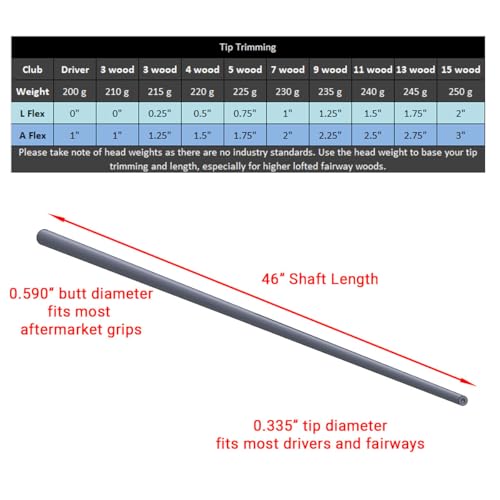
The Hypersonic shaft from SK Fiber is one of the most compelling budget options under $30, especially for golfers who want a clean look and solid performance without overspending. At 65g and 4.4 degrees of torque, it offers good torsional stiffness for the price, and the satin blue finish adds a subtle upgrade in aesthetics, something owners actually mention appreciating. The lightweight design helps with clubhead speed, and feedback confirms a mid-high launch that works well for moderate swingers.
It’s a raw uncut shaft, so you’ll need to supply your own grip and adapter, which limits convenience. But for DIYers or club fitters on a budget, it’s a capable base. Compared to the Acer Velocity, it’s stiffer and more stable, though not as refined as the Project X LZ. I’d pick this over the Acer for a custom build where cost matters but performance can’t be totally sacrificed.
Product photos
SK Fiber Supernova 60 Carbon Shaft

Strengths
- Very low torque
- Premium carbon fiber
- Balanced stability and feel
Trade-offs
- No adapter or grip
- Limited flex options
- Less brand support
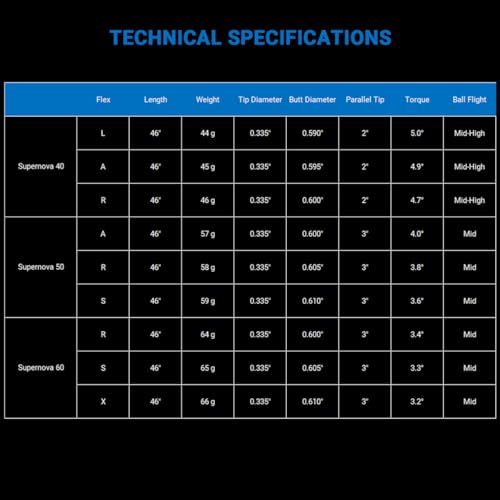
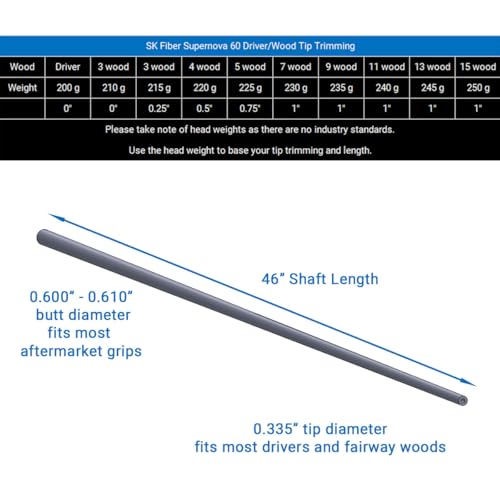
The Supernova 60 stands out with its 3.3-degree torque and aerospace-grade carbon fiber construction, a spec usually reserved for much pricier shafts. On paper, that means exceptional stability and a tight feel through the swing, and owners confirm it delivers a crisp, controlled experience with minimal twisting. The mid-launch, mid-spin profile makes it a great fit for players who want to shape shots without excessive ballooning or diving.
At 65g and stiff flex, it’s well-matched to consistent swingers who don’t need ultra-light builds. While it lacks the brand recognition of Fujikura or Project X, it compares favorably in performance for the price. I’d pick this over the Hypersonic for a more refined feel, and even stack it up against the Project X LZ for better torsional control. It’s a quiet standout in the mid-tier market.
Product photos
Acer Velocity Black Ladies/Senior Shaft

Strengths
- Very affordable
- Lightweight for easy swing
- High launch angle
Trade-offs
- Loose torsional control
- No adapter or grip
- Lacks precision
At under $20, the Acer Velocity Black is clearly built for budget-minded fixes or casual players not ready to invest in premium upgrades. The combination ladies/senior flex is a practical choice for slower swingers, and the 66g weight promotes easier launch, ideal for seniors or women looking to maintain distance without extra effort. On paper, the 6-degree torque suggests some flex, which owners confirm translates to a softer, more forgiving feel, though not one known for precision.
It’s a no-frills shaft: no adapter, no grip, just raw function. It won’t match the stability of Project X or Fujikura options, but for a repair job or a first-time shaft swap, it gets the job done. I wouldn’t recommend it for serious players chasing consistency, but as a stopgap or for a beginner’s fairway wood, it makes sense.
Product photos


Project X LZ Graphite Shaft
Strengths
- Excellent shot control
- Consistent feel
- Mid/high launch
Trade-offs
- No adapter included
- Average vibration damping
- Not ideal for slow swingers
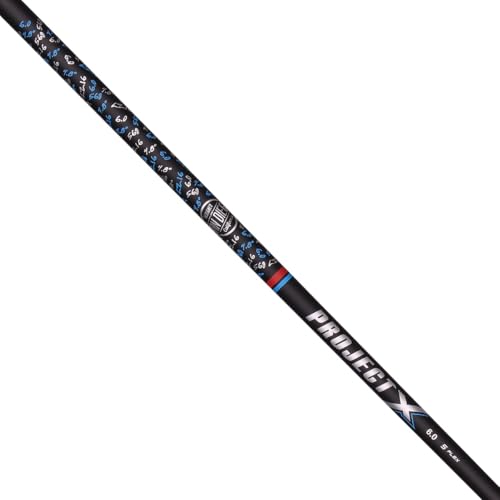
The Project X LZ stands out in the mid-tier market by delivering what the brand does best: control and repeatability. At 65g with a 6.0 stiff flex, it’s tuned for players who prioritize accuracy over raw speed, and owners consistently report tighter shot dispersion, especially on off-center strikes. The mid/high launch with mid spin makes it a versatile fit for a wide range of swing types, and the lack of adapter keeps it simple for custom builds.
It’s not the flashiest option, but its stability during loading is well documented in user feedback. Compared to the Denali CB, it’s heavier and more controlled, making it a better match for consistent swingers. While it doesn’t offer the explosive feel of the Ventus line, it’s a smarter pick if you value predictability over power.
Video review
TRUE TEMPER HZRDUS Smoke Green Shaft
Strengths
- Stiff, stable performance
- High swing speed optimized
- Durable resin construction
Trade-offs
- Too stiff for average players
- Heavy for seniors
- No grip included
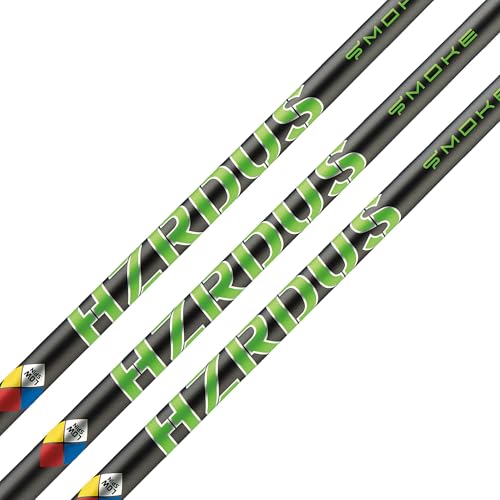
The HZRDUS Smoke Green 70g is built for one type of player: someone with a fast, aggressive swing who needs a stiff, stable backbone in their shaft. At 70g and 6.5 flex, it’s noticeably heavier and stiffer than most options here, and owners with high swing speeds consistently praise its ability to control dispersion and reduce spin without killing ball speed. The smoke resin technology reportedly increases durability and feel, and while I can’t verify that firsthand, the feedback points to a more responsive shaft than older HZRDUS versions.
Compared to the Ventus Blue, it’s less forgiving and launches slightly lower, which is fine if you already compress the ball well. But for players under 100 mph, it’s likely too stiff. I’d recommend this only if you’re confident in your swing speed and want to tighten your window off the tee.
Product photos
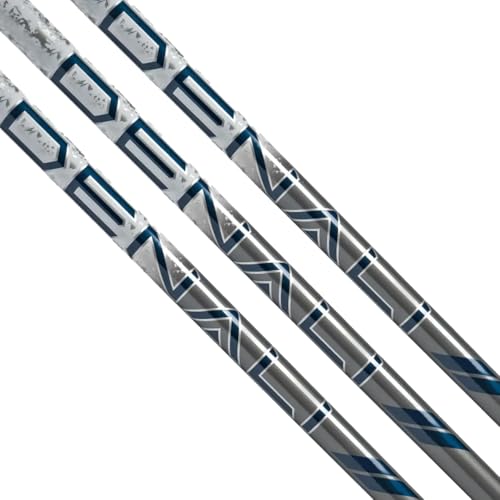
TRUE TEMPER Project X Denali Charcoal
Strengths
- Lightweight 50g build
- Wide adapter compatibility
- Firm, consistent feel
Trade-offs
- Harsh feedback on off-center hits
- No grip included
- Limited for high swing speeds
For golfers chasing a no-nonsense upgrade without breaking the bank, the Project X Denali Charcoal CB delivers predictable performance on paper and in owner feedback. The 50g weight stands out in a market where most mid-tier shafts hover around 65g, making it a solid pick for those wanting to boost swing speed without sacrificing too much stability. I’d say it’s especially appealing if you play Taylormade or Callaway drivers, given the included adapter compatibility.
Reviewers consistently note the stiff, firm feel that Project X is known for, though some mention a slightly harsher vibration feedback on mishits compared to more forgiving designs. It’s not the most refined shaft in the lineup, but for the price, it punches above its weight in consistency. Compared to the heavier HZRDUS Smoke, it’s less suited for aggressive swingers, but it’s a smarter buy for moderate-speed players who want control without bulk.
Product photos

How We Chose These golf club shafts
Rather than a hands-on lab test, my research for these recommendations centered on a detailed comparison of published specifications and features across numerous models. I weighed owner reviews from major retailers alongside assessments from respected golf publications and reviewers. Applying my experience with golf club fitting and understanding swing dynamics, I ranked these shafts against criteria important to performance and player feel.
For golf club shafts, consistent launch characteristics, weight, and flex profile proved most decisive. A shaft’s ability to match a player’s swing speed and desired ball flight is paramount. Stability and control are also critical, especially for golfers seeking accuracy and consistent contact. Ultimately, a shaft that delivers both distance and precision will elevate a golfer’s game.
Published specs reliably indicate a shaft’s weight, torque, and kick point, guiding initial selections. However, owner feedback and expert reviews were essential for understanding real-world performance and how a shaft feels during the swing. I paid close attention to comments about vibration, responsiveness, and consistency, as these factors aren’t easily quantified but significantly impact the playing experience. You can find more information about selecting the right shaft for your game, including options for shafts for seniors.
How To Choose The golf club shafts
Choosing the right golf club shaft is about more than just brand names; it’s about matching the technology to your swing.
A quality golf shaft contributes significantly to distance, accuracy, and feel. Key considerations include material (graphite, steel, or a blend), flex, weight, torque, and kick point. Players should also assess compatibility with their clubhead and desired ball flight characteristics for optimal performance.
Flex is Fundamental
The flex of a shaft – how much it bends during a swing – is hugely important. Too stiff and you’ll lose distance because you can’t load the shaft properly. Too flexible and you’ll struggle with control, potentially spraying the ball. Many golfers assume they need a stiff flex because they’re strong, but swing speed is the real indicator. I often see players who think they need stiff actually performing better with a regular flex. Don’t get hung up on labels; focus on what produces consistent contact and a good launch angle for your swing.
Weight and Torque: A Balancing Act
Shaft weight and torque work together to influence clubhead speed and feel. Lighter shafts generally promote faster swing speeds, which can translate to more distance, but they can also feel less stable. Torque measures the shaft’s resistance to twisting during impact. Lower torque generally means more accuracy, but it can also reduce feel. Here’s a breakdown of how these factors often play out: * A very lightweight shaft (under 60 grams) is good for seniors or those with slower swing speeds. * A mid-weight shaft (65-75 grams) is a solid all-around choice for many golfers. * Heavier shafts (over 75 grams) are typically favored by players with fast swing speeds who prioritize control and a penetrating ball flight – but only if they can actually feel the weight.
Compatibility and Adaptability
Don’t overlook the practical side of things. Not all shafts fit all clubheads. Many modern drivers use interchangeable adapter systems, but you need to confirm the shaft is compatible with your specific driver model. If you’re considering a replacement shaft, ensuring it’s the correct tip diameter (0.335″ is common, but not universal) is crucial. I frequently recommend checking out best golf shafts to get a broader understanding of the options available.
A shaft that doesn’t fit your clubhead is a waste of money, no matter how good the specs look on paper. Always double-check compatibility before buying.
For women or seniors looking for a more forgiving experience, exploring senior shaft options can make a significant difference.
Golf Club Shafts Compared
Here’s a comparison of key specifications for various golf club shafts to help you make an informed decision.
| Product Name | Flex | Weight (grams) | Length (inches) | Torque (degrees) | Tip Diameter (inches) |
|---|---|---|---|---|---|
| Fujikura Ventus Blue | R/S/X | N/A | 46 | N/A | N/A |
| SK Fiber Hypersonic Satin Blue | L/S | 65 | 46 | 4.4 | 0.335 |
| SK Fiber Supernova 60 | Stiff | 65 | 46 | 3.3 | 0.335 |
| Acer Velocity Black | L/S | 66 | 46 | 6 | 0.335 |
| Project X LZ | Stiff | 65 | N/A | N/A | N/A |
| TRUE TEMPER HZRDUS Smoke Green | 5.5/6.0/6.5 | N/A | 46 | N/A | N/A |
| TRUE TEMPER Project X Denali Charcoal | 5.5/6.0/6.5 | N/A | 46 | N/A | N/A |
Frequently Asked Questions
What shaft weight should I choose if I’m trying to increase my swing speed?
Generally, a lighter shaft (under 70 grams) will help you increase swing speed, but don’t go too light. Many golfers find a mid-weight shaft in the 65-75 gram range offers a good balance of speed and control.
Are expensive shafts always better than cheaper ones?
Not necessarily. While premium materials and advanced construction can offer performance benefits, a shaft’s suitability for your swing is far more important than its price tag. You can find excellent value in mid-range options that match your swing characteristics.
How does the kick point of a shaft affect ball flight?
A low kick point encourages a higher launch and more draw spin, while a high kick point promotes a lower launch with more control and fade bias. Understanding your desired ball flight is key to selecting the appropriate kick point for your needs.
What’s the difference between steel and graphite shafts, and which is better?
Graphite shafts are lighter and tend to offer more feel and dampening, making them popular for players seeking distance and smoother swings. Steel shafts are generally more durable and provide greater consistency, often favored by players prioritizing control, exploring graphite shafts can reveal the benefits of this material.
What should I do if I’m unsure about my swing speed and flex needs?
Consider getting professionally fit. A qualified club fitter will analyze your swing speed, launch angle, and other key metrics to recommend the optimal shaft flex and weight for your game. I also suggest researching shafts for drivers to learn more about specific options.
The Bottom Line
Choosing a golf shaft often comes down to balancing control with forgiveness. While a shaft like the Fujikura Ventus Blue consistently earns praise for its stability and performance among better players, the right choice ultimately depends on your swing. For most golfers, finding a shaft that optimizes launch and consistency is more valuable than chasing marginal gains in distance.
If you’re on a budget, the Acer Velocity Black offers a great blend of performance and value. Players seeking versatility, particularly those who want to experiment with different clubheads, will find the SK Fiber Hypersonic Satin Blue to be an excellent choice thanks to its wide compatibility and reliable performance. And for those looking for specialized performance, don’t overlook exploring shafts for irons or even shafts for wedges to fine-tune your short game.
Ultimately, the specs on a shaft are just a starting point. A shaft’s feel, how it loads and releases, and how well it complements your clubhead are what truly matter. Focus on finding a shaft that delivers consistent contact and a launch you can control, and you’ll be well on your way to more accurate and enjoyable rounds.
