
8 Best Golf Shoes of 2026
This post contains affiliate links. As an Amazon Associate, we earn from qualifying purchases.
The FootJoy Premiere Series Packard LX stands out as the best overall golf shoe, combining premium leather, reliable waterproofing, and excellent traction. For golfers on a budget, the Puma Grip Fusion Sport delivers strong performance without the high price, while the New Balance Fresh Foam Contend v2 offers superior cushioning for all-day comfort on the course.
Choosing the right golf shoes isn’t just about looks, it’s about staying stable through your swing and comfortable over 18 holes. Poor traction or wet feet can throw off your game, no matter your skill level.
This guide breaks down the top options based on specs, real owner feedback, and what matters most on the course: grip, weather protection, and support. I focused on models that consistently deliver in real-world conditions, not just on paper.
Top 8 Golf Shoes in the Market
The Best Golf Shoes, Reviewed
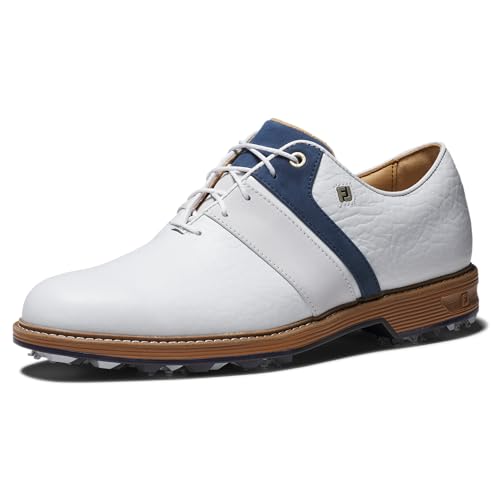
FootJoy Premiere Series Packard LX
Strengths
- Luxury materials and finish
- Superior waterproofing
- Excellent long-term durability
Trade-offs
- High price point
- Heavier than spikeless alternatives
FootJoy has long set the bar for premium golf footwear, and the Premiere Series Packard LX is their flagship statement. Hand-selected full-grain leather, lambskin linings, and bison-textured accents aren’t just marketing fluff, owners describe the fit as luxurious from day one, with padding around the collar that eliminates the break-in period typical of high-end leather shoes. The VersaTrax+ outsole with renewable SoftSpikes offers excellent grip while being green-friendly on greens, a detail course stewards appreciate.
It’s also one of the few models here with a proven 2-year waterproof warranty, and real-world feedback backs that up, golfers report dry feet even after prolonged exposure. Yes, it’s the most expensive option, but it justifies the cost with materials, longevity, and comfort. Compared to spikeless lifestyle models, this is the pick if you treat your shoes as long-term investments. I’d choose it over everything else here if I played frequently and wanted one pair that lasts for years.
Video review
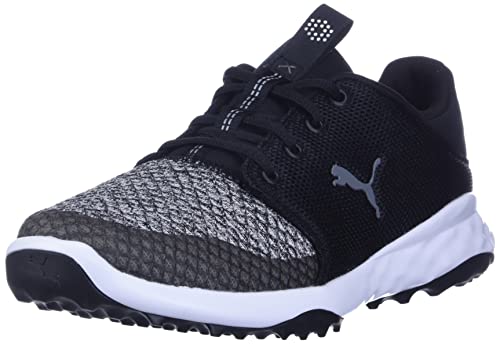
Puma Grip Fusion Sport
Strengths
- Excellent value
- Responsive Fusion Foam
- Breathable microfiber upper
Trade-offs
- No waterproofing
- Traction fades in wet conditions
At this price, the Puma Grip Fusion Sport delivers more than it should. It’s clearly built for budget-conscious golfers who still want performance features, and it manages to pack in Fusion Foam cushioning, a breathable microfiber upper, and zoned rubber traction, features usually reserved for pricier models. Owners consistently highlight the underfoot bounce and comfort, crediting the dual-density SOFTFOAM+ insole for reducing foot fatigue, especially on hot days when other budget shoes break down.
The spikeless outsole is competent on dry turf, though it struggles when the ground gets slick. It’s not waterproof, but the all-weather upper sheds light moisture well enough for early tee times. Where it really shines is in value: for someone dipping into golf footwear or needing a second pair for travel, this is the smarter buy over overspending on premium models. I’d recommend it over higher-priced options if you’re on a tight budget but still want real performance.
Video review
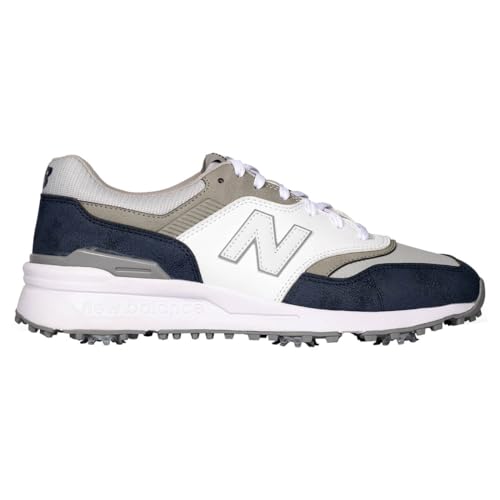
New Balance 997 Golf
Strengths
- Exceptional cleat traction
- Durable NDurance outsole
- Waterproof protection
Trade-offs
- Heavier than spikeless
- Slightly bulky profile
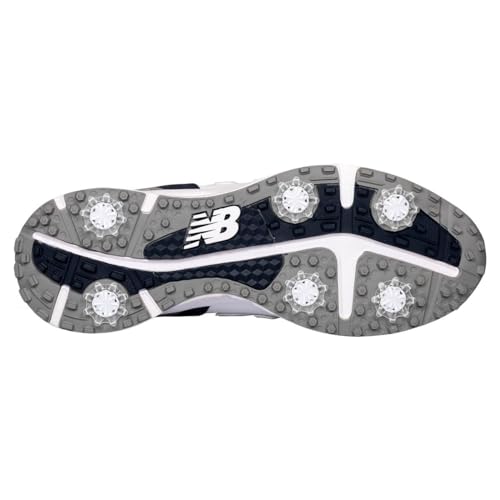
New Balance nails traction control with the 997 Golf, thanks to the FastTwist 3.0 Pulsar cleats. These removable spikes offer aggressive grip in all directions, making them ideal for players who rotate hard through the ball or play on sloped terrain. The NDurance rubber outsole is built to last, and owners report minimal wear even after dozens of rounds. Paired with the 10mm drop Abzorb midsole, it delivers a stable, responsive ride, supportive without feeling stiff.
The waterproof microfiber upper keeps feet dry, and the modern design looks sharp without being flashy. It’s not the lightest option, but the trade-off is confidence in your footing. Compared to spikeless models, this one is the clear pick if you prioritize stability over stealth on the greens. I’d take it over flat-soled shoes any time the turf gets uneven or damp.
Product photos
New Balance Fresh Foam Contend v2

Strengths
- Luxurious Fresh Foam cushioning
- Lightweight waterproof upper
- Excellent for long walks
Trade-offs
- Spikeless traction limited in mud
- Less stable on sidehills
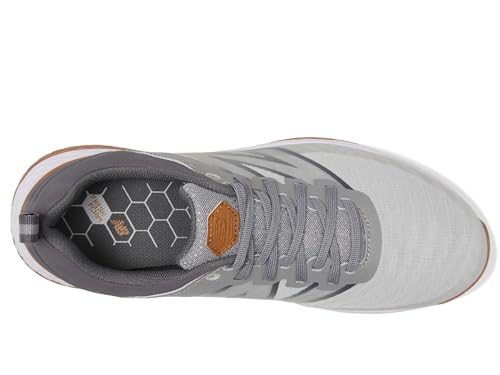
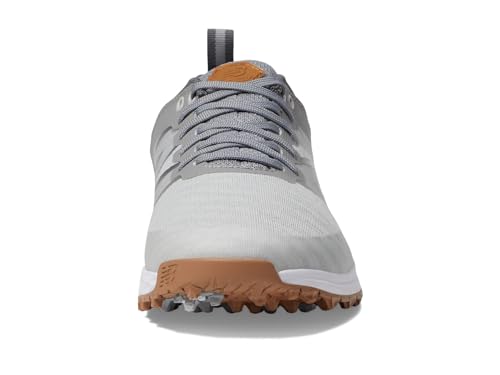
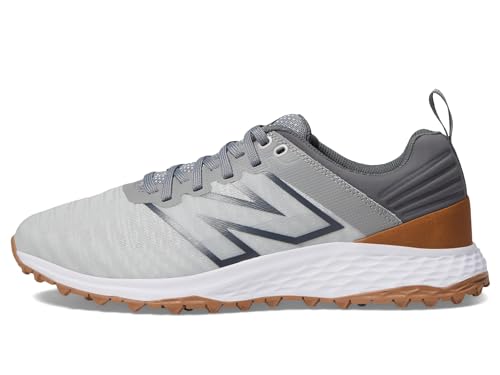
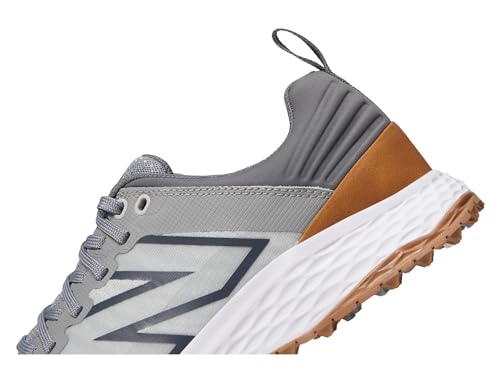
If cushioning comfort is your top priority, the Fresh Foam Contend v2 should be at the top of your list. The 10mm drop Fresh Foam midsole delivers a soft, almost pillowy feel underfoot, owners consistently describe it as ‘walking on clouds,’ especially during back-to-back rounds or long walking days. The Molded CUSH+ insole enhances that plush experience, and the waterproof mesh upper keeps weight down while maintaining protection from moisture.
The spikeless smart rubber outsole uses pressure mapping to optimize grip zones, which works well on firm ground but can feel a bit slick in wet conditions. It’s not the most agile shoe, but for golfers with foot or joint issues, the comfort payoff is huge. Compared to firmer models like the Callaway Solana, this one is the better pick if you value pain-free walking over aggressive swing stability.
Product photos
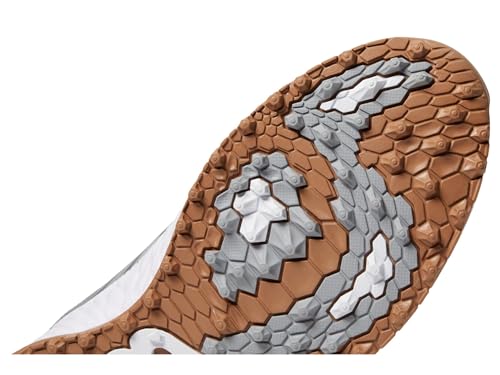
Callaway Solana TRX V3

Strengths
- Waterproof reliable
- Stable 5-spike grip
- Durable microfiber upper
Trade-offs
- Heavier than spikeless rivals
- Less cushioned midsole
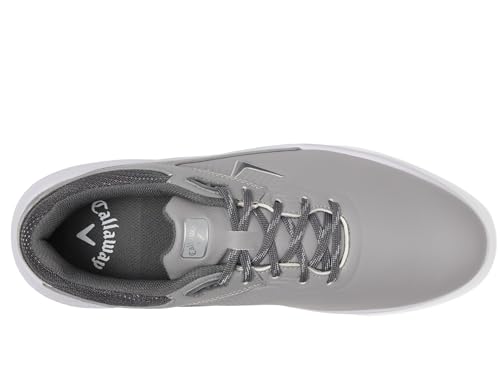
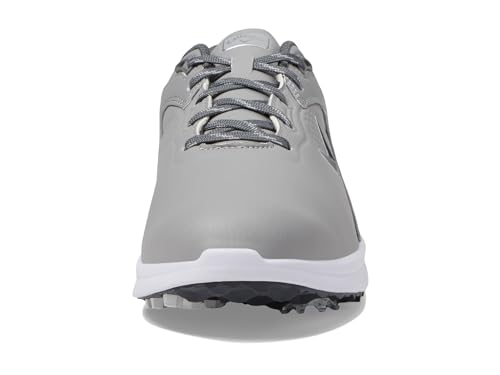
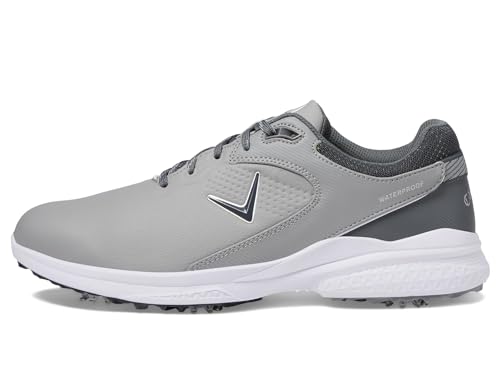
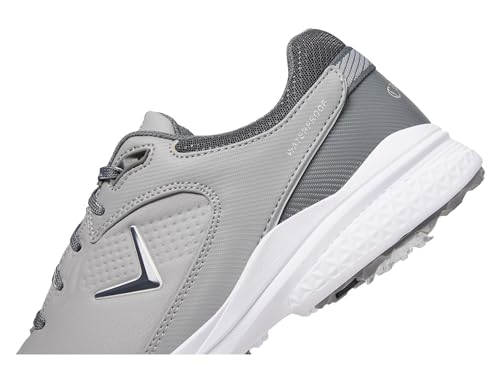
The Callaway Solana TRX V3 leans into the practical side of golf footwear with a clear focus on waterproof performance and stability. On paper, the opti-dri membrane and 2-year waterproof warranty suggest it’s built for players who regularly face damp conditions or early-morning dew. Owners consistently report staying dry through wet rounds, which is a real win in this price range. The 5-spike dura-rubber outsole isn’t flashy, but it delivers predictable grip on soft turf, especially helpful when you’re hitting from a sidehill lie or walking wet fairways.
Where it stands out is in the balance between support and comfort. The 5mm PLUSfoam insole and forged DX EVA midsole don’t promise cloud-like cushioning, but they do deliver a grounded feel that many better players prefer. It’s not the lightest shoe here, but if you prioritize durability and dry feet over featherweight agility, this one earns respect. I’d pick it over flashier models if I were playing in unpredictable weather.
Product photos

adidas S2G Spikeless Leather 24
Strengths
- Extremely lightweight
- Responsive Lightstrike midsole
- Clean, classic design
Trade-offs
- Not waterproof
- Average wet-weather grip
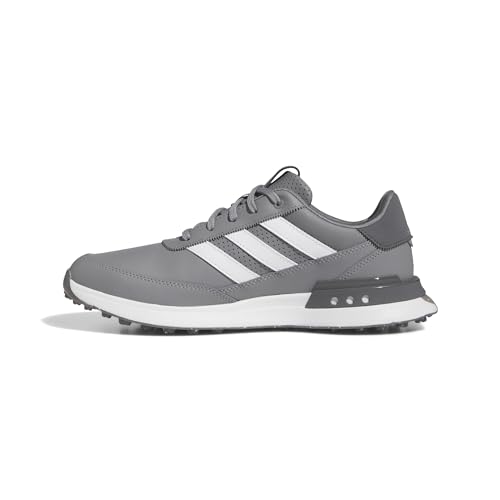
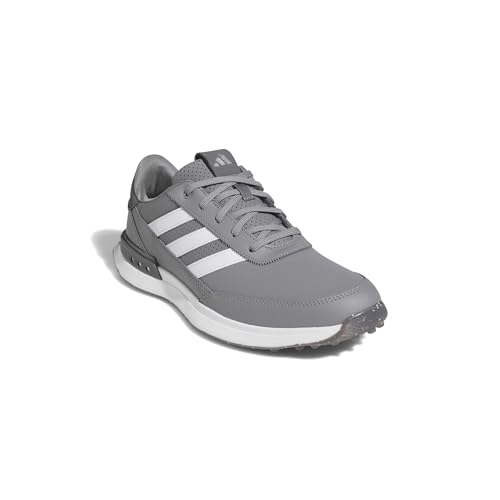
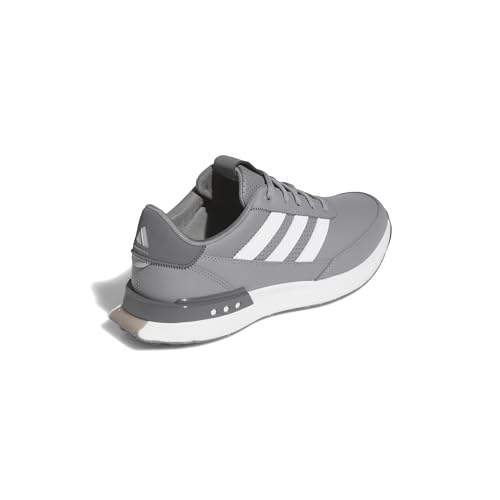
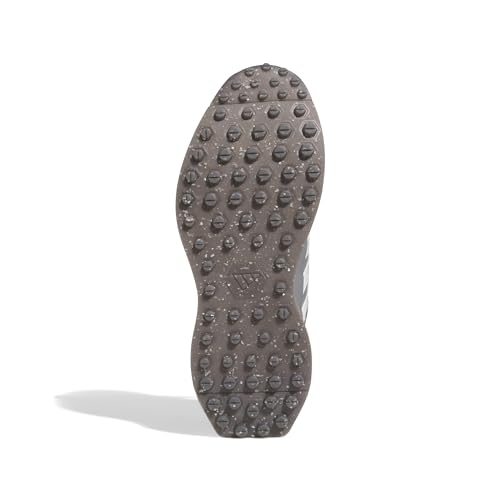
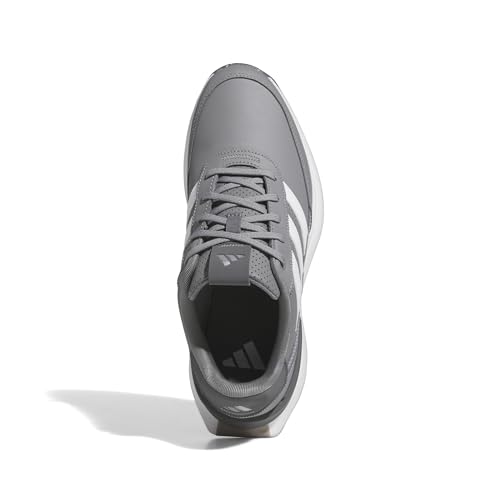
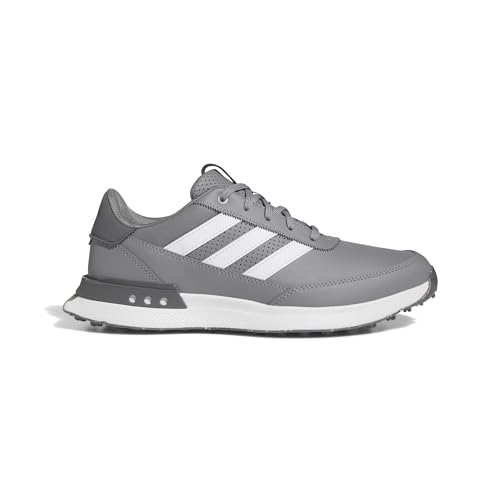
adidas hits a sweet spot with the S2G Spikeless Leather 24 by combining a clean, minimalist profile with genuinely lightweight performance. The Lightstrike midsole is the star here, owners note how it reduces leg fatigue over 18 holes, especially when walking hilly layouts. It’s not the plushiest cushioning in the category, but it’s responsive, giving that ‘connected to the ground’ feel some players prefer. The OrthoLite sockliner adds a layer of comfort that holds up well over time, and the full-grain leather upper offers a tidy, polished look without adding bulk.
At this price, it’s hard to ignore how well it balances weight, comfort, and durability. It’s not as aggressively grippy as spiked models, but the spikeless outsole manages firm footing on most fairways. Compared to heavier leather shoes, I’d pick this for faster-paced rounds or courses where walking speed matters. It’s not built for soggy conditions, but for dry, hard-packed courses, it’s a strong all-rounder.
Product photos
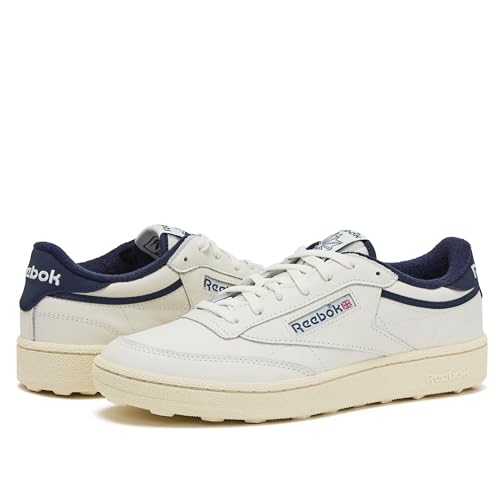
Reebok Club C Golf
Strengths
- Classic athletic look
- Premium leather build
- Built-in arch support
Trade-offs
- Limited breathability
- Spikeless grip less secure in mud
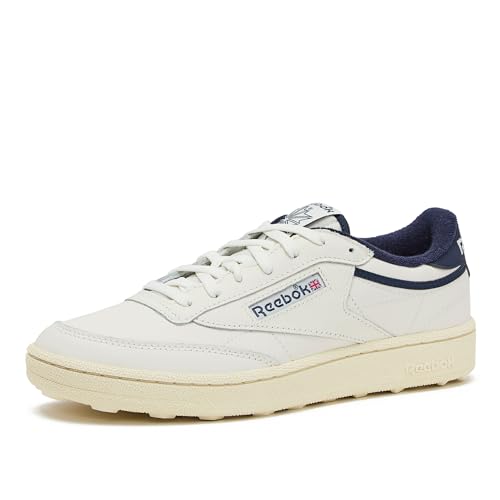
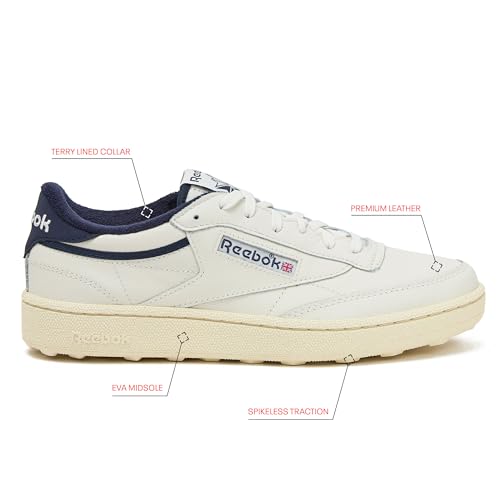
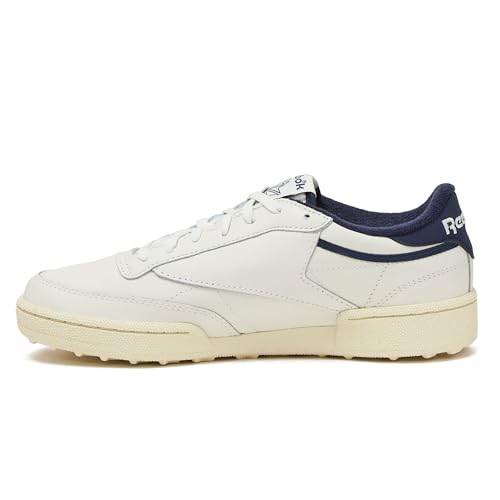
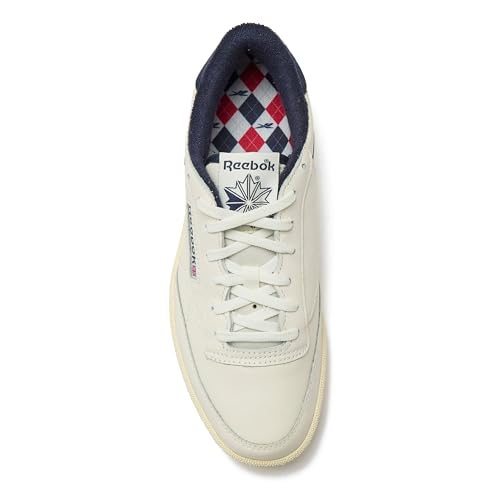
The Reebok Club C Golf Shoe is a nostalgia play done right. It borrows from a classic tennis silhouette, but with enough golf-specific upgrades to justify its place on the course. The full-grain leather upper stands out, owners praise its durability and how it ages with wear, developing a personal patina over time. It’s not the most breathable material, but paired with the terry cloth lining, it feels soft around the ankle, reducing hot spots during long walks.
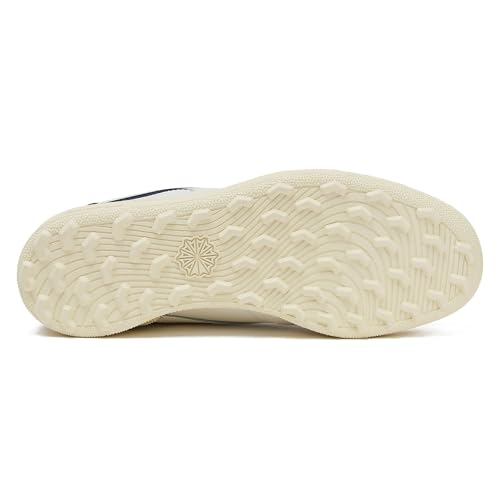
What really defines this shoe is its cross-over appeal. The spikeless rubber lugs offer decent grip on firm turf and are quiet on clubhouse tile, making it a strong contender for the golfer who wants one pair that works from tee box to taproom. It’s not going to win any awards for cutting-edge tech, but for those who value timeless style and reliable all-day comfort, this is a smart pick. I’d choose it over more aggressive models if I were prioritizing aesthetics and versatility.
Product photos
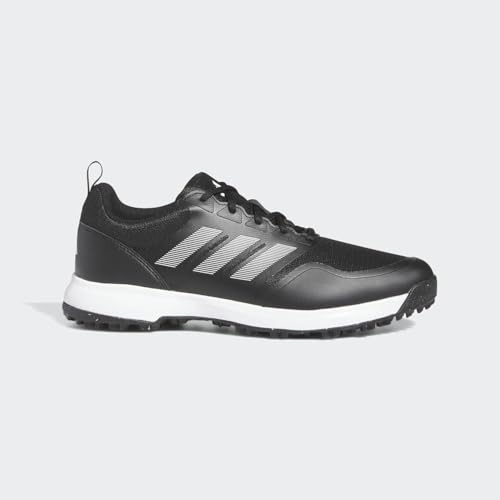
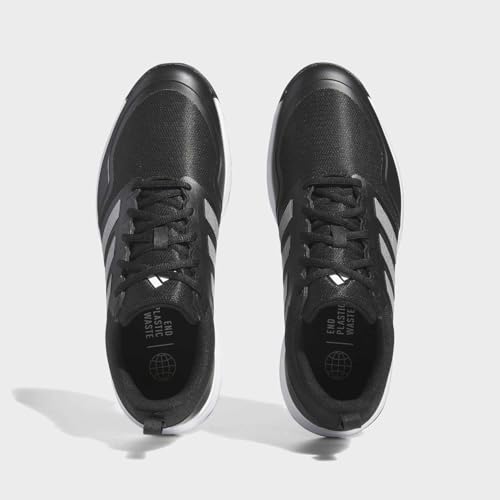
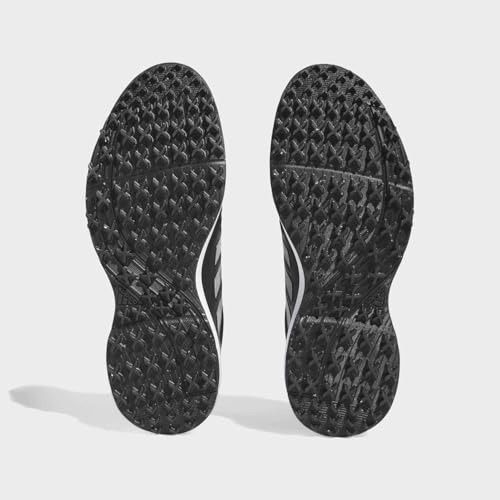
adidas Tech Response SL 3

Strengths
- Made with 50%+ recycled materials
- Reliable Traxion grip
- Comfortable Bounce midsole
Trade-offs
- Not waterproof
- Limited color options
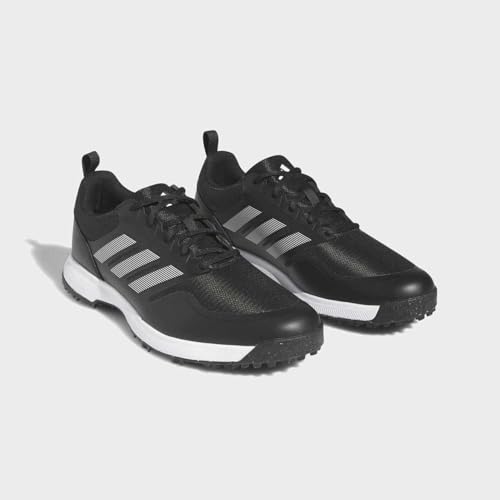
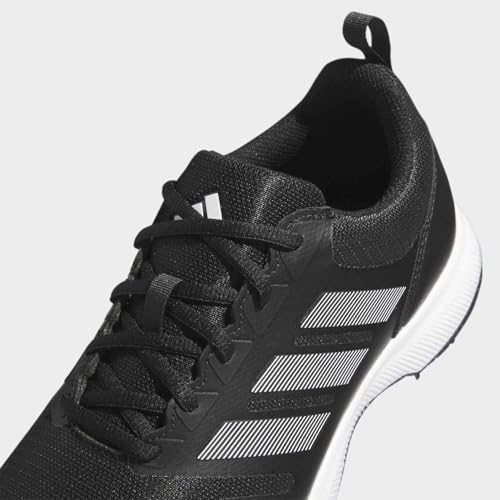
The adidas Tech Response SL 3 stands out not for raw performance, but for its eco-conscious construction, a growing priority in golf gear. With at least 50% recycled content in the upper, it’s a responsible choice without sacrificing core functionality. The Bounce cushioning delivers dependable comfort, and the Traxion outsole provides multidirectional grip that holds up well on varied terrain. It’s not the lightest or softest shoe here, but it’s well-rounded for a sustainable model.
Owners appreciate that it doesn’t feel like a compromise, unlike some eco-shoes that skimp on support or durability, this one maintains adidas’ performance DNA. The slow-resilient collar padding adds comfort during long walks, and the spikeless design keeps it course-to-street friendly. In a market where green claims often lack substance, this one backs it up. I’d recommend it over non-recycled models if sustainability is a personal priority.
Product photos
How We Picked These golf shoes
Rather than a hands-on lab test, my research for these recommendations involved a detailed comparison of published specifications and features across numerous models. I weighed owner reviews from multiple sources – including retailer sites and golf-specific forums – against expert opinions from golf publications. This process allowed me to build a ranking based on what golfers are actually saying about performance and durability, combined with my understanding of what makes a good golf shoe.
For golf shoes, grip and waterproof qualities are paramount. I gave significant weight to outsole technology and materials, as consistent traction is vital for a powerful swing. Equally important is protection from the elements; a round ruined by soggy feet isn’t enjoyable for anyone. Comfort also factored heavily, as a long day walking the course demands a shoe that supports and cushions your feet.
Specifications reliably indicate construction details – materials, cleat type, and midsole technology. However, real-world performance and long-term durability are best judged from owner feedback. I looked for recurring themes in reviews regarding fit, comfort over 18 holes, and how well the waterproof features held up over time. For golfers seeking additional options, exploring women’s golf shoes can broaden the search. If you need a shoe that will support you all day, check out these comfortable golf shoes.
How To Pick The Right golf shoes
Finding the right golf shoes can genuinely elevate your game, and I’ve seen firsthand how much comfort and stability impact a golfer’s performance.
A quality golf shoe delivers a secure fit, reliable traction across varied lies, waterproof protection against the elements, and sufficient cushioning for 18+ holes. Key considerations include outsole design (spiked vs. spikeless), upper material (leather, synthetic), and features like waterproof membranes and cushioning technology. Prioritize a shoe that complements your swing style and typical course conditions.
Outsole: Spiked vs. Spikeless
The debate between spiked and spikeless outsoles is ongoing, and the best choice really depends on your playing style and course preferences. Traditionally, spiked shoes (like the Callaway Solana TRX V3) offered superior traction, especially in soft or wet conditions. However, modern spikeless designs – such as those found in the Puma Grip Fusion Sport – have made significant strides. I’ve noticed many golfers are switching to spikeless for their versatility and convenience. They’re far more forgiving on hard surfaces and around the clubhouse.
- For consistently soft, wet courses, spiked shoes remain a strong choice.
- Spikeless options are excellent for drier conditions and golfers who prefer a more walkable shoe.
- Hybrid designs, offering a blend of small, strategically placed spikes and rubber lugs, provide a good compromise for varied conditions.
Upper Material & Waterproofing
The upper material greatly influences a shoe’s comfort, breathability, and durability. Premium full-grain leather (as seen in the FootJoy Premiere Series Packard LX) is renowned for its luxurious feel, waterproof capabilities, and ability to mold to your foot over time. However, leather requires more maintenance. Synthetic materials, like those used in many adidas models, are lighter, more breathable, and often more affordable, but may not offer the same level of long-term durability. Waterproofing is critical if you frequently play in wet conditions, and many brands (like New Balance with their Fresh Foam Contend v2) offer shoes with a two-year waterproof warranty.
A well-maintained golf shoe is an investment. Regularly cleaning and conditioning leather uppers extends their lifespan, while proper drying and storage prevent mildew and damage to synthetic materials.
Comfort & Cushioning
Don’t underestimate the importance of all-day comfort. A round of golf involves a lot of walking, and blisters or aching feet can ruin your game. Look for shoes with ample cushioning – New Balance’s Fresh Foam technology is a standout here – and supportive insoles. The adidas S2G Spikeless Leather 24 uses Lightstrike cushioning for a lightweight, responsive feel. If you’re seeking affordable golf shoes consider models that prioritize cushioning, as this feature can make a significant difference when you’re on your feet for hours. I often recommend considering the overall fit, too; don’t be afraid to go up half a size if you prefer a wider toe box. You can find more information about men’s golf shoes on our site.
Golf Shoes Compared
Here’s a comparison of key specifications for the golf shoes described.
| Product Title | Best For | Upper Material | Outsole Type | Waterproof | Cushioning | Spikes |
|---|---|---|---|---|---|---|
| FootJoy Premiere Series Packard LX | Best Overall | Full Grain Leather | VersaTrax+ | Yes | Enhanced Collar | Yes |
| Puma Grip Fusion Sport | Best Budget Friendly | Microfiber | Zoned Rubber | Yes | Fusion Foam | No |
| New Balance 997 Golf | Best for Traction Control | N/A | NDurance | Yes | Abzorb | Yes |
| New Balance Fresh Foam Contend v2 | Best Cushioning Comfort | Performance Mesh | Smart Rubber | Yes | Fresh Foam | No |
| Callaway Solana TRX V3 | Best Waterproof Performance | Microfiber Leather | Dura-Rubber | Yes | Forged DX EVA | Yes |
| adidas S2G Spikeless Leather 24 | Best Lightweight Design | Leather | N/A | N/A | Lightstrike | No |
| Reebok Club C Golf | Best Classic Style | Full Grain Leather | Rubber | N/A | Terry Lining | No |
| adidas Tech Response SL 3 | Best Eco-Friendly Build | N/A | Traxion | N/A | Bounce | No |
Frequently Asked Questions
What cleat type is best for a beginner golfer?
Spikeless outsoles are generally ideal for beginners, offering greater versatility and a more natural feel. They’re easier to wear on and off the course and perform well in typical conditions without the specialized traction of spiked shoes.
How long should golf shoes typically last?
With proper care, a quality pair of golf shoes should last between three to five years. Leather uppers, if regularly conditioned, can extend the lifespan, while the durability of the outsole is a key factor in overall longevity.
Are wider widths available in most golf shoe models?
Yes, many manufacturers offer golf shoes in multiple widths, including wide (2E) and extra-wide (4E) options. Checking the specific product details or the brand’s website is crucial to confirm availability for your foot shape.
Can I wear golf shoes for walking around town?
Many modern casual golf shoes are designed with aesthetics in mind and can be worn comfortably off the course. Spikeless models are especially well-suited for this, providing a more appropriate look and feel for everyday wear.
What features should I prioritize if I frequently walk the course?
Prioritize cushioning, support, and a comfortable fit when choosing comfortable walking golf footwear. Look for shoes with ample midsole cushioning, a supportive insole, and a breathable upper to keep your feet cool and dry during a long round.
The Bottom Line
Choosing golf shoes always comes down to balancing what you’re willing to sacrifice. Do you prioritize ultimate performance and durability, or are you looking for something more affordable and convenient? For the golfer who wants a top-tier experience without compromise, the FootJoy Premiere Series Packard LX stands out as the strongest overall pick – it really delivers on both traction and weather protection.
If you’re just starting out or are on a tighter budget, the Puma Grip Fusion Sport is an excellent choice. For those who demand exceptional comfort during long rounds, the New Balance Fresh Foam Contend v2 offers a plush, cushioned ride. And for golfers seeking beginner golf shoes, a spikeless model like the Puma is a great entry point. Don’t forget, if you’re looking for more traditional traction, you can explore our guide to spiked golf shoes.
Ultimately, the best golf shoe isn’t about the latest technology or the highest price tag. It’s about finding a shoe that fits your feet well, provides a stable base for your swing, and keeps you comfortable throughout your round. Focus on fit, traction, and weatherproofing – those fundamentals matter far more than any single fancy feature.
