
8 Best Golf Thermal Base Layers of 2026
This post contains affiliate links. As an Amazon Associate, we earn from qualifying purchases.
The best golf thermal base layer is the 100% Merino Wool Base Layer Set, thanks to its natural warmth, odor resistance, and breathability. For a budget-friendly option that still performs well on cold mornings, the Runhit Men’s Thermal Compression Shirt offers solid value and a fleece-lined feel without overheating.
Golfers don’t just need warmth, they need smart layering that adapts to changing conditions and keeps you dry through every swing. Too many base layers promise heat but trap sweat, leaving you cold and uncomfortable by the 9th hole.
This guide cuts through the hype. I researched the top base layers by analyzing specs, owner feedback, and material performance, focusing on what actually matters on the course: moisture control, fit, and long-term comfort in real playing conditions.
Top 8 Golf Thermal Base Layers in the Market
The Best Golf Thermal Base Layers, Reviewed
100% Merino Wool Base Layer Set

Strengths
- 100% merino wool
- Excellent odor resistance
- Midweight warmth
Trade-offs
- Hand wash only
- Higher price point
When it comes to thermal base layers for golf in cold, damp conditions, merino wool is still king, and this 100% merino set from Merino.tech delivers exactly what serious players need on a blustery morning at a Scottish links or a crisp desert course. The 250 g/m² midweight fabric strikes a near-perfect balance: warm enough for early tee times but breathable enough to avoid overheating during your swing. Owners consistently report the softness is exceptional, with zero itch even when worn directly against the skin, which matters when you’re layering up for a full 18.
The natural moisture-wicking and odor resistance of merino stand out in this category, and this set doesn’t disappoint on paper. Unlike synthetics that can get funky after a few rounds, this one holds up well over multiple wears, ideal if you’re on a multi-day golf trip and can’t do laundry daily. The included hiking socks are a nice touch, though the real value is in the fabric’s temperature regulation. Compared to polyester blends, it’s less about raw performance and more about consistent comfort across shifting conditions.
Video review
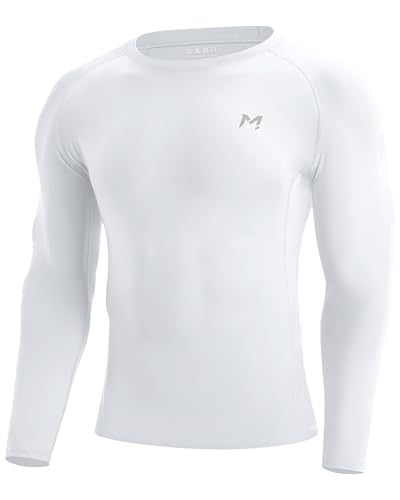
Moozava Compression Shirt Men
Strengths
- UPF 50+ protection
- Extremely affordable
- Flatlock seams
Trade-offs
- Minimal thermal insulation
- Too light for cold
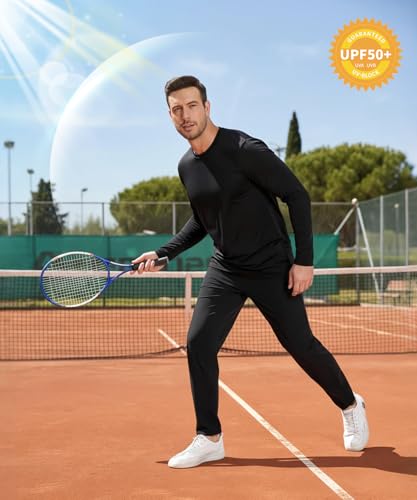
At under $10, this compression shirt is the most budget-friendly option here, and it surprises with some thoughtful touches. The UPF 50+ rating is rare in base layers and makes it a solid pick for winter golf in sunny locations, think Arizona or Florida courses where UV exposure still matters. The flatlock seams and tag-free neck reduce irritation, and the 4-way stretch moves well with your swing.
It’s lightweight and dries fast, but offers minimal warmth on its own. Owners say it’s best as a sweat barrier under other layers rather than a thermal solution. Compared to the Runhit or Boyzn shirts, it’s less warm but more specialized for sun protection and moisture control. I’d recommend this as a secondary layer for golfers in mild, sunny climates who still want protection and comfort without overheating.
Video review
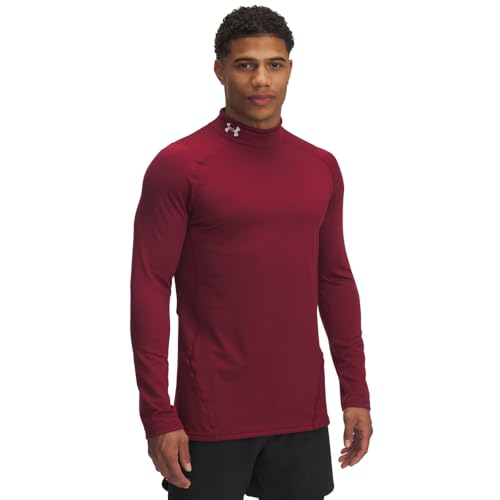
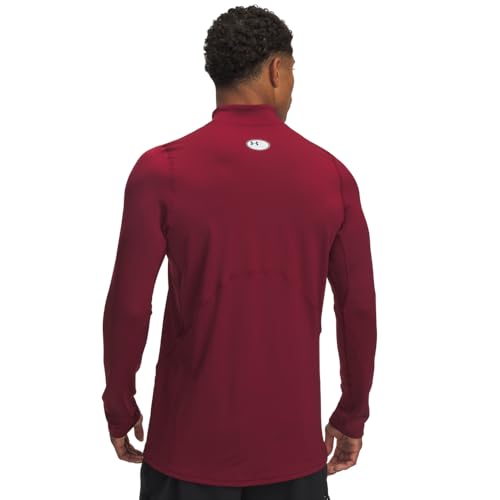
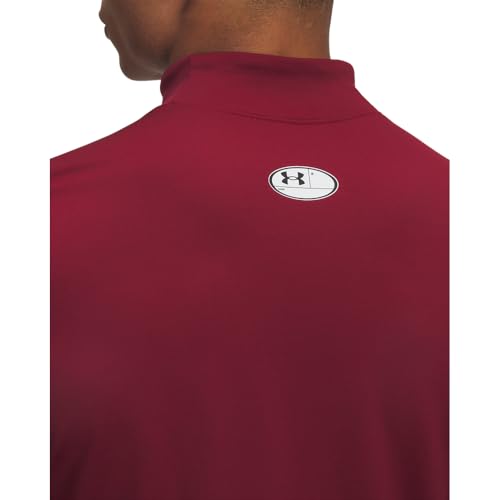
Under Armour ColdGear Fitted Mock
Strengths
- Brushed thermal interior
- Four-way stretch
- Sweat-wicking efficiency
Trade-offs
- Less breathable in mild cold
- Odor builds faster than merino
Under Armour’s ColdGear line has been a go-to in cold-weather athletic wear for years, and this fitted mock reflects why: it’s built like a performance layer first. The dual-layer fabric, with a brushed interior and slick exterior, traps heat while moving sweat away fast, making it a strong contender for golfers playing in consistently cold, dry climates. The four-way stretch is a real asset during your swing, and the flat seams reduce chafing under layered outerwear.
On paper, it’s leaner and more technical than the merino option, and owner feedback suggests it excels when temperatures drop but humidity stays low. It’s not as breathable in milder conditions, and it won’t handle odor as well over back-to-back rounds. But for a golfer needing reliable warmth during a winter practice session or a frosty tournament start, this is a dependable, slim-profile layer that won’t restrict motion. I’d pick this over bulkier options when layering tightly under a vest or jacket.
Product photos
Adidas Men’s Baselayer Shirt

Strengths
- High recycled content
- Breathable mesh inserts
- Clean, modern fit
Trade-offs
- Lightweight = less warmth
- Not for sub-40°F play
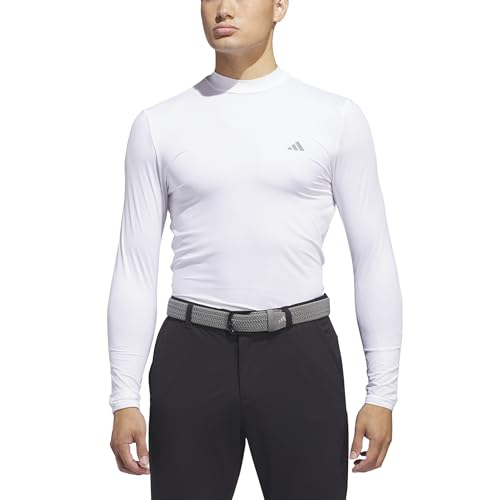
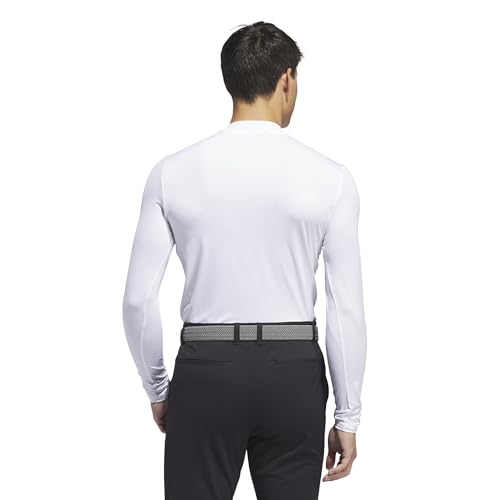
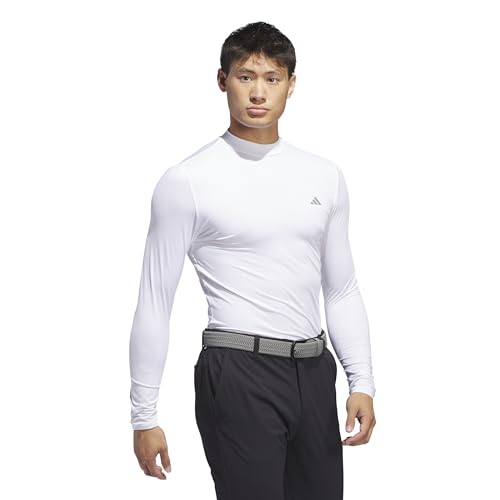
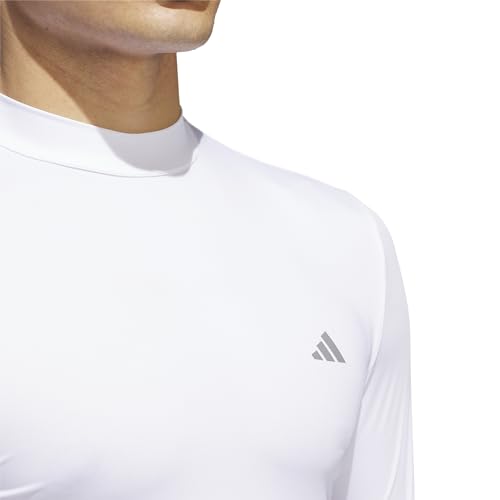
Adidas’s AEROREADY shirt stands out not for raw warmth but for its sustainability and smart design. Made from 88% recycled polyester, it’s a responsible choice without sacrificing performance. The lightweight fabric and mesh underarms promote airflow, making it better suited for mild cold or transitional seasons than deep winter. I’d recommend this for golfers in coastal or temperate climates where dampness is more of an issue than extreme cold.
The mock neck and clean look let it double as a standalone layer under a quarter-zip, and owners note it layers well without adding bulk. It’s not as warm as the midweight merino or fleece-lined options, but it handles moisture well and dries fast. Compared to the Under Armour ColdGear, it’s less aggressive in cold retention but more balanced for variable conditions. My pick for eco-minded players who value clean design and moderate insulation.
Product photos

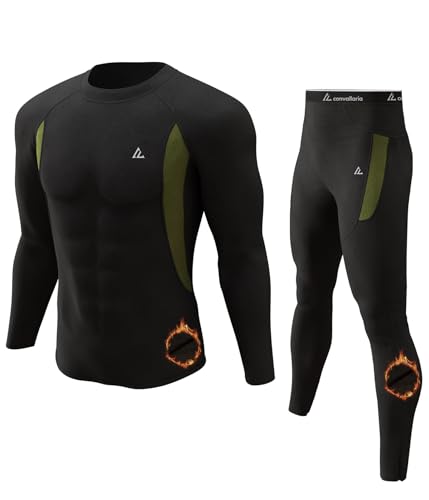
Mens Thermal Underwear Long Johns Set
Strengths
- Fleece-lined warmth
- Durable stitching
- Affordable set
Trade-offs
- Less breathable
- Noticeable odor retention
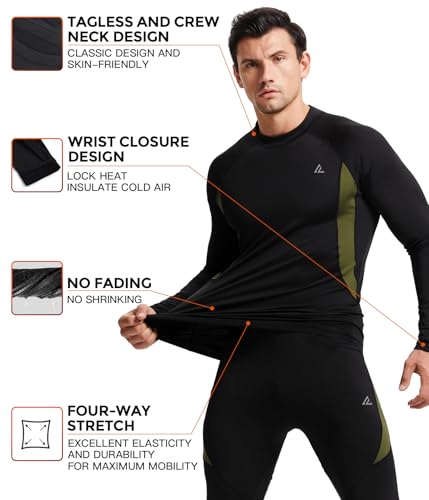
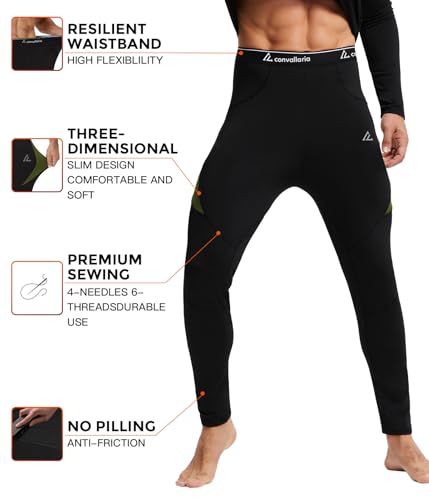
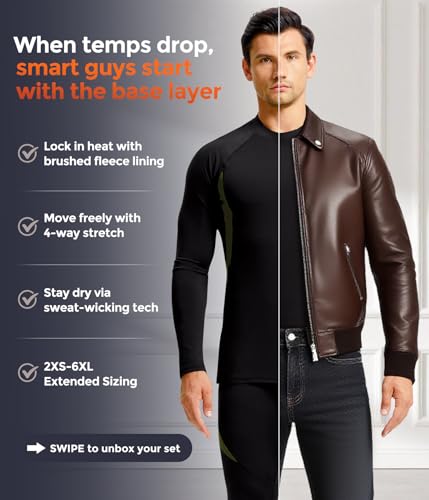
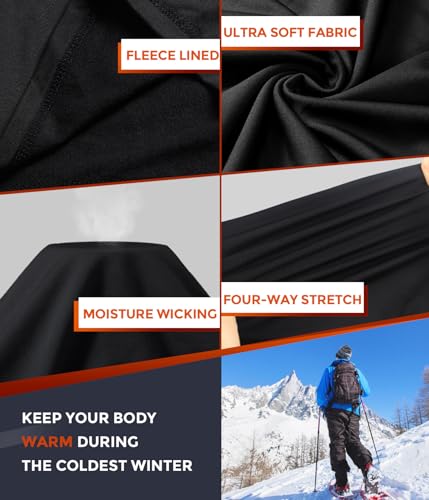
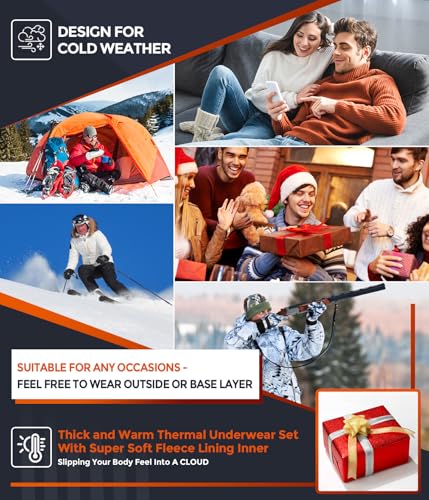
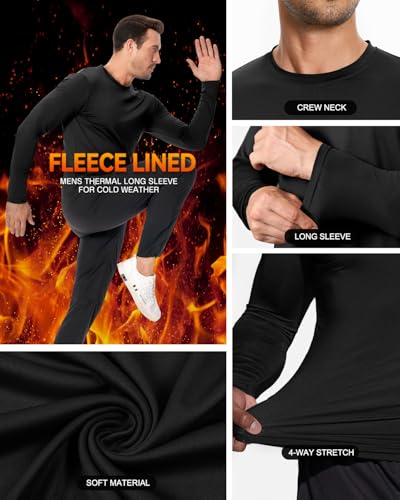
This polyester-spandex blend set leans hard into function over finesse, and for the price, it’s surprisingly capable. The fleece-lined interior adds serious warmth, and the 4-way stretch means it won’t bind during your backswing, important if you’re layering for a full day on the course in sub-ideal conditions. Owners say it holds up well to repeated washing and doesn’t shrink, which is a win at this price.
It’s not as refined as the merino or UA options, and the breathability lags when you start moving, expect some dampness if you’re walking the course briskly. But as a value-focused set for occasional winter golfers or those layering under rain gear, it makes sense. Compared to the Boyzn 3-pack, it’s less versatile as a standalone shirt but better as a true thermal underlayer. For golfers on a budget who still want decent mobility and warmth, this is a smart buy.
Product photos
MAGCOMSEN White Long Sleeve Shirt

Strengths
- Fleece-lined softness
- Affordable standalone option
- Good stretch
Trade-offs
- Basic moisture management
- Not odor-resistant
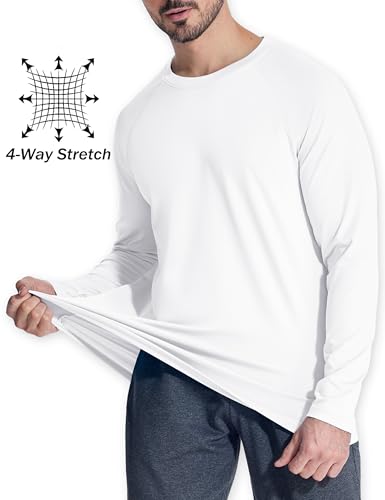
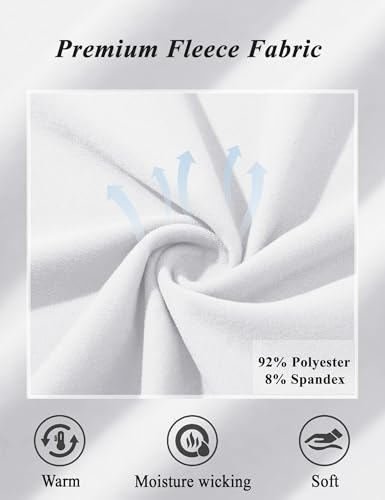
This is a no-frills, fleece-lined thermal shirt that punches above its price in basic warmth and comfort. The 92% polyester blend feels soft against the skin, and the four-way stretch allows full freedom of movement, critical during a loaded downswing. It’s marketed as a gym shirt, but its versatility makes it a solid option for golfers who want something they can wear on and off the course.
Owners report it works well as a light base layer under a vest or jacket, though it’s not particularly breathable during extended walks. Compared to the Runhit or Boyzn options, it lacks advanced wicking or odor control, but it’s simple and effective for occasional use. I’d recommend this for casual golfers in moderate cold who want a single shirt that pulls double duty at home or on the range. It’s not a technical layer, but it gets the job done.
Product photos
Runhit Men’s Thermal Compression Shirt

Strengths
- Heavyweight warmth
- Good compression support
- Strong moisture wicking
Trade-offs
- Bulkier fit
- Less layering flexibility
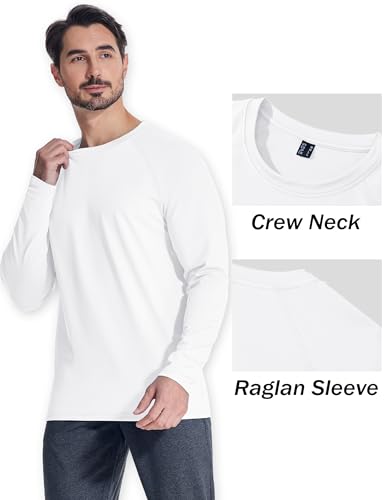
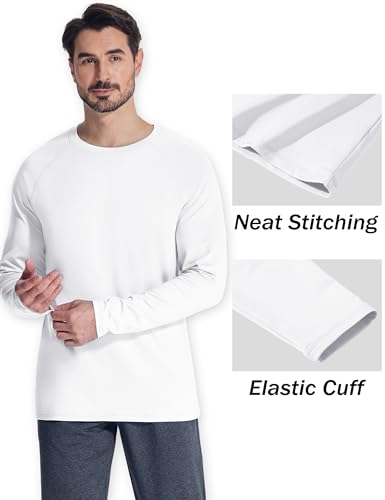
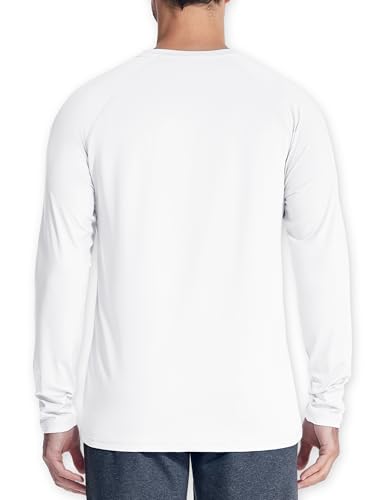
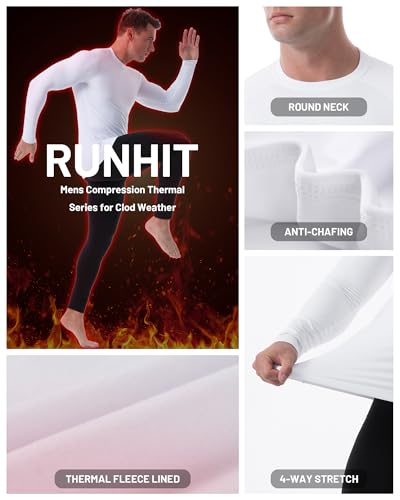
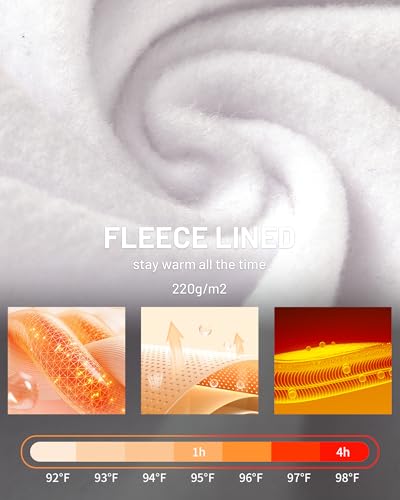
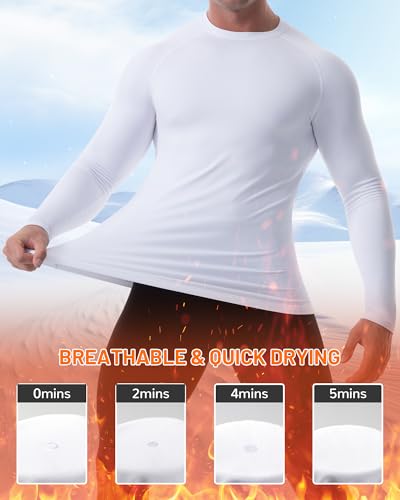
With a 220g/m² fleece-lined fabric, the Runhit shirt is one of the heavier options here, and that makes it a standout for golfers playing in sustained cold. The compression fit provides mild muscle support, which some owners say helps with fatigue on long walking rounds. The four-way stretch and moisture-wicking claims hold up in feedback, users note it stays dry during active play, though it doesn’t handle odor as well as merino.
It’s bulkier than the Under Armour or Adidas options, so layering under a tight vest might feel snug. But if you’re playing early in the season or in northern climates where warmth is the priority, this delivers. Compared to the Boyzn 3-pack, it’s a stronger single-performance piece. I’d choose this for tournament days in freezing temps where staying warm and dry is essential.
Product photos
Boyzn 3 Pack Black Long Sleeve Tees
Strengths
- 3-pack value
- Fleece-lined comfort
- Versatile wear
Trade-offs
- Average durability over time
- Odor builds quickly
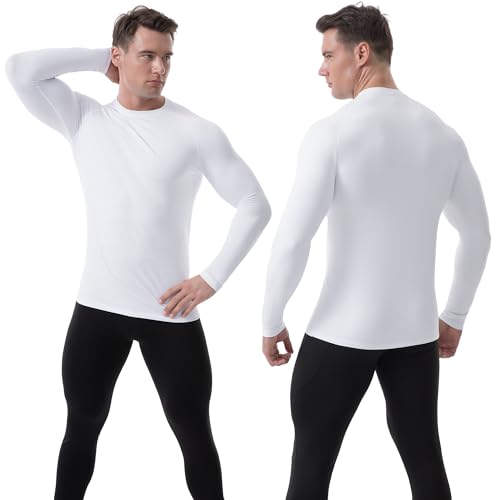
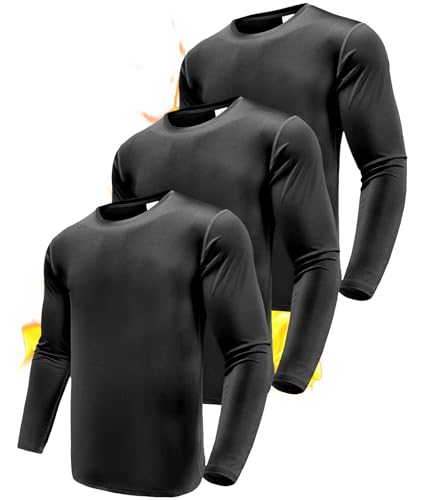
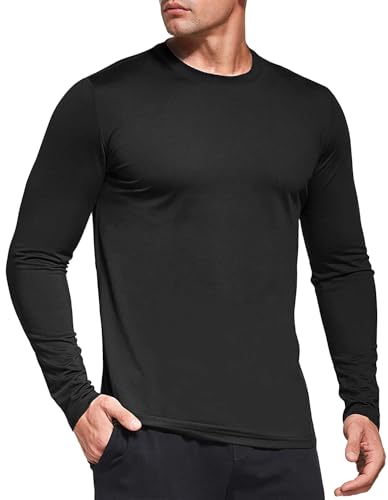
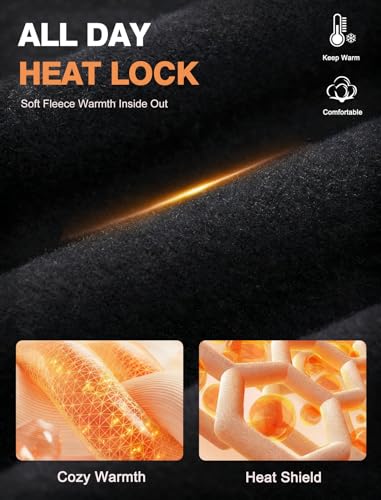
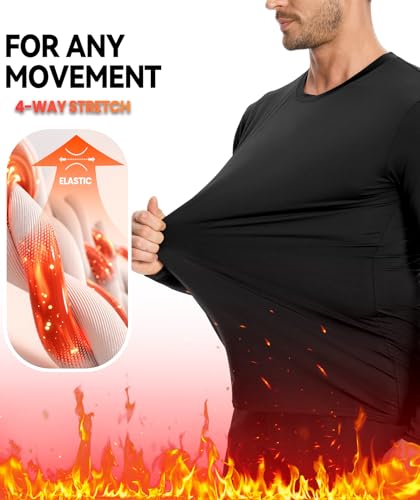
The real win here is volume: three fleece-lined, four-way stretch shirts at a low per-unit cost. Each shirt is soft, warm, and designed for movement, making them practical for golfers who want fresh base layers every day of a short trip. The 85% polyester blend wicks decently and offers solid breathability, though not at the level of Under Armour or Adidas. Owners praise the fit and comfort, especially for the price.
It’s not a premium product, don’t expect advanced odor control or elite moisture management, but it’s versatile. You can wear one under a jacket on the course, another as a gym shirt, and the third as loungewear. Compared to the single-pack options, this is the smarter buy if you rotate layers frequently. For golfers who play weekly in winter and want reliable, replaceable base layers, this pack makes sense.
Product photos
How We Picked These golf thermal base layers
Rather than a hands-on lab test, my research focused on comparing published specifications and features across numerous golf thermal base layers. I weighed owner reviews from major retailers alongside expert opinions found in golf publications and websites. As someone who frequently advises on golf apparel for various climates, I applied my understanding of layering systems and material properties to rank these options against clear criteria – warmth, moisture-wicking, breathability, and overall value.
For golf, the key factors separating good base layers from great ones are fabric weight and fit. A heavier weight (grams per square meter, or g/m²) provides more warmth, but can limit breathability during active play. Equally important is a snug, but not constricting, fit; a base layer needs to sit close to the skin to effectively wick moisture and trap heat. Selecting the right option depends heavily on anticipated temperatures and activity level, and is crucial when considering essential cold weather gear.
Published specs reliably indicate fabric composition and weight, giving a quantifiable basis for comparison. However, real-world performance – particularly comfort and durability – is best gleaned from owner feedback. I prioritized reviews detailing experiences during actual golf rounds, noting comments on chafing, breathability in varied conditions, and how well the layers maintained their shape after washing. Reputation and brand trust also played a role, as established brands often have consistent quality control.
What To Look For In golf thermal base layers
Finding the right base layer is crucial for staying comfortable on the course, especially when temperatures drop. It’s about more than just warmth; it’s about moisture management and freedom of movement.
A quality golf thermal base layer prioritizes moisture-wicking capabilities over pure insulation. Look for fabrics like merino wool or synthetic blends with a focus on breathability and a snug, but not restrictive, fit. Consider the weight of the fabric (measured in g/m²) relative to typical course conditions, and prioritize flatlock seams to minimize chafing during your swing.
Fabric & Material Composition
The material is the biggest differentiator. While polyester blends offer durability and affordability, merino wool provides a natural advantage in odor resistance and temperature regulation. I’ve found that a blend can often strike the right balance. Don’t automatically assume heavier is better; a midweight merino wool (around 250 g/m²) is often sufficient for most conditions, and layering is always an option. Synthetic fabrics like polyester and polypropylene excel at wicking moisture, but can sometimes retain odors more readily than wool.
Weight & Intended Use
Base layer weight directly impacts its warmth and breathability. Lightweight options (165 g/m²) are best suited for mild conditions or high-intensity activity where sweat management is paramount. Heavier weights (320 g/m² and above) are ideal for truly cold weather, but can quickly become uncomfortable if you overheat. Consider your typical playing conditions and how much you tend to sweat. If you’re looking to stay warm even with cold weather gloves, a heavier weight might be a good choice.
Fit & Features
A snug fit is essential for a base layer to function effectively, but it shouldn’t restrict your range of motion. Look for four-way stretch fabrics that move with your body. Here’s what I recommend considering:
- Seams: Flatlock seams are a must-have to prevent chafing during your swing.
- Neck Style: Mock necks provide extra warmth around the neck, while crew necks offer more breathability.
- Length: A longer torso length helps prevent the base layer from riding up during your swing, ensuring complete coverage and comfort. This is particularly important if you plan on wearing your base layer as a primary layer and not under other clothing.
Don’t underestimate the importance of a comfortable fit – you’ll be wearing this layer for hours, so it needs to feel good. Speaking of layering, you can find more information on top base layer recommendations to help build a complete cold-weather golf wardrobe.
A properly fitted base layer should feel like a second skin – snug enough to trap warmth, but loose enough to allow for a full range of motion.
Golf Thermal Base Layers Compared
Here’s a comparison of key specifications for popular golf thermal base layers to help you choose the best option for your needs.
| Product Name | Material | Weight (g/m²) | Moisture Wicking | Compression | Features |
|---|---|---|---|---|---|
| 100% Merino Wool Base Layer Set | 100% Merino Wool | 250 | Yes | No | 17.5 Micron Wool |
| Moozava Compression Shirt Men | 88% Polyester/12% Spandex | N/A | Yes | Yes | UPF 50+ |
| Under Armour ColdGear Fitted Mock | N/A | N/A | Yes | Yes | Four-Way Stretch |
| Adidas Men’s Baselayer Shirt | 88% Recycled Polyester/12% Elastane | N/A | Yes (AEROREADY) | No | Mesh Inserts |
| Mens Thermal Underwear Long Johns Set | 90% Polyester/10% Spandex | N/A | Yes | No | Fleece Lined |
| MAGCOMSEN White Long Sleeve Shirt | 92% Polyester/8% Spandex | N/A | Yes | No | Fleece Lined |
| Runhit Men’s Thermal Compression Shirt | 88% Polyester/12% Spandex | 220 | Yes | Yes | Fleece Lined |
| Boyzn 3 Pack Black Long Sleeve Tees | 85% Polyester/15% Spandex | N/A | Yes | No | Fleece Lined, 3-Pack |
Frequently Asked Questions
What weight base layer is best for golf in moderate temperatures?
A lighter weight base layer, around 165 g/m², is generally ideal for moderate temperatures because it prioritizes moisture-wicking and breathability over heavy insulation. You’ll stay comfortable without overheating during your swing.
Can I wear a golf thermal base layer if I don’t typically play in cold weather?
Yes, a lightweight base layer can be beneficial even in milder conditions; it helps regulate body temperature and manage sweat, improving comfort during any round. Consider it a foundational piece of selection of essential gear for year-round play.
Are compression base layers suitable for golf?
Compression base layers can offer some benefits, like improved blood flow and muscle support, but they aren’t necessary for most golfers. Prioritize a comfortable, snug fit that allows a full range of motion over strong compression.
How important are flatlock seams in a golf base layer?
Flatlock seams are very important because they minimize chafing during the golf swing. Chafing can be a major distraction, so opting for a base layer with flatlock seams is a simple way to improve comfort on the course.
Will a merino wool base layer be too warm for warmer days?
Merino wool is naturally breathable and regulates temperature well, so a midweight merino base layer (250 g/m²) shouldn’t be too warm for milder days, especially if you are layering with other items. If you’re concerned about overheating, look for a lighter weight merino option or consider pairing it with cold weather pants for added versatility.
The Bottom Line
Choosing a golf thermal base layer often comes down to balancing warmth with freedom of movement. While a heavier weight offers more protection in frigid conditions, the 100% Merino Wool Base Layer Set strikes an excellent balance – providing substantial warmth without sacrificing breathability, making it our top overall recommendation. It’s a premium choice, but the comfort and performance are well worth the investment for serious golfers.
For those seeking a budget-friendly option, the Boyzn 3 Pack Black Long Sleeve Tees provide good value, though they won’t offer the same temperature regulation as merino wool. If compression is a priority, the Moozava Compression Shirt Men delivers a snug fit and excellent moisture-wicking, ideal for players who benefit from muscle support. Don’t overlook the importance of having the right gear for cold golf to stay comfortable on the course during cooler months.
Ultimately, the best base layer is the one that fits you best and suits your typical playing conditions. Don’t fixate on a single spec like g/m²; prioritize a comfortable fit, effective moisture management, and quality construction. Remember, a few well-chosen golf accessories can enhance your overall game and make those cold-weather rounds far more enjoyable.
