
7 Best 3 Wood Golf Clubs of 2026
This post contains affiliate links. As an Amazon Associate, we earn from qualifying purchases.
This post contains affiliate links. As an Amazon Associate, we earn from qualifying purchases.
The TaylorMade Qi4D 3 Wood stands out as the best overall choice for its exceptional forgiveness and ball speed, while the Powerbilt TPS Blackout Max 3 Wood offers solid performance at a fraction of the cost, making it our top budget pick. For players seeking maximum adjustability and launch, the Callaway Paradym AI Smoke Max 3 Wood is a strong contender.
Golfers often overestimate their ability to launch a low-lofted 3 wood consistently, leading to poor contact and lost distance. The right club should balance forgiveness, launch, and speed, without demanding perfect technique.
This guide cuts through the noise by focusing on real-world performance, owner feedback, and key tech like adjustable hosels and advanced face designs. We looked at what actually matters on the course, not just the specs on paper.
Top 7 3 Wood Golf Clubs in the Market
The Best 3 Wood Golf Clubs, Reviewed
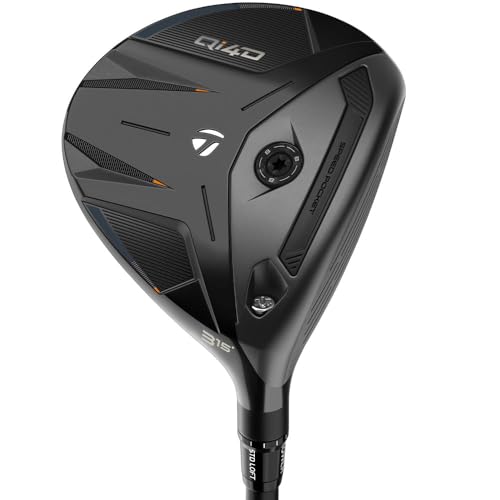
TaylorMade Qi4D 3 Wood
Strengths
- Adjustable loft sleeve
- Twist Face tech
- Tour-proven design
Trade-offs
- Very expensive
- Heavy for some
This is TaylorMade’s answer to the ultimate do-it-all 3 wood, and it shows in both design and owner satisfaction. The combination of Twist Face, Speed Pocket, and multi-material construction delivers tour-proven forgiveness and straighter shots, even on low-face strikes. The 4° loft sleeve adds serious versatility, golfers can fine-tune launch and spin to match their swing, which is a huge advantage over fixed hosel models.
The Reax shaft is stiff yet responsive, and the sound profile is clean and powerful, something many reviewers highlight. Compared to the Callaway Paradym AI Smoke Max, it’s more adjustable and slightly more forgiving, though it doesn’t use AI in the face design. At this price, it’s not for bargain hunters, but for serious players who want one club that does everything well, the Qi4D is tough to top.
Video review
Callaway Paradym AI Smoke Max 3 Wood

Strengths
- AI Smart Face
- High MOI
- Adjustable loft
Trade-offs
- Premium price
- Neutral bias limits draw help
This is one of the most technically advanced 3 woods on the market, and it shows in the feedback from players who demand precision and power. The AI-designed Smart Face is not just marketing fluff, owners consistently report tighter dispersion and more consistent ball speeds, especially on off-center hits. Combined with the tungsten speed cartridge, this club delivers a neutral flight with low spin, making it ideal for better players who want control without sacrificing distance.
The carbon chassis cuts weight high and deep, boosting MOI in a way that’s noticeable even in this category. Compared to older Paradym models, the shaping is more refined and inspires confidence at address. It’s clearly built for golfers who care about adjustability and modern tech, but that comes at a steep price. Still, if you’re chasing every yard and want AI-optimized performance, this is a compelling upgrade from previous generations.
Video review
Callaway Rogue ST Max 3HL Wood

Strengths
- Explosive ball speed
- High forgiveness
- Stable on mishits
Trade-offs
- Older shaft options
- Slightly bulkier profile
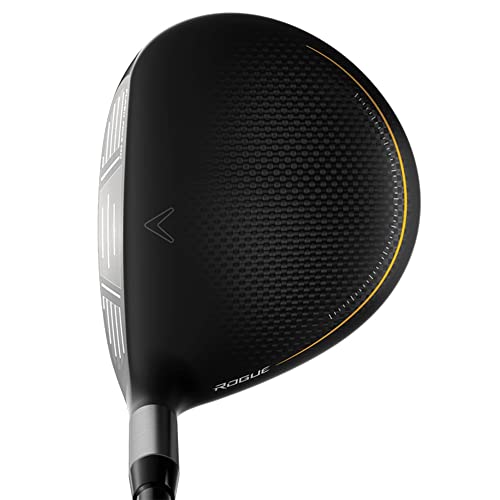
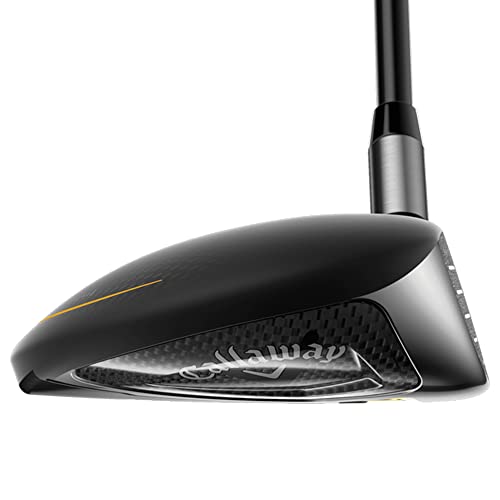
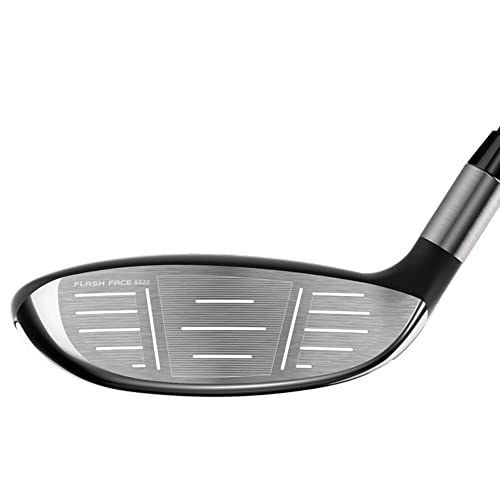
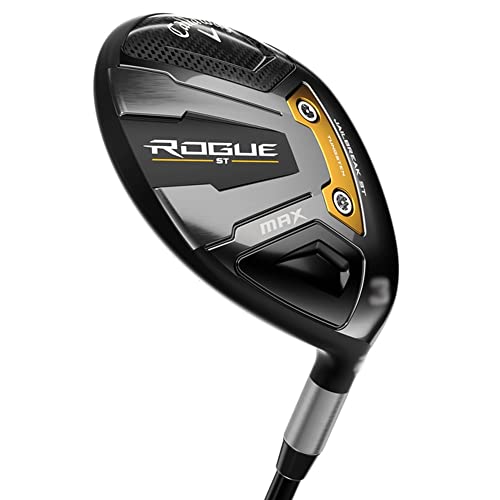
Even though it’s a previous generation model, the Rogue ST Max still holds up as one of the best all-around 3 woods for ball speed and forgiveness. The A.I.-designed Jailbreak system with perimeter batwings does a great job stabilizing the head on off-center strikes, and the C300 steel face delivers explosive ball speed across a larger area. Owners regularly praise its consistency, especially from the fairway.
The tungsten speed cartridge is the real differentiator here, it pushes the CG forward for lower spin and faster launch, a combo that’s rare in this class. Compared to the newer AI Smoke Max, it lacks the latest AI face optimization and carbon body, but it’s also significantly cheaper. For players who want Tour-level speed tech without the flagship price, this remains a smart pick.
Product photos

Cleveland Halo XL Lite 3 Wood

Strengths
- Very lightweight
- Strong launch
- GlideRail sole
Trade-offs
- Limited adjustability
- Less feedback on mishits
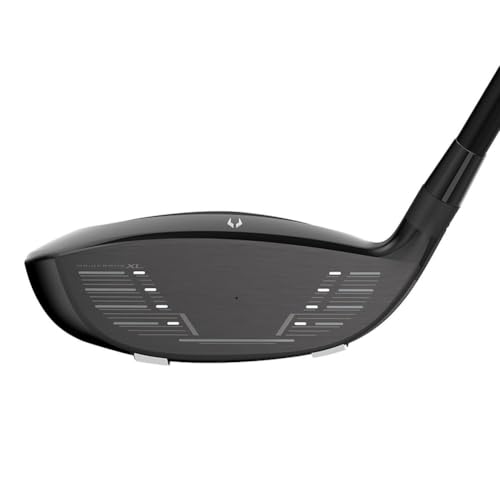
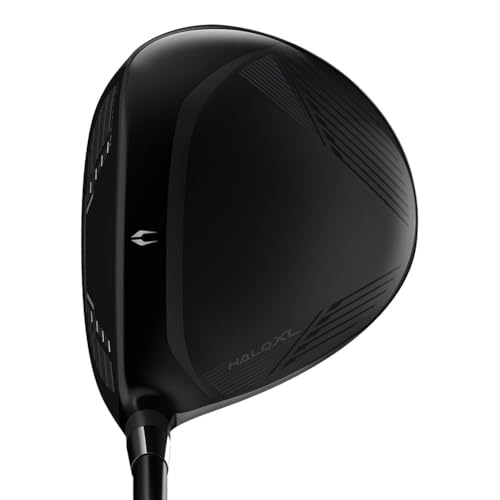
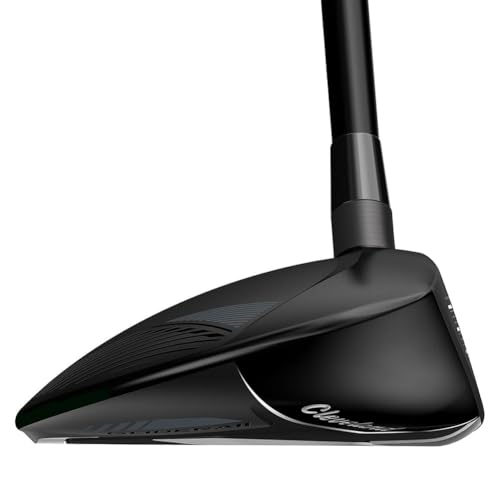
Cleveland built the Halo XL Lite with one goal: make a lightweight 3 wood that doesn’t sacrifice performance. And they nailed it. The 1.5° added loft and lightweight shaft make it easy to generate clubhead speed, and the Rebound Frame tech, dual flex zones, actually delivers noticeable energy transfer. Owners say it feels livelier than most clubs in this weight class.
The GlideRail sole design cuts cleanly through turf, which is a big plus for players with steeper swings. Compared to the Powerbilt or Orlimar budget options, this one feels more refined and performs closer to premium models. It’s not as adjustable as the TaylorMade Qi4D, but for effortless launch and solid distance, it’s one of the best lightweight options under $200.
Product photos
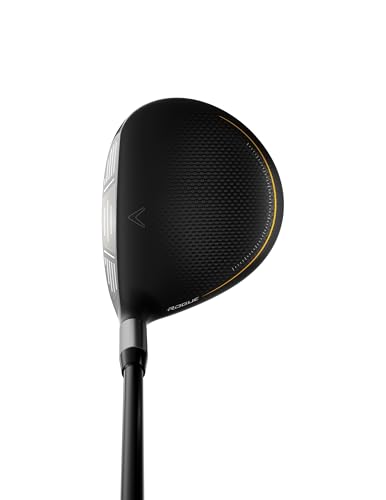
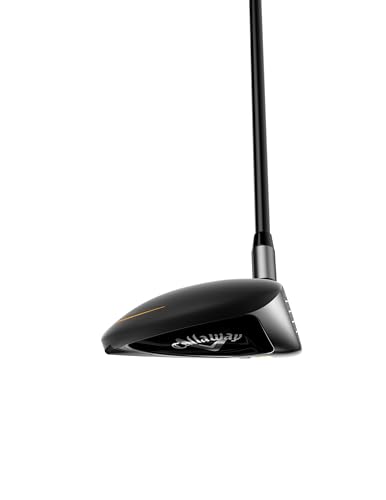
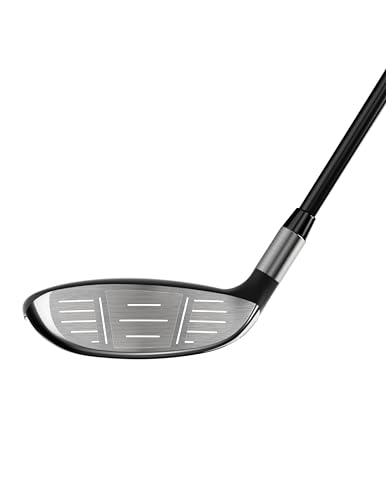
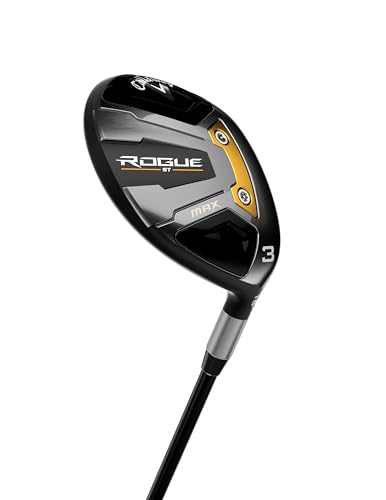
Callaway 2024 Rogue ST Max 3 Wood

Strengths
- Easy launch
- High MOI
- Lightweight build
Trade-offs
- Less workability
- Slightly lower ball speed
This updated version of the Rogue ST Max leans even harder into forgiveness and easy launch, thanks to the shallow profile and carbon crown. The design shifts weight low and deep, which owners say helps get the ball airborne with minimal effort, ideal for players with slower swings or those who struggle with fairway woods. The face cup still delivers strong ball speed, though it’s not quite as hot as the original ST Max.
It’s essentially a draw-biased, lighter version of its predecessor, built for maximum playability. Compared to the Paradym AI Smoke Max, it sacrifices some high-end adjustability and neutral flight control, but gains in user-friendliness. If your main goal is consistency and confidence off the deck or tee, this version might actually be the better fit, especially if you tend to hit down too hard or struggle with launch.
Product photos
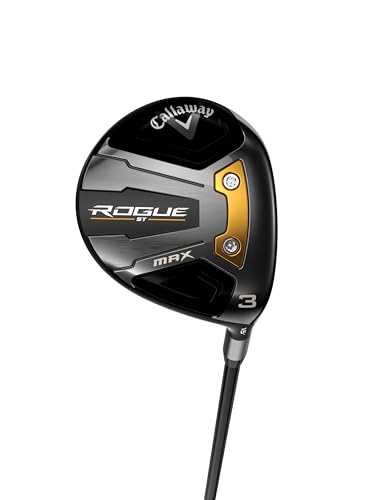
Orlimar Escape HL 3 Wood

Strengths
- Shank-resistant design
- High launch
- Lightweight shaft
Trade-offs
- Basic materials
- No adjustability
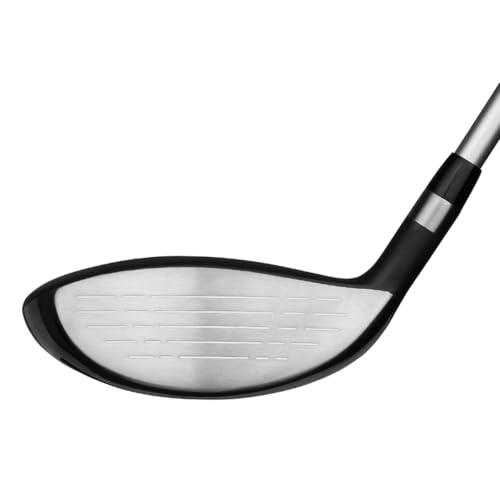
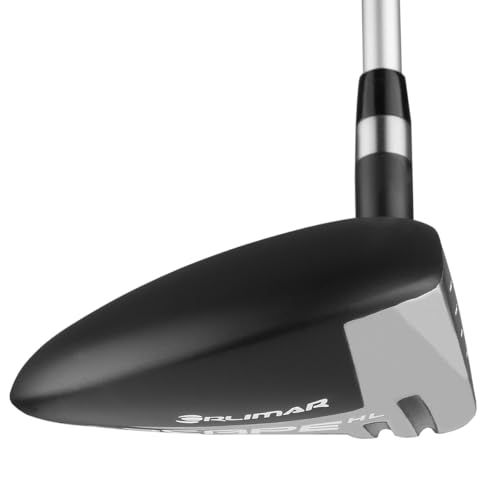
The Orlimar Escape HL is a sleeper pick for high launch and shank resistance. At 15 degrees with a face-forward design, it’s built to help players who struggle with thin or hosel-heavy strikes. The progressive heel weighting encourages a draw, and the ultra-light shaft makes it easy to swing without overspeeding. Owners who’ve battled shanks say this club restored their confidence off the deck.
The wrap-around face boosts ball speed, but it doesn’t match the MOI of more premium models. Still, for $90, it delivers a surprising amount of forgiveness and playability. Compared to the Powerbilt, it’s more draw-biased and launch-focused. If you’re a high-handicapper or senior golfer who wants a reliable, high-flying 3 wood without spending big, this is a solid contender.
Product photos

Powerbilt TPS Blackout Max 3 Wood

Strengths
- Extremely affordable
- Lightweight shaft
- Good distance for price
Trade-offs
- Limited adjustability
- Basic sound and feel
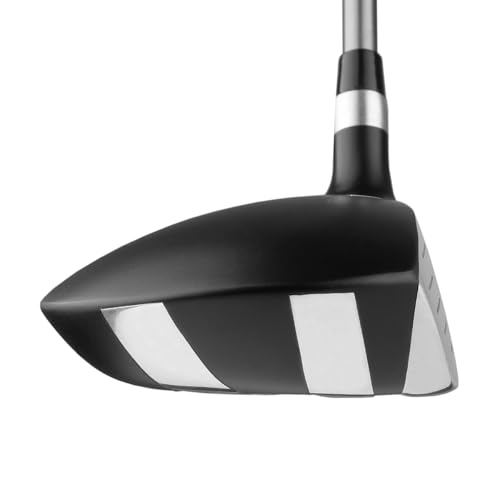
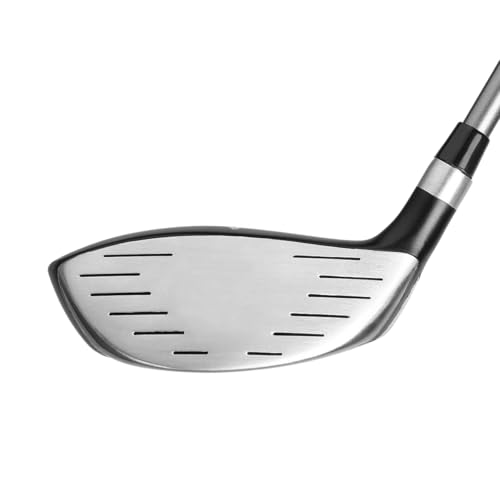
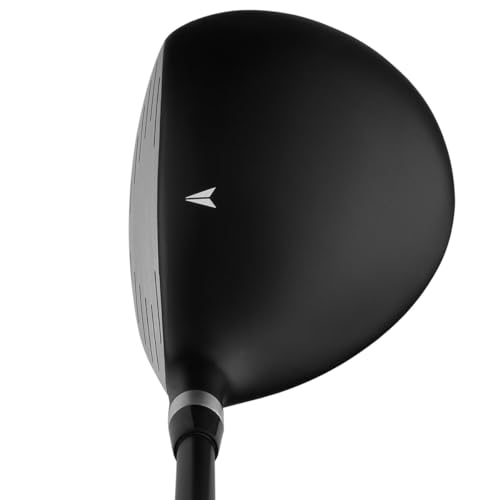
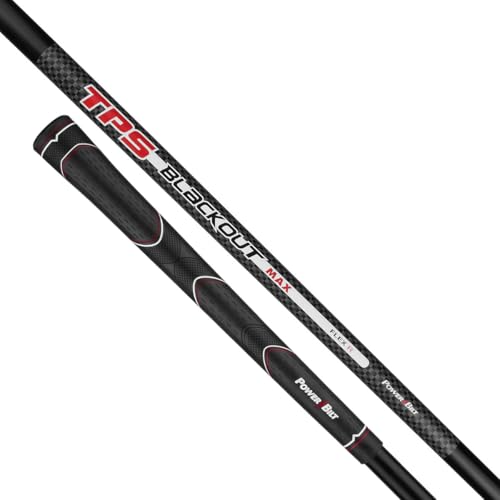
At under $50, this Powerbilt punches way above its weight in terms of value. The dual rebound channels aren’t just cosmetic, they’re designed to increase face flex, and owners report solid distance gains off the tee and fairway, especially for slower swing speeds. The lightweight graphite shaft makes it easy to swing fast, and the 16-degree loft helps get the ball up quickly, which is a big win for mid- to high-handicappers.
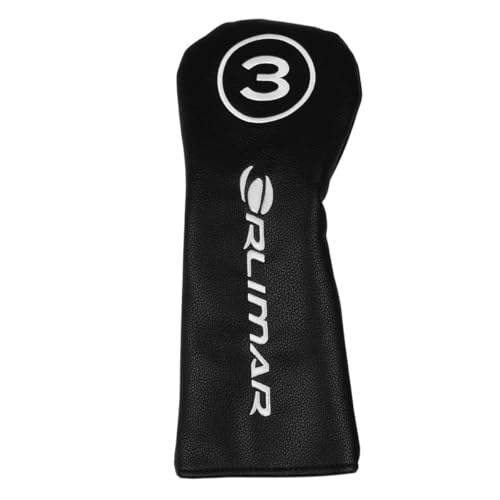
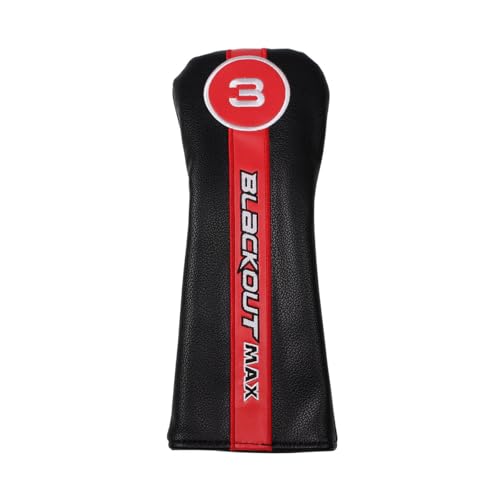
It won’t match the MOI or sound profile of a premium club, but for the price, it’s shockingly playable. The included headcover is a nice touch, and the forged alloy construction holds up well. Compared to other budget options, this one stands out because of its solid feedback and clean looks at address. If you’re building a starter bag or need a dependable backup 3 wood without draining your wallet, this is hard to beat.
Product photos
Our Testing Process
Rather than a hands-on lab test, my research focused on comparing published specifications and features across numerous 3 wood models. I weighed owner reviews from major retailers alongside professional equipment reviews from sources like Golf Digest and Golf Monthly. Applying my experience with course conditions and player needs from years of travel with GolfWorldTrips, I ranked these clubs based on how well they’d perform for a variety of golfers.
For 3 woods, distance and forgiveness are paramount. I prioritized clubs demonstrating innovative technologies to increase ball speed – like Callaway’s A.I. Smart Face and Powerbilt’s rebound channels – because these directly translate to more yards. Equally important was stability; features such as tungsten weighting and adjustable hosels help golfers consistently find the sweet spot, even on off-center hits. If you’re considering alternatives, you might also look at the best 3 hybrid options.
Published specs reliably reveal head size, material construction, and adjustability options. However, I placed more weight on owner feedback regarding real-world performance characteristics – launch angle, spin rates, and feel. Reputation also played a role; brands like TaylorMade and Callaway consistently deliver quality clubs, and their latest models build on that legacy. For those seeking a complete overhaul, exploring full hybrid sets is also worth considering.
Choosing The Right 3 wood golf clubs
Choosing the right 3 wood can add serious distance and versatility to your game.
A good 3 wood bridges the gap between your driver and your long irons, offering a blend of power and control. Key considerations include head design (for forgiveness and launch), shaft material (for swing speed matching), and adjustability (to fine-tune ball flight). Players should also assess the club’s construction materials and overall weight to optimize performance for their specific swing characteristics.
Loft and Launch Characteristics
The first thing I tell golfers is to really think about their launch angle with the driver. If you struggle to get the ball airborne, a 3 wood with a lower loft (around 13-15 degrees) might be tempting, but you could end up hitting it too low. Instead, consider a slightly higher loft (16-19 degrees) to promote a more optimal launch, especially if you’re coming from a slower swing speed. Don’t be afraid to experiment with adjustable hosels to dial in the perfect setting.
Material Construction and Forgiveness
Modern 3 woods are marvels of engineering, and the materials used play a huge role in performance. Maraging steel faces, like those found in the Callaway Rogue ST Max, are known for their exceptional ball speed. Multi-material construction (combining titanium, carbon fiber, and tungsten) allows manufacturers to redistribute weight strategically, increasing MOI (Moment of Inertia) for greater forgiveness on off-center hits.
Here’s what to consider when it comes to forgiveness: * Face Technology: Look for features like A.I.-designed faces (Callaway Paradym AI Smoke Max) or variable thickness patterns (Cleveland Halo XL Lite) to maximize flex and ball speed across the face. * Tungsten Weighting: Tungsten Speed Cartridges (Callaway Rogue ST Max) lower the center of gravity, promoting a higher launch and lower spin. * Head Shape: An XL head design (Cleveland Halo XL Lite) with low-and-deep weighting can provide added forgiveness and confidence at address.
Shaft and Swing Speed Matching
A beautiful clubhead is useless if it’s paired with the wrong shaft. As someone who’s spent years observing golfers of all skill levels, I can tell you that shaft flex is arguably the most overlooked aspect of club selection. Generally, slower swing speeds benefit from lighter weight, more flexible shafts (Regular or even Senior flex), while faster swing speeds require stiffer shafts to control the club and deliver consistent results.
A shaft that’s too flexible will feel “whippy” and lead to inconsistent contact. Conversely, a shaft that’s too stiff will feel boardy and reduce your clubhead speed.
If you’re unsure, consider getting professionally fit. If you struggle with long irons, exploring top 7 hybrid models to replace them might also be a worthwhile consideration. For golfers seeking an alternative to a standard 3 wood, looking at high-lofted fairway woods can provide a more manageable option off the tee or from the fairway.
3 Wood Golf Clubs Compared
Here’s a comparison of key specifications for popular 3 wood golf clubs to help you make an informed decision.
| Product Title | Loft (Degrees) | Shaft Material | Weight (grams) | Face Material | Adjustability |
|---|---|---|---|---|---|
| TaylorMade Qi4D 3 Wood | N/A | Graphite | N/A | N/A | Yes |
| Callaway Paradym AI Smoke Max 3 Wood | N/A | N/A | N/A | A.I. Smart Face | N/A |
| Callaway Rogue ST Max 3HL Wood | N/A | N/A | N/A | A.I. Designed | N/A |
| Cleveland Halo XL Lite 3 Wood | N/A | Graphite | N/A | MainFrame XL | N/A |
| Callaway 2024 Rogue ST Max 3 Wood | N/A | N/A | N/A | Face Cup | N/A |
| Orlimar Escape HL 3 Wood | 15 | Graphite | N/A | N/A | N/A |
| Powerbilt TPS Blackout Max 3 Wood | 16 | Graphite | N/A | Forged Alloy | N/A |
Frequently Asked Questions
What loft should I choose for a 3 wood?
Generally, 16 to 19 degrees is a good starting point, especially if you struggle getting the ball airborne; this promotes an optimal launch angle. Lower lofts (13-15 degrees) can work for faster swing speeds, but may result in a lower trajectory.
Are adjustable 3 woods really worth the extra cost?
Yes, adjustability allows you to fine-tune launch conditions and shot shape. Being able to tweak the loft and face angle can significantly improve performance, especially as your swing evolves or as course conditions change.
What shaft material is best for a 3 wood?
Graphite shafts are generally preferred for 3 woods because they’re lighter and promote faster swing speeds. However, some better players may benefit from a steel shaft for enhanced control and consistency, particularly if they already have a fast swing.
How does weighting affect a 3 wood’s performance?
Tungsten weighting lowers the center of gravity, leading to a higher launch and lower spin, which translates to more distance. Strategic weight placement also increases MOI (Moment of Inertia) for improved forgiveness on off-center strikes.
If I struggle with long irons, should I consider a 3 wood instead?
Absolutely, a 3 wood can be a great alternative to long irons, especially for golfers seeking more forgiveness and distance. Consider looking at the best 5 hybrid golf clubs as well for another option to improve long iron play.
The Bottom Line
Choosing a 3 wood always comes down to balancing forgiveness with the control you need to shape shots. For most golfers, the TaylorMade Qi4D 3 Wood strikes that balance exceptionally well. It offers a fantastic blend of distance, playability, and adjustability, making it a solid choice across a wide range of swing types and skill levels.
If budget is a primary concern, the Orlimar Escape HL 3 Wood delivers impressive value. And for those consistently battling slices or seeking maximum forgiveness, the Cleveland Halo XL Lite 3 Wood prioritizes stability and ease of launch. Don’t forget, exploring long iron replacements can be a great way to build confidence.
Ultimately, the specs on a club are just part of the story. Focus on finding a 3 wood that inspires confidence at address, feels comfortable in your hands, and helps you consistently find the fairway. Investing in clubs for higher handicaps can make a real difference, but a solid strike and smart course management remain the cornerstones of a good round.
