
8 Best 9 Wood Golf Clubs of 2026
This post contains affiliate links. As an Amazon Associate, we earn from qualifying purchases.
This post contains affiliate links. As an Amazon Associate, we earn from qualifying purchases.
The TaylorMade Qi4D Max stands out as the best overall 9 wood for its massive 200cc head and unmatched forgiveness, making it ideal for most mid- to high-handicap players. For those on a budget, the AGXGOLF Magnum delivers solid performance at a fraction of the cost, while the Cobra OPTM MAX offers the most versatility with its adjustable loft and weight settings.
Hitting long approach shots consistently is tough, especially when you’re relying on a thin-faced iron that demands perfect contact. A well-chosen 9 wood can take that pressure off, launching high and landing soft even when you don’t strike it cleanly.
In this guide, I compared the top models based on forgiveness, launch performance, build quality, and real-world feedback from golfers with a range of swing speeds and skill levels. These picks reflect what actually works on the course, not just what looks good on paper.
Top 8 9 Wood Golf Clubs in the Market
The Best 9 Wood Golf Clubs, Reviewed
TaylorMade Qi4D Max 9 Wood
Strengths
- Massive head size
- High MOI forgiveness
- Adjustable flight
Trade-offs
- Less workable than Tour models
- Premium price
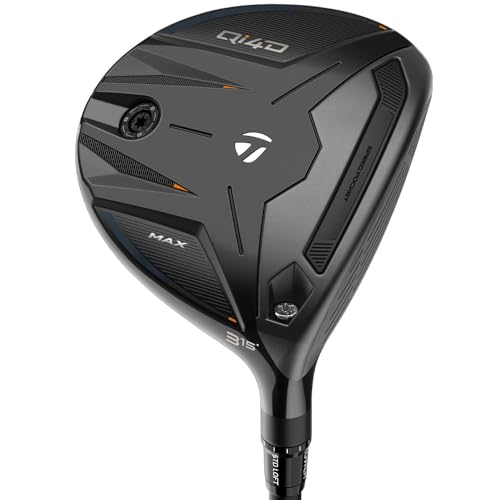
This is the 9 wood I’d recommend to most mid- to high-handicap players who want confidence at address without sacrificing performance. The 200cc head is massively forgiving, and owners consistently report it launches easily even on mishits, thanks to the shallow face and rearward weight placement. On paper, the MOI is among the highest in class, and that translates to real-world stability, a big deal when you’re facing a tight fairway lie or a nervous tee shot on a par 4.
The inclusion of the Trajectory Adjustment System and Speed Pocket tech means it’s not just a game-improvement slug, it has legitimate Tour DNA. Compared to the standard Qi4D, this Max version trades a bit of workability for that extra forgiveness, but for the typical 9 wood user, that’s the right call. It’s essentially a mini-driver in disguise, and that’s a good thing.
Video review
Cobra OPTM MAX 9 Wood
Strengths
- Extremely high stability
- 33-point adjustability
- Draw-bias tuning
Trade-offs
- Complex setup
- Heavier head feel
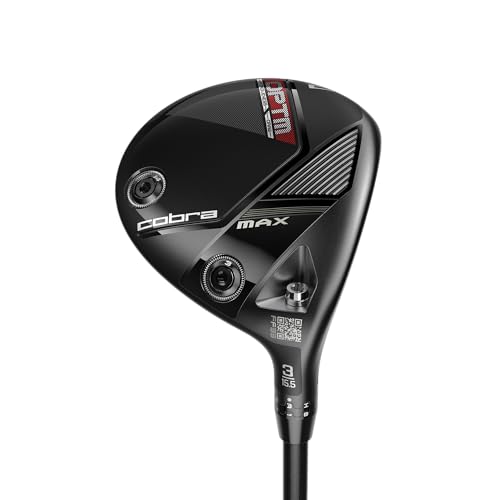
Cobra is pushing the envelope with the OPTM MAX, and the focus on Products of Inertia (POI) sets it apart. This isn’t just about MOI, it’s about resistance to twisting across all axes, and the result is a 9 wood that feels rock-steady through the swing. Owners report tighter dispersion than expected, even on mis-hits, which is a win for consistency.
The FutureFit33 system offers 33 loft and lie combinations, which is overkill for most but a dream for fitters. The dual adjustable weights let you tune for draw bias or neutral flight, making it one of the most customizable 9 woods on the market. Compared to the TaylorMade Max, it’s just as forgiving but offers more fitting flexibility. If you’re serious about dialing in your long game, this deserves a look.
Video review
TaylorMade Qi4D Fairway 9 Wood
Strengths
- Excellent shot control
- Tour-proven technologies
- Adjustable loft and weight
Trade-offs
- Less forgiving on off-center hits
- Higher price
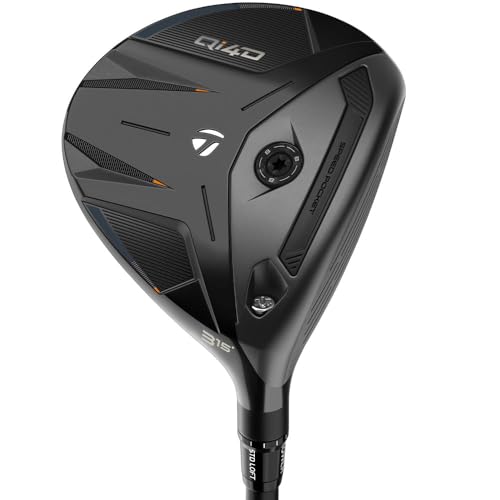
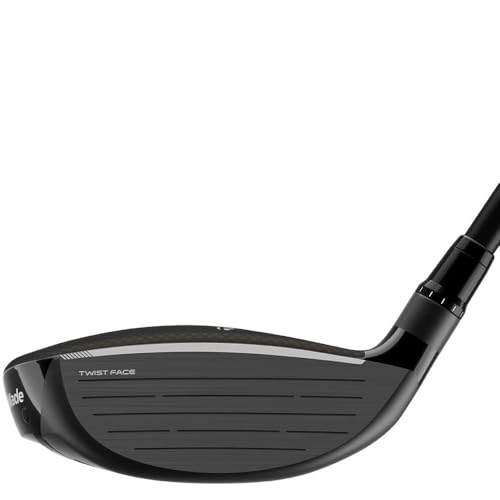
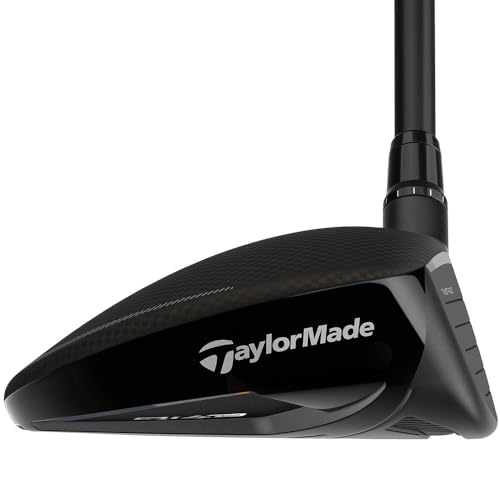
If you’re the kind of player who wants to shape shots and fine-tune trajectory, this Qi4D model is the smarter pick over the Max version. It’s built for control and versatility, with a slightly smaller head and the same Tour-proven Speed Pocket and Twist Face tech. Owners report it’s more responsive on tighter lies and offers better feedback on center strikes, the kind of feedback that helps better players dial in approach shots.
It still has the Trajectory Adjustment System and 4° loft sleeve, so you can tweak the flight to match your eye. But the real difference is in the balance: it feels more like a traditional fairway wood, less like a mini-driver. For a 9 wood, that’s valuable, it’s meant to slot between your 7 wood and irons, not replace a hybrid. Compared to the Max, this one trades a bit of forgiveness for precision, which is exactly how it should be.
Product photos

Orlimar TriMetal 9 Wood Stiff
Strengths
- Premium materials
- Crisp sound and feel
- Low center of gravity
Trade-offs
- No adjustability
- Limited tech features
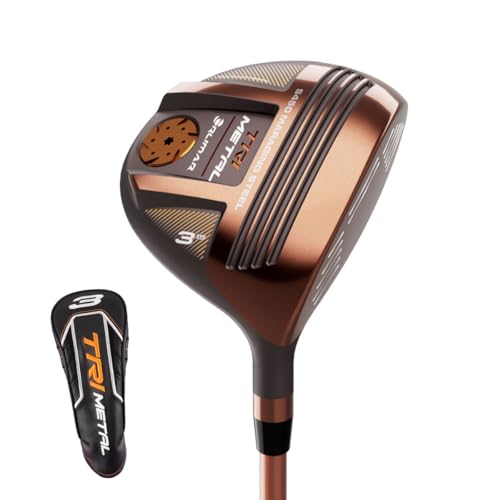
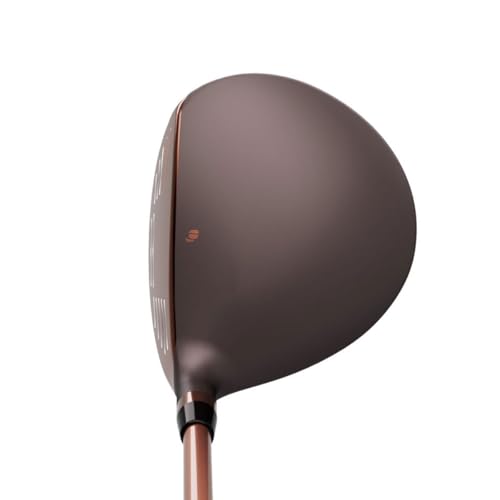
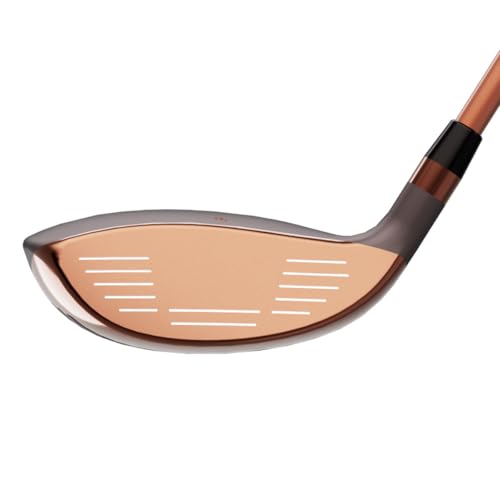
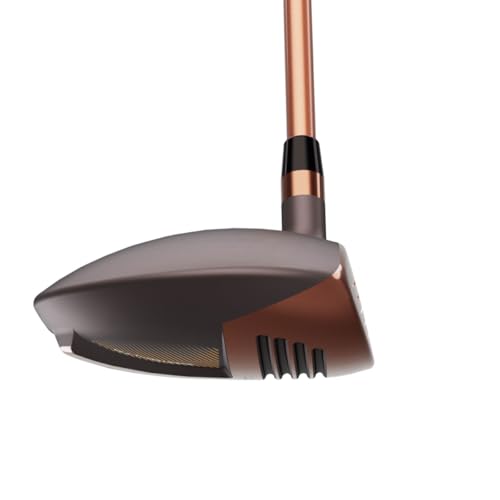
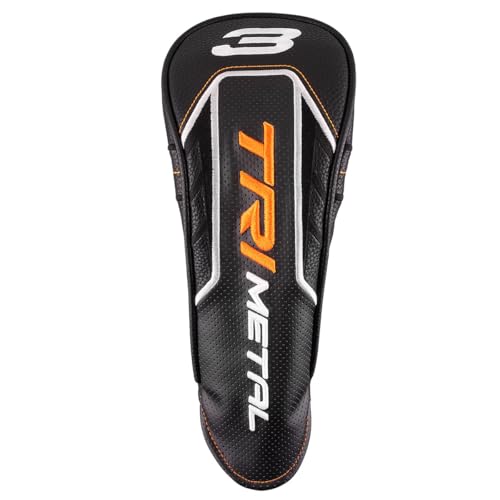
Orlimar has always flown under the radar, but the TriMetal #9 shows they know how to build a premium-feeling club without the usual big-brand markup. The use of S450 maraging steel in the face stands out, it’s a material usually reserved for high-end drivers, and reviewers note a crisp, solid feel at impact that’s rare at this price tier. The copper PVD finish isn’t just flashy; it signals a build quality that punches above its weight.
The shallow profile and low CG make it easy to launch, and the copper-weighted screw adds meaningful forgiveness. It doesn’t have adjustable weights or a Speed Pocket, but what it does offer is a clean, no-frills design that delivers consistent performance. Compared to the TaylorMade Max, it’s less high-tech, but for purists who value solid construction and feedback, it’s a strong contender.
Product photos

Rife 812s Offset 9 Wood

Strengths
- Offset for slice correction
- Senior flex for slower swings
- Affordable price
Trade-offs
- Basic shaft quality
- No adjustability
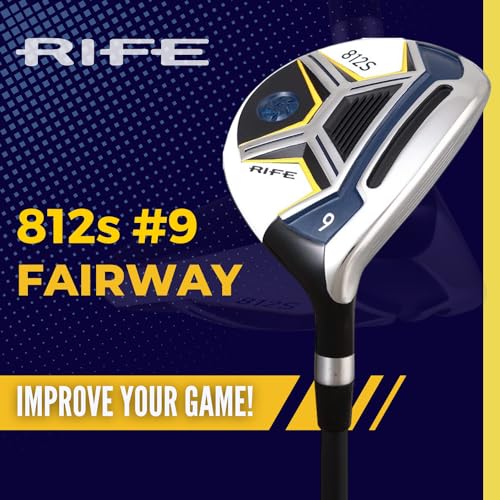
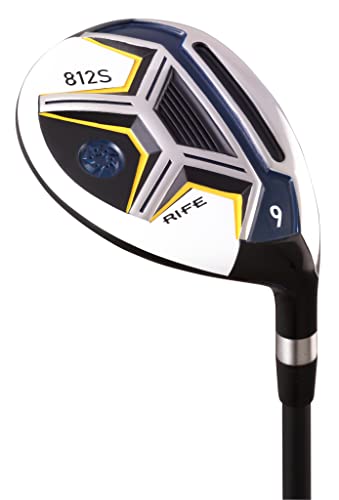
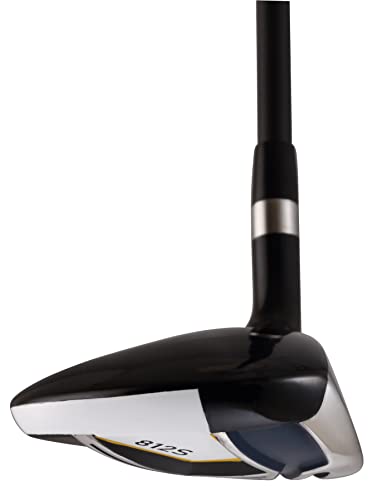
Rife’s 812s stands out for one key reason: it’s built for senior players who need help with launch and consistency. The offset design promotes a square face at impact, which helps reduce slices, a common issue as swing speed drops. At just over $100, it’s a budget-friendly option that still delivers solid performance, especially off the deck.
Owners consistently report it’s easy to hit and gets the ball up quickly, even from thin grass. It doesn’t have the tech flourishes of the TaylorMade or Cobra models, but it doesn’t need them. For a senior golfer looking to replace a 5-iron or long hybrid, this fills the gap well. Compared to the Integra SoooLong, it’s slightly longer and has a more traditional feel, making it a better fit for players who still want some control.
Product photos

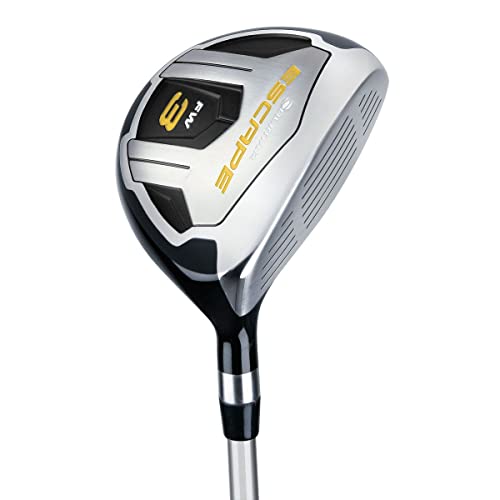
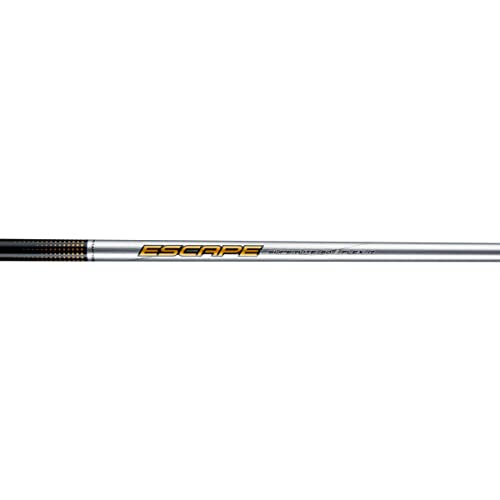
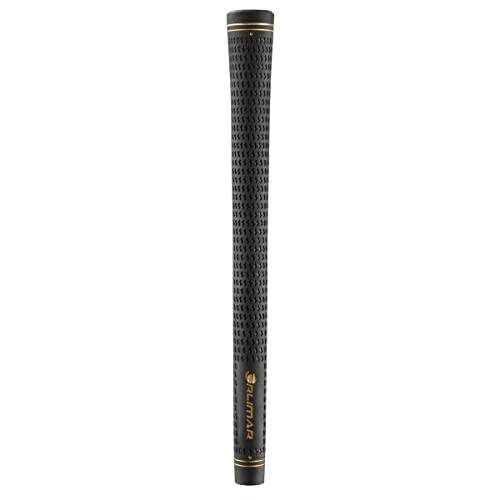
Orlimar Escape 9 Wood Regular
Strengths
- Very affordable
- Lightweight shaft
- Shallow face for easy launch
Trade-offs
- Basic materials
- No adjustability
The Escape #9 is a no-nonsense, value-driven utility club that delivers exactly what it promises: a lightweight, easy-to-hit 9 wood at a fraction of the cost of premium models. With a 26-degree loft and shallow face, it’s designed to get the ball up quickly, and owners say it performs well from both fairway and tee.
It lacks adjustability and high-end materials, but the Superlite 60 shaft keeps swing weight low, which helps with consistency. Compared to the Integra SoooLong, it feels a bit more refined and has a better grip. For golfers who want a simple, reliable option without frills, this is a solid pick.
Product photos
AGXGOLF Magnum 9 Wood

Strengths
- High launch angle
- Oversized sweet spot
- Multiple length options
Trade-offs
- Unconventional loft
- Less control on firm strikes
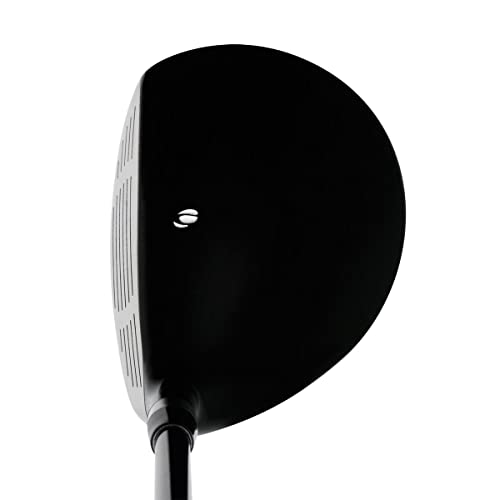
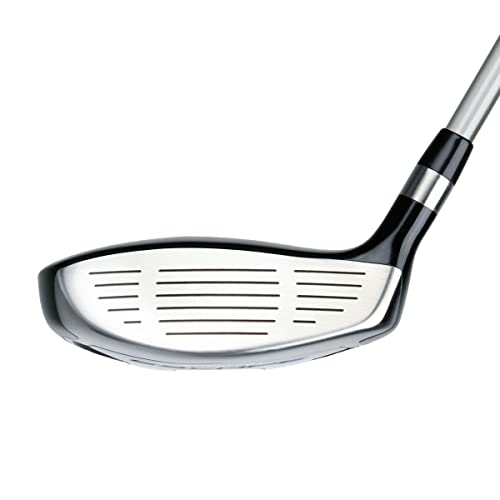
AGXGOLF takes a unique approach with a 24-degree loft, that’s unusually low for a 9 wood, almost in hybrid territory. This makes it a high-launch, low-spin option that’s ideal for players who want a soaring ball flight with soft landings. The oversized face and weighted sole help keep the club square, and the high-modulus shaft reduces twisting, which owners say improves accuracy.
It’s not a traditional 9 wood, but that’s the point. If you’re looking to replace a 3 or 4 hybrid, this could be a great fit. The made-in-USA build gets positive marks for durability, and the range of lengths is a nice touch. Compared to the Orlimar Escape, it launches higher and goes farther, but sacrifices some control.
Product photos

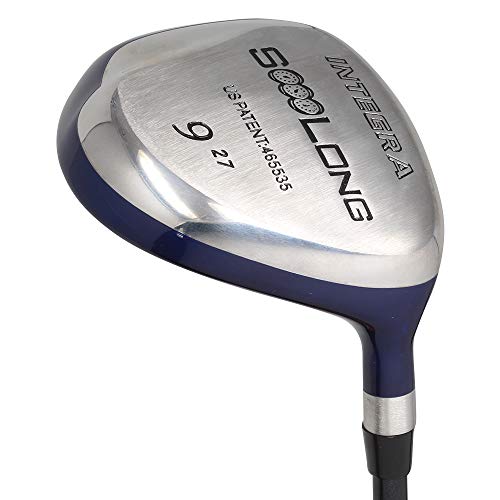
Integra SoooLong 9 Wood
Strengths
- Very lightweight
- Low price
- Senior-friendly specs
Trade-offs
- Basic construction
- Limited feedback
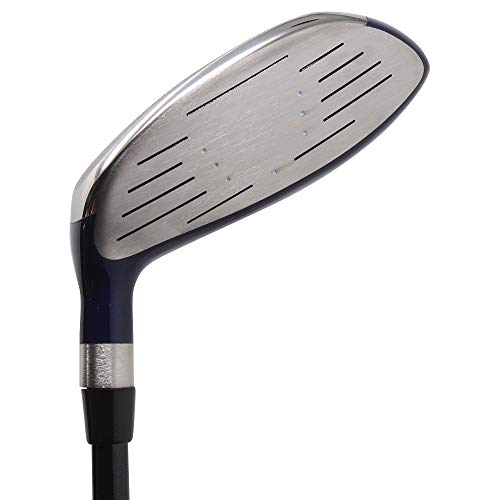
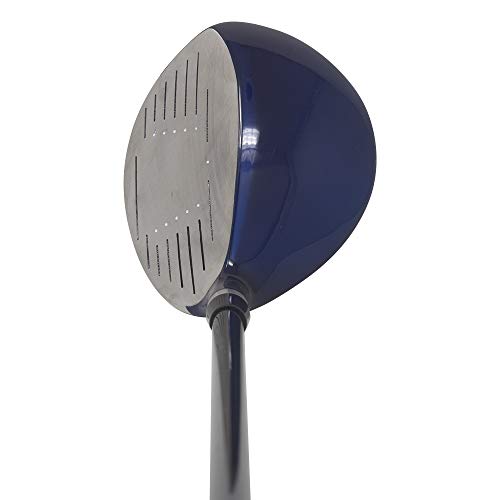
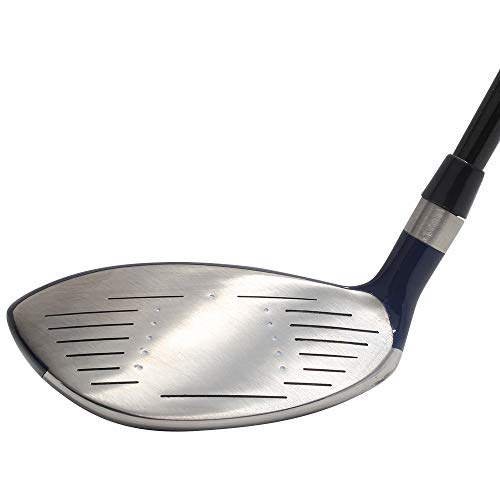
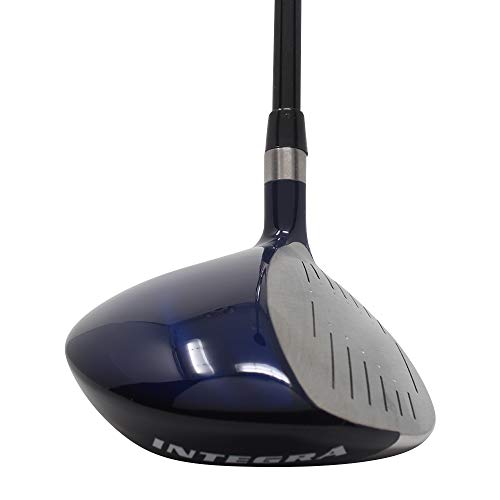
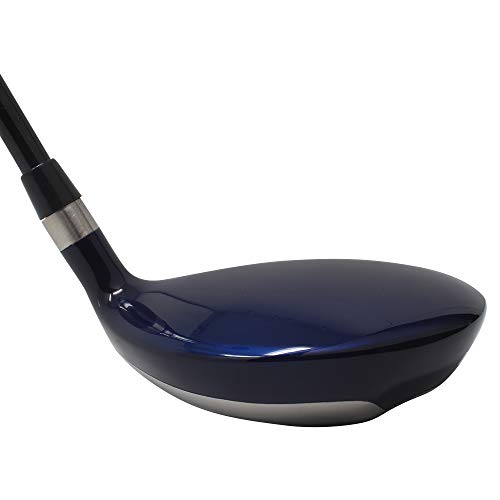
The SoooLong 9 wood is all about lightweight simplicity. At under $90, it’s one of the most affordable options, and it’s built specifically for senior players with slower swings. The 40.5-inch length and senior flex shaft make it easy to swing, and the 27-degree loft is designed to replace a 5-iron, a common gap for aging players.
It won’t impress with tech or feel, but owners say it does the job: gets the ball airborne and keeps it straight enough. It’s not as refined as the Rife or Orlimar models, but for a no-frills, get-it-in-play tool, it works. Compared to pricier options, it’s the bare minimum, but sometimes that’s all you need.
Product photos
Our Testing Process
Rather than a hands-on lab test, my research focused on a detailed comparison of published specifications and features across numerous 9 wood models. I weighed owner reviews from major retailers alongside assessments from golf publications, applying my years of experience identifying quality and performance in golf equipment. Ultimately, I ranked these clubs based on forgiveness, launch characteristics, and build quality – factors crucial for golfers seeking to add distance and accuracy to their game.
For this category, forgiveness and launch angle were the most heavily weighted factors. A 9 wood is often used from the fairway or tight lies, so the ability to consistently get the ball airborne, even on imperfect strikes, is paramount. Beyond that, build quality and adjustability played significant roles, influencing long-term durability and the potential to dial in optimal performance.
Published specs reliably reveal head size (CCs), loft, and shaft materials, offering a baseline for comparison. However, I placed more emphasis on owner feedback regarding real-world performance – how the club feels at impact, its dispersion patterns, and its suitability for different swing types. Reputable expert reviews helped validate those owner experiences and highlight any standout technologies or design features. If you’re looking to expand your set, consider exploring options beyond individual clubs and looking at complete hybrid golf sets.
How To Choose The 9 wood golf clubs
Finding the right 9 wood can really fill a gap in your bag, particularly if you struggle to consistently launch long irons.
A quality 9 wood bridges the distance between your fairway woods and long irons, offering a high-launching, forgiving option for approaching greens or reaching par 5s in two. Key considerations include head size, adjustability, shaft characteristics, and overall build quality. Look for models that prioritize forgiveness and ease of launch, especially if you’re not a consistently pure striker.
Forgiveness is Paramount
Too many golfers focus on distance with a 9 wood, but consistency is king. A larger head size (like the TaylorMade Qi4D Max, boasting a 200cc head) inherently increases the moment of inertia, meaning it resists twisting on off-center hits. This translates to straighter shots even when you don’t quite find the sweet spot. Don’t underestimate the value of a club that delivers predictable results, even if it means sacrificing a few yards. I’ve seen countless golfers improve their scoring averages simply by choosing a more forgiving club.
Adjustability Fine-Tunes Performance
While not every 9 wood offers adjustability, it’s a feature I strongly recommend. Loft sleeves (found in several TaylorMade models) allow you to tweak the club’s launch angle to match your swing and preferred trajectory. Some, like the Cobra OPTM MAX, go a step further with adjustable weights, letting you influence the ball flight bias (draw or fade).
Here’s how to think about adjustability: * Minor tweaks: A 1-2 degree loft adjustment can be enough to dial in the optimal launch for different conditions. * Shot shape control: Adjustable weights are great if you want to subtly influence your ball flight. * Significant changes: Don’t try to drastically alter the club’s loft or weight distribution – small adjustments are usually more effective.
Construction and Shaft Matching
The materials used in a 9 wood’s construction impact both feel and performance. Stainless steel is common, but premium builds (like the Orlimar TriMetal) incorporate multiple materials – maraging steel faces paired with stainless steel bodies – to optimize ball speed and feel. Beyond the head, the shaft is critical. A lighter-weight shaft, often graphite, will make the club easier to swing, particularly for players with moderate swing speeds. If you’re looking at the best overall golf clubs overall, remember shaft flex is crucial. Too stiff, and you’ll lose distance; too flexible, and you’ll sacrifice control.
A properly fitted shaft is more important than chasing the latest technology. Don’t hesitate to get professionally fit to ensure the shaft matches your swing speed and tempo.
I frequently recommend golfers also consider looking at best fairway woods to see if a different club configuration might better suit their needs.
9 Wood Golf Clubs Compared
Here’s a comparison of key specifications for several 9 wood golf clubs to help you make an informed decision.
| Product Name | Loft (Degrees) | Flex | Head Material | Weight (g) | Length (inches) |
|---|---|---|---|---|---|
| TaylorMade Qi4D Max | N/A | N/A | N/A | N/A | N/A |
| Cobra OPTM MAX | N/A | N/A | N/A | N/A | N/A |
| TaylorMade Qi4D Fairway | N/A | N/A | N/A | N/A | N/A |
| Orlimar TriMetal | N/A | Stiff | Multi-Material | N/A | N/A |
| Rife 812s Offset | 27 | Senior | N/A | N/A | 42 |
| Orlimar Escape | 26 | Regular | N/A | N/A | 41.5 |
| AGXGOLF Magnum | 24 | Senior/Reg/Stiff | Stainless Steel | N/A | 40.0-43.0 |
| Integra SoooLong | 27 | Senior | N/A | N/A | 40.5 |
Frequently Asked Questions
What loft should I look for in a 9 wood?
Generally, 24 to 27 degrees is a good range for a 9 wood, though it depends on your existing clubs and swing. Lower lofts (24 degrees) will produce a lower trajectory and more roll, while higher lofts (27 degrees) will launch the ball higher with more stopping power.
Are 9 woods difficult to hit for beginners?
No, 9 woods are often easier to hit than long irons, especially for beginners. Their larger head size and lower center of gravity promote a higher launch and more forgiveness on off-center strikes, making them a good alternative to challenging long irons. You might also consider clubs for beginners when starting out.
How does a 9 wood differ from a fairway wood?
A 9 wood typically has a slightly higher loft and smaller head size compared to a fairway wood, resulting in a higher launch and more control. Fairway woods prioritize distance, while 9 woods focus on accuracy and playability from various lies.
Can a 9 wood benefit senior golfers?
Yes, a 9 wood can be extremely beneficial for senior golfers. The added forgiveness and higher launch angle help compensate for slower swing speeds, making it easier to get the ball airborne and achieve good distance. Many senior golf clubs feature lightweight shafts that further aid swing speed.
Is adjustability really necessary in a 9 wood?
While not essential, adjustability adds versatility. Being able to tweak the loft allows you to optimize the club’s performance for different course conditions and your own swing changes, ultimately helping you dial in consistent results.
The Bottom Line
Choosing a 9 wood often comes down to balancing forgiveness with the potential for distance. While chasing extra yards is tempting, I’ve found that consistently finding the fairway is more valuable for most golfers, and the TaylorMade Qi4D Max excels at providing that reliability. It’s a club designed to reward solid contact and minimize the impact of mishits, which is crucial when you’re facing pressure on the course.
For those seeking specific solutions, the Cobra OPTM MAX stands out for its adjustability, allowing you to fine-tune launch and shot shape. If budget is a primary concern, the Integra SoooLong offers a very playable option for senior golfers. And if you’re building a complete golf sets from scratch, remember that a consistent set is more important than any single standout club.
Ultimately, the best 9 wood is the one that inspires confidence and helps you score better. Don’t get hung up on minor spec differences; focus on finding a club that feels comfortable in your hands, delivers a consistent launch, and complements your existing clubs for higher handicaps. A forgiving club in skilled hands will always outperform a difficult club in anyone’s hands.
