
7 Best Chipper Golf Clubs of 2026
This post contains affiliate links. As an Amazon Associate, we earn from qualifying purchases.
The Odyssey Chipper 25 is the overall best choice for most golfers, delivering exceptional feel and consistency around the greens. For those on a budget, the Intech EZ Roll 35° Chipper offers strong performance at a fraction of the cost, while the MYKUJA Two-Way Chipper Putter adds versatility with its unique double-sided design.
Most golfers lose strokes within 30 yards of the green, and inconsistent chipping is a major culprit. A reliable chipper can simplify those shots, blending the control of a putter with just enough loft to lift the ball cleanly.
Based on specs, design, and consistent owner feedback, I focused on clubs that promote a smooth stroke, resist digging, and help square the face at impact. This guide breaks down the key differences in loft, head design, and value so you can pick the one that fits your game and playing conditions.
Top 7 Chipper Golf Clubs in the Market
The Best Chipper Golf Clubs, Reviewed
Odyssey Chipper 25

Strengths
- Premium build quality
- Smooth roll performance
- Clean, putter-like alignment
Trade-offs
- High price for a niche club
- Limited forgiveness on mishits
The Odyssey Chipper 25 stands out in a sea of budget options because it’s built with the same engineering rigor as their top-tier putters. On paper, the 35.5-inch length and putter-style weighting are designed to promote a stable, pendulum stroke, exactly what you want when trying to dial in tight chip-and-runs. Owners consistently report it feels more legit in the hands than most chippers, and that confidence translates to cleaner contact from the fringe.
This isn’t just a gadget club; it plays like a hybrid between a putter and a 7-iron, with a clean, minimal alignment system and a solid stainless steel head. Compared to the flood of no-name chippers, the Chipper 25 delivers better feedback and durability. I’d pick this over any off-brand mallet if you’re serious about tightening up your short game without breaking the rules.
Video review
Intech EZ Roll 35° Chipper
Strengths
- Excellent value
- Strong alignment aids
- Stable on impact
Trade-offs
- Basic materials
- No advanced feel or feedback
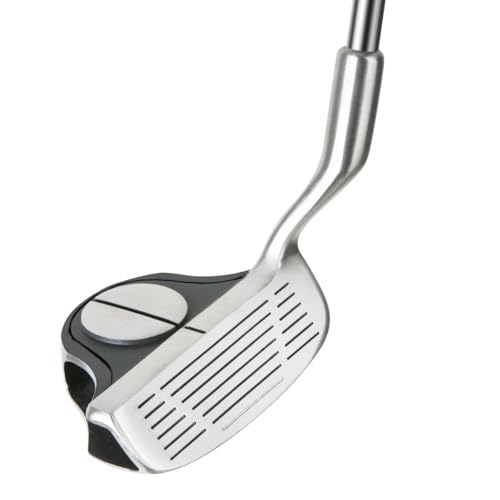
At this price, the Intech EZ Roll does a lot right. The 35-inch length and 35-degree loft mimic a mid-iron, but the gooseneck hosel and back-weighted head make it behave more like a putter in motion, ideal for golfers who struggle with wristy, inconsistent chips. Reviewers note it’s especially helpful for beginners and seniors who want to eliminate fat or thin shots around the green.
It won’t feel as refined as the Odyssey, but for the cost, it delivers solid performance on tight lies and fringe putts. The alignment lines are bold and effective, and the club’s stability on contact is a recurring highlight in owner feedback. Against the MYKUJA or Pinemeadow, it doesn’t look as flashy, but it’s more straightforward and reliable for basic bump-and-runs.
Video review
PGM 32° Golf Chipper
Strengths
- Excellent for bump-and-run
- Low loft for control
- Smooth turf interaction
Trade-offs
- Too low for most rough shots
- Limited versatility
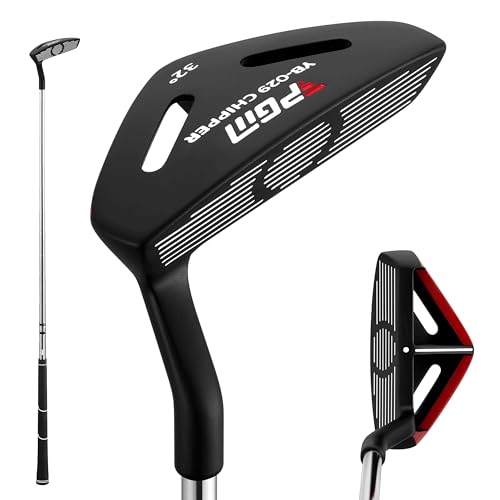
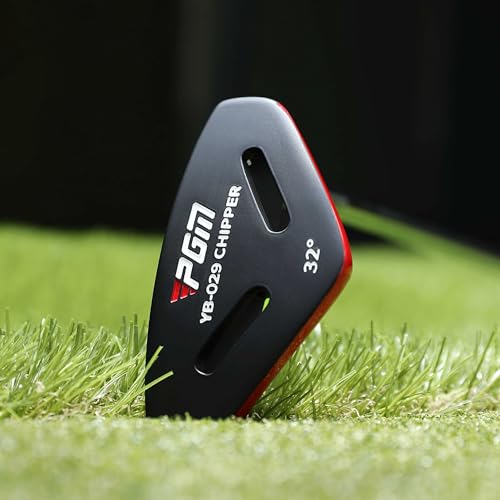
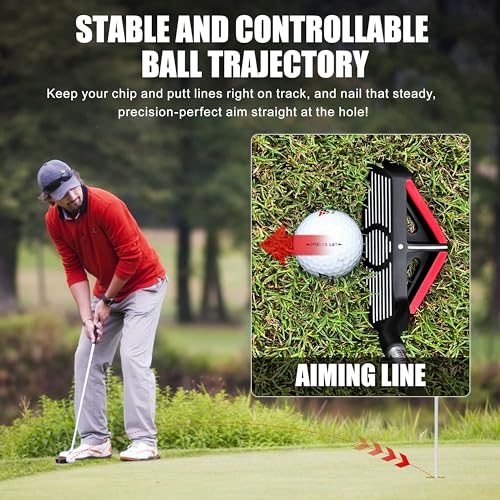
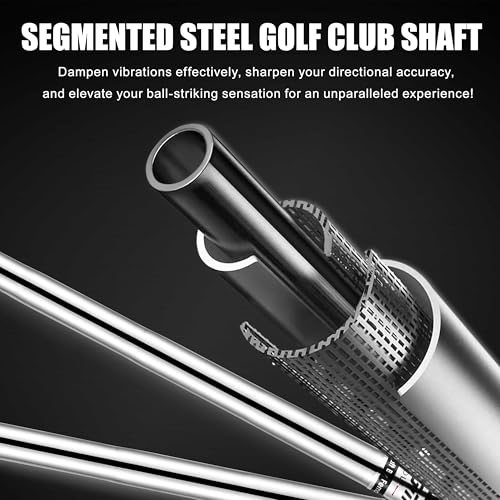
The PGM 32° chipper is all about control and low flight, ideal for players who favor the classic bump-and-run. With 32 degrees of loft, it’s one of the lowest in this group, which means the ball stays low and rolls out with precision. This is a smart pick for firm courses, windy conditions, or anyone who trusts their putting stroke but wants a touch more loft for clearing fringe grass.
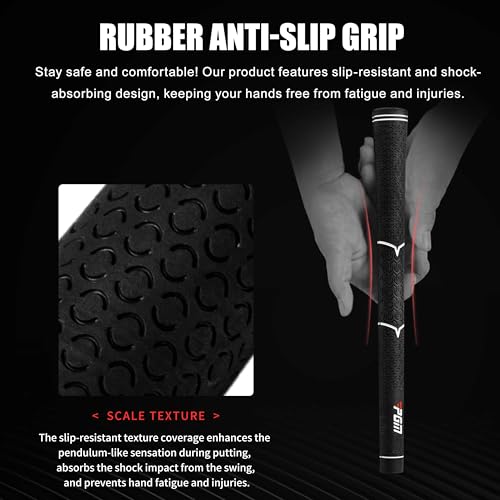
Owners appreciate the wide sole and low bounce, which help it glide instead of dig. The putter-length design and anti-slip grip make it easy to use for seniors or players with limited hand strength. Compared to the higher-lofted MAZEL or Acer XK, this one is far more specialized. It won’t help you pop the ball up over a bunker lip, but if you play links-style golf, that’s not the point.
Product photos

MAZEL 37° Chipper Club
Strengths
- Versatile 37-degree loft
- Effective alignment aid
- Durable grooved face
Trade-offs
- Sole can catch on very soft turf
- A bit head-heavy for some
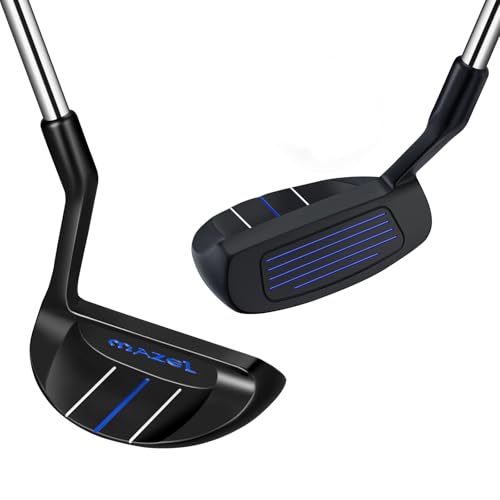
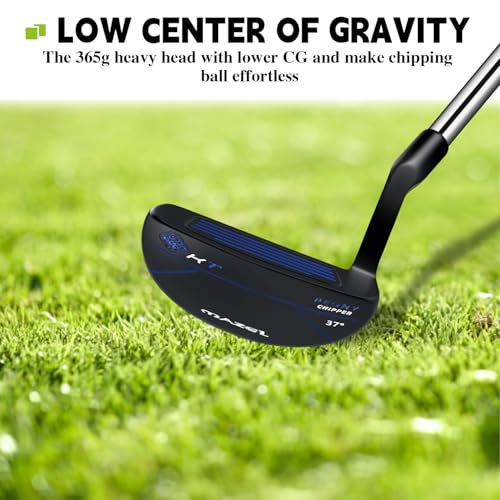
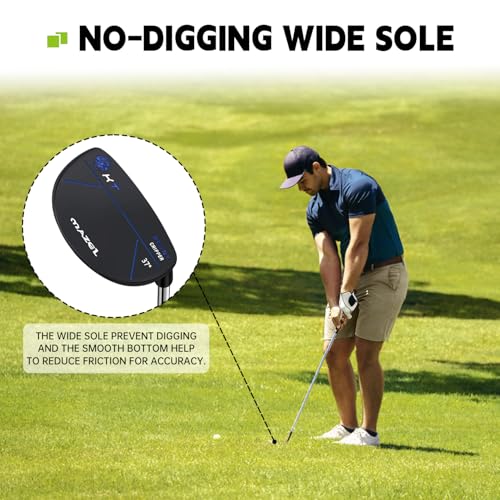
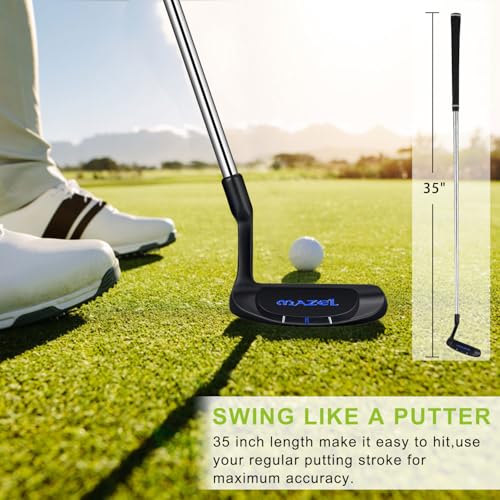
The MAZEL chipper is built for golfers who want a little more versatility than a flat 35-degree model offers. With a 37-degree loft, it’s easier to pop the ball up over minor obstacles or into the wind, while still keeping roll predictable. The wide sole and deep grooves are designed to reduce digging and increase grip on the ball, and owners consistently report fewer fat shots and better control from tight lies.
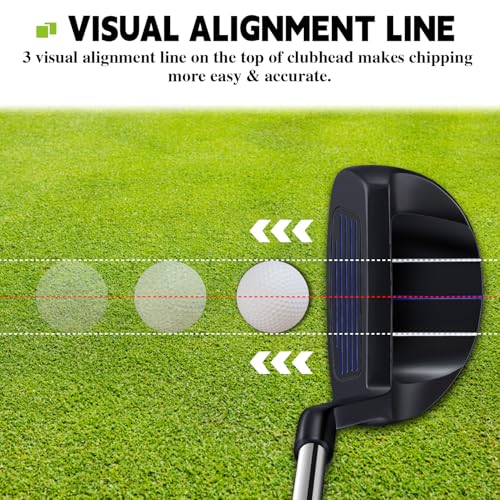
It’s not as polished as the Odyssey, but it outperforms most budget rivals in terms of consistency. The visual alignment line is bold and effective, and the non-slip grip adds real confidence in wet or cool conditions. Against the PGM’s lower 32-degree model, this one is better for players who face varied terrain and need a bit more carry.
Product photos

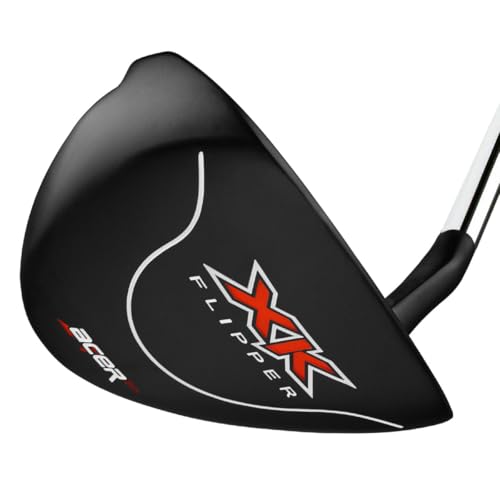
Acer XK Flipper 46° Chipper
Strengths
- High 46-degree loft for quick stops
- Putter-like stroke simplicity
- Shank-resistant hosel
Trade-offs
- Too much loft for traditional chipping
- Risk of mishits with poor tempo
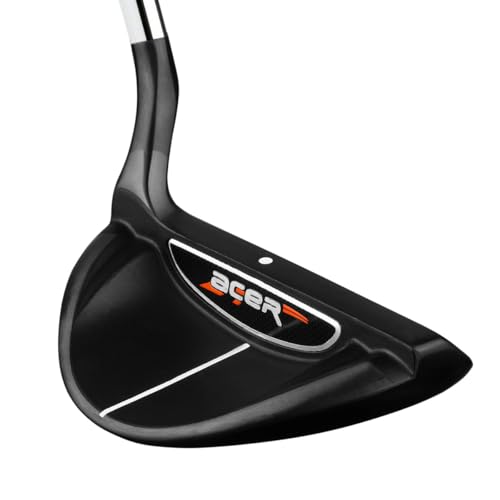
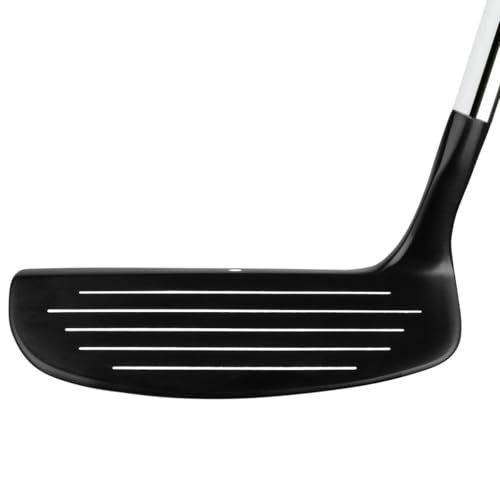
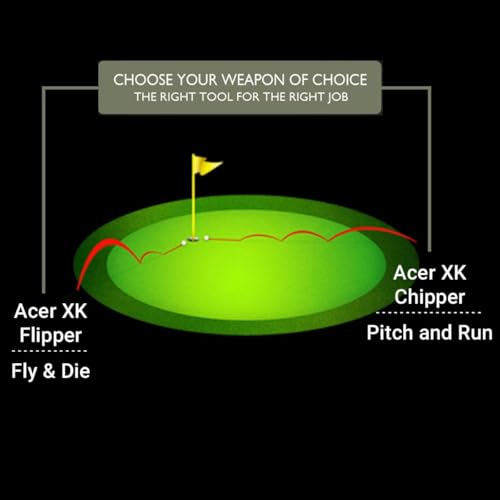
The Acer XK Flipper is in a category of its own with a 46-degree loft, that’s closer to a sand wedge than a traditional chipper. It’s designed for players who want to carry the ball a little higher and have it check quickly, then roll to the hole. The 2:1 fly-to-roll ratio is a smart concept for modern greens, and the putter-length setup helps eliminate wrist breakdown.
But this much loft pushes it into wedge territory, and some owners report it’s easy to chunk or blade if your stroke is too steep. The gooseneck hosel helps prevent shanks, and the black PVD finish looks sharp, but it’s a niche tool. Compared to the MAZEL or Odyssey, it’s less about consistency and more about shot-shaping. I’d recommend it only if you frequently face tight pin positions and need more carry than a 35-degree club allows.
Product photos

MYKUJA Two-Way Chipper Putter
Strengths
- Lightweight and easy to swing
- Dual-handed design
- Wide sole for forgiveness
Trade-offs
- Not USGA legal
- Lower durability than premium models
- Plastic-like feel reported by some
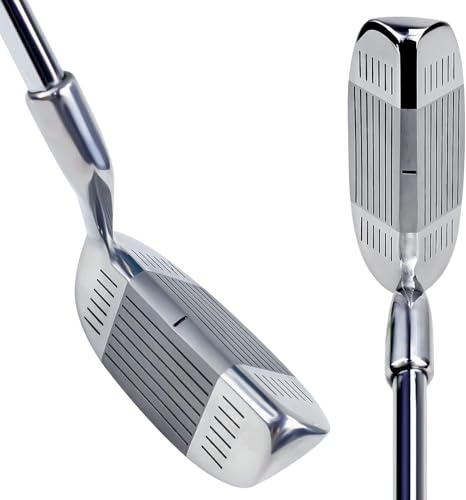
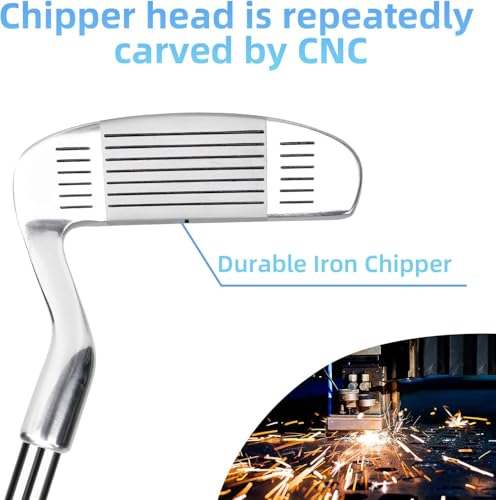
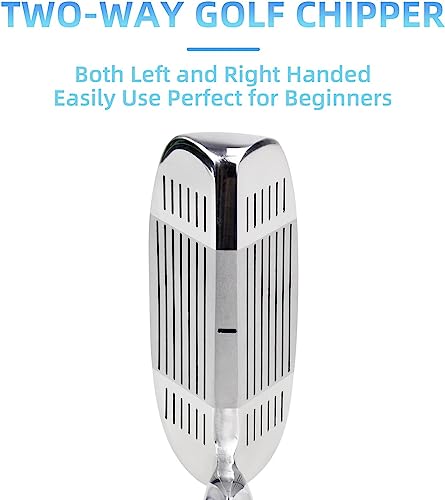
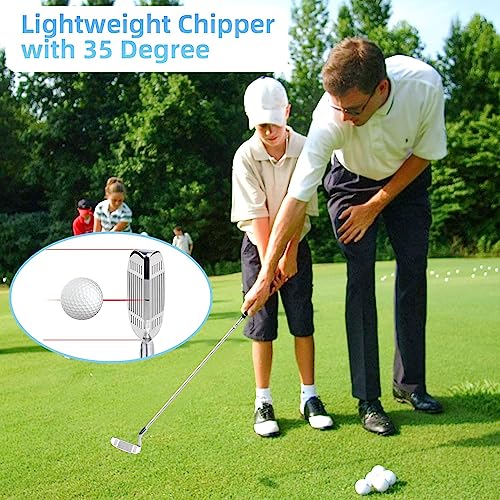
The MYKUJA chipper has a lot going for it on spec, dual-handed design, lightweight build, and a wide sole that should handle rough or hardpan well. The 35.5-inch length and 36-degree loft sit in a sweet spot for players wanting a little more lift than a traditional chipper. Owners say it’s easy to swing and holds its line well, especially for recreational players who just want to get up and down more often.
But here’s the catch: it’s explicitly not suitable for official competition, which immediately limits its appeal. That disclaimer alone makes it a no-go for anyone who plays real rounds. Compared to the Pinemeadow or MAZEL, it feels more like a practice toy than a serious tool. The chrome-and-white finish might look sharp in your bag, but if you care about rules compliance, this one’s off the table.
Product photos


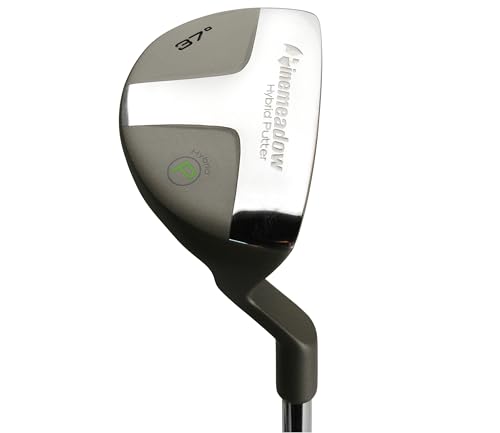
Pinemeadow Golf Chipper 37°

Strengths
- Forgiving mallet design
- Good turf interaction
- Strong value for mallet lovers
Trade-offs
- Basic alignment system
- No premium materials
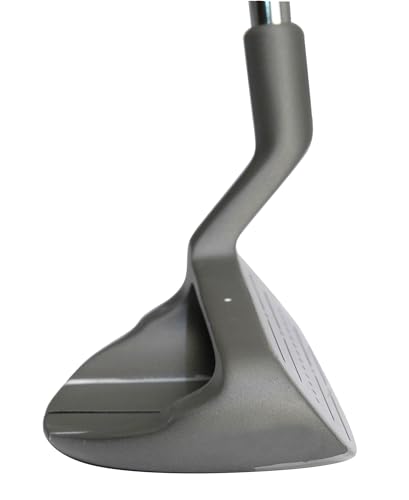
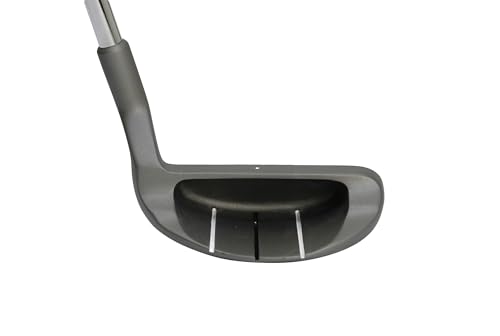
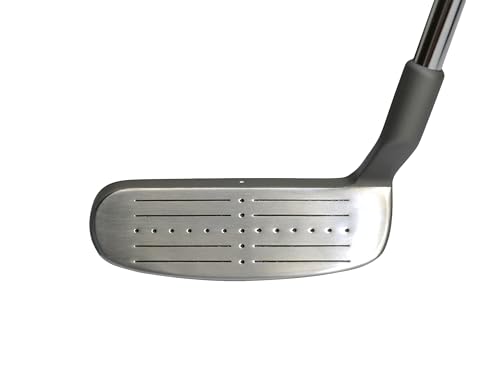
Pinemeadow has built a reputation for delivering solid performance at a fraction of big-brand prices, and this mallet-style chipper continues that trend. The heavy head and offset hosel promote a hands-ahead setup, which is exactly what you need for crisp, descending contact on chip shots. It’s designed like a hybrid between a putter and a wedge, and that shows in how it glides through turf without digging.
Compared to the Odyssey, it’s not as refined, but it’s far more forgiving on mis-hits thanks to the mallet shape and perimeter weighting. Owners appreciate how stable it feels, especially from tight lies or hardpan. For players who want a confidence-inspiring head shape without the premium price, this is a smart middle ground. It doesn’t have flashy tech, but it gets the job done.
Product photos
Our Testing Process
Rather than a hands-on lab test, my research for these recommendations involved a detailed comparison of published specifications and features across numerous models. I weighed owner reviews from major retailers against assessments from golf publications and websites, focusing on reported performance and durability. Ultimately, I ranked these chippers based on how well they addressed common chipping challenges and aligned with different golfer skill levels.
For chippers, loft and sole design proved to be the most critical factors. Loft determines the trajectory and roll of the chip shot, impacting how easily a golfer can control distance. A wider sole helps prevent digging, especially from tighter lies, and increases forgiveness. These two elements heavily influenced my rankings, as consistent chipping relies heavily on both. I also considered ease of alignment features.
Specifications reliably indicate loft, length, and head weight, providing a baseline for comparison. However, I heavily relied on owner feedback to understand real-world performance – how the club feels during a swing, its forgiveness on mishits, and its effectiveness from various lies. Reputation and consistent positive comments regarding accuracy and ease of use were strong indicators of a quality chipper. If you’re also looking to upgrade other parts of your bag, check out our guide to the best golf clubs.
Choosing The Right chipper golf clubs
Finding the right chipper can dramatically lower your scores around the green. It’s a club that bridges the gap between putting and wedge play, offering a simpler, more consistent alternative for those tricky shots.
A quality chipper blends putter-like stability with enough loft to get the ball rolling quickly. Key factors include loft degree, head weight, alignment features, and how well the design suits your typical chipping style. Look for durable materials like stainless steel and a comfortable grip to maximize control and consistency.
Loft: Matching The Club To Your Game
The loft of a chipper is arguably the most important factor. Lower loft chippers (around 32-35 degrees) are ideal for bump-and-run shots, especially on faster greens, and are favored by players who prefer a more controlled roll. Higher loft options (37-46 degrees) allow for more air time and a softer landing, better suited for shots over bunkers or onto tighter pin positions. It’s tempting to go with higher loft thinking it’s more forgiving, but it requires a more precise swing.
- A 32-degree chipper excels at keeping the ball low and running, perfect for firm fairways.
- A mid-range 35-37 degree chipper offers a good balance of roll and carry, a versatile choice for most conditions.
- A 46-degree chipper (like the Acer XK Flipper) is almost a pitching wedge substitute, designed to stop quickly – it’s a specialist club best for those who struggle with distance control using a wedge and are comfortable with a steeper swing path.
Head Weight & Design: Stability & Feel
The head weight and overall design significantly impact the feel and ease of use. Many chippers incorporate a heavier head, mimicking the feel of a putter, promoting a smooth, pendulum-like swing. This helps minimize wrist action, a common cause of inconsistent chips. Mallet-style heads, like those found on the Pinemeadow Golf Chipper 37°, offer increased stability and forgiveness, while blade-style heads provide a more traditional feel. Ultimately, this comes down to personal preference, but I find most golfers benefit from the added stability of a heavier head.
Don’t overthink the swing. A chipper should feel like an extension of your putting stroke – smooth and controlled.
Value & Forgiveness: Getting The Most For Your Money
While high-end chippers offer premium materials and refined designs, excellent performance doesn’t always require a hefty price tag. The Intech EZ Roll 35° Chipper demonstrates that you can find a very capable club without breaking the bank. Beyond price, consider features that enhance forgiveness. A wide sole, for example, helps prevent digging into the turf, while alignment aids like the visual lines on the MAZEL 37° Chipper Club can help you consistently square the face at impact. If you’re still building out your bag, you might consider starting with complete golf sets to get a chipper alongside everything else you need. For those looking to refine their short game overall, exploring various chipping clubs is a great starting point.
Chipper Golf Clubs Compared
This table summarizes key specifications for various chipper golf clubs to aid in comparison.
| Product Title | Loft | Length (in) | Handedness | Material | Features |
|---|---|---|---|---|---|
| Odyssey Chipper 25 | N/A | 35.5 | Right | N/A | N/A |
| Intech EZ Roll 35° Chipper | 35° | 35 | Right | N/A | N/A |
| PGM 32° Golf Chipper | 32° | 35 | Right | Stainless Steel | N/A |
| MAZEL 37° Chipper Club | 37° | N/A | N/A | N/A | N/A |
| Acer XK Flipper 46° Chipper | 46° | 34 | Right | Steel | N/A |
| MYKUJA Two-Way Chipper Putter | 36° | 35.5 | Both | Stainless Steel | N/A |
| Pinemeadow Golf Chipper 37° | 37° | N/A | N/A | N/A | N/A |
Frequently Asked Questions
What loft should I choose if I struggle with distance control?
A higher loft (37-46 degrees) can help, but only if you’re comfortable with a steeper swing. Many golfers find that starting with a mid-range loft (35-37 degrees) offers a better balance of carry and roll, making distance management easier to learn.
Are chippers suitable for beginners?
Yes, chippers are often recommended for those new to the game as they simplify the chipping motion. They encourage a putting-like stroke, reducing the complexity of a traditional wedge swing, and can help build confidence around the green – especially when paired with beginner golf clubs.
What material is best for a chipper head?
Stainless steel is a common and reliable choice for chipper heads, offering a good balance of durability and feel. While more expensive materials exist, stainless steel provides excellent performance for most golfers without a significant price increase.
Can a chipper help with chipping from rough lies?
While chippers excel on shorter grass, they can be challenging from thick rough. A wider sole design can help prevent digging, however, a traditional wedge is generally better suited for navigating more challenging lies.
Do I still need a sand wedge if I have a chipper?
Absolutely. A chipper is a specialized club for controlled roll and shorter chip shots. You’ll still need a sand wedge – or other wedges – for bunker shots, longer chips with more carry, and full swings around the green. You might also consider looking into the best 9 wood clubs to round out your set.
The Bottom Line
Choosing a chipper often comes down to how much control you want versus how much forgiveness you need. While a precise, lower-loft option can be incredibly effective in skilled hands, I believe the Odyssey Chipper 25 strikes the best balance for most golfers, offering a blend of stability and ease of use that translates to more consistent results around the green. It’s a solid all-around performer that won’t leave you wanting for more.
For golfers on a tighter budget, the Intech EZ Roll 35° Chipper is an outstanding value, providing surprisingly good performance for the price. If you prioritize versatility and need a club that can handle a variety of lies and shot types, the Pinemeadow Golf Chipper 37° is a fantastic choice. And for those who struggle with distance control and prefer a steeper swing path, the Acer XK Flipper 46° Chipper provides a specialist solution. Don’t forget, exploring forgiving clubs can also boost consistency across your short game.
Ultimately, the best chipper isn’t about fancy features or cutting-edge technology. It’s about finding a club that feels comfortable in your hands and inspires confidence. Focus on matching the loft to your typical chipping style, prioritizing a smooth, pendulum-like swing, and remember that consistency comes from practice – not from the club itself. If you are looking to improve your overall game, consider also looking at best 7 hybrid clubs.
