
6 Best Golf Balls for Beginners & High Handicappers 2026
This post contains affiliate links. As an Amazon Associate, we earn from qualifying purchases.
This post contains affiliate links. As an Amazon Associate, we earn from qualifying purchases.
The TaylorMade Distance+ is our top pick for beginners and high handicappers, delivering reliable distance and a soft feel right out of the pack. For those watching their budget, the Callaway Supersoft 2023 stands out with its ultra-low compression and easy launch. If visibility matters, the PGM High Visibility ball makes tracking your shot simple without sacrificing performance.
New golfers often waste money on balls built for pros, only to lose them in the trees or struggle with inconsistent flight. After comparing the field and reading through countless owner experiences, I focused on what actually helps beginners improve, distance, forgiveness, and value.
This guide cuts through the marketing noise, highlighting balls that match slower swing speeds and prioritize real-world durability. We looked at core tech, compression, cover resilience, and how easy they are to find in the rough, because losing a dozen balls a round shouldn’t break the bank.
Top 6 Golf Balls For Beginners And High Handicappers in the Market
The Best Golf Balls For Beginners And High Handicappers, Reviewed
TaylorMade Distance+ Golf Balls
Strengths
- Explosive distance
- Soft feel for mid-handicappers
- Alignment aid for putting
Trade-offs
- Mid/high spin off driver
- Limited short-game feedback
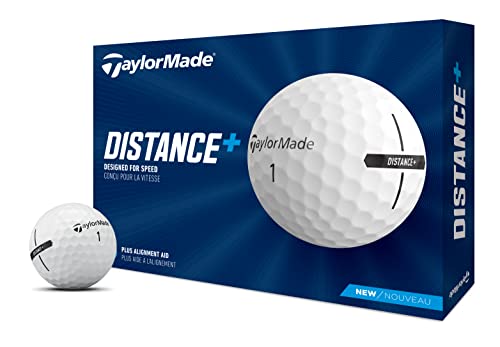
If you’re a beginner or high handicapper chasing more distance without sacrificing feel, the TaylorMade Distance+ sits right in the sweet spot. On paper, the REACT Speed Core is built to ramp up ball speed, and owners consistently report noticeably longer drives compared to older, basic two-piece balls. The mid-launch trajectory and max-distance dimple design do their job, helping weaker swings get the ball airborne and keep it there, even in wind.
I’d pick these over pricier tour-level balls any day if you’re still building consistency. The ionomer cover keeps spin in check on mishits, which means fewer snap hooks and blocks, and the alignment aid on the side actually helps on the greens. Compared to something like the Srixon Q Star Tour, it’s not going to offer finesse wedge control, but for the kind of golfer who values forgiveness and flight over precision, this is a smarter buy.
Video review
Callaway Supersoft Golf Balls 2023
Strengths
- Extremely soft feel
- High launch for slow swings
- Excellent distance consistency
Trade-offs
- Limited spin around greens
- Shorter shelf life than Surlyn-covered balls
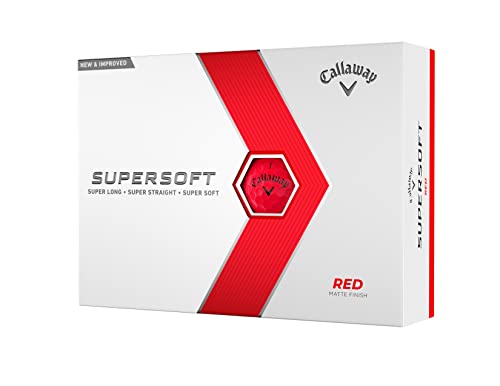
Callaway’s Supersoft has been a go-to for beginners for years, and the 2023 version doubles down on what works: an ultra-low-compression core that launches high and feels buttery at impact. The HyperElastic SoftFast Core is designed to boost ball speed without demanding clean strikes, ideal for slower swing speeds. Reviewers consistently praise how straight these fly, even off mis-hits, and the red color variant makes them easy to follow in the air.
The hybrid cover helps balance durability and feel, though it doesn’t grip wedge grooves like a urethane-covered ball. Still, for a two-piece, it offers surprisingly decent short-game response. Compared to the Amazon Basics or Nitro balls, this one feels more refined and consistent. I’d recommend it over those if you want a premium feel without paying tour-ball prices.
Video review
Nitro Long Distance Golf Balls
Strengths
- Extremely affordable
- Durable cut-proof cover
- Long, straight flight
Trade-offs
- Harsh impact feel
- Poor wedge spin
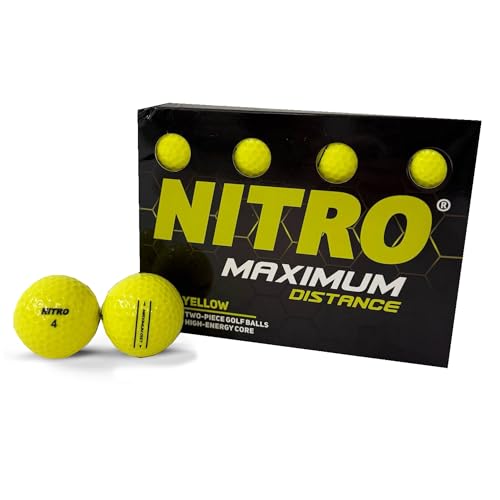
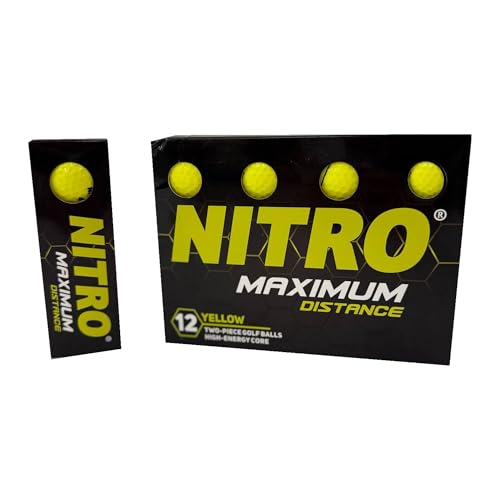
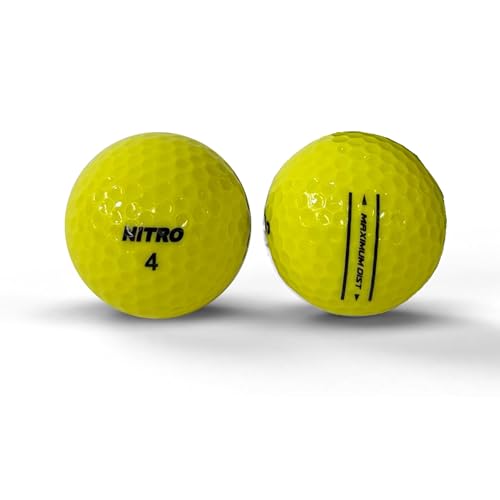
Nitro Long Distance balls are the definition of no-nonsense, get-it-in-the-air performance at a rock-bottom price. The titanium-infused core is a marketing flourish, but in practice, owners say these deliver surprisingly long, low-spin drives, perfect for beginners fighting slices. The Dupont Lithium Surlyn cover is tough as nails, surviving cart paths and tree scrapes that would wreck softer balls.
They’re not going to feel luxurious, and the short-game is forgettable, but for the price, they’re hard to beat. Compared to the Callaway Supersoft, they lack finesse, but they’re nearly half the cost. If you’re just starting out and losing balls every nine holes, this pack keeps you playing without guilt. I’d call them the workhorse of entry-level golf balls.
Product photos
PGM High Visibility Golf Balls
Strengths
- High-visibility colors
- Durable Surlyn cover
- Stable, straight flight
Trade-offs
- Average short-game control
- Not for spin-focused players
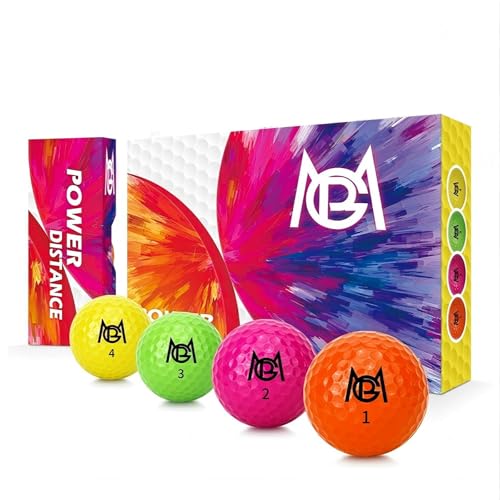
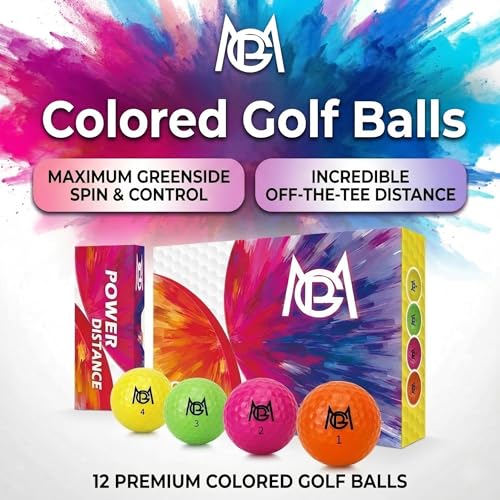
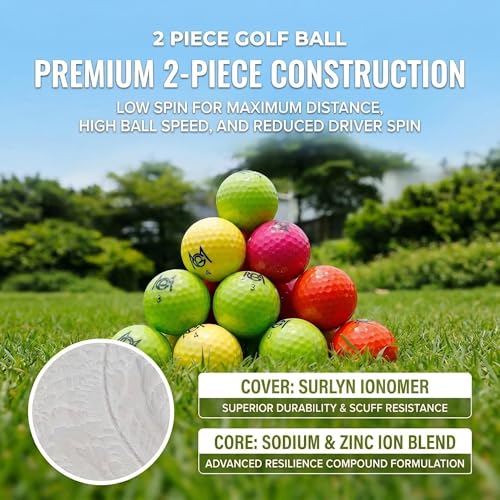
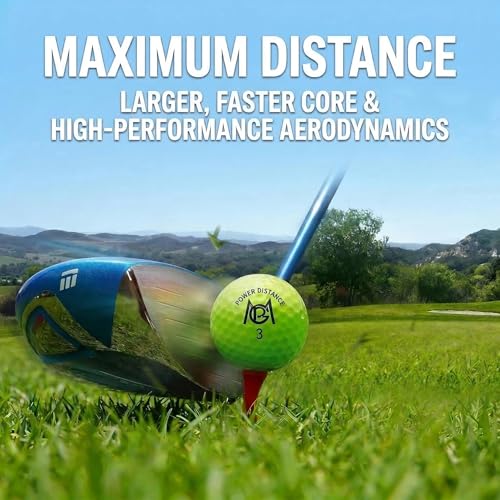
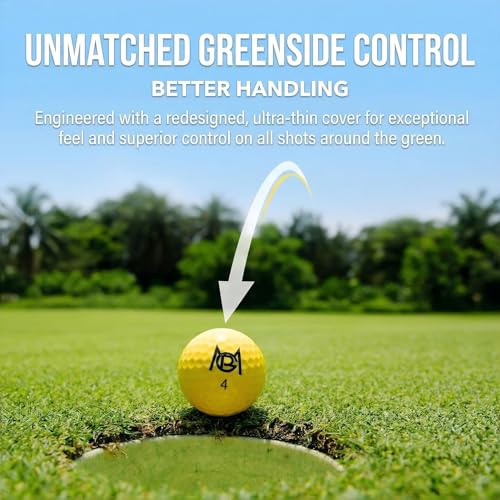
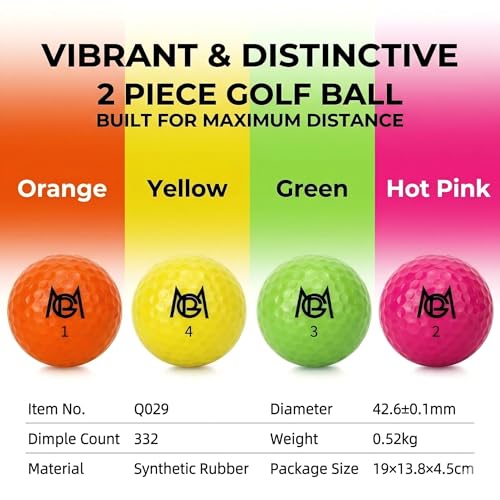
These PGM balls stand out, literally, thanks to their high-visibility fluorescent colors. For beginners who lose balls like I lose hats on golf trips, the bright orange, green, and pink hues make tracking shots through trees or rough far easier. Owners say they rarely lose a ball during casual rounds, which adds up over time. The high-energy core delivers solid off-tee speed, and the 332-dimple pattern keeps flight stable, though it won’t match TaylorMade or Callaway in raw distance.
Where these shine is durability and value for social play. The Surlyn cover laughs off cart paths and thin wedge shots, and the feedback is crisp without being harsh. They’re not going to impress a scratch golfer, but for weekend players or seniors just keeping the game fun, they’re a breath of fresh air. Compared to the Nitro budget pack, these feel more premium and track better in flight.
Product photos
Amazon Basics Core Soft Balls
Strengths
- Outstanding value
- Soft compression for beginners
- High-visibility yellow
Trade-offs
- Basic short-game response
- Less aerodynamic than premium balls
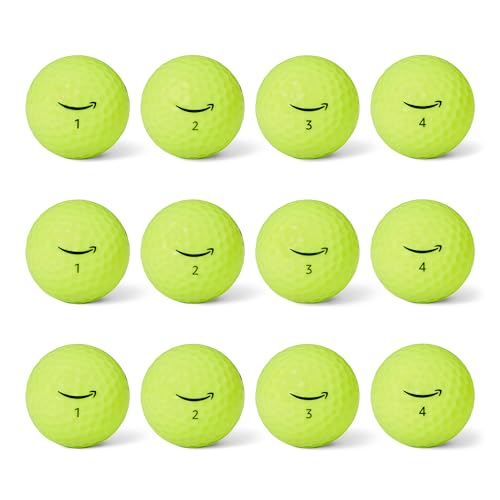
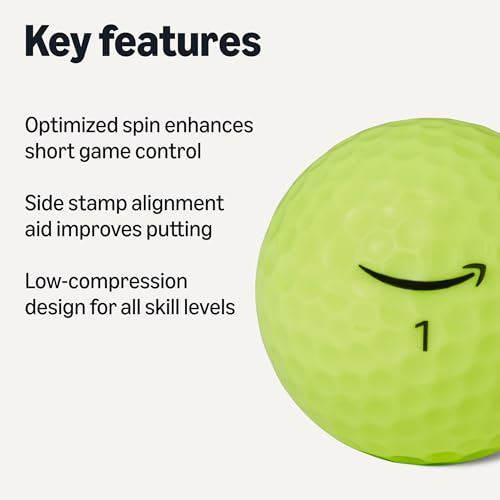
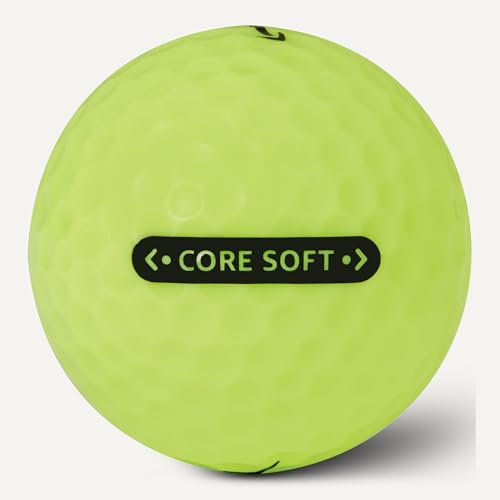
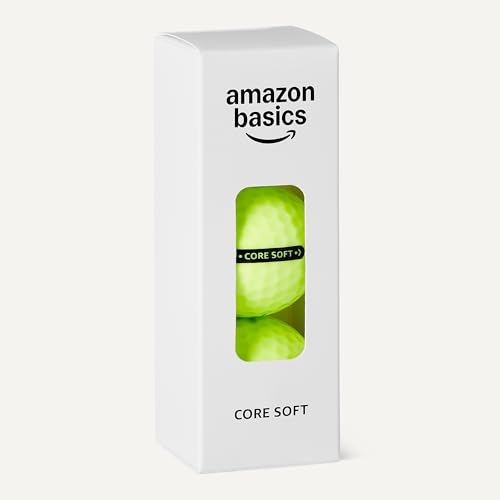
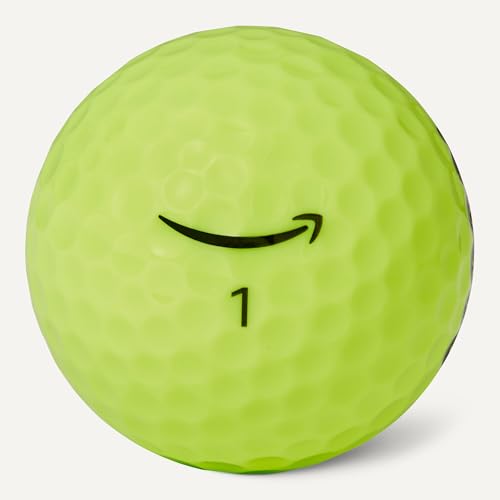
You won’t find a better value for reliable performance than the Amazon Basics Core Soft. At this price, they punch above their weight, delivering straight flight, a soft compression core, and a durable yellow cover that’s easy to spot. The side-stamp alignment aid is a small but smart touch that helps beginners line up putts without confusion.
Owners report these hold up well over multiple rounds, and while they won’t match the Supersoft in feel or the TaylorMade in aerodynamics, they come close enough for the price. I’d pick these over Nitro if you want something dependable for practice or casual rounds without feeling like you’re playing a discount ball. For new golfers still burning through balls, this pack makes financial sense.
Product photos
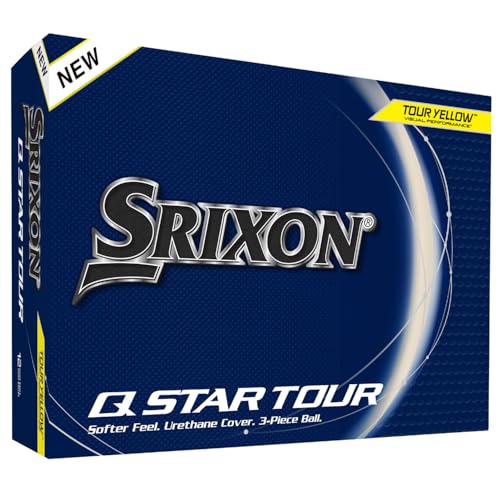
Srixon Q Star Tour Balls
Strengths
- Exceptional spin on wedges
- Soft, responsive feel
- Consistent flight in wind
Trade-offs
- Expensive for beginners
- Less durable than Surlyn-covered balls
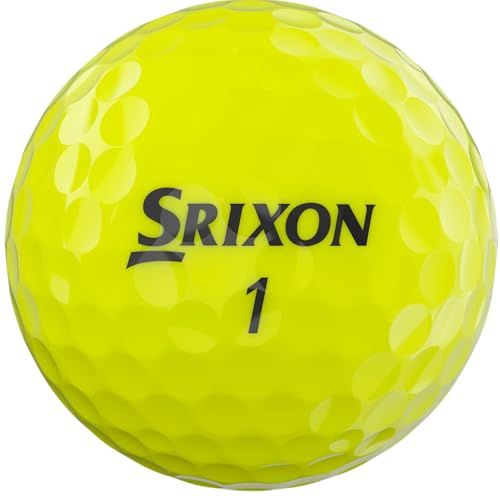
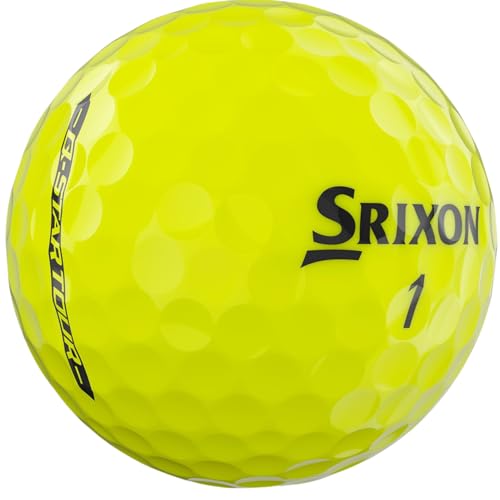
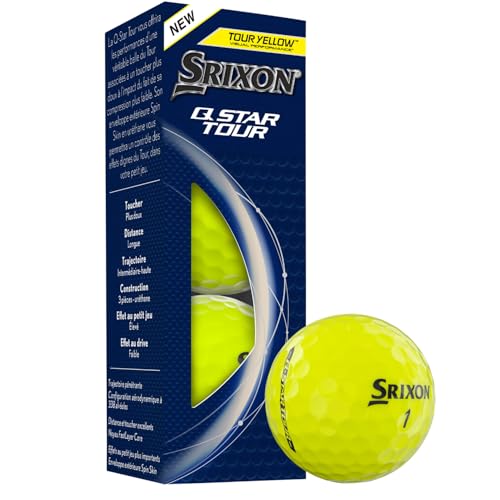
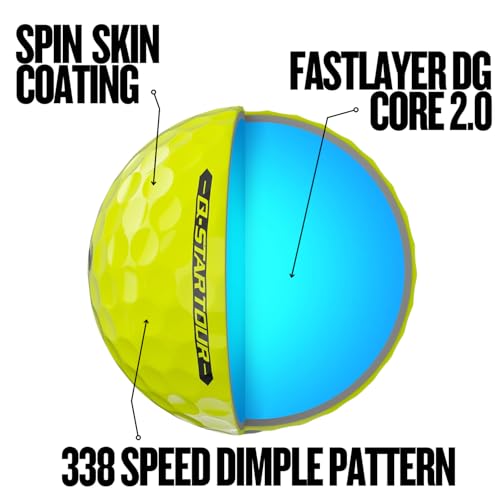
The Srixon Q Star Tour is the outlier in this list, priced higher and built for players stepping up from beginner to intermediate. It uses a urethane-like cover with Spin Skin technology, which reviewers say grabs wedge grooves noticeably better than standard two-piece balls. The FastLayer Core promotes good speed while maintaining a soft, responsive feel across irons and putts.
For a high handicapper serious about improving, this ball offers real feedback and better stopping power on approach shots, something the Nitro or Amazon Basics can’t match. But that comes at a cost: durability and value. If you’re still slicing it into the woods, you’re paying more to lose better balls. I’d recommend these only if you’re consistently breaking 100 and want to start refining your short game.
Product photos
How We Chose These golf balls for beginners and high handicappers
Rather than a hands-on lab test, my research for these recommendations focused on a detailed comparison of published specifications and features across numerous models. I weighed owner reviews from major retailers alongside assessments from respected golf publications. As someone who’s spent years advising golfers on equipment for travel, I applied my understanding of how different ball characteristics impact performance for less experienced players, ranking options against clear criteria tailored to their needs.
For beginners and high handicappers, distance and feel are paramount. A ball that offers substantial distance off the tee encourages confidence, while a softer feel provides better feedback and control around the green. I prioritized these elements, alongside forgiveness – the ability to maintain performance even on off-center hits. Understanding these factors is crucial; a golfer building their game doesn’t need tour-level spin control, they need consistent results. You can find more information on minimizing slice with balls for high handicappers.
Specifications reliably indicate core construction (one-piece, two-piece, etc.) and cover material (Surlyn, urethane), which directly influence feel and durability. However, I relied on owner feedback to gauge real-world performance, how a ball actually flies and feels for everyday golfers. Reputational factors were also considered, favoring established brands known for quality control. For those also seeking maximum yardage, exploring long and forgiving balls is a great next step.
How To Pick The Right golf balls for beginners and high handicappers
As someone who’s spent years exploring courses around the globe, I know firsthand how much a golf ball can impact your game. Choosing the right one isn’t about chasing what the pros use; it’s about finding a ball that complements your swing and helps you enjoy your time on the course.
A good golf ball for a beginner or high-handicapper prioritizes distance and forgiveness. Look for two-piece construction, a low compression core, and durable cover materials. Consistent performance and easy visibility are also key factors, as lost balls can quickly add up. Focus less on spin and more on getting the ball airborne and keeping it in play.
Core Construction & Compression
The core is where distance begins. For most of us, a two-piece construction is the sweet spot. These balls generally offer more distance and forgiveness than multilayer options. Compression is crucial too. Lower compression balls (below 80) compress more easily on impact, launching the ball higher and reducing spin – both benefits for slower swing speeds. Don’t get caught up in chasing tour-level compression; it’s wasted potential if you aren’t generating sufficient clubhead speed. I often recommend players consider beginner golf balls as a starting point.
Cover Material & Durability
The cover impacts feel and, to a lesser extent, spin. Surlyn covers are the most common for distance balls, offering excellent durability and resistance to cuts. Urethane covers, found on more premium balls, offer a softer feel and increased spin, but are less forgiving and more prone to scuffing. If you’re frequently hitting into trees or off cart paths, a Surlyn cover will save you money in the long run.
Here’s how I think about cover durability: * A thin cover feels great but scratches easily. * A moderately durable cover offers a good balance of feel and longevity. * A thick, Surlyn cover is a tank – it won’t feel as soft, but you’ll be amazed at how much abuse it can take before needing replacement.
Value & Visibility
Let’s be honest: as beginners, we lose balls. A lot of them. Buying a dozen premium balls only to slice one into the woods on the first tee isn’t a great investment. This is where value comes in. There are plenty of excellent, affordable options that deliver plenty of distance and forgiveness. Also, consider visibility. Brightly colored balls (orange, yellow) are much easier to find in the rough, saving you time, money, and frustration. Many players find that golf balls for amateurs provide the best bang for your buck.
A practical rule of thumb: don’t spend more on golf balls than you’re willing to lose. Focus on consistency and forgiveness over chasing marginal gains in spin or feel.
Golf Balls for Beginners and High Handicappers Compared
This table provides a side-by-side comparison of key specifications for golf balls designed for beginner and high handicap players.
| Product Name | Construction | Cover Material | Core Type | Dimple Pattern | Compression |
|---|---|---|---|---|---|
| TaylorMade Distance+ | Two-Piece | Ionomer | REACT Speed | Extended Flight | Mid |
| Callaway Supersoft 2023 | N/A | Hybrid | HyperElastic | N/A | N/A |
| Nitro Long Distance | Two-Piece | Lithium Surlyn | Titanium | Aerodynamic | Low |
| PGM High Visibility | Two-Piece | Surlyn | High-Energy Rubber | 332 | N/A |
| Amazon Basics Core Soft | N/A | N/A | Low Compression | N/A | Low |
| Srixon Q Star Tour | N/A | Urethane | FastLayer | 338 Speed | N/A |
Frequently Asked Questions
What compression should I look for in a golf ball?
Lower compression (below 80) is generally best for beginners and high handicappers. These balls compress more easily, leading to higher launch angles and more distance with slower swing speeds, and they offer a softer feel.
Are expensive golf balls necessary for improving players?
No, expensive balls aren’t required when you’re building your game. Focus on distance and forgiveness first, which are readily available in more affordable options. You’ll likely lose enough balls learning that spending more isn’t practical.
Will a softer golf ball really help my short game?
Yes, a softer cover can improve feel around the greens. While not a substitute for practice, the increased feedback helps with distance control on chips and putts, making it easier to judge how much the ball will roll.
How important is the dimple pattern on a golf ball?
Dimple patterns affect aerodynamics and flight stability. While complex patterns exist, for beginners, the difference between patterns is minimal compared to core construction and compression. You can find excellent performance in balls with standard dimple designs.
Should I choose a bright-colored golf ball?
Absolutely. Brightly colored golf balls (yellow, orange) are much easier to spot in the rough or light vegetation. Losing fewer balls saves you money and allows you to spend more time actually playing, which is why I often recommend considering golf balls for 20 handicap players.
The Bottom Line
Choosing golf balls often feels like a trade-off between outright performance and managing your budget – and honestly, for most of us, consistency is more valuable than chasing a few extra yards. Based on my research into specs and owner feedback, the TaylorMade Distance+ offers the best overall combination of distance, forgiveness, and value for beginner and high-handicap golfers. It delivers reliable performance off the tee and around the green without breaking the bank.
If you’re specifically looking to maximize distance on a tighter budget, the Amazon Basics Core Soft are hard to beat. For players who prioritize a softer feel and want to explore options beyond pure distance, the Callaway Supersoft 2023 is a solid choice, though it comes with a slightly higher price tag. And for those needing maximum visibility, the PGM High Visibility balls are a practical solution. Finding the right affordable golf balls can make all the difference.
Ultimately, the best golf ball is the one that inspires confidence and keeps you enjoying the game. Don’t get hung up on the intricacies of spin rates or tour-level technology. Focus on finding a ball that feels good coming off your clubface, offers reliable distance, and is forgiving enough to handle those inevitable mishits. A solid two-piece golf balls construction and a durable cover will serve you well as you build your game.
