
4 Best Golf Balls for Beginners 2026
This post contains affiliate links. As an Amazon Associate, we earn from qualifying purchases.
This post contains affiliate links. As an Amazon Associate, we earn from qualifying purchases.
The best golf ball for beginners is the Callaway Supersoft 2025, offering a perfect mix of distance, soft feel, and forgiveness. For a budget-friendly option, the Callaway Warbird delivers strong performance at a lower price, while the Titleist TruFeel stands out if you prioritize an ultra-soft feel right from the start.
New golfers often waste money on balls designed for pros, only to lose them in the woods or water. The reality is, you need a ball that helps you learn, not one that highlights your flaws.
This guide cuts through the noise, focusing on specs, real-world feedback, and what actually matters when you’re starting out, feel, forgiveness, and value. These picks were chosen based on compression, cover material, and how well they perform for slower swing speeds.
Top 4 Golf Balls For Beginners in the Market
The Best Golf Balls For Beginners, Reviewed
Callaway Supersoft Golf Balls 2025

Strengths
- Balanced performance
- Soft feel with good distance
- Durable hybrid cover
Trade-offs
- Slightly higher price
- Not Tour-level spin
This is the closest thing to a balanced all-rounder in the beginner ball market. The HyperElastic SoftFast Core and Hybrid Cover combo gives you both low-compression softness and surprising ball speed, which explains why so many new golfers land here after trying others. It launches higher than the TruFeel and holds its line better than the Warbird, with noticeably better spin on approach shots.
Owners praise its durability and consistency round after round, and compared to the TaylorMade Distance+, it feels more refined, especially on finesse shots. It’s not the absolute softest or longest, but it splits the difference so well that it earns the ‘best overall’ label honestly. For someone still figuring out their game, that versatility is invaluable.
Video review
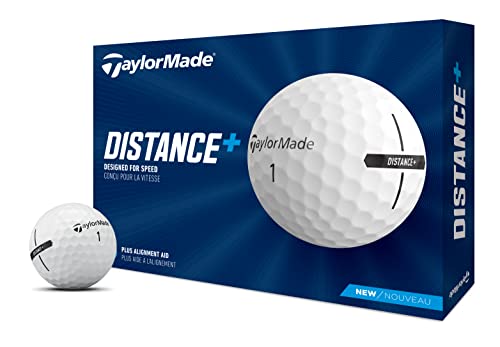
TaylorMade Distance+ Golf Balls
Strengths
- Explosive ball speed
- Alignment aid
- Wind-resistant flight
Trade-offs
- Average greenside control
- Mid/high spin can exaggerate slices
TaylorMade isn’t subtle with the Distance+, it’s built to go long, plain and simple. The REACT Speed Core and Extended Flight Dimple Pattern are engineered to maximize hang time and resist wind, and on paper, it stacks up well against the Warbird. What sets it apart is the alignment aid, a rare feature in beginner balls that actually helps new players square up putts and fairway shots more consistently.
Feel-wise, it’s softer than older TaylorMade distance models, and reviewers confirm it’s a step up from basic two-piece balls in comfort. Still, it lags behind the Supersoft and TruFeel in short-game responsiveness. If you’re someone who struggles with direction as much as distance, the alignment feature alone might justify the pick, especially since it matches the Warbird’s price point.
Video review
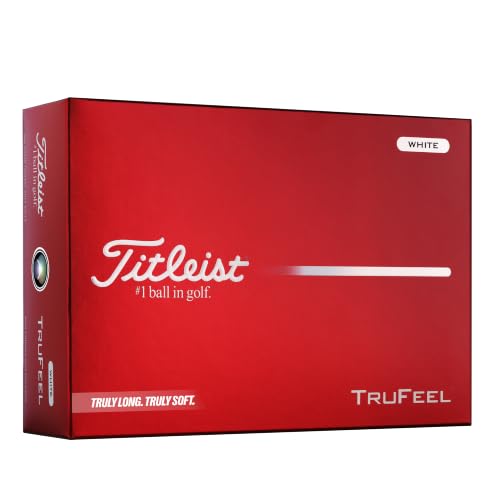
Titleist TruFeel Golf Balls
Strengths
- Ultra-soft feel
- Greenside spin
- Trusted Titleist quality
Trade-offs
- Less distance on drives
- Lower launch angle
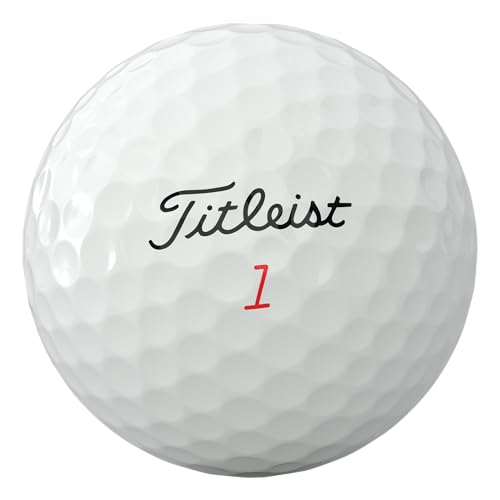
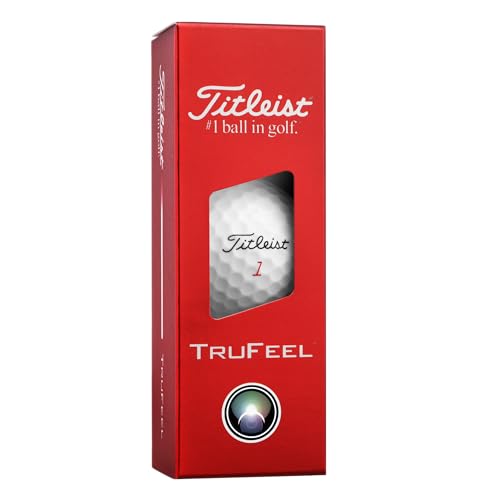
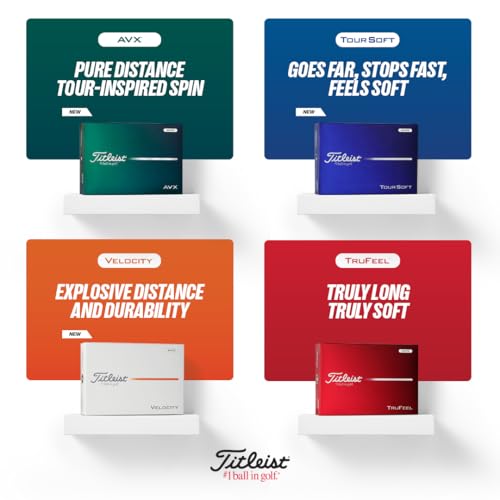
Titleist built the TruFeel for players who want a taste of that premium feel without paying Pro V1 prices, and it shows. The TruFlex cover and 376-dimple design work together to deliver a low, penetrating flight and noticeably soft response, especially on chips and putts. Owners consistently report it’s one of the softer-feeling balls in the sub-$30 range, which helps build confidence when you’re still learning touch.
That said, it’s not a distance monster. Compared to the Warbird or Distance+, it doesn’t launch as high or carry as far, particularly for beginners with less clubhead speed. But if you’re the type who values feedback from the clubface and wants better control near the green, this is a smarter pick. I’d recommend it for newer players who are already working on their short game and want a ball that won’t punish mistakes in feel.
Product photos


Callaway Warbird Golf Balls
Strengths
- High ball speed
- Long carry distance
- HEX aerodynamics
Trade-offs
- Limited greenside control
- Firmer than expected
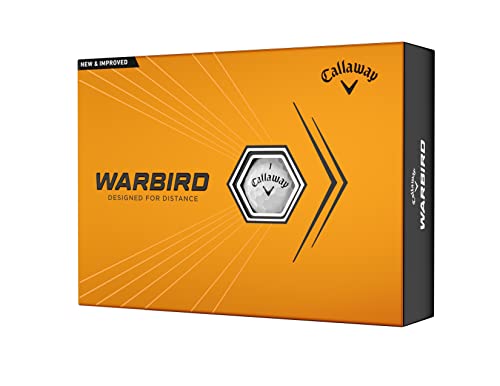
If you’re a beginner looking to eke out every extra yard off the tee, the Warbird delivers on its distance-first promise. The extra-large core is built for high ball speed even with slower swing speeds, and that’s backed up by owner feedback noting consistent carry gains compared to older or entry-level models. HEX Aerodynamics isn’t just marketing fluff, it helps reduce drag and stabilize flight, which matters when you’re still dialing in your strike consistency.
Still, don’t expect Tour-level spin or finesse around the greens. It’s a two-piece ball at heart, so while Callaway claims ‘great greenside feel,’ most reviewers note it’s adequate at best. Compared to the Supersoft, it trades some touch for raw power. But if your main goal is keeping the ball in play and maximizing distance, this one makes a lot of sense.
Product photos


How We Chose These golf balls for beginners
Rather than a hands-on lab test, my research focused on comparing published specifications and features across numerous models. I weighed owner reviews from major retailers alongside expert opinions found in golf publications. As someone who spends a lot of time thinking about what makes a great golf experience, I applied my understanding of the beginner golfer’s needs and ranked these golf balls for beginners based on clear criteria.
For beginner golfers, I prioritized feel and distance, alongside forgiveness. A softer ball provides better feedback, helping new players understand contact. Distance is key to encouragement, and a ball that minimizes the impact of off-center hits builds confidence. These factors heavily influenced my rankings, as they directly address common struggles for those just starting out.
Specifications reliably indicate core construction and dimple patterns – directly impacting distance and flight characteristics. However, I relied on owner feedback to gauge true feel and durability. Reputation also played a role; established brands like Titleist and Callaway often deliver consistent performance, and many new players benefit from recognizable names when selecting balls for starting out.
How To Pick The Right golf balls for beginners
Choosing your first set of golf balls can feel overwhelming. There’s a lot of marketing hype, and what works for a pro won’t necessarily work for someone just starting out.
A good golf ball for a beginner prioritizes feel and forgiveness over raw distance. Look for balls with a softer cover and lower compression, as these will transmit less shock and offer more control around the greens. Understanding dimple patterns and core construction is helpful, but secondary to overall feel for new players.
Understanding Compression
Compression is often the first spec beginners get hung up on. Simply put, it measures how much the ball squishes upon impact. Lower compression balls (typically under 80) are easier to compress, meaning you don’t have to swing as hard to get the ball to launch. This is hugely beneficial for slower swing speeds common among new golfers. Don’t chase high compression balls promising maximum distance; you’ll likely lose control and feel. I often recommend starting with a ball in the 60-70 compression range and adjusting from there.
Prioritizing Feel and Softness
Feel is subjective, but incredibly important, especially when you’re learning. A softer golf ball provides more feedback, allowing you to better understand what’s happening at impact. This helps develop consistency. The cover material plays a big role here; Surlyn covers are durable and affordable, while urethane covers offer superior feel and spin, but at a higher cost. For those just starting, a softer Surlyn blend can be a sweet spot. Consider exploring forgiving golf balls for beginners to find options that maximize feedback.
Balancing Cost and Performance
Golf can be an expensive hobby, and losing balls is part of the learning process. Don’t feel pressured to buy the priciest balls on the market. There are plenty of excellent options that offer a good balance of performance and value. Here’s what to consider: * Quantity: Buying in bulk can significantly reduce the cost per ball. * Recycled Options: Don’t dismiss refurbished or recycled balls. They can be a great way to save money. * Performance Drop-Off: While premium balls feel better, the performance difference may not be noticeable for a beginner. You might find great deals on affordable golf balls without sacrificing too much quality.
A beginner should expect to lose balls. Don’t invest heavily in premium options until your consistency improves. Focus on feel and forgiveness first, and worry about maximizing distance later.
Golf Balls for Beginners Compared
Here’s a spec-by-spec comparison of golf balls geared towards beginner players.
| Product | Construction | Cover | Core | Dimple Count | Feel |
|---|---|---|---|---|---|
| Callaway Supersoft 2025 | Two-Piece | Hybrid | SoftFast | 332 | Soft |
| TaylorMade Distance+ | Two-Piece | Ionomer | REACT Speed | 336 | Soft |
| Titleist TruFeel | Two-Piece | TruFlex | TruTouch | 376 | Ultra-Soft |
| Callaway Warbird | Two-Piece | N/A | High-Energy | 332 | N/A |
Frequently Asked Questions
What compression rating should I look for in a beginner golf ball?
A compression rating of 60-70 is ideal for most beginner golfers. Lower compression makes the ball easier to compress on impact, leading to better distance and feel for slower swing speeds. Don’t get caught up in the marketing around high-compression balls, as they require faster swing speeds to realize any benefit.
Will a more expensive ball actually help my game?
Not necessarily. While premium balls offer enhanced feel and spin, the performance difference isn’t significant for beginners. Focus on finding a ball that feels good and provides feedback, and consider affordable two-piece balls to minimize losses as you learn.
Are recycled golf balls a good option for starting out?
Yes, recycled golf balls are a great way to save money without sacrificing too much performance. They’ve typically only seen limited use and can be a cost-effective option, especially given the number of balls new golfers often lose. Just be sure to buy from a reputable dealer to ensure quality.
What’s more important: distance or feel when choosing a ball?
Feel is more important for beginners. A ball that provides good feedback helps you understand what’s happening at impact, which is crucial for developing a consistent swing. Distance will come with improved technique, so prioritize feel initially. You might even find best all-round balls offer a good balance of both.
How does the cover material affect a golf ball’s performance for beginners?
A softer cover, like a Surlyn blend, is best for beginners because it provides more feel and feedback. Urethane covers offer even more feel and spin, but they’re typically found on more expensive balls. A durable 2-piece construction with a Surlyn cover can be a practical and forgiving choice.
The Bottom Line
Choosing golf balls always involves a trade-off between cost and performance, but for a beginner, prioritizing forgiveness and feel is paramount. While there are many options available, the Callaway Supersoft 2025 consistently stands out as a fantastic all-around choice, offering a blend of softness and distance that inspires confidence. It’s a ball that won’t punish mishits too severely and will help you develop a better sense of connection with your swing.
If budget is a primary concern, or you anticipate losing a few balls along the way, the TaylorMade Distance+ provides excellent value without sacrificing too much in terms of playability. For those prioritizing an exceptionally soft feel, and are willing to spend a bit more, the Titleist TruFeel is a superb option, offering enhanced feedback and control around the greens. You can find more affordable balls for beginners as well.
Ultimately, the best golf ball for you isn’t about chasing the latest technology or the longest distance. It’s about finding a ball that feels good in your hands, provides feedback to help you learn, and encourages you to keep swinging. Focus on building a solid swing and understanding your contact, and the right ball will amplify those improvements – don’t get too caught up in the details of our thorough ball guide.
