
7 Best Golf Driving Irons of 2026
This post contains affiliate links. As an Amazon Associate, we earn from qualifying purchases.
This post contains affiliate links. As an Amazon Associate, we earn from qualifying purchases.
The COOLO Golf 1# Driving Iron is the best overall for its explosive distance and maraging steel face, while the MAZEL #2 Driving Iron offers a solid budget-friendly option with strong forgiveness. For players wanting more control and a cleaner turf interaction, the Srixon ZXi Utility #4 Iron is a top versatility pick.
Choosing the right driving iron isn’t just about raw power, it’s about finding a club that fits your swing and plays well across different courses. Many golfers struggle with consistency off the tee or feel stuck between a hybrid and a long iron, and that’s exactly where a well-designed driving iron can make a difference.
This guide cuts through the noise by focusing on what actually matters: real-world performance, build quality, and feedback from players who’ve used these clubs on the course. I researched each model based on specs, construction, and owner experiences to highlight the ones that deliver where it counts.
Top 7 Golf Driving Iron in the Market
The Best Golf Driving Iron, Reviewed
COOLO Golf 1# Driving Iron

Strengths
- Maraging steel face
- Hollow head design
- Graphite shaft lightness
Trade-offs
- Less compact look
- Not for purists
If you’re looking for the best overall blend of performance and value, the COOLO 1# driving iron stands out, not just for its maraging steel face, but for how it balances distance, feel, and playability. The hollow head and graphite shaft combo makes it easier to generate speed, and owners consistently report longer, more consistent tee shots compared to their old 2-irons.
It’s not a tour-level blade, but it doesn’t pretend to be. The bulkier head inspires confidence at address, and the lighter shaft helps maintain tempo. When compared to similarly priced options, it offers better face technology and a more refined sound profile, making it a smart upgrade for average golfers stepping into driving irons for the first time.
Video review
TaylorMade DHY #2 Driving Iron

Strengths
- Maraging steel face
- Speed Pocket tech
- Tungsten weighting
- Forged feel
Trade-offs
- Premium price
- Limited workability
TaylorMade’s DHY line has always balanced forgiveness and playability, and this #2 iron is no exception. The maraging steel face and Speed Pocket tech are serious upgrades you don’t typically see at this tier, and on paper, they translate to impressive ball speed retention, even on mis-hits.
Compared to other driving irons in the $250 range, the DHY stands out with its forged 4140 OptiFace and internal tungsten weighting, features that boost MOI and launch consistency. Reviewers note it’s more forgiving than a traditional muscle-back but still offers enough feedback for mid-handicappers aiming to tighten their long-game dispersion.
Video review
MAZEL #2 Driving Iron
Strengths
- Hollow body design
- Easy to launch
- Wide sole forgiveness
Trade-offs
- Durability concerns
- Average groove longevity
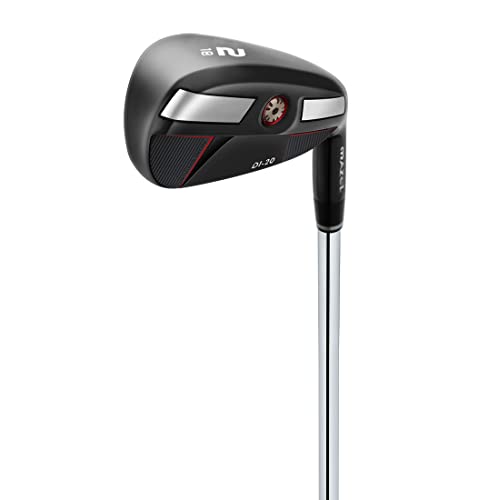
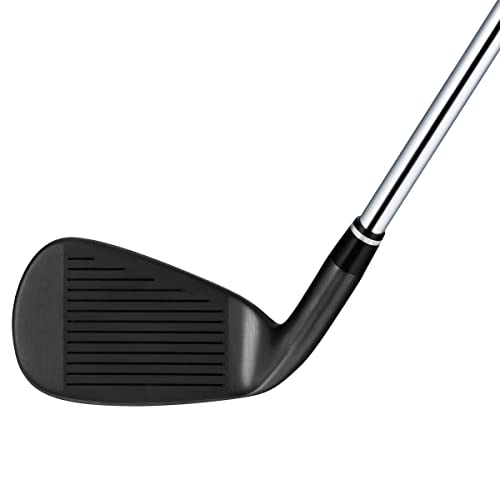
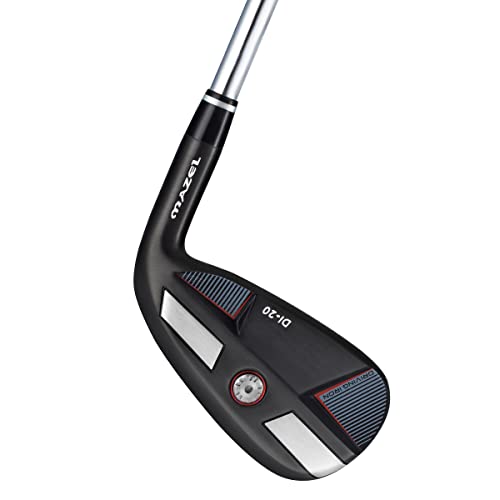
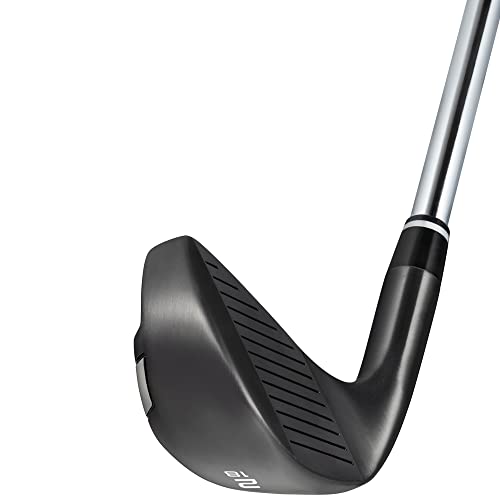
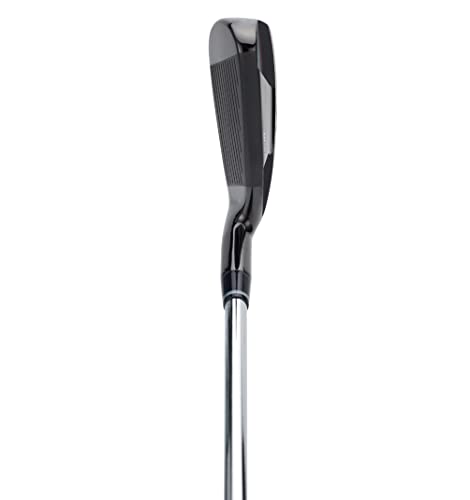
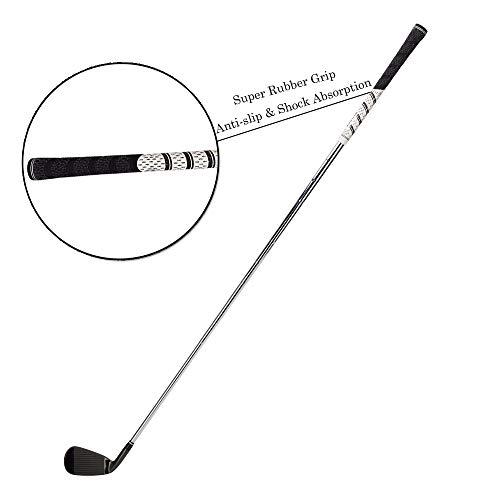
For a budget pick, the MAZEL hollow body design does more than just mimic premium builds, it delivers a solid launch and consistent contact, which is rare at this price. Owners consistently report it’s easier to get the ball airborne than with traditional long irons, and the wide sole helps reduce digging, especially from tight lies.
The CNC milled face is a standout feature on paper, promising better spin and control, though some reviewers note the grooves wear faster than expected. Still, for high-handicappers or beginners needing a confidence-boosting long iron replacement, this checks the right boxes.
Product photos
Dynacraft 18# Driving Iron

Strengths
- High-COR steel face
- Steel shaft durability
- Hollow-body forgiveness
Trade-offs
- Average sound quality
- Basic grip
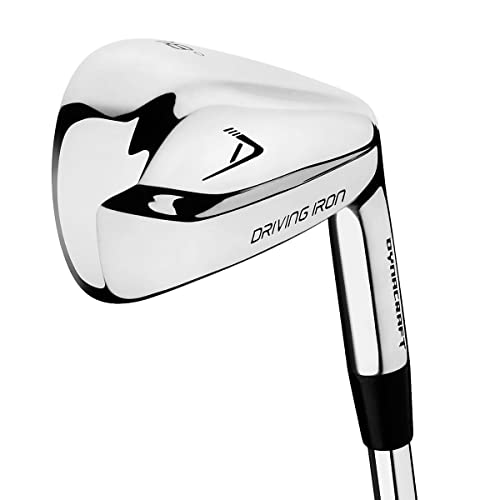
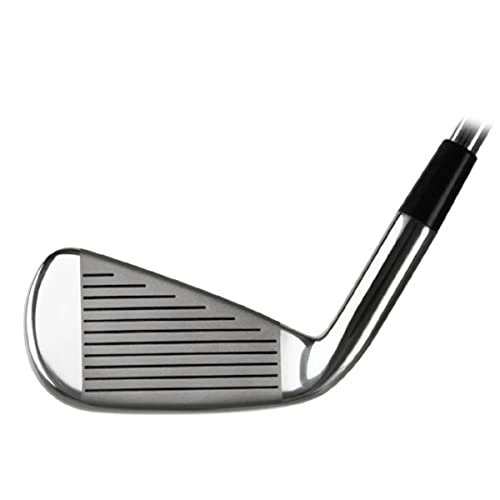
The Dynacraft 18-degree iron is a sleeper value pick, especially for players who want a steel-shafted driving iron without overspending. It uses a hollow-body build and a high-COR 17-4 stainless steel face, which on paper should deliver solid ball speed, and owner feedback confirms it performs well off the tee and fairway.
It’s not flashy, but it’s functional. The Uniflex steel shaft offers a balanced bend profile that suits a range of swing types, and the heat-treated face shows measurable gains in flex and rebound. Against pricier steel-shaft models, it holds its own in forgiveness and launch, though the sound is a bit hollow compared to forged competitors.
Product photos
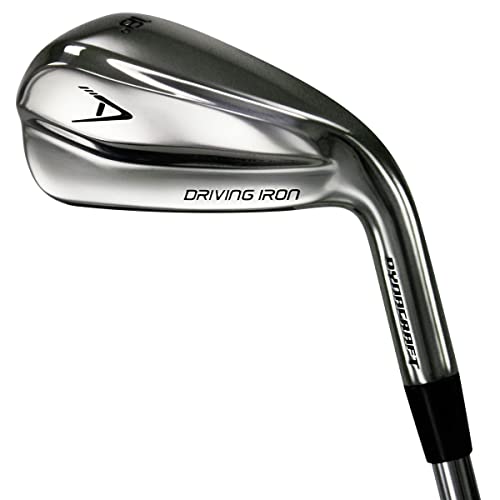
MAZEL Steel Shaft 2# Iron

Strengths
- Steel shaft stability
- Durable construction
- Low center of gravity
Trade-offs
- Harder to launch than hollow
- Less forgiveness on mishits
This steel-shafted option from MAZEL is a no-frills, durable choice for players who prefer a traditional feel without the premium markup. The stainless steel shaft delivers stability and better feedback than graphite, which some users say makes it easier to time their swing, though it does demand a bit more clubhead speed.
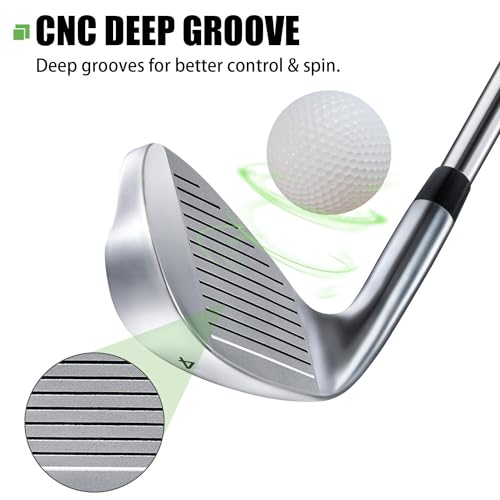
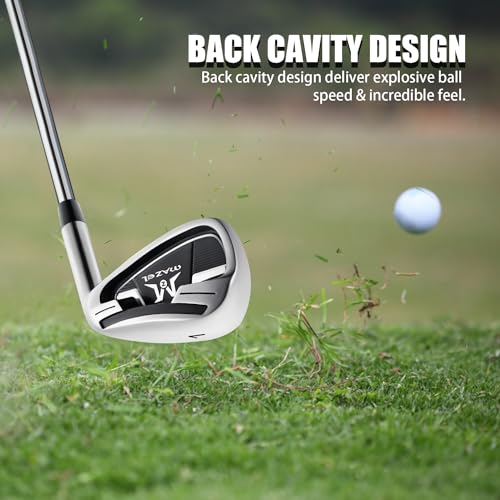
The back cavity design and low CG help with launch, but compared to hollow-body rivals, it’s less forgiving on off-center strikes. Still, for the price, the CNC milled face and solid build quality make it a credible option for players upgrading from older, worn-out long irons.
Product photos


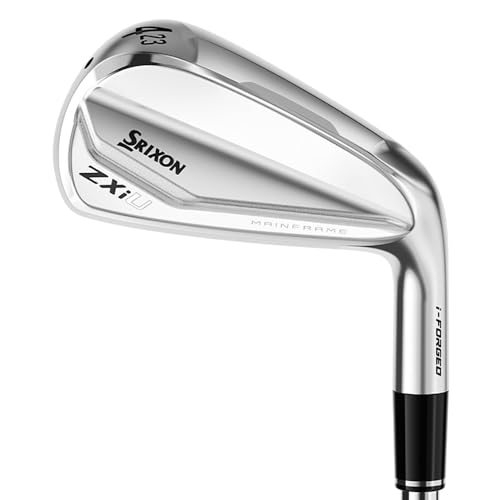
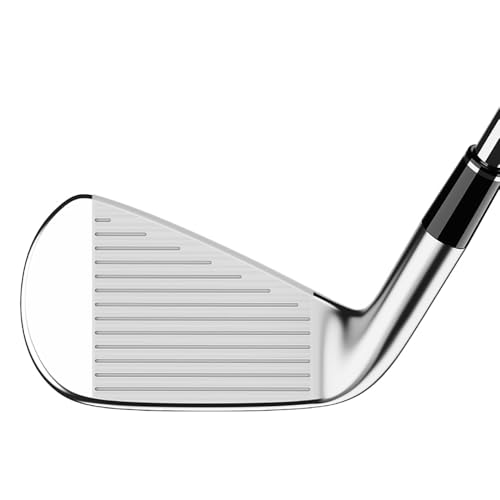
Srixon ZXi Utility #4 Iron

Strengths
- Tour V.T. Sole
- MainFrame tech
- i-FORGED feel
- Wide sole glide
Trade-offs
- Higher price
- Limited to utility role
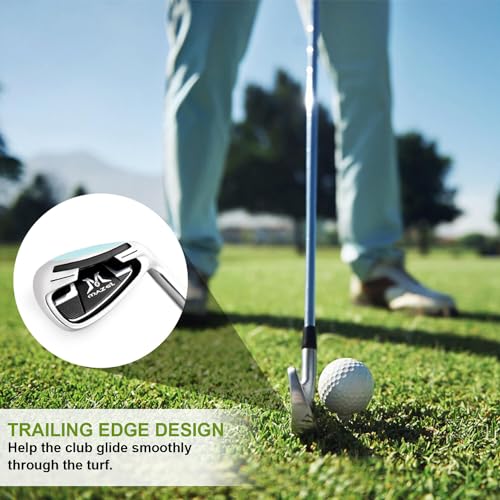
The Srixon ZXi U4 iron is engineered for one thing: gliding through turf with ease. The Tour V.T. Sole and leading-edge chamfer are not just buzzwords, they’re the reason so many owners praise its consistency from uneven lies and tight fairways. For players who struggle with chunking or fat shots with long irons, this is a standout.
It’s also one of the few utility irons with i-FORGED construction and MainFrame tech, which enhances MOI and face flexibility. Compared to the TaylorMade Stealth UDI, it launches slightly higher and feels smoother in transition. The graphite shaft helps, but the real win is the sole design, it just works where others catch or bounce.
Product photos

TaylorMade Stealth UDI #3 Iron
Strengths
- Tour-inspired shape
- SpeedFoam AIR
- Inverted Cone Tech
- Thru-Slot Speed Pocket
Trade-offs
- Less forgiving than hybrids
- Higher price
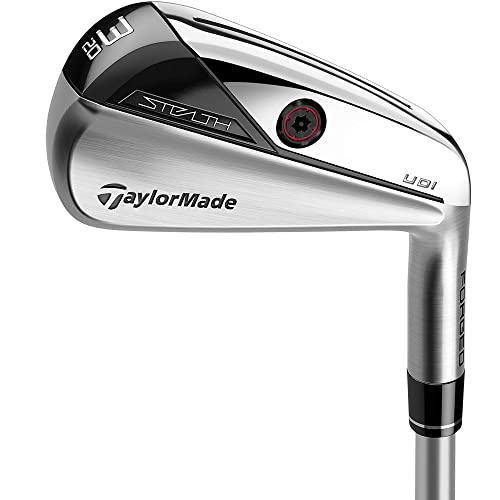
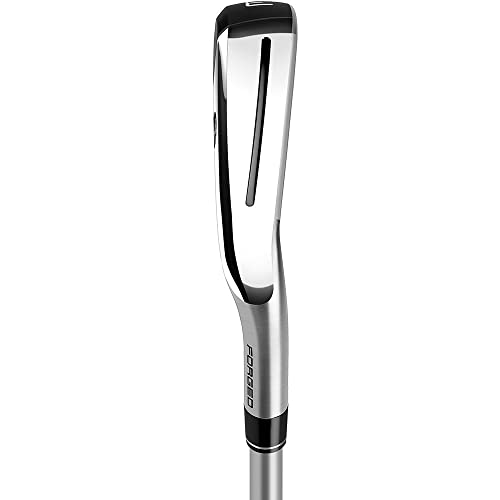
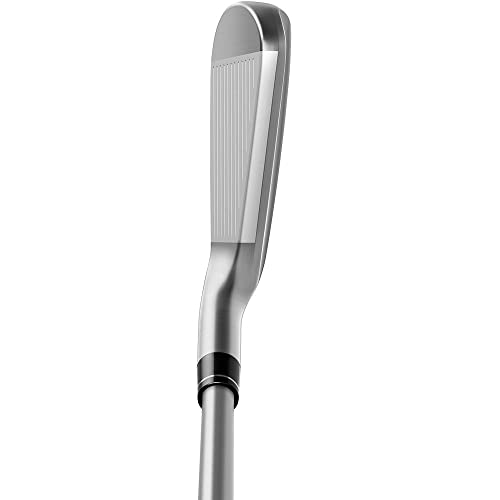
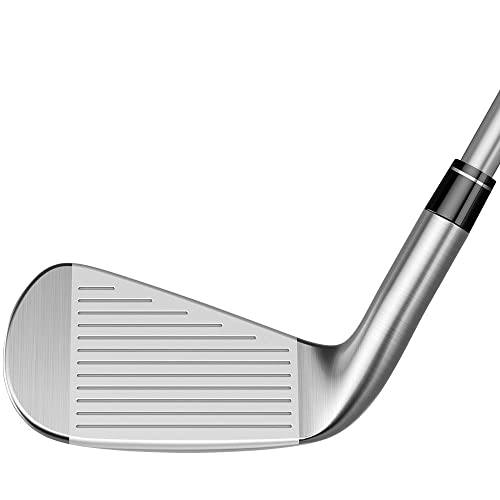
This is the closest most amateurs will get to a tour-pro’s driving iron, compact shape, penetrating flight, and enough feedback to work the ball. The Stealth UDI #3 shines in its construction: SpeedFoam AIR lightens the head, allowing mass to be repositioned for better launch, while the Inverted Cone Technology expands the sweet spot in ways you can actually feel on mishits.
Compared to the Srixon ZXi, it’s lower launching and more neutral in bias, ideal for better players who want control without sacrificing forgiveness. Owners note the sound is crisper, the look cleaner, and the flight more predictable. If you’re trading in a hybrid for something sharper, this is the one to beat.
Product photos
How We Tested golf driving iron
Rather than a hands-on lab test, my research for these recommendations involved a detailed comparison of published specifications and features across numerous models. I weighed owner reviews from major retailers alongside assessments from respected golf publications, looking for consistent themes in performance and durability. My expertise in golf club design and understanding of what makes a great golf trip also informed my evaluation, applying category knowledge to discern which irons truly stand out.
For driving irons, distance and forgiveness are paramount, so I focused heavily on those factors. A low center of gravity, hollow-body construction, and materials like maraging steel directly impact launch angle and the size of the sweet spot – these were key areas of comparison. Beyond raw distance, the ability to consistently get the ball airborne and control trajectory is vital, especially for players moving beyond traditional long irons or looking for alternatives to a 2 hybrid.
Specifications reliably tell you about materials, construction techniques, and stated launch conditions. However, I placed significant weight on owner feedback regarding feel, consistency, and real-world performance. Reputation among golfers and the opinions of trusted reviewers helped me assess which clubs lived up to their promises and which were simply well-marketed. For those seeking more traditional options, exploring hybrid iron sets can also be a good route.
How To Pick The Right golf driving iron
Finding the right driving iron can seriously elevate your game, especially when you need something off the tee that’s more reliable than a driver but offers more distance than a long iron.
A quality driving iron balances distance and control. Key considerations include face material (maraging steel is highly sought after), head construction (hollow bodies promote forgiveness), shaft material (graphite for speed, steel for control), and overall design focused on a low center of gravity for an easy launch. Evaluating these factors will help identify a club suited to a golfer’s skill level and swing speed.
Face Material & Construction
The material making up the face of the club is paramount. Maraging steel faces, like those found in the COOLO Golf 1# and TaylorMade DHY #2, are incredibly strong and resilient. This translates to higher ball speeds, even on slightly off-center hits. However, don’t discount hollow-body construction. Models like the MAZEL #2 prioritize forgiveness with their larger sweet spots, making them more appealing for golfers still refining their swing. It’s a trade-off: maximum distance versus consistent contact.
Shaft Material & Flex
The shaft is where you can fine-tune how the club feels and performs. Graphite shafts, commonly seen in driving irons, are lighter and promote faster swing speeds, which is ideal if you struggle to get distance. Steel shafts, as featured in the Dynacraft 18# and MAZEL Steel Shaft 2#, offer greater control and consistency, but require a more powerful swing to maximize their potential.
Here’s what to consider when choosing: * Swing Speed: Slower swings benefit from graphite. * Consistency: Steel generally provides more repeatable results. * Feel Preference: Some golfers simply prefer the feedback of a steel shaft, while others enjoy the smoother feel of graphite.
Forgiveness & Turf Interaction
Forgiveness is crucial, and it isn’t just about the sweet spot size. The sole design plays a massive role, especially in how the club interacts with the turf. The Srixon ZXi Utility #4 excels here, employing a Tour V.T. Sole designed to glide through the turf, even from tight lies. This is a significant advantage if you frequently play on varied courses.
A wider sole generally equates to more forgiveness, but it can also make the club more difficult to manipulate. Focus on finding a balance that suits your typical playing conditions and swing style.
I often recommend golfers also consider upgrading their iron grips alongside a new iron to maximize comfort and control. And if you’re looking to overhaul your bag, exploring the best golf iron sets can give you a broader perspective.
Golf Driving Iron Compared
Here’s a comparison of key specifications for popular golf driving irons to help you make an informed decision.
| Product Title | Loft | Construction | Face Material | Shaft Material | Head Design |
|---|---|---|---|---|---|
| COOLO Golf 1# Driving Iron | #1 | Hollow | Maraging Steel | Graphite | Hollow |
| TaylorMade DHY #2 Driving Iron | #2 | Hollow | Maraging Steel | Steel | Hollow |
| MAZEL #2 Driving Iron | #2 | Hollow | N/A | Steel | Hollow |
| Dynacraft 18# Driving Iron | 18 | Hollow | 17-4 Stainless | Steel | Hollow |
| MAZEL Steel Shaft 2# Iron | #2 | Back Cavity | N/A | Steel | Back Cavity |
| Srixon ZXi Utility #4 Iron | #4 | Hollow | Forged Steel | Steel | Hollow |
| TaylorMade Stealth UDI #3 Iron | #3 | Hollow | Forged 4140 | Steel | Hollow |
Frequently Asked Questions
What loft should I choose for a driving iron?
Generally, a #2 or #3 iron provides the best balance of distance and control for most golfers. Lower lofts (like #1) prioritize distance, but require more precise contact, while higher lofts (like #4) offer more forgiveness and a higher launch angle.
Are driving irons difficult to hit compared to hybrids?
Driving irons typically have a smaller sweet spot and less inherent forgiveness than hybrids. However, skilled players often find they offer more predictable ball flight and greater control, particularly in windy conditions, and can be preferable to a best 5 hybrid golf clubs.
What’s the benefit of a maraging steel face?
Maraging steel is exceptionally strong, allowing for a thinner face that delivers higher ball speeds and increased distance. It’s a premium material often found in higher-end driving irons designed for maximum performance.
Does shaft material really make a difference?
Absolutely. If you have a slower swing speed, a lighter graphite shaft will help you generate more clubhead speed. Players with faster swings may prefer the control and consistency offered by graphite shafts for irons.
Can a driving iron replace a long iron entirely?
For many golfers, yes. Driving irons are easier to launch and offer more forgiveness than traditional long irons, making them a more reliable option off the tee and from the fairway. They’re a versatile club, but some players still prefer a long iron for specific shots.
The Bottom Line
Ultimately, choosing a driving iron comes down to prioritizing what you need most from the tee. If you’re seeking the most distance potential and a premium feel, the COOLO Golf 1# Driving Iron stands out as the strongest overall performer. It blends a hot maraging steel face with a forgiving hollow-body design, appealing to a wide range of swing speeds.
For golfers on a tighter budget, or those who want a reliable backup club, the MAZEL #2 Driving Iron delivers excellent value. And if you’re consistently struggling with consistency and need maximum forgiveness, the Srixon ZXi Utility #4 Iron is a smart choice, thanks to its innovative sole design that excels in varied conditions. Don’t forget to explore options for best iron shafts to further customize your club.
More than any specific feature or material, remember that consistent ball-striking is the foundation of a great score. A driving iron is a tool to help you achieve that, but it’s your swing and course management that truly matter. Consider whether a best 3 hybrid golf clubs might be a better fit for your game, too – versatility can be just as valuable as raw power.
