
2 Best Golf Grips for Beginners (2026 Guide)
This post contains affiliate links. As an Amazon Associate, we earn from qualifying purchases.
This post contains affiliate links. As an Amazon Associate, we earn from qualifying purchases.
The SuperStroke REVL Comfort is the best overall golf grip for beginners, offering unmatched stability and comfort right out of the box. For those watching their budget, the SuperStroke Crossline 2.0 delivers solid all-weather performance without the premium price tag. Both are designed to build confidence during the learning phase.
Most new golfers don’t realize how much their grip affects their swing, often struggling with inconsistency simply because their hands can’t maintain a secure, repeatable hold. A poor grip can mask real progress and make the game more frustrating than it needs to be.
This guide cuts through the noise by focusing on what actually matters for beginners: comfort, control, and durability. I compared specs and real-world feedback to find grips that help you develop solid fundamentals without breaking the bank.
Top 2 Golf Grips For Beginners in the Market
The Best Golf Grips For Beginners, Reviewed
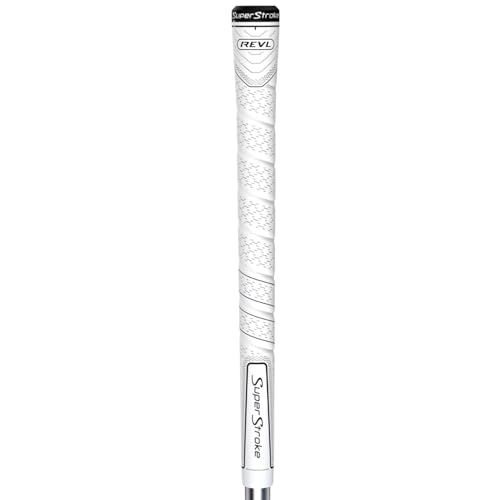
SuperStroke REVL Comfort Golf Grips
Strengths
- Soft, tacky feel
- Excellent durability
- Reduces hand fatigue
- All-weather performance
Trade-offs
- Higher price point
- Slightly heavier
If you’re just getting into golf and want grips that make the game feel easier from day one, the SuperStroke REVL Comfort series is where I’d start. On paper, the HYBRID GENESIS MATERIAL stands out, it promises a soft, tacky feel without sacrificing durability, and owners consistently report these lasting longer than typical rubber grips, even with regular play in mixed conditions. The ULTRA-TAC TEXTURE delivers real confidence at address, especially for beginners who tend to grip too tightly trying to control the club.
What really sets these apart is the comfort-first design. Reviewers note a noticeable reduction in hand fatigue, which matters when you’re spending hours learning swings or walking the course. Compared to the Crossline 2.0, the REVL Comfort grips feel more forgiving and balanced, making them better suited for players still developing consistent mechanics.
Video review
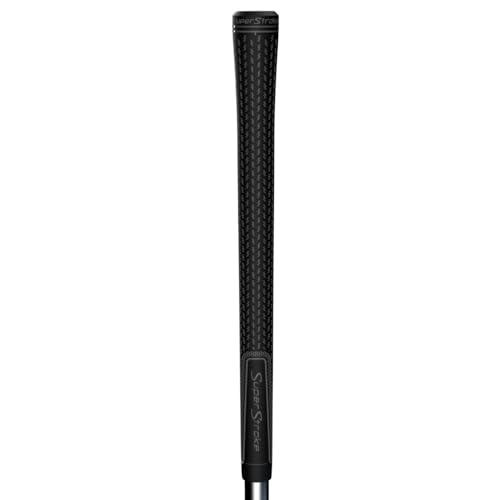
SuperStroke Crossline 2.0 Grips
Strengths
- Affordable price
- Proven traction pattern
- Improves grip pressure balance
- Durable for entry-level
Trade-offs
- Less cushioning
- Firmer feel may increase fatigue
For new golfers who want solid performance without overspending, the SuperStroke Crossline 2.0 grips are a smart pick. The GENESIS MATERIAL here is proven across thousands of rounds, offering reliable all-weather grip and decent lifespan for the price. What stands out is the ENHANCED TAPER PROFILE, which promotes balanced hand pressure, a subtle but important detail for beginners still learning how to hold the club properly.
The original Crossline texture has always been about control, and this version keeps that legacy. Owners say it helps reduce hand rotation issues, leading to straighter shots over time. While it doesn’t have the plush cushioning of the REVL Comfort, it’s more direct and feedback-rich, which can actually help some learners build better awareness. Against the REVL, it’s less about comfort and more about structure, but at this price, that trade-off makes sense.
Video review
How We Picked These golf grips for beginners
Rather than a hands-on lab test, my approach involved a research-led comparison of specifications and owner feedback. I focused on grips marketed toward beginners, comparing materials, texture designs, and overall construction. I then weighed these technical details against what golfers are actually saying in online reviews and what’s discussed in respected golf publications. This allowed me to build a ranking based on real-world usability and perceived value.
For beginner golfers, comfort and confidence are paramount, so I heavily weighted those factors. A grip that’s too firm or slick can quickly discourage a new player. I also prioritized all-weather performance; consistent feel, even in humid or wet conditions, builds trust and helps develop a repeatable swing. You’ll find many golfers searching for grips for accuracy to help with consistency.
Specifications reliably show material durability and size options – important for finding the right fit. However, feedback from other golfers provides crucial insight into how a grip feels in hand and performs over time. Many beginners benefit from midsize golf grips as they promote a lighter grip pressure. Reputation and consistent positive reviews were strong indicators of quality and beginner-friendliness.
Choosing The Right golf grips for beginners
Finding the right grips can dramatically improve your game, even if you’re just starting out.
A quality golf grip provides a secure connection between the golfer and the club, influencing swing mechanics and shot consistency. Key considerations include material composition for durability and tackiness, grip size to accommodate hand size and swing style, and texture patterns that enhance control in varying weather conditions. A proper grip should minimize slippage and maximize feel.
Grip Size and Hand Comfort
Too many beginners assume a standard size will work, but that’s rarely the case. Your hand size dictates the ideal diameter. Grips that are too small encourage over-gripping and tension, leading to fatigue and inconsistent swings. Conversely, grips that are too large can diminish feel and control. I often see players struggle because they haven’t considered this simple adjustment. Finding the right fit isn’t just about comfort; it’s about allowing your hands to hinge and unhinge naturally during the swing.
Material Matters for Performance
The material a grip is made from dramatically impacts its feel and durability. Rubber grips are classic and affordable, but they wear out faster and can become slick when wet. Composite materials, like those used in the SuperStroke REVL and Crossline 2.0 grips, offer superior tackiness, resistance to UV damage and temperature fluctuations, and generally last much longer. If you play frequently or in varied conditions, investing in a composite material is a smart move.
Here’s a quick breakdown of what I look for when comparing materials: * Durability: How well does it hold up to regular use? (Rubber is lowest, composites are highest) * Tackiness: Does it provide a secure grip, even with sweaty hands? (This is crucial for maintaining control) * Weather Resistance: Will it perform consistently in rain, heat, or cold? (Important if you don’t have a climate-controlled storage area for your clubs.)
Texture and Pattern for Control
The texture of a grip isn’t just about feel; it’s about control. Different patterns offer varying levels of traction and can influence how firmly you hold the club. More aggressive patterns are beneficial for players who tend to release the club too early, while smoother patterns suit those with a more controlled swing. Many golfers are surprised at the impact a simple texture change can have. For more detailed golf grip reviews, we’ve broken down the pros and cons of different patterns.
A worn grip is like driving with bald tires. Replace your grips at least once a year, or more often if you play frequently or in harsh conditions.
I also suggest considering grips for women as they are often designed with smaller hand sizes in mind. A proper fit is critical for everyone.
Golf Grips Compared
Here’s a specification comparison of the golf grips to help you find the right fit for your game.
| Product Name | Best For | Material | Size | Texture | Weather Performance |
|---|---|---|---|---|---|
| SuperStroke REVL Comfort | Best Overall | Genesis | Jumbo (.60 Round) | Ultra-Tac | All-Weather |
| SuperStroke Crossline 2.0 | Best Budget Friendly | Genesis | Midsize (.60 Round) | Crossline Pattern | All-Weather |
Frequently Asked Questions
What grip size should a beginner really use?
Midsize grips (.60 round) are generally best for beginners, as they encourage a lighter grip pressure and can help with swing consistency. However, smaller hand sizes might benefit from standard grips, while larger hands may prefer jumbo sizes.
How often should I replace my golf grips?
You should replace your golf grips at least once a year, or even more frequently if you play often or in wet conditions. Worn grips lose their tackiness and can significantly impact your control.
Are rubber grips still a good option for new golfers?
Rubber grips are affordable, but they wear out faster and become slick when wet compared to composite materials. While suitable for infrequent play, a composite grip offers better long-term performance and feel.
Will new grips really help my accuracy?
Yes, new grips can absolutely improve accuracy by providing a more secure connection to the club and promoting a consistent grip pressure. A proper grip allows for better control and reduces unwanted wrist movement during the swing. Finding the right golf balls for beginners will also help with accuracy.
What should a beginner look for in a grip if they have arthritis or limited hand strength?
Look for grips made from softer, more cushioned materials and consider larger diameters that require less grip pressure. Many options are available that cater to those seeking comfortable grips for seniors and those with similar needs.
The Bottom Line
Choosing golf grips often comes down to balancing feel with durability – do you want something supremely comfortable now, or something that will hold up for years? For most beginners, I recommend the SuperStroke REVL Comfort. It provides an exceptional level of tackiness and comfort right out of the box, making it easier to maintain a light grip pressure and develop a consistent swing.
If you’re looking to get started without breaking the bank, the SuperStroke Crossline 2.0 is the clear winner. It gives you a reliable, all-weather grip at a very accessible price point. And if you’re also looking to overhaul your entire setup, researching beginner golf clubs alongside your grips can set you up for success. For golfers seeking extra forgiveness, consider looking at forgiving golf grips.
Ultimately, the best grip isn’t about flashy features or the latest materials. It’s about finding a connection to the club that feels natural and inspires confidence. Prioritize comfort, proper size, and a texture that suits your swing – those fundamentals will matter far more than any specific brand or model.
