
8 Best Golf Putters of 2026
This post contains affiliate links. As an Amazon Associate, we earn from qualifying purchases.
This post contains affiliate links. As an Amazon Associate, we earn from qualifying purchases.
The TaylorMade Spider X Black stands out as the best overall golf putter, offering exceptional stability and a proven track record on tour. For those watching their budget, the Cobra Classic Blade delivers tour-inspired performance at a fraction of the cost, while the Odyssey DFX V-Line Fang excels if you prioritize precise alignment and a confident setup.
Choosing the right putter isn’t just about what the pros use, it’s about finding one that matches your stroke, eye, and confidence on the greens. Many golfers struggle with inconsistent rolls, poor alignment, or putters that feel off in their hands, and the wrong choice can cost strokes.
This guide cuts through the noise by focusing on specs, real-world feedback, and what actually matters: MOI, alignment, and stroke compatibility. I looked at what works for players across skill levels, not just ideal conditions.
Top 8 Golf Putters in the Market
The Best Golf Putters, Reviewed
TaylorMade Spider X Black Putter

Strengths
- Outstanding stability
- Proven alignment
- Premium finish
- Tour-validated
Trade-offs
- Expensive
- Heavy for some
- Overkill for casual play
This Spider X is the benchmark for a reason. With pros like Scheffler using a Spider Tour variant, the championship pedigree is real. The patented alignment system, that single red sightline against the black crown, gives instant visual feedback, and the TSS weights help fine-tune balance across stroke lengths. It’s built for stability, and it shows: owners report a rock-solid feel even when the strike isn’t perfect.
It’s also heavy, by design, which helps smooth out jerky strokes. Compared to other mallets, it’s more tech-forward and confidence-inspiring on lag putts. At this price, you’re paying for R&D, but you’re also getting a tool that’s proven under pressure. If you want the best all-around performer and don’t mind the price, this is it.
Video review
TaylorMade Spider White Putter

Strengths
- Exceptional MOI
- Better forward roll
- Soft yet responsive
- Clean modern look
Trade-offs
- High price
- Heavy head
- Not for arc-focused strokes
The Spider White #3 builds on TaylorMade’s MOI mastery with a multi-material construction, aluminum core, stainless steel frame, that pushes weight to the perimeter for maximum stability. The Pure Roll insert is a standout, delivering more topspin and forward roll than flat-faced putters, which owners say leads to better distance control, especially on faster greens.
The PU foam damping inside the head softens the sound and feel without deadening feedback, striking a rare balance. Compared to the Spider X Black, it’s slightly more forgiving and has a cleaner, modern look. For players who miss short putts due to skid or inconsistent roll, this putter could be a game-saver.
Video review
Odyssey DFX Putter V-Line Fang

Strengths
- Superior alignment
- Stable mallet head
- Smooth roll
- Comfortable grip
Trade-offs
- Heavier head feel
- Less traditional look
- Insert durability concerns
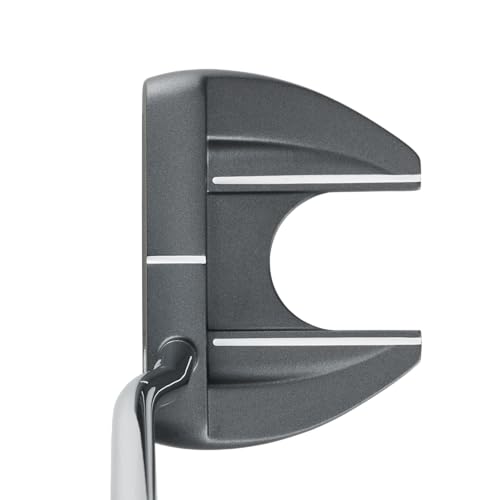
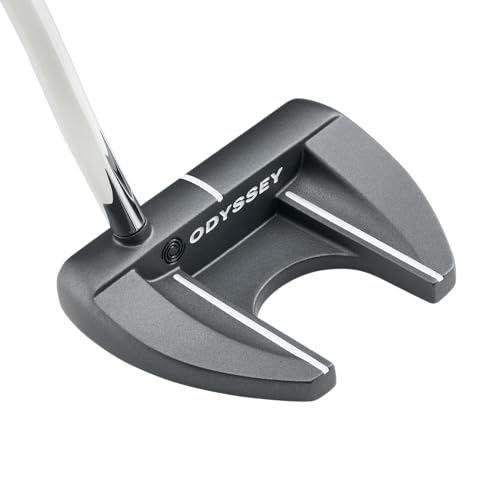
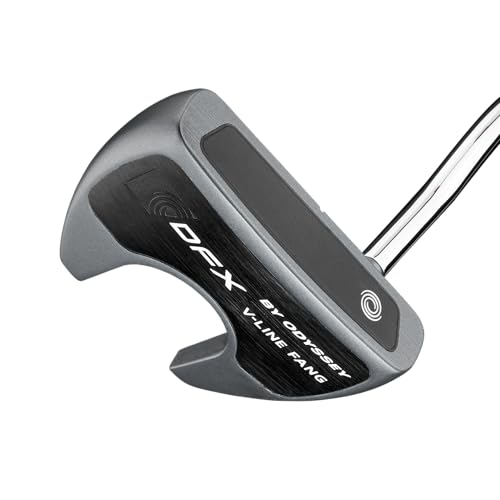
The V-Line Fang shape in the DFX series stands out for its exceptional alignment and balanced MOI. The V-notch design draws your eyes directly to the ball and target line, which owners say boosts confidence on short putts. At 35 inches with an oversized grip, it’s tuned for a slight arc or straight-back-straight-through stroke, making it a versatile choice for many stroke types.
Compared to the 2-Ball Blade, this model offers more stability on mishits thanks to its fang-style head. The charcoal finish and black insert combo is both sleek and functional. While it doesn’t have cutting-edge face tech, the consistent performance and feedback make it a standout in its class. I’d lean toward this over the blade for most recreational players.
Product photos

Odyssey DFX 2-Ball Blade Putter

Strengths
- Excellent alignment
- Consistent roll
- Oversized grip option
- Tour-proven design
Trade-offs
- Grip may feel bulky
- Limited length options
- Insert wear over time
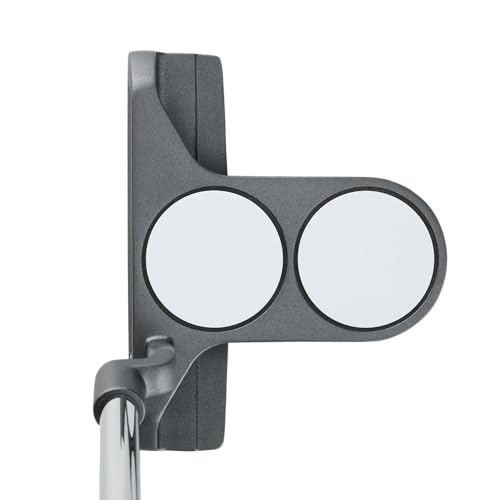
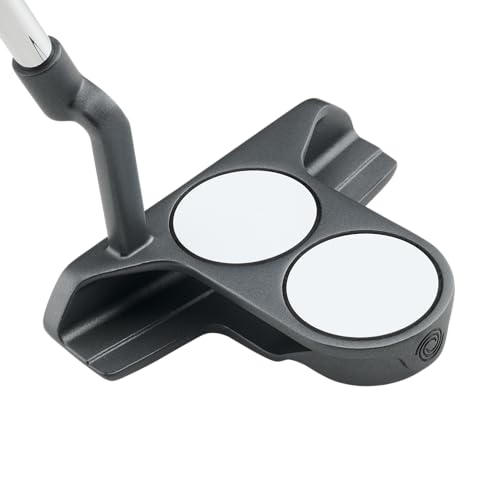
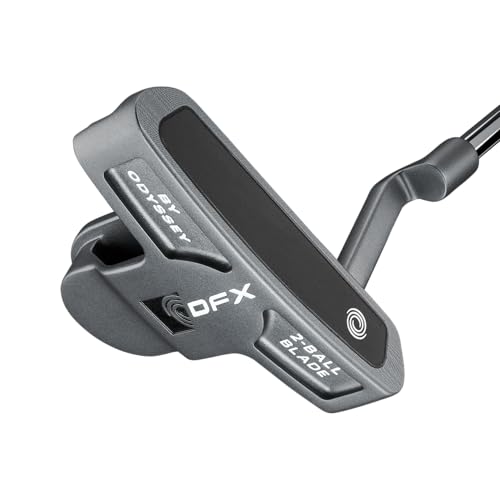
The 2-Ball Blade version of the DFX brings a legendary alignment system into a compact blade form. The charcoal finish and black insert create strong visual contrast, making it easier to square the face at address. This model, in 33 inches with an oversized grip, is ideal for players who want a touch of stability without going full mallet.
Odyssey’s reputation for consistency shows here. Owners praise the predictable roll and clean impact sound, though some note the oversized grip takes time to adjust to. Compared to other blades in this range, it’s one of the most forgiving, thanks to the 2-ball system, and remains a top pick for those who trust what they’ve seen work on tour.
Product photos
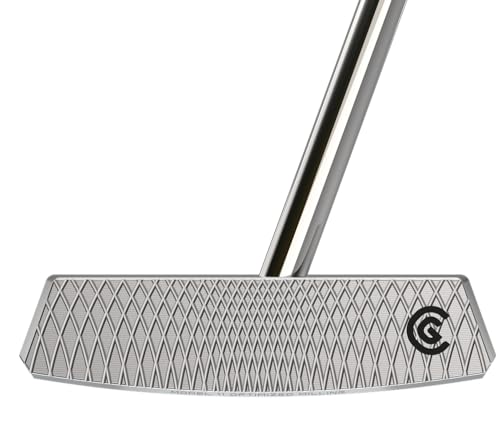
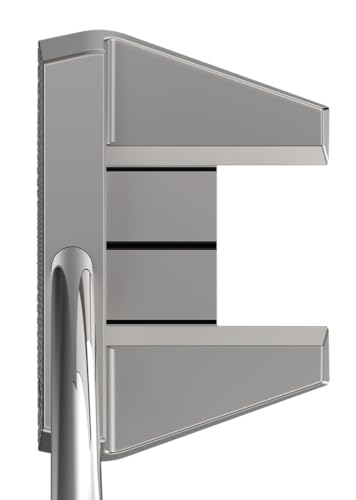
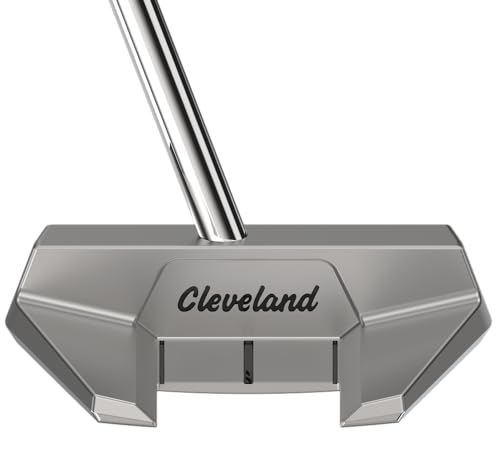
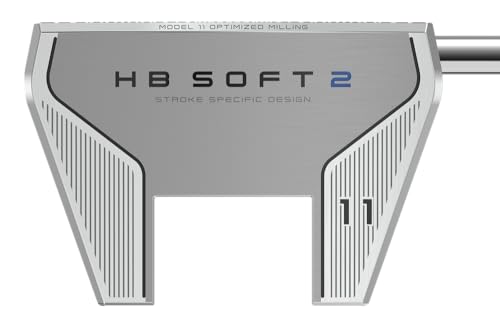
Cleveland HB Soft 2 Putter
Strengths
- Consistent distance
- Stroke-specific design
- Counterbalanced feel
- Great for straight strokes
Trade-offs
- Center shaft not for arcs
- Bulky head shape
- Premium price for mid-tier brand
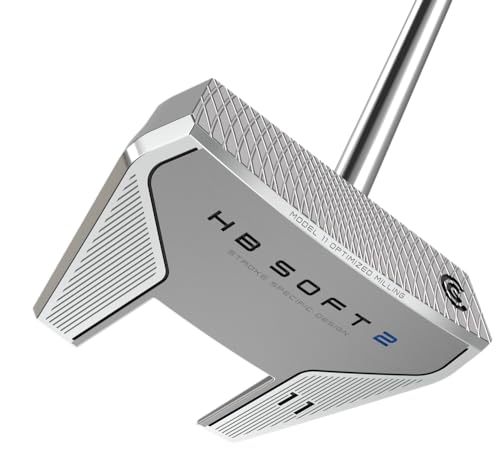
Cleveland’s HB Soft 2 line stands out for its stroke-specific engineering, and Model 11, center-shafted with full-face grooves, is built for straight-line stroke players. The Speed Optimized Face Technology really does deliver more consistent distance, according to owner reports, especially on putts struck above or below the sweet spot. The center shaft reduces toe hang to nearly zero, promoting a pendulum stroke.
The 20g counterweight in the grip end improves balance and promotes a smoother tempo, something many players notice right away. While the look might not appeal to traditionalists, the tech is smart and effective. For players serious about improving their flat-stick performance, this is one of the more thoughtful designs under $160.
Product photos
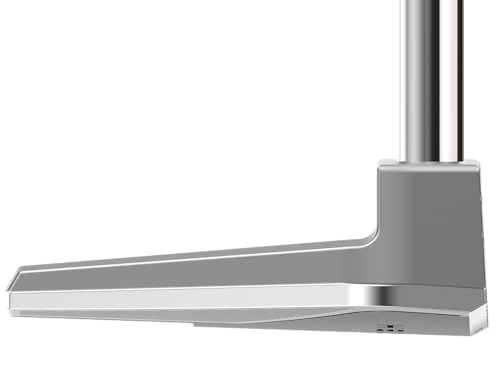
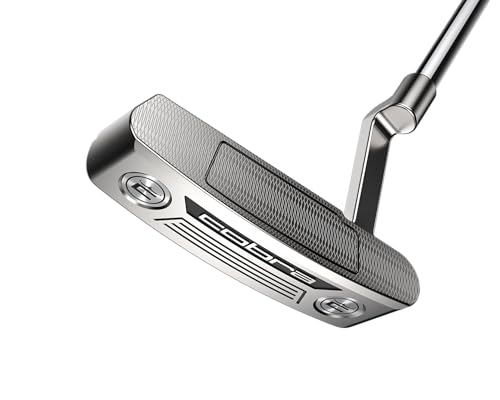
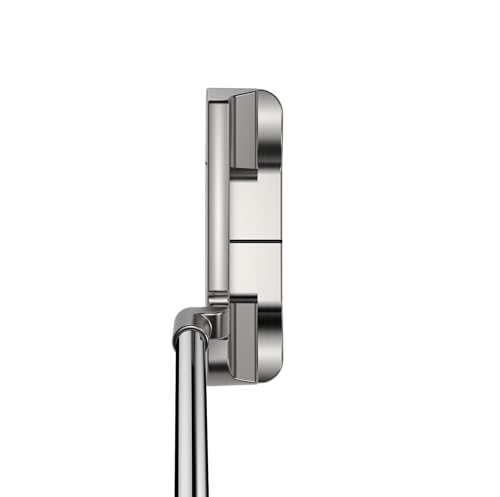
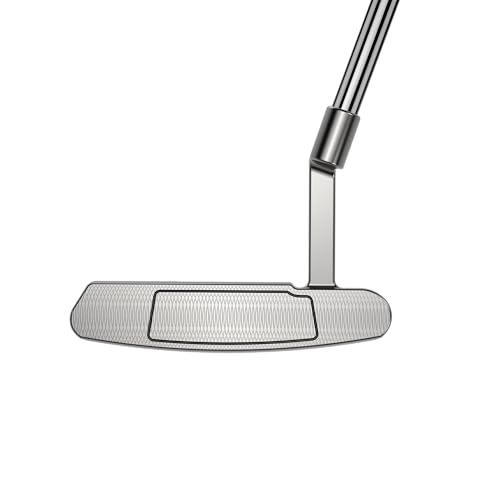
Cobra Classic Blade Putter
Strengths
- Clean alignment
- Solid feel
- Tour look
- Durable steel shaft
Trade-offs
- Minimal forgiveness
- No advanced roll tech
- Limited adjustability
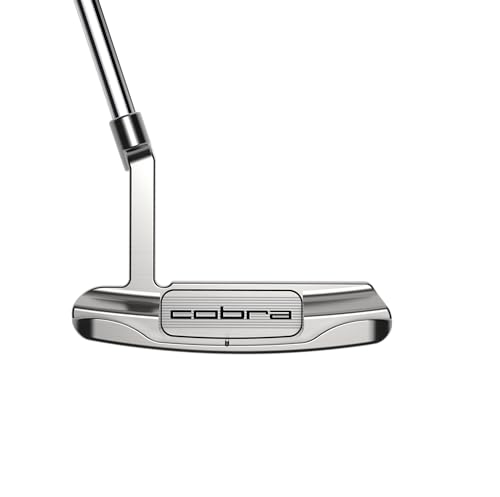
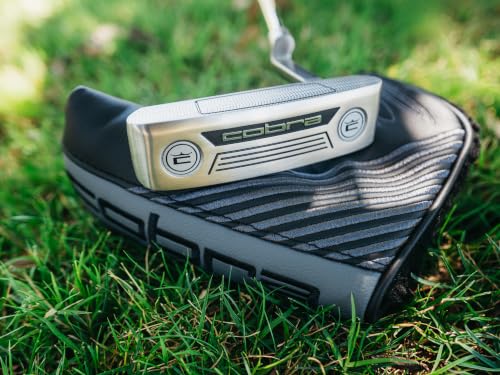
This Cobra blade looks the part, clean, minimal, and tour-inspired, with a CNC-machined face that gives it a crisper feel than most budget blades. The single sightline and classic shape appeal to purists who value setup clarity and stroke consistency. On paper, it’s a no-frills performer, and owners say it delivers solid feedback with a satisfying, muted sound at impact.
Compared to pricier blades, it holds its own for stroke work, but the tech is straightforward. There’s no insert magic or advanced weighting, just well-executed basics. If you’re drawn to blade aesthetics and want something reliable without overspending, this is a smart middle ground between function and cost.
Product photos

PGM Anti-Twist Mallet Putter
Strengths
- Affordable
- Good alignment
- Low skid
- Stable head
Trade-offs
- Basic sound
- So-so feel
- Plastic grip
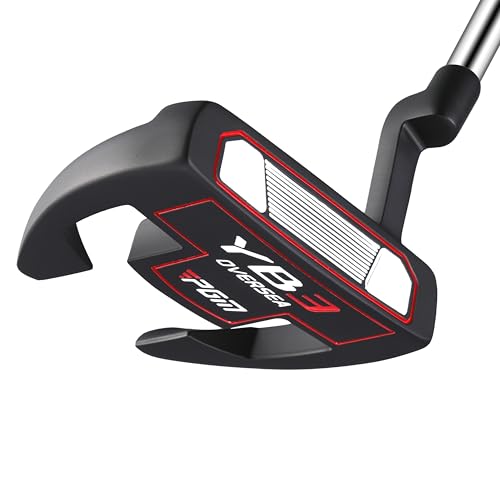
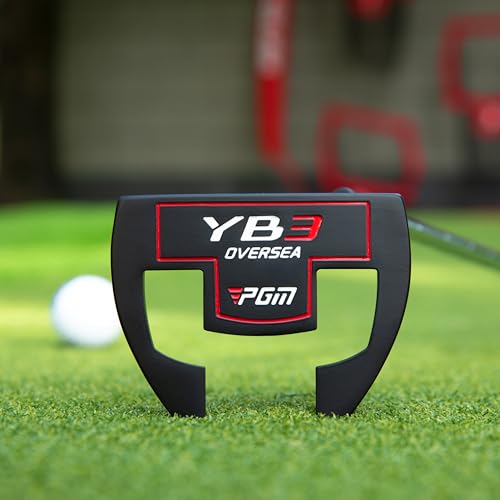
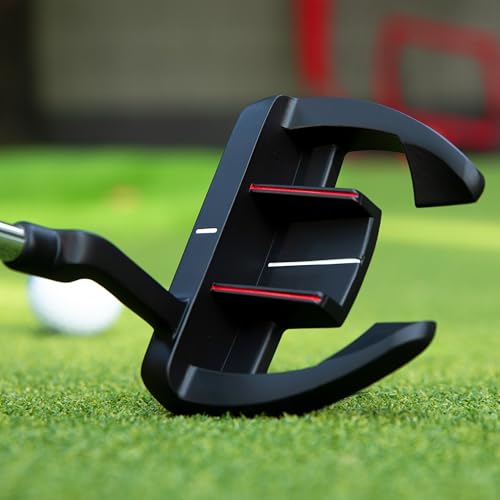
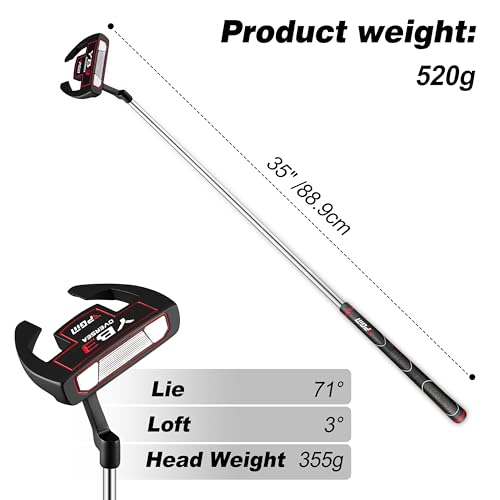
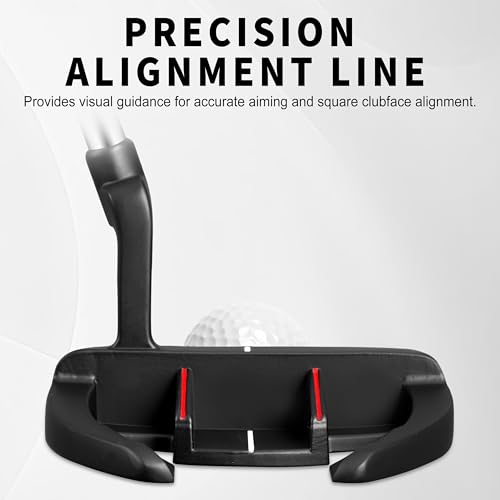
For the price, this PGM mallet delivers surprising tech that mirrors what you’d expect from brands three times its cost. The stepped shaft and low center of gravity design do their job, owners consistently report less skidding and a smoother roll, especially on off-center hits. The high-MOI head is stable enough for weekend players still working on stroke consistency, and the bold alignment line makes setup intuitive, even under pressure.
Still, it’s not all perfect. While the feel is decent, it lacks the refined feedback of a premium milled putter. But for a golfer on a tight budget or someone building a travel set, this checks a lot of boxes without demanding a premium. I’d confidently recommend it as a starter mallet or a backup stick for resort play.
Product photos
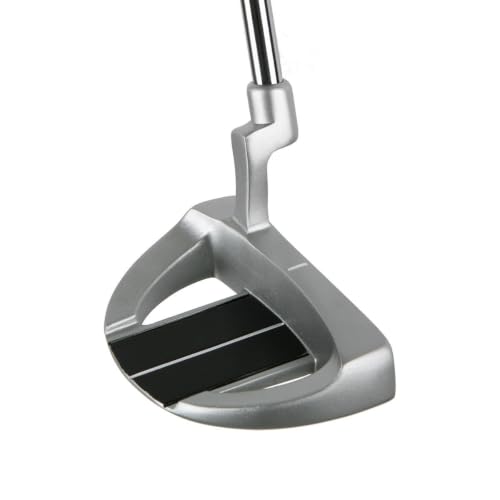
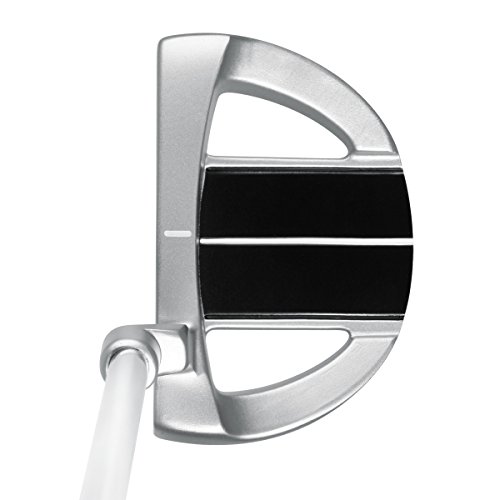
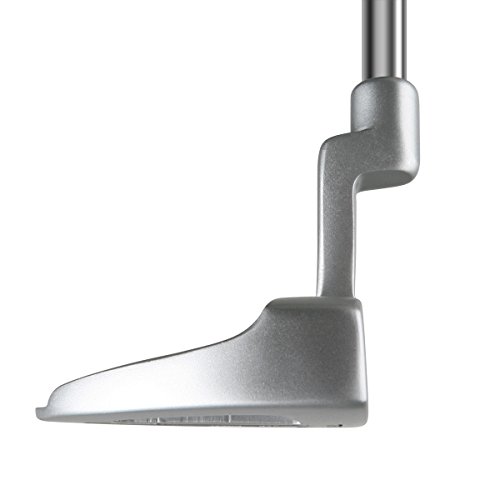
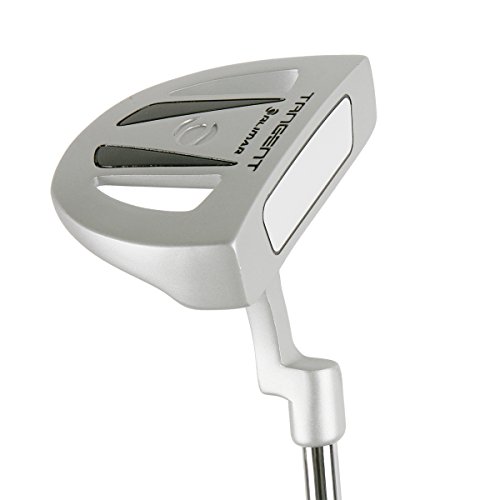
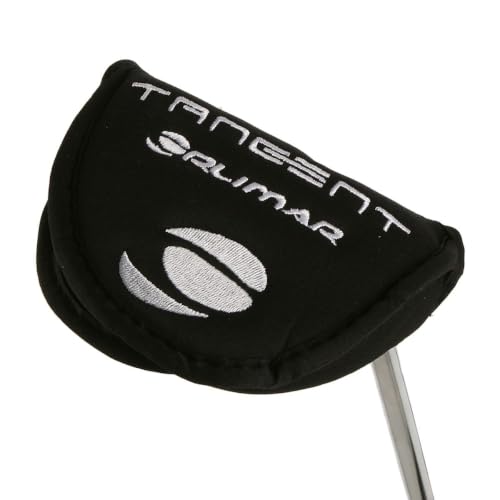
Orlimar Tangent T1 Mallet Putter
Strengths
- Excellent forgiveness
- Soft face insert
- Clear alignment
- Includes headcover
Trade-offs
- Dated aesthetics
- Basic shaft
- Limited feel refinement
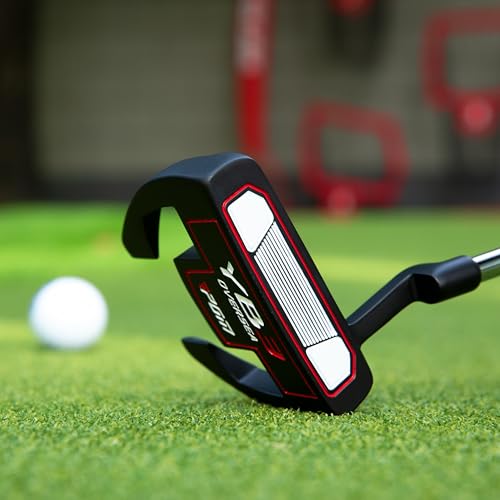
The Tangent T1 punches well above its price class in terms of forgiveness. The high-MOI mallet design and plumber’s neck hosel work together to keep hands ahead at impact, ideal for players working on forward press techniques. The TPU face insert delivers a soft, dampened feel that many owners say helps with nerve control on short putts.
It’s not flashy, but it’s effective. The bi-color sightline is clear and functional, and the included headcover is a nice touch. While the overall finish feels budget-friendly, the performance on off-center hits is impressively stable. For the price, it’s one of the most forgiving options here, beating several names three times its cost on pure stability.
Product photos

How We Evaluated golf putters
Rather than a hands-on lab test, my research compared published specifications and features across numerous models. I weighed owner reviews from major retailers against expert opinions found in golf publications and online forums. This process allowed me to rank putters based on a combination of objective data and real-world feedback, applying my years of experience observing golfers and understanding what contributes to success on the green.
For golf putters, stability (measured by MOI) and alignment features proved most decisive. A higher MOI resists twisting on off-center hits, a common issue for many players. Equally crucial is a clear alignment aid; golfers need confidence in their setup and line to the hole. Feel is subjective, but consistent ball roll – often linked to insert material and face milling – also heavily influenced my rankings.
Specifications reliably reveal MOI, materials, and head weight. However, owner feedback provided valuable insights into how these specs translate to actual performance and feel. Reputation also played a role; established brands with a history of producing quality putters naturally carried more weight, particularly when combined with positive user experiences and consistent expert praise. You can find more discussion of the best putters of all time on my site.
How To Choose The golf putters
Finding the right flatstick can shave strokes off your game, and it’s a surprisingly personal decision.
A quality golf putter balances weight distribution (MOI), alignment features, and feel to promote consistent contact and accuracy. Key areas to examine include head shape, shaft length, grip style, and the putter’s overall balance. Understanding your stroke type – whether straight or arcing – is crucial for selecting a putter that complements your natural motion.
Understanding MOI and Head Shape
Many golfers assume a blade putter is “better” simply because pros use them, but that’s a vast oversimplification. Mallet putters, like the TaylorMade Spider series, generally offer significantly higher Moment of Inertia (MOI). This means they resist twisting on off-center hits far better than blades, which is incredibly valuable for anyone not consistently striking the sweet spot. If you struggle with distance control or frequently mis-hit putts, a mallet is a strong starting point. Don’t dismiss blades entirely, though. Players with very consistent strokes may prefer the feel and feedback of a blade style, such as the Cobra Classic Blade Putter.
Alignment Aids and Your Visual Confidence
Alignment is paramount in putting. Some putters, like the Odyssey DFX V-Line Fang, feature prominent alignment lines and shapes designed to help you visualize the target line. Others, like some of the more traditional blade designs, offer a cleaner look with a simple sightline. The “best” option here is entirely subjective. What matters is what you see and trust at address. I often recommend golfers experiment with different alignment styles to find what gives them the most confidence. Consider this:
- A simple line can be sufficient for some.
- A wider alignment aid (like on many mallets) might be better if you struggle with consistent setup.
- A complex alignment system, while potentially helpful, can become a distraction if it’s too busy or overwhelming.
Feel, Balance, and Stroke Type Compatibility
Feel is incredibly subjective, but balance is not. A putter should feel balanced in your hands during your practice strokes. The weight distribution should suit your stroke type. The Cleveland HB Soft 2 Putter is a great example of a putter line designed with stroke type in mind, offering different hosel options to match a straight or arcing putting stroke.
A good rule of thumb is to choose a putter weight that feels comfortable and allows for a smooth, consistent putting stroke. Too heavy, and you’ll struggle with tempo; too light, and you may lose control.
For those just starting out, or looking to improve their short game, I also suggest exploring best putters for beginners to find options that are forgiving and easy to align. And don’t forget, a great putting game starts with a great golf ball. Considering recommended three-piece golf balls can also contribute to better performance on the greens.
Golf Putters Compared
Here’s a comparison of key specs for popular golf putters to help you make an informed decision.
| Putter Title | Best For | Head Type | Material | MOI | Alignment |
|---|---|---|---|---|---|
| TaylorMade Spider X Black | Best Overall | Mallet | Aluminum/Steel | N/A | Patented System |
| TaylorMade Spider White | Best for Stability and MOI | Mallet | Aluminum/Steel | High | N/A |
| Odyssey DFX V-Line Fang | Best for Alignment and Feel | Mallet | N/A | N/A | N/A |
| Odyssey DFX 2-Ball Blade | Best Blade Design | Blade | N/A | N/A | 2-Ball |
| Cleveland HB Soft 2 | Best for Stroke-Specific Design | Mallet | N/A | N/A | N/A |
| Cobra Classic Blade | Best Budget Tour-Inspired | Blade | Steel | N/A | Single Sightline |
| PGM Anti-Twist Mallet | Best Budget Mallet | Mallet | N/A | High | Single Line |
| Orlimar Tangent T1 Mallet | Best Value Forgiveness | Mallet | N/A | High | Bi-Color Sightline |
Frequently Asked Questions
What MOI number should I look for in a putter?
Generally, a higher MOI is better, especially for golfers who don’t consistently hit the sweet spot. Look for mallets with an MOI of 500 or greater; these offer significantly more stability and forgiveness on off-center hits.
Are expensive putters worth the money?
Not necessarily. While premium materials and construction can offer benefits, a putter’s performance relies heavily on fit and feel, which aren’t always tied to price. You can find excellent performing putters at various price points, and focusing on alignment and balance is more crucial than spending top dollar.
How important is the grip on a putter?
The grip is extremely important. It’s your only connection to the putter, and the right size and texture can greatly improve your consistency and feel. Many golfers benefit from slightly larger grips, which promote a lighter grip pressure and a smoother stroke.
Can a putter really help me lower my scores?
Yes, a putter suited to your stroke can absolutely lower your scores. Putting accounts for roughly 40% of your shots, so even small improvements in consistency and accuracy can translate into significant scoring gains. I often recommend golfers explore best 2-piece golf balls as well for overall game improvement.
What putter style is best for a beginner?
Mallet putters are typically best for beginners due to their higher MOI and more forgiving nature. They help minimize the effects of off-center hits, promoting better distance control and accuracy while you develop your stroke. Don’t overlook the importance of good irons for amateurs as you build your set.
The Bottom Line
Choosing a putter often comes down to balancing forgiveness with feel and confidence. While personal preference is huge, the TaylorMade Spider X Black consistently rises to the top through a blend of high MOI, innovative alignment, and positive owner feedback – it’s a solid choice for most golfers looking to improve their consistency on the green.
For those on a tighter budget, or seeking a specific design, the Cobra Classic Blade Putter delivers a tour-inspired look at an accessible price. Alternatively, if you prioritize maximum forgiveness and a mallet design, the PGM Anti-Twist Mallet or the Orlimar Tangent T1 Mallet both offer excellent value. And golfers seeking options tailored to their swing should explore the Cleveland HB Soft 2 Putter, which offers different hosel options for various stroke types. Don’t forget to check out our guide to the best amateur golf clubs if you’re looking to upgrade your entire set.
Ultimately, specifications like MOI and alignment aids are helpful guides, but they don’t replace the importance of finding a putter that feels right in your hands. Focus on building a consistent setup, a smooth stroke, and unwavering confidence over the ball – those fundamentals will deliver more improvement than any single putter ever could. And for our female golfers, we have a guide to the best women’s putters available.
