
8 Best Amateur Golf Irons of 2026
This post contains affiliate links. As an Amazon Associate, we earn from qualifying purchases.
This post contains affiliate links. As an Amazon Associate, we earn from qualifying purchases.
The TaylorMade SIM2 Max Iron Set stands out as the best overall choice for amateurs, delivering exceptional forgiveness and distance, while the Yamato Golf Iron 5-PW Set is a solid budget-friendly option for those just starting out or watching their spending.
Every golfer has stood over an iron shot hoping for consistency, only to come up short, literally and figuratively. For amateurs, the right set can mean fewer penalties, more greens in regulation, and a lot more fun on the course.
This guide breaks down the top irons based on specs, owner feedback, and what actually matters for improving your game. I looked at forgiveness, distance, shaft options, and real-world performance to find sets that deliver where it counts. Whether you’re fighting a slice, struggling with swing speed, or upgrading from old blades, these picks are built to help you play better.
Top 8 Amateur Golf Irons in the Market
The Best Amateur Golf Irons, Reviewed
TaylorMade SIM2 Max Iron Set

Strengths
- Excellent ball speed
- Superior mishit forgiveness
- Soft, forged-like feel
- High launch
Trade-offs
- Expensive as a full set
- Graphite may feel too light for some
If you’re looking for the most balanced blend of distance, forgiveness, and feel in this group, the SIM 2 MAX with graphite shafts is hard to beat. The Cap Back Design and Thru-Slot Speed Pocket are key here, owners note the ball speed stays consistent even when you don’t catch it pure, especially on lower-face strikes. The ECHO Damping System also stands out, delivering a softer, more premium feel than most game-improvement irons, almost bordering on forged territory.
Against the steel-shaft version, the graphite model is clearly the better pick for most amateurs, especially those with slower swing speeds. It launches higher and is easier to swing, which translates to more carry and better results from varied lies. For a premium all-around performer that doesn’t punish misses, this set checks nearly every box.
Video review
TaylorMade SIM2 Max Steel Set

Strengths
- Better shot control
- Crisper feedback
- Durable steel construction
- Strong forgiveness
Trade-offs
- Harder to launch for slower swings
- Less vibration dampening
The steel-shaft SIM 2 MAX set trades a bit of launch and swing ease for added control and a more traditional feel preferred by some mid-handicappers. On paper, it’s the same powerful head design, Cap Back, Speed Pocket, ECHO Damping, but the steel shaft changes the character. Reviewers note it feels more stable through impact, with a slightly crisper feedback that helps players who want a bit more connection without going full player’s iron.
Compared to the graphite version, this one’s best for golfers with moderate to faster swing speeds who don’t need the extra help getting the ball airborne. It’s also a smarter buy if you’re building a mixed set or blending with other steel-shafted clubs. I’d recommend it over the graphite only if you’re already comfortable compressing the ball and want a tighter flight.
Video review
Precise A9 Graphite Iron Set
Strengths
- High-end graphite shafts
- Lightweight performance
- Premium grip feel
- Full 7-club set
Trade-offs
- Limited brand support
- Less forgiveness than max game-improvement
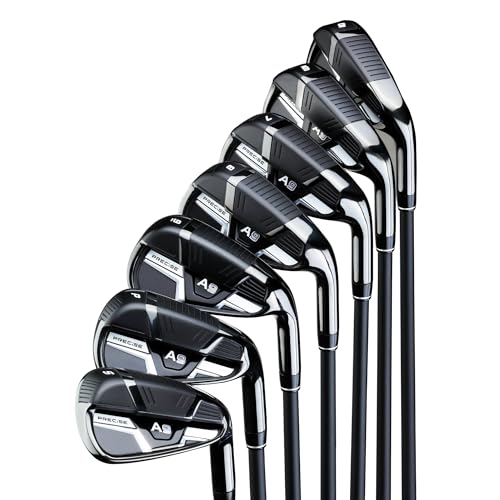
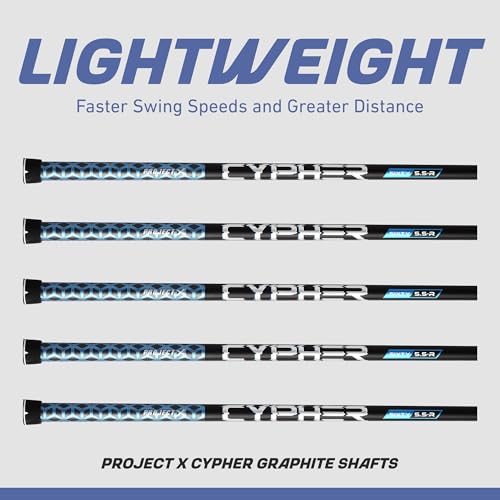
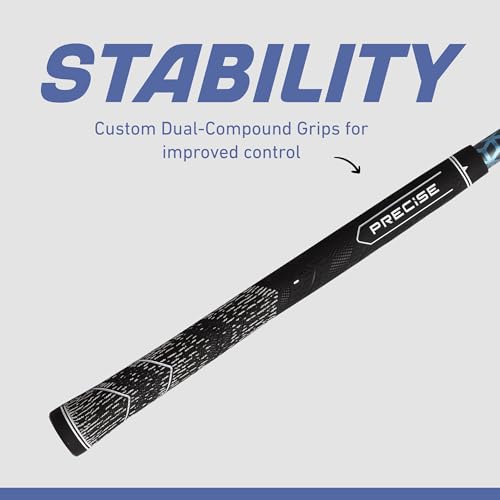
The Precise A9 set stands out for one reason: premium components at a surprisingly low price. Equipped with Project X Cypher graphite shafts, normally found on much more expensive builds, it offers a rare level of performance for golfers on a budget. Owners consistently highlight the lightweight stability and how it helps maintain swing speed through the entire set. The dual-compound grips are another thoughtful touch, improving control without sacrificing comfort.
Compared to the Yamato set, the A9 is in a different league in terms of shaft quality and overall precision. While the brand isn’t as well-known, the specs suggest this is a set built for actual improvement, not just entry-level play. I’d recommend it over cheaper no-name sets any day for golfers serious about building a reliable bag.
Product photos

Yamato Golf Iron 5-PW Set
Strengths
- Low upfront cost
- Durable steel shafts
- Simple, clean design
Trade-offs
- Heavy, slow swing
- No advanced forgiveness tech
- Harsh feel on mis-hits
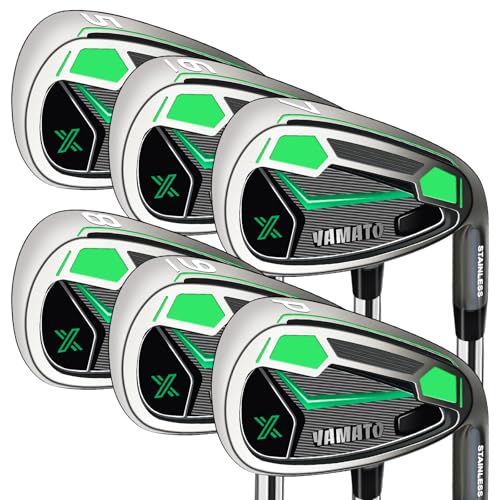
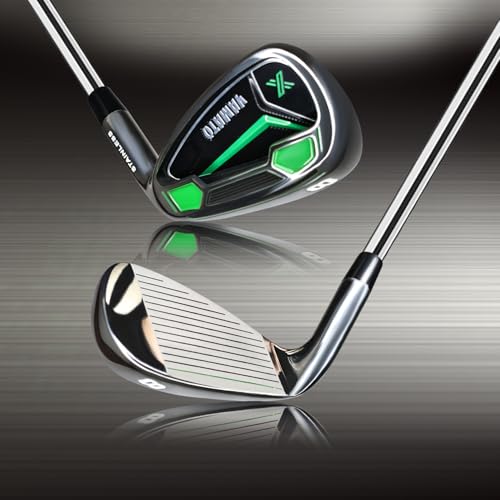
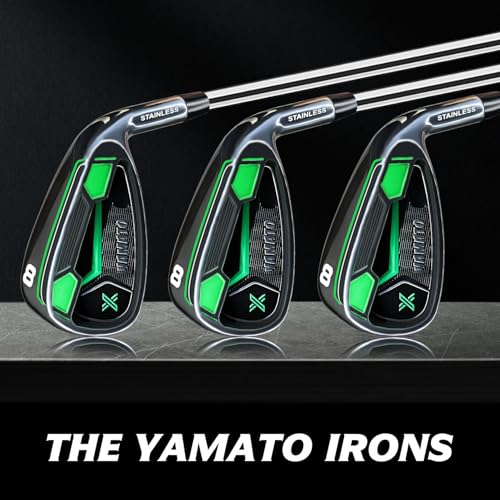
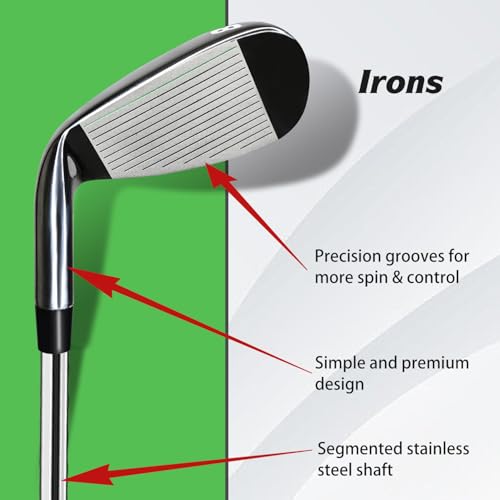
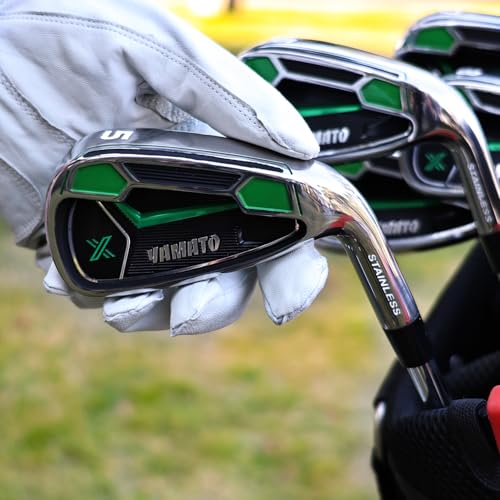
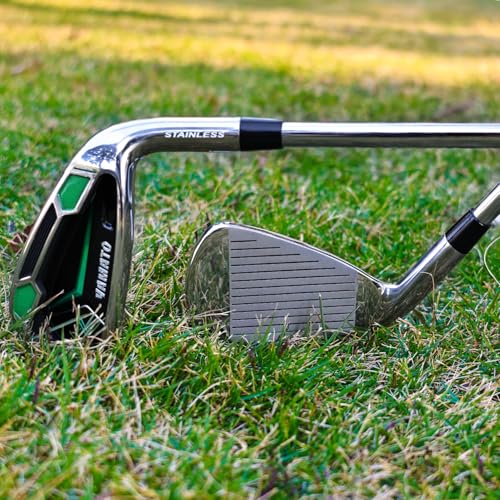
This Yamato set is the definition of budget entry-level irons, affordable and functional, but with few standout specs. The stainless steel shafts keep costs down, but they also make the clubs heavier and harder to swing fast, which can hurt launch and consistency for many amateurs. There’s no mention of face technology or advanced weighting, and owner feedback suggests the feel is somewhat harsh, especially on thin strikes.
Compared to the Precise A9 or TaylorMade options, it’s clear this set cuts corners where it counts. That said, for a beginner just starting out or someone needing a backup set for occasional use, it gets the job done. I wouldn’t recommend it as a long-term investment, but as a first set to learn the basics, it won’t break the bank.
Product photos
Callaway Big Bertha BB23 Iron

Strengths
- Extreme forgiveness
- Strong slice reduction
- Confidence-inspiring shape
Trade-offs
- Limited workability
- Not for better players
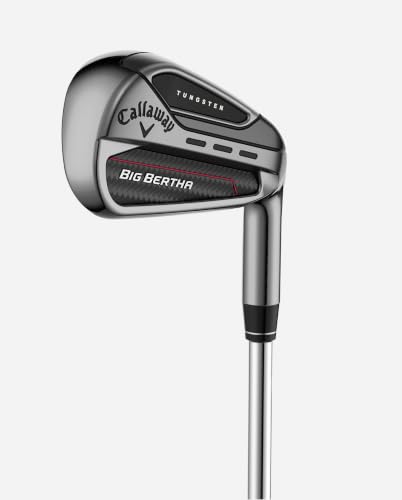
The Big Bertha BB23 is engineered for golfers who struggle with slicing and need help keeping the ball in play. On paper, the ultra-low, forward center of gravity (CG) is the standout spec here, it’s designed to reduce side spin and promote straighter flight, which owners consistently report makes a real difference off the tee and from the fairway. The A.I. designed face and Jailbreak technology aim to boost ball speed, but it’s the forgiveness across mis-hits that earns praise, especially in the longer irons.
Compared to other game-improvement irons in this list, the BB23 leans harder into slice correction than raw distance. It’s not the flashiest tech stack, but for higher-handicappers battling consistency, this iron removes fear from the equation. I’d pick it over a more neutral iron if you’re still working on ball flight control.
Product photos


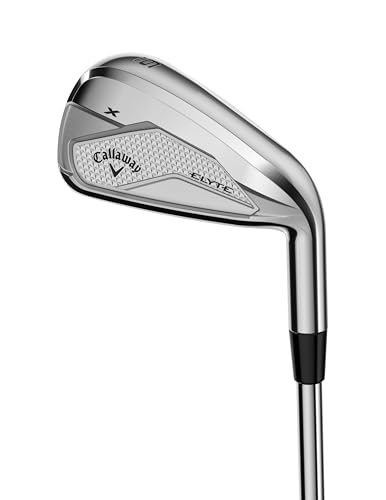
Callaway Elyte X 7 Iron

Strengths
- Fast, consistent ball speed
- Clean turf interaction
- Tight dispersion
Trade-offs
- Less offset than some
- Narrower sole than max game-improvement
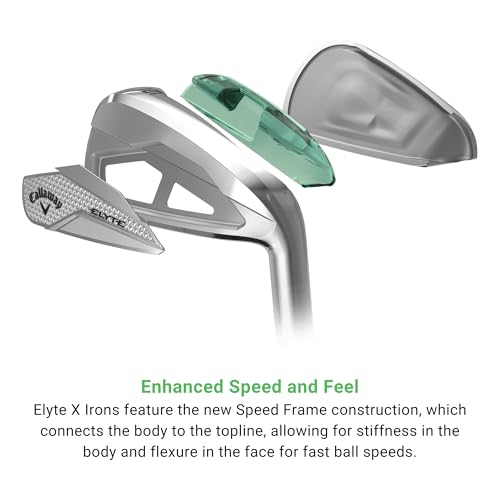
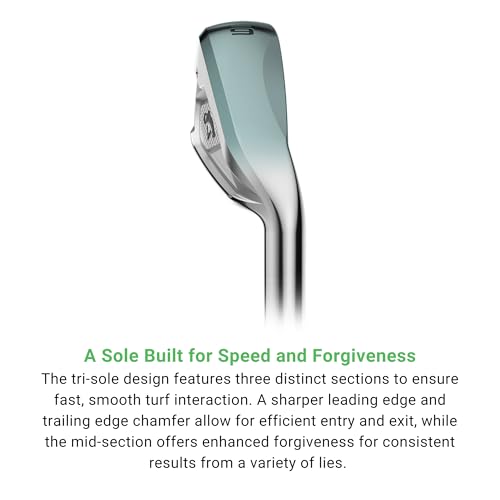
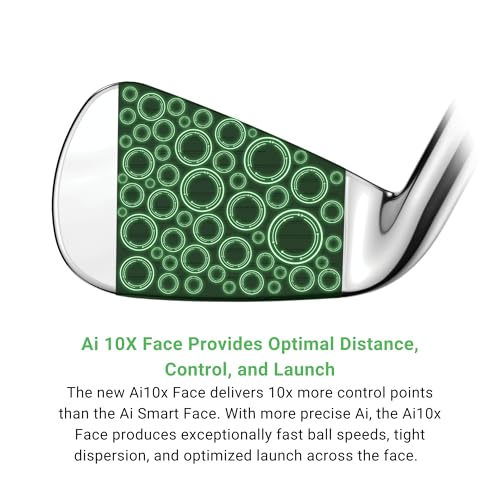
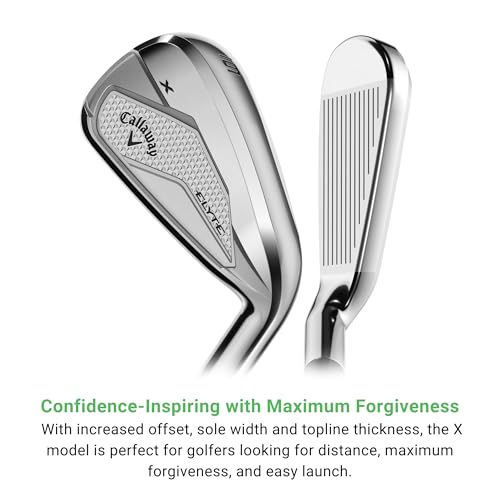
Callaway’s Elyte X is built for speed, both in ball velocity and swing tempo. The Ai10x Face and Speed Frame construction are the stars here, designed to push ball speed across a larger portion of the face. Owners report noticeably tighter dispersion compared to older game-improvement models, which suggests the AI tuning actually delivers on consistency. The tri-sole design also earns praise for clean turf interaction, even from fluffy lies.
Against the Big Bertha BB23, the Elyte X feels more refined and responsive, though slightly less forgiving on extreme misses. It’s a step up in performance for amateurs who are past the pure beginner stage but still need help with launch and speed. For players chasing distance without sacrificing too much control, this is a strong contender.
Product photos
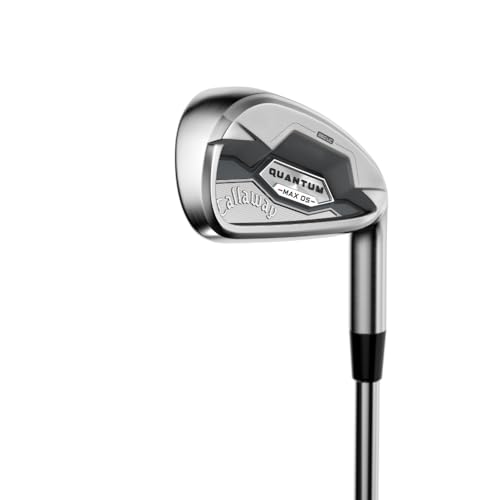
Cobra Quantum Max OS Iron
Strengths
- Huge sweet spot
- Soft, forged-like feel
- High launch
- Extreme perimeter weighting
Trade-offs
- Oversized look not for everyone
- Limited brand support
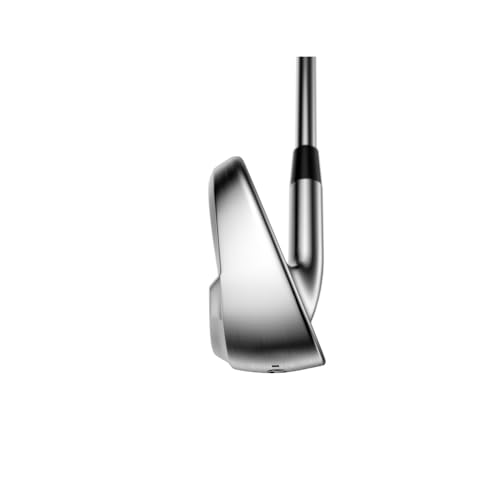
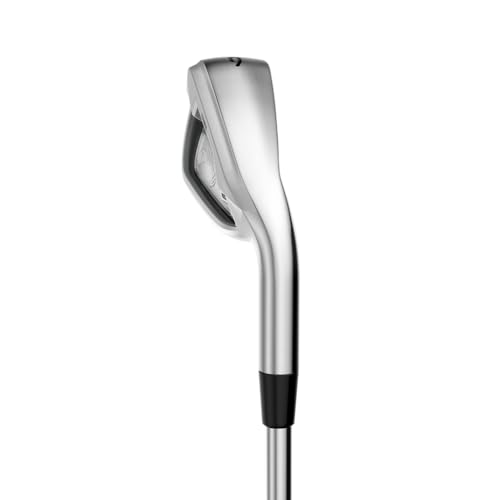
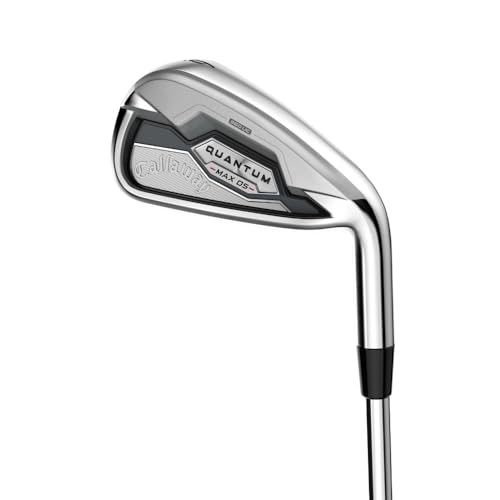
The Quantum Max OS is built for one thing: confidence at address. The oversized head and exposed undercut cavity give it a massive sweet spot, and the AI-optimized face expands performance across off-center hits. Owners report it’s one of the most forgiving irons they’ve used, especially in the 4-7 irons where clean contact is hardest. The Urethane Microspheres also do a surprising job mimicking a forged feel, which is rare at this price point.
Compared to the Big Bertha BB23, the Quantum Max OS feels more modern in its tech approach, with better vibration dampening and a more refined overall experience. It’s not as widely known as TaylorMade or Callaway, but for amateurs who want max forgiveness with a soft feel, this is a dark horse pick. I’d consider it a smarter buy than pricier name-brand alternatives if you prioritize performance over prestige.
Product photos
Dynacraft Driving Iron 3 Iron

Strengths
- Low, penetrating flight
- Affordable price
- Hollow-body forgiveness
Trade-offs
- Basic shaft options
- Limited shot shaping
- Less refined sound
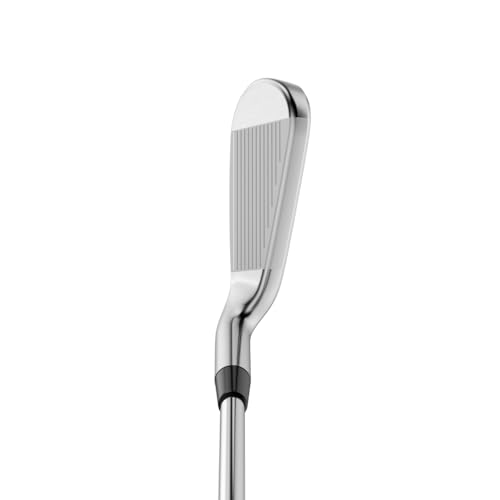
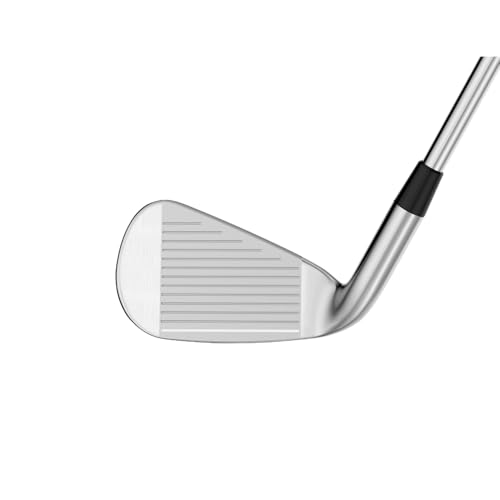
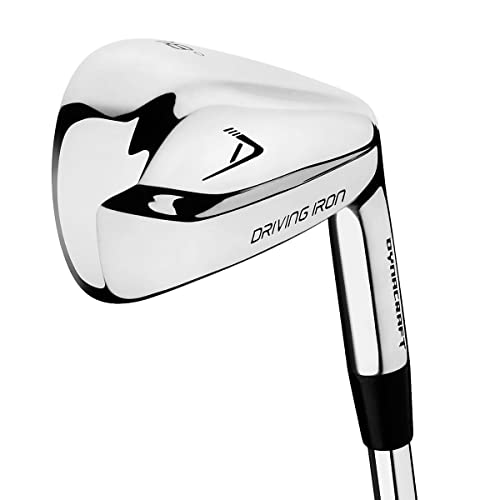
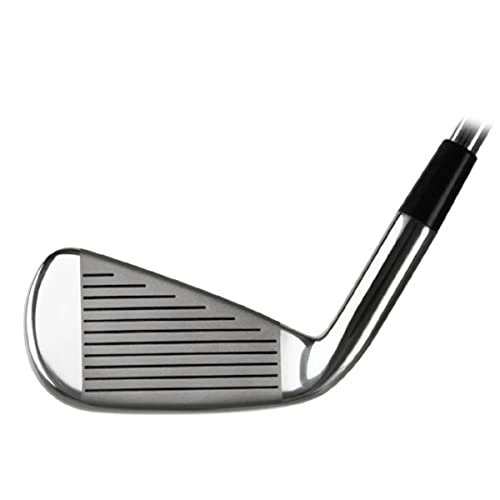
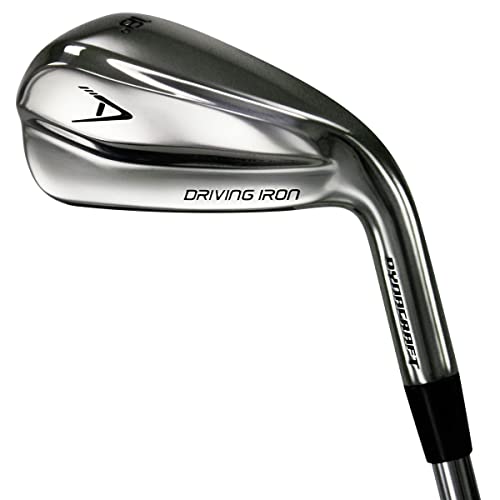
The Dynacraft Driving Iron is a niche tool, but for the right player, it fills a real gap. At just over $50, it’s an affordable alternative to a 2-iron or low fairway wood, with a hollow body and high-COR face designed to launch low and run with control. Owners like its ability to keep the ball under the wind and produce a piercing trajectory, especially useful for players who need a go-to club for tight tee shots or running approaches.
It’s not a distance monster, and the Uniflex steel shaft limits adjustability, but for the price, it delivers solid performance. Compared to pricier driving irons, it lacks refined feel and adjustability, but I’d still recommend it as a single-club add for amateurs who need a utility option without overspending.
Product photos
How We Tested amateur golf irons
Rather than a hands-on lab test, my research focused on a detailed comparison of published specifications and features across a wide range of amateur golf irons. I weighed owner reviews from multiple retailers alongside professional evaluations from golf publications and websites. This data was then assessed against my own understanding of what golfers at various skill levels typically need from their irons – prioritizing forgiveness, distance, and feel.
For this category, distance and forgiveness were the most heavily weighted factors. Amateurs often struggle with consistent contact, so irons that maximize performance on off-center hits are crucial. Beyond that, I looked for designs that promote a higher launch angle for added carry and softer feel to improve the overall experience. Finding the right balance between these elements ultimately decided the ranking.
Manufacturer specs reliably indicate materials and construction techniques (like face cup technology or hollow-body designs) that should deliver certain performance characteristics. However, I placed significant value on owner feedback regarding real-world performance and durability. Reputation and consistency of brands also played a role, especially when assessing long-term value, and to help identify excellent irons for game improvement. Many golfers also seek out quality irons under $300.
How To Pick The Right amateur golf irons
Finding the right irons can dramatically improve your game, but with so many options, it’s easy to get overwhelmed.
A quality golf iron set balances distance, forgiveness, and feel. Look for designs that prioritize low and deep center of gravity (CG) to launch the ball higher with less effort. Modern irons often feature technologies like variable face thickness and strategic weighting to maximize ball speed on off-center hits, expanding the sweet spot and minimizing distance loss. Shaft material and flex also play a crucial role in optimizing performance for different swing speeds.
Understanding Iron Forgiveness
Forgiveness is paramount for amateur golfers. It’s not about eliminating all mishits – that’s impossible – but minimizing the distance lost on those shots. Irons like the TaylorMade SIM2 Max and Cobra Quantum Max OS really lean into this, using cap back designs and oversized heads to move weight to the perimeter. This dramatically increases the moment of inertia (MOI), resisting twisting on off-center strikes. Don’t assume forgiveness means sacrificing feel, though; the ECHO Damping System in the SIM2 Max irons is a good example of tech aimed at improving feel without impacting performance.
Shaft Material and Swing Speed
The shaft is the engine that delivers your clubhead to the ball, and matching it to your swing speed is critical. Graphite shafts, as seen in the Precise A9 set, are lighter and promote faster swing speeds, which is great if you struggle with distance. However, they can sometimes feel less stable than steel. Steel shafts offer more control and consistency, but require more strength to swing effectively.
Here’s how to think about it: * Slower Swing Speed: Graphite is often the better choice for increased distance. * Moderate Swing Speed: A lighter-weight steel shaft can offer a good balance. * Faster Swing Speed: Heavier, stiffer steel shafts provide more control and prevent over-swinging.
Balancing Budget and Performance
It’s tempting to chase the latest technology, but you can find excellent irons without breaking the bank. Sets like the Yamato Golf Iron 5-PW represent a compelling entry point, and can be a great way to get started or upgrade an older set. However, be realistic about what you’re giving up. While a budget set might get you on the course, it likely won’t have the advanced features of a premium offering. Consider whether investing in a set of best value golf irons will ultimately pay off in lower scores and a more enjoyable experience.
A good rule of thumb: don’t focus solely on low price. A slightly more expensive set with better forgiveness will almost always yield better results than a cheap set that’s difficult to hit consistently.
Ultimately, selecting the right irons is a personal decision. As you explore options, remember that finding the right fit can be a pathway to enjoying the game more, and perhaps even planning some incredible golf trips with clubs for amateurs.
Amateur Golf Irons Compared
Here’s a comparison of key specifications for various amateur golf iron sets to help you make an informed decision.
| Product Title | Best For | Shaft Material | # of Clubs | Loft (5-Iron) | Construction |
|---|---|---|---|---|---|
| TaylorMade SIM2 Max Iron Set | Best Overall | Steel | N/A | N/A | N/A |
| TaylorMade SIM2 Max Steel Set | Best Steel Shaft Option | Steel | N/A | N/A | N/A |
| Precise A9 Graphite Iron Set | Best Value Premium Set | Graphite | 7 | N/A | N/A |
| Yamato Golf Iron 5-PW Set | Best Budget Set | N/A | 5 | N/A | N/A |
| Callaway Big Bertha BB23 Iron | Best for Slice Correction | N/A | N/A | N/A | N/A |
| Callaway Elyte X 7 Iron | Best for Fast Ball Speed | N/A | N/A | N/A | N/A |
| Cobra Quantum Max OS Iron | Best Oversized Design | N/A | N/A | N/A | N/A |
| Dynacraft Driving Iron 3 Iron | Best Utility Driving Iron | Steel | 1 | N/A | Hollow-Body |
Frequently Asked Questions
What loft range should I expect for a typical 5-iron in a game-improvement set?
Most game-improvement irons, like those we’ve discussed, have a 5-iron loft between 22 and 25 degrees. This promotes a higher launch angle, making it easier to get the ball airborne, especially for slower swing speeds.
Are graphite shafts really better for seniors or golfers with slower swings?
Graphite shafts generally are, because their lighter weight helps increase clubhead speed. However, the right flex is equally important – a shaft that’s too flexible won’t offer enough control, so consider a senior or lightweight flex designed for moderate swings.
Can I truly correct a slice with the right irons, or is that more of a swing issue?
While proper swing mechanics are essential, irons designed for slice correction, like the Callaway Big Bertha BB23 Iron, can significantly reduce that tendency. These irons often feature weighting that encourages a draw bias, helping to counteract an open clubface at impact.
What’s the difference between cavity back irons and muscle back irons for amateur players?
Best irons with cavity back designs offer more forgiveness due to their weight distribution, making them ideal for amateurs. Muscle back irons, conversely, are preferred by skilled players who prioritize feel and workability, but require precise ball striking.
What can I do to improve my consistency with iron shots?
Focusing on improving iron ball striking is key. Consistent setup, a smooth takeaway, and proper weight transfer are all vital elements, but remember that even the best players don’t hit every shot perfectly.
The Bottom Line
Choosing irons always comes down to balancing what you want with what you’re willing to spend. For most amateur golfers, I believe the TaylorMade SIM2 Max Iron Set strikes the best overall balance of forgiveness, distance, and feel – it’s a set designed to help you consistently improve. You’re investing in technology that will reward solid contact, but also minimize the damage on those less-than-perfect strikes.
If you’re specifically looking for a great value, the Precise A9 Graphite Iron Set is a standout. For golfers needing help correcting a slice, the Callaway Big Bertha BB23 Iron is a strong contender. And for those just getting started, exploring irons for new golfers can make a huge difference, while those wanting to see the overall market should check out the best golf irons.
Ultimately, specs and materials matter, but they’re secondary to finding irons that inspire confidence. Focus on forgiveness and a shaft that complements your swing speed, and don’t be afraid to prioritize consistency over chasing marginal gains in distance. A solid, reliable set in your hands is far more valuable than the latest, flashiest technology.
