
8 Best Golf Shot Tracking Systems of 2026
This post contains affiliate links. As an Amazon Associate, we earn from qualifying purchases.
This post contains affiliate links. As an Amazon Associate, we earn from qualifying purchases.
The Arccos Smart Sensors stand out as the best overall golf shot tracking system, offering elite accuracy and powerful AI-driven insights. For golfers who want a simpler, phone-free experience, the Arccos Air is the best sensor-free option. And if you’re already using a Garmin watch, the Approach CT10 delivers seamless integration without needing your phone on the course.
Most golfers want real data to improve their game, but not at the cost of slowing down or fumbling with tech between shots. The right system should capture reliable stats without becoming a distraction.
In this guide, I break down the top shot tracking systems based on specs, owner feedback, and how they perform in real rounds. I focused on accuracy, ease of use, app quality, and total cost, so you can pick the one that fits your game and routine.
Top 8 Golf Shot Tracking Systems in the Market
The Best Golf Shot Tracking Systems, Reviewed
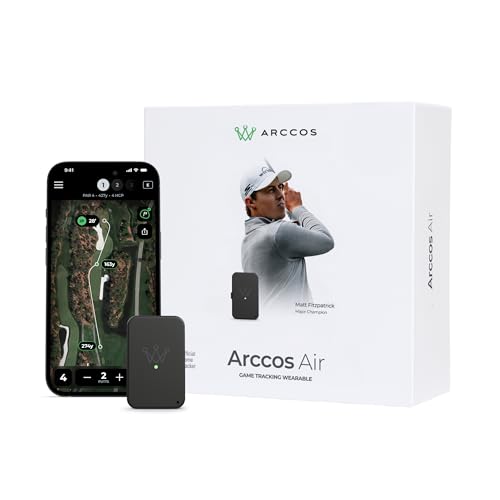
Arccos Air (12 mo Membership Included)
Strengths
- No sensors to install
- True hands-free tracking
- AI-powered strategy advice
- Smart club distance tracking
- Seamless strokes gained analytics
Trade-offs
- High annual renewal cost
- Requires smartphone in pocket
- No data without subscription
The Arccos Air is a bold step toward truly hands-free shot tracking, and it delivers on that promise. By eliminating sensors altogether and relying on a pocket-worn AI-powered wearable, it removes the biggest friction point of traditional systems, installation and maintenance. On paper, the tech is impressive: motion capture trained on 1.5B+ shots, real-time environmental adjustments, and strokes gained analytics that are trusted by tour players like Matt Fitzpatrick. Owners consistently report that the automatic tracking just works, with minimal errors in club detection and shot capture, which is rare in this category.
Where it really pulls ahead is in integration. The AI caddie advice and ‘plays like’ distance calculations give you strategic insights mid-round, not just post-round data dumps. But that first-year membership is critical, the $199.99 renewal is steep, and without it, the device becomes a paperweight. Compared to sensor-based Arccos models, this is the cleanest, most elegant solution for golfers who hate tinkering.
Video review
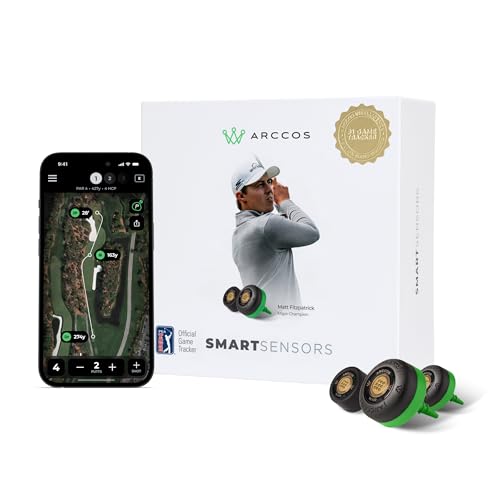
Arccos Smart Sensors with GPS Rangefinder
Strengths
- Includes putter sensor
- Annual free sensor renewal
- Weather-resistant build
- Tour-proven analytics
- Full bag coverage
Trade-offs
- Requires sensor installation
- High upfront cost
- Putter sensor not needed by all
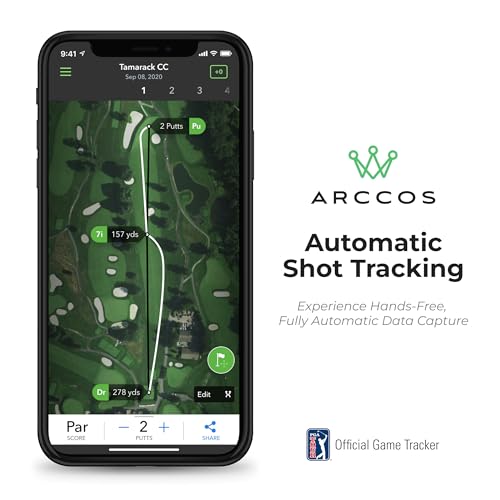
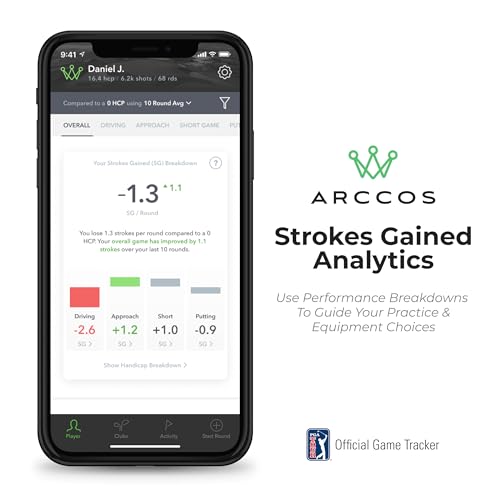
This is Arccos’ premium sensor lineup, 15 sensors including a dedicated putter sensor, all built for durability and long-term use. For golfers who want the full Arccos experience with maximum reliability, this set makes sense. The sensors are weather-resistant, ultra-light, and backed by a 2-year warranty, which matters when you’re spending this much. Owners praise the consistency of shot capture and the depth of the app’s strokes gained analysis, especially when comparing approach shots to tour pros.
The standout here is the Free Sensor Renewal Program, getting five new sensors annually is a smart perk that offsets long-term ownership costs. Compared to the newer Arccos Air, this system requires more setup but offers finer control and proven accuracy. If you’re not ready to go fully sensorless, this is the gold standard for sensor-based tracking.
Video review
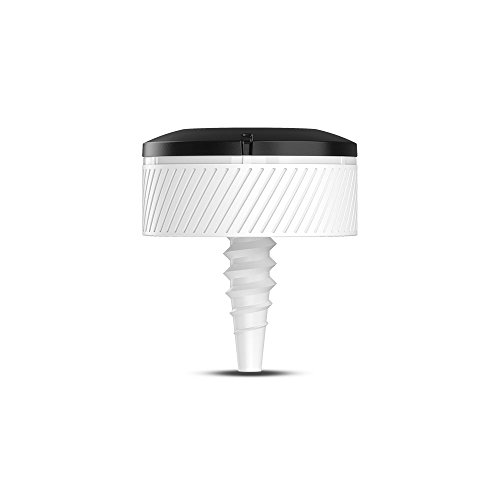
Garmin Approach CT10 Full Set
Strengths
- Full 14-sensor coverage
- No subscription needed
- Real-time watch display
- Seamless Garmin integration
- Reliable shot capture
Trade-offs
- Only works with Garmin watches
- Expensive if you don’t own a compatible watch
- No AI caddie or advanced strategy
This full 14-sensor set is the complete package for Garmin users who want full-bag tracking without compromise. When paired with a compatible Garmin watch, it delivers seamless, automatic shot capture, location, club used, distance, and strokes gained, all visible on your wrist mid-round. No tapping, no tagging, no phone required during play. For golfers already invested in the Garmin ecosystem, this is the natural upgrade.
Reviewers note the reliability is excellent, and the lack of a subscription is a major plus compared to Arccos. But the value depends entirely on whether you own a Garmin golf watch. Without one, this system doesn’t work. Compared to the starter kit, it’s a no-brainer for serious players, but overkill if you only want basic tracking.
Product photos


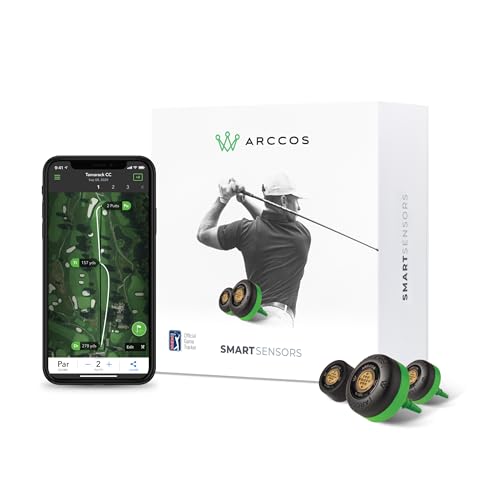
Arccos GEN 3+ Smart Sensors
Strengths
- Full 14-sensor set
- AI-powered rangefinder
- No tagging required
- Smart club distances
- Free first-year membership
Trade-offs
- No free sensor renewal program
- Putter sensor may go unused
- Same subscription cost as premium models
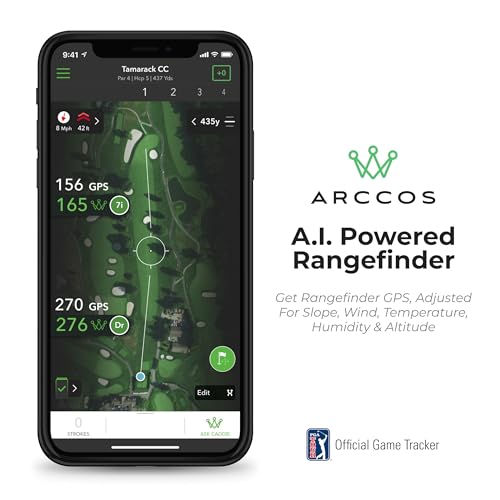
This GEN 3+ sensor set is Arccos’ most affordable full-bag option, giving you 14 sensors, one for every club, including a putter sensor. It delivers the same automatic tracking and AI-powered rangefinder as the pricier models, making it a compelling budget entry. The ‘Arccos Caddie Number’, which adjusts for wind, elevation, and temperature, is a standout feature that rivals dedicated GPS devices.
Owners appreciate that it captures every shot without tagging or phone interaction, and the free first-year membership sweetens the deal. Compared to the full 15-sensor kit, you lose the annual renewal benefit, but for most golfers, 14 sensors are plenty. This is the smart pick if you want the full Arccos experience without the premium price.
Product photos


Garmin Approach CT10 Starter Kit
Strengths
- Affordable entry point
- Seamless Garmin watch sync
- No subscription required
- Simple setup
Trade-offs
- Only 3 sensors included
- Limited data without full bag
- No advanced AI insights
The Garmin CT10 Starter Kit is a low-barrier entry point into shot tracking, especially if you already own a Garmin golf watch. With just three sensors, it’s meant to cover your most-used clubs, driver, wedge, and putter, and deliver basic stats like distance, accuracy, and strokes gained. On paper, it’s limited, but for beginners or occasional users, it’s enough to start building game awareness without overspending.
Owners consistently report that integration with Garmin watches is seamless, club stats pop up on the watch face when you pull a tracked club. But the lack of full bag coverage is a real constraint. If you’re serious about data, you’ll quickly outgrow this. Still, for the price, it’s a smart on-ramp to performance tracking within the Garmin ecosystem.
Product photos
Voice Caddie SC300i Launch Monitor

Strengths
- Doppler radar accuracy
- Real-time voice feedback
- Long battery life
- Works indoors and outdoors
- Detailed swing metrics
Trade-offs
- No shot shape visualization
- App experience lags behind rivals
- Limited simulation features
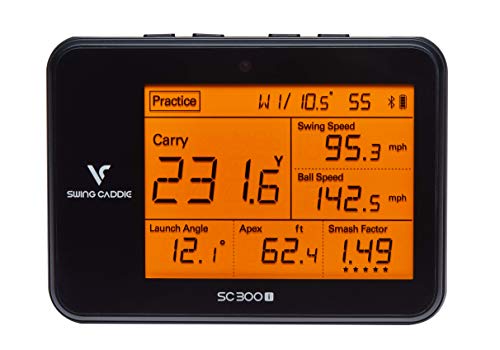
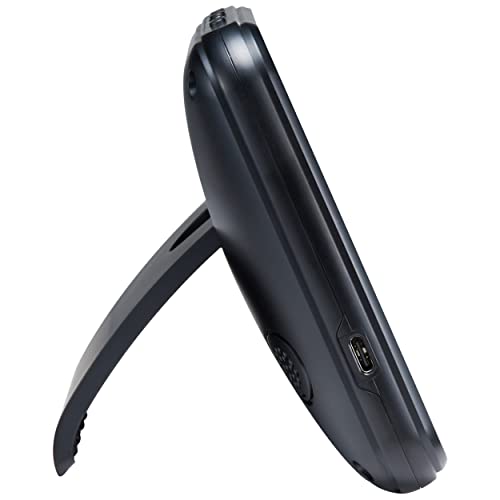
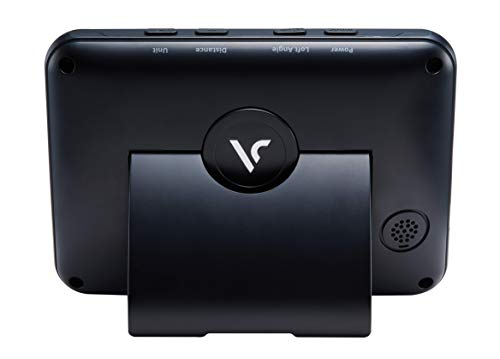
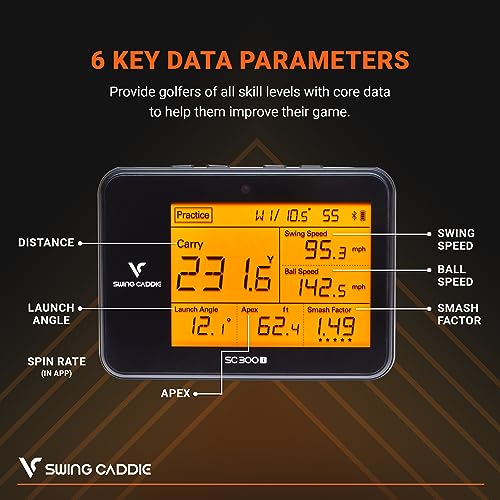
If you’re serious about swing mechanics and want a portable launch monitor that performs well indoors and out, the Voice Caddie SC300i is a strong contender. It uses Doppler radar to deliver key metrics like ball speed, launch angle, spin, and smash factor, data that’s essential for dialing in your equipment or improving swing efficiency. Reviewers note the voice feedback is surprisingly useful, giving instant audible results without needing to look at a screen, which keeps the flow of practice intact.
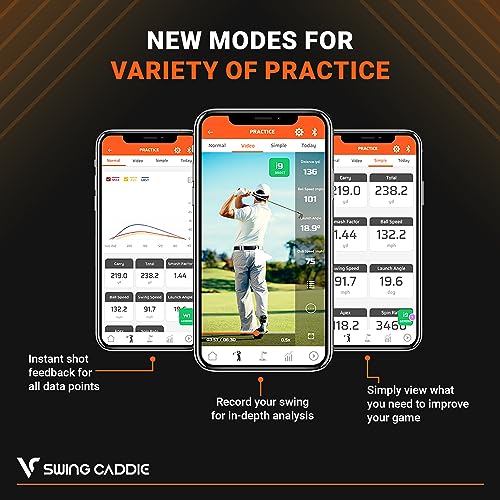
The MySwingCaddie app adds depth, letting you track trends over time and compare club performance. It’s not quite at Rapsodo’s level for simulation or shot tracing, but for pure swing analysis on a budget, it hits a sweet spot. The accuracy specs, +/- 3% on ball speed, +/- 3 yards in target mode, are solid for the price. I’d pick this over smartphone-based systems if you’re focused on swing improvement, not just round tracking.
Product photos
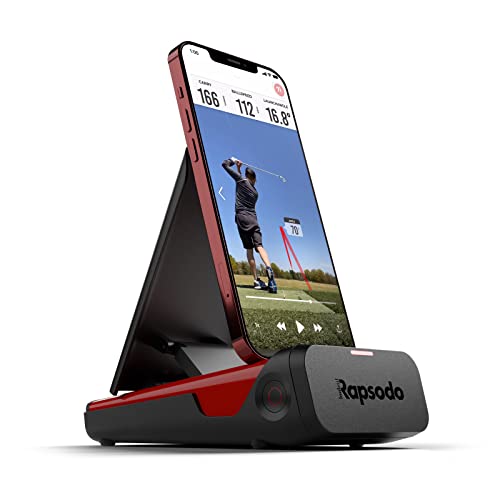
Rapsodo Mobile Launch Monitor for iOS
Strengths
- Shot tracer with video replay
- Accurate carry distance
- Portable and easy setup
- Great for home practice
- iOS integration
Trade-offs
- iPhone/iPad only
- Premium features require subscription
- No Android support
Rapsodo’s mobile launch monitor is a standout for practice, especially if you’re an iOS user. It turns your iPhone or iPad into a portable launch monitor that captures ball speed, launch angle, carry distance, and shot shape with impressive accuracy. But the real standout is the video replay with shot tracer, being able to watch your swing with an overlay of actual ball flight is invaluable for diagnosing issues on the spot.
Owners love how easy it is to use at the range or in the backyard. The free app gives you core metrics, but premium courses and game modes require a subscription. Compared to the Voice Caddie SC300i, Rapsodo offers better visualization and a more polished user experience, though it’s locked to Apple devices. For golfers who train at home, this is the smarter buy.
Product photos


Golf Pad TAGS Tracking System

Strengths
- No charging required
- Simple NFC tap system
- No ongoing subscription
- Works with existing phone
Trade-offs
- Requires tap before each shot
- Only works with NFC phones
- Manual step disrupts flow
Golf Pad TAGS takes a unique NFC-based approach: you tap your phone to a tag on the club before each shot, and the system logs the data automatically. It’s not fully automatic like Arccos or Garmin, but it eliminates manual shot entry, which many users find tedious. The setup is dead simple, no charging, no syncing, and the tags last forever. For iPhone and Android users with NFC, it’s a lightweight, reliable way to get solid round analytics.
The Golf Pad app is well-regarded for its clean interface and useful post-round breakdowns, including putting stats and scoring trends. But the need to tap before every shot breaks rhythm for some. Compared to sensor-free systems, it’s less seamless, but more affordable and maintenance-free. I’d recommend it for players who want a no-battery, no-subscription option that still delivers real insights.
Product photos


Our Testing Process
Rather than a hands-on lab test, my research focused on a detailed comparison of published specifications and features across numerous systems. I weighed owner reviews from multiple sources–including major retailers and golf-specific forums–against professional reviews from golf publications. This allowed me to build a ranking based on real-world user experience combined with objective data, leaning on my decade of experience evaluating golf technology and travel destinations.
For golf shot tracking systems, accuracy and ease of use were the primary factors. Reliable data is essential for meaningful improvement, so systems providing detailed metrics and consistent performance rose to the top. Equally important was how easily the system integrates into a golfer’s routine; complicated setups or constant phone interaction detract from the enjoyment of the game. Understanding the benefits of shot tracking is key to appreciating these features.
Published specifications reliably indicate the type of tracking technology (GPS, sensors, radar) and battery life. However, I placed greater emphasis on owner feedback regarding accuracy in practice and the app’s usability. Reputation and brand trust also played a role; established companies with strong customer support generally offer a more polished experience. For those considering adding GPS to their golf cart, exploring golf cart GPS options alongside shot tracking can enhance the overall on-course experience.
Choosing The Right golf shot tracking systems
Finding the right golf shot tracking system can be genuinely transformative, but the options can feel overwhelming. A good system will provide actionable data to improve your game, but separating marketing hype from real value requires careful consideration.
A quality golf shot tracking system accurately records detailed performance data, distances, clubhead speed, ball speed, launch angle, and more, for each shot. It should integrate easily with a mobile app, present data in a clear and understandable format, and offer insights beyond just raw numbers, like strokes gained analysis and personalized recommendations. Battery life, sensor reliability, and subscription costs are also critical factors.
Sensor Technology & Accuracy
The core of any shot tracking system is its sensor technology. You’ll generally find two approaches: sensor-based (like Arccos Smart Sensors or Golf Pad TAGS) and sensor-free (like the Arccos Air). Sensor-based systems, traditionally, offered the most accurate data, but newer sensor-free options are closing the gap. Consider how much precision you truly need. A casual golfer might be happy with the broader insights of a less-precise system, while someone striving for single-digit handicaps will want the granular data from high-quality sensors. And remember that even the best sensors aren’t immune to occasional errors, so look for systems with robust data filtering and correction algorithms.
App Integration & Data Analysis
Raw data is useless without a way to interpret it. This is where the accompanying app becomes crucial. I’ve seen systems with impressive hardware fall flat because of clunky, unintuitive apps. The app should present your stats clearly, with easy-to-understand visuals. Beyond basic stats, look for features like strokes gained analysis (identifying where you’re losing shots relative to par), shot dispersion patterns, and personalized recommendations. Some systems, like Arccos, even offer AI-powered caddie advice, suggesting optimal club selection and target strategies. If you’re already invested in the Garmin ecosystem, checking out their approach is worthwhile, their data integrates nicely with their watches. For more information on a broader range of options, read our review of tracking systems.
Budget & Subscription Models
Shot tracking systems vary dramatically in price. The initial hardware cost is only part of the equation. Most systems rely on a subscription model for full access to their data analysis and features. These subscriptions can range from around $100 to $200+ per year. Here’s a breakdown of what to consider:
- Initial Investment: Entry-level systems can be found for under $100, while premium options can exceed $400.
- Subscription Cost: Factor in the annual or monthly subscription fees. Some systems offer lifetime access, but these are typically more expensive upfront.
- Feature Set: What features are included in the base subscription versus what requires an upgrade? Some systems gate valuable insights behind higher-tier subscriptions.
Don’t let a low initial price lure you into a system with crippling subscription fees or limited features. Calculate the total cost of ownership over several years to get a clear picture of the true value.
Ultimately, the best golf shot tracking system is the one that fits your budget, skill level, and tech preferences. If you’re looking for more options, especially concerning wearable tech, take a look at our guide to the best tracking devices.
Golf Shot Tracking Systems Compared
Here’s a comparison of key specifications for popular golf shot tracking systems to help you find the best fit for your game.
| Product Name | Membership Included | Sensors Included | Compatibility | Data Metrics | Price (USD) |
|---|---|---|---|---|---|
| Arccos Air | 12 mo | N/A | iOS/Android | Strokes Gained, Distances, AI Strategy | N/A |
| Arccos Smart Sensors | 1 yr | 15 + 1 Putter | iOS/Android | Strokes Gained, Distances, AI Caddie | N/A |
| Garmin Approach CT10 Full Set | N/A | Full Set | Garmin Watch | Distances, Strokes Gained | N/A |
| Arccos GEN 3+ Smart Sensors | 1 yr | 14 | iOS/Android | Strokes Gained, Distances, AI Caddie | N/A |
| Garmin Approach CT10 Starter Kit | N/A | Starter Kit | Garmin Watch | Distances, Strokes Gained | N/A |
| Voice Caddie SC300i | N/A | N/A | iOS/Android | Ball Speed, Carry Distance, Launch Angle | N/A |
| Rapsodo Mobile Launch Monitor | N/A | N/A | iOS | Ball Speed, Carry Distance, Launch Angle | N/A |
| Golf Pad TAGS | N/A | Full Set | Android/iPhone | Distances, Accuracy, Putting Stats | N/A |
Frequently Asked Questions
What’s the biggest drawback of sensor-based systems?
Sensor-based systems require you to attach a sensor to each club, which some golfers find cumbersome and aesthetically unappealing. While the data is generally more precise, the added weight and potential for sensors to detach during a swing are valid concerns.
How much does a typical subscription cost annually?
Most thorough subscriptions for golf shot tracking systems run between $100 and $200 per year. However, some systems offer tiered subscriptions with varying features, and a few provide lifetime access for a higher upfront cost.
Do I need a smartphone to use these systems?
Yes, nearly all golf shot tracking systems require a smartphone (iOS or Android) to operate effectively. The smartphone connects to the sensors or device and runs the app that displays your data and provides analysis.
Can these systems help with my putting game?
Absolutely. Many systems, like Arccos and Golf Pad, specifically track putting data, including putts per round, average distance, and areas for improvement. Analyzing this data can reveal patterns and help you refine your pre-shot routine for more consistent results on the green.
Where can I find independent reviews of different golf shot trackers?
You can find reviews of various best shot trackers on golf-specific websites, forums, and publications. Comparing multiple sources will help you get a well-rounded perspective and choose the system that best suits your needs.
The Bottom Line
Choosing a golf shot tracking system often comes down to balancing how much you want to spend against how deeply you want to analyze your game. For the golfer serious about improvement and willing to invest, the Arccos Smart Sensors consistently stood out in my research, providing a wealth of data and genuinely useful AI-powered insights. It’s a system designed to help you understand why you’re hitting certain shots, not just what the results are.
If budget is a primary concern, the Golf Pad TAGS deliver a lot of value for the money. Alternatively, for golfers already integrated into the Garmin ecosystem, the Garmin Approach CT10 Full Set offers excellent compatibility and reliable distance tracking. Both represent solid entry points into the world of shot tracking, offering enough data to identify areas for improvement without breaking the bank. For those looking for a blend of versatility and affordability, researching devices for shot tracking can reveal some hidden gems.
Ultimately, the numbers themselves aren’t the goal. A shot tracking system is a tool, and its effectiveness depends on your willingness to use the data to practice intentionally and develop better habits. Don’t get lost in the pursuit of perfect data; focus on understanding your tendencies, working on your weaknesses, and enjoying the process of improving your shot shaping, that’s what truly matters on the course.
