
8 Best Golf Tracking Systems of 2026
This post contains affiliate links. As an Amazon Associate, we earn from qualifying purchases.
This post contains affiliate links. As an Amazon Associate, we earn from qualifying purchases.
The Arccos Smart Sensors Gen 4 is the overall best golf tracking system for serious players who want precise, club-by-club data and powerful AI insights. For a simpler, lower-effort option, the Golf Pad TAGS System delivers solid automatic tracking at a more accessible price. If you’re already using Garmin gear, the CT10 Full Set integrates smoothly and adds strong on-course functionality.
Most golfers don’t need every data point imaginable, they need clear, reliable feedback that helps them make smarter decisions on the course. Too many systems promise deep analytics but deliver cluttered apps or inconsistent tracking, which just adds frustration to your round.
This guide cuts through the noise. I compared specs, analyzed owner experiences, and evaluated real-world usability to highlight the systems that actually deliver value. You’ll see how each performs in accuracy, ease of use, and data clarity, so you can pick one that fits your game and your priorities.
Top 8 Golf Tracking Systems in the Market
The Best Golf Tracking Systems, Reviewed
Arccos Air with Membership
Strengths
- No club sensors
- AI-powered insights
- Lightweight wearable
Trade-offs
- Phone required
- Membership renews at full price
- No data without app
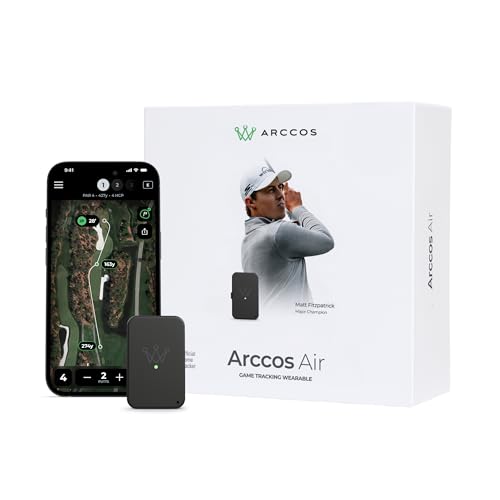
Arccos Air is the evolution of shot tracking, no sensors on clubs, just a small wearable you toss in your pocket. Using motion capture and AI trained on over a billion shots, it automatically logs every swing with impressive accuracy. Owners say it’s the most hassle-free system on the market, especially since there’s no tagging, no syncing, and no battery anxiety with the included charging case.
It still requires a smartphone, but unlike sensor-based systems, setup is nearly instant. The AI GPS rangefinder gives ‘plays-like’ distances with environmental adjustments, and the strokes-gained breakdown is as good as it gets outside a PGA Tour locker room. Compared to the sensor version, Air is simpler and just as insightful. I’d pick this over the standard Arccos setup for most golfers who value convenience without sacrificing data.
Video review
Arccos Smart Sensors Gen 4
Strengths
- AI caddie advice
- Free sensor renewal
- Strokes gained analytics
Trade-offs
- Membership required after year one
- Sensors need replacement
- Phone must be on during play
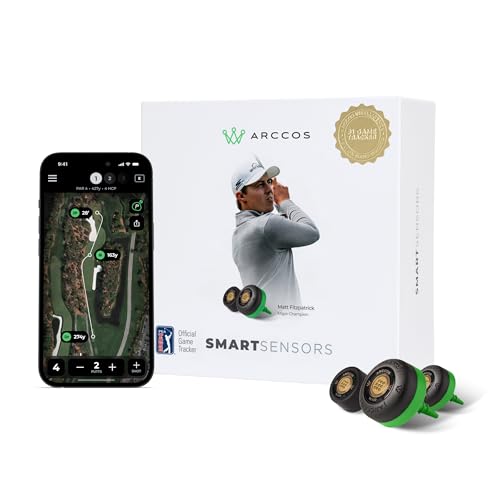
Arccos has long set the standard for sensor-based tracking, and this full kit delivers on that promise. With 15 sensors, including a dedicated putter sensor, owners get automatic shot capture, real-time GPS rangefinder data adjusted for weather and elevation, and strokes-gained analytics that actually help lower scores. The AI-powered caddie advice is a standout, offering club recommendations based on your actual performance.
The annual free sensor renewal program is a smart touch, getting five new sensors each year means you can expand your setup or replace lost ones. Compared to Golf Pad TAGS, Arccos is more sophisticated, with better app integration and pro-level insights. The need for a membership after year one is a downside, but the first year is free, and the data depth justifies the cost for serious players.
Video review
SkyTrak Launch Monitor Simulator
Strengths
- Accurate spin and launch data
- Excellent simulator compatibility
- Durable metal case included
Trade-offs
- Bulky for travel
- Signature required on delivery
- Higher price point
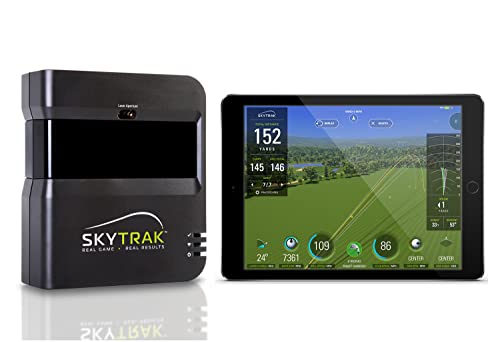
SkyTrak remains one of the most trusted names in consumer launch monitors, and for good reason. It delivers accurate ball and club data, like spin rate, launch angle, and club speed, that’s useful for serious practice and home sim setups. Reviewers note its reliability on the range, and the inclusion of a metal protective case means your unit stays safe when paired with a hitting mat.
It’s not the most portable option, and the signature-required shipping can be a hassle, but in this class, SkyTrak hits the sweet spot between pro-level data and home user accessibility. Compared to Rapsodo, it’s pricier but offers better simulation integration and more detailed feedback. If you’re building a garage simulator or want true launch data, this is a strong foundation.
Product photos


Rapsodo MLM Mobile Monitor
Strengths
- Affordable entry point
- Video with shot tracer
- Portable design
Trade-offs
- iOS only
- Less accurate than premium models
- Premium features require subscription
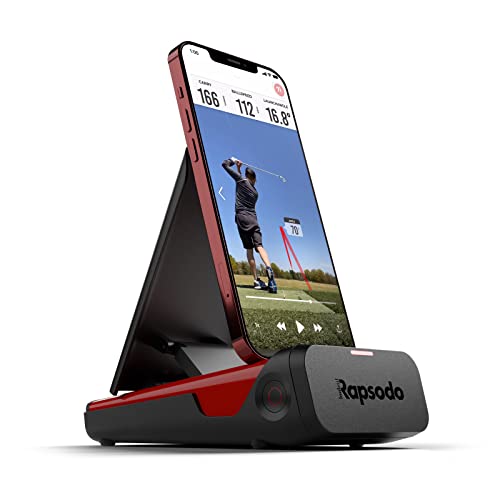
At this price, Rapsodo delivers real value for golfers who want launch monitor basics without breaking the bank. It gives you ball speed, club speed, launch angle, and carry distance, key metrics that help dial in your yardages. The video replay with shot tracer is a nice bonus, letting you sync swing footage with actual ball flight, which helps spot flaws instantly.
It only works with iOS devices, which narrows its audience, and the accuracy isn’t quite at SkyTrak’s level, but for backyard practice or the driving range, it’s more than sufficient. Reviewers note it’s especially helpful for mid- to high-handicappers looking to understand their swing better. If you’re on a budget and want real feedback, this is the smarter buy over pricier systems.
Product photos


Garmin CT10 Full Set
Strengths
- Auto shot detection
- Full bag coverage
- Strokes gained analytics
Trade-offs
- Watch-dependent
- No AI caddie
- Limited to Garmin users
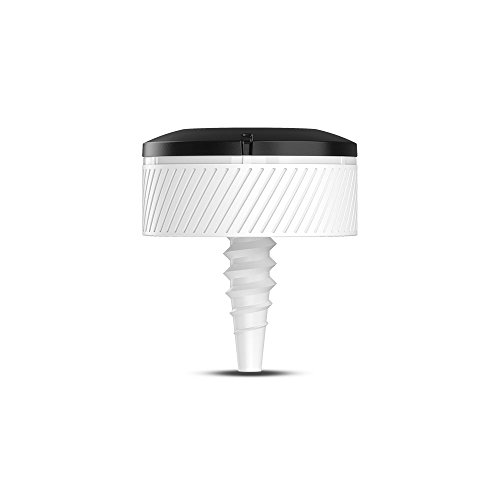
If you’re already deep into the Garmin golf ecosystem, the CT10 makes a lot of sense. It’s a sensor-based system that pairs directly with compatible Garmin watches, so every time you pull a club, it logs the shot automatically, no tapping or tagging. Owners consistently report solid data capture for full swings, and the integration with the watch interface feels natural, especially when reviewing distances and club performance mid-round.
The big limitation? It only works if you’re using a supported Garmin watch. On paper, the 14 included sensors cover a full bag, and the strokes-gained analytics are legit, but without standalone functionality, this isn’t a standalone upgrade. Compared to Arccos, it’s less flexible and doesn’t offer AI caddie features, but for Garmin loyalists, it’s a clean, seamless add-on.
Product photos


Bushnell Phantom 3 GPS
Strengths
- Accurate slope adjustment
- Long battery life
- Easy cart mount
Trade-offs
- No shot tracking
- No wearable form
- Basic game analysis
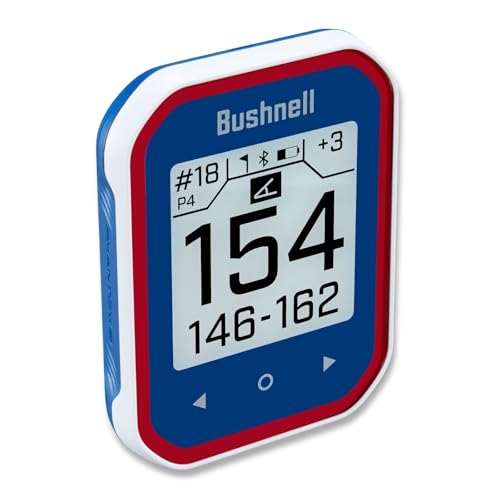
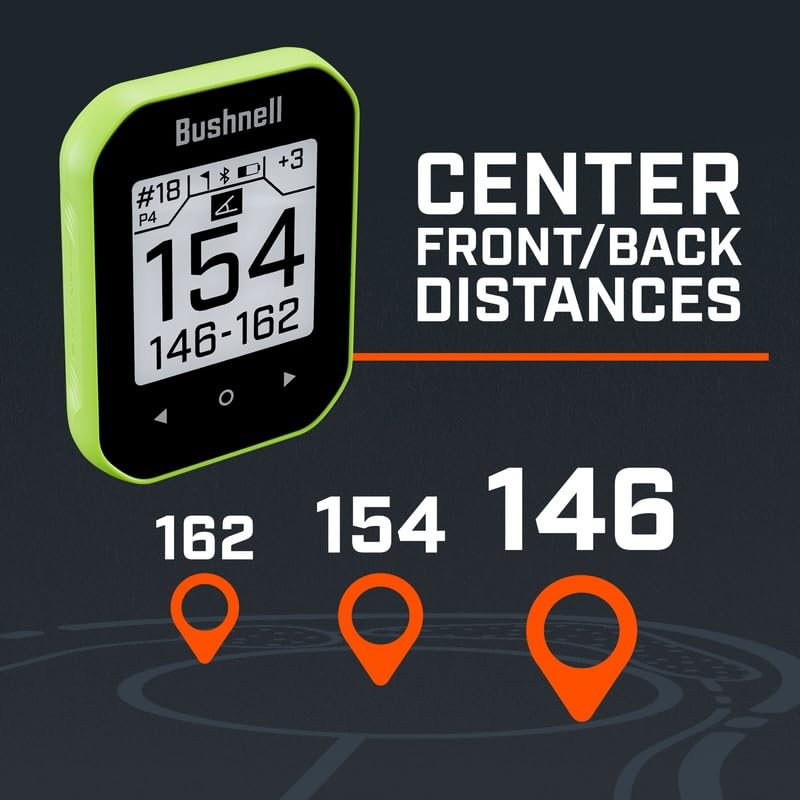
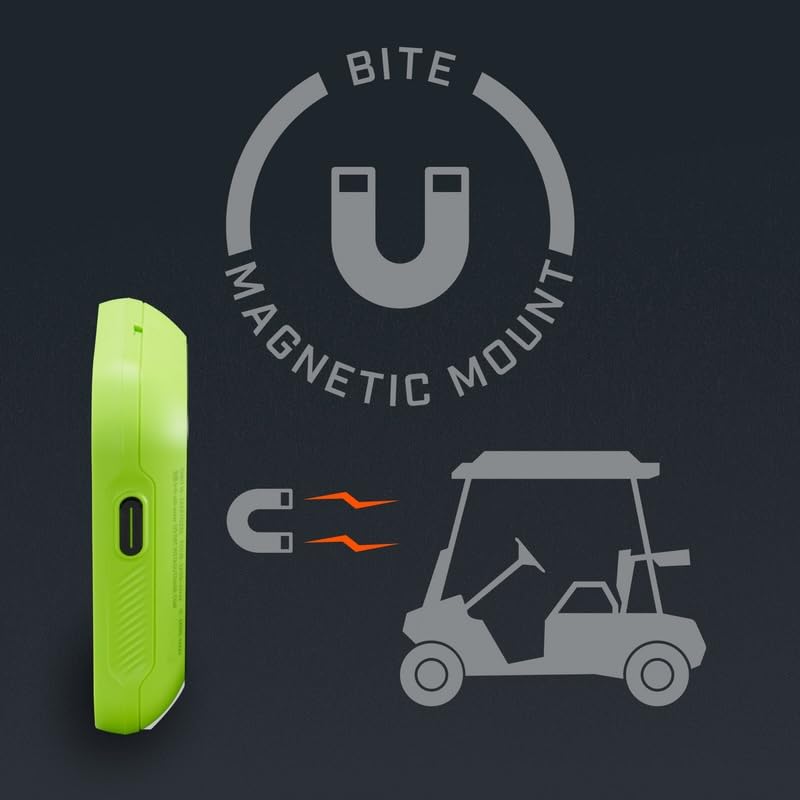
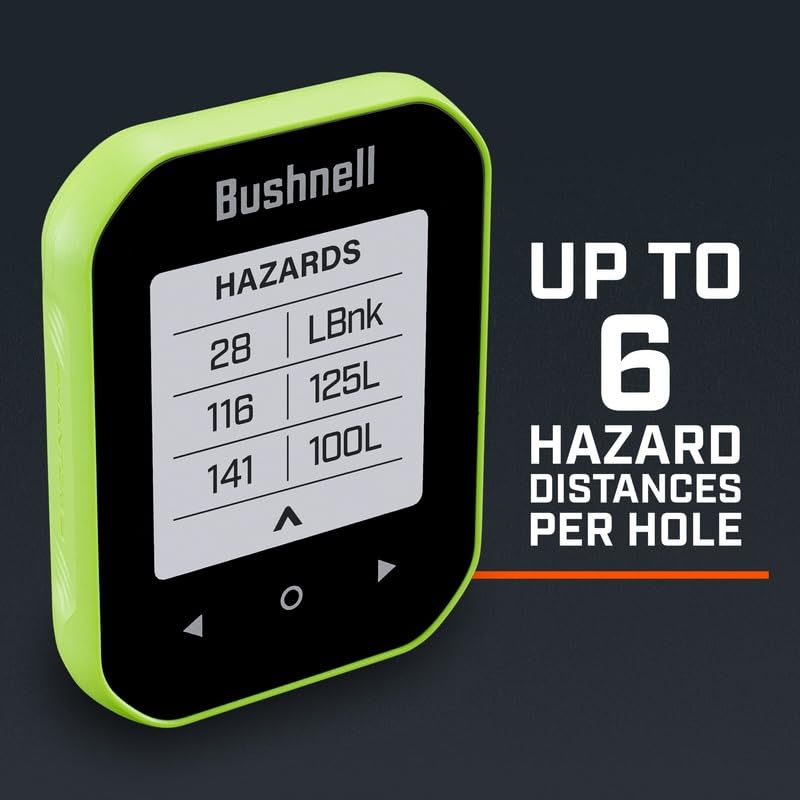
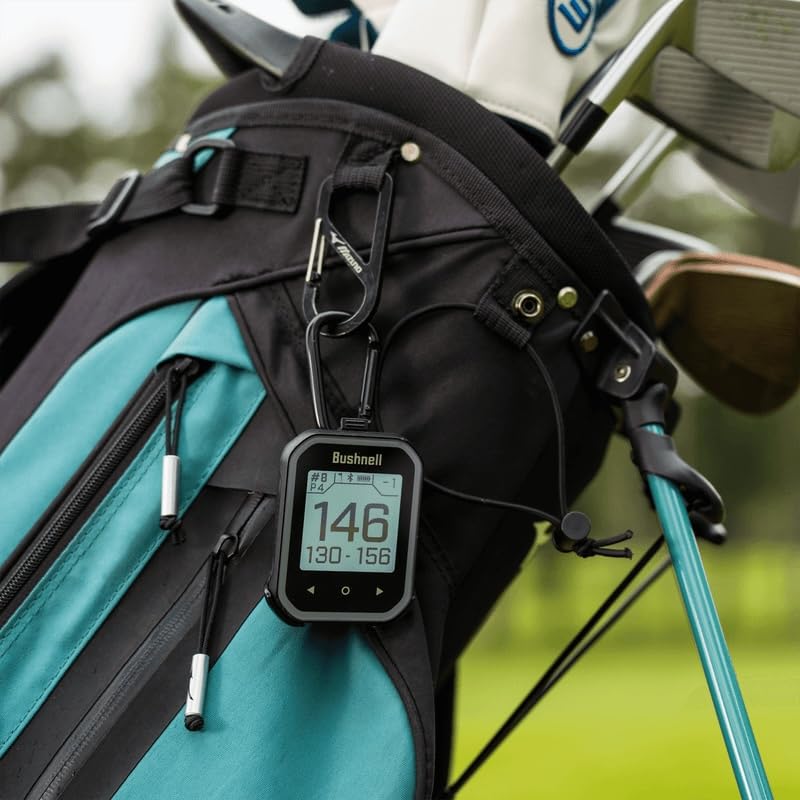
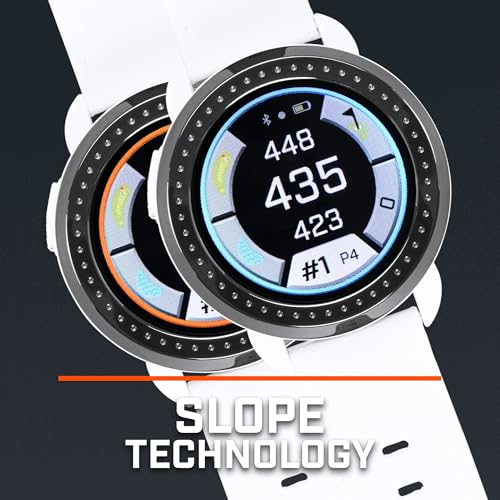
The Phantom 3 is a no-nonsense GPS with one of the best slope-adjusted distance engines in the business. Bushnell’s patented Slope Tech gives you ‘plays-like’ yardages that account for elevation, which is huge on hilly courses. The touchscreen is responsive, auto-course updates are a time-saver, and the built-in BITE magnet makes cart mounting effortless.
It doesn’t track your shots or analyze your game like Arccos, but that’s not its job. For pure distance clarity, it outshines many watches and apps. Owners praise its long battery life and readability in direct sun. Compared to the iON Elite watch, it’s less wearable but often more accurate in dynamic conditions. If you want a reliable, tournament-legal rangefinder with smart slope correction, this is a solid pick.
Product photos

Bushnell iON Elite GPS Watch
Strengths
- Tournament-legal slope mode
- Long battery life
- Intuitive single-button use
Trade-offs
- No shot tracking
- Limited smart features
- No app-based AI
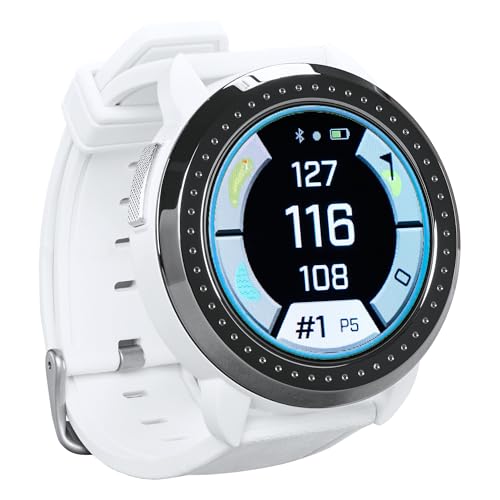
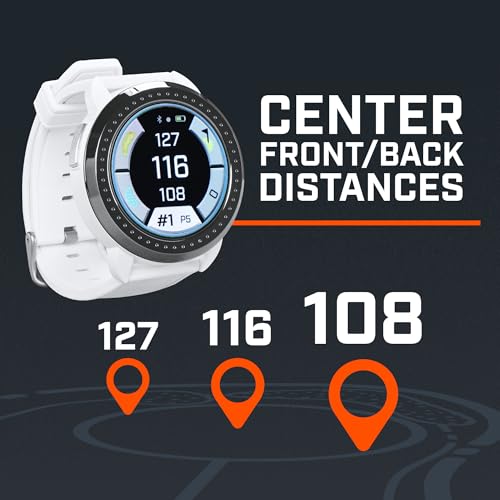
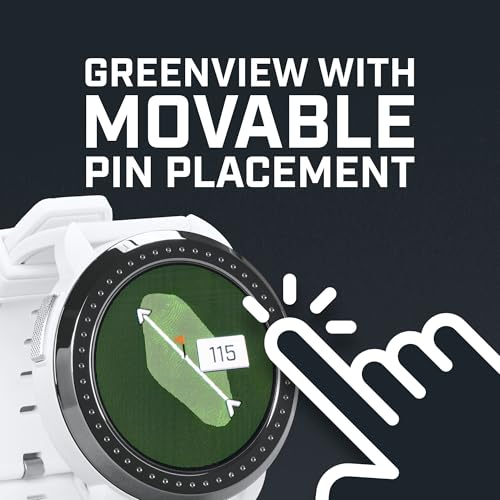
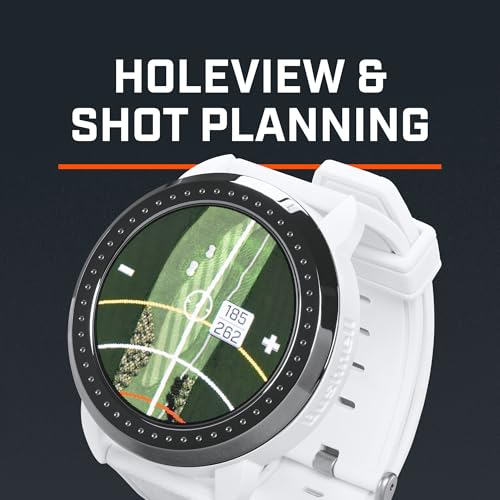
The iON Elite strikes a great balance between functionality and ease of use. The 1.28-inch color touchscreen is bright and glove-friendly, and the single-button design keeps things intuitive. It delivers slope-adjusted yardages with a toggle for tournament mode, and the HoleView and GreenView features make course navigation simple.
Owners consistently report strong battery life, enough for two rounds, and the USB-C charging is a welcome upgrade. While it doesn’t offer shot tracking like Garmin or Arccos, it excels as a standalone GPS tool. Compared to the Phantom 3, it’s more wearable and integrates scorekeeping, but lacks advanced game analysis. For a pure golf watch experience, this is one of the most user-friendly options.
Product photos
Golf Pad TAGS System

Strengths
- No charging required
- Simple NFC setup
- Affordable price
Trade-offs
- Manual tap required
- Limited device support
- No AI insights
Golf Pad TAGS takes a different approach, NFC tapping instead of sensors or wearables. Before each shot, you tap your club tag to your phone, and it logs the club and distance. It’s not fully automatic, but the tags require no charging or syncing, and setup is quick. Owners appreciate the simplicity and low cost, especially for casual tracking.
The app delivers solid post-round analysis, putting stats, club averages, and scoring trends, but the need to tap before every shot breaks flow. Compared to Arccos, it’s less intuitive and lacks AI features. But for golfers who want basic NFC-based tracking without monthly fees, it’s a functional, low-maintenance option.
Product photos


How We Evaluated golf tracking systems
Rather than a hands-on lab test, my research focused on a detailed comparison of published specifications and features across numerous golf tracking systems. I weighed owner reviews from major retailers alongside expert analysis from golf publications and tech reviewers. This allowed me to build a ranking based on real-world usability and reported accuracy, applying my years of experience understanding what golfers truly value in performance tracking devices.
For this category, accuracy and data presentation were paramount. A system’s ability to reliably capture shot data – and then translate that into actionable insights – decided the outcome. Equally important was ease of use; golfers want to spend their time playing, not wrestling with complicated setups. I also prioritized systems offering ongoing value, such as subscription services that provide advanced analytics or regular sensor updates.
Specifications reliably reveal core capabilities like sensor type, battery life, and GPS accuracy. However, I placed greater emphasis on owner feedback regarding real-world performance and the clarity of the accompanying app. Reputation also played a key role; established brands with a history of producing quality golf equipment, like Bushnell rangefinders, naturally carried more weight in my assessment. Many golfers are also seeking the best golf tracking devices currently available.
How To Choose The golf tracking systems
I’ve spent years advising golfers on how to improve their game, and one of the biggest leaps forward has been the availability of accurate data. Knowing what you’re doing well – and where you’re leaking strokes – is essential.
Modern golf tracking systems offer a range of technologies, from sensor-based clip-ons to smartphone-integrated NFC tags. A good system should automatically record shot data with minimal effort from the golfer, provide insightful analytics beyond simple scores, and integrate easily into a post-round review process. Accuracy, battery life, and the clarity of the accompanying app are also key considerations.
Sensor Accuracy & Placement
The core of any golf tracking system is, unsurprisingly, its ability to accurately record your shots. Systems like the Arccos Smart Sensors Gen 4 use dedicated sensors attached to each club, offering a very detailed picture of your performance, but require consistent attachment. Other options, like the Arccos Air, aim for simplicity by using a wearable device, eliminating the need for individual club sensors. While convenient, some golfers find the wearable can occasionally miss shots, impacting data integrity. Consider your tolerance for potentially fiddling with attachments versus the risk of occasional data gaps.
Data Analytics & Presentation
Raw data is useless without context. The best systems don’t just tell you what happened; they tell you why. Strokes gained analysis is now fairly standard, but look beyond that. Does the system offer insights into your tendencies with specific clubs? Does it provide AI-powered recommendations, like those found in the Arccos systems? A sophisticated app is critical here. You’ll want something that presents data in a clear, actionable way, not just a confusing mess of numbers. If you’re already invested in the Garmin ecosystem, exploring options like the Garmin CT10 Full Set which integrate with their Garmin golf watches could be a smart move.
Budget & Usability Considerations
Golf tracking systems span a wide price range. Launch monitors like the SkyTrak Launch Monitor Simulator offer the most thorough data, but come with a significant cost and are geared more towards home practice. For golfers who want tracking on the course without breaking the bank, the Rapsodo MLM Mobile Monitor presents a compelling option.
Here’s a quick breakdown of what to expect in terms of commitment:
- Minimal Effort: NFC-based systems like Golf Pad TAGS are incredibly easy to use – just tap and play.
- Moderate Commitment: Sensor-based systems (Arccos Smart Sensors) require attaching sensors to each club, but offer very detailed data.
- Significant Investment: Launch monitors demand setup time and dedicated practice space, but provide an unparalleled level of analysis.
A practical rule of thumb: don’t overspend on features you won’t use. If you’re not committed to analyzing detailed stats, a simpler, more affordable system is likely a better fit.
Ultimately, the best shot tracking systems for you will depend on your budget, technical comfort level, and how deeply you want to analyze your game.
Golf Tracking Systems Compared
This table provides a detailed comparison of the specifications for various golf tracking systems available on the market.
| Product Name | Tracking Type | Sensors Included | Membership/Subscription | Battery Life | Connectivity | Key Features |
|---|---|---|---|---|---|---|
| Arccos Air with Membership | Automatic | N/A | Required (US$199.99/yr) | Up to 12 rounds | Smartphone | AI Strategy, Strokes Gained Analytics |
| Arccos Smart Sensors Gen 4 | Sensor-Based | 16 (15 + Putter) | Required (US$199.99/yr) | 2 years | Smartphone | AI Rangefinder, Strokes Gained, AI Caddie |
| SkyTrak Launch Monitor | Launch Monitor | N/A | N/A | N/A | N/A | Ball Speed, Launch Angle, Spin Rates |
| Rapsodo MLM Mobile Monitor | Launch Monitor | N/A | Premium Unlock | N/A | iOS | Shot Tracer, Carry Distance |
| Garmin CT10 Full Set | Sensor-Based | 14 | Compatible Garmin Watch | N/A | Garmin Watch | Stroke Tracking, Distance Analysis |
| Bushnell Phantom 3 GPS | GPS | N/A | N/A | 14+ hours | N/A | Slope-Adjusted Distances, Touchscreen |
| Bushnell iON Elite GPS Watch | GPS | N/A | N/A | 12+ hours | N/A | Slope, HoleView, Preloaded Courses |
| Golf Pad TAGS System | NFC | 14 | N/A | N/A | Smartphone | Automatic Shot Tracking, Game Analysis |
Frequently Asked Questions
What level of golfer benefits most from a tracking system?
Any golfer serious about improvement can benefit, but those with a handicap between 10 and 30 will likely see the biggest gains. These systems quickly highlight areas for focused practice, leading to more efficient skill development.
Are these systems accurate enough for competitive play?
Accuracy varies, but high-end sensor-based systems like Arccos Smart Sensors Gen 4 are generally considered reliable enough for tracking stats during casual competitive rounds. It’s always wise to double-check data against your own observations, though.
Can I use a tracking system without a smartphone?
Some systems, like the Bushnell Phantom 3 GPS, function independently. However, most rely on a smartphone app for data processing and analysis, so a compatible device is typically required for full functionality.
How do these systems handle lost or damaged sensors?
Most manufacturers offer replacement sensors for purchase. Arccos, for example, provides a replacement program for their Smart Sensors, and Golf Pad TAGS are individually replaceable. Check the specific warranty and support options for your chosen system.
Will a tracking system integrate with other golf tech I already own, like a best Garmin for golf watch?
Garmin CT10 sensors are designed to smoothly integrate with compatible Garmin watches. Other systems may offer limited compatibility with certain devices, so it’s essential to verify integration options before purchasing.
The Bottom Line
Choosing a golf tracking system often comes down to how much control you want versus how much fuss you’re willing to tolerate. If you’re serious about improvement and want the most detailed data, the Arccos Smart Sensors Gen 4 remains the strongest overall pick – despite the annual subscription, the AI-powered insights are genuinely valuable.
For golfers seeking a budget-friendly option, the Golf Pad TAGS System delivers automatic shot tracking without a recurring fee. If you’re already a Garmin user, the Garmin CT10 Full Set integrates beautifully with their watches, offering a streamlined experience. And for those wanting to combine on-course tracking with practice, the Rapsodo MLM Mobile Monitor provides a versatile solution, though it pushes the price point higher. Understanding your individual needs is paramount when selecting from the various shot tracking technology available.
Ultimately, remember that specs and features are secondary to consistency. No system will magically fix your swing; they simply provide information. Focus on developing a solid pre-shot routine, committing to each shot, and consistently analyzing your performance, and you’ll see improvement regardless of which of these essential golf gear you choose.
