
9 Best Golf Trackers of 2026
This post contains affiliate links. As an Amazon Associate, we earn from qualifying purchases.
This post contains affiliate links. As an Amazon Associate, we earn from qualifying purchases.
The Arccos Smart Sensors stand out as the best overall golf tracker for serious players, delivering deep, automatic shot analysis. For golfers wanting premium launch monitor accuracy, the Rapsodo MLM2PRO is a top versatility pick, while the Garmin Approach R10 offers solid performance at a more accessible price.
Golfers don’t just want gadgets, they want real answers. Without accurate data, it’s nearly impossible to pinpoint weaknesses or measure real progress. Most trackers promise improvement, but only a few deliver insights you can actually use.
This guide cuts through the noise. I compared the top models based on specs, owner feedback, and how well they help golfers understand their game. The picks here earned their spots by balancing accuracy, ease of use, and long-term value, so you can focus on lowering your score, not deciphering your device.
Top 9 Golf Trackers in the Market
The Best Golf Trackers, Reviewed
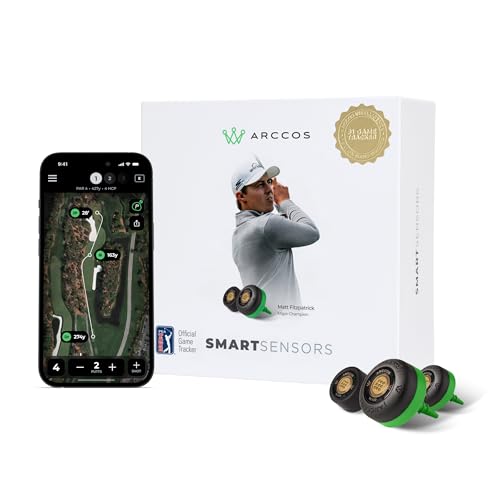
Arccos Smart Sensors Golf Shot Tracker
Strengths
- AI-powered caddie advice
- Automatic shot tracking
- Strokes gained analysis
Trade-offs
- Subscription after year one
- Requires phone on course
- Sensor installation needed
Arccos earns the ‘Best Overall’ label because it combines full-shot tracking, AI caddie advice, and strokes-gained analytics into one seamless system. With 15 sensors, including one for your putter, it automatically logs every shot, measures real club distances, and adjusts for environmental factors like wind and elevation. The A.I. caddie gives real-time yardage suggestions, which is incredibly useful on tricky approach shots.
Owners consistently report lower scores after a few months of use, thanks to the data-driven insights. The first year is free, but the $200 renewal is a consideration. Still, with PGA Tour pros like Matt Fitzpatrick using it, and the annual sensor renewal program replacing lost or damaged units, it’s built to last.
Video review
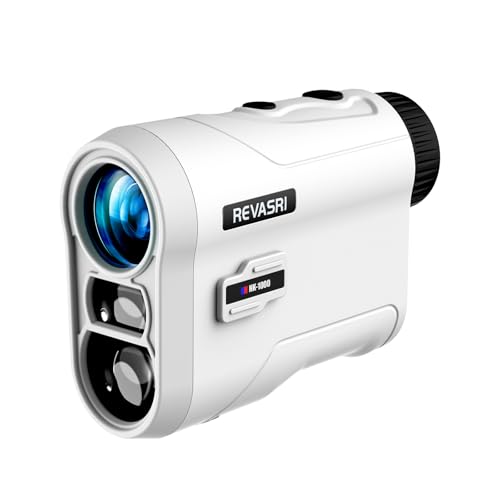
REVASRI Golf Rangefinder with Slope
Strengths
- Very low price
- Slope and tournament modes
- Pin lock with vibration
Trade-offs
- Plastic build quality
- Less durable than premium units
- Limited battery life
At under $40, the REVASRI rangefinder is shockingly capable. It locks onto pins with vibration feedback, has a 1,000-yard range, and includes a slope mode with compensation distance, plus a tournament-legal slope-off mode. The external slope switch is a smart design, letting you toggle between practice and competition use.
It’s not as rugged or precise as premium models, but owners say it’s more than accurate enough for weekend play. The build is lightweight, the display is clear, and the rechargeable battery is a nice touch at this price. For beginners or casual players who want laser precision without spending hundreds, it’s a steal.
Video review
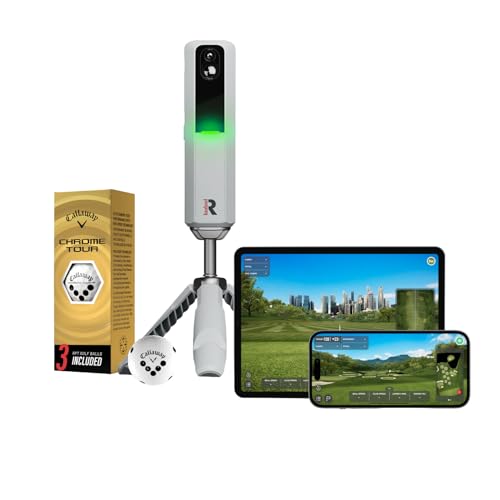
Rapsodo MLM2PRO Mobile Launch Monitor
Strengths
- Tour-level shot data
- Slow-motion impact analysis
- Full simulator access
Trade-offs
- High price
- Requires flat setup space
- App dependency
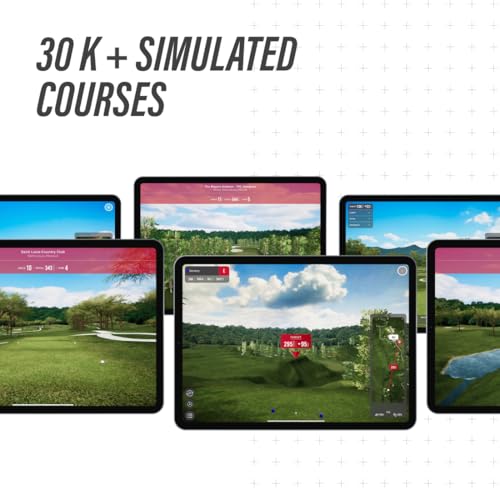
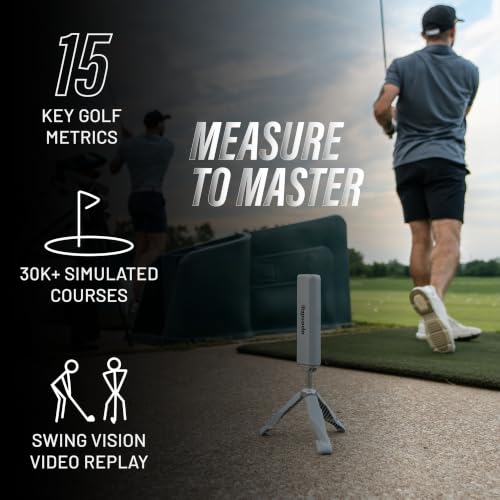
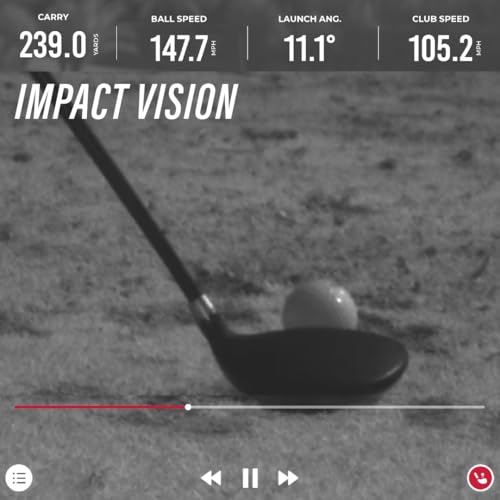
This is the most capable mobile launch monitor for serious players who want tour-level data. The dual camera and Doppler radar setup captures 15 key metrics, spin rate, launch angle, club path, smash factor, with accuracy that rivals units costing twice as much. The included 45-day Premium trial opens up 30,000+ simulated courses and training tools, making it a full indoor practice solution.
Owners praise the video analysis and impact vision features, which let you replay swings in slow motion with ball flight tracers. It’s not the most portable, but for home simulators or dedicated practice spaces, it’s a powerhouse. The price is steep, but if you’re focused on measurable improvement, the data depth justifies it.
Product photos


Garmin Approach R10 Launch Monitor
Strengths
- Portable and compact
- Video swing analysis
- Long battery life
Trade-offs
- Less accurate than radar units
- Requires smartphone
- Limited simulator features
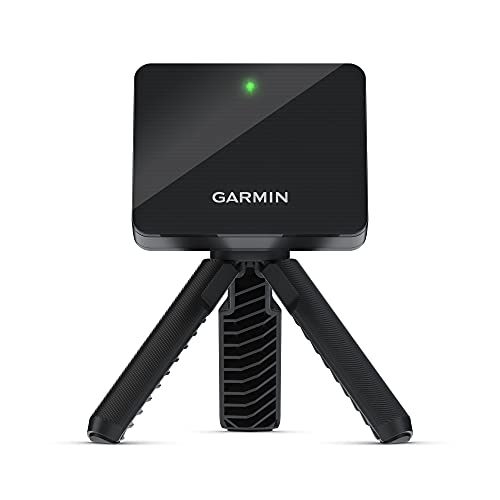
The R10 is the most practical portable launch monitor for golfers who want real metrics without a massive setup. It tracks club speed, ball speed, launch angle, and spin with decent accuracy, and pairs with your smartphone to deliver shot dispersion charts and swing videos. The training mode helps identify consistency issues, and the 10-hour battery means you can use it all day at the range.
It’s not as precise as radar-based units like the Rapsodo MLM2PRO, but for its size and ease of use, it’s impressive. The included phone mount is a small but smart touch. Owners like that it works indoors or out, though optimal performance requires hitting into a net with good lighting.
Product photos


Rapsodo Mobile Launch Monitor for iOS
Strengths
- Works with iPhone/iPad
- Video replay with tracer
- Portable and simple
Trade-offs
- iOS only
- Less accurate than radar units
- App required for full use
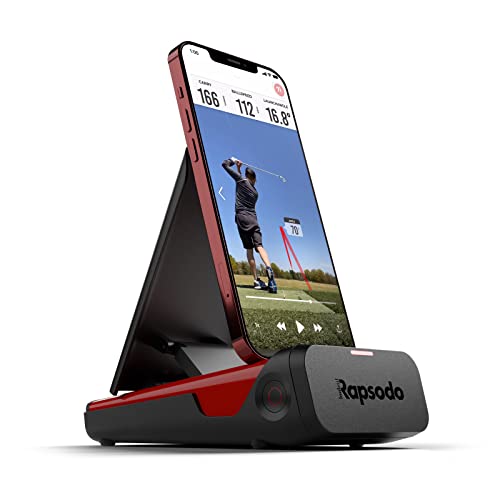
If you’re an iPhone user looking for a portable, affordable way to get real launch data, this Rapsodo model is a no-brainer. It pairs directly with your iOS device and captures carry distance, launch angle, club speed, and shot shape on every swing. The video replay with shot tracer is a standout, being able to see your actual ball flight overlaid on video helps diagnose swing flaws instantly.
It’s not as precise as the MLM2PRO, but for backyard or range use, it’s plenty accurate. The free app gives you solid feedback without pushing a paid upgrade too hard. Owners love how easy it is to toss in a bag and use anywhere. Just remember, it’s iOS only, so Android users are out of luck.
Product photos


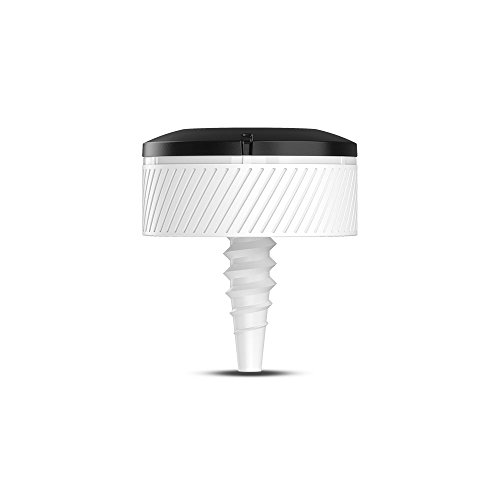
Garmin Approach CT10 Full Set
Strengths
- Full bag shot tracking
- Strokes gained analysis
- Automatic club recognition
Trade-offs
- Requires Garmin watch
- No built-in display
- Expensive with watch
The CT10 is a standout if you’re serious about data and already use a Garmin golf watch. This system tracks every shot automatically, no tapping or manual input needed, and delivers strokes-gained metrics that mirror what the pros use. The 14 included sensors cover a full set, and the feedback syncs smoothly to the Garmin Golf app, showing club-specific distances, accuracy, and dispersion patterns.
Reviewers note that setup is straightforward, and once installed, the sensors are nearly invisible. The real strength here is consistency, it captures every swing, even on the course, so your stats reflect real-round performance. It’s not a standalone device, though. You absolutely need a compatible Garmin watch, which adds to the cost.
Product photos


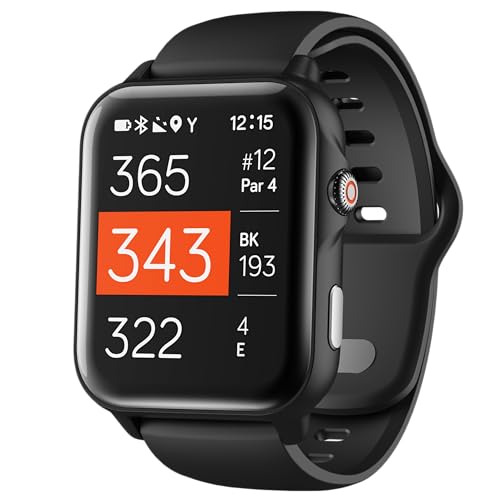
NAVO W1 Golf GPS Watch
Strengths
- No subscription fee
- Lifetime course updates
- Lightweight design
Trade-offs
- No shot tracking
- Basic interface
- No smart features
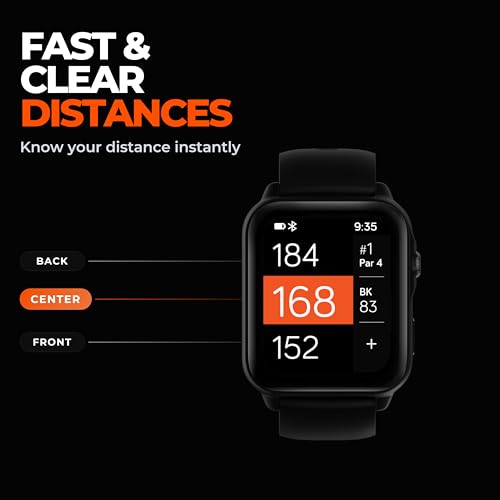
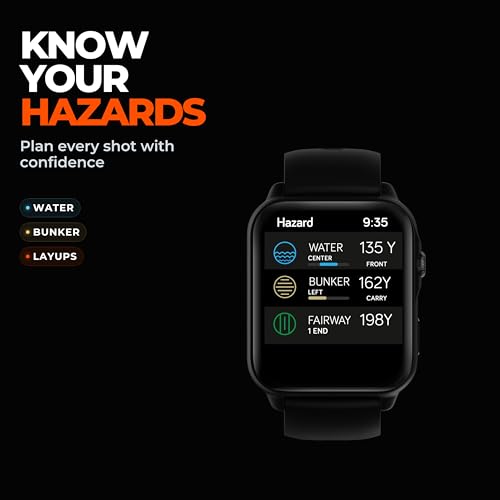
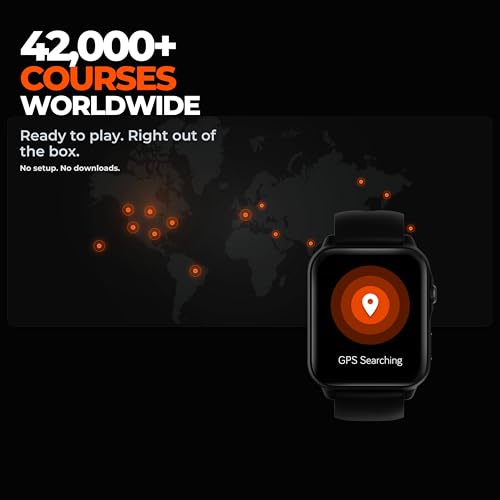
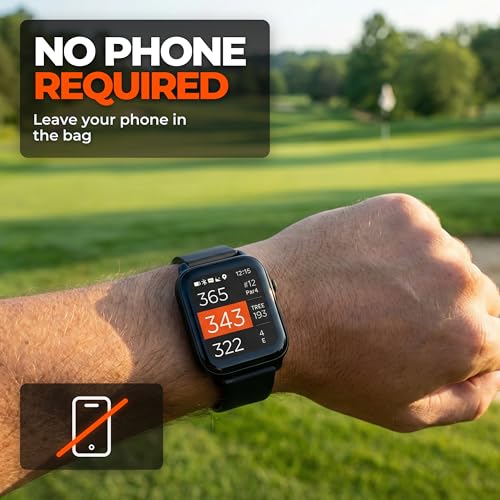
The NAVO W1 stands out for one big reason: no subscription. For golfers tired of paying annual fees just to access course maps, this watch delivers lifetime updates with no strings attached. It shows front, middle, and back distances clearly, plus hazards, and works completely off your phone once loaded. The 42,000+ preloaded courses exceed even Garmin’s library, and the sunlight-readable display is sharp and responsive.
It’s not a shot tracker or smartwatch, but as a dedicated GPS, it’s one of the most cost-effective options available. Owners report reliable performance and a lightweight design that disappears on the wrist. If you want a no-fuss, pay-once device that just works, this is it.
Product photos

Bushnell Phantom 3 Slope GPS
Strengths
- Slope-adjusted distances
- Long battery life
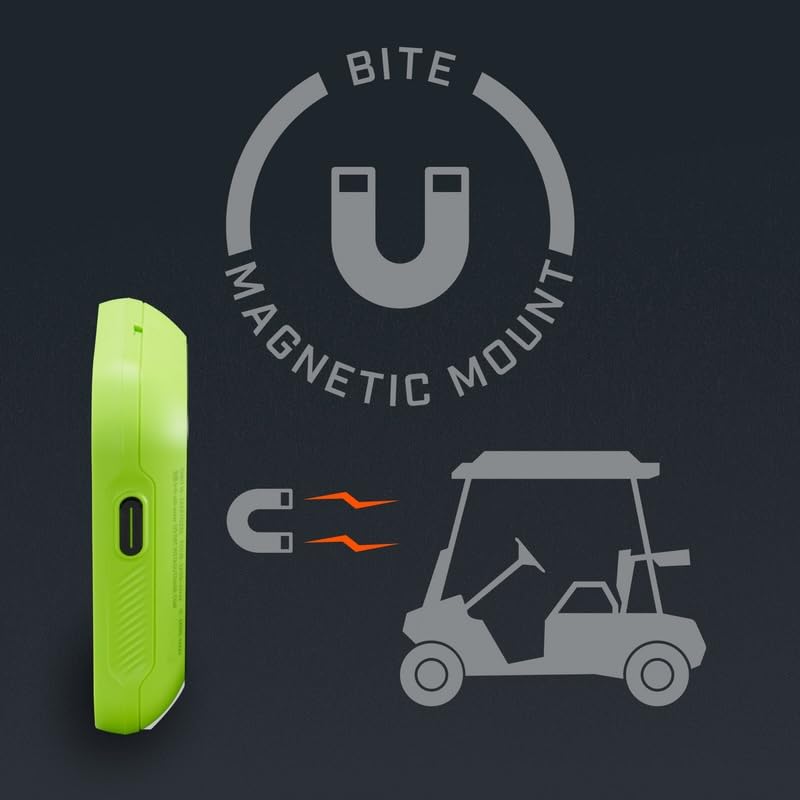
- Magnetic cart mount
Trade-offs
- No shot tracking
- Touchscreen less durable than button models
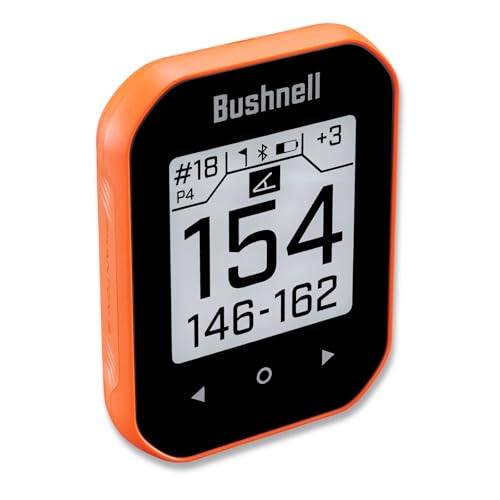
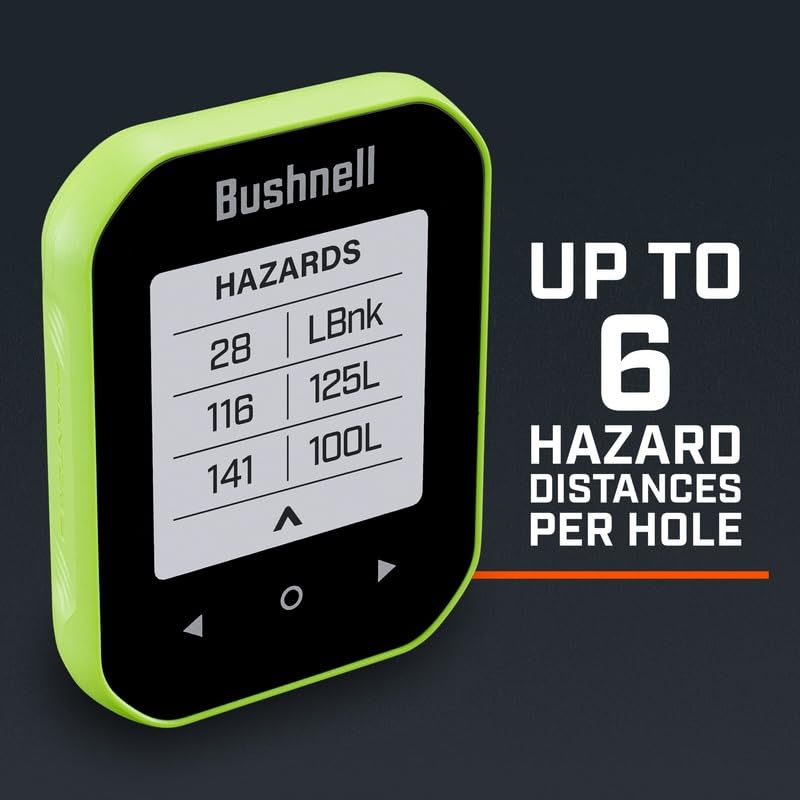
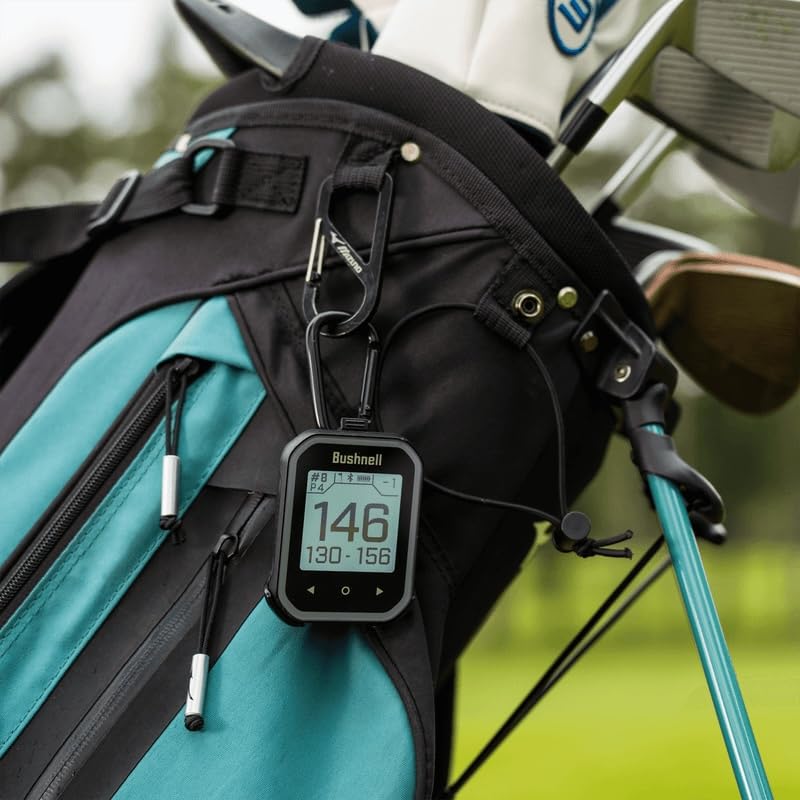
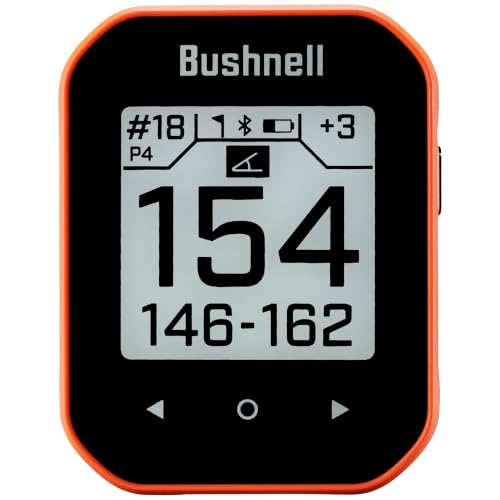
If you want slope-adjusted yardages without breaking the bank, the Bushnell Phantom 3 Slope is a solid choice. The patented Slope Technology is a real advantage on hilly courses, giving you more realistic distances based on elevation, a feature that matters most when you’re standing above or below the green. Owners consistently report that the auto course recognition is fast and reliable, and the 38,000+ preloaded courses mean you won’t be caught short, even on overseas trips.
The touchscreen is responsive and easy to read in sunlight, and the built-in BITE magnet makes mounting it on your cart effortless. Battery life is strong, lasting up to 18 hours, which covers multiple rounds. It’s not a launch monitor or shot tracker, but for pure course navigation with smart slope integration, it outperforms many in its class.
Product photos
PRGR HS 130-A Portable Launch Monitor

Strengths
- Measures club speed without ball
- No apps or phone needed
- Affordable radar accuracy
Trade-offs
- No shot shape tracking
- Limited metrics
- No simulator mode
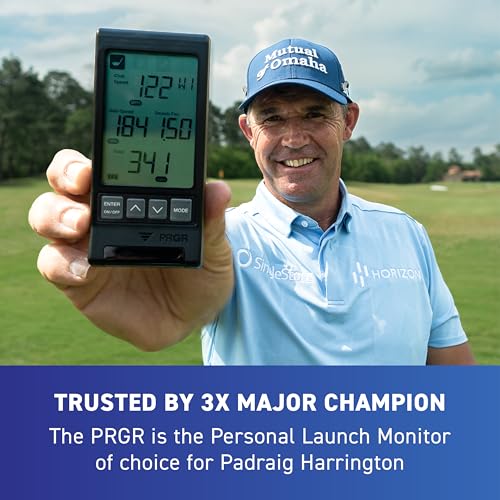
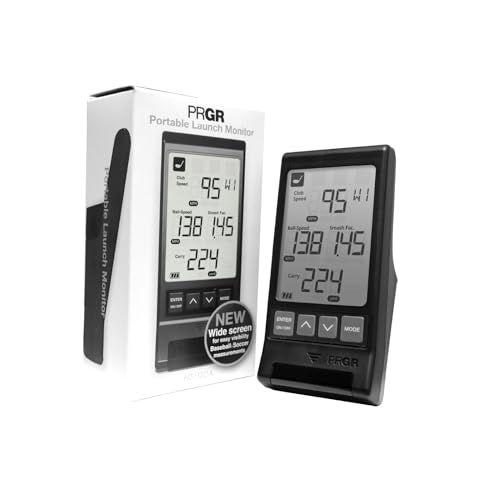
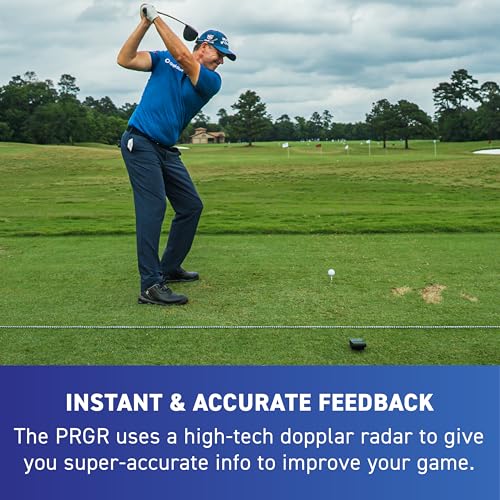
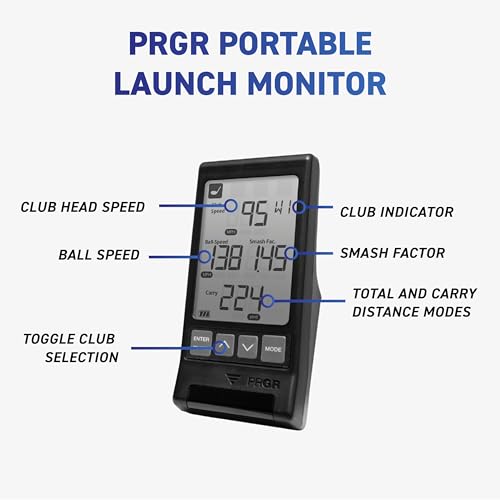
The PRGR HS 130-A is the best bang for your buck if you’re focused purely on swing speed training. It uses Doppler radar to track club speed, ball speed, smash factor, and carry distance, all without needing Wi-Fi, apps, or even a smartphone. What sets it apart is its ability to measure club speed without a ball, which is rare and incredibly useful for overspeed training.
Reviewers highlight its simplicity: it runs on AAA batteries, has a clear display, and stores 500 swings. It’s not flashy, but it’s accurate and durable. Padraig Harrington uses it, and that endorsement speaks volumes about its utility for serious speed work. It won’t replace a full launch monitor, but for dialing in club speed, it’s unmatched at this price.
Product photos

How We Chose These golf trackers
Rather than a hands-on lab test, my research focused on a detailed comparison of published specifications and features across numerous golf trackers. I weighed owner reviews from multiple sources – Amazon, golf-specific forums, and retailer sites – alongside expert opinions from golf publications and tech reviewers. This allowed me to build a ranking based on how well each device addressed the core needs of golfers seeking to improve their game.
For this category, accuracy of data and the depth of analytics were the most heavily weighted factors. Simply knowing distances isn’t enough; golfers want to understand their strengths and weaknesses and see tangible improvements. Ease of use and the overall value proposition (including subscription costs, if any) also played significant roles in determining the final rankings. Ultimately, a tracker’s ability to deliver actionable insights proved crucial.
Specifications reliably reveal a device’s potential – range, accuracy claims, battery life, and available metrics. However, real-world performance and usability are best judged by owner feedback. I paid close attention to consistent complaints or praise regarding data accuracy, app stability, and the reliability of features like automatic shot detection. Because understanding your performance is key, I also looked at how well each device integrates with other tools, like our guide to amateur golf clubs to help you optimize your entire game. We also consulted our existing guide to golf shot trackers to ensure consistency in our recommendations.
How To Pick The Right golf trackers
Choosing the right golf tracker can feel overwhelming, but focusing on what truly impacts your game improvement is key.
A quality golf tracker provides accurate data capture, reliable connectivity, and insightful analytics. Users should prioritize devices offering thorough metrics like club head speed, ball speed, launch angle, and spin rate. Consider the usability of the accompanying app, the longevity of the battery, and whether the device integrates with other golf technology you may already use.
Understanding Data Capture Methods
The core of any golf tracker is how it gathers information. Some, like the Arccos Smart Sensors, rely on sensors attached to your clubs. This is a thorough approach, giving you data on every swing, but requires a full set of sensors and consistent charging. Others, such as the Rapsodo MLM2PRO, use radar or camera-based systems to analyze ball flight. These tend to be more portable but may require precise setup and a stable surface for accurate readings. Don’t assume more data points automatically mean better insight; the quality of the data, and how clearly the app presents it, is more important than sheer volume.
Prioritizing Accuracy and Reliability
Accuracy isn’t just about hitting the right yardage; it’s about consistent, repeatable data. A tracker that fluctuates wildly from shot to shot is frustrating and unhelpful. Look for devices utilizing established technologies. Doppler radar, for example, is a proven method for measuring ball speed and launch angle. Pay attention to stated accuracy ranges in the specifications. For example, the Garmin Approach R10 boasts ±1 mph accuracy for ball speed, which is a solid benchmark. If you’re considering a GPS watch like the NAVO W1, ensure it’s preloaded with a sufficient number of courses and receives regular updates.
- Consider your typical playing environment. A device reliant on GPS may struggle in areas with dense tree cover.
- Think about the type of feedback you want. Some trackers focus on swing mechanics, while others emphasize shot tracing and distance control.
- Read owner reviews specifically addressing data consistency. A pattern of complaints about inaccurate readings is a red flag.
Balancing Features With Usability and Value
Advanced analytics are tempting, but a complex system you don’t understand is useless. The Rapsodo Mobile Launch Monitor for iOS is popular because its interface is intuitive, even for beginners. Don’t overlook the cost of ongoing subscriptions. Many trackers require a monthly or annual fee to unlock the full potential of the accompanying app – something to factor into the overall value. If you’re a casual golfer, you might be better served by a simpler, more affordable option, or even exploring golf ball trackers that focus on location. If you’re looking for a good all-rounder, consider exploring all-round golf balls alongside a tracker.
Don’t chase every bell and whistle. The best golf tracker is the one you’ll actually use and that provides actionable insights to improve your game.
Golf Trackers Compared
Here’s a comparison of key specifications for popular golf trackers to help you choose the right one.
| Product Name | Price | Shot Tracking | Rangefinder | Metrics Captured | App Required |
|---|---|---|---|---|---|
| Arccos Smart Sensors | N/A | Yes | No | 15+ (Spin, Distance, Strokes) | Yes |
| REVASRI Golf Rangefinder | N/A | No | Yes | Distance, Slope | No |
| Rapsodo MLM2PRO | N/A | Yes | No | 15+ (Spin, Speed, Launch Angle) | Yes |
| Garmin Approach R10 | N/A | Yes | No | 10+ (Speed, Spin, Launch) | Yes |
| Rapsodo Mobile Launch Monitor | N/A | Yes | No | Ball/Club Speed, Carry Distance | Yes |
| Garmin Approach CT10 Full Set | N/A | Yes | No | Strokes Gained, Club Distances | Yes |
| NAVO W1 Golf GPS Watch | N/A | No | Yes | Front/Back/Center Distances | No |
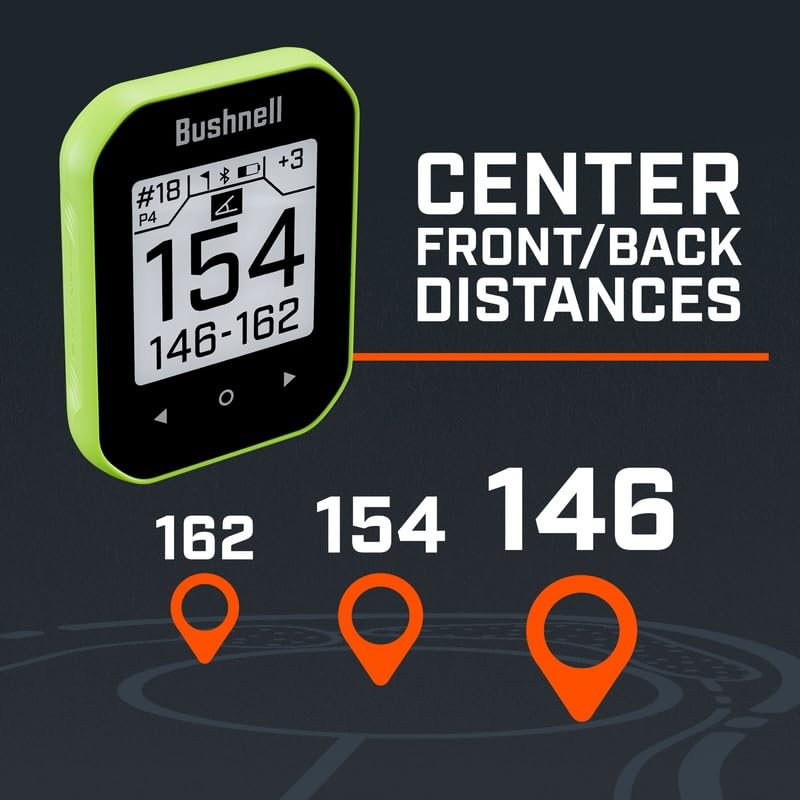
| Bushnell Phantom 3 Slope | N/A | No | Yes | Front/Back/Center Distances | No |
| PRGR HS 130-A | N/A | No | No | Club/Ball Speed, Smash Factor | No |
Frequently Asked Questions
What level of golfer will benefit most from using a golf tracker?
Any golfer serious about improvement can benefit, but trackers are particularly valuable for those with a handicap between 15 and 30. These players typically have established fundamentals and can use data to identify specific areas for refinement, rather than needing broad swing instruction.
Do I need a smartphone to use most of these trackers?
Yes, the vast majority of golf trackers require a smartphone and a compatible app to display data and analytics. While some devices may store basic information internally, unlocking the full potential – and the detailed insights – demands a connection to a mobile device.
Are the subscription costs for these apps significant?
Subscription costs vary widely, ranging from around $10 to $20 per month or $100 to $250 annually, but can significantly enhance the value of the tracker. These subscriptions typically unlock advanced analytics, cloud storage, and personalized recommendations, and are often worth it for dedicated golfers.
Can a golf tracker replace lessons with a qualified instructor?
No, a golf tracker is a tool to supplement lessons, not replace them. While a tracker can pinpoint weaknesses, a qualified instructor provides personalized guidance, addresses swing flaws, and helps you develop a thorough game plan. Consider exploring 3-piece golf balls as another element of your game improvement.
What should I do if I frequently play golf on courses with heavy tree cover?
If you often play in wooded areas, a tracker relying heavily on GPS may struggle to maintain a consistent signal. Consider a sensor-based system (like Arccos) or a launch monitor that doesn’t depend on satellite connectivity. You could also explore adding cart GPS trackers to your setup for broader course awareness.
The Bottom Line
Ultimately, choosing a golf tracker comes down to how much control you want over your data versus how much fuss you’re willing to deal with. If you’re serious about improvement and want the most thorough data available, the Arccos Smart Sensors consistently rise to the top, providing a wealth of information for dedicated golfers. It’s an investment, but one that delivers a detailed picture of your game.
For those seeking a balance between features and affordability, or perhaps wanting to explore golf swing trackers before committing to a full system, the Garmin Approach R10 is an excellent choice. And if you’re primarily focused on distance and need a reliable, user-friendly option, the NAVO W1 Golf GPS Watch offers a solid set of features at a more accessible price point. Don’t forget to pair your tracker with affordable two-piece golf balls for a cost-effective and durable combination.
At the end of the day, the most expensive tracker won’t magically improve your score. Focus on finding a device that accurately captures the key metrics – ball speed, launch angle, spin rate – and presents the data in a way you can understand. Consistent practice, informed by reliable insights, is what truly drives progress on the course.
