
7 Best Golf Ball Trackers of 2026
This post contains affiliate links. As an Amazon Associate, we earn from qualifying purchases.
This post contains affiliate links. As an Amazon Associate, we earn from qualifying purchases.
The Rapsodo MLM2PRO stands as the overall best golf ball tracker for its elite accuracy and full suite of training tools, while the Swinora Golf Launch Monitor is a smart budget pick with no subscription fees. For on-course shot tracking, the Arccos Smart Sensors offer unmatched ease of use during actual rounds.
Most golfers struggle to get consistent, meaningful data that actually translates to lower scores. You don’t need more numbers, you need the right ones, delivered clearly and reliably.
This guide cuts through the noise by focusing on real-world performance, based on specs, owner feedback, and what actually matters on the range and course. I looked at accuracy, usability, and value to find the trackers that deliver the most insight without overcomplicating your practice.
Top 7 Golf Ball Trackers in the Market
The Best Golf Ball Trackers, Reviewed
Rapsodo MLM2PRO Mobile Launch Monitor
Strengths
- High accuracy
- 15 detailed metrics
- Dual-camera system
- Simulator-ready
- Third-party app support
Trade-offs
- Higher price
- Requires flat setup surface
- App subscription after trial
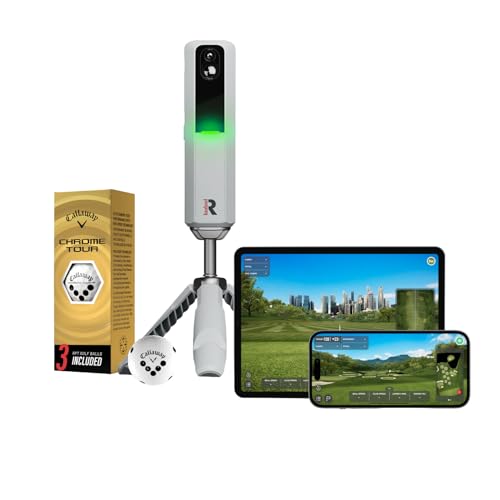
The MLM2PRO is where Rapsodo steps into the premium tier, and it shows. With a dual-camera system and Doppler radar, it captures 15 metrics, including spin rate, spin axis, and club path, with accuracy that rivals units twice its price. Owners consistently report it holds up well against competitors like TrackMan in side-by-side tests, especially for carry distance and shot shape. The inclusion of a 45-day Premium trial opens access to 30,000+ simulator courses, target range modes, and third-party app compatibility, making it a full-featured home setup right out of the box.
The three Chrome Tour balls included are a nice touch, signaling this is built for serious players. Compared to the Garmin R10, it offers deeper data and better spin tracking; against the PRGR HS130-A, it’s in a different league altogether. My recommendation? If you’re setting up a home simulator or want pro-level feedback without a pro-level price tag, this is the smarter buy. It’s not the cheapest, but it delivers the most complete package for improvement and entertainment.
Video review
Garmin Approach R10 Launch Monitor
Strengths
- Solid accuracy
- Long battery life
- Virtual course play
- App integration
- Water resistant
Trade-offs
- No spin axis data
- Limited third-party app support
- App subscription needed for full features
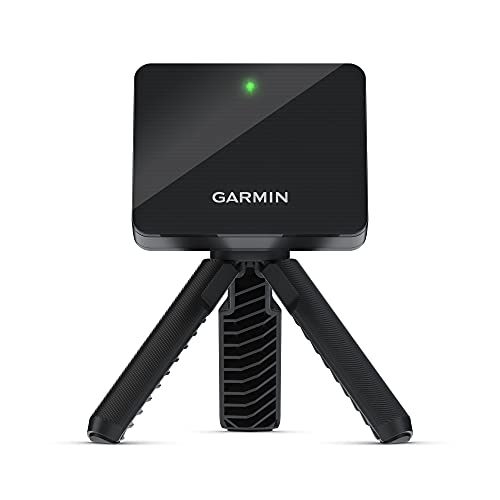
The Garmin Approach R10 sits at the intersection of serious practice and simulator play, making it a strong pick for golfers who want to bring course-like feedback into their range sessions. On paper, its accuracy specs, within 1 mph for ball speed and 1 degree for launch angle, are solid for this tier, and owners consistently report reliable data when comparing it side-by-side with higher-end units. What really sets it apart is its deep integration with the Garmin Golf app, which offers virtual play on over 42,000 courses. That’s a huge perk if you’re into simulation without investing in a full bay setup.
Reviewers note the automatic video capture with overlaid metrics is genuinely helpful for spotting swing flaws in real time. The 10-hour battery life is a practical advantage, especially for long range days or indoor training blocks. While it doesn’t match pro-level monitors for spin measurement precision, it’s more than capable for most amateurs looking to track trends and dial in distances. Compared to the Rapsodo MLM2PRO, it trades some shot detail for broader course access and a more polished app experience.
Video review
Arccos Smart Sensors Shot Tracker
Strengths
- Automatic shot tracking
- A.I. caddie advice
- Strokes gained analytics
- Free sensor renewal
- No setup per round
Trade-offs
- Requires subscription after year one
- No swing mechanics data
- Club-specific install
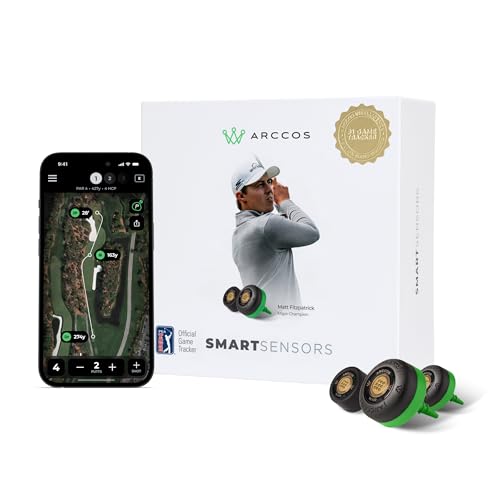
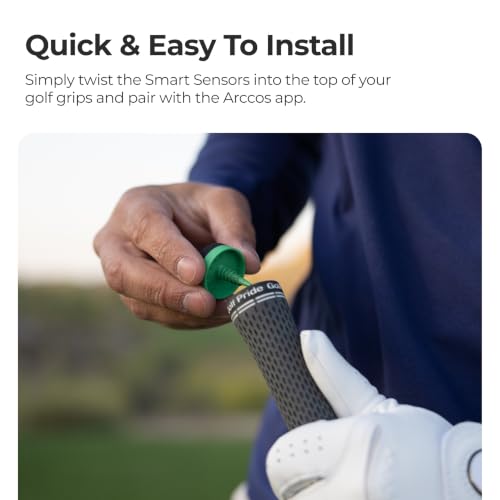
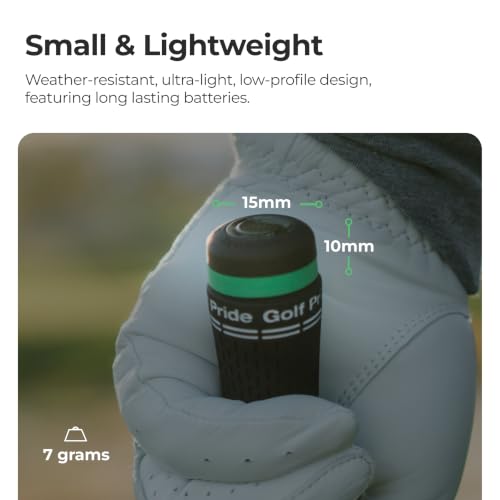
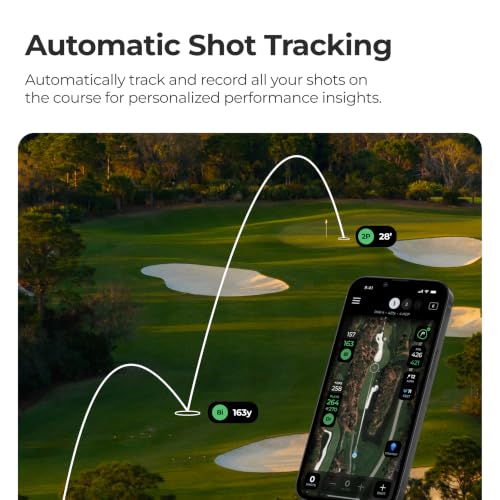
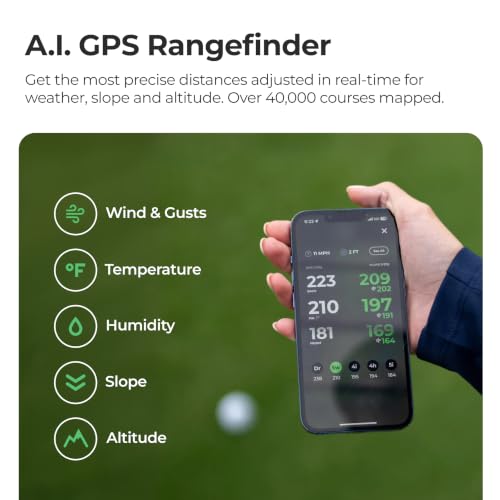
Arccos doesn’t track your swing mechanics, it tracks your decisions and results on the course, and it does it extremely well. The 15 smart sensors (one per club) automatically log every shot, giving you real-world data on club distances, strokes gained, and situational performance. Owners love that it works passively, you just play, and it records everything. The A.I. caddie feature, which gives real-time yardage advice adjusted for slope and weather, feels like having a tour pro in your pocket.
The app’s integration with GPS and analytics is best-in-class, and the annual free sensor renewal program is a clever way to keep the system fresh. Compared to launch monitors, it won’t help you fix your swing path, but for understanding your actual on-course tendencies, it’s unmatched. If you want to know how far you really hit each club under pressure, or where you lose strokes, this is the tool. For course management over mechanics, it’s the clear winner.
Product photos

Rapsodo MLM iPhone Launch Monitor
Strengths
- Low price
- Shot tracer video
- Simple setup
- Portable
- Good carry data
Trade-offs
- iOS only
- No spin axis
- Limited indoor accuracy
- Basic metric set
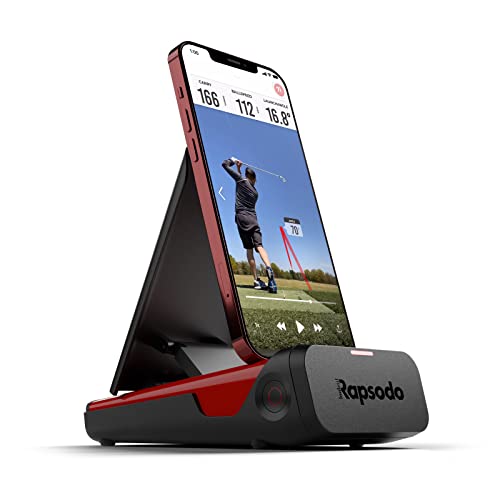
If you’re looking for an affordable entry into launch monitoring without sacrificing core functionality, the original Rapsodo MLM is hard to beat. It delivers key metrics, carry distance, launch angle, club speed, with decent consistency, especially for mid to full swings. The fact that it works with just an iPhone or iPad (no extra hardware) makes it incredibly accessible, and the shot tracer video replay is a standout feature for visual learners. Owners praise how easy it is to throw in a bag and use at the range or in the backyard.
However, it’s iOS-only, which locks out Android users completely, and the radar-based tracking can struggle with partial swings or low shots indoors. Compared to the MLM2PRO, it lacks spin axis and attack angle, which limits its usefulness for serious ball strikers. Still, for the price, it offers far more insight than basic swing analyzers. For a beginner or mid-handicapper who wants to understand their distances and shot shape, this is a smart, no-frills tool that gets the job done.
Product photos


Swinora Golf Launch Monitor
Strengths
- No subscription
- Attack angle tracking
- Environmental sensors
- Durable metal body
- Voice feedback
Trade-offs
- Strict space requirements
- Setup sensitivity
- App less refined than Rapsodo
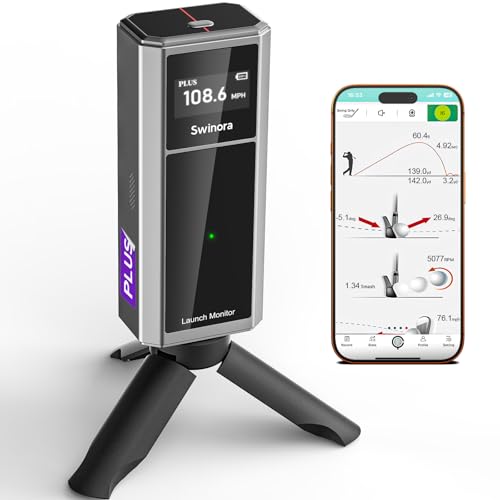
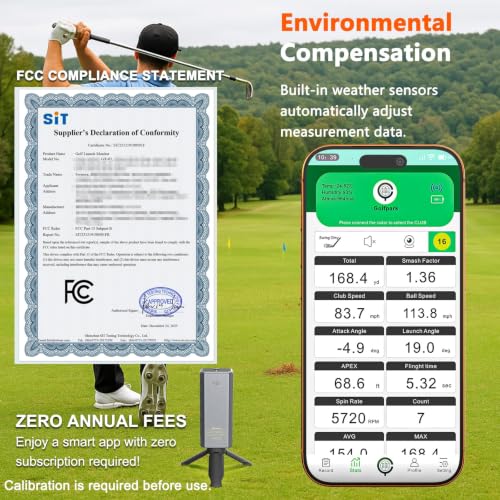
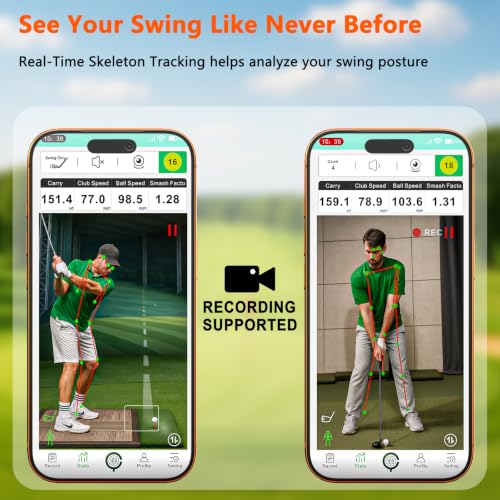
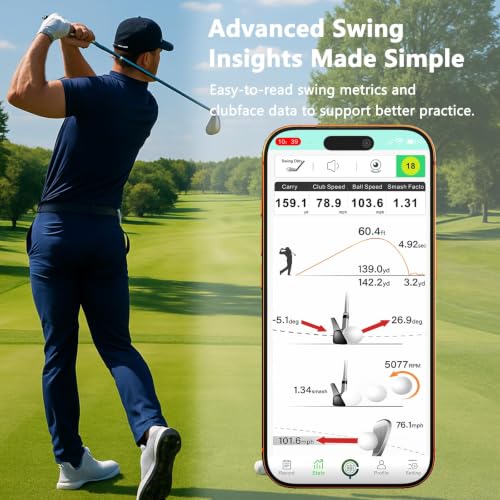
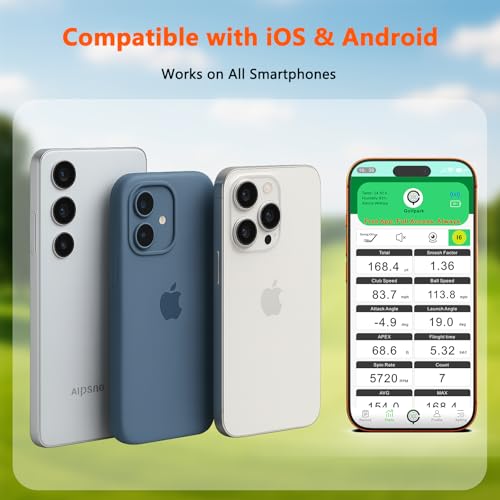
Swinora makes a strong case for value with a monitor that delivers 13 metrics, including attack angle and spin rate, without demanding a subscription. That’s a big deal in a market where most high-end units lock key features behind recurring fees. Owners appreciate the environmental sensors that adjust for temperature and humidity, which helps maintain accuracy across conditions. The metal body feels premium, and the multi-angle swing views in the app add real insight for self-coaching.
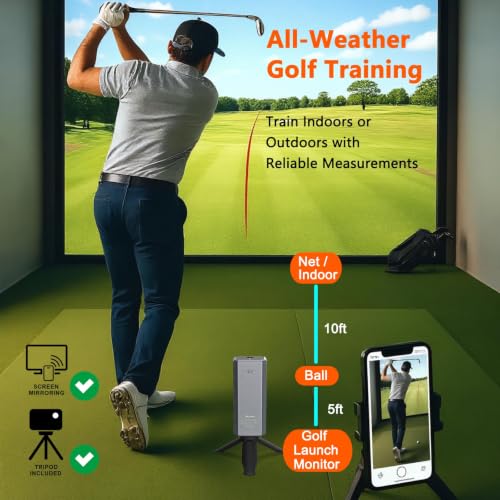
The catch? It needs at least 15 feet of space for indoor use, with the unit placed exactly 5 feet behind the ball. That’s more demanding than the Rapsodo MLM. Compared to the MLM2PRO, it lacks the same level of polish and simulator depth, but for golfers who hate subscriptions and want full access to data, it’s a standout. I’d pick this over the PRGR or basic Rapsodo if you want detailed metrics without ongoing costs and have the space to set it up properly.
Product photos
PRGR HS 130-A Portable Monitor

Strengths
- Measures swing speed sans ball
- No app or subscription
- Durable build
- Long memory
- Multi-sport use
Trade-offs
- No spin or launch data
- No app connectivity
- Basic display only
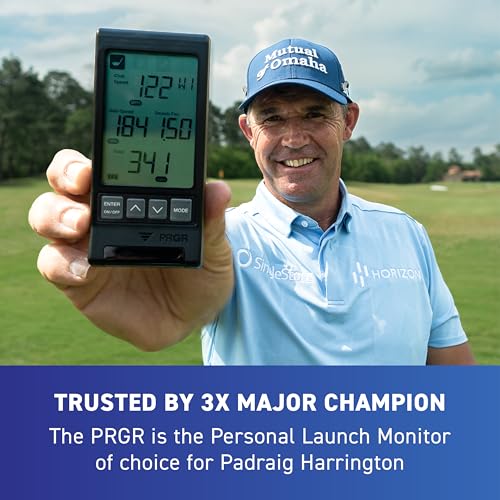
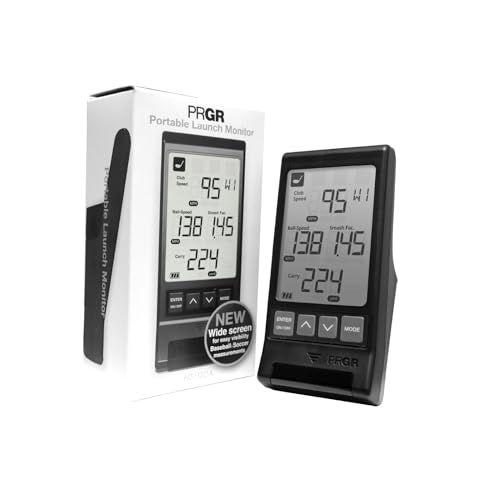
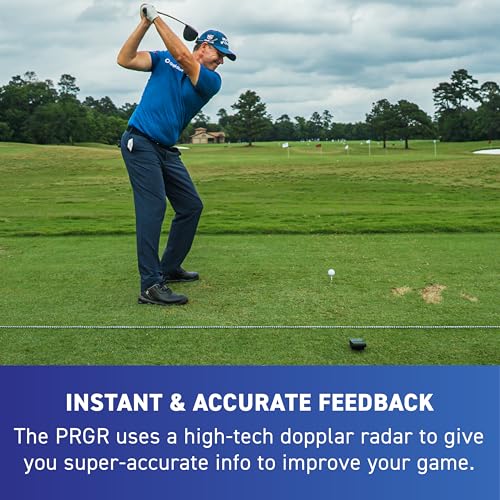
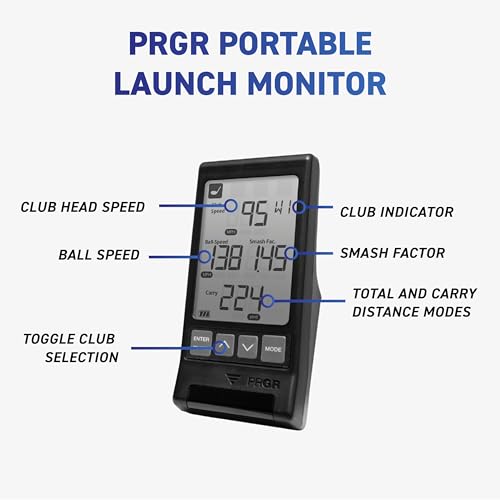
The PRGR HS130-A is a no-nonsense tool built for one thing: measuring swing speed with reliability. It uses Doppler radar to track club head speed, with or without a ball, which is rare and incredibly useful for speed training. That feature alone makes it a favorite among coaches and players working on power development. The fact that Padraig Harrington uses it adds credibility, and owners confirm it delivers consistent, repeatable numbers over hundreds of swings.
It doesn’t track spin or launch angle, and there’s no app or Bluetooth, just a simple display and internal memory for 500 swings. But that simplicity is the point. At this price, it outperforms most budget monitors in raw speed accuracy. Compared to the Swinora or Rapsodo MLM, it’s far more limited in scope, but for someone focused purely on increasing club speed, especially in a garage or indoor space, it’s unmatched. If you’re doing overspeed training or just want a durable, no-fuss speed checker, this is the tool.
Product photos

Chiping GPS Tracked Golf Balls
Strengths
- Real-time ball tracking
- High-performance feel
- Innovative tech
- App with global courses
- Made in Switzerland
Trade-offs
- Limited tracking range
- No swing or launch data
- Still vulnerable to extreme terrain
- Higher price per ball
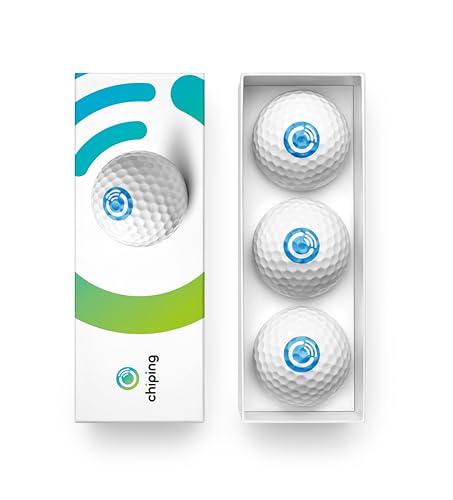
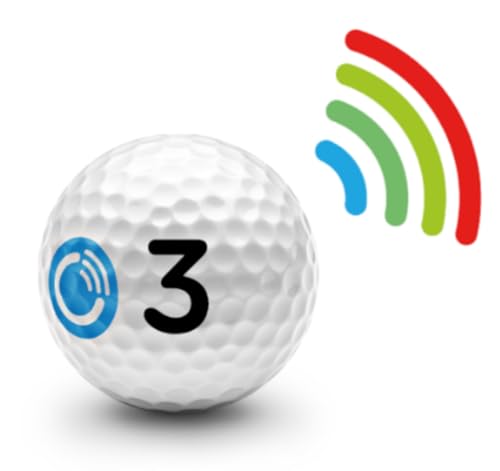
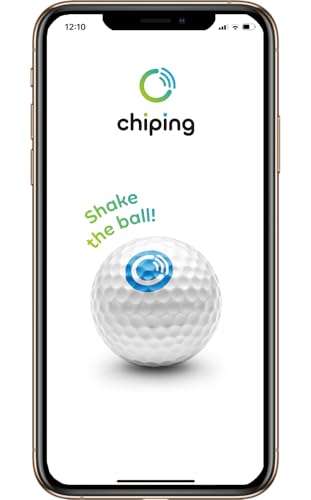
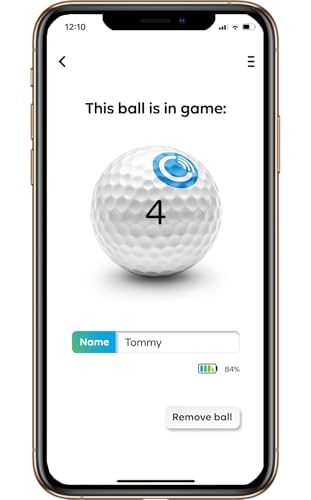
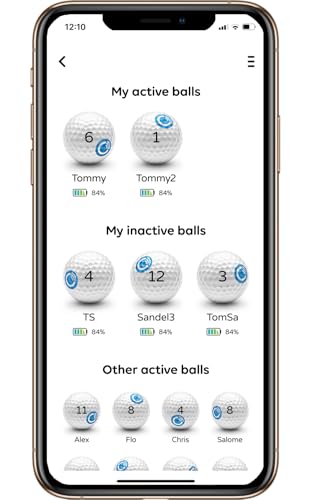
This is undeniably the most futuristic product on the list, GPS-tracked golf balls you can actually hit. On paper, embedding tracking tech into a urethane-covered, four-piece ball sounds like science fiction, and the fact that they claim to maintain performance is impressive. Owners report these feel closer to premium tour balls than novelty gadgets, which is a big win. The free Chiping app with 35,000 courses adds real utility, and the idea of seeing exactly where your ball went, even if it vanishes in the woods, is a standout for pace of play and recovery.
But there are real limitations. The tracking range appears limited based on user feedback, and the system works best when the ball stays in relatively open areas. It’s not a launch monitor, so you won’t get club path or spin data. Compared to Arccos or Rapsodo, it’s not about swing improvement, it’s about ball location and round continuity. For resort golfers or casual players who lose balls often and want to speed up play, this could be a smart investment. For serious data chasers, it’s more of a fun add-on than a training tool.
Product photos
How We Picked These golf ball trackers
Rather than a hands-on lab test, my research into golf ball trackers focused on a detailed comparison of published specifications and features. I weighed owner reviews from multiple sources – Amazon, retailer sites, and golf forums – alongside professional reviews from golf publications. My approach centered on identifying models that consistently delivered reliable data and offered features aligned with different golfer needs, ranking them against criteria like accuracy, usability, and value.
For this category, I placed the heaviest emphasis on data accuracy and the breadth of metrics provided. Consistent and trustworthy numbers are paramount for meaningful improvement. Equally important was the practicality of the device; a launch monitor that’s difficult to set up or use won’t be helpful on the range or during a lesson. Understanding how easily a device integrates with existing practice routines was a key consideration.
Specifications reliably indicate the potential for accuracy (radar type, measurement ranges), but real-world performance often hinges on user experience and software quality. I paid close attention to owner feedback regarding consistency of readings, ease of app navigation, and the helpfulness of data presentation. For instance, many users detail the challenges of getting accurate readings with certain devices indoors, while others praise the seamless integration of golf performance trackers with popular golf apps. And to help with seeing the ball’s actual path, don’t forget about ball flight sunglasses!
Choosing The Right golf ball trackers
Finding the right golf ball tracker can be a real boost to your game, but the market is full of options.
A truly useful golf ball tracker delivers consistent and reliable data on key metrics like ball speed, launch angle, spin rate, and carry distance. Accuracy is paramount, but equally important is how easily the device integrates into your practice routine and provides actionable insights. Consider whether you prioritize detailed swing analysis, on-course shot tracking, or simulator compatibility.
Understanding Data Accuracy & Reliability
Don’t assume all trackers are created equal. Some rely on Doppler radar, others on camera-based systems, and still others on sensor attachments. Radar-based systems (like the Rapsodo MLM2PRO) tend to be more accurate for measuring ball speed and launch conditions, but require a consistent setup. Camera-based systems can offer a visual component, showing your ball flight, but can be more sensitive to lighting conditions. Sensor-based systems (like Arccos Smart Sensors) excel at on-course data collection – tracking every shot during a round – but their accuracy is dependent on proper sensor attachment and calibration. It’s crucial to read independent reviews and understand the limitations of each technology.
Prioritizing Features for Your Game
What do you want to do with the data? If you’re focused on swing mechanics and dialing in your distances, a launch monitor with detailed metrics and video analysis (like the Garmin Approach R10) is the way to go. If you’re more interested in understanding your shot patterns and course management, a system that tracks every shot during a round (Arccos) might be a better fit. Here’s a quick breakdown:
- Basic Distance & Ball Speed: Good for casual players wanting simple feedback.
- Launch Angle & Spin Rate: Essential for understanding ball flight and making swing adjustments.
- Detailed Swing Analysis (Video, Data Overlay): Ideal for serious golfers and those working with a coach, allowing for precise identification of swing flaws.
Remember, more data isn’t always better. Focus on the metrics that will actually help you improve – don’t get lost in a sea of numbers.
Balancing Cost & Usability
Price points vary dramatically, from under $100 for a basic speed radar to over $500 for a feature-rich launch monitor. Subscription costs can also add up over time. The Swinora Golf Launch Monitor stands out for offering a wealth of features without ongoing fees, which is a huge benefit.
A good rule of thumb is to spend what you’re willing to commit to actually using the device. A top-of-the-line launch monitor is useless if it sits in a closet.
Consider your skill level and how frequently you’ll use the tracker. If you’re new to the game, a simpler, more affordable option might be the best starting point. If you’re a dedicated golfer who spends hours practicing, investing in a more advanced system could pay dividends. Don’t forget to look into the app experience. A clunky, unintuitive app will quickly make even the most accurate tracker a frustrating experience. Looking for golf sunglasses that offer [enhanced contrast sunglasses] can also help you visualize your ball flight. And if you’re considering multiple devices, comparing various shot trackers is a smart move to find the best fit for your needs and budget.
Golf Ball Trackers Compared
Here’s a comparison of key specifications for several golf ball trackers to help you make an informed decision.
| Product Name | Key Metrics | Connectivity | Battery Life | Price (Approx.) | Subscription | Special Features |
|---|---|---|---|---|---|---|
| Rapsodo MLM2PRO | 15+ | Bluetooth | N/A | $699.99 | Yes | Shot Tracer, Simulator Courses |
| Garmin Approach R10 | 6+ | Bluetooth | 10 hrs | $599.99 | Yes | Simulator Integration, Video Recording |
| Arccos Smart Sensors | Strokes Gained | Bluetooth | 2 yrs | $219.99 | Yes | A.I. Caddie, Sensor Renewal Program |
| Rapsodo MLM iPhone | 4 | Bluetooth | N/A | $399.99 | Yes | Shot Tracer, Portable |
| Swinora Golf Launch Monitor | 4+ | Bluetooth | N/A | $299.99 | No | Zero Annual Fees, Environmental Sensors |
| PRGR HS 130-A | Club/Ball Speed | N/A | AAA | $199.99 | No | Speed Training, Multi-Sport Use |
| Chiping GPS Tracked Golf Balls | Distance, Location | GPS | N/A | $39.99/ball | No | GPS Tracking, Course Database |
Frequently Asked Questions
What level of accuracy should I expect from a golf ball tracker?
Accuracy varies significantly by technology and price point, but generally, radar-based trackers (like the Rapsodo MLM2PRO) offer the most consistent data for ball speed and launch conditions. Expect variations of +/- 2-3 mph in ball speed and +/- 1-2 degrees in launch angle, even with high-end models.
Can I use a golf ball tracker indoors?
Many trackers can be used indoors, but performance can be affected. Camera-based systems require sufficient lighting, and radar-based systems need a minimum distance for accurate readings. Certain trackers, like the PRGR HS 130-A, are specifically designed for indoor use and don’t rely on external factors.
Are there ongoing costs associated with these trackers?
Yes, many trackers require a subscription for full functionality, like advanced analytics or simulator access. The Swinora Golf Launch Monitor stands out by offering a complete feature set without any recurring fees, a benefit for budget-conscious golfers.
What’s the difference between a launch monitor and a shot tracker?
A launch monitor provides immediate data on ball and club characteristics at impact, ideal for practice and swing analysis. A shot tracker, like the Arccos Smart Sensors, records data for every shot during a round, focusing on on-course performance and course management. You might also consider exploring no-ball simulators for a different training experience.
How important is the app that comes with the tracker?
The app is extremely important; it’s how you access and interpret the data. A user-friendly app with clear data visualization and actionable insights will make the tracker much more valuable. If you struggle to understand the data, or the app is buggy, you won’t get the full benefit, so consider looking for golf ball finders if you lose many balls during a round.
The Bottom Line
Ultimately, choosing a golf ball tracker comes down to balancing how much control you want over your data with how much fuss you’re willing to put up with. For the golfer serious about improvement and willing to invest in a thorough system, the Rapsodo MLM2PRO offers the most detailed metrics and features, and consistently ranks highly in owner feedback.
If you’re searching for a specific solution, the Arccos Smart Sensors are the clear choice for on-course data and shot tracking, while the Swinora Golf Launch Monitor delivers exceptional value with a full suite of features and no subscription fees. Those looking to really understand ball flight laws might benefit from the detailed data offered by the Garmin Approach R10.
Don’t get caught up chasing the latest technology or the highest number of metrics. The most important thing is to find a device that you’ll actually use, and that helps you focus on the fundamentals: solid contact, consistent swing plane, and a clear mental approach. Investing in understanding tracking swing mechanics is only valuable if it translates to better shots on the course.
