
7 Best Irons for Older Golfers 2026
This post contains affiliate links. As an Amazon Associate, we earn from qualifying purchases.
This post contains affiliate links. As an Amazon Associate, we earn from qualifying purchases.
The best irons for older golfers balance forgiveness, lightweight design, and comfort, and after comparing the field, the PGM NSR III Graphite Iron Set stands out as the top overall pick. For those prioritizing joint comfort, the COOLO Graphite Iron 7 delivers excellent vibration dampening, while the Callaway Elyte Iron 5 offers strong ball speed for players maintaining a solid swing.
As we age, swing speed drops, joint pain creeps in, and miss-hits become more frequent. Sticking with old irons that don’t account for these changes can make the game feel like work instead of a joy.
This guide cuts through the noise, focusing on real-world performance, shaft weight, forgiveness, and comfort, based on specs, owner feedback, and what actually matters on the course. These picks aren’t about hype. They’re about helping you play better and enjoy every round more.
Top 7 Irons For Older Golfers in the Market
The Best Irons For Older Golfers, Reviewed
PGM NSR III Graphite Iron Set

Strengths
- Lightweight graphite shafts
- High forgiveness on mishits
- Strong owner satisfaction
Trade-offs
- R-flex may be too stiff for some
- Limited shot shaping feedback
For older golfers seeking a full set that balances ease of use with solid performance, the PGM NSR III irons stand out on paper as a compelling all-in-one solution. The ultra-light 65g graphite shafts are a major plus, helping maintain swing speed without taxing joints, and owners consistently report improved launch and reduced fatigue. The low center of gravity and undercut cavity design deliver on forgiveness, making off-center hits more playable, something many aging players need without sacrificing too much control.
The set’s broad appeal comes from its mix of game-improvement tech and clean aesthetics, which tend to resonate better with veterans who don’t want to feel like they’re using beginner clubs. While the R-flex shaft may not suit those with slower swings, the overall package punches above its price point in terms of stability and consistency. I’d recommend this set over pricier options for golfers who want reliable performance without overspending.
Video review
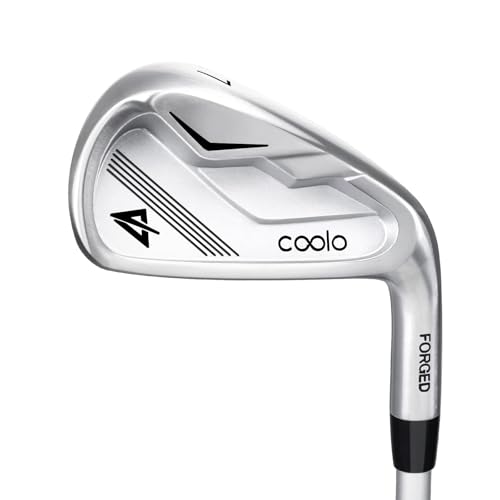
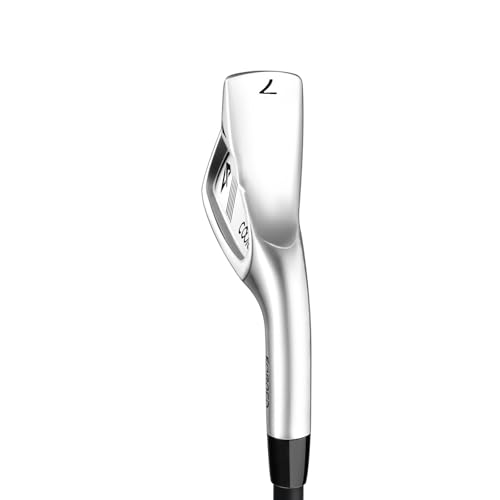
COOLO Graphite Iron 7 (Men)

Strengths
- Excellent joint comfort
- Lightweight for easy swinging
- Reduced impact vibration
Trade-offs
- Basic clubhead design
- Limited availability in set form
For older golfers dealing with joint pain, the COOLO graphite 7-iron hits the sweet spot between performance and comfort. The graphite shaft’s shock absorption is the headline feature here, and owner feedback confirms it significantly reduces vibration at impact, something aging elbows and wrists appreciate after 18 holes. The lighter weight also helps maintain swing speed, and many users report longer, more consistent shots without extra effort.
It’s not a full set, and the tech is basic compared to Callaway or PGM, but for a replacement iron focused on comfort and ease, it’s hard to beat. I’d pick this over steel-shafted models for any senior player with joint issues, even if it means mixing brands in the bag.
Product photos



Callaway Elyte Iron 5

Strengths
- Fast, consistent ball speeds
- Excellent turf interaction
- Tight shot dispersion
Trade-offs
- Less forgiving on mishits
- Steel shaft adds weight
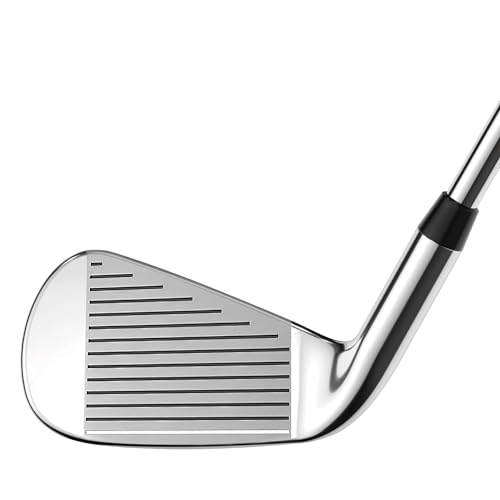
The Callaway Elyte irons are built for speed and consistency, and the Ai10x Face technology is the real differentiator here, delivering fast ball speeds across a larger portion of the face. For older golfers who still generate average to above-average clubhead speed, this iron can help maintain distance while tightening dispersion. The tri-sole design also helps the club glide through turf smoothly, reducing dig and improving contact, which is a big win for players with less aggressive downswings.
Still, the steel shaft and stiffer construction mean it’s less forgiving than game-improvement models like the PGM or Gowolf. Owners praise its clean look and solid feedback, but it’s clearly aimed at better players. I’d recommend the Elyte over bulkier options if you’re an older golfer with a reliable swing who doesn’t want to sacrifice feel for forgiveness.
Video review
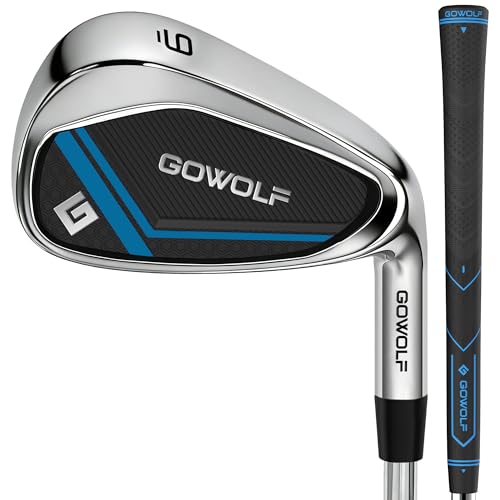
Gowolf 95g Steel Shaft Iron
Strengths
- Exceptional forgiveness
- Lightweight steel shaft
- Strong spin and control
Trade-offs
- Only sold individually
- Limited workability
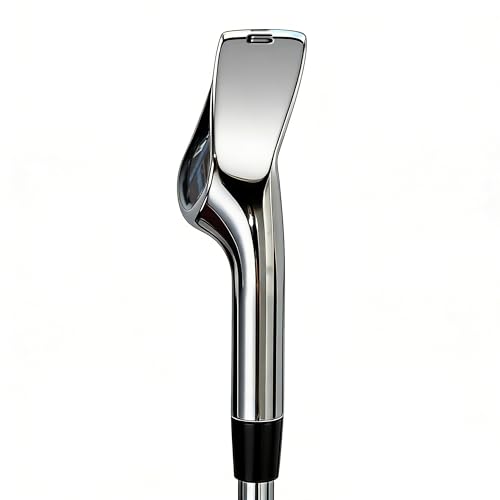
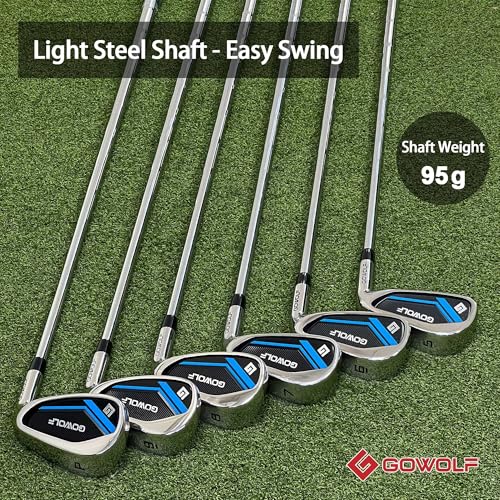
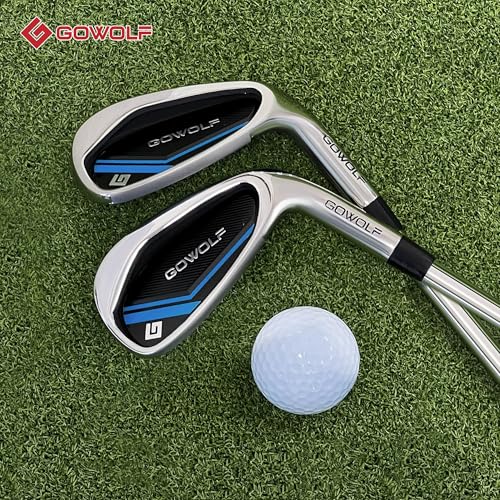
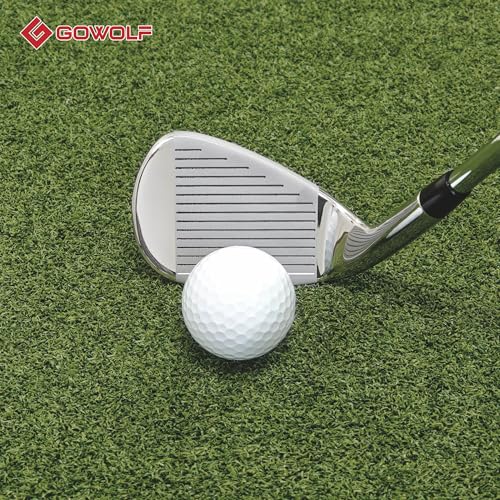
The Gowolf 9-iron stands out in the forgiveness category thanks to its hollow body construction and 95g lightweight steel shaft, which together promote higher launch and easier distance, even for slower swingers. Owners consistently report straighter shots and better spin control, especially on partial swings around the green. The deep CNC milled grooves do their job in varied conditions, and the rubber grip helps reduce hand fatigue, a subtle but important perk for older players.
While it’s sold individually, this iron could anchor a mixed set for seniors prioritizing consistency. Compared to the PGM set, it’s less complete but more specialized in forgiveness. If you’re an older golfer struggling with consistency on mid-irons, this club delivers where it counts.
Product photos
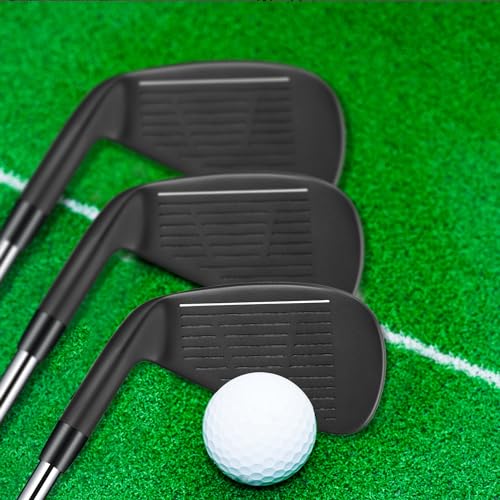
XINGGM Low CG Iron

Strengths
- Very low cost
- CNC grooves for spin
- Low center of gravity
Trade-offs
- Inconsistent shaft quality
- Poor feedback on mishits
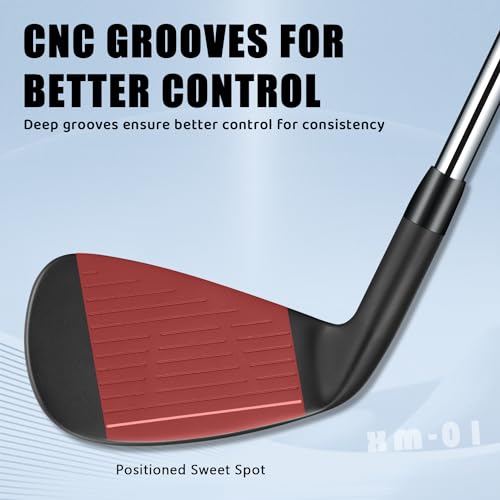
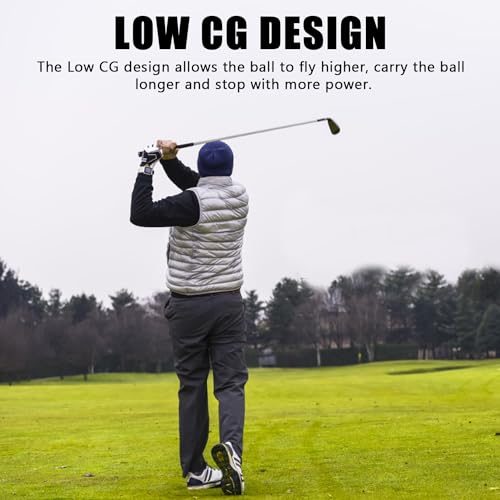
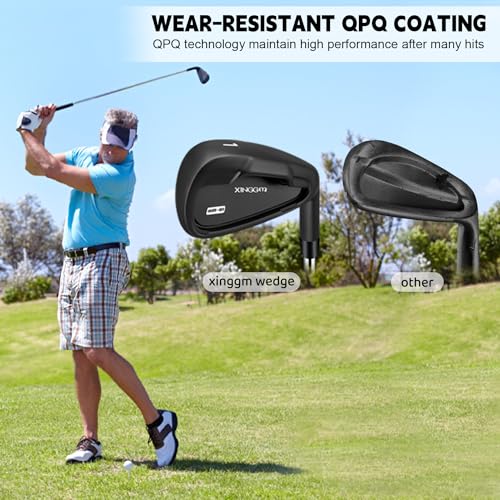
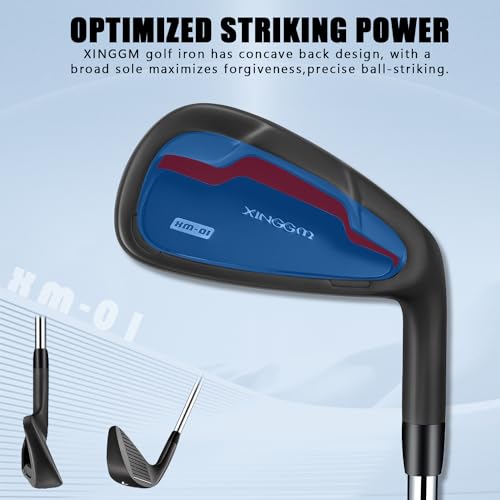
At this price, the XM-01 irons offer surprising specs on paper, CNC milled grooves, low CG design, and a concave back for forgiveness. For budget-conscious older golfers, it’s tempting to grab a full set and upgrade gradually. But while the specs look good, owner feedback suggests the feel is uninspired and the shafts can be inconsistent in flex and weight. It’s a functional option if you’re replacing a single club or testing a set on a tight budget.
Compared to the Gowolf or PGM sets, it lacks the same level of vibration damping and feedback refinement. Still, for a spare 2-iron or a beginner rebuilding their bag, it serves its role. I wouldn’t build a full game around it, but as a stopgap or practice club, it’s acceptable.
Product photos
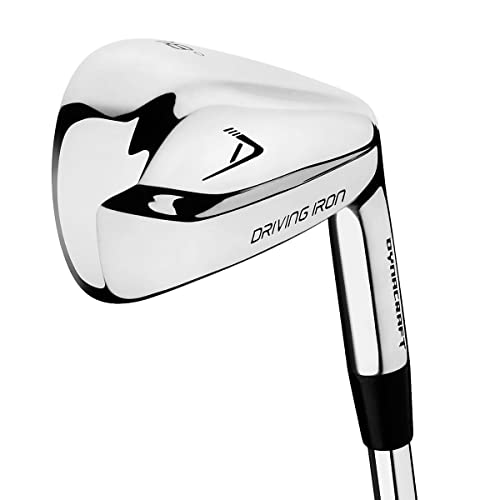
Dynacraft 18° Driving Iron

Strengths
- Hollow-body speed boost
- Piercing ball flight
- Great value for niche use
Trade-offs
- Steel shaft limits swing speed
- Mediocre turf interaction in deep grass
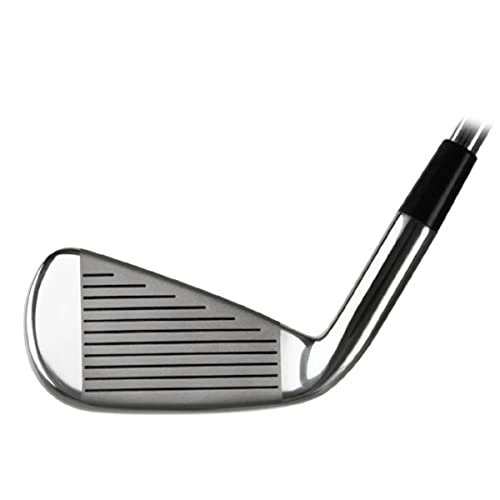
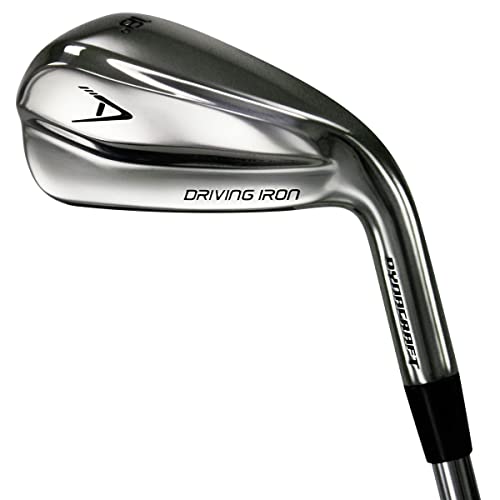
Driving irons are a smart tool for older golfers who still want control off the tee but struggle with long irons, and the Dynacraft 18-degree model delivers on that narrow promise. The hollow-body construction and thin face generate better ball speed than traditional long irons, and reviewers note it produces a more penetrating flight than a fairway wood, ideal for staying under the wind or holding firm greens. It’s not a distance monster, but for those who value accuracy and consistency from the tee or fairway, this club makes a lot of sense.
Compared to premium driving irons, it lacks some refinement in feel, but at this price, it’s a functional substitute. The steel shaft keeps weight up, which can help stabilize tempo, though it won’t help much with swing speed. If you’re an older player looking to replace a 2-iron or high-lofted wood for tight lies and controlled trajectories, this is a practical pick.
Product photos
MAZEL 9PC Hollow Iron Set
Strengths
- Excellent value for full set
- Hollow-body speed boost
- Includes wedges
Trade-offs
- Heavy steel shafts
- Basic feel and feedback
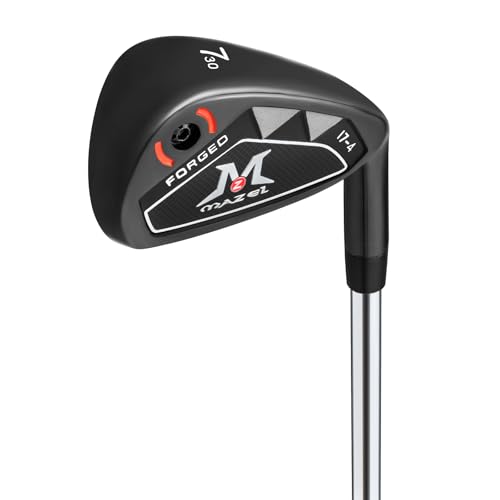
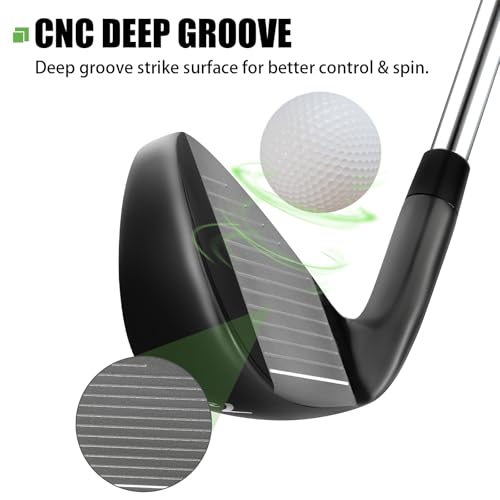
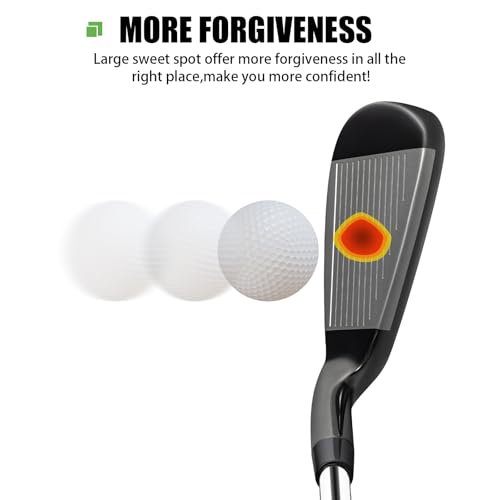
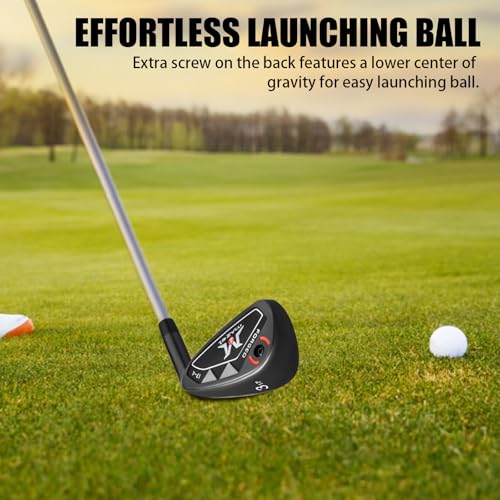
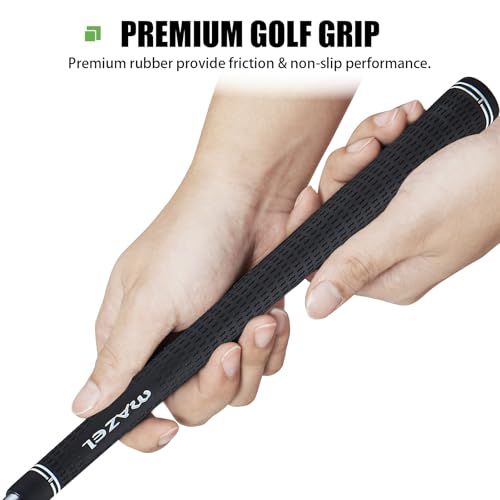
The MAZEL 11-piece set is a standout for value, offering nearly a full bag at a fraction of the cost of name brands. The hollow-body 3-7 irons help generate ball speed, and the extra back weight screw promotes a higher launch, both helpful for older players losing clubhead speed. Owners appreciate the complete setup and decent build quality for the price, especially the rubber grips that help dampen vibration.
While the steel shafts are heavier than ideal for aging swingers, the overall forgiveness and variety of clubs make this a smart starter or backup set. Compared to the PGM graphite set, it’s less senior-specific but more thorough. For the golfer rebuilding their bag without breaking the bank, this is the smarter buy.
Product photos

Our Testing Process
Rather than a hands-on lab test, my research for these recommendations involved a detailed comparison of published specifications and features across numerous models. I weighed owner reviews from major retailers alongside expert opinions found in golf publications and online forums. Applying my experience with golf equipment and the needs of players seeking more accessible clubs, I ranked these irons based on criteria relevant to older golfers – forgiveness, shaft material, and ease of launch.
For this category, I prioritized forgiveness and shaft weight most heavily. As players age, maintaining swing speed can become more challenging, so lighter shafts (particularly graphite) are crucial. Equally important is a generous sweet spot and perimeter weighting to minimize the impact of off-center hits. Finding irons for seniors that address these needs directly was a primary goal.
Specifications reliably reveal shaft weight, clubhead material, and loft angles. However, I relied on owner feedback to assess real-world comfort, vibration dampening (important for joint pain), and how easily the clubs launch the ball. Reputation and consistency of positive comments about ease of use also heavily influenced my choices – particularly when evaluating models with innovative features like those found in many modern cavity back irons.
Choosing The Right irons for older golfers
Choosing the right irons can dramatically improve your game, especially as we age and swing speed naturally decreases.
A good set of irons for older golfers prioritizes forgiveness, lighter shafts to maintain clubhead speed, and features that reduce strain on joints. Look for a low center of gravity, larger sweet spots, and graphite shaft options. Consistent ball flight and comfortable feel are also key indicators of quality.
Swing Speed & Shaft Material
As we get older, maintaining swing speed becomes more challenging. That’s why shaft material is so crucial. Steel shafts offer precision, but graphite is generally a better choice for most older golfers. Graphite shafts are lighter, making it easier to generate clubhead speed, even with a slower swing. Don’t automatically assume you need steel just because you’ve always used it. Consider the flex too – a regular or senior flex will help you launch the ball higher and easier. I often recommend golfers consider a graphite shaft even if they’ve traditionally played with steel, especially if they’re noticing a decline in distance.
Forgiveness & Clubhead Design
Forgiveness is paramount. Miss-hits happen to everyone, but they’re more punishing with a smaller sweet spot. Look for irons with a cavity-back design and a larger sweet spot. These designs redistribute weight to the perimeter of the clubhead, making off-center hits feel more solid and travel closer to your intended target. The Callaway Elyte, for example, boasts a Speed Frame construction designed for just this purpose. If you’re looking for even more forgiveness, explore game improvement irons – they’re built to maximize that benefit.
- A larger clubhead is generally more forgiving, but can be harder to control for those with very precise swings.
- Cavity-back designs are a good starting point for increased forgiveness, but perimeter weighting is the key specification to look for.
- Hollow-body construction, like in the MAZEL irons, can further enhance forgiveness by moving weight away from the center of the clubface, but can sometimes sacrifice feel.
A rule of thumb: if you’re consistently hitting shots off-center, prioritize forgiveness above all else. Distance is less important than getting the ball on the green.
Joint Health & Vibration Dampening
Joint pain is a common concern for older golfers. The impact of a golf swing can put a significant strain on wrists, elbows, and shoulders. That’s where vibration dampening comes in. Graphite shafts, as we discussed, naturally absorb more shock than steel. But some irons go further, incorporating technologies to reduce vibration even more. The COOLO Graphite Iron 7 specifically highlights its benefit for those with tendonitis, reducing strain on elbows and wrists. If you’re experiencing joint pain, consider irons with enhanced vibration dampening features. You might also explore irons for senior golfers designed with these concerns in mind, or even look at top irons for older players with specialized grips.
Irons for Older Golfers Compared
This table provides a specification comparison of irons designed with the needs of older golfers in mind.
| Product Title | Best For | Shaft Material | Flex | Construction | Center of Gravity |
|---|---|---|---|---|---|
| PGM NSR III Graphite Iron Set | Best Overall | Graphite | R-Class | Hollow Body | Low |
| COOLO Graphite Iron 7 (Men) | Best for Joint Comfort | Graphite | N/A | N/A | N/A |
| Callaway Elyte Iron 5 | Best for Fast Ball Speed | Steel | N/A | Speed Frame | N/A |
| Gowolf 95g Steel Shaft Iron | Best for Forgiveness | Steel | N/A | Hollow Body | Optimized |
| XINGGM Low CG Iron | Best Budget Friendly | N/A | N/A | N/A | Low |
| Dynacraft 18° Driving Iron | Best for Control Off Tee | Steel | UniFlex | Hollow Body | Low & Rearward |
| MAZEL 9PC Hollow Iron Set | Best Value Set | N/A | N/A | Hollow Body | Lower |
Frequently Asked Questions
What loft range should I prioritize when choosing irons?
Generally, a standard iron set begins around 5-iron (23 degrees) and progresses to a 9-iron (48 degrees). However, many older golfers benefit from starting with a 6 or 7-iron to achieve better launch angles and distance control, especially when paired with graphite irons.
Are offset irons a good choice for seniors?
Yes, offset irons can be very helpful. The offset design moves the clubhead’s center of gravity slightly behind the leading edge, promoting a draw bias and helping to correct slices – a common issue as swing speed declines.
How much should I spend on a new set of irons?
Prices vary widely, but a quality set of irons suitable for older golfers can be found between $300 and $800. Spending more doesn’t automatically guarantee better performance, but higher price points often include advanced technologies and premium materials.
Will switching to lighter shafts really make a difference?
Absolutely. Lighter shafts, particularly those made of graphite, allow you to maintain clubhead speed with less effort. This translates directly into greater distance and more consistent ball flight, and can make a huge difference when using lightweight graphite irons.
What’s more important: forgiveness or distance?
Forgiveness is far more critical for most older golfers. Maintaining distance with a consistent strike is more valuable than chasing maximum distance with a club that’s difficult to control. Prioritizing irons with a large sweet spot and perimeter weighting will lead to more accurate shots and lower scores, even if you sacrifice a few yards.
The Bottom Line
Choosing irons always involves trade-offs, but for older golfers, the balance shifts toward forgiveness and comfort. While distance is nice, consistently getting the ball airborne and on the green is paramount. Considering all factors, the PGM NSR III Graphite Iron Set strikes the best overall balance, offering a lightweight build and hollow-body construction that promotes both launch and forgiveness – a great starting point for many.
For those prioritizing specific needs, we have clear recommendations. If joint comfort is a concern, the COOLO Graphite Iron 7 stands out with its focus on vibration dampening. And for golfers looking for a complete set without breaking the bank, the MAZEL 9PC Hollow Iron Set delivers excellent value. Don’t overlook golf clubs for older players if you are looking for a full set upgrade.
Ultimately, the best irons aren’t defined by a single specification, but by how well they fit your swing and physical limitations. Prioritize a comfortable swing weight, a forgiving clubface, and a shaft that allows you to maintain clubhead speed. Don’t get caught up in chasing distance at the expense of consistency and enjoyment – finding irons for senior men that feel good in your hands is the most important factor.
