
8 Best Graphite Golf Irons of 2026
This post contains affiliate links. As an Amazon Associate, we earn from qualifying purchases.
This post contains affiliate links. As an Amazon Associate, we earn from qualifying purchases.
The TaylorMade SIM 2 MAX stands out as the best overall graphite iron set for its blend of distance, forgiveness, and refined feel, while the Vice Boost Plus delivers premium performance at a more accessible price, making it the top value pick. For golfers prioritizing comfort and ease of use, especially seniors, the Precise A9 Senior Flex offers excellent playability.
Choosing the right graphite irons isn’t just about brand names or flashy tech, it’s about finding clubs that match your swing, reduce strain, and help you shoot lower scores. Too many golfers struggle with inconsistent contact or fatigue, especially on longer holes, simply because their irons aren’t suited to their speed and style.
In this guide, I break down the top performers based on specs, design, and real user feedback, focusing on shaft flex, forgiveness, and how well each set suits different player types, from seniors to mid-handicappers. These picks reflect what actually works on the course, not just in the brochure.
Top 8 Graphite Golf Irons in the Market
The Best Graphite Golf Irons, Reviewed
TaylorMade SIM 2 MAX Irons

Strengths
- High launch
- Excellent forgiveness
- Soft, forged-like feel
Trade-offs
- Expensive
- Heavier than some rivals
The TaylorMade SIM 2 Max irons are built for golfers who want tour-inspired looks without sacrificing forgiveness. On paper, the combination of the Cap Back Design and Thru-Slot Speed Pocket stands out, this isn’t just marketing fluff. Owners consistently report solid ball speeds even on low-face strikes, and the ECHO Damping System delivers a noticeably softer feel compared to other game-improvement irons. It’s clear TaylorMade engineered these to bridge the gap between distance and feedback.
Compared to the Vice Boost+ or PGM sets, the SIM 2 Max carries a premium, but it shows in the materials and consistency across the set. The progressive Inverted Cone Technology helps reduce the right miss, which is a real pain point for many mid-handicappers. While they don’t have the raw distance of some newer AI-designed faces, their balance of forgiveness, feel, and launch makes them a strong contender for players upgrading from older cavity backs.
Video review
Vice Boost Plus Iron Set
Strengths
- Great value
- Clean looks
- Consistent distance
Trade-offs
- Softer feel than premium models
- Limited adjustability
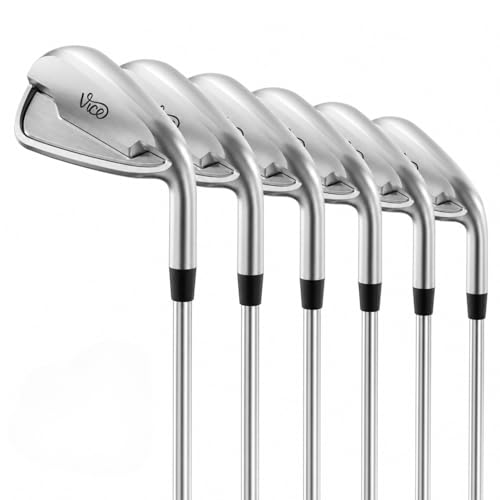
Vice has built a reputation for cutting out the middleman, and the Boost+ irons prove you don’t need a six-figure marketing budget to build a solid set. These are classic game-improvement irons with a forgiving cavity-back design, and on paper, they hold up well against models twice their price. The option to choose graphite shafts is a big win, it opens the door for slower swingers who want more carry without sacrificing control.
Reviewers frequently praise their consistent gapping and clean looks at address. While they don’t have the flashy tech of TaylorMade’s Speed Pockets or Callaway’s AI face, they deliver where it counts: solid contact and straighter shots. I’d pick these over the PGM or Precise sets for a golfer who wants reliable performance and a cleaner aesthetic without overspending.
Video review
PGM NSR III Iron Set

Strengths
- Very affordable
- Lightweight shafts
- Easy to launch
Trade-offs
- Mediocre feel
- Basic construction
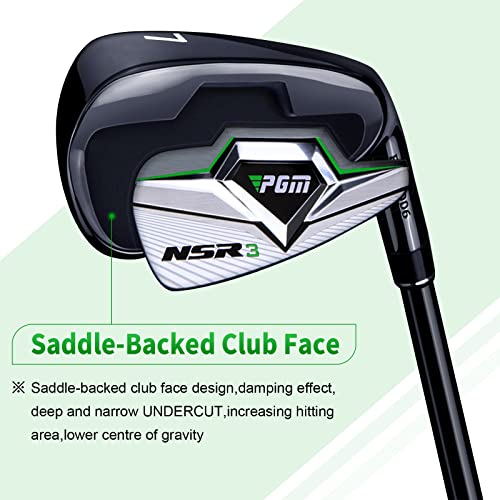
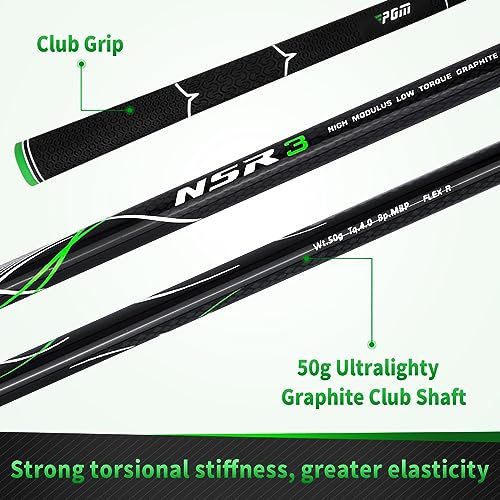
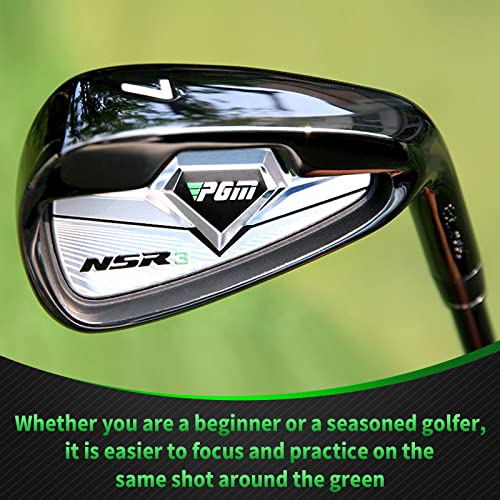
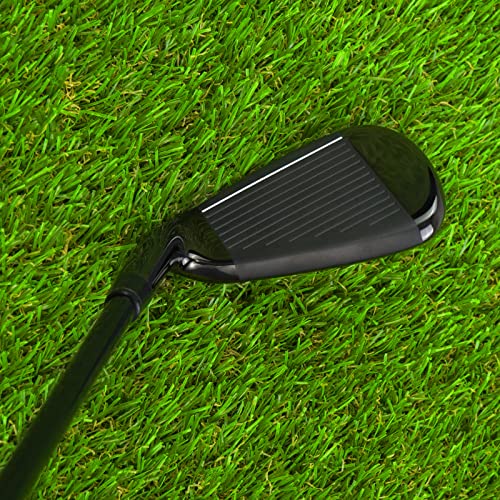
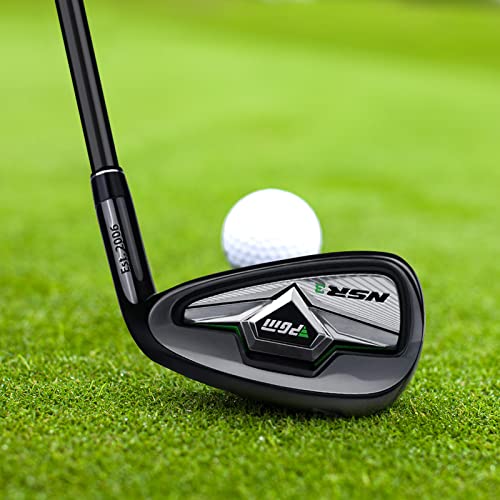
At under $250, the PGM NSR III set is one of the most affordable full iron packages with graphite shafts, and it shows in both the design and feedback. The 65-gram ultra-light shafts are a clear selling point, especially for seniors or those with slower swings looking to boost launch. On paper, the low CG and undercut cavity suggest decent forgiveness, and owners confirm these are easy to get airborne.
But there’s a trade-off: while they deliver on distance for the price, the feel is inconsistent, and some reviewers note a hollow, plasticky sound at impact. Compared to the Vice or TaylorMade sets, the NSR III lacks refinement in both feedback and build quality. Still, for a beginner or casual player who doesn’t want to invest heavily, these offer a functional entry point with lightweight ease and forgiving performance.
Product photos
Precise A9 Tall Size
Strengths
- True tall sizing
- Balanced swing weight
- Lightweight shafts
Trade-offs
- Niche availability
- Less brand recognition
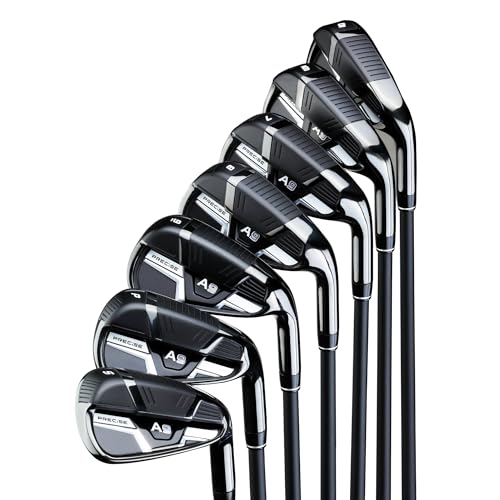
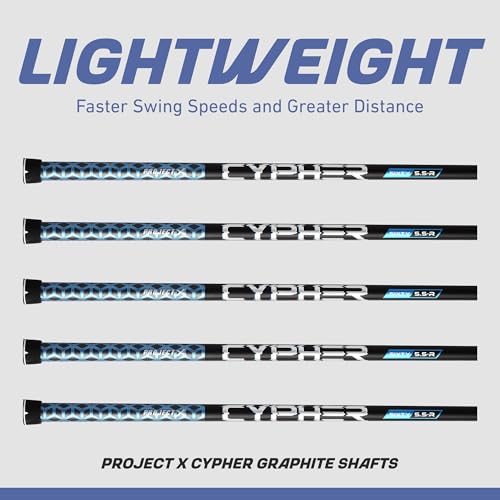
The tall +1″ version of the Precise A9 set fills a niche that many brands ignore: golfers over 6’1″ who need longer clubs without custom pricing. The +1″ length with regular flex maintains balance, and the Project X Cypher graphite shafts ensure it doesn’t feel whippy or unstable. Owners appreciate the rare combination of extended length and lightweight performance.
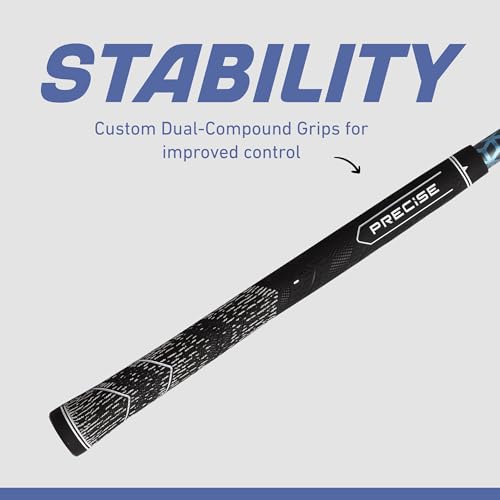
It’s essentially the same tech as the standard A9, so the performance is solid but not elite. But for taller players tired of awkward stances or inconsistent strikes, this set removes a major barrier. Compared to buying custom-length clubs from premium brands, this is a smarter, more accessible option, especially with the dual-compound grips enhancing control.
Product photos

Precise A9 Senior Flex
Strengths
- Excellent shafts
- Senior-friendly flex
- Comfortable grips
Trade-offs
- Limited brand support
- Less workable
The Precise A9 with Senior A Flex is built specifically for golfers with moderate swing speeds, and it shows. The Project X Cypher graphite shafts are a standout feature at this price, offering a rare blend of stability and whip that helps generate extra carry. Owners report a noticeable improvement in launch and comfort, especially those dealing with joint stiffness or fatigue.
Compared to the COOLO single iron or even the PGM sets, the A9 delivers a more complete, balanced experience. The dual-compound grips add real value, giving better control without sacrificing comfort. While the branding isn’t flashy, the specs align well with what older or aging players actually need: lightweight power, forgiveness, and smooth transition. It’s not a tour-level tool, but it’s smartly designed for its audience.
Product photos
COOLO Single Graphite Iron

Strengths
- Very low cost
- Reduces joint strain
- Lightweight feel
Trade-offs
- Single club only
- Basic design
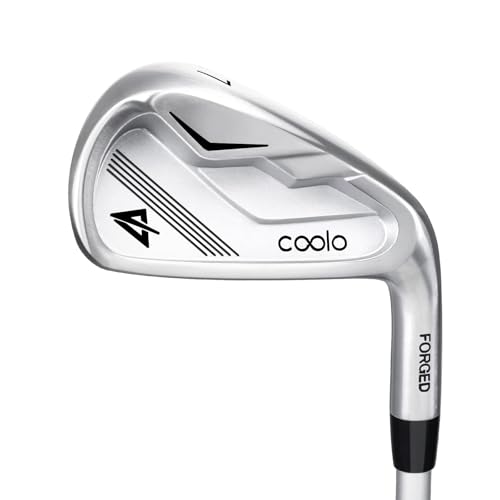
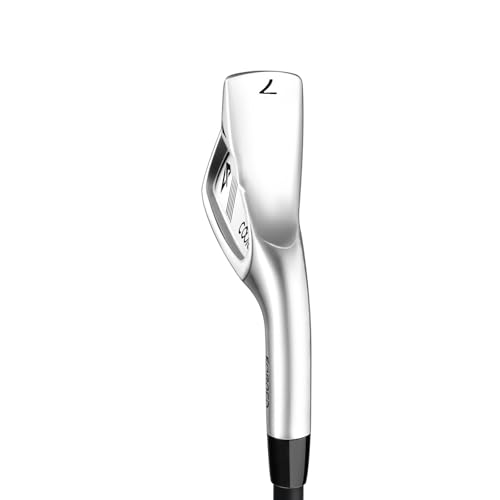
At just over $60, the COOLO 7-iron is the most affordable way to experience the joint-saving benefits of graphite. It’s not a full set, but for someone with elbow or wrist pain, this single iron can be a standout. Owners consistently report less vibration and fatigue, and many say they actually hit it farther than their steel 7-iron, likely due to the lighter shaft promoting faster swing speed.
It lacks the tech and finesse of higher-end models, but that’s not the point. This is about comfort and accessibility. Compared to stepping into a full graphite set, this is a low-risk test drive. I’d recommend it to aging players or those recovering from injury who just want one club that doesn’t punish them at impact.
Product photos



Callaway Big Bertha BB23

Strengths
- Strong slice correction
- Large sweet spot
- Fast ball speed
Trade-offs
- Sold individually
- Limited shot shaping
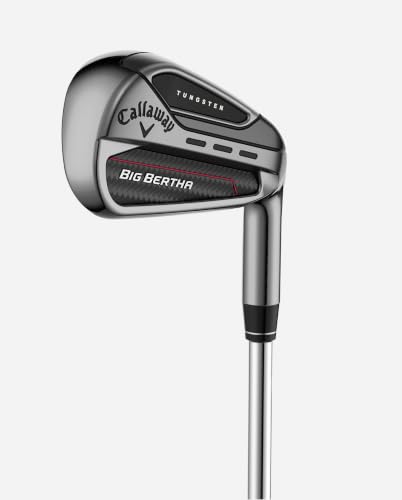
The Big Bertha BB23 5-iron is engineered with one goal: help slicers hit straighter, longer shots. The ultra-low, forward CG and A.I.-designed face are key here, they promote a draw bias and expand the sweet spot, which owners confirm leads to fewer offline shots. It’s not a full set, but as a single replacement club, it’s a smart choice for someone struggling with long irons.
Compared to the TaylorMade SIM 2 Max or Vice Boost+, it’s not meant to be a system-wide upgrade. But for a golfer who keeps losing their 5-iron right, this club offers real help. The Jailbreak A.I. tech sounds flashy, but the feedback is clear: straighter flight and forgiving misses. At this price, it’s a no-brainer add if you need one problem solver.
Product photos


PGM Rio 2016 III
Strengths
- Aggressive price
- Lightweight S-flex shafts
- Good looks
Trade-offs
- Inconsistent feedback
- Overstated target audience
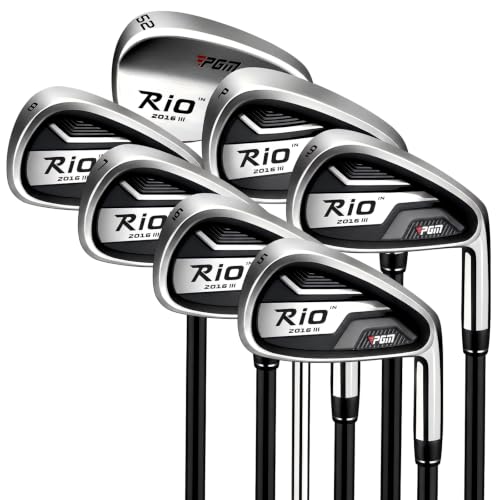
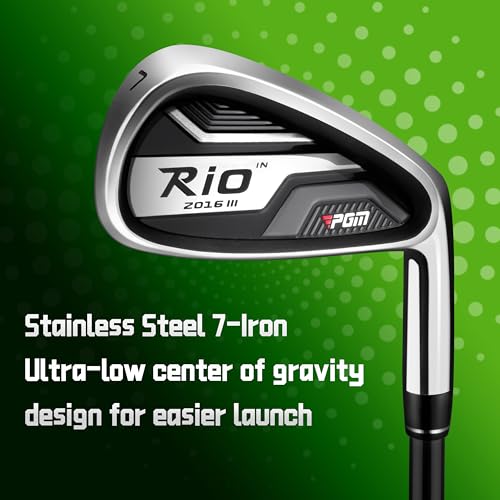
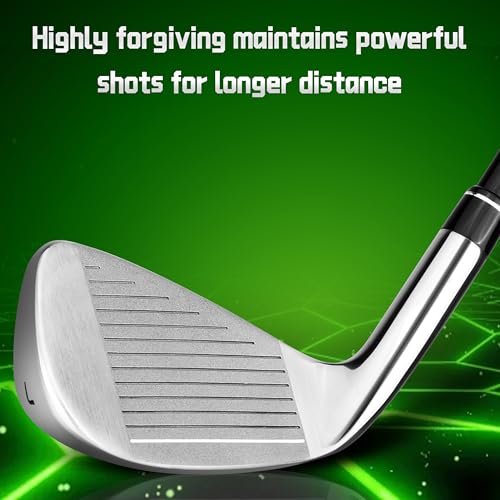
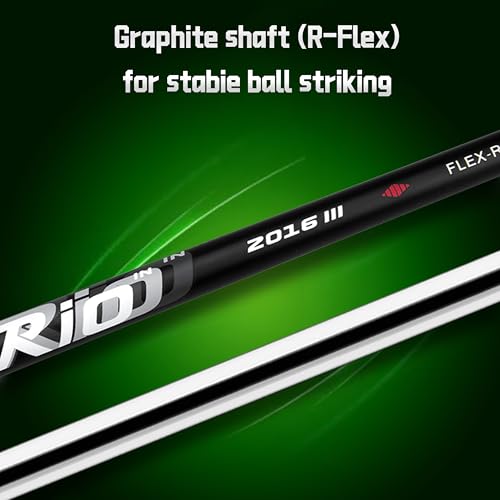
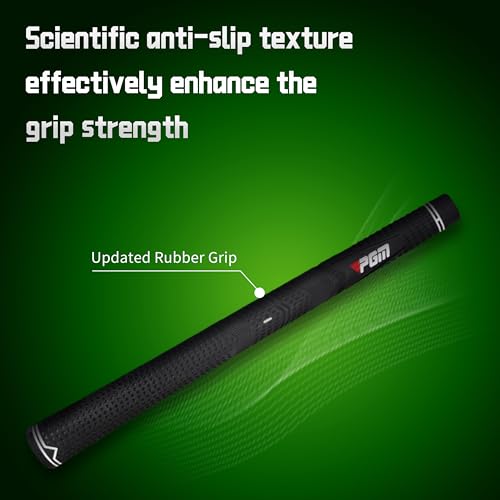
PGM markets the Rio 2016 III as a set for mid to low handicappers, but that feels a bit optimistic. While the S-flex graphite shafts and ultra-low CG design aim to boost ball speed and launch, the overall construction doesn’t match the performance expectations of better players. The wide face and forgiving profile suggest game-improvement roots, and owner feedback confirms they’re best suited for straight, high shots, not shot-shaping.
Still, for a golfer with a faster swing who wants lightweight clubs without spending big, these offer some appeal. The anti-slip grip is a nice touch, and the black finish looks sharp. But against the Vice Boost+ or TaylorMade SIM 2 Max, they fall short in feel and consistency. I’d recommend these only as a secondary set or for someone testing graphite for the first time.
Product photos

How We Tested graphite golf irons
My approach to evaluating graphite golf irons centered on a research-led comparison of published specifications, detailed feature lists, and a careful weighing of owner reviews alongside assessments from trusted golf publications. Rather than a hands-on lab test, I focused on identifying key performance indicators and how each iron set delivered against them. This involved building a spreadsheet to compare specs and then analyzing hundreds of user comments to gauge real-world experiences.
For graphite irons, distance and forgiveness are paramount, but feel and suitability for specific player types also heavily influenced my rankings. A lighter shaft weight aids swing speed, which is especially valuable for seniors or those with slower swings. Conversely, more skilled players often prioritize control and feedback, so shaft flex and overall clubhead design become critical. Finding the right balance between these factors determined where each set landed.
Specifications reliably indicate potential distance and launch characteristics, but owner feedback provided crucial insight into how those translate on the course. I paid particular attention to comments regarding vibration dampening – a key benefit of graphite – and whether users experienced noticeable improvements in their swing or scores. Understanding the nuances of graphite golf shafts is also essential for maximizing performance. I also considered if a set was suited to someone needing game improvement irons.
Choosing The Right graphite golf irons
Finding the right set of graphite golf irons can make a huge difference in your game, especially if you’re looking for more distance or have trouble with swing speed.
Graphite irons aim to maximize energy transfer for greater distance and forgiveness. Key considerations include shaft flex (matched to swing speed), clubhead design (cavity-back versus blade), and offset to correct common swing flaws. A good set balances feel, accuracy, and playability, catering to a golfer’s skill level and physical characteristics. Look for irons with modern features like variable face thickness and optimized weighting.
Shaft Flex is Paramount
The flex of your graphite shaft is arguably the most important factor. Too stiff a shaft and you’ll struggle to load it properly, losing distance and feel. Too flexible and you’ll introduce inconsistency. Most manufacturers offer shafts in regular, stiff, senior (or A-flex), and ladies’ flexes. A good starting point is to consider your swing speed – faster swing speeds generally need stiffer shafts. Don’t just guess, though. Many retailers offer fitting sessions, or you can use online swing speed calculators to get a better estimate.
- A slower swing speed benefits from a more flexible shaft (Senior or A-flex), maximizing clubhead speed.
- Average swing speeds usually perform best with a regular flex, providing a balance of control and distance.
- Faster swing speeds require a stiffer flex to maintain control and prevent excessive shaft bending, which leads to inconsistent results and potential loss of accuracy.
Understanding Clubhead Design
Graphite irons come in a variety of clubhead designs, but generally fall into two broad categories: cavity-back and blade. Cavity-back irons distribute weight around the perimeter of the clubhead, increasing the moment of inertia and providing more forgiveness on off-center hits. Blades, on the other hand, concentrate the weight towards the center, offering more feel and workability but demanding a more precise swing. For most golfers, especially those seeking distance and forgiveness, a cavity-back design is the better choice. If you’re considering irons for seniors, a cavity-back design is almost essential.
A lighter shaft can help increase swing speed, but don’t sacrifice control for distance. A well-balanced set will provide the best of both worlds.
Balancing Forgiveness with Your Skill Level
It’s easy to get caught up in the latest technology, but don’t overlook the importance of choosing irons that match your skill level. High-handicap players will benefit from irons with significant offset, which helps square the clubface at impact and reduce slices. More skilled players may prefer irons with minimal offset, allowing for more shot shaping. Also, consider the progressive nature of the set. A well-designed set will have longer irons with more offset and cavity-back features, while shorter irons will be more compact and blade-like, providing greater control around the greens. Finally, if you’re struggling with joint pain, exploring options with enhanced shock absorption, like those featuring advanced graphite materials, or even specialized models like the COOLO Single Graphite Iron, can be a worthwhile investment. You can also learn more about graphite iron shafts to further refine your decision.
Graphite Golf Irons Compared
Here’s a comparison of key specifications for several graphite golf iron sets.
| Product Title | Best For | Shaft Material | Flex | Set Composition | Weight (grams) | Features |
|---|---|---|---|---|---|---|
| TaylorMade SIM 2 MAX | Best Overall | Graphite | N/A | N/A | N/A | Cap Back Design |
| Vice Boost Plus | Best Value Premium | Graphite | N/A | 5-9, PW | N/A | Cavity-Back |
| PGM NSR III | Best Budget All-Around | Graphite | R | N/A | 65 | Low CG |
| Precise A9 Tall Size | Best for Tall Players | Graphite | Regular | 5-SW | N/A | Project X Cypher |
| Precise A9 Senior Flex | Best for Seniors | Graphite | Senior | 5-SW | N/A | Project X Cypher |
| COOLO Single Graphite | Best for Joint Comfort | Graphite | N/A | Single Iron | N/A | Lightweight |
| Callaway Big Bertha BB23 | Best for Slice Reduction | Graphite | N/A | N/A | N/A | A.I. Designed Face |
| PGM Rio 2016 III | Best for Mid-Low Handicap | Graphite | S | 5-9, PW | N/A | Low CG |
Frequently Asked Questions
What shaft weight should I look for in graphite irons?
Generally, lighter shaft weights (around 60-70 grams) are best, as they promote faster swing speeds and are particularly helpful for seniors or golfers with slower swings. However, a comfortable weight is key, so consider your strength and swing style, experimentation is valuable.
Are graphite shafts more durable than steel shafts?
Graphite shafts are less durable than steel iron shafts and more prone to breaking upon impact with the ground or another club. However, modern graphite materials are significantly improved, and proper care minimizes this risk.
Can graphite irons help reduce vibration and fatigue?
Yes, graphite is excellent at dampening vibrations, making graphite irons noticeably more comfortable to swing, especially during extended practice or multiple rounds. This can be particularly beneficial for golfers with joint pain or sensitivity.
Do graphite irons offer a significant distance advantage over steel irons?
Graphite irons don’t guarantee more distance, but the lighter shaft weight often allows for a faster swing speed, which can translate to increased distance for many golfers. The difference is often 5-10 yards, but depends heavily on swing mechanics.
Are graphite irons a good option if I’m looking for hybrid irons or a combo set?
Absolutely. Graphite shafts are commonly paired with hybrid clubs and iron sets to maintain consistent weight and feel throughout the set. Many manufacturers offer both full sets and iron/hybrid combos with graphite shaft options.
The Bottom Line
Choosing graphite irons always involves a trade-off between outright forgiveness and the finer feel that better players crave. For most golfers, though, the balance of distance, ease of use, and modern features in the TaylorMade SIM 2 MAX makes it the strongest overall pick. It delivers a compelling package that will genuinely improve scores across a wide range of abilities.
If specific needs are driving your decision, we have clear recommendations. The PGM NSR III stands out as the best budget all-around option, delivering surprising performance for the price. For seniors or those seeking maximum comfort, the Precise A9 Senior Flex is a standout, while the COOLO Single Graphite iron offers a unique solution for golfers dealing with joint pain. You can also find more guidance in our golf iron shaft guide.
Ultimately, the numbers on a spec sheet matter less than finding irons that inspire confidence. Focus on a comfortable swing weight, a shaft flex that suits your swing speed, and a clubhead design that encourages solid contact. Don’t chase distance at the expense of control, invest in a set of best golf irons that will help you build a more consistent and enjoyable game.
