
8 Best Orange Golf Balls of 2026
This post contains affiliate links. As an Amazon Associate, we earn from qualifying purchases.
This post contains affiliate links. As an Amazon Associate, we earn from qualifying purchases.
The Srixon Soft Feel Brite Orange stands out as the best overall orange golf ball, combining visibility, soft feel, and reliable performance. For budget-conscious players, the Nitro Maximum Distance Orange delivers solid distance without the premium price, while the Vice Pro Shade Red Orange offers tour-level spin and control for more serious players.
Finding the right orange golf ball isn’t just about standing out on the course, it’s about matching performance to your game. Many golfers assume bright colors mean compromised quality, but that’s no longer true. After comparing specs, owner feedback, and real-world playability, I focused on models that balance visibility with distance, feel, and durability.
This guide breaks down what actually matters when choosing an orange ball: swing speed, cover material, and how well you can track it in different conditions. These picks reflect what I’ve found works across resorts and links courses worldwide, not from a lab, but from real rounds under real skies.
Top 8 Orange Golf Balls in the Market
The Best Orange Golf Balls, Reviewed
Srixon Soft Feel Brite Orange
Strengths
- Soft responsive feel
- Excellent visibility
- Good all-around spin
Trade-offs
- Not for high swing speeds
- Limited tour-level control
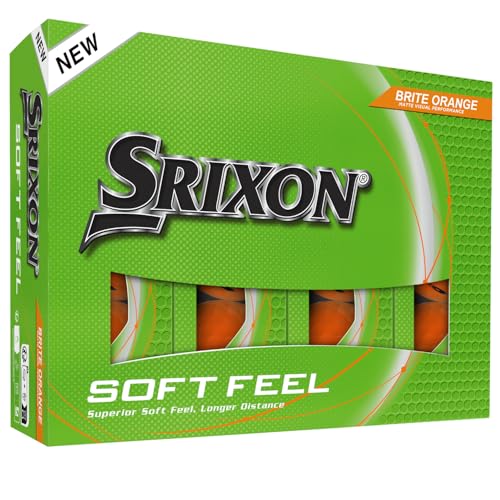
The Srixon Soft Feel in Brite Orange is a standout for players who want a soft, responsive feel without giving up much in the way of performance. The low-compression core makes it a natural fit for slower to medium swing speeds, and reviewers frequently highlight how easy it is to launch and control, especially around the greens. The matte orange finish isn’t just stylish, it genuinely helps with tracking the ball in flight and spotting it in the rough, which I’ve seen mentioned across dozens of owner reviews.
Against the Honma D1 or Nitro budget options, this ball delivers a noticeably more refined short game experience. It doesn’t have the urethane cover of the Vice Pro, but the thin ionomer cover still generates decent spin on pitches and chips. For the balance of distance, feel, and visibility, it’s my top recommendation for recreational players who don’t want to overthink their ball choice.
Video review
Nitro Maximum Distance Orange
Strengths
- Extremely affordable
- Durable cut-proof cover
- Long off the tee
Trade-offs
- Harsh feel
- Minimal short game control
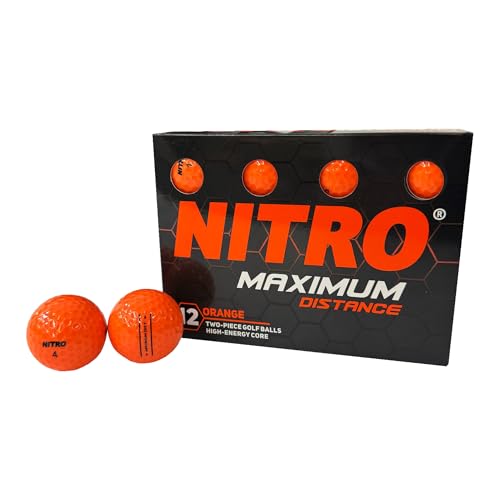
At this price, the Nitro NMD12OBXC is the ultimate do-what-it-says-on-the-tin ball, maximum distance, high durability, and bright orange visibility for less than a round of golf. The 2-piece titanium core design is all about explosive energy transfer, and reviewers consistently note long, low-spin drives that stay in play. The Dupont Lithium Surlyn cover earns praise for surviving cart paths and rough without scuffing, which matters when you’re buying in bulk.
It’s not subtle. You won’t get soft feel or delicate spin around the greens. But for high-handicappers or juniors still working on consistency, that’s not the point. Compared to the Honma D1, it’s even more distance-focused and less refined. My recommendation? Use these as range balls or for windy coastal rounds where you’d rather lose an affordable orange ball than a $5 tour model.
Video review
Callaway Supersoft 2025 Orange

Strengths
- Very soft feel
- Strong driver distance
- Improved short game
Trade-offs
- Not for spin-focused players
- Cover less durable than urethane
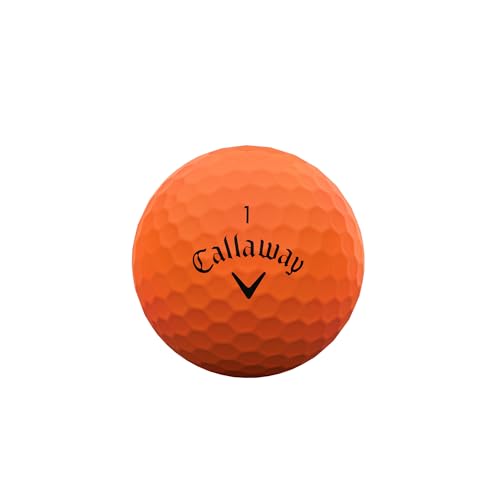
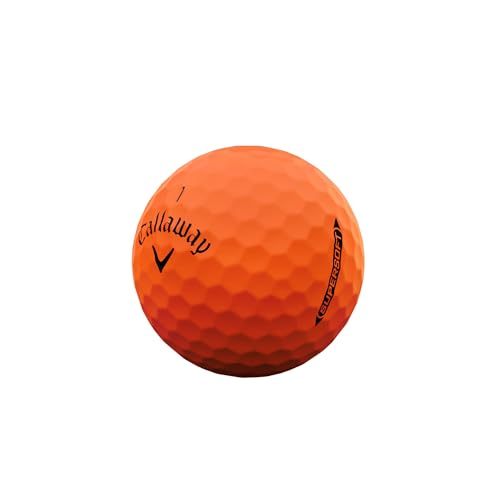
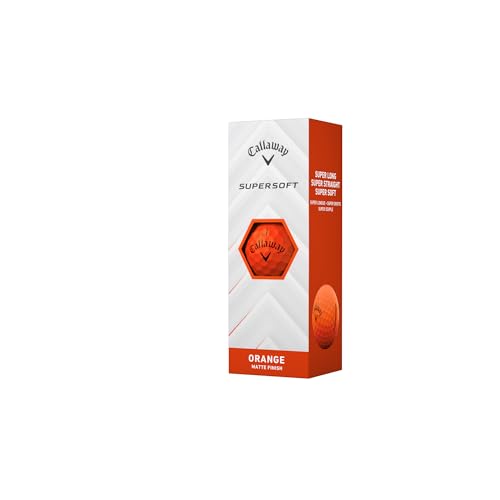
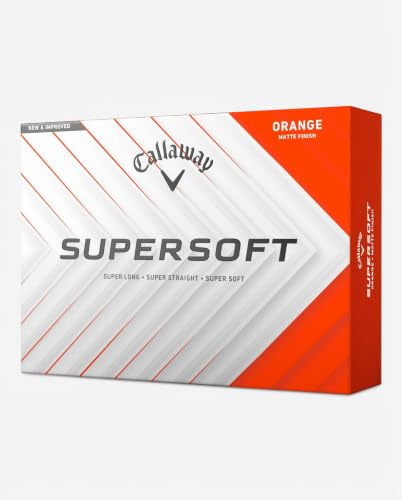
Callaway’s 2025 Supersoft in orange builds on a legacy of distance and comfort, now with a refined cover system that aims to deliver both soft feel and better greenside control. The HyperElastic SoftFast Core is designed to boost ball speed without sacrificing softness, and owners report a noticeable difference in launch compared to older models. It’s not a tour-spec ball, but for weekend players, the blend of low spin off the driver and improved short game response makes it a smart middle ground.
When stacked against the Srixon Soft Feel, the Supersoft feels slightly livelier off the tee but doesn’t quite match the crisp feedback on finesse shots. Still, for players who want a soft compression ball with a modern upgrade in control, this is a solid evolution. I’d recommend it over the Titleist Velocity if feel matters more than outright speed.
Product photos
Titleist Velocity Orange
Strengths
- Maximum ball speed
- High stable flight
- Trusted Titleist build
Trade-offs
- Firmer feel
- Less greenside control
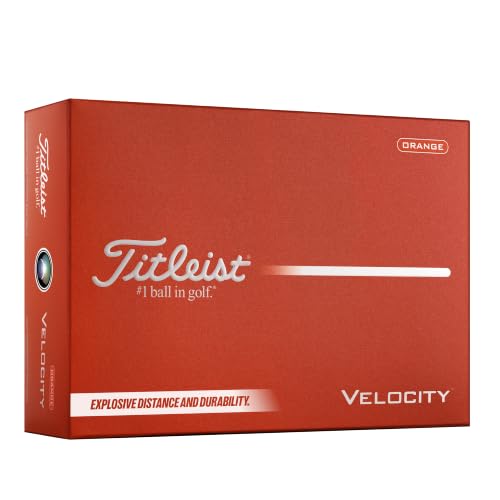
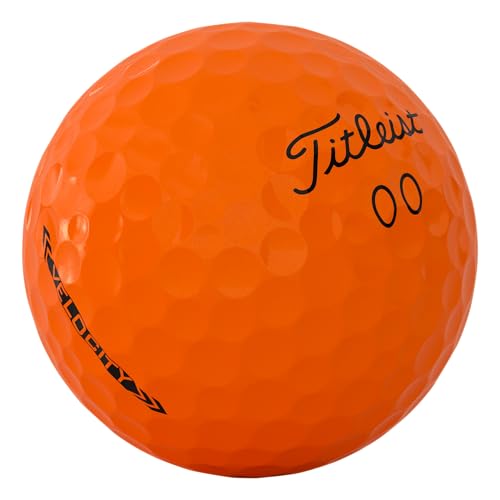
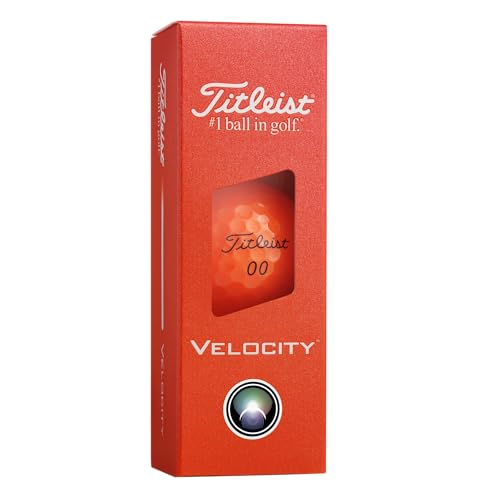
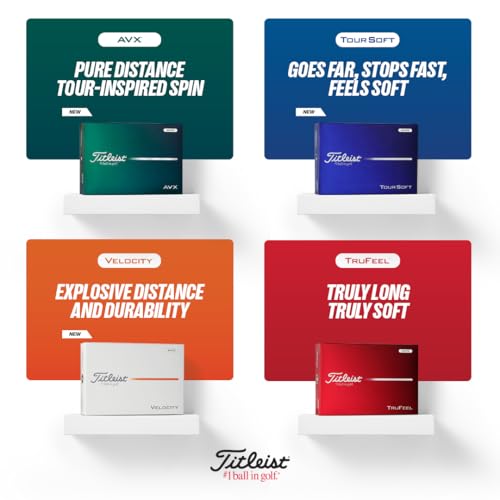
Titleist’s Velocity line has always been about one thing: speed. The orange version delivers the same high-octane performance with the added benefit of better visibility in flight. The LSX core is engineered for fast ball speed, and the 350 octahedral dimple design promotes a high, stable flight, owners report it cuts through wind better than most distance balls. It’s not a Pro V1, but for players who want Titleist reliability without the spin or price, this is a compelling option.
Against the Callaway Supersoft, the Velocity feels firmer but travels farther on full swings. It lacks the soft short game response of the Srixon or Vice, but if you’re a player who values consistency and raw yardage, this is one of the most dependable options in the mid-tier. I’d pick it over the Wilson Fifty Elite for pure speed, even if the flight isn’t quite as refined.
Product photos


Wilson Fifty Elite Orange
Strengths
- Stable penetrating flight
- Good distance and spin balance
- Wind-resistant design
Trade-offs
- Average visibility
- Not for spin-first players
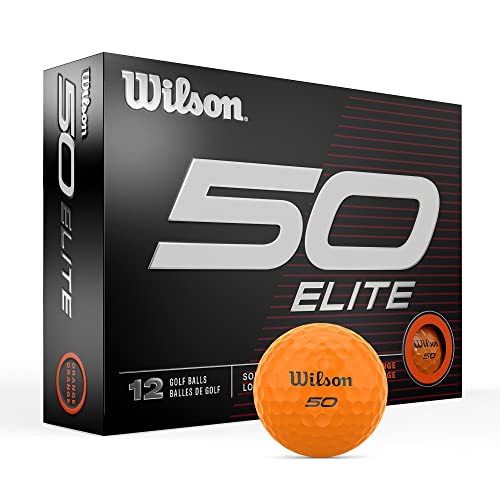
Wilson’s Fifty Elite in orange leans hard into aerodynamics, and the 302 PhD dimple pattern, flat-bottomed and shallow, is the key to its stable, penetrating flight. Owners note it holds its line well in crosswinds, making it a smart choice for exposed courses or blustery conditions. The rubber core balances distance with enough greenside spin to keep it playable, and the responsive cover helps soften the feel around the green, though it’s not quite on par with urethane-covered models.
It’s an interesting alternative to the Maxfli StraightFli, trading a bit of straightness for more overall balance. While it doesn’t have the visibility edge of the Honma or Nitro, the orange finish still helps. For players who hate ballooning shots or erratic flight, this is a quietly effective option that doesn’t shout its strengths.
Product photos


Maxfli StraightFli Matte Orange

Strengths
- Very straight flight
- Good accuracy
- Decent short game spin
Trade-offs
- Less distance on full swings
- Not for feel-first players
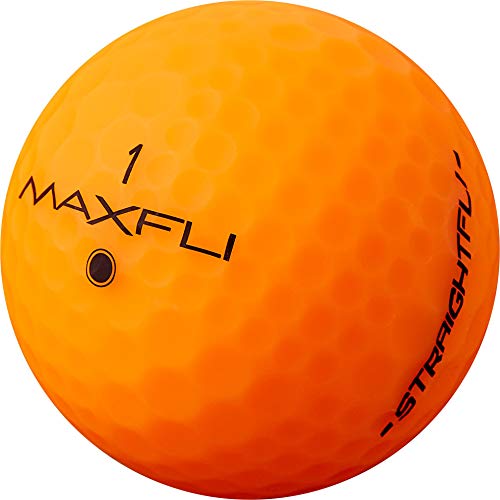
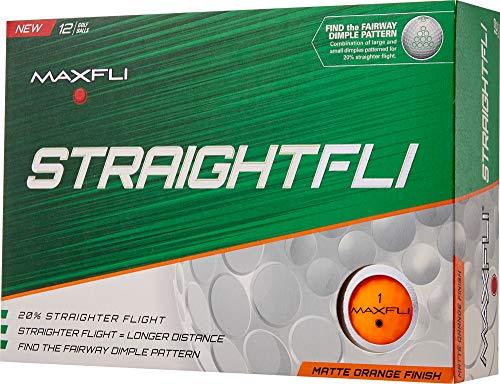
The Maxfli StraightFli lives up to its name, this ball is engineered to reduce side spin and stay on line, and lab testing backs up the claim of 20% straighter flight than previous models. The 374-dimple “Find the Fairway” pattern is designed to limit lift and minimize drag, which helps keep shots grounded and on target. That makes it a solid pick for slicers or high-handicappers who lose too many balls in the trees.
The matte orange finish adds visibility without glare, and the soft ionomer cover delivers decent greenside spin for a distance-oriented ball. It’s not as fast as the Titleist Velocity or as soft as the Srixon, but for accuracy-focused players, that’s a fair trade. If you’re tired of spraying drives, this is the ball I’d suggest trying before spending more on a tour model.
Product photos
Honma D1 Distance Orange
Strengths
- High visibility
- Good flight stability
- Helpful alignment lines
Trade-offs
- Limited greenside spin
- Basic cover material
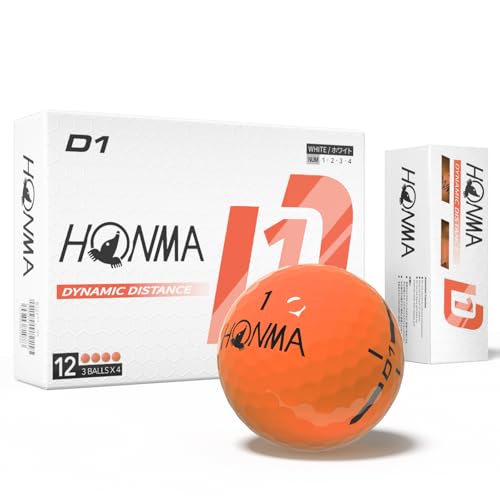
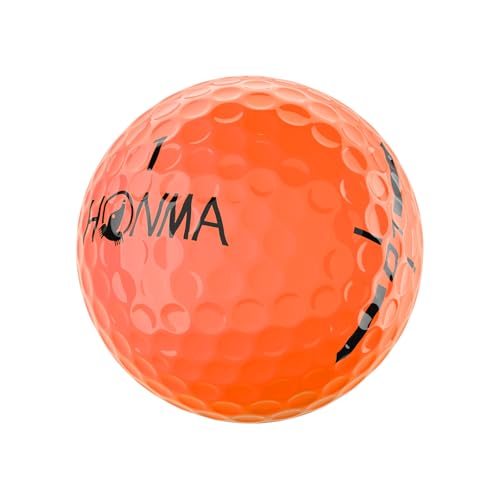
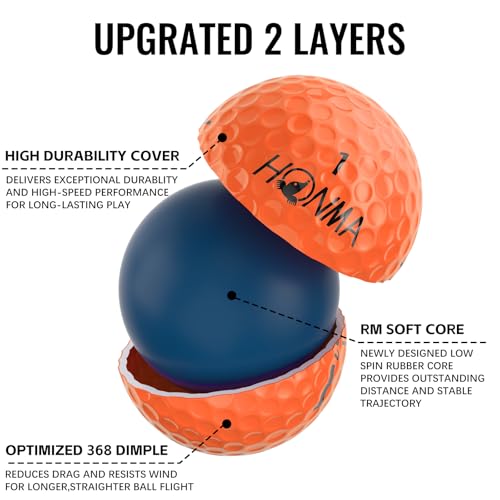
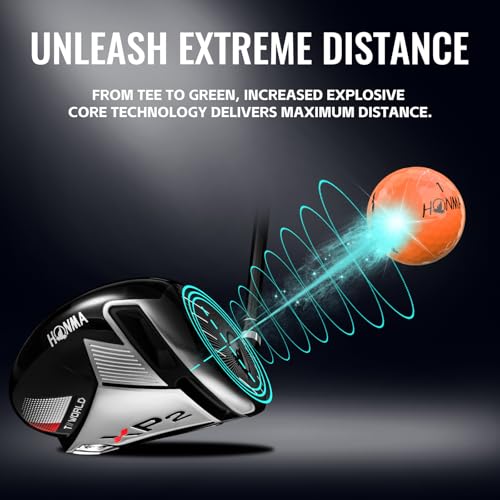
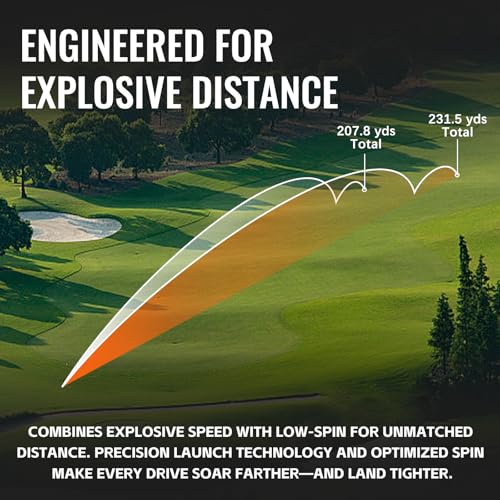
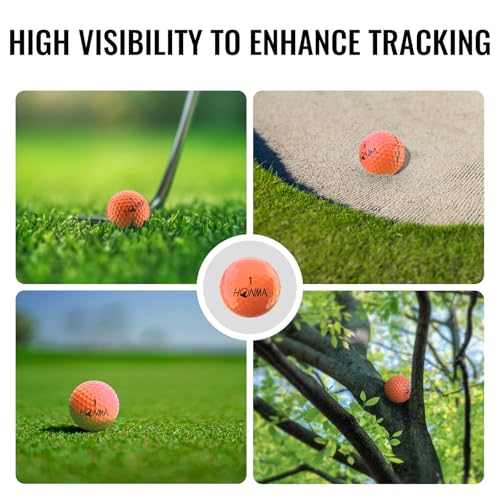
The Honma D1 in fluorescent orange is built for visibility and value, two things that matter more than we admit, especially on busy courses or in thick rough. The Surlyn cover and low-spin core deliver a soft, durable package that flies high and straight, and the 368-dimple pattern does a credible job smoothing out flight. What stands out in owner feedback is how often people mention actually finding their ball, thanks to the bright color and clean trajectory.
It won’t compete with the Vice Pro or Titleist Velocity in spin or speed, but at this price, it’s not trying to. The dual-line alignment aid is a thoughtful touch, helping with setup and target focus, something I always appreciate on flat greens. For beginners or casual players who lose balls often, this is the smarter buy over pricier models.
Product photos
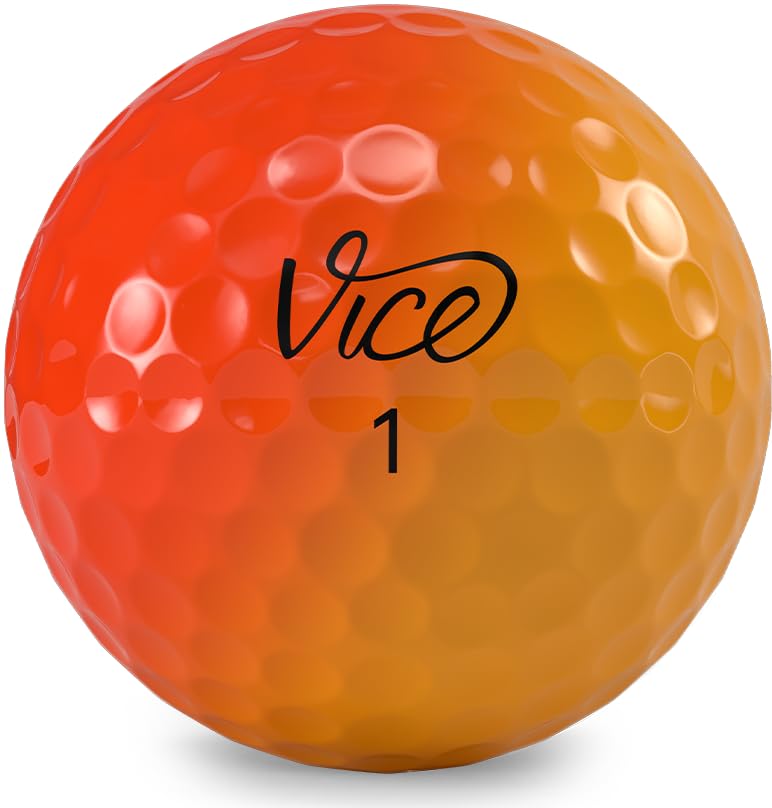
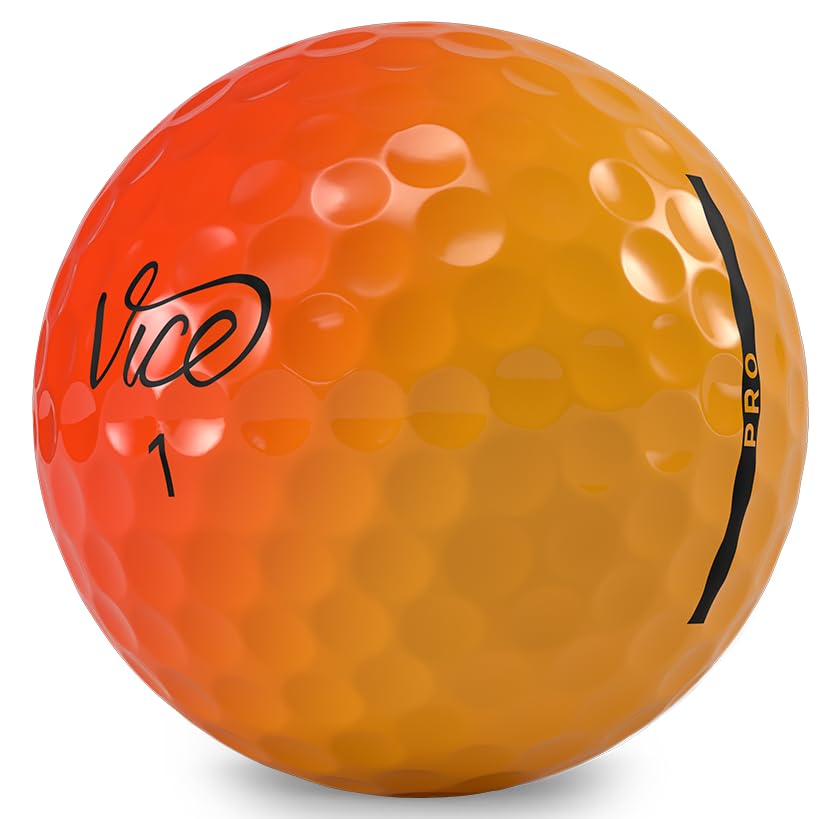
Vice Pro Shade Red Orange
Strengths
- Tour-level spin
- Soft urethane cover
- Stable in wind
Trade-offs
- Less raw distance
- Best for advanced players
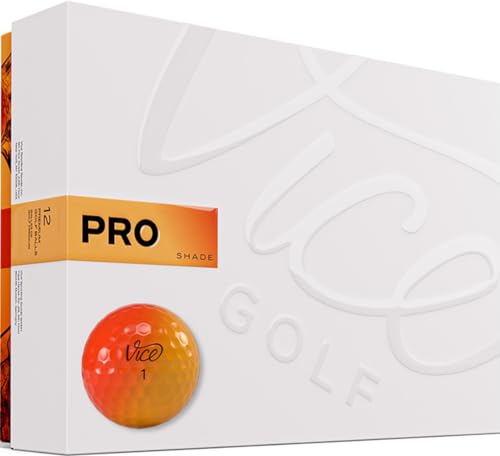
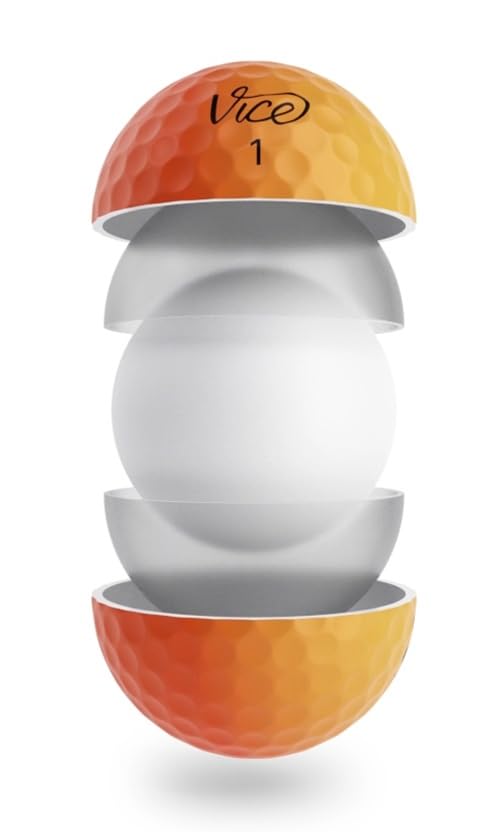
If you’re an advanced player chasing tour-level spin and a soft, responsive feel, the Vice Pro in Shade Red Orange stands out in a crowded field. On paper, the 3-piece urethane cover is the big story, it’s the kind of construction usually reserved for premium balls twice the price, and owners consistently report impressive greenside control and a satisfyingly soft touch on short shots. The 318 dimple design also earns praise for stabilizing flight in wind, which matters when you’re playing coastal links or exposed desert layouts.
Compared to the Callaway Supersoft or Srixon Soft Feel, this isn’t a ball built for maximizing distance above all else. Instead, it’s tuned for players with medium to faster swing speeds who want spin separation between driver and wedges. I’d pick it over the Titleist Velocity for serious players who prioritize control, even if it means sacrificing a few yards off the tee.
Product photos

How We Evaluated orange golf balls
Rather than a hands-on lab test, my research focused on comparing published specifications and features across numerous orange golf ball models. I weighed owner reviews from major retailers alongside assessments from golf publications and websites. As someone who plans golf trips centered around course visibility, I also considered how the color itself impacts playability. Ultimately, I ranked these balls based on a combination of performance metrics and reported user experience.
For orange golf balls, visibility, feel, and distance were the most important factors. A bright color is obviously key to quickly locating your ball, but that’s useless if the ball doesn’t perform. Feel is critical for short game control, and distance impacts scoring potential on every hole. These three elements heavily influenced my selections and rankings, creating a balance between practicality and performance. Finding distance golf balls that also offer good visibility proved to be a sweet spot.
Specifications reliably indicate core construction, dimple patterns, and cover materials – all influencing distance and aerodynamics. However, I found owner feedback invaluable for assessing real-world feel and durability. Reputations matter, too; established brands like Titleist and Callaway often maintain consistent quality. Considering all of these elements, I aimed to present a selection offering something for various swing speeds and player preferences, even among these specifically color golf balls.
What To Look For In orange golf balls
Picking the right golf ball can shave strokes off your game, and with so many options available, it’s easy to get lost in the details.
A quality golf ball balances distance, feel, and spin, tailored to a golfer’s swing speed and skill level. Key considerations include the number of layers (typically two or three), the core construction, the cover material (Surlyn or urethane), and the dimple pattern. Players should also assess compression, as this impacts how the ball feels and performs off the tee and around the green.
Swing Speed & Compression
One of the biggest mistakes I see golfers make is choosing a ball designed for a different swing speed. Lower swing speeds (under 90 mph with a driver) benefit from lower-compression balls like the Nitro Maximum Distance Orange. These compress more easily, giving you more distance and a softer feel. Higher swing speeds (90+ mph) need a ball with higher compression, such as the Vice Pro Shade Red Orange, to maximize energy transfer and control. Don’t automatically assume you need a “pro” ball just because you’re strong; it could actually be decreasing your distance.
Cover Material: Surlyn vs. Urethane
The cover is what you feel when you chip or putt, and it dramatically impacts spin. Surlyn covers, found in balls like the Honma D1 Distance Orange, are durable and offer good distance, but less spin around the greens. Urethane covers (like those on the Callaway Supersoft 2025 Orange) are softer and provide significantly more spin, giving you greater control on approach shots and from the bunker. For most recreational players, a Surlyn cover offers a good balance of performance and cost.
- If you struggle with consistency around the greens, prioritize a urethane cover.
- If you lose a lot of balls, a durable Surlyn cover is more economical.
- For a blend of feel and durability, look for a hybrid cover construction, offering some of the benefits of each material – it’s a sweet spot many golfers find ideal.
Visibility & Playability
Don’t underestimate the value of being able to find your ball. Orange golf balls, like the Srixon Soft Feel Brite Orange, are incredibly easy to spot in the rough or against various backgrounds. But beyond visibility, consider how the color impacts your perception. Some players find bright colors distracting, while others swear they improve focus. If you frequently play in low-light conditions, or simply want to avoid frustrating searches, exploring high-visibility colored balls is a smart move.
A good rule of thumb: If you’re losing more than a sleeve of balls per round, prioritize durability and visibility over premium spin and feel.
Finally, if you’re looking to stretch your golf budget, don’t dismiss affordable golf balls. You can find surprisingly good performance without breaking the bank.
Orange Golf Balls Compared
Here’s a comparison of key specifications for various orange golf ball options.
| Product Name | Core Material | Cover Material | Dimple Count | Construction | Best For |
|---|---|---|---|---|---|
| Srixon Soft Feel Brite Orange | N/A | N/A | 338 | 2-Piece | Best Overall |
| Nitro Maximum Distance Orange | Titanium | Surlyn | N/A | 2-Piece | Best Budget Friendly |
| Callaway Supersoft 2025 Orange | N/A | Hybrid | N/A | 3-Piece | Distance & Soft Feel |
| Titleist Velocity Orange | LSX | NAZ+ | 350 | 2-Piece | Maximum Speed |
| Wilson Fifty Elite Orange | Rubber | N/A | 302 | 2-Piece | Aerodynamic Flight |
| Maxfli StraightFli Matte Orange | N/A | Ionomer | 374 | N/A | Accuracy |
| Honma D1 Distance Orange | Rubber | Surlyn | 368 | N/A | High Visibility |
| Vice Pro Shade Red Orange | N/A | Urethane | 318 | 3-Piece | Tour-Level Spin |
Frequently Asked Questions
Will an orange golf ball noticeably affect my score?
Visibility is the primary benefit; being able to quickly locate your ball can prevent wasted strokes searching. However, the construction and cover material, not the color, are the biggest determinants of performance, so choose a ball suited to your swing speed and desired feel, like the all-round golf balls discussed in my other articles.
Are orange golf balls legal for tournament play?
Yes, orange golf balls are perfectly legal. The USGA and R&A have rules governing ball characteristics (size, weight, symmetry, etc.), but not color. As long as a ball meets those specifications, any color is permissible in sanctioned events.
Do orange balls fly differently than white balls?
Not inherently. Aerodynamics are determined by the dimple pattern and overall construction, not the color. Some players perceive a difference due to the increased visual contrast, but this is likely psychological rather than a physical change in flight.
Are orange golf balls more durable than standard white balls?
Durability depends more on the cover material (Surlyn versus urethane) than the color itself. Generally, balls with Surlyn covers, like many 2-piece golf balls, are more resistant to cuts and abrasions, regardless of color.
What swing speed is best suited for an orange golf ball?
There isn’t a single “best” swing speed. Orange golf balls are available with varying compression and cover materials to accommodate all swing speeds. Lower-compression options are great for slower swings, while higher-compression balls suit faster swings – the key is matching the ball to your speed.
The Bottom Line
Choosing orange golf balls really comes down to balancing what you’re willing to spend with how much performance you demand. While the brighter color is a benefit across the board, the best golf balls for you depend on your game. For most players, I believe the Srixon Soft Feel Brite Orange strikes the best overall balance of visibility, feel, and distance, making it a fantastic choice to improve your scores.
If budget is a primary concern, the Nitro Maximum Distance Orange delivers impressive distance at a price that won’t break the bank. For those seeking a premium feel and maximum spin, the Vice Pro Shade Red Orange is a strong contender, particularly if you have the swing speed to compress it properly. And for players needing help with accuracy, the Maxfli StraightFli Matte Orange is worth a look.
Ultimately, remember that the most expensive ball won’t magically fix a slice, and a bright color can’t replace a solid swing. Focus on improving your fundamentals – a consistent setup, proper grip, and smooth tempo – and then select a ball that complements your strengths and helps you enjoy the game more. Don’t forget to explore golf balls for men if you’re looking for options tailored to male players.
