
6 Best Golf Balls for Distance 2026
This post contains affiliate links. As an Amazon Associate, we earn from qualifying purchases.
This post contains affiliate links. As an Amazon Associate, we earn from qualifying purchases.
The TaylorMade Distance+ delivers the best overall distance, combining a REACT Speed Core with an aerodynamic Extended Flight dimple pattern for maximum yardage. For a budget-friendly option, the Callaway Warbird 2025 offers strong performance with its HEX Aerodynamics and high-energy core. If you want a softer feel without sacrificing much distance, the Callaway Supersoft 2025 is a versatile choice.
Most golfers want more distance, but not every ball that claims to deliver actually does, especially under real playing conditions. After years of analyzing gear for GolfWorldTrips, I’ve seen how specs and marketing can mislead if you’re not careful.
This guide cuts through the noise. I compared top models based on core tech, aerodynamics, and consistent owner feedback to highlight the ones that actually help you gain yards. These picks balance science and real-world results, so you can make a smart choice based on your swing and priorities.
Top 6 Golf Balls For Distance in the Market
The Best Golf Balls For Distance, Reviewed
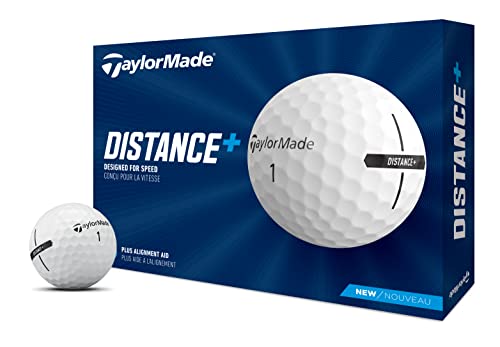
TaylorMade Distance+ Golf Balls
Strengths
- High launch
- Extended flight
- Alignment aid
Trade-offs
- Average short game feel
- Mid-tier durability
TaylorMade’s Distance+ is the kind of ball I’d recommend to someone renting clubs and playing a big resort course for the first time, simple, effective, and built to go far. The REACT Speed Core and Extended Flight Dimple Pattern do their job: launching high and staying in the air. Owners report noticeable gains off the tee compared to older distance models, and the mid/high spin helps it stop a bit faster than expected on firm greens.
The alignment aid is a small but smart touch, especially for amateurs struggling with consistency. Against the Callaway Warbird, it feels slightly softer and flies a bit higher, though Warbird has the edge in aerodynamic efficiency. For the price, it’s arguably the most complete package in the distance category. If you want one ball that just works, this is a strong candidate.
Video review
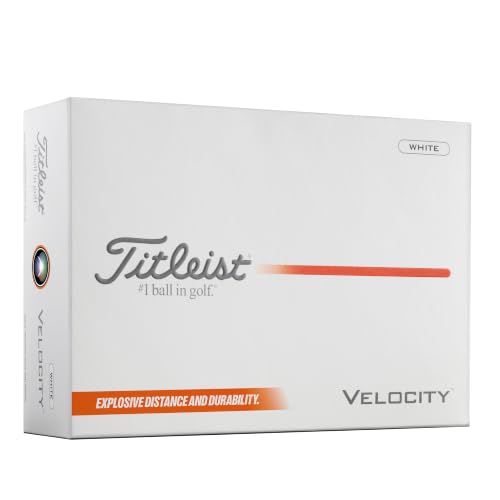
Titleist Velocity Golf Balls
Strengths
- Maximum ball speed
- High launch
- Stable flight
Trade-offs
- Firmer feel
- Limited short game finesse
If pure, unapologetic distance is your goal, the Titleist Velocity is built for that mission. The LSX core is tuned for fast ball speed, and on paper, it delivers what Titleist promises: maximum distance with a high launch. The spherically-tiled 350 dimple pattern isn’t just marketing fluff, reviewers note it stabilizes flight in wind, which matters on exposed coastal links or wide-open resort courses.
It’s not the softest in the short game, but the NAZ+ cover does enough to keep greenside control playable. Compared to the Callaway Warbird, it flies higher and carries longer, especially in the mid-irons. For a distance ball, it holds up well across skill levels. I’d pick this over the TaylorMade Distance+ if you’re looking for a no-nonsense speed upgrade without stepping into tour-level pricing.
Video review
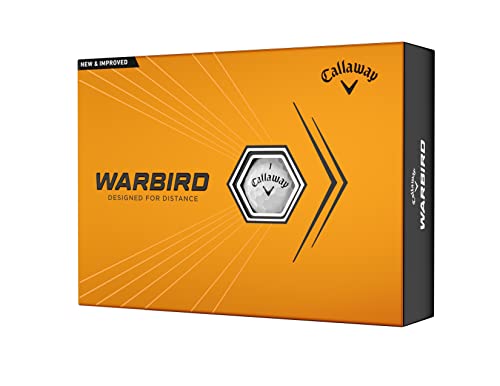
Callaway Warbird Golf Balls
Strengths
- HEX Aerodynamics
- Long carry
- High launch
Trade-offs
- Firmer feel
- Average spin
The 2023 Warbird stands out for its HEX Aerodynamics, it’s not just about speed, but how the ball moves through the air. The dimple design reduces drag and promotes a high launch, which owners consistently report translates to longer carries, especially in calm conditions. Paired with the large, compressible core, it’s a formula for distance that works across swing speeds.
It’s got a firmer feel than the Supersoft, but not unpleasant, more balanced than the DIST 25 version. Compared to the TaylorMade Distance+, it doesn’t have the alignment aid, but the flight is cleaner in crosswinds. For players who play long, flat courses with wide fairways, this is an efficient, predictable option. It’s not flashy, but it performs.
Product photos


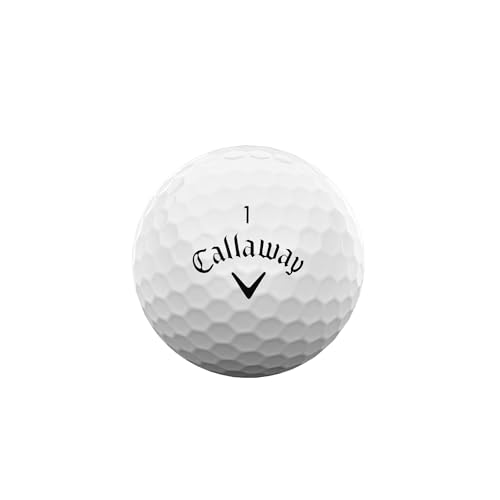
Callaway Supersoft 2025 Balls

Strengths
- Soft feel
- Durable cover
- Good greenside control
Trade-offs
- Moderate wind resistance
- Not for spin-focused players
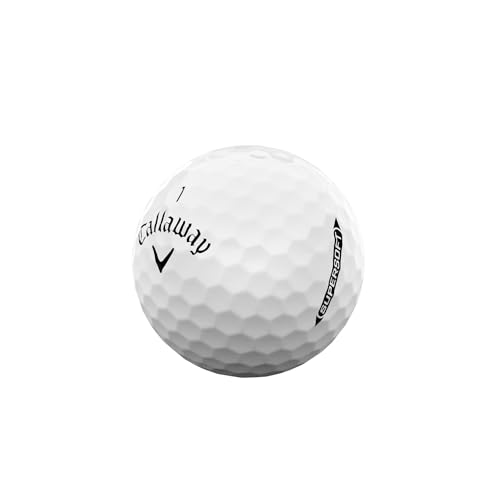
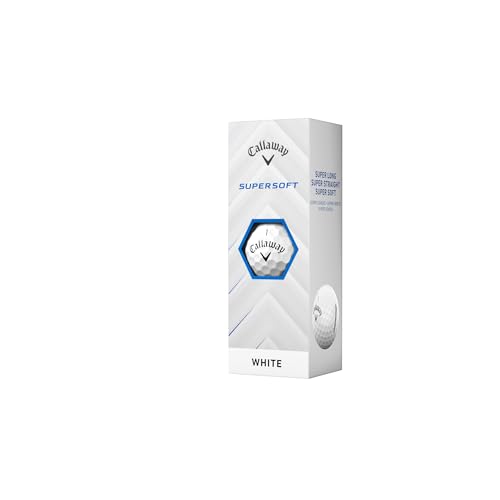
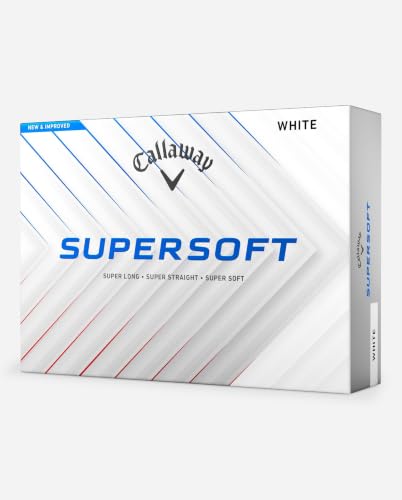
The 2025 Supersoft continues Callaway’s trend of blending softness with surprising power, thanks to the HyperElastic SoftFast Core. On paper, it’s one of the few balls that genuinely delivers distance without feeling like a rock off the putter. Owners highlight its balanced performance, it’s not just a gimmick for slow swingers. The Hybrid Cover helps, offering enough durability to survive a full 18 without scuffing badly, while still allowing light spin on approach shots.
Against the TaylorMade Speed Soft, it’s a close call, both are soft, both are long. But the Supersoft edges ahead in greenside control, making it better for players who still want to attack pins. It’s not a tour-level ball, but for recreational golfers who play resort courses with slick greens, that added finesse matters. At its price, it’s a standout.
Product photos
TaylorMade SpeedSoft Ink Balls

Strengths
- Soft feel
- Low compression
- Great value
Trade-offs
- Mid-level spin
- Not for high swing speeds
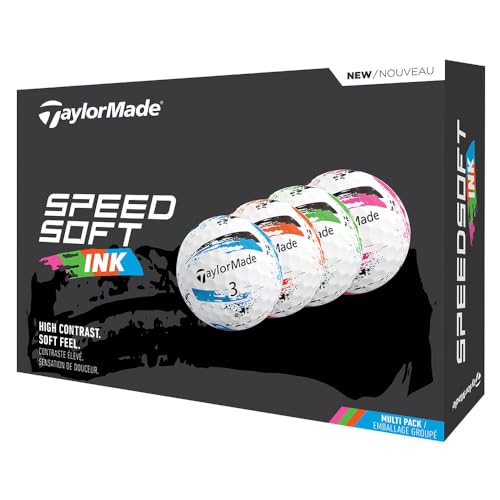
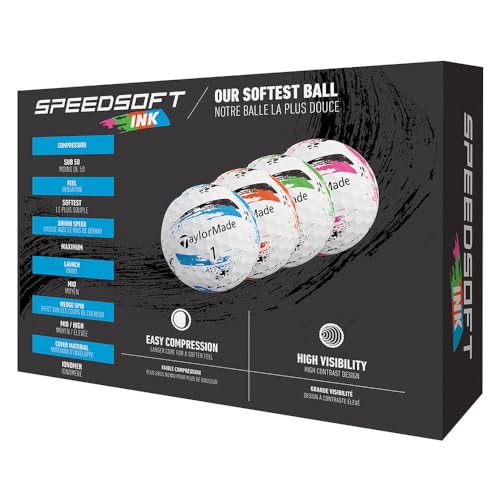
I’ve seen a lot of golfers chasing distance without sacrificing feel, and this TaylorMade offering stands out as a smart compromise. The low-compression PWRCORE is clearly engineered with weekend players in mind, those who don’t swing at tour-level speeds but still want explosive off-the-tee performance. Owners consistently report it delivers on its promise: a soft feel on short shots while maintaining surprising ball speed, especially with irons and wedges.
What really stands out is the value. For under $25, you’re getting a ball that performs like it costs more, and the multi-color options help with alignment and tracking in flight. Compared to the Titleist Velocity, it doesn’t quite match the raw speed, but it’s closer than you’d expect, and it feels better around the greens. It’s a strong pick for players prioritizing comfort without giving up much off the tee.
Product photos

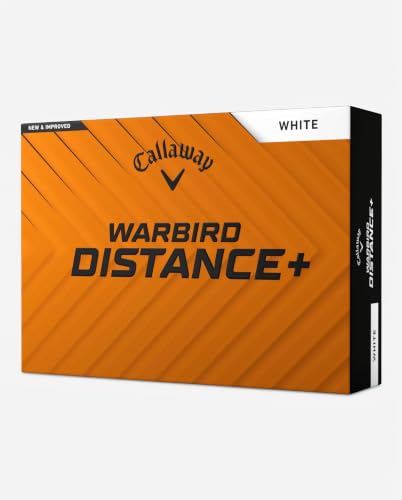
Callaway Warbird 2025 Balls

Strengths
- Explosive core
- High compressibility
- Durable build
Trade-offs
- Blunt short game
- Less refined flight
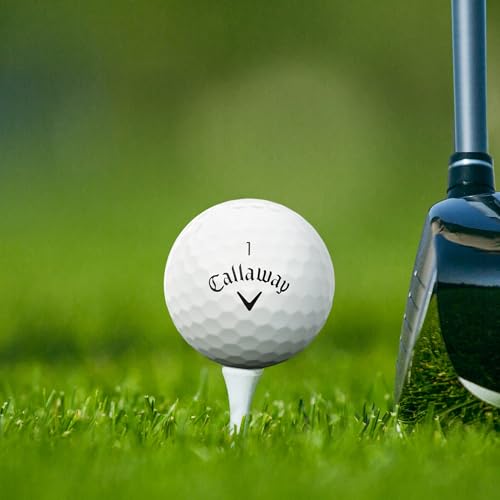
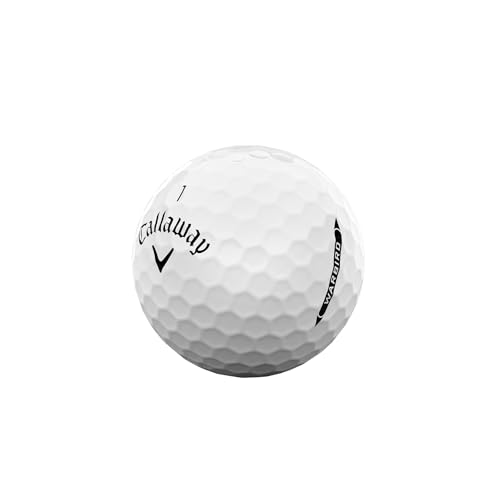
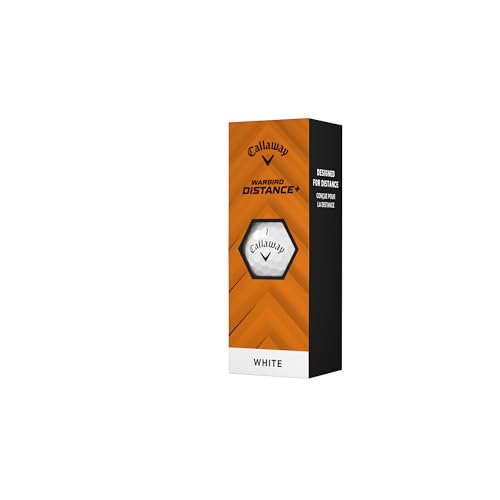
The Warbird DIST 25 leans hard into its core strength, literally. The extra-large, high-energy core is engineered to compress easily, which means it rewards even slower swings with solid pop. This isn’t a finesse ball, but for players who struggle to generate clubhead speed, that’s the whole point. On paper, it’s built to maximize distance across the bag, not just off the tee.
Owners say it holds up well over multiple rounds, thanks to the durable cover system. Compared to the 2023 Warbird, it sacrifices a bit of aerodynamic refinement for raw power. It won’t spin like a premium ball, but that’s not the goal. If you’re playing a long desert course where every yard counts and conditions are forgiving, this is a smart, no-frills pick.
Product photos

How We Picked These golf balls for distance
My work at GolfWorldTrips centers around helping golfers maximize their enjoyment of the game, and that starts with the right equipment. Rather than a hands-on lab test, this comparison of golf balls for distance relies on a detailed review of published specifications, features, and, crucially, feedback from a wide range of golfers. We weighed owner reviews and expert opinions from golf publications to build a ranking based on real-world performance.
For distance-focused golf balls, core composition, dimple patterns, and cover materials are the biggest differentiators. I prioritized balls with cores designed for high ball speed (like the REACT Speed Core in the TaylorMade models) because that’s where significant gains are made. Aerodynamics, indicated by dimple designs (like Callaway’s HEX Aerodynamics), were also heavily weighted, as they directly impact flight and carry.
Specifications tell you about construction and intended launch/spin characteristics, but owner feedback illuminates how those translate to actual performance. I focused on comments regarding distance gains, feel, and consistency. Reports on durability and performance in windy conditions were also considered. You can find more information on balls that combine distance and forgiveness if you’re looking for a balance of both attributes, or explore options specifically designed for best distance golf balls for women.
What To Look For In golf balls for distance
Finding golf balls that truly deliver on distance can be a surprisingly complex task.
A quality distance ball prioritizes core construction for speed, aerodynamic dimple patterns for flight stability, and a durable cover that can withstand repeated impacts. Players should consider their swing speed, typical launch angle, and desired feel when making a selection. Look for balls designed with a low compression core if speed is a challenge, or a firmer core if you already generate plenty of clubhead speed.
Core Construction & Compression
The core is where the distance story begins. Most distance-focused balls, like the TaylorMade Distance+ and Callaway Warbird, use a highly compressible core (often made of materials like polybutadiene) to transfer maximum energy to the ball at impact. Compression is key here – lower compression balls (think TaylorMade SpeedSoft Ink) are easier to compress, which can add distance for golfers with slower swing speeds. However, faster swingers often benefit from a firmer core that doesn’t “give” as much, preserving energy. I’ve found that golfers often underestimate the impact of compression; it’s a matter of matching the ball to your speed, not necessarily grabbing the lowest number you find.
Dimple Patterns & Aerodynamics
A dimple isn’t just for show. The pattern and depth of dimples dramatically affect a ball’s flight. Manufacturers spend considerable time in wind tunnels optimizing these patterns to reduce drag and increase lift. Callaway’s HEX Aerodynamics, seen in their Warbird models, is a prime example. More modern designs, like the spherically-tiled dimples on the Titleist Velocity, aim for a higher launch trajectory which can add carry. If you struggle with keeping the ball in the air, pay close attention to balls advertising improved aerodynamic performance. For more in-depth information on maximizing performance, check out our guide to golf balls for maximum distance.
Feel & Cover Material vs. Distance
While distance is the primary goal, feel matters. A ball that feels good in your hands inspires confidence. Generally, distance balls prioritize performance over premium feel, using ionomer covers (like on the TaylorMade Distance+) for durability and cost-effectiveness. However, some manufacturers, like Callaway with their Supersoft 2025 balls, are successfully blending distance with a softer feel through hybrid cover designs. Here’s how I break down the trade-offs:
- Ionomer: Most affordable, very durable, firm feel.
- Urethane: Premium feel, exceptional spin control (but usually found on balls not focused purely on distance).
- Hybrid: Attempts to blend durability, distance, and some level of soft feel.
Don’t chase the “softest” ball if distance is your top priority. A slightly firmer cover often translates to more energy transfer and, ultimately, more yards.
It’s also worth considering if you need ladies distance balls. Women often benefit from balls designed with lower compression and optimized for slower swing speeds.
Golf Balls for Distance Compared
Here’s a comparison of key specifications for popular golf balls designed for distance.
| Product Name | Construction | Cover Material | Core Type | Feel | Dimple Pattern |
|---|---|---|---|---|---|
| TaylorMade Distance+ | Two-Layer | Ionomer | REACT Speed | Mid/High | Extended Flight |
| Titleist Velocity | Two-Layer | NAZ Plus | LSX | Fast | 350 Octahedral |
| Callaway Warbird | Two-Layer | N/A | High-Energy | N/A | HEX Aerodynamics |
| Callaway Supersoft 2025 | Three-Layer | Hybrid | HyperElastic SoftFast | Soft | N/A |
| TaylorMade SpeedSoft Ink | Two-Layer | N/A | PWRCORE | Soft | N/A |
| Callaway Warbird 2025 | Two-Layer | Optimized | High-Energy | N/A | HEX Aerodynamics |
Frequently Asked Questions
What’s the biggest mistake golfers make when choosing a distance ball?
Many golfers assume a lower compression ball is always better, but that’s not true. Matching the compression to your swing speed is critical; faster swingers often lose distance with overly soft balls.
Do dimple patterns really make a difference in distance?
Yes, dimple patterns significantly impact aerodynamic drag and lift. A well-designed dimple pattern, like Callaway’s HEX Aerodynamics, can add several yards of carry by keeping the ball in the air longer.
Are three-layer distance balls worth the extra cost?
Generally, no. Three-layer balls (like the Callaway Supersoft 2025) typically prioritize feel over maximum distance, and the performance gains aren’t substantial enough for most golfers focused purely on distance.
What should a golfer with slower swing speed look for?
A lower compression core is ideal for slower swing speeds, as it allows for greater energy transfer at impact. Consider exploring options like 70 compression balls designed to maximize distance for moderate swingers.
Are there golf balls specifically designed for older golfers seeking distance?
Absolutely, some balls cater to the needs of golfers looking for distance for seniors by providing a softer feel and easier compression for increased distance and comfort.
The Bottom Line
Choosing the right golf ball for distance often comes down to balancing how much you’re willing to spend against the level of performance you need. If you want a ball that consistently delivers impressive distance off the tee without breaking the bank, the TaylorMade Distance+ stands out as the strongest overall pick. It provides a solid combination of speed, durability, and affordability that suits a wide range of golfers.
For those seeking a specific fit, we have some clear recommendations. Golfers prioritizing a softer feel alongside distance will be pleased with the Callaway Supersoft 2025. If you’re looking for affordable 2-piece golf balls, the TaylorMade SpeedSoft Ink is a fantastic value, and those focused on maximizing both distance and precision will find what they need in golf balls for distance and accuracy.
Ultimately, the numbers on a golf ball spec sheet are less important than understanding your own swing and what feels best in your hands. Prioritize a ball that consistently launches high, maximizes your ball speed, and gives you the confidence to attack each tee shot. Don’t get caught up chasing marginal gains; a solid strike is always going to be the biggest driver of distance.
