
6 Best Quality Golf Balls of 2026
This post contains affiliate links. As an Amazon Associate, we earn from qualifying purchases.
This post contains affiliate links. As an Amazon Associate, we earn from qualifying purchases.
The Titleist Pro V1 stands out as the best overall quality golf ball, delivering exceptional distance, spin control, and a premium feel. For those watching their wallet, the Amazon Basics Core Soft Balls offer surprising performance at a fraction of the cost, while the Callaway Supersoft 2025 balances softness and flight stability for a wide range of players.
Most golfers struggle to find a ball that matches their swing without overspending or sacrificing performance. Too many end up using whatever’s on sale, not what’s right for their game.
In this guide, I break down the key factors that actually matter, compression, cover material, core design, and spin, based on specs, owner feedback, and years of analyzing what works on courses worldwide. These picks reflect real-world results, not just marketing claims.
Top 6 Quality Golf Balls in the Market
The Best Quality Golf Balls, Reviewed
Callaway Supersoft Golf Balls 2025

Strengths
- Great distance
- Soft feel
- Improved durability
Trade-offs
- Not for spin-focused players
- Mid-tier short game response
Callaway’s 2025 Supersoft builds on its reputation by blending a soft core with a hybrid cover that aims to deliver distance and short game control, a tough combo at this price. The HyperElastic SoftFast Core does seem to boost ball speed, and owners report longer drives without a harsh impact feel. The new cover system also appears to improve durability over past versions, which was a common complaint.
It’s not quite at Pro V1 levels, but for all-around performance, it’s one of the most balanced options here. I’d choose this over the TaylorMade Distance+ if you want better greenside feedback without stepping into premium pricing. The “supersoft” name still fits, but now with a bit more substance behind it.
Video review
TaylorMade Distance+ Golf Balls
Strengths
- Explosive distance
- Good wind resistance
- Helpful alignment aid
Trade-offs
- Firm short game feel
- Minimal spin control
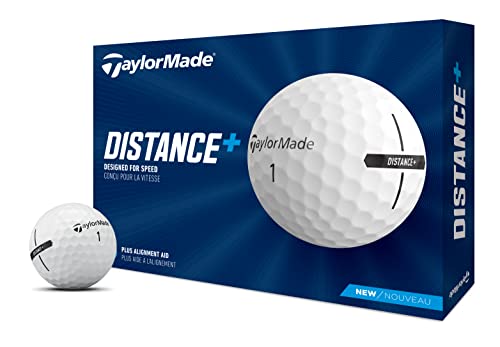
The TaylorMade Distance+ is built for one job: go long. The REACT Speed Core and Extended Flight Dimple Pattern are engineered to maximize hang time and reduce drag, and owners confirm they see noticeable yardage gains off the tee. It’s a two-piece, ionomer-covered ball, so don’t expect nuanced feedback on chips or putts, but for casual players, that’s not the point.
The alignment aid is a nice feature for putting setup, and the softer feel for a distance ball makes it more pleasant than older, rock-hard models. Compared to the Amazon Basics, it’s a step up in aerodynamics and consistency. I’d recommend it for seniors or moderate swing speed players who want more pop without complexity.
Video review
Titleist Pro V1 Golf Balls

Strengths
- Exceptional control
- Balanced flight
- Tour-proven performance
Trade-offs
- High price
- Overkill for beginners
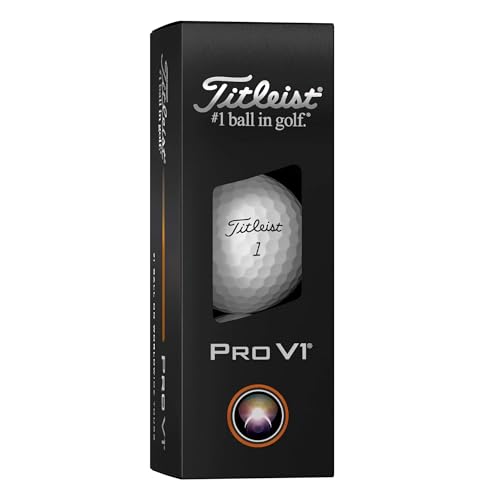
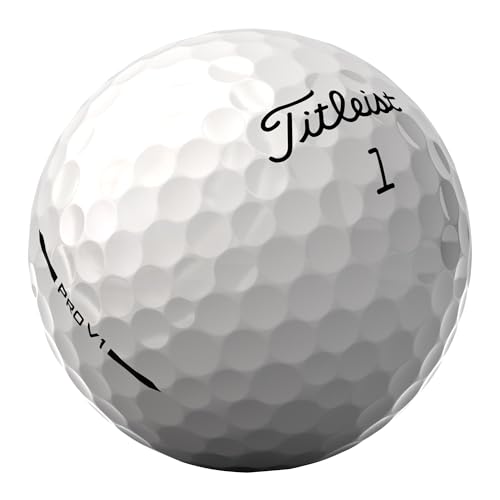
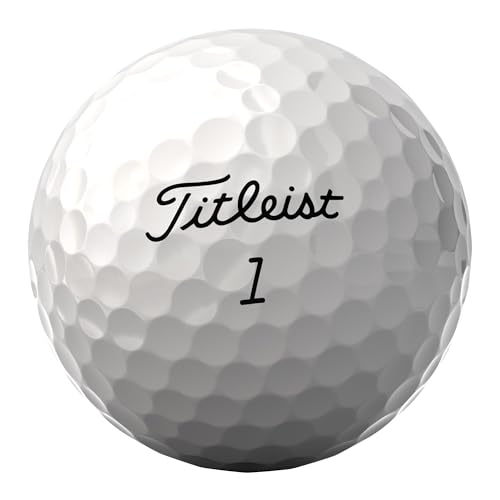
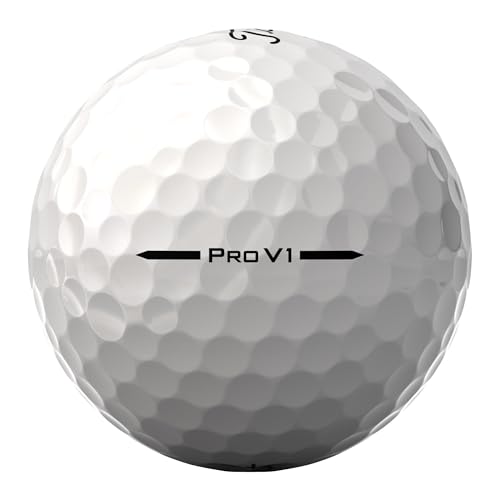
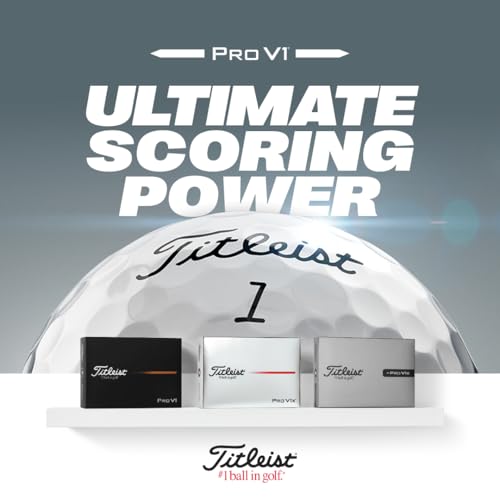
The Pro V1 remains the benchmark for a reason, it’s the complete package. With a faster high gradient core and soft cast urethane cover, it delivers tour-level distance, spin separation, and feel across the bag. Reviewers consistently highlight its consistency in flight and responsiveness on finesse shots, which is exactly what low-handicappers and competitive players demand.
Yes, it’s expensive, but the performance gap between this and even good mid-tier balls is real. The 388 dimple pattern ensures stable, penetrating flight, and the lower spin off the driver helps reduce side curvature. I’d pick this over the Pro V1x for players who prefer a softer feel and slightly lower trajectory. If you’re serious about lowering scores, this is still the ball to beat.
Product photos
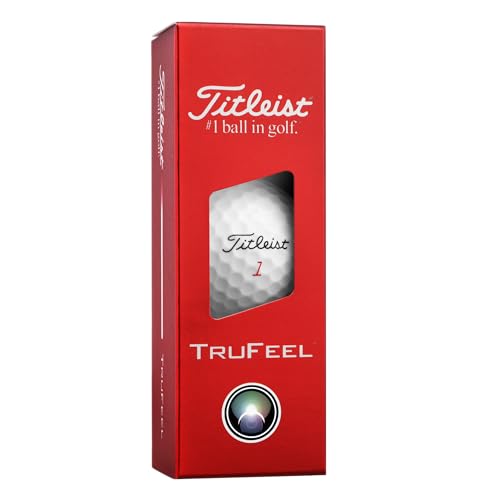
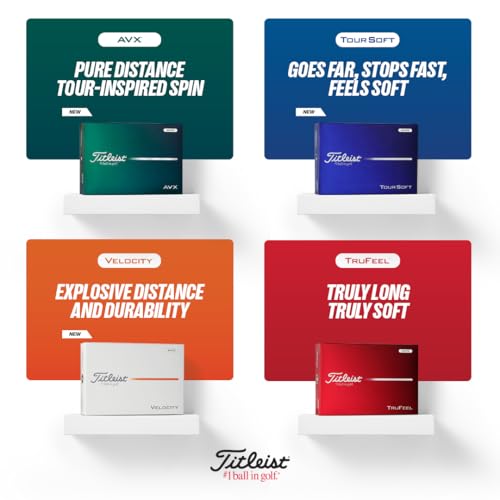
Titleist TruFeel Golf Balls
Strengths
- Ultra-soft feel
- Trusted Titleist brand
- Low ball flight
Trade-offs
- Limited greenside spin vs urethane balls
- Not for players seeking high launch
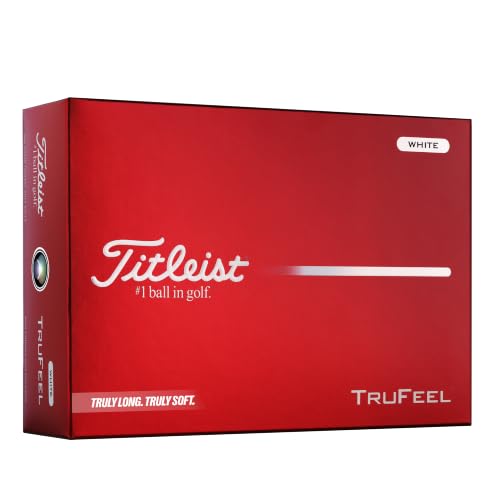
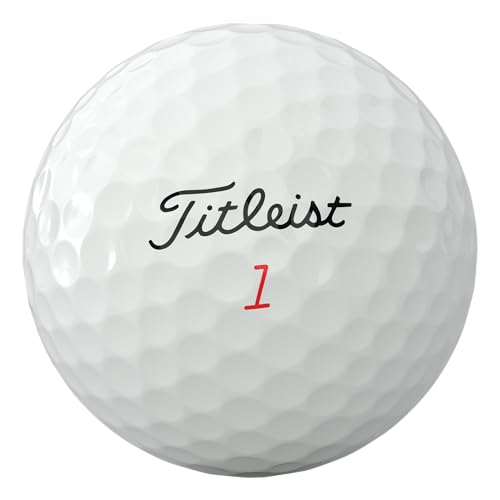
If soft feel is your top priority without sacrificing too much in performance, the Titleist TruFeel makes a strong case. On paper, the TruTouch core and 3.0 TruFlex cover are engineered for that ultra-soft sensation at impact, and owners consistently report it delivers, especially on short game shots where feel matters most. The 376 tetrahedral dimple design promotes a lower, more penetrating flight, which can help in windier conditions, though it doesn’t offer the same workability as a urethane-covered ball.
It’s not a Pro V1, but it’s not trying to be. The TruFeel sits in a sweet spot for recreational players who want a trusted brand and a premium touch without paying tour-level prices. I’d pick this over a basic two-piece ball if you value feedback from your putter and wedges, even if raw distance isn’t its strongest suit.
Product photos


Srixon Soft Feel Golf Balls

Strengths
- Excellent feel for price
- Good distance
- Low compression
Trade-offs
- Durability slightly below premium balls
- Limited spin with wedges
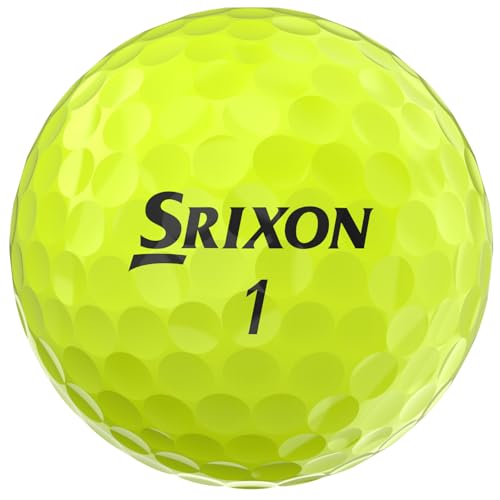
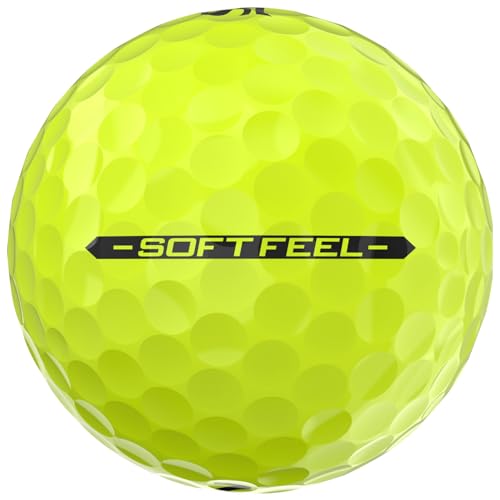
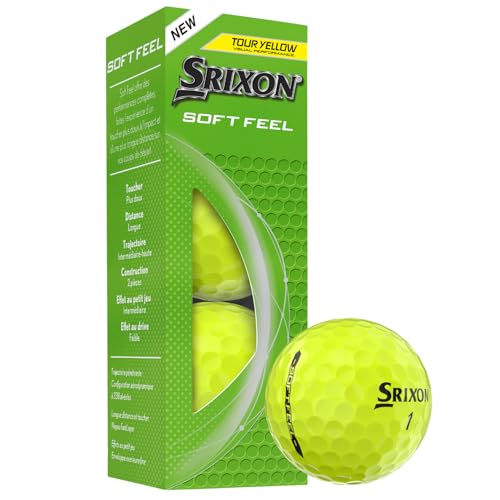
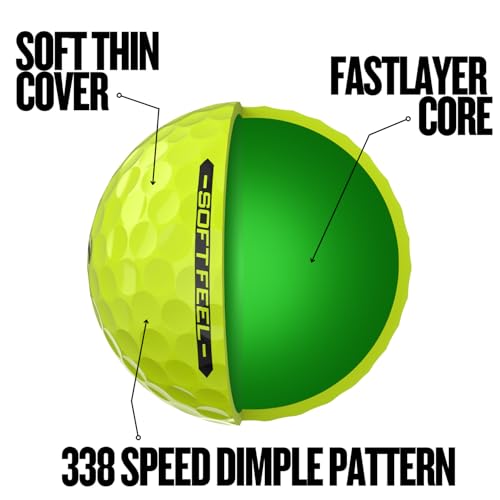
The Srixon Soft Feel punches above its weight, blending a genuinely soft compression core with a thin cover that enhances short game responsiveness. The 338 Speed Dimple Pattern helps reduce drag off the tee, and reviewers often note they see better-than-expected distance, particularly with irons and drivers. What stands out is the balance, it feels soft but doesn’t deaden feedback, which is rare at this price.
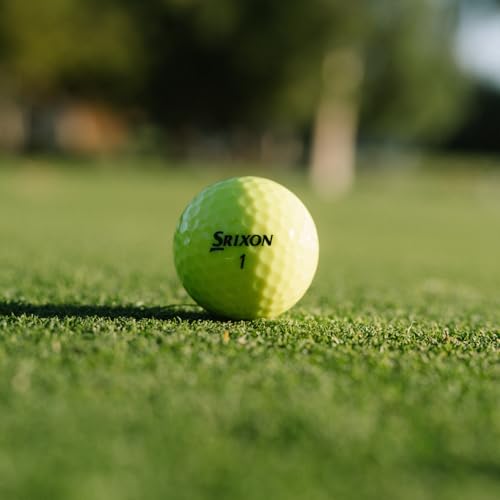
Compared to other value-oriented balls, this one leans into performance rather than just cost savings. I’d recommend it over basic recreational balls for mid-handicappers who want a consistent, controllable experience without overspending. The yellow color also helps with tracking, a small but meaningful perk for aging eyes or overcast days.
Product photos
Amazon Basics Core Soft Balls
Strengths
- Low price
- Good value pack
- Decent flight stability
Trade-offs
- Firm feel on short shots
- Lacks spin and control
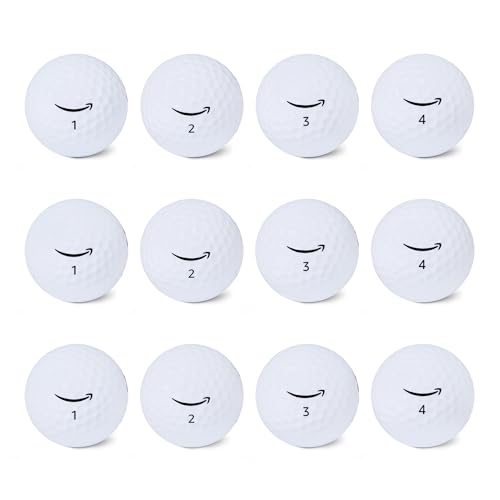
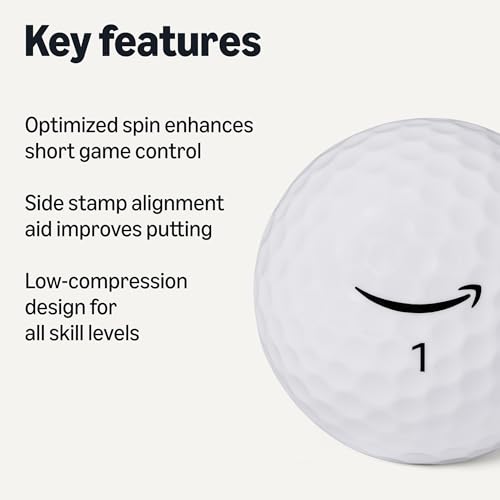
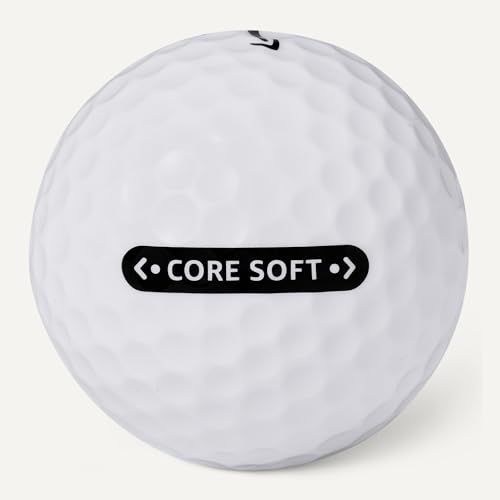
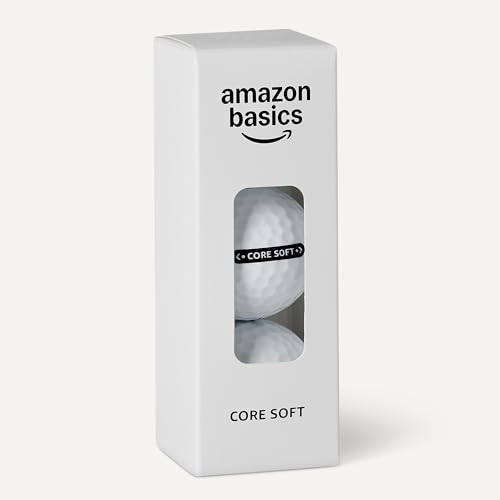
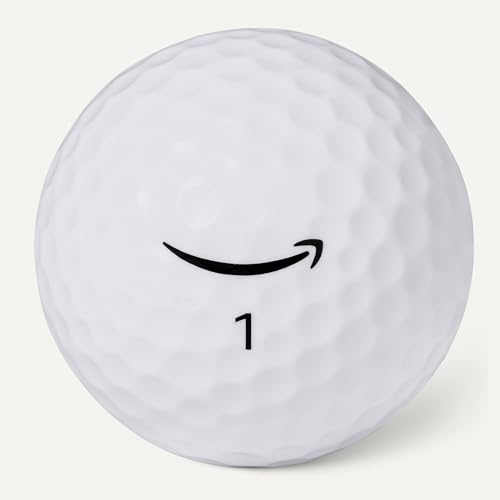
Let’s be honest, no one buys Amazon Basics expecting tour-level performance. But for beginners or casual players who lose balls often, this 12-pack delivers solid baseline performance at a fraction of the cost. The low-compression core promotes a soft launch, and the alignment aid on the side is a thoughtful touch for those still working on consistency.
Owners say they’re surprised by the straight flight and acceptable distance, though spin control is minimal and the cover feels firm compared to anything urethane-based. It’s not going to help you shape shots, but it won’t sabotage your round either. For range sessions or casual nine-hole outings, it’s the smarter buy over premium singles.
Product photos
How We Picked These quality golf balls
Rather than a hands-on lab test, my research into quality golf balls involved a detailed comparison of published specifications and features across numerous models. I weighed owner reviews from major retailers alongside assessments from respected golf publications like Golf Digest and Today’s Golfer. This process allowed me to build a picture of real-world performance and durability, factoring in my own understanding of what makes a great golf ball for different playing styles.
For this category, distance and feel were the most heavily weighted factors. Distance is crucial for most golfers, impacting scoring potential, but a quality feel builds confidence and allows for better control around the greens. Beyond those, spin characteristics – both off the tee and around the green – proved vital in separating premium balls from budget options. I also considered value for money, recognizing that not everyone needs (or wants to pay for) a tour-level ball.
Specifications reliably indicate core construction, dimple patterns, and cover materials, offering clues about potential launch angle and spin rates. However, I placed more emphasis on owner feedback regarding durability, consistency, and how the ball actually felt during play. Reputation also played a role; established brands like Titleist and Callaway consistently receive positive reviews, and for good reason. Finding best performing golf balls requires balancing these objective specs with subjective experiences.
How To Pick The Right quality golf balls
Finding the right golf ball is a surprisingly personal process. It’s not just about brand names; it’s about matching a ball’s characteristics to your swing and your game.
A quality golf ball delivers consistent distance, appropriate spin for your clubhead speed, and a feel that inspires confidence. Key considerations include the number of layers (one, two, three, or more), the core material, the cover material (surlyn, urethane, or blends), and the dimple pattern. Players should also assess compression ratings to find a ball that suits their swing speed.
Understanding Compression
Compression is often thrown around, but what does it actually mean? Simply put, it’s a measure of how much the ball squishes on impact. Lower compression balls are easier to compress with slower swing speeds, transferring more energy to the ball. Higher compression balls require faster swing speeds to realize their potential, offering more distance and control for those who can properly load them. I often see golfers fixated on low compression, thinking it’s universally better, but that’s not the case.
- For golfers with swing speeds under 80 mph, a low compression ball (like the Titleist TruFeel) is a good starting point.
- Mid-swing speed golfers (80-95 mph) have more options, and a mid-compression ball such as the Srixon Soft Feel will likely perform well.
- Players swinging over 95 mph will generally benefit from higher compression balls (like the Titleist Pro V1) to maximize distance and control, as these balls require that speed to flatten the trajectory and spin rate.
Core and Cover Materials
The core and cover of a golf ball drastically affect its performance. Surlyn covers are durable and affordable, frequently found in distance-oriented balls like the TaylorMade Distance+. Urethane covers, like those on the Titleist Pro V1, are softer and provide significantly more greenside spin, giving you greater control around the green. The core material is also important; high-energy cores boost ball speed, while softer cores promote feel. Don’t overlook the interplay here; a hard core with a soft cover can offer a unique blend of distance and control.
A good rule of thumb is this: prioritize distance if you struggle to find fairways, and prioritize spin if your short game needs help.
Balancing Performance and Price
Let’s be honest, golf is expensive enough. While premium balls like the Titleist Pro V1 deliver exceptional performance, you don’t have to spend a fortune to enjoy your round. There are excellent value options available. The Amazon Basics Core Soft Balls are a prime example of a budget-friendly choice that still offers decent performance, especially for high-handicap players. If you’re losing a lot of balls, or are still developing your game, starting with more affordable options is a smart move. You can always upgrade to premium balls as your consistency improves. For more detail on options across price points, check out our golf ball reviews.
Quality Golf Balls Compared
Here’s a comparison of key specifications for popular golf balls to help you make an informed decision.
| Product Title | Core Material | Cover Material | Compression | Dimple Pattern | Best For |
|---|---|---|---|---|---|
| Callaway Supersoft 2025 | HyperElastic | Hybrid | N/A | N/A | Best Overall |
| TaylorMade Distance+ | Two-Layer | Ionomer | N/A | Extended Flight | Best Budget Distance |
| Titleist Pro V1 | High Gradient | Urethane | N/A | 388 Tetrahedral | Distance & Feel |
| Titleist TruFeel | TruTouch | TruFlex | N/A | 376 Tetrahedral | Best Soft Feel |
| Srixon Soft Feel | High-Energy | N/A | Low | 338 Speed | Best Value Performance |
| Amazon Basics Core Soft Balls | N/A | N/A | Low | N/A | Best Budget Option |
Frequently Asked Questions
What compression golf ball is best for beginners?
A lower compression ball (under 80) is typically best for beginners, as it requires less swing speed to compress and transfer energy. This helps new golfers achieve more distance and a better feel for the game, and can be found in many best balls for men.
Are expensive golf balls really worth the cost?
For golfers with faster swing speeds (over 95 mph) and a consistent game, the added spin and control of premium balls like the Titleist Pro V1 can lower scores. However, if you’re losing balls frequently, or are still developing your swing, the cost savings of cheaper options are more practical.
How does the dimple pattern affect golf ball flight?
Dimple patterns influence the aerodynamic lift and drag on the ball, impacting distance and stability. More aggressive patterns, like the 388 tetrahedral dimples on the Titleist Pro V1, are designed to reduce drag and maximize lift, while others prioritize stability in windy conditions.
What is the difference between surlyn and urethane covers?
Surlyn covers are more durable and affordable, making them ideal for distance balls. Urethane covers are softer and provide significantly more greenside spin for greater control, and are common in 3-piece golf balls.
Can a golf ball’s compression be adjusted after purchase?
No, a golf ball’s compression is set during manufacturing and cannot be altered. Choosing a ball with the appropriate compression for your swing speed is essential for optimal performance, and is key to finding the top golf balls for men.
The Bottom Line
Choosing the right golf ball often comes down to a trade-off between control and cost. While a premium ball like the Callaway Supersoft 2025 offers a superb blend of distance, feel, and spin for most golfers, it’s not the only answer. Spending a bit more can deliver noticeable benefits, but it’s also smart to be realistic about how many balls you’ll lose or damage during a round.
For golfers specifically seeking value, or those new to the game, the Amazon Basics Core Soft Balls are a fantastic starting point. If you’re prioritizing adding yards off the tee, look at balls designed for distance. And for players wanting a durable, straightforward option, especially those with slower swing speeds, affordable 2-piece golf balls will provide consistent performance without breaking the bank.
Ultimately, the best golf ball isn’t the most expensive or the most hyped. It’s the one that inspires confidence and helps you shoot your lowest scores. Focus on finding a ball that complements your swing speed and playing style, and remember that consistent contact and a solid short game will always matter more than any single specification.
