
6 Best Titleist Golf Balls for Mid Handicappers 2026
This post contains affiliate links. As an Amazon Associate, we earn from qualifying purchases.
This post contains affiliate links. As an Amazon Associate, we earn from qualifying purchases.
The best Titleist golf balls for mid handicappers are the Titleist Tour Soft for overall performance, the Pro V1 as a premium upgrade, and the TruFeel for a budget-friendly option. These models stand out for their balanced mix of distance, spin control, and feel, critical for players looking to lower scores without overspending.
Mid handicappers often struggle with consistency, and choosing the wrong golf ball can make it worse. Too much spin, too hard a feel, or poor flight stability can sabotage solid shots. After comparing the entire Titleist lineup, specs, real-world feedback, and performance trends, I focused on models that deliver forgiveness, control, and playability across a range of swing types. This guide breaks down what actually matters when picking your next ball, so you can make a smarter choice on the box.
Top 6 Titleist Golf Balls For Mid Handicappers in the Market
The Best Titleist Golf Balls For Mid Handicappers, Reviewed
Titleist Tour Soft

Strengths
- Soft feel
- Good distance
- Dependable spin
Trade-offs
- Not for spin monsters
- Mid-tier durability
If you’re a mid handicapper who wants a balance of soft feel and solid distance without stepping into premium pricing, the Tour Soft lands right in the sweet spot. On paper, it’s built around a faster large core and a reformulated Fusablend cover, which owners consistently report translates to a noticeably soft strike and reliable short game feedback. The 346 dimple pattern helps keep flight optimized for distance, and I’ve seen plenty of reviews note it holds its line well even in mild wind.
Compared to the Pro V1, it doesn’t offer the same level of spin separation or precision, but for most mid handicappers, that’s overkill anyway. What it does deliver is consistent performance across full shots and approach play, with enough greenside bite to help around the greens. It’s not the longest ball out there, but it’s close enough without sacrificing feel.
Video review
Titleist Pro V1

Strengths
- Balanced spin profile
- Excellent control
- Consistent flight
Trade-offs
- Premium price
- Firmer than softies
The Pro V1 remains a benchmark, even for mid handicappers who might assume it’s overkill. Its high-gradient core and urethane cover deliver a rare combo: low long-game spin for straighter flights and high short-game spin for control, a duality that helps correct mishits while still allowing shot-shaping. The spherically-tiled 388 dimple design promotes a penetrating flight, and owners consistently report it feels stable in wind, which matters when you’re navigating resort course conditions.
Yes, it’s the most expensive ball here, but for a mid handicapper serious about lowering scores, it offers forgiveness with upside. Compared to the AVX, it has a slightly firmer feel and more mid-launch versatility. I wouldn’t call it essential, but if you’re willing to invest in a ball that grows with your game, this is the smarter buy.
Video review
Titleist AVX
Strengths
- Low flight
- Very soft feel
- Low long-game spin
Trade-offs
- Less short game bite
- Niche flight profile
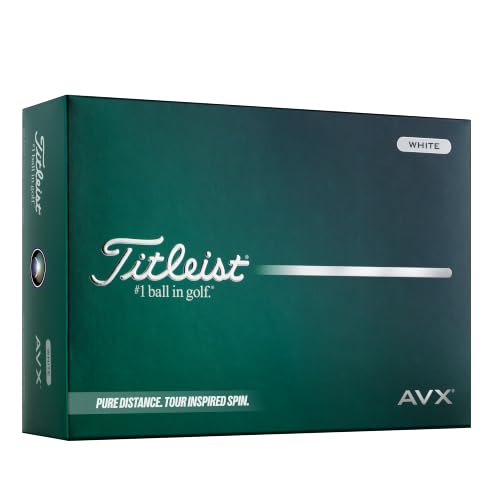
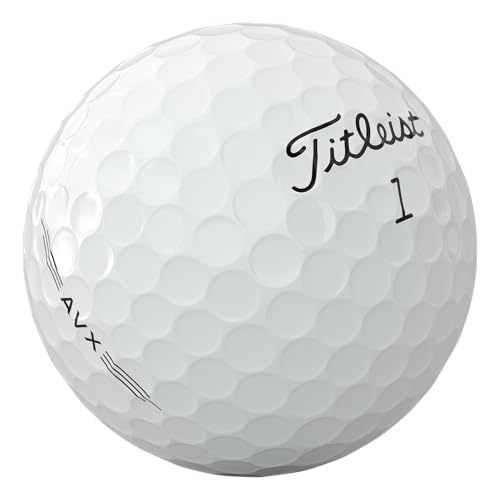
The AVX is the go-to for mid handicappers who prefer a lower, more controlled ball flight, especially if you tend to balloon your shots or play in windy conditions. Its high-gradient core and thin high-flex casing layer are tuned for low spin off the driver, and the catenary dimple design creates a piercing trajectory that cuts through air rather than riding it. The softer urethane cover helps maintain greenside spin, though some reviewers note it’s slightly less aggressive than the Pro V1.
I’d pick the AVX over the Pro V1 if you struggle with excess launch or want a ball that stays down and runs. It’s not quite as versatile in the short game, but for players who flight the ball lower naturally, it complements their style better. The soft feel is a bonus, making it one of the most comfortable Titleist balls to strike.
Product photos

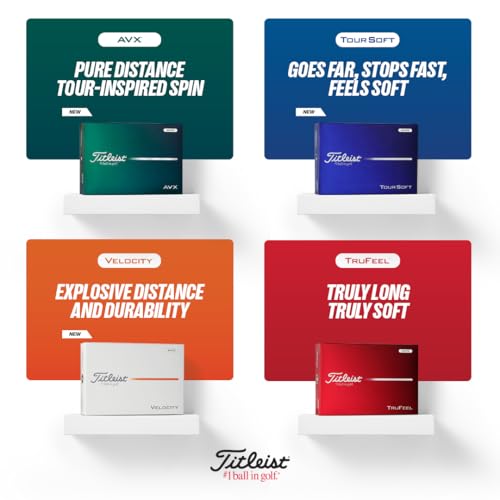
Titleist TruFeel
Strengths
- Ultra-soft feel
- Low flight
- Budget price
Trade-offs
- Limited spin
- Basic construction
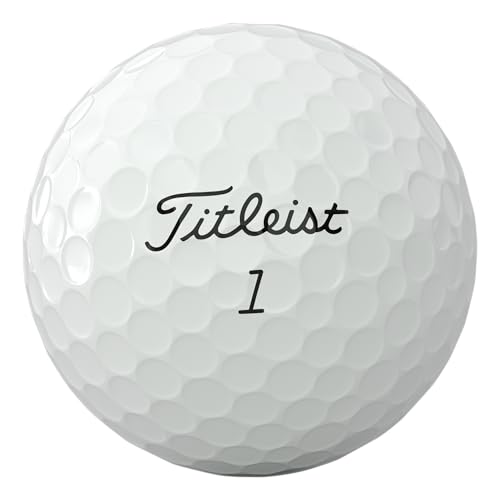
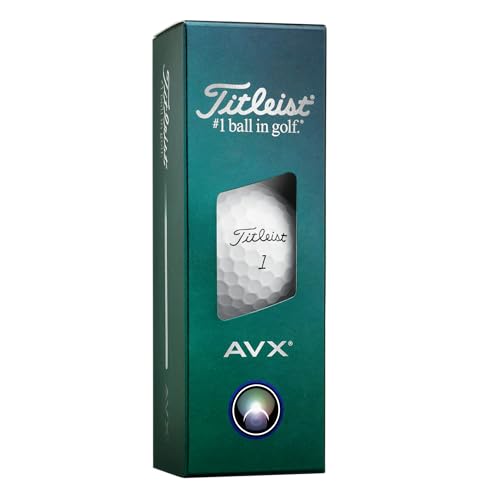
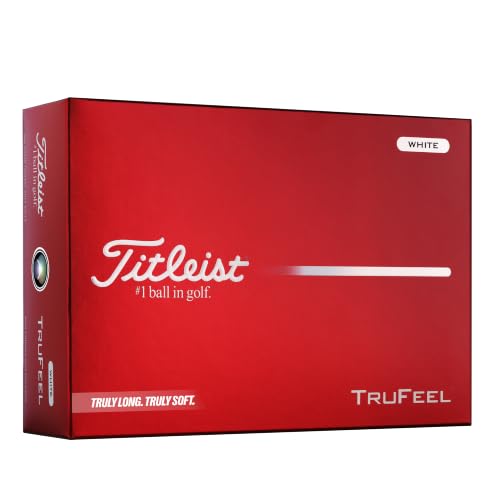
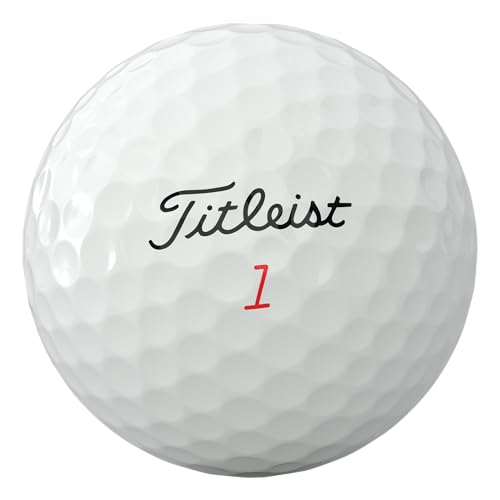
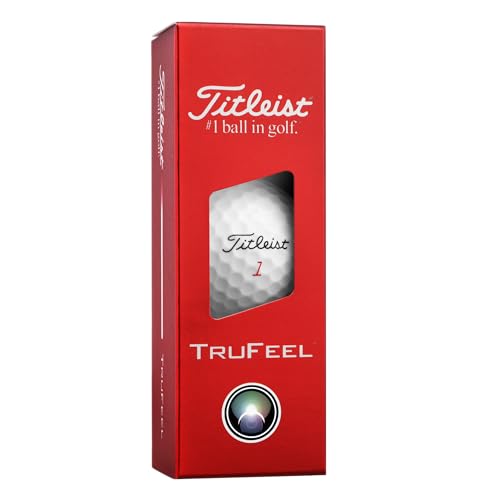
If you’re on a budget but still want the Titleist name and a genuinely soft feel, the TruFeel is the entry point that actually delivers. Built with a TruTouch core and 3.0 TruFlex cover, it’s one of the softest-feeling two-piece balls in the lineup, and the 376 dimple design promotes a low, penetrating flight that helps combat wind. Owners consistently praise how smooth it feels off the clubface, even on off-center hits.
It doesn’t offer the spin or flight refinement of urethane balls, but for the price, it’s a strong performer for mid handicappers who prioritize comfort and consistency over shot-shaping. I’d pick this over the Velocity if you value feel more than max distance, and it’s a smarter starting point than jumping straight into Pro V1 without knowing your preferences.
Product photos


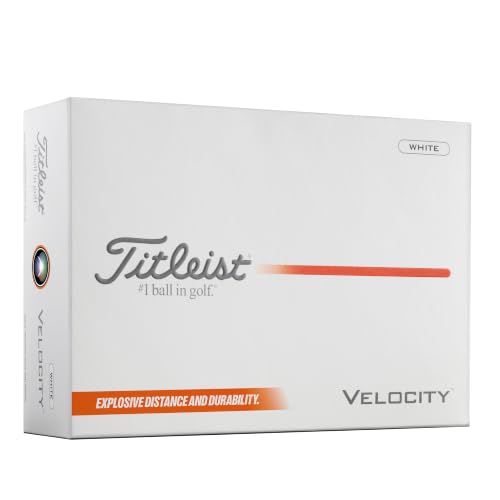
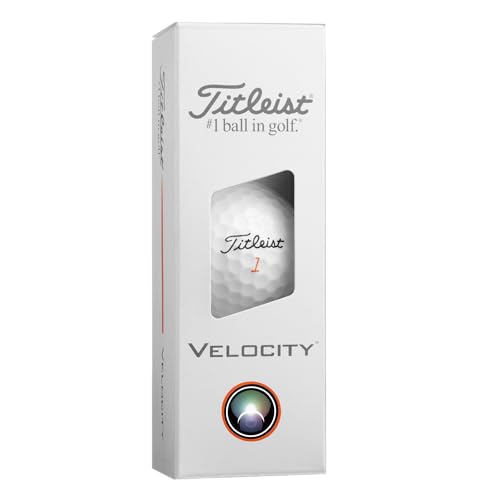
Titleist Velocity
Strengths
- Maximum distance
- High launch
- Affordable price
Trade-offs
- Limited greenside control
- Softer durability
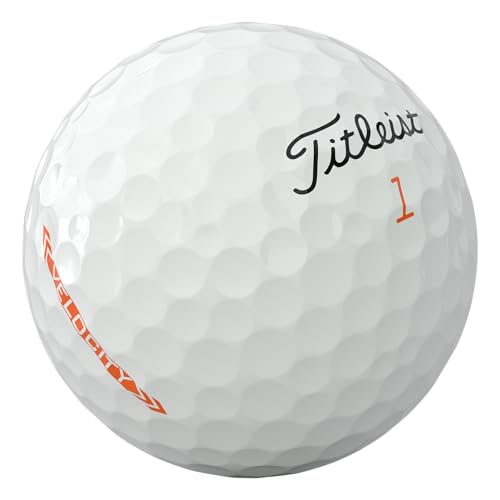
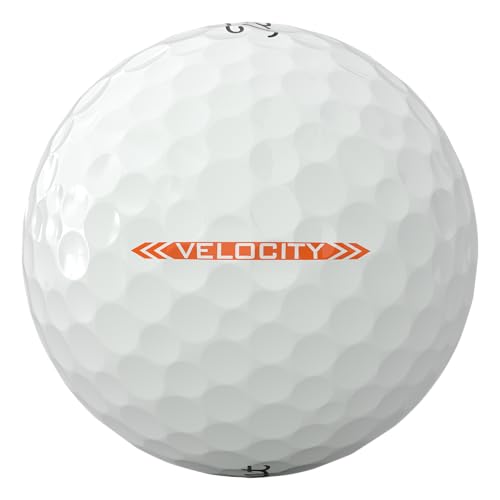
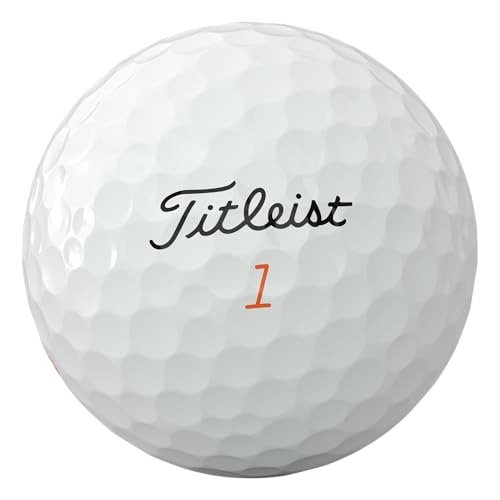
When distance is your top priority and you’re okay with sacrificing a little finesse, the Velocity stands out as Titleist’s speed-first option. Built with a high-speed LSX core and a 350 dimple pattern designed for high launch, it’s engineered to maximize carry, and reviewers confirm it delivers noticeably longer flights compared to standard urethane-covered balls. The NAZ Plus cover keeps the feel playable, though it’s not going to mimic the touch of a Pro V1 around the green.
I’d pick this over the TruFeel if you’re a slower swinger looking to squeeze out every extra yard, especially off the tee. It’s not a short game specialist, but for mid handicappers who lose sleep over lost drives, the trade-off makes sense. This is the kind of ball that helps you reach par 5s in two more often, even if your wedge game isn’t tour-level.
Product photos
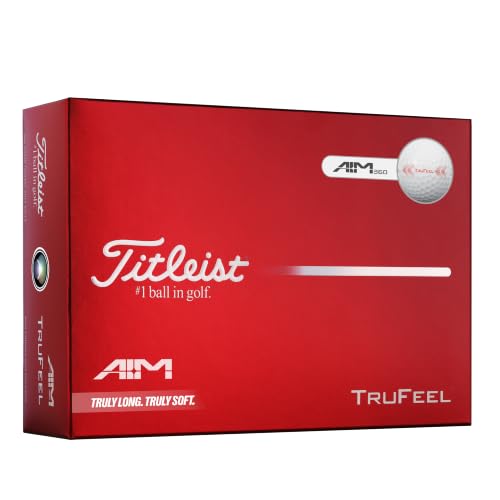
Titleist TruFeel AIM
Strengths
- Clear alignment aid
- Ultra-soft feel
- Good value
Trade-offs
- Average spin
- Not for low spin seekers
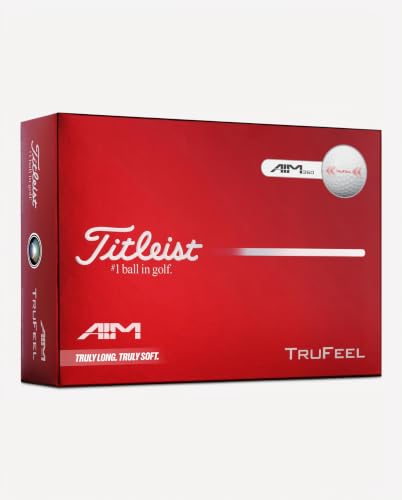
The standout here isn’t just performance, it’s the continuous red arrow alignment aid that wraps the ball, making setup easier for players who struggle with consistency on the tee or green. On paper, it uses the same TruTouch core and 3.0 TruFlex cover as the standard TruFeel, meaning ultra-soft feel and decent greenside response. Owners say the arrow actually helps, especially when putting, and the ball performs like a budget-friendly distance model with a touch more control.
Compared to the regular TruFeel, the AIM version adds visual confidence without a performance trade-off. It’s not going to compete with urethane-covered balls in spin, but for mid handicappers working on alignment or starting out with target-focused routines, this small feature can make a real difference. I’d recommend it over plain balls if you’re trying to build better habits.
Product photos
How We Chose These titleist golf balls for mid handicappers
Rather than a hands-on lab test, my research focused on a detailed comparison of published specifications and features across the Titleist range. I weighed owner reviews from multiple sources, alongside professional assessments, to build a picture of real-world performance. This allowed me to rank options based on how well they address the specific needs of golfers who are still developing consistency in their game.
For mid-handicappers, distance and feel are key, but control is paramount. I prioritized balls offering a blend of these, leaning towards those demonstrating consistent performance from tee to green. A ball’s ability to provide predictable spin – and the option of finding low-spin golf balls if you struggle with a slice – heavily influenced my rankings, as did a softer feel for improved touch around the greens.
Specifications clearly outline core construction, dimple patterns, and cover materials, offering insights into potential distance and flight characteristics. However, owner feedback proved crucial for assessing actual feel and short-game performance. Reputation matters too; Titleist’s consistent quality shines through, and many players appreciate the added benefits of a well-designed 3-piece golf balls. Ultimately, I looked for models that delivered a balance of technology and playability.
Choosing The Right titleist golf balls for mid handicappers
As someone who spends a significant amount of time researching and playing golf around the world, I know how crucial the right golf ball is to enjoying your game. It’s not just about the brand name; it’s about finding a ball that complements your swing and helps you achieve consistent results.
A quality Titleist golf ball delivers consistent performance through core technology, cover materials, and dimple patterns. Players should assess their swing speed, desired ball flight, and spin requirements. Look for balls with a compression rating suited to your swing, a durable cover for longevity, and a dimple design promoting stable flight. Understanding these elements is key to maximizing distance and control.
Understanding Compression
Compression is often talked about, but rarely understood. It refers to how much the ball squishes upon impact. Generally, slower swing speeds benefit from lower compression balls (like the TruFeel) because they compress more easily, transferring energy more efficiently. Faster swing speeds need higher compression (Pro V1, Velocity) to prevent the ball from “ballooning” and losing distance. Don’t get hung up on exact numbers, though. Feel is important. If a ball feels too hard or too soft, it won’t perform its best for your swing.
Prioritizing Spin Control
Spin is what gives you control around the greens, but it also impacts your distance and ball flight. Titleist excels at engineering spin, but different models prioritize it differently. The Pro V1 and AVX are designed for players who want a significant amount of spin on approach shots and putts, allowing for precise trajectory control. Conversely, the Velocity focuses on minimizing spin off the tee for maximum distance. Consider what aspects of your game would benefit most from increased or reduced spin.
- If you struggle with slice, a ball with lower spin (like the Velocity) can help reduce curvature.
- For consistent iron play, the Pro V1 offers excellent spin control for stopping power.
- If you’re looking for an easy-to-align ball, the TruFeel AIM offers a unique visual aid, and for players looking for Titleist senior golf balls, this can be a real benefit.
Balancing Feel and Distance
Feel is subjective, but it plays a huge role in confidence. Some golfers prefer the plush feel of the Tour Soft, while others like the more responsive feel of the Pro V1. Distance is, of course, critical, but it shouldn’t come at the expense of control. Many golfers make the mistake of chasing distance and end up sacrificing accuracy and consistency. I often recommend looking at versatile golf balls as a good starting point – finding a ball that balances these elements will likely lead to lower scores.
A good rule of thumb: if you’re unsure, start with a ball designed for “all-round” performance. It’s easier to adjust your game to a ball that offers a balance of feel, distance, and control than to try to force a specialized ball to fit your swing.
Titleist Golf Balls Compared
Here’s a spec-by-spec comparison of Titleist golf balls suited for mid-handicap players.
| Product Name | Best For | Core Material | Cover Material | Dimple Count | Feel |
|---|---|---|---|---|---|
| Titleist Tour Soft | Best Overall | Fast, Large | Fusablend | 346 | Soft |
| Titleist Pro V1 | Best Premium Performance | High Gradient | Cast Urethane | 388 | Softer |
| Titleist AVX | Best for Low Flight & Soft Feel | High-Gradient | Urethane | 346 | Soft |
| Titleist TruFeel | Best Budget Friendly | TruTouch | TruFlex | 376 | Ultra-Soft |
| Titleist Velocity | Best for Maximum Distance | LSX | NAZ Plus | 350 | N/A |
| Titleist TruFeel AIM | Best for Alignment Aid | TruTouch | TruFlex | 376 | Ultra-Soft |
Frequently Asked Questions
What compression rating should I look for in a Titleist ball?
Generally, mid-handicappers with moderate swing speeds will benefit from a lower compression ball (under 80) like the TruFeel, as these compress more easily for better energy transfer. However, feel is paramount, so choose a ball that feels comfortable and responsive during your swing.
How do Titleist’s different cover materials affect performance?
Titleist uses several cover materials, but urethane (found in the Pro V1 and AVX) provides the best spin and feel around the greens. Fusablend (Tour Soft) offers a softer feel with good scoring performance, while NAZ Plus (Velocity) prioritizes distance.
Will a Titleist ball help correct my slice?
A lower-spinning ball, like the Velocity, can help reduce side spin and curvature, potentially minimizing a slice. However, addressing the root cause of your slice with swing adjustments is always the best long-term solution, and exploring golf balls for average golfers can help you find additional options.
Are Titleist golf balls worth the price compared to other brands?
Titleist’s consistent quality control and advanced technology often result in more predictable performance and durability. While other brands offer competitive options, many golfers find the added consistency justifies the investment, especially when seeking recommended balls for average players.
What Titleist ball is best for a 20 handicap player?
For a 20 handicap, the Tour Soft provides a great balance of distance, feel, and forgiveness, making it ideal for improving consistency. Alternatively, the TruFeel is a more budget-friendly option that still delivers a soft feel and acceptable performance, and you can find further recommendations for 20 handicap players.
The Bottom Line
Choosing the right Titleist golf ball often comes down to balancing what you want – more distance, softer feel, or greater control – against your budget and consistency. For most mid-handicap players, I believe the Titleist Tour Soft strikes that balance beautifully. It provides a fantastic blend of distance off the tee, a softer feel around the greens, and enough spin to dial in your approach shots, making it a solid all-around performer.
If you’re specifically seeking a premium experience and prioritize ultimate performance, the Titleist Pro V1 remains the gold standard. For golfers prioritizing a lower flight and exceptionally soft feel, the Titleist AVX delivers. And if budget is a primary concern, the Titleist TruFeel offers remarkable value without sacrificing too much in terms of playability. Don’t overlook options like the Titleist Velocity for those seeking golf balls that combine distance and forgiveness.
Ultimately, the specifications on a box tell only part of the story. Focus on finding a ball that feels good in your hands and inspires confidence over the ball. A consistent connection with your equipment, and a solid understanding of your own swing, will always contribute more to lower scores than any single feature, or even the most expensive golf ball. If you’re still unsure about compression, exploring golf balls with mid compression can be a good place to start.
