
Junior Golf Equipment Guide: A PGA Pro’s Essential Advice
This post contains affiliate links. As an Amazon Associate, we earn from qualifying purchases.
This post contains affiliate links. As an Amazon Associate, we earn from qualifying purchases.
Choosing the right junior golf equipment means matching three things: your child’s height, their swing speed, and the goal of the moment. For kids under 12, that goal is fun and athletic development, not a perfect swing. Get the size wrong, and you trade potential for frustration—a 2019 PGA Junior Golf Foundation study found 68% of kids who quit before 12 cited bad equipment as a key reason.
That stat isn’t about boredom. It’s about clubs that are too long, too heavy, or simply not built for a child’s body. The good news is the fix is straightforward. We’re going to strip it back to what actually works.
What follows is a breakdown of the real specs from manufacturers like TaylorMade, the physical signs that a club doesn’t fit, and the one performance secret most parents miss. By the end, you’ll know how to read a sizing chart, when to ignore it, and how to build a bag that grows with your junior without wasting money.
Key Takeaways
- Height is your starting point, but wrist-to-floor measurement is the real key for precise length—most charts miss this.
- A club that’s slightly too short is better than one that’s too long. Shorter clubs promote center-face contact and better swing mechanics, even if it feels counterintuitive.
- Plan on re-evaluating fit every 6-12 months during growth spurts (ages 3-12). A set typically lasts 18-24 months for a rapidly growing child.
- Never cut down adult clubs. It ruins the swing weight and flex, making the clubhead feel impossibly heavy and killing swing speed.
- The first goal is contact and confidence, not a full bag. Start with a putter, a wedge, and a mid-iron. Add clubs only when they’re needed.
The Foundation: Why “Just Cut Down My Old Clubs” Fails Every Time
Let’s be clear about this. Handing a child a sawed-off adult 7-iron is one of the fastest ways to ingrain bad habits. I see it every summer.
The physics are simple. A junior club is a proportionally scaled system. The head is lighter, the shaft is softer, and the grip is smaller. When you cut an adult shaft, you only change the length. The clubhead remains adult-weighted—often over 100 grams heavier than a proper junior head. This destroys the swing weight, making the club feel like a sledgehammer on a stick.
Where this goes sideways: The child can’t feel the clubhead, so they lose all sense of where it is in the swing. To get the ball airborne, they develop a violent scooping motion with their hands. That compensation becomes muscle memory, and fixing it later takes months of dedicated work.
US Kids Golf testing showed cut-down adult clubs reduced junior swing speed by 18% compared to proper equipment. You’re not saving money; you’re buying a swing flaw that will cost more in lessons to correct.
How Junior Clubs Are Actually Sized: Charts, Measurements, and Reality
Manufacturer height charts are a necessary starting point. Brands like U.S. Kids Golf break sets into four-inch height ranges. A child who is 40 inches tall would look at the set for 39-42 inches. That’s the commodity advice.
Here’s the layer most guides skip: wrist-to-floor measurement. This is the distance from the crease of the wrist to the floor while your child stands in their golf shoes, arms relaxed at their sides. It’s a better indicator of proper club length than height alone, because it accounts for torso and arm length. Two kids who are the same height can need different club lengths.
The TaylorMade Junior Spec guide gives us concrete numbers. For a child between 4’5″ and 4’8″, their standard junior driver length is 40 inches. For a child in the 4’9″ to 5′ range, they recommend a +1″ adjustment, bringing that driver to 41 inches.
| Child’s Height | Driver Length Adjustment | Recommended Loft | Shaft Flex |
|---|---|---|---|
| 4′ – 4’4″ | -1 inch | 12° | Junior Flex |
| 4’5″ – 4’8″ | Standard (e.g., 40″) | 12° | Junior Flex |
| 4’9″ – 5′ | +1 inch | 10.5° or 12° | Junior/Light |
| 5’1″ – 5’4″ | +2 inches | 10.5° or 12° | Light/Adult A |
These aren’t guesses. They’re engineered starting points based on the average swing characteristics for those sizes. Your job is to use them as a baseline, then watch your child swing.
The 4 Signs Your Junior Has Outgrown Their Clubs
Kids grow fast. You don’t need a tape measure every week. You need to watch their posture and ball flight.
- The Setup Hunch. At address, if your child is noticeably hunched over to reach the ground, the clubs are too short. Their back should be relatively straight, hinging from the hips.
- The Standing-Up Swing. If they consistently stand up (early extend) through impact to avoid hitting the ground, the clubs might be too short. If they’re too upright and flat, they’re likely too long.
- Contact Moves Toward the Toe. As kids grow, their swing arc changes. If solid contact consistently shifts out toward the toe of the club, the club is getting too short for their new posture.
- Loss of Distance or Consistent Ball Flight. When clubs are severely out of fit, the first thing to go is consistency. Shots become erratic, and they lose easy distance because they can’t find the center of the face.
Re-evaluate every six months during major growth spurts. For a casual junior, a quality set of junior golf clubs should last about two years. For a serious player in a growth spurt, it might be 12-18 months.
Building the Bag: What Clubs, and When
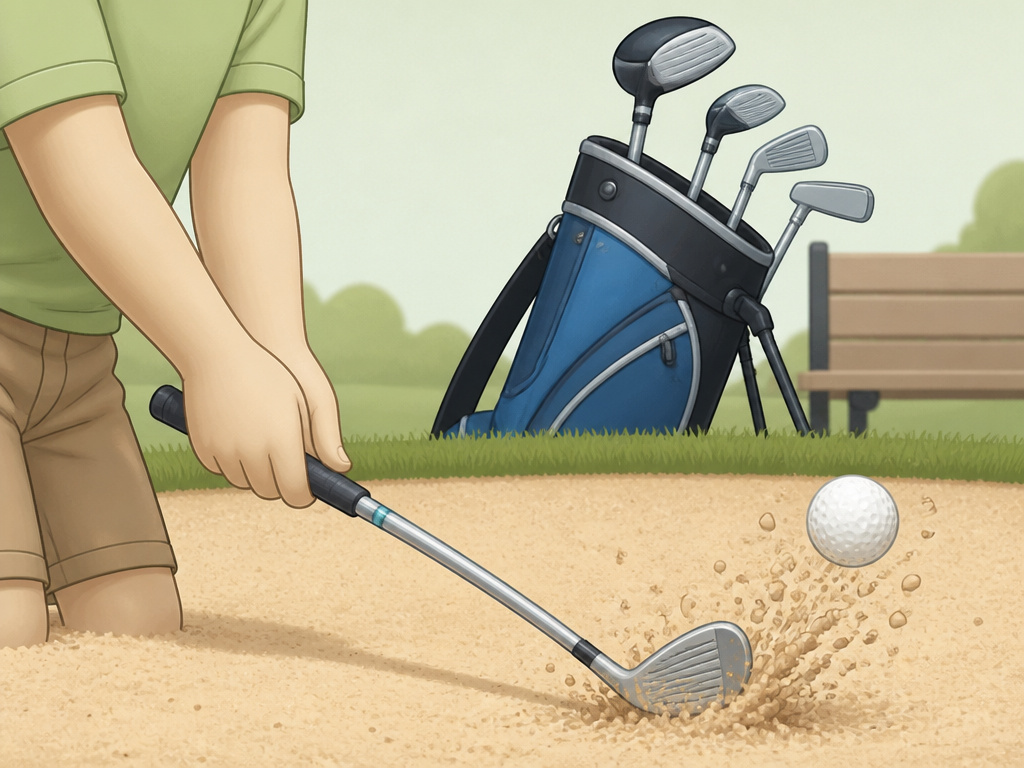 A full 14-club bag is for tour players, not an 8-year-old. Overwhelming a beginner with options is a recipe for confusion. Good golf should feel less complicated.
Start small. For a toddler, a putter is the perfect first club. For a 6-8 year old beginning, a simple junior golf sets with 5-7 clubs is ideal: a driver, a hybrid, a 7-iron, a wedge, and a putter. That covers full swings, trouble shots, and the green.
As they grow and their swing speeds up, you’ll expand. Here’s a pragmatic progression:
- Ages 9-11: Look at an expanded junior club sets or start adding singles. Add a fairway wood (5-wood or 7-wood), maybe a 9-iron, and a sand wedge. The hybrid is still a security blanket from the rough.
- Ages 12-14: This is the transition zone. Some teens are ready for youth golf sets with near-adult lengths but lighter shafts. This is when you might invest in a performance driver with a lighter, stiffer shaft that can be re-shafted later.
- Ages 15+: They’re moving into adult club set composition territory, but flex is still critical. Many will need Senior (A) or even Regular flex, not stiff.
The wedge is a confidence machine. A great sand wedge that lets them splash a ball out of a bunker does more for their love of the game than a driver they hit once a hole.
The Shorter-Shaft Performance Secret
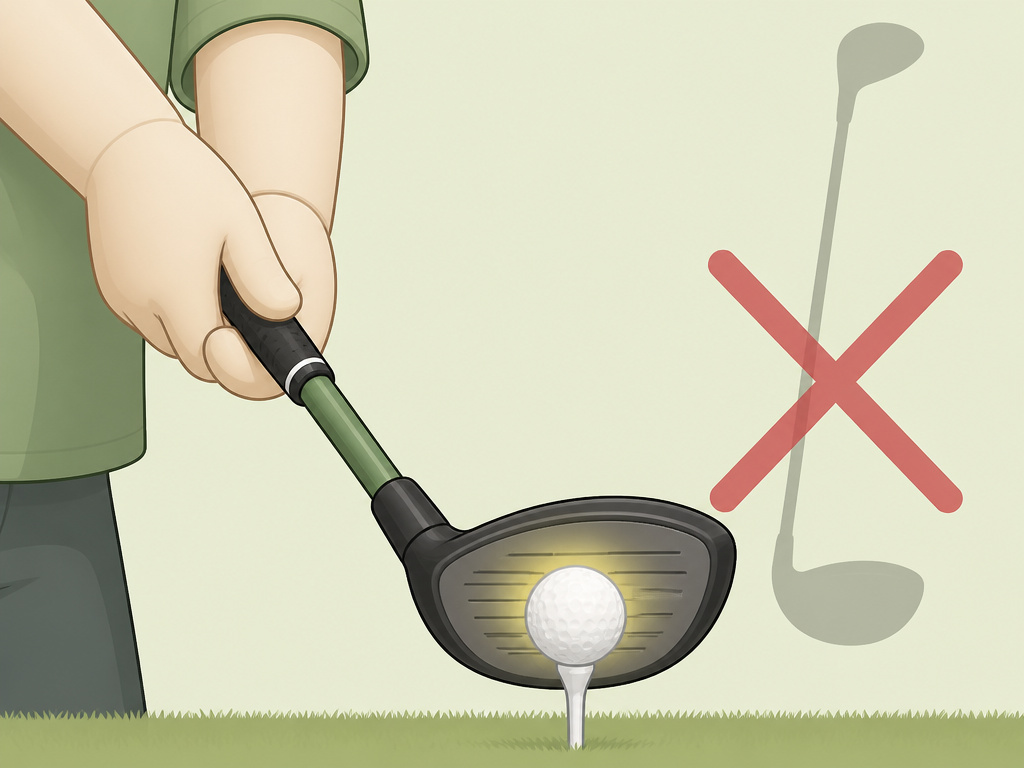 This is the truth nobody sells: a slightly shorter club often helps a junior play better than a “perfectly” sized one.
If the sizing chart says your 4’8″ child is at the top of the range for a 40-inch driver, you might be tempted to size up. Don’t. MyGolfSpy’s research with parents found kids with clubs slightly short have more confidence than those with clubs too long.
Why? A shorter shaft is easier to control. It promotes a more centered strike on the clubface. Center-face strikes, even with a shorter club, often produce higher ball speed and more carry than off-center hits with a longer club. It’s about quality of contact, not raw length.
I used to subscribe to the idea that there was one ideal model for every skill level, until I worked with players of vastly different builds. A tall, lanky 12-year-old and a compact, strong 12-year-old need different approaches. For the tall kid struggling with control, going an inch shorter than the chart recommended was the key. It wasn’t about the chart being wrong; it was about the chart being an average. His swing needed a different tool.
This principle is why PGA Tour players like Cameron Smith and Rickie Fowler have experimented with shorter drivers. They prioritize control and center-face contact over theoretical max length. For a junior whose swing is still developing, that control is everything.
Shafts, Grips, and the Feel Factor
The shaft is the engine. For almost all juniors, that means a lightweight graphite shaft in a Junior Flex. This flex allows the shaft to “load” and unload during the swing, helping to launch the ball. When a shaft is too stiff, the child has to supply all the power themselves, leading to a weak, low ball flight.
How do you know it’s too flexible? The club will feel “whippy” in their hands. Their shots with woods will start hooking excessively, and ball flight will be unusually high. That’s your signal to look for a Light (L) or Adult A-flex shaft.
The grip is the only point of contact. A proper grip size fitting is essential. Junior-specific grips are thinner. When a grip is too thick, the child loses the ability to hinge their wrists properly. A simple test: when they take their grip, the fingertips of their top hand should just barely touch the pad of their palm. If there’s a big gap, the grip is too big. If their fingers are digging into their palm, it’s too small.
When Does a Junior Need a Real Club Fitting?
For a casual beginner, a fitting is overkill. A properly selected jr golf sets based on height and wrist-to-floor is enough.
The threshold for a professional fitting is swing speed. Once a junior’s driver clubhead speed consistently reaches the mid-90s mph, the margins for error shrink. At that point, precise shaft selection, lie angle adjustment, and gapping become important to maximize their potential. Before that, the priority is an athletic motion with equipment that doesn’t fight them.
Frequently Asked Questions
Can I just regrip my older child’s clubs as they grow?
You can, and you should. Regripping is inexpensive and renews the feel. However, regripping doesn’t fix a shaft that’s become too short or too soft. Think of grips as consumables, like junior golf balls. Replace them when they’re worn slick, but know when the entire club needs an upgrade.
Are junior golf clubs for boys and girls different?
Technically, no. Sizing is based on height, arm length, and swing speed—not gender. Some manufacturers offer different color schemes, but the specs are identical. Focus on proper fit, not the color of the grip. The fundamentals of teaching kids golf are the same for everyone.
What’s more important, new clubs or lessons?
Lessons, every time. The best equipment in the world can’t compensate for a poor grip or a misaligned posture. A good pro with a set of decent, fitted clubs will get better results than a perfect set with no direction. Invest in instruction first, then let the pro guide any equipment upgrades.
Do juniors need a golf push cart?
For young children, no. Carrying a light bag is part of the experience. For older juniors playing full 18-hole rounds, a junior push carts can prevent fatigue, especially in summer heat. Fatigue leads to poor swing mechanics late in the round. It’s an equipment upgrade that supports performance.
How many clubs does a junior really need to start?
Five is plenty. A driver, a hybrid, a 7-iron, a wedge, and a putter. This covers every type of shot on a par-3 or executive course. The goal is to build confidence with a few tools, not to manage an arsenal. You can play great golf with a half-set.
Before You Go
Strip it back. The goal isn’t a tour-ready bag by age 10. It’s a smile at contact, the joy of a ball flying straight, and the itch to go play again next weekend.
The single best piece of equipment you can provide is patience. Keep sessions short. Ten focused swings beat a bucket of tired slaps. Let them play from the forward tees where they can reach greens. The biggest mistake I see is a parent turning a round into a live lesson. That’s how the fun gets squeezed out.
Measure their wrist-to-floor today. Check their posture at address. If their clubs pass those simple tests, go play. If not, use the charts here and get them something that fits. The right equipment removes an obstacle. It doesn’t create a prodigy. It just lets a kid be a kid who plays golf.
