
Links vs Parkland vs Heathland Courses: A Golfer’s Guide
This post contains affiliate links. As an Amazon Associate, we earn from qualifying purchases.
Links, parkland, and heathland courses are defined by their terrain, turf, and strategic demands. A links course is coastal, firm, and windy, demanding creativity and a ground game. A parkland course is inland, lush, and tree-lined, rewarding aerial precision and power. A heathland course is an inland hybrid with sandy soil and punishing heather, testing accuracy above all else. Your ideal course depends on whether your game is built for control in the air or imagination on the ground.
That breakdown is the map. The actual test is how your swing and strategy hold up when the ground changes from spongy clay to hardpan sand, and the penalty for a missed fairway shifts from a tricky lie to an unplayable ball.
What follows is a physical guide to the three major inland and coastal styles. You’ll get the definitions, the specific shots each demands, the maintenance reality that shapes your round, and a blunt match between your game and the course that will expose it.
Key Takeaways
- Heather and gorse are not rough; they are hazards. A miss into heathland scrub often requires a penalty drop, not a recovery shot. Accuracy off the tee is essential.
- Parkland conditioning is a double-edged sword. The lush, soft turf forgives a steep angle of attack but hides drainage issues; after rain, these clay-based courses play long and heavy.
- Links turf is meant to be firm, not green. Course managers prioritize keeping the fescue alive over lush color, leading to faster, more unpredictable bounces that favor a running game.
- The wind on a links course changes club selection by 3-5 clubs. It also changes trajectory, stance, and putting line. Ignoring it is a round-killer.
- Your practice ratio matters. If you spend all your time hitting high, spinning shots, you have no game for a links. You need the bump-and-run in your bag.
The Three-Course Breakdown: Terrain, Turf, and Trouble
You don’t just play a different course; you play a different game. The grass, the dirt under it, and the stuff growing beside it dictate every decision from drive to putt.
What Defines a Links Golf Course?
A links course is built on sandy, coastal land that links the sea to the farmland. It is the original form of the game. Think wind-sculpted dunes, fescue grasses, and a near-total absence of trees.
The ground is firm and fast. A well-struck iron won’t spin back; it will release and run. This demands a creative ground game, the ability to land the ball short and let it chase onto the green. The constant, often fierce wind makes control of trajectory essential. You’ll hit punch shots into the gale and trust a low draw to hold its line.
Where this goes sideways: Trying to play a high, soft-landing shot into a links wind. The ball balloons, loses distance, and gets pushed wildly offline. You’ll be chipping sideways from a dune face.
The hazards are natural and brutal. Deep, sod-walled pot bunkers guard the greens. Thick, wispy fescue rough swallows golf balls whole. The challenge isn’t just length; it’s navigating the elements and the lay of the land. Famous examples include the Old Course at St Andrews and Royal County Down.
What Defines a Parkland Golf Course?
A parkland course is an inland, manicured landscape. Imagine Augusta National, tree-lined fairways, lush bentgrass greens, and strategically placed water hazards and bunkers. It’s a constructed garden for golf.
The turf is typically soft and well-watered. This rewards the modern aerial game. High, spinning shots that land softly and stop quickly are the standard currency. The primary defense is the tree line; missing the fairway often means a blocked shot or a punch-out, not a lost ball.
The turf manager’s goal here is green and lush. That requires intense golf course irrigation and nutrient programs, which is why playability suffers badly after heavy rain on clay-based soils.
The strategy is about precision and power from the tee to avoid the trees, and precise iron play to attack well-guarded greens. It’s a beautiful, controlled test that hosts many championship courses, including the Champion Golf Course at PGA National, a Ryder Cup favorite.
| Aspect | Links Course | Parkland Course |
|---|---|---|
| Terrain | Coastal dunes, sandy soil | Inland, manicured, often clay soil |
| Key Grass | Fescue | Bentgrass, Ryegrass |
| Game Demands | Ground game, wind management | Aerial precision, power |
| Primary Hazard | Pot bunkers, wind | Trees, water hazards |
| Famous Example | Old Course at St Andrews | Augusta National |
What Defines a Heathland Golf Course?
A heathland course is the inland cousin of a links, built on sandy soil but away from the coast. It combines elements of both: the firm, fast conditions of a links with some tree cover and a more sheltered feel.
The defining features are the heather and gorse. These aren’t just rough; they are penal scrubland. A ball vanishing into a gorse bush is often a lost ball. This places an absolute premium on accuracy off the tee. The fairways are typically firmer than parkland, allowing for some run, but the greens are less exposed than on a links.
Common mistake: Underestimating the heather. It looks manageable from the tee. From inside it, the roots grab your clubhead and the ball sits down. Your only play is a steep, violent chop back to the fairway.
The experience is a strategic middle ground, more forgiving than a windswept links off the tee if you find the short grass, but more punishing than a parkland if you don’t. Top-tier examples include Walton Heath in England, which has hosted the AIG Women’s Open.
How to Play Each Course Style: Strategy and Shot Selection
Your scorecard depends on adapting your default game. What works on your home parkland course will bankrupt you on a heathland or a links.
Mastering the Links: Embrace the Ground and the Wind
Forget everything you know about throwing darts. Links golf is played along the ground.
Club down and run it up. On approach shots, take one less club and plan for 20-30 yards of release. A low bump-and-run with a 7-iron is often smarter than a high 8-iron that the wind can attack. Let the wind be your guide. Into the wind, choke down, swing easy, and keep the ball low. Downwind, allow for extra run and consider that your putts will be faster and harder to judge. Your putter is a weapon from off the green. The tight, firm turf makes putting from 20 yards off the fringe a high-percentage play. Practice this shot.
The mental shift is the biggest hurdle. You must accept good bounces and bad bounces as part of the game. A perfect shot can kick into a pot bunker. A mediocre one can scoot onto the green. It rewards patience and creativity, not brute force.
Conquering the Parkland: Precision and Placement
Parkland golf is a game of angles and execution. The blueprint is usually right in front of you.
Hit your spots off the tee. The fairways are the only safe haven. Use the driver when you can, but a long iron or hybrid in play is better than a driver in the trees. Knowing your essential equipment and its limits is key here. Fire at the pins, but know the consequences. The soft greens allow you to attack, but miss in the wrong spot, short-sided in a deep bunker or over the back into thick rough, and you turn a birdie chance into a struggle for bogey. Manage the water. These are often the most visually intimidating hazards. Commit to a clear carry number and trust it. Indecision leads to a splash.
The parkland rewards a consistent, powerful swing that produces a high, predictable ball flight. It’s less about improvisation and more about executing a clear plan. If you want to see this style at its peak, look at any Pebble Beach tournament broadcast, though it’s a hybrid, the inland holes are pure parkland strategy.
Navigating the Heathland: Accuracy is Everything
Heathland strategy is brutally simple: find the fairway. Everything else flows from that.
Driver is a question, not an answer. If the fairway is narrow or lined with gorse, the smart play is often a long iron or fairway wood for guaranteed placement. Distance is irrelevant if you’re taking a drop. Plan your misses. If you must miss a fairway, miss on the side with shorter grass or fewer bushes. Sometimes, aiming at the edge of a bunker in the fairway is smarter than aiming at the center and flirting with heather. Play for the firm bounce. Like a links, the turf is sandy and drains well. Your approaches will release more than on a parkland. Take an extra club and allow for the ball to run out.
The heathland exposes a lack of discipline. It’s the course style that most ruthlessly penalizes a wild driver of the ball. It asks one question on every tee shot: can you hit your target?
Turf, Maintenance, and Why It Changes Your Game
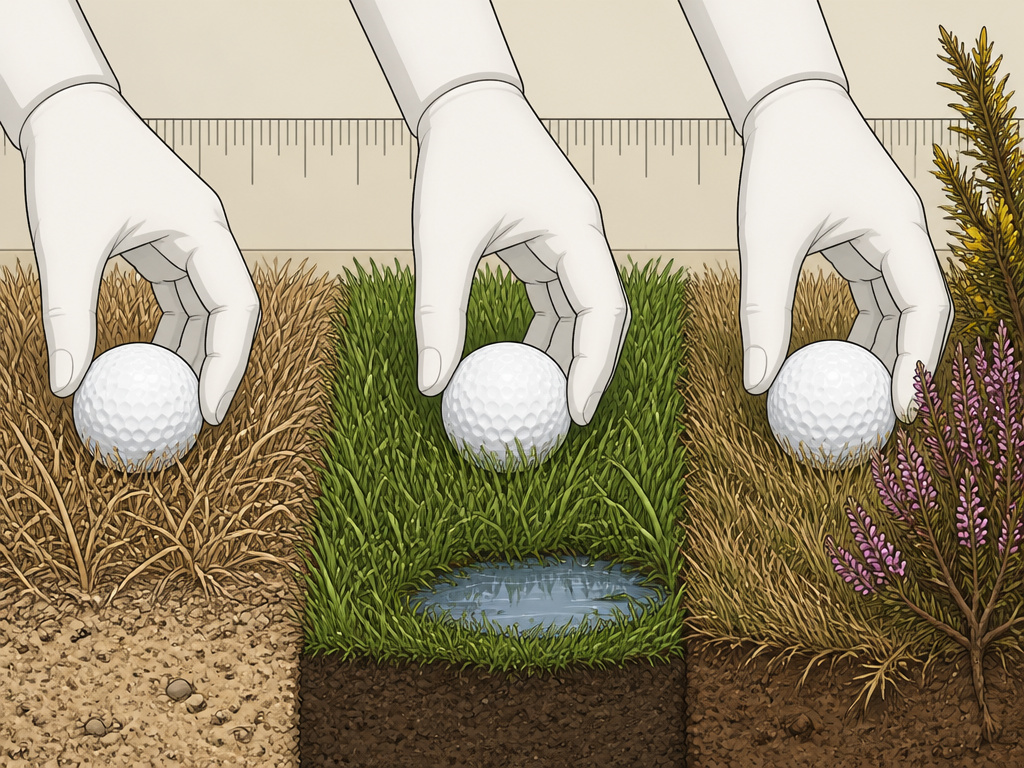 The playing conditions aren’t an accident. They are the direct result of maintenance priorities and natural soil.
| Course Type | Soil & Drainage | Primary Maintenance Goal | Resulting Playing Condition |
|---|---|---|---|
| Links | Sandy, excellent drainage | Keep grass alive (drought-resistant fescue) | Firm, fast, often brownish fairways |
| Parkland | Clay-rich, poorer drainage | Lush, green, manicured appearance | Soft, receptive, can be wet after rain |
| Heathland | Sandy, good drainage | Manage heather/gorse, firm turf | Firm fairways, penal rough |
This isn’t just agronomy. It directly changes your round. * On a links, the firm conditions give you extra distance but demand you control your rollout. The turf management philosophy means the ball will bounce and roll unpredictably, that’s by design. * On a parkland, the soft conditions take distance off your drives but allow you to stop your irons. The heavy investment in golf course irrigation means the course can be kept green, but it becomes a slog in wet weather. * On a heathland, the good drainage means it plays firm and fast like a links, but the inland location usually means less wind. The maintenance focus on controlling the native scrub creates the defining hazard.
Which Golf Course Style Is Right For You?
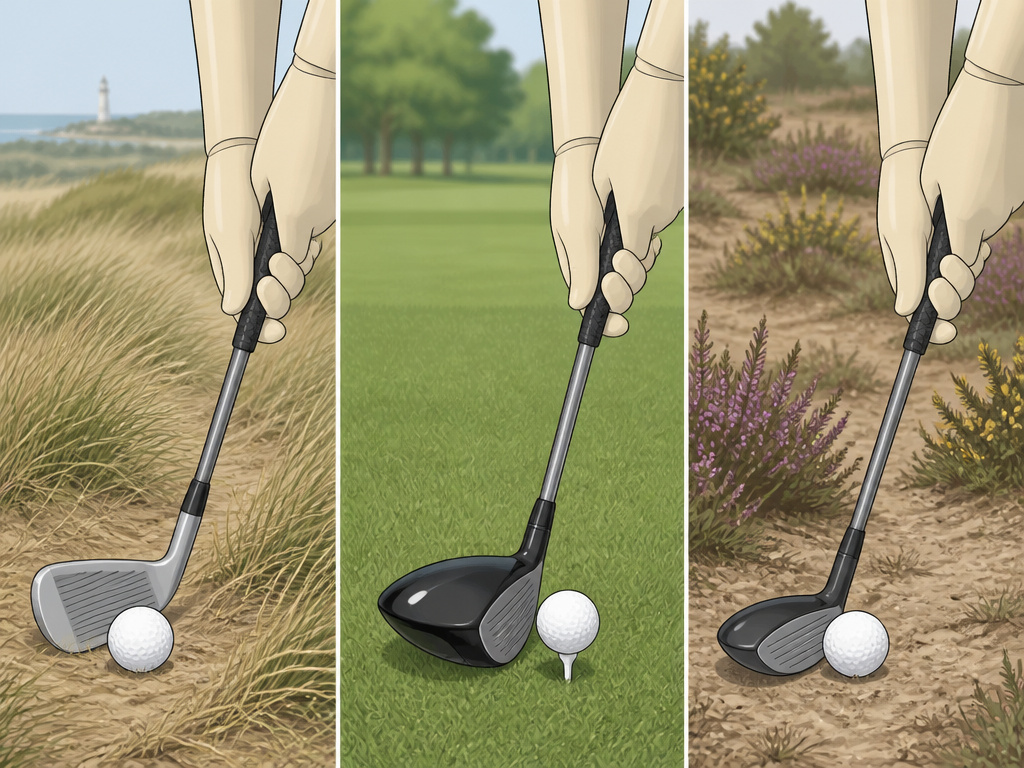 This isn’t about which is “better.” It’s about which test matches your skills, and which will expose the flaws you need to practice.
You’re a links golfer if: You enjoy creative problem-solving, have a reliable low-trajectory shot, and putt well from long range. You don’t get frustrated by bad bounces. Your practice should include plenty of bump-and-runs and lag putting.
You’re a parkland golfer if: You have a consistent, high ball flight with your irons, are a strong driver of the ball, and prefer a clear, strategic challenge. You benefit from practicing high, soft-landing wedges and shaping shots around trees.
You’re a heathland golfer if: You are exceptionally accurate off the tee, have a disciplined course management mind, and value precision over power. Your practice should be dominated by fairway-finding with your longest clubs.
My rule of thumb, earned through frustration, is that you should spend twice as long on your worst club as your best during practice. If you can’t hit a fairway wood straight, you have no business playing a heathland course until you fix it. If you can’t hit a low punch, a links course will eat you alive.
Frequently Asked Questions
What is the hardest type of golf course to play?
For most amateur golfers, a true links course is the hardest. The combination of relentless wind, firm bounces you never get at home, deep pot bunkers, and the mental demand to play along the ground represents the steepest learning curve. It requires a completely different set of shots.
Can a golf course be both links and parkland?
Yes, these are called hybrid or composite courses. Pebble Beach Golf Links is the classic example: the oceanside holes (like 6, 7, 8, and 18) are pure, windblown links, while the inland holes (like 2, 3, and 15) are tree-lined parkland. Playing such a course requires you to switch strategies mid-round.
Where are the best heathland courses located?
The greatest concentration of world-class heathland courses is in the United Kingdom, particularly in the Surrey and Berkshire areas outside London. Walton Heath, Sunningdale, and Swinley Forest are legendary examples. Their sandy soil and heathery landscape define the style.
Do I need different equipment for different course types?
Your core set stays the same, but your shot selection and bag setup might change. For a links, many players add a lower-lofted hybrid or driving iron for wind-cheating tee shots and run-up approaches. For a parkland, confidence in your high-lofted wedges for soft-landing shots is critical. Always ensure your golf gear is suited to your typical conditions.
Why are major tournaments held on all three types?
Each style tests a different aspect of a complete golfer’s game. The Open Championship on links courses tests adaptability and creativity. The Masters at parkland Augusta National tests precision and nerve. Events at heathland venues like Walton Heath test sheer accuracy. Winning on all three is a mark of a truly versatile champion.
Before You Go
The point of knowing the difference isn’t to pick a favorite. It’s to stop being surprised. When you step onto a links course, you shouldn’t be frustrated by the firm fairways, you should be planning your run-up shots. When you see the heather on a heathland course, you should know the 3-wood is coming out on the tee.
So, before you book your next golf in Ireland or add a bucket list course in the American South, ask one question: does my game pass the turf test? If your answer is “I don’t know,” spend a week hitting punch shots and putting from the fringe. That’s where the real tour starts.
