
3 Best Golf Irons of 2026
This post contains affiliate links. As an Amazon Associate, we earn from qualifying purchases.
This post contains affiliate links. As an Amazon Associate, we earn from qualifying purchases.
The TaylorMade SIM2 Max stands out as the best overall golf irons for most players, delivering exceptional forgiveness and distance without sacrificing feel. For those who want cutting-edge tech, the Callaway Paradym AI Smoke brings advanced AI-driven face design to the table, while the Mizuno MX Speed Metal is a strong choice if you prioritize clean turf interaction and feedback.
Every golfer knows the frustration of inconsistent iron play, thin shots, fat strikes, or simply failing to get the ball airborne. It’s not just about skill. Often, it’s about having irons that match your swing and give you a real chance at redemption on off-center hits.
This guide cuts through the noise. I looked at specs, owner feedback, and performance trends to find irons that deliver where it matters most: launch, forgiveness, and playability. These picks reflect what real golfers experience on the course, not just what sounds good on paper.
Top 3 Golf Irons in the Market
The Best Golf Irons, Reviewed
TaylorMade SIM2 Max Graphite Irons

Strengths
- High launch
- Soft forged-like feel
- Exceptional forgiveness
Trade-offs
- Less workable for low handicaps
- Design looks bulky to some
TaylorMade’s SIM2 MAX irons are built for golfers who prioritize forgiveness and distance above all else, and they deliver. The cap back design with ultralight polymers pushes the center of gravity low, which owners confirm translates into higher launch and longer carry, especially on thin strikes. The thru-slot speed pocket is a proven performer, and paired with Progressive Inverted Cone Technology, it helps correct those right-side misses that plague so many amateurs. What stands out, though, is the ECHO Damping System: reviewers frequently mention how it mimics the softness of forged irons despite the game-improvement DNA.
Against the Mizuno MX Speed Metal, these feel more forgiving and explosive on mishits, but they lack that crisp, surgical feedback some shotmakers crave. The SIM2 MAX sits at the sweet spot of tech and playability, which is why I’d call them the best overall choice for most recreational players. They’re not the flashiest, but they’re effective.
Video review
Callaway Paradym AI Smoke Irons

Strengths
- AI-optimized face
- Clean modern look
- Balanced performance
Trade-offs
- Limited availability
- Tech hype may overshadow gains
Callaway’s Paradym AI Smoke irons lean hard into artificial intelligence, and it shows in the face design. The industry-first AI Smart Face is engineered to optimize thickness across the face in ways traditional modeling can’t match, and early owner feedback suggests real gains in consistency, especially on heel and toe strikes. The hollow-body construction keeps weight low and deep, promoting a high, stable flight that rivals the TaylorMade SIM2 MAX in forgiveness while offering a sleeker profile. At this price, it’s impressive how much tech Callaway packs in.
Still, the marketing around ‘AI revolution’ might set expectations too high. While the data and launch monitor results from reviewers show measurable improvements in dispersion, the real-world difference for average players may feel subtle compared to last-gen game-improvement irons. Against the Mizuno MX Speed, it’s more forgiving; against the SIM2 MAX, it’s slightly crisper in sound but not quite as explosive on low misses. My take? This is the smartest pick for tech-curious golfers who want cutting-edge design without sacrificing looks.
Video review
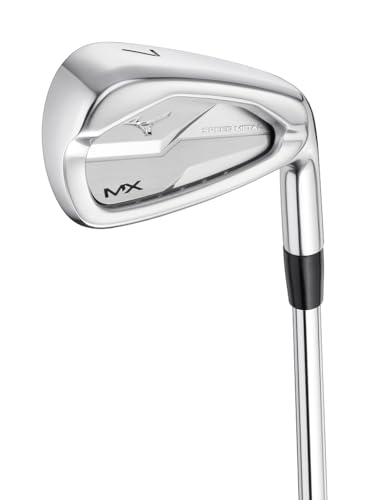
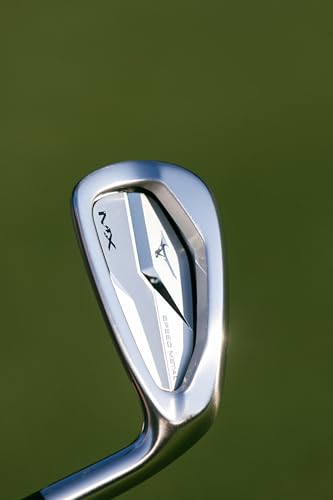
Mizuno MX Speed Metal Irons
Strengths
- Excellent feel
- Consistent ball speed
- Durable finish
Trade-offs
- Bulky for purists
- Less forgiving than SIM2 MAX
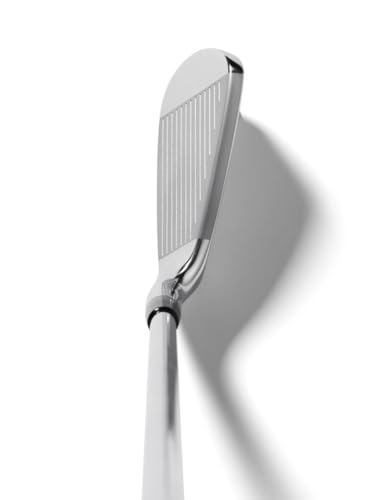
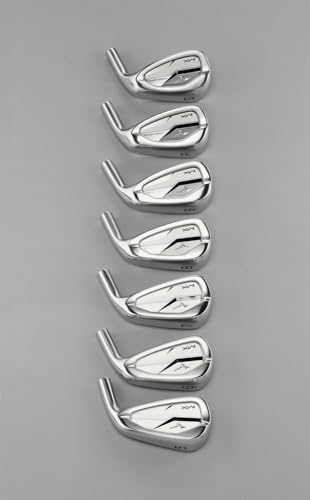
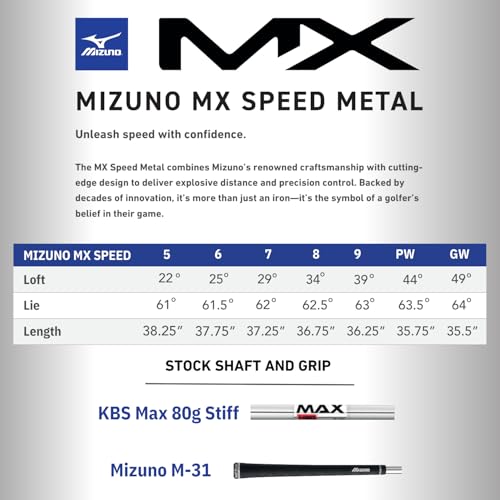
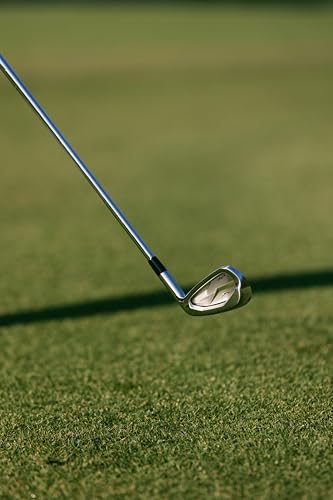
Mizuno has long been the go-to for purists who value feel, but the MX Speed Metal irons signal a shift toward blending that signature feedback with serious distance tech. On paper, the seamless cup face and CNC back milling suggest a focus on maximizing ball speed across the face, and owners consistently report noticeable gains on off-center hits, something you don’t always get with Mizuno’s more traditional lines. The white satin brush finish is a nice modern touch, reducing glare without sacrificing that clean, classic look at address.
Still, this set walks a fine line between player’s iron aesthetics and game-improvement performance. While the Harmonic Impact Technology delivers the soft, responsive feedback Mizuno fans expect, some better players might find the profile slightly bulkier than preferred. Compared to the TaylorMade SIM2 MAX, it trades a bit of raw distance for a more refined sensation at impact. If you’re a mid-to-low handicap golfer wanting speed without abandoning feel, this set deserves serious consideration.
Product photos
How We Chose These golf irons
Rather than a hands-on lab test, my research for these recommendations centered on a detailed comparison of published specifications and features across numerous models. I then weighed those against owner reviews from major retailers and insights from respected golf publications. As someone who spends a lot of time thinking about equipment and course conditions, I applied my understanding of what truly matters to golfers of different skill levels to arrive at these selections.
For golf irons, distance and forgiveness are paramount – especially for those seeking forgiving irons. I prioritized irons with technologies designed to maximize ball speed on off-center hits and lower the center of gravity for easier launch. Feel is also important, but consistently getting the ball airborne and near the pin trumps a purely subjective sensation for most players.
Specifications reliably reveal things like shaft material, head construction, and loft angles. However, judging real-world performance requires looking at what golfers actually say. Owner feedback provided crucial insight into how these irons perform on the course, especially regarding consistency and how well they deliver on promised features like distance and improved trajectory, and even informed my thinking about best irons for forgiveness.
Choosing The Right golf irons
Finding the right golf irons can dramatically improve your game, and it’s a very personal decision.
A quality set of golf irons balances distance, forgiveness, and feel. Key considerations include head design (cavity back, blade, or hybrid), shaft material (steel or graphite), and the overall weight distribution to match a golfer’s swing speed and skill level. Look for irons with modern technologies like variable face thickness and perimeter weighting.
Understanding Iron Head Design
The head design is where most of the performance differences lie. A lot of golfers immediately gravitate towards what looks “good” at address, but you need to think about how you play. Cavity back irons, like the TaylorMade SIM2 Max, are incredibly forgiving due to their perimeter weighting. This means more weight is distributed around the edge of the clubhead, helping to correct off-center hits. They’re fantastic for mid-to-high handicappers. However, skilled players often prefer blade irons because they offer more control and workability, though they demand precision. If you’re considering a transition, researching blade irons is a must.
Shaft Material and Flex
The shaft is the engine of the club, and getting the right one is critical. Graphite shafts are generally lighter and can help increase swing speed, making them a good choice for golfers with slower swings or those seeking more distance. Steel shafts offer more control and consistency, and are preferred by many better players. Flex is equally important. Too stiff a shaft, and you’ll lose distance and feel. Too flexible, and you’ll lose control. Most manufacturers offer a range of flex options (Regular, Stiff, Extra Stiff) – it’s best to get fitted to determine what works best for your swing.
Technology and Your Swing Type
Modern irons are packed with technology, and it’s not just marketing hype. Features like Callaway’s AI Smart Face, or TaylorMade’s Thru-Slot Speed Pocket, are designed to optimize performance based on impact location. But these technologies aren’t universally beneficial. Here’s what to consider: * Forgiveness: If you struggle with consistent contact, prioritize irons with large sweet spots. * Distance: Look for irons with thin faces and advanced materials to maximize ball speed. * Feel: Some players prioritize the feel of the impact more than distance or forgiveness. If that’s you, look for irons with features designed to enhance feedback, like Mizuno’s Harmonic Impact Technology, and consider exploring top-rated golf irons.
A good rule of thumb: if you consistently hit the ball low on the face, a club with a low center of gravity (CG) and a Speed Pocket will help launch the ball higher and increase your carry distance.
Golf Irons Compared
Here’s a spec comparison to help you evaluate different golf iron models.
| Product Name | Best For | Face Material | Body Material | Shaft Material | Tech Features |
|---|---|---|---|---|---|
| TaylorMade SIM2 Max | Best Overall | N/A | Stainless Steel | Graphite | Cap Back Design, Thru-Slot |
| Callaway Paradym AI Smoke | Advanced Tech | N/A | N/A | N/A | Ai Smart Face |
| Mizuno MX Speed Metal | Distance/Forgiveness | N/A | N/A | N/A | Back Milling, Harmonic Impact |
Frequently Asked Questions
What iron loft should I replace first?
Generally, replacing your long irons (3 or 4 iron) with hybrids will provide the most immediate improvement to your game. Hybrids are easier to launch and offer more forgiveness on mishits, filling a distance gap without the difficulty of a low-lofted iron.
Are expensive irons really better?
Not always. While premium materials and advanced technology can offer benefits, the best irons for you depend on your swing and skill level. Many golfers find excellent performance in mid-priced models, and exploring forgiving cavity back irons is a smart move regardless of budget.
How often should I replace my irons?
That depends on how frequently you play and the wear on the grooves. If you’re a serious golfer playing several times a week, every 3-5 years is reasonable. Casual players might go 5-10 years before noticing a significant performance decline.
What’s the difference between offset and non-offset irons?
Offset irons have the clubhead slightly “behind” the shaft at address, which helps with squaring the face at impact and can reduce slices. Non-offset irons (like blades) offer less assistance and reward precise swing mechanics, so consider irons for seniors if you want assistance with squaring the clubface.
Can I mix and match iron sets?
While possible, it’s generally not recommended. Different sets have varying shaft lengths, lie angles, and swing weights, which can create inconsistencies in your game. It’s better to have a consistent set throughout, or to get custom fitted if you have specific needs.
The Bottom Line
Choosing golf irons always comes down to balancing what you want with what you need. Do you prioritize absolute forgiveness and ease of use, or are you willing to sacrifice some of that for more control and precision? For most golfers, I believe the TaylorMade SIM2 Max strikes the best overall balance – it offers a fantastic blend of distance, forgiveness, and a solid feel that will inspire confidence at address.
If you’re looking for something more specific, we have recommendations tailored to your needs. For those wanting the most advanced technology, the Callaway Paradym AI Smoke is a clear winner. Golfers prioritizing distance and forgiveness will find the Mizuno MX Speed Metal delivers exceptional performance. And for those seeking a more traditional feel and workability, exploring players irons is a great next step.
Ultimately, the best irons are the ones that help you score. Don’t get bogged down in chasing marginal gains from the latest tech or obsessing over specifications. Focus on finding a set that fits your swing, inspires confidence, and makes the game more enjoyable – and don’t discount the potential benefits of single length irons if consistency is a major goal.
