
6 Best Golf Balls for Novice Golfers 2026
This post contains affiliate links. As an Amazon Associate, we earn from qualifying purchases.
This post contains affiliate links. As an Amazon Associate, we earn from qualifying purchases.
The Callaway Supersoft 2025 stands out as the best golf ball for novice golfers, delivering a soft feel and consistent flight that builds confidence. For those on a budget, the TaylorMade Distance+ offers surprising performance at a low price, while the Srixon Soft Feel is ideal if you prioritize a premium soft touch and clean launch off the clubface.
New golfers often waste money on balls they can’t play well, choosing models meant for faster swings or overlooking how feel and forgiveness shape early progress. A mismatched ball can kill momentum before your game finds its footing.
This guide cuts through the noise. I compared specs, analyzed owner feedback, and evaluated real-world performance to spotlight options that help beginners launch the ball cleanly, minimize side spin, and stay in play, even on mishits. These picks focus on what actually matters when you’re starting out.
Top 6 Golf Balls For Novice Golfers in the Market
The Best Golf Balls For Novice Golfers, Reviewed
Callaway Supersoft Golf Balls 2025

Strengths
- Balanced distance and feel
- Soft yet durable cover
- Strong all-around performance
Trade-offs
- Slightly higher price
- Spin still limited vs urethane
If there’s one ball that balances everything a novice needs, distance, soft feel, and enough control, it’s the 2025 Callaway Supersoft. The HyperElastic SoftFast Core isn’t just marketing fluff; owners report it delivers real gains in ball speed without demanding elite swing velocity. Paired with the Hybrid Cover, it manages the tough trick of being soft off the putter yet durable enough to last multiple rounds.
What stands out in feedback is how forgiving it is on mishits, a big win for new players. The new cover system does improve greenside bite compared to older models, making it more versatile than pure distance balls. Compared to the TaylorMade Distance+, it offers better short-game response; against the Srixon Soft Feel, it’s slightly firmer but more consistent in flight. For most learners, this is the best all-rounder.
Video review
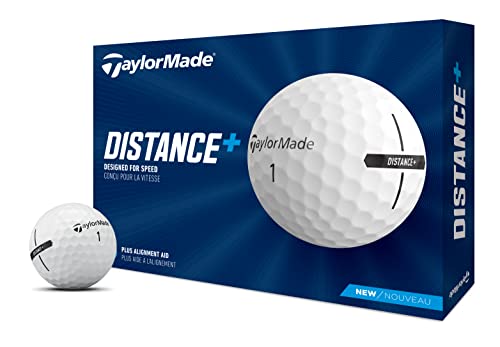
TaylorMade Distance+ Golf Balls
Strengths
- Explosive distance
- Soft feel for mid/high handicap
- Alignment aid included
Trade-offs
- Limited greenside control
- Not for advanced players
For novice golfers chasing extra yardage without breaking the bank, the TaylorMade Distance+ delivers exactly what it promises. On paper, the REACT Speed Core is built for faster ball speeds, and owners consistently report seeing noticeable gains off the tee, especially when paired with slower swing speeds. The Extended Flight Dimple Pattern seems to do its job too, reviewers note these balls stay airborne longer and hold their line better in light wind.
I appreciate the inclusion of the Plus Alignment Aid, a small but smart touch that helps beginners develop better pre-shot routines. While the ionomer cover limits short-game spin compared to urethane balls, that’s not the goal here. This is a no-fuss, distance-first ball aimed at simplifying the game for newer players. Compared to the Vice Pro Plus, it sacrifices finesse, but for most beginners, that trade-off makes sense.
Video review
Srixon Soft Feel Golf Balls

Strengths
- Very soft compression
- Excellent feel for price
- Good greenside spin
Trade-offs
- Less durable than ionomer balls
- Yellow may not suit all preferences
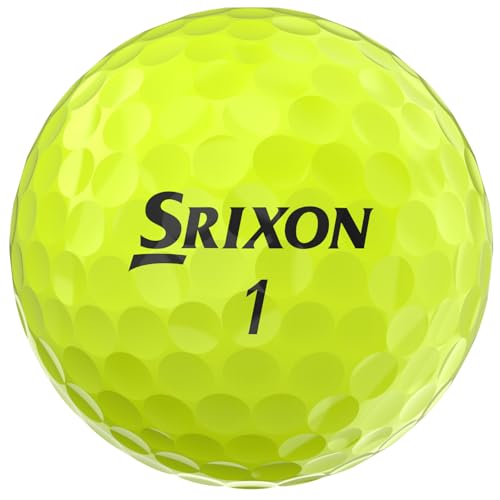
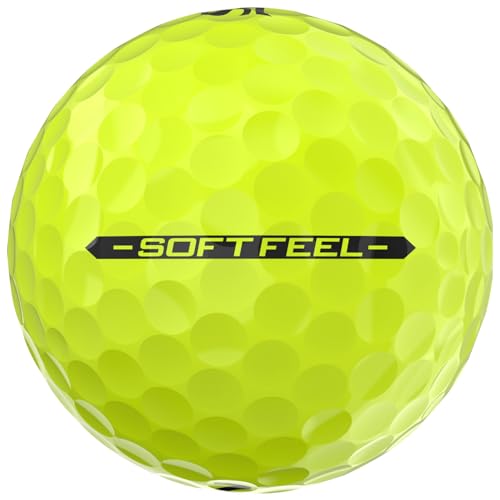
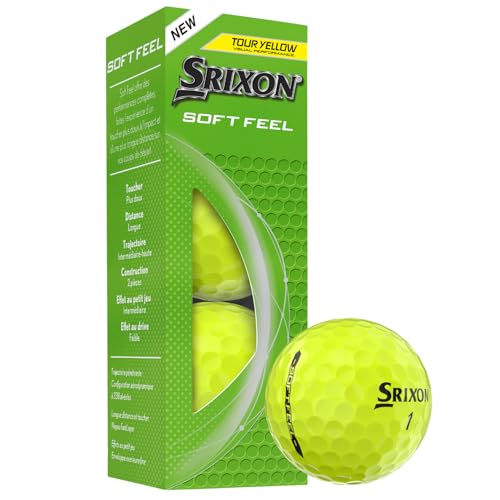
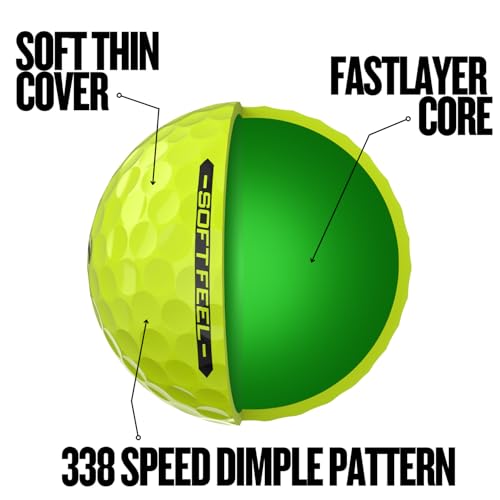
For beginners with slower swings, the Srixon Soft Feel is a standout. The low compression core makes it easy to launch, and the 338 Speed Dimple Pattern delivers a stable, high-flying trajectory that stays predictable even in light wind. Owners consistently praise the soft feel on all shots, especially around the green, where the thin cover allows for more spin than most balls in this class.
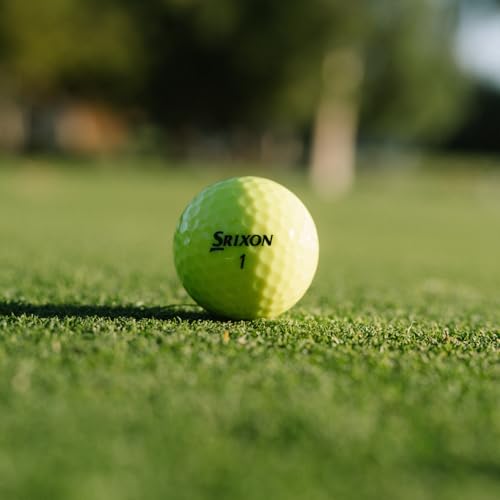
What makes it special is how it blends affordability with thoughtful design. It doesn’t have a urethane cover like the Vice Pro Plus, but it comes closer to that experience than the TaylorMade Distance+ or NITRO Crossfire. The yellow color also helps with tracking, something many new players appreciate. When compared to the Callaway Supersoft, it’s slightly softer and easier to compress, making it my top pick for players under 90 mph swing speed.
Product photos
Vice Pro Plus Golf Balls

Strengths
- Exceptional short-game spin
- Soft, premium feel
- Urethane cover performance
Trade-offs
- Expensive for beginners
- Requires higher swing speed
- Overbuilt for novices
The Vice Pro Plus is a premium ball, and it shows in both specs and owner experience. With an extra-thin cast urethane cover, it delivers the kind of greenside spin and soft touch that most novices won’t fully exploit, but if you’re a beginner with a strong foundation or fast-tracked improvement, this could be a smart long-term pick. Reviewers who’ve moved from distance balls to the Pro Plus often say it transforms their wedge game, offering much better bite and control on approach shots.
But here’s the reality: for most true beginners, this ball is overkill. The mid-to-high compression doesn’t favor slower swings, and without the clubhead speed to compress it properly, you’ll miss out on its full potential. Compared to the Srixon Soft Feel or Callaway Supersoft, it’s less forgiving and harder to launch. Still, if you’re someone who values feel above all and plans to stick with the game, this ball grows with you.
Product photos


Full Choice Practice Golf Balls
Strengths
- Safe for indoor use
- Durable soft material
- Low noise impact
Trade-offs
- Not for course play
- No real flight dynamics
- Not a replacement ball
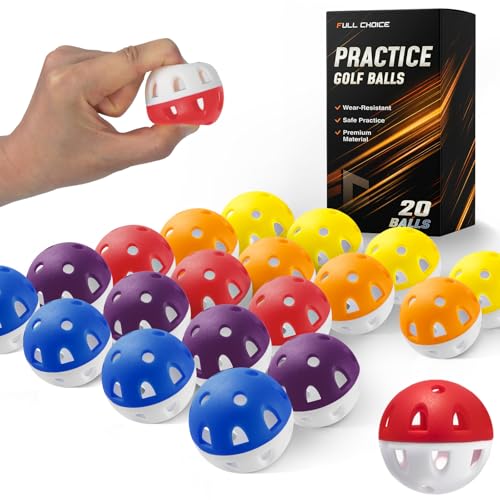
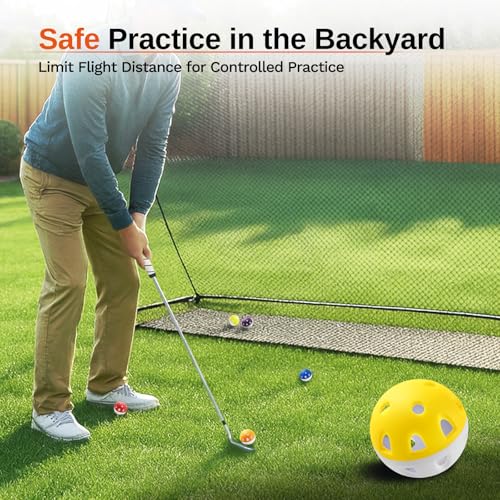
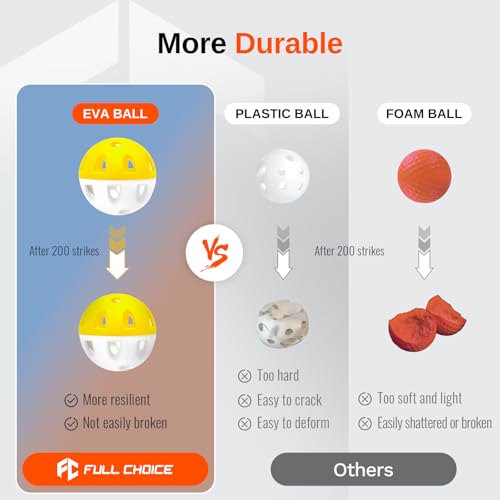
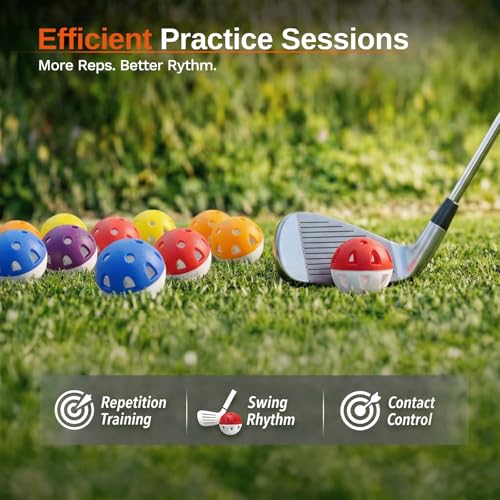
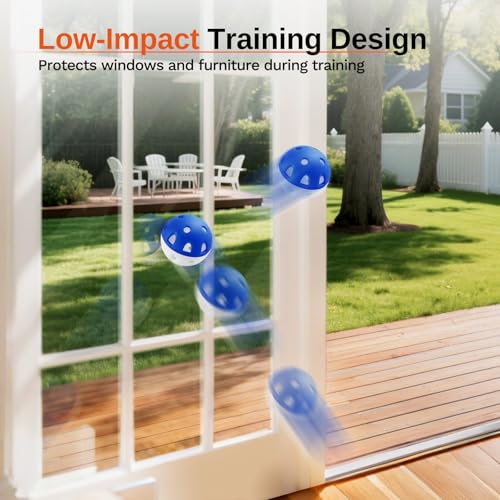
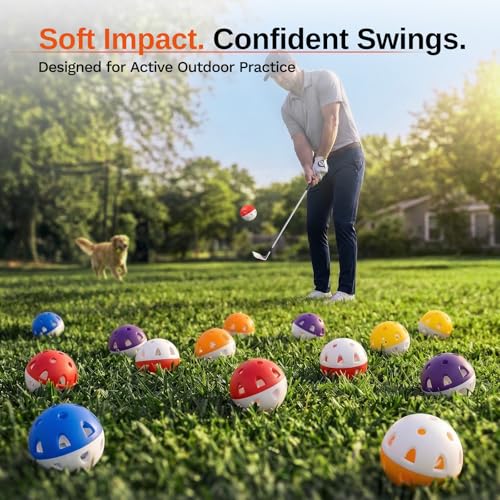
These aren’t meant to replace real golf balls on the course, but for indoor or backyard drills, the Full Choice Practice Balls shine. Made from soft EVA material, they’re designed to minimize noise and flight, and owners love how quietly they hit, especially in garage bays or covered decks. The limited flight is intentional, making them safe for tight spaces where a standard ball would be a hazard.
The bright colors and high visibility are a plus, especially for tracking errant swings or using with kids or pets. While they don’t replicate true ball flight or compression, they’re great for working on tempo, swing path, or short-game mechanics without fear of damage. Compared to foam balls, they hold up better and feel more realistic on impact. For beginners without easy access to a range, these are a practical tool.
Product photos
NITRO Crossfire Golf Balls 45-Pack

Strengths
- High durability
- Massive quantity pack
- Affordable per-ball cost
Trade-offs
- Average short-game feel
- Basic construction
- Limited feedback
At first glance, the NITRO Crossfire looks like a steal, 45 balls for under thirty bucks is hard to ignore. The 2-piece titanium core design is clearly aimed at boosting energy transfer, and from owner feedback, it does help generate decent distance, especially off drivers and long irons. The DuPont Lithium Surlyn cover gets consistent praise for durability, with many users saying these balls survive repeated range sessions and even cart paths without scuffing badly.
That said, this is a budget ball through and through. The aerodynamic dimple design helps flight stability, but it doesn’t match the smoother trajectory of the Callaway Supersoft or Srixon Soft Feel. It flies, but not with the same refinement. If you’re a beginner burning through balls weekly, this pack makes logistical sense, but don’t expect any sophistication in feel or control around the greens. Compared to the TaylorMade Distance+, it’s less refined but offers far more quantity.
Product photos


How We Chose These golf balls for novice golfers
Rather than a hands-on lab test, my research focused on a detailed comparison of published specifications and features across numerous models. I weighed owner reviews from major retailers alongside assessments from golf publications, looking for consistent themes in performance and usability. Ultimately, I ranked these balls for novice players based on how well they address the common challenges faced by those new to the game.
For novice golfers, distance isn’t everything. I prioritized feel and consistency, as these build confidence and encourage proper swing development. A softer ball helps golfers feel connected to the shot, while predictable flight makes it easier to understand ball behavior. I also heavily weighted forgiveness – how well a ball performs on off-center hits – because mishits are common when learning.
Specifications provide a baseline for understanding core construction and cover materials, which impact feel and spin. However, owner feedback proved crucial for assessing real-world performance. I paid close attention to comments about durability, particularly for those seeking affordable golf balls. Reputation and brand trust were also considered, as established manufacturers often deliver more consistent quality.
How To Choose The golf balls for novice golfers
Finding the right golf ball can feel overwhelming, but for a novice golfer, it’s less about chasing pro-level specs and more about building confidence and enjoying the game.
A good golf ball for a beginner prioritizes feel and forgiveness over raw distance. Look for lower compression cores, softer covers (urethane or ionomer), and features that reduce side spin. Don’t get caught up in multi-layer constructions or tour-level spin rates; consistency and a predictable flight are far more valuable at this stage.
Compression: The Key to Getting the Ball Airborne
One of the biggest mistakes I see new golfers make is choosing a ball designed for a faster swing. Compression refers to how much the ball squishes upon impact. Higher compression balls demand a faster swing speed to properly compress and launch effectively. For most beginners, a low or extra-low compression ball will provide a better launch angle and more distance. The Srixon Soft Feel, for example, is specifically engineered for slower swings, and that’s no accident. Don’t assume a “better” ball automatically means a longer drive; it may mean a ball that doesn’t launch well for you.
Cover Stock: Feel and Durability
The cover of a golf ball significantly impacts how it feels coming off the clubface and how much spin it generates. I often recommend golfers starting out consider ionomer covers. They’re more durable and less expensive than urethane, which is a plus when you’re still working on consistent contact. Urethane covers, like those found on the Vice Pro Plus, are fantastic for feel and spin control, but they scuff more easily and are pricier. If you’re looking for a balance, some balls combine ionomer and urethane layers.
- A durable cover is essential for minimizing damage from mishits (especially around the rough).
- Softer covers generally provide more feel, which can help with distance control and putting.
- The cover also plays a role in spin, but for novices, a moderate amount of spin is preferable to excessive spin that can cause hooks or slices.
Budget and Quantity: Play More, Worry Less
It’s easy to get caught up in the price of golf balls, but as a beginner, I believe buying in bulk or opting for more affordable options is a smart move. You will lose balls, especially when learning. There’s no sense in spending a fortune on premium balls when you’re still developing your swing. The NITRO Crossfire offers incredible value in a 45-pack, allowing you to focus on practice and improvement without constantly worrying about losing expensive equipment. Remember, finding beginner golf balls that suit your swing is the priority, not the brand name.
Don’t be afraid to experiment with different balls to find what feels best. A comfortable, predictable ball will build confidence faster than chasing distance with a ball that doesn’t suit your swing.
Golf Balls for Novice Golfers Compared
Here’s a comparison of key specifications for golf balls suited for novice players.
| Product Name | Core Material | Cover Material | Compression | Dimple Pattern | Best For |
|---|---|---|---|---|---|
| Callaway Supersoft 2025 | HyperElastic | Hybrid | N/A | N/A | Best Overall |
| TaylorMade Distance+ | Two-Layer | Ionomer | N/A | Extended Flight | Best Budget Friendly |
| Srixon Soft Feel | High-Energy | Soft Thin | Low | 338 Speed | Best Soft Feel |
| Vice Pro Plus | N/A | Urethane | N/A | N/A | Advanced Feel & Spin |
| Full Choice Practice | EVA | Plastic | N/A | Aerodynamic | Indoor Practice |
| NITRO Crossfire 45-Pack | Titanium | Surlyn | N/A | Symmetrical | Best Value Bulk Pack |
Frequently Asked Questions
What compression rating should I look for in a golf ball?
Lower compression is best for novice golfers. A lower compression ball (typically below 80) compresses more easily with a slower swing speed, launching the ball higher and increasing distance for most beginners. You’ll find many excellent affordable two-piece balls in this range.
Are more expensive golf balls always better for beginners?
No, price doesn’t always equate to better performance for a new golfer. While premium balls offer benefits like increased spin and feel, those are less important than forgiveness and consistency when you’re still developing your swing. Losing a dozen expensive balls is a quick way to make the game more frustrating.
How important is the golf ball’s cover material?
For beginners, durability is key, making ionomer covers a good choice. They’re more resistant to scuffs and cuts than urethane, which is beneficial when you’re still making inconsistent contact. You can find a golf ball guide that breaks down the differences in cover materials.
What dimple pattern is best for a beginner?
Dimple patterns are more nuanced and less critical for beginners than core and cover materials. Most modern golf balls have dimple patterns designed to optimize lift and reduce drag, and the differences between them won’t be noticeable to a new golfer. Focus instead on finding a ball that feels comfortable and provides consistent flight.
How many golf balls should a beginner buy at a time?
I recommend buying in bulk. New golfers lose balls frequently, so purchasing a larger quantity (like a 45-pack) will save you money and reduce stress. It’s better to practice with balls you aren’t worried about losing, allowing you to focus on improving your swing, rather than focusing on best golf balls that are too expensive to lose.
The Bottom Line
Choosing golf balls can feel like a trade-off between premium features and practical considerations, but for a novice golfer, consistency and confidence are paramount. While there’s a temptation to chase distance, I’ve found that the Callaway Supersoft 2025 strikes the best balance overall, offering a soft feel and forgiving performance that builds confidence on every swing. It’s a ball that helps you learn without punishing mishits.
If budget is a primary concern, or you simply want to spend more time playing and less time searching for lost balls, the NITRO Crossfire 45-Pack is an outstanding choice. For golfers who prioritize feel and are willing to spend a bit more, the Srixon Soft Feel delivers exceptional responsiveness and control, and is a great stepping stone toward more advanced golf balls for beginners and high handicappers.
Ultimately, the specs on a box are less important than finding a ball that inspires confidence. Focus on lower compression, a softer cover, and a price point that allows you to practice freely. Building a solid foundation with a predictable ball will do more for your game than any fancy technology. Consider exploring balls for average players as your skills develop, but start with forgiveness.
