
7 Best Golf Balls for Distance and Accuracy 2026
This post contains affiliate links. As an Amazon Associate, we earn from qualifying purchases.
This post contains affiliate links. As an Amazon Associate, we earn from qualifying purchases.
The TaylorMade Distance+ 2025 is the best overall golf ball for distance and accuracy, combining a reactive core with an alignment aid for consistent flight. For budget-minded players, the Wilson Profile Distance delivers strong performance in bulk, while the Titleist TruFeel AIM stands out for those who want better greenside control without sacrificing much off the tee.
Most golfers struggle to find a ball that actually flies straight and carries far, too often, you’re forced to pick one over the other. After years of researching gear and analyzing performance data across hundreds of rounds worldwide, I know how critical the right ball is for lowering scores and enjoying your game more.
This guide cuts through the marketing noise. I compared specs, construction, and real-world feedback to find models that genuinely balance speed, stability, and control, so you can make a smart choice based on your swing and style.
Top 7 Golf Balls For Distance And Accuracy in the Market
The Best Golf Balls For Distance And Accuracy, Reviewed
TaylorMade Distance+ White 2025

Strengths
- Long carry distance
- Softer feel for 2-piece
- Helpful alignment aid
Trade-offs
- Not for low-spin seekers
- Mid-tier short game spin
TaylorMade’s 2025 Distance+ is the most complete package in the distance ball category, and it’s easy to see why it’s labeled ‘Best Overall’. The React Speed Core generates impressive ball speed, and the new Extended Flight Dimple Pattern helps reduce drag for longer carry, owners consistently report gains of a few extra yards compared to older models. The mid-launch, mid/high-spin profile makes it versatile for a wide range of swing types.
The Plus Alignment Aid is subtle but effective, giving just enough visual guidance without overcomplicating the ball’s look. Compared to the Wilson and Pinnacle options, it feels noticeably softer and performs better around the greens. It’s not the cheapest, but the balance of distance, feel, and small premium touches makes it the smarter buy for most players.
Video review
Callaway Supersoft 2025

Strengths
- Soft feel
- Good short game control
- Durable hybrid cover
Trade-offs
- No alignment aid
- Mid-tier spin on irons
Callaway’s 2025 Supersoft continues the legacy of blending soft compression with surprising performance across the bag. The HyperElastic SoftFast Core is engineered for faster ball speeds, and owner feedback confirms this translates to solid driver distance without sacrificing feel. What sets it apart is the Hybrid Cover, a smart compromise between durability and greenside bite. It’s not a tour-level spin monster, but it offers more control on chips and pitches than most distance balls.
Compared to the TaylorMade Distance+, the Supersoft feels a bit more refined, especially in the short game. It’s also slightly softer in hand, which many players prefer. However, it doesn’t have an alignment aid, which might be a miss for those who rely on visual cues. If you want a balanced, accurate ball with a plush feel and reliable distance, this remains a top contender.
Video review
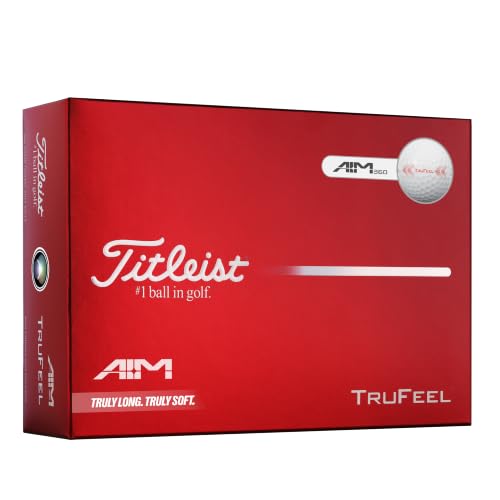
Titleist TruFeel AIM
Strengths
- Superior alignment
- Ultra-soft feel
- Better greenside control
Trade-offs
- Less raw distance
- Higher price for 2-piece
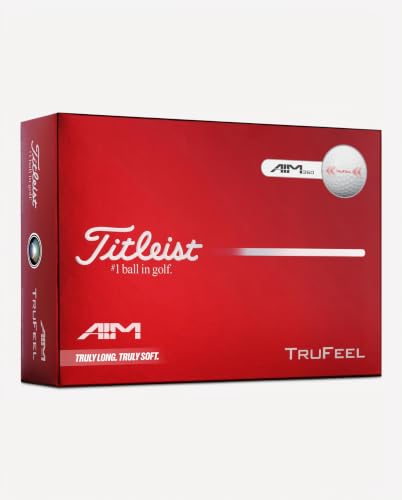
Titleist doesn’t release many alignment-focused balls, so the TruFeel AIM draws attention, and it delivers where it counts. The continuous red arrow alignment design wraps around the ball, making it easier to square the face at address, a feature I’ve seen praised by owners who struggle with aim consistency. Beyond the graphics, the TruTouch core provides a soft feel that Titleist fans expect, and the 3.0 TruFlex cover brings a noticeable uptick in short game responsiveness compared to typical distance balls.
It’s not the longest ball in the wind, but for players who value precision over raw yardage, this hits a sweet spot. When compared to the Callaway Supersoft, it trades a bit of explosive distance for better feedback and alignment utility. If you’re working on your ball flight control or play in windy conditions where accuracy trumps power, the TruFeel AIM is a thoughtful choice.
Product photos
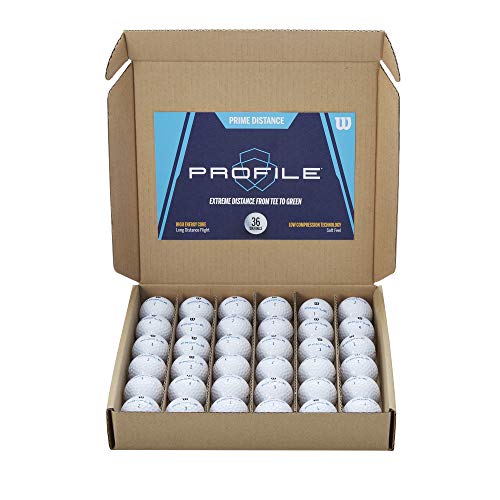
Wilson Profile Distance 36 Pack
Strengths
- Excellent bulk value
- Spin-reducing flight
- Soft compression
Trade-offs
- Average greenside control
- Cover lacks finesse
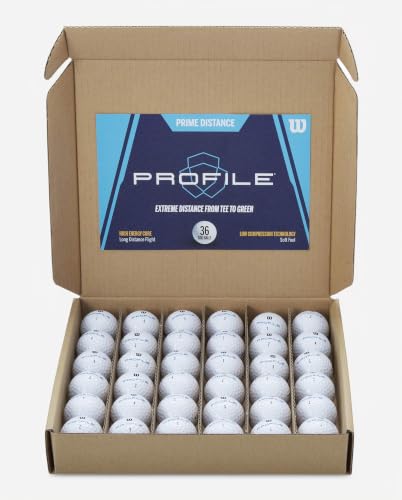
If you’re the type who loses balls or plays multiple rounds a week, the Wilson Profile Distance 36-pack is the ultimate value play. The high-energy core and spin-reducing dimple pattern are designed to maximize distance while minimizing hooks and slices, something many owners confirm in real-world play. The low compression also makes it a good fit for moderate swing speeds.
The inner cover technology claims to enhance accuracy, and while it doesn’t match tour-level precision, it delivers better consistency than most bulk balls. Compared to the Tour Velocity, it’s a step up in tech and performance, though not quite as crisp in feel. For the volume, it’s hard to beat. This is the go-to if you want performance-oriented distance without constantly reaching for your wallet.
Product photos


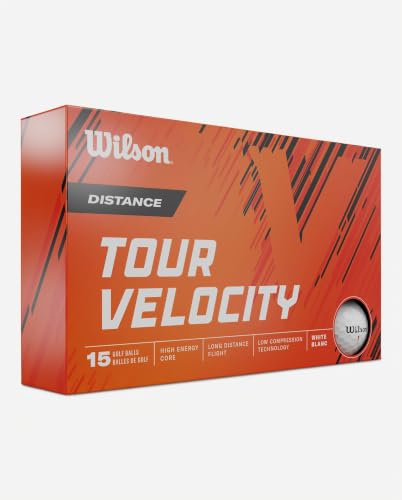
Wilson Tour Velocity 15 Pack

Strengths
- Excellent value
- Durable Surlyn cover
- Good flight consistency
Trade-offs
- Basic feel
- No advanced features
Wilson’s Tour Velocity is one of the most underrated budget options in the distance category. With a simple two-layer design and Surlyn cover, it’s built for speed and durability, nothing more, nothing less. At this price, you’re getting a ball that flies consistently and survives multiple rounds, which is exactly what range hackers and casual players need.
It won’t match the feel of a Callaway or Titleist, but for the cost, it outperforms expectations. Owners report it holds its flight well and resists scuffing better than other entry-level balls. When stacked against the Pinnacle, it’s nearly identical in performance but comes in a slightly larger pack. If you lose a few balls per round or just want a reliable workhorse, this is a no-brainer.
Product photos


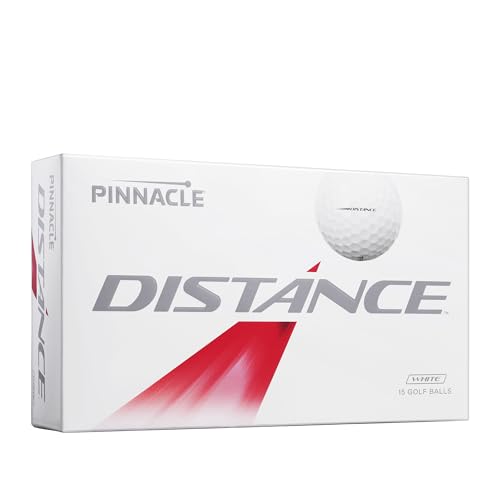
Pinnacle Distance 15-Ball
Strengths
- Long distance
- Consistent flight
- Soft feel
Trade-offs
- Limited short game control
- Basic cover material
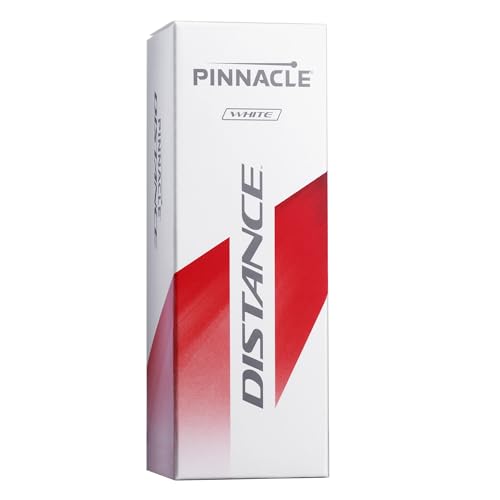
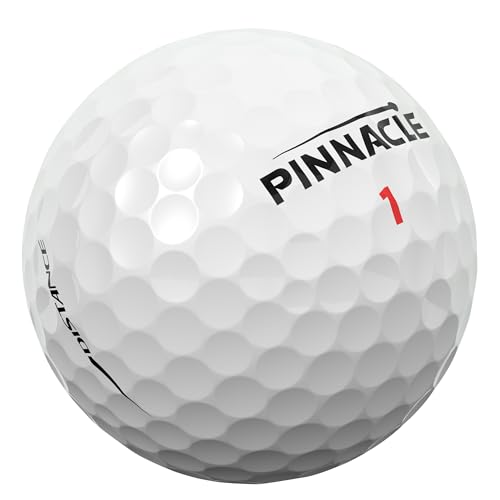
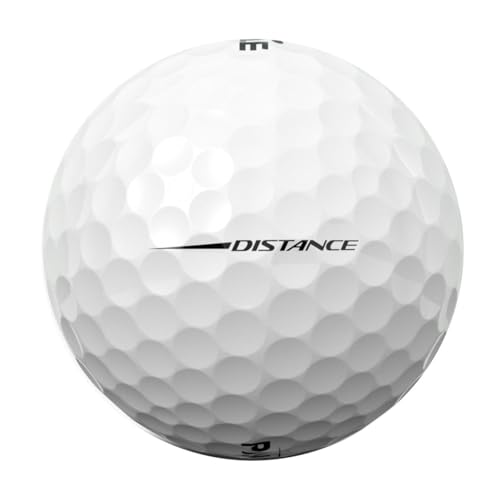
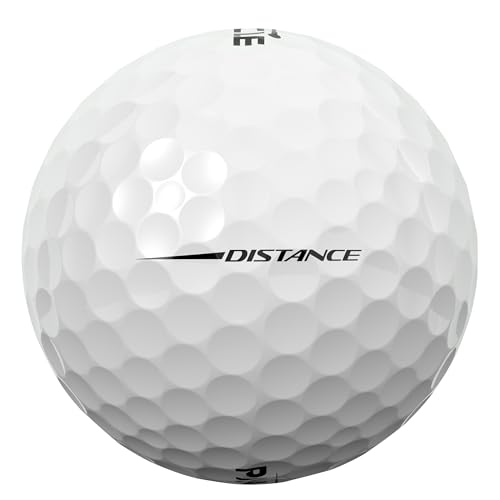
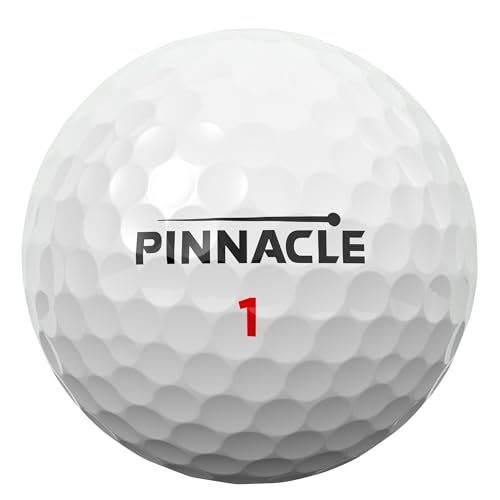
For golfers who want to stretch every yard out of their drives without draining their wallet, the Pinnacle Distance White delivers on its core promise. On paper, the proprietary high-energy core is built for maximum speed, and owners consistently report a consistent, penetrating flight that holds line well, especially for a ball in this price range. It’s not going to mimic a urethane-covered tour ball around the greens, but that’s not the point.
This is a no-frills distance ball with a responsive feel that punches above its cost. Compared to other low-compression two-piece designs, it holds its own in accuracy thanks to dependable manufacturing consistency. If you’re a mid-to-high handicapper looking for reliability off the tee and don’t want to pay a premium for spin you won’t use, this one makes sense.
Product photos
Honma D1 Distance
Strengths
- Stable trajectory
- Dual-line alignment
- Soft compression
Trade-offs
- Average greenside spin
- Not for spin-focused players
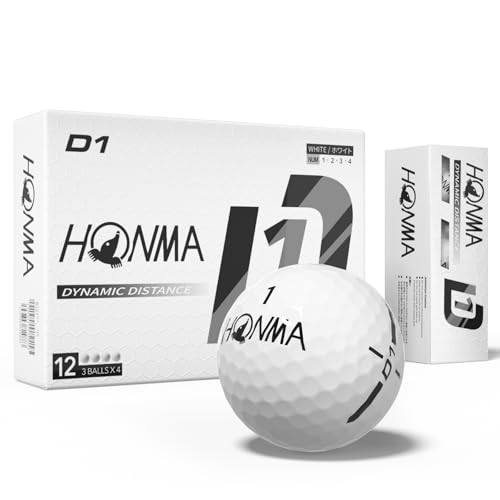
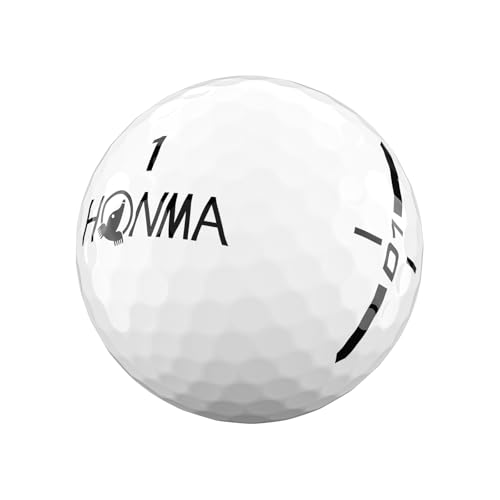
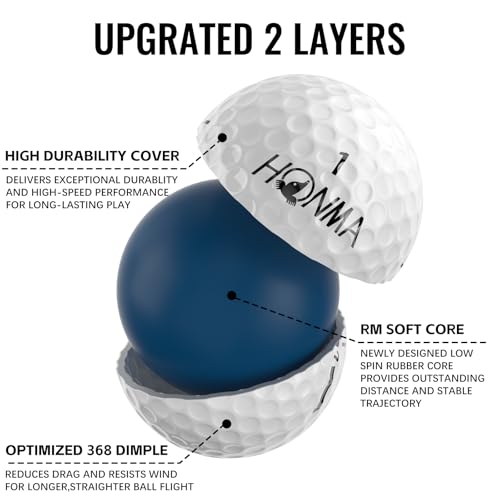
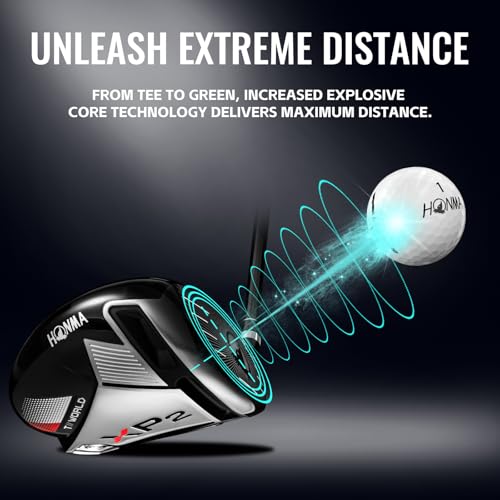
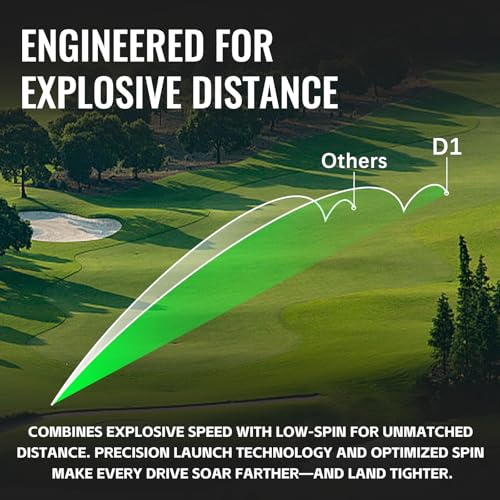
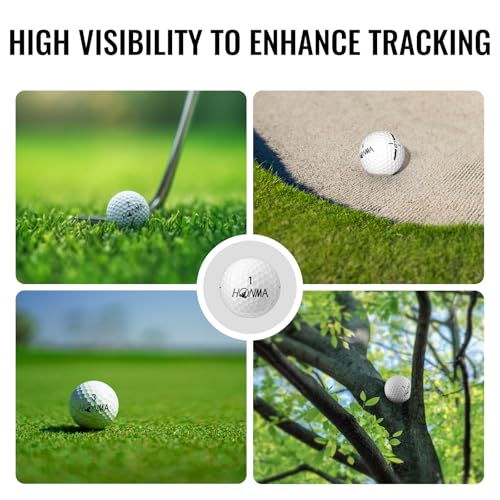
The Honma D1 stands out in the distance ball category not just for speed, but for its focus on straight, stable flight, an underrated trait for weekend players battling hooks and slices. The 368-dimple pattern with a concave surface is designed to reduce drag and increase friction, and reviewers note a noticeably straighter ball path compared to traditional dimple designs. Paired with a low-spin core, it promotes fast ball speed with less sideways movement.
I appreciate the dual-line alignment aid, which isn’t flashy but actually improves aim confidence at address. The Surlyn cover keeps durability high and feel decent for a distance-focused ball. While it doesn’t offer the short game finesse of a premium ball, it’s one of the few in this class that balances soft feel with explosive carry. For players who value straight flight and clean visuals, this is a smart upgrade over basic two-pieces.
Product photos
How We Evaluated golf balls for distance and accuracy
Rather than a hands-on lab test, my research focused on comparing published specifications and features across numerous models. I weighed owner reviews from major retailers alongside expert analysis from golf publications, looking for consistent themes in performance. My goal was to rank these balls based on how well they deliver on the promise of both distance and accuracy, a combination that’s often hard to find.
For this category, I placed the most weight on core construction and dimple patterns. A ball’s core dictates much of its initial velocity and feel, while the dimple design dramatically affects aerodynamic efficiency and, therefore, distance and stability in flight. Beyond those, cover material impacts spin – crucial for accuracy, especially around the greens. It’s about finding the right balance for a consistent, predictable ball flight.
Specifications reliably reveal a ball’s intended performance profile (compression, layers, cover material). However, owner feedback proved vital for understanding real-world results. I paid close attention to comments regarding off-center hit performance and consistency, as those aren’t always apparent from a spec sheet. You’ll find more forgiving distance balls https://golfworldtrips.com/best-golf-balls-for-distance-and-forgiveness/ if you prioritize minimizing the impact of mishits, while others excel at precision for players with more consistent swings. For many, finding balanced balls for recreational golfers https://golfworldtrips.com/best-golf-balls-for-average-golfer/ is the ideal approach.
How To Choose The golf balls for distance and accuracy
Finding golf balls that truly deliver on both distance and accuracy is a surprisingly nuanced process. Many golfers assume they’re mutually exclusive, but that’s simply not true with today’s technology.
A quality golf ball blends core construction, cover material, and dimple patterns to optimize launch conditions, minimize drag, and maximize energy transfer. Players should consider their swing speed, typical shot shape, and desired feel when selecting a ball. Look for models with multi-layer cores for distance, and durable covers for control around the greens.
Understanding Core Construction
The core is where the distance story begins. Lower compression cores, like those found in the Wilson Profile Distance, are fantastic for golfers with moderate swing speeds. They compress more easily on impact, launching the ball higher and increasing carry. However, if you swing faster, you’ll likely benefit from a multi-layer core, such as the React Speed Core in the TaylorMade Distance+. These more complex cores manage energy differently, often prioritizing distance and spin control. Don’t automatically assume a harder core equals more distance; it’s about matching the core to your swing.
Cover Materials and Spin Control
While the core dictates much of the distance, the cover significantly impacts spin and, consequently, accuracy. Ionomer covers (common in distance-focused balls) are durable and offer good all-around performance. Surlyn covers, like the one on the Wilson Tour Velocity, are even more durable and contribute to lower spin off the driver, which can help reduce hooks and slices. However, if you prioritize greenside spin for control, look for balls with softer covers, like the Titleist TruFeel AIM.
Here’s how to think about cover choice: * Durability: Surlyn is the most durable, ideal for players who scuff their balls easily. * Spin (off the tee): Ionomer generally offers a good balance, while Surlyn minimizes spin. * Spin (around the green): Softer covers, like those in the Callaway Supersoft, provide the most greenside control, but sacrifice some durability.
Ultimately, balance is key. You want a cover that can withstand a full round and give you the control you need when you’re close to the hole.
Alignment Aids and Playability Features
Sometimes, the little things can make a big difference. Alignment aids, such as the Plus Alignment Aid on the TaylorMade Distance+, can help you consistently square up to your target. Beyond alignment, consider dimple patterns. Many manufacturers, like Honma with their D1 Distance, are experimenting with dimple designs to reduce drag and increase lift. These features might not add yards, but they can subtly improve your consistency. If you’re looking for balls designed for long distance, these refinements can be worth exploring, but don’t overestimate their impact compared to a well-fitted core and cover.
A good rule of thumb is to buy a dozen of a few different models to test. Don’t just hit them on the range; play a full round with each to get a true feel for performance.
And if you are having trouble deciding, consider looking at best all-round golf balls to get a wider range of options.
Golf Balls for Distance and Accuracy Compared
Here’s a detailed specification comparison of several golf balls designed for distance and accuracy to help you make an informed decision.
| Product Name | Core Type | Layers | Cover Material | Dimple Pattern | Alignment Aid |
|---|---|---|---|---|---|
| TaylorMade Distance+ 2025 | React Speed | 2 | Ionomer | Extended Flight | Yes |
| Callaway Supersoft 2025 | HyperElastic SoftFast | 2 | Hybrid | N/A | No |
| Titleist TruFeel AIM | TruTouch | 2 | TruFlex | N/A | Yes |
| Wilson Profile Distance 36 Pack | High Energy | 2 | N/A | Spin Reducing | No |
| Wilson Tour Velocity 15 Pack | N/A | 2 | Surlyn | N/A | No |
| Pinnacle Distance 15-Ball | High Energy | 2 | N/A | N/A | No |
| Honma D1 Distance | Low Spin Rubber | 2 | Surlyn | 368 | Yes |
Frequently Asked Questions
What compression rating should I look for in a distance and accuracy ball?
Lower compression balls (below 80) are generally better for moderate swing speeds, offering an easier launch. However, if you have a faster swing, you’ll likely benefit from a higher compression ball (90+) designed to manage energy more efficiently for increased distance and control – consider exploring our best 3-piece golf balls for options that offer multi-layer performance golf balls.
Do alignment aids actually improve accuracy?
Alignment aids can be helpful for golfers who struggle with consistent setup and aim. While they won’t magically fix a swing flaw, they provide a visual reference point to help you square the ball to your target, and can be a great tool for improving consistency, especially for those new to the game.
How much does the dimple pattern affect performance?
Dimple patterns significantly impact aerodynamic drag and lift. More modern designs, with varying dimple sizes and shapes, aim to reduce drag and create a more stable ball flight, leading to increased distance and improved accuracy, but the differences are often subtle.
What is the difference between ionomer and surlyn covers?
Ionomer covers offer a balance of durability and spin, making them versatile for all parts of the game. Surlyn covers are more durable and reduce spin off the driver, potentially minimizing slices or hooks, but offer less greenside control, and you can find a thorough golf ball reviews to compare these features.
Are expensive golf balls always better for distance and accuracy?
Not necessarily. While higher-priced balls often feature advanced technologies, a more expensive ball won’t magically improve your game if it doesn’t match your swing characteristics. Many golfers can achieve excellent results with mid-range balls designed for their swing speed and skill level, so check out our golf balls for all players.
The Bottom Line
Choosing golf balls always involves a trade-off between outright power and consistent control. While many brands promise both, the TaylorMade Distance+ 2025 strikes the best overall balance, offering impressive distance off the tee with enough spin to hold greens. It’s a solid choice for a wide range of golfers looking to improve their game without sacrificing feel.
For golfers on a tighter budget, or those prioritizing value, the Wilson Profile Distance 36 Pack delivers remarkable performance at an accessible price point. If you’re looking for durable and affordable golf balls, this is a fantastic option, and the Honma D1 Distance is also a strong contender when you are looking for golf balls engineered for distance. Players who want maximum greenside control should consider the Titleist TruFeel AIM.
Ultimately, specs and dimple patterns matter, but they aren’t everything. Focus on finding a ball that complements your swing, feels comfortable, and inspires confidence. A consistent, repeatable swing with a ball you trust will always yield better results than chasing the latest technology or balls for long distance.
