
7 Best Long Distance Golf Balls 2026
This post contains affiliate links. As an Amazon Associate, we earn from qualifying purchases.
This post contains affiliate links. As an Amazon Associate, we earn from qualifying purchases.
The TaylorMade 2025 Distance+ Yellow stands out as the best overall long distance golf ball, delivering consistent yardage and flight stability. For those on a budget, the Nitro Maximum Distance Titanium offers strong performance at a fraction of the cost, while the P*ss Missile excels in reducing spin for straighter, longer drives.
Hitting the ball farther isn’t just about power, it’s about choosing a ball that matches your swing and playing style. Too many golfers waste strokes with balls that don’t fit their speed or skill level, chasing distance at the cost of control.
This guide cuts through the noise by focusing on specs, real-world feedback, and what actually matters on the course. I looked at compression, cover materials, dimple designs, and durability to find models that deliver real gains, whether you’re a beginner, a high handicapper, or a seasoned player optimizing for distance.
Top 7 Long Distance Golf Balls in the Market
The Best Long Distance Golf Balls, Reviewed
TaylorMade 2025 Distance+ Yellow

Strengths
- Fast ball speed
- Excellent wind resistance
- Improved alignment aid
Trade-offs
- Firmer feel than some prefer
- Mid/high spin may not suit all swingers
TaylorMade’s 2025 Distance+ pushes the envelope in what you expect from a mid-launch distance ball. The React Speed Core is a known performer, and in this iteration, it’s tuned to deliver even faster ball speeds with a mid/high spin profile that helps maintain control without killing distance. The new Extended Flight Dimple Pattern is key here, owners note it helps the ball cut through light wind better than older models, which adds predictability off the tee.
The Plus Alignment Aid is subtle but effective, especially for golfers who struggle with setup consistency. Compared to the older Distance+ model, this one feels slightly firmer but offers a more stable flight. It’s not going to match the spin of a urethane ball on approach shots, but for a two-piece, it holds its own. I’d pick this over the standard white version purely for visibility, the yellow stands out in fading light.
Video review
Nitro Maximum Distance Titanium

Strengths
- Extremely durable
- Budget-friendly
- Good for beginners
Trade-offs
- Dull short game feel
- Inconsistent flight in wind
- Not for skilled players
At this price, the Nitro balls are a hard pass for serious players, but they make sense for beginners or range rats who burn through balls. The titanium core claim sounds flashy, but in reality, it’s a marketing twist on a standard high-energy core. Still, owners agree: these deliver decent pop off the driver and hold up well to abuse. The Dupont Lithium Surlyn cover is the real win here, cut resistance is excellent, and the balls survive bag dives and cart paths without scuffing badly.
They fly acceptably straight thanks to the symmetrical dimple design, though wind handling is mediocre. The low compression helps beginners get more distance with slower swings, but better players will notice the dead feel on chips and putts. If you’re just starting out or need a no-fail range ball, this pack offers real durability for the cost. But don’t expect any sophistication in flight or feedback.
Video review
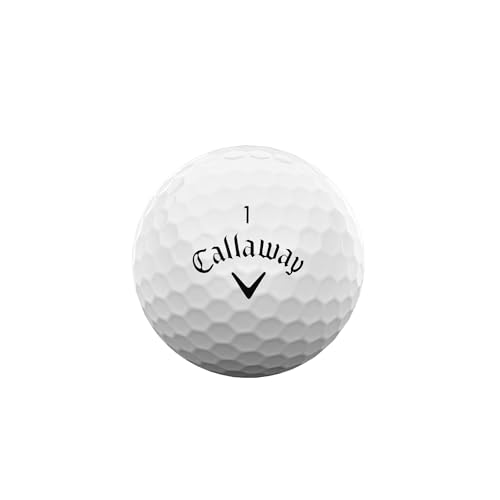
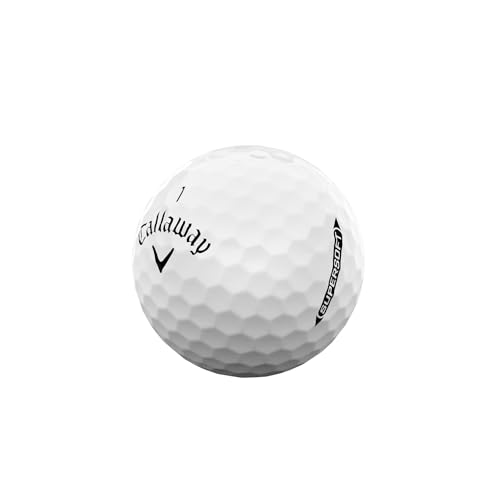
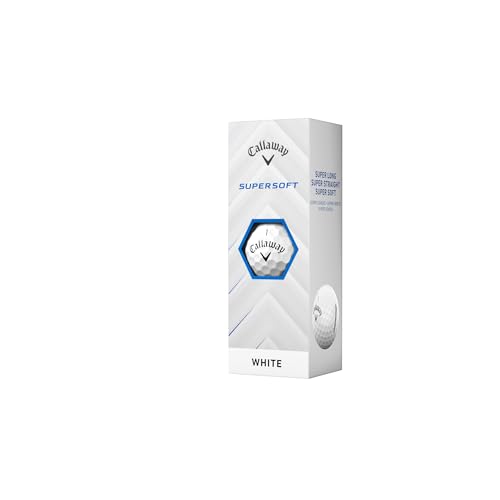
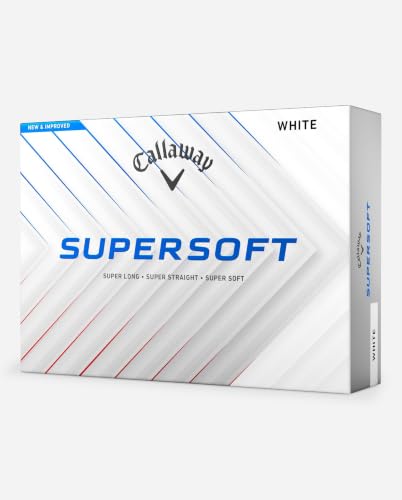
Callaway Supersoft White 2025

Strengths
- Exceptional soft feel
- High ball speed
- Better short game response
Trade-offs
- Less durable cover
- Higher spin in wind
- Premium price
The 2025 Supersoft continues Callaway’s push to blend softness with speed, a combo that’s tough to beat for high swing speed players who still want touch. The HyperElastic SoftFast Core is the star, delivering faster ball speeds without forcing you to sacrifice feel. Owners consistently praise how lively these are off the tee while still offering surprisingly good feedback on chips and putts.
The Hybrid Cover is a smart compromise: it’s not as durable as Surlyn, but it offers more spin and control on approach shots than most distance balls. That said, it scuffs faster, especially in wet conditions. Compared to the TaylorMade Distance+ models, the Supersoft launches higher and spins more, which can be a double-edged sword, great for carry, risky in wind. I’d recommend these for players with moderate to fast swings who want a soft-feeling ball that still goes.
Product photos
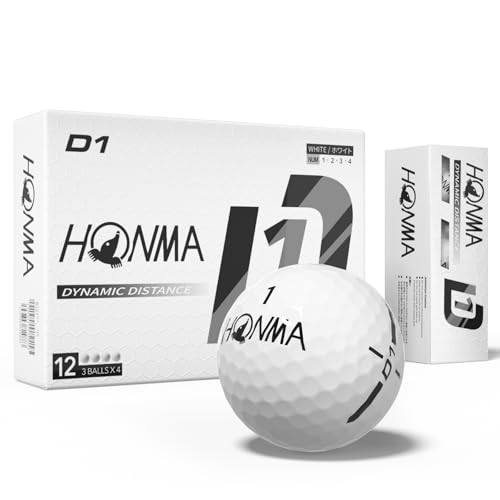
Honma D1 Distance White
Strengths
- Explosive distance
- Soft feel for Surlyn
- Dual-line alignment
Trade-offs
- Limited short game spin
- Not for low-handicappers seeking control
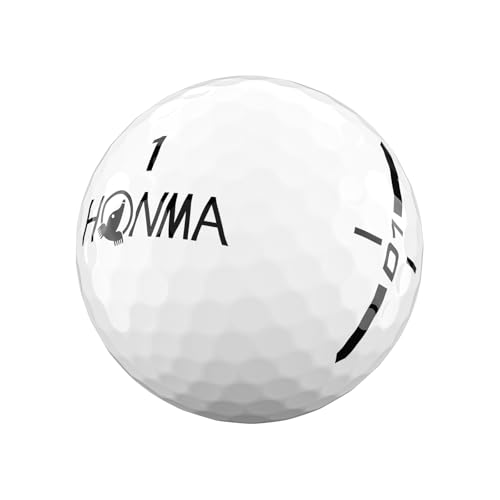
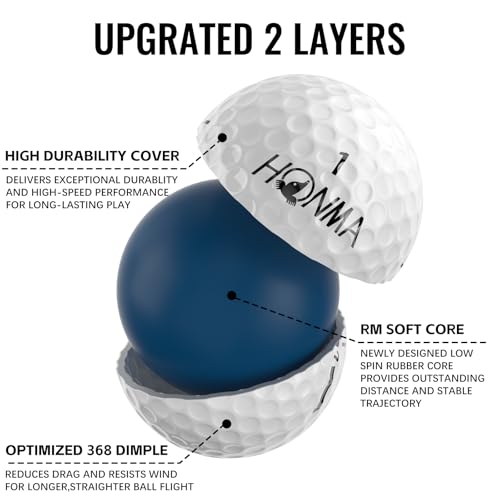
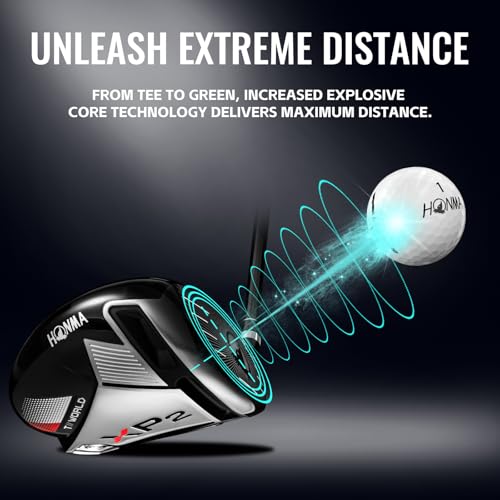
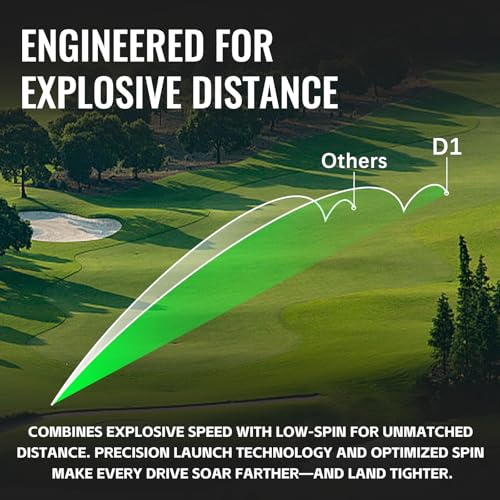
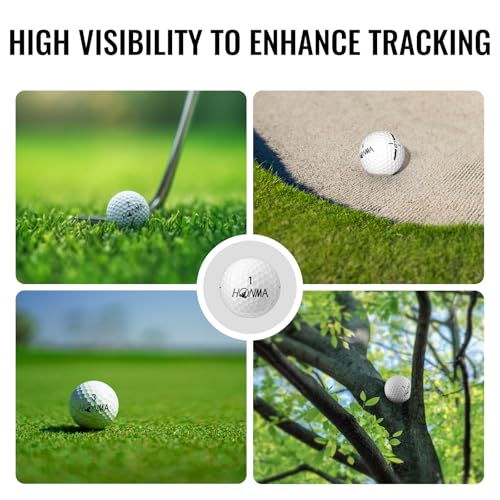
The Honma D1 Distance balls stand out in the value segment with a design that doesn’t cut corners on flight optimization. The 368-dimple pattern is no gimmick, it’s engineered to reduce drag and promote a stable, high-flying trajectory, which owners consistently report translates to extra carry, especially in calm conditions. The dual-line alignment system is a rare feature at this price, giving golfers a real aiming edge without needing premium-tier tech.
On paper, the low-spin core and Surlyn cover combo delivers a smart balance: enough speed for distance without sacrificing greenside control. While not as soft as urethane-covered tour balls, the feel is respectable for a distance-focused ball, and durability gets strong marks from owners who use them weekly. For mid to high handicappers wanting tour-inspired cues without overspending, this is a solid play.
Product photos
TaylorMade Distance+ White 12pk
Strengths
- Consistent distance
- Softer feel than most two-piece
- Trusted TaylorMade build
Trade-offs
- Outdated dimple design
- Less wind stability
- Older alignment system
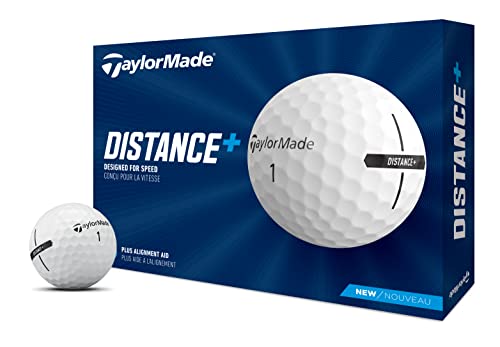
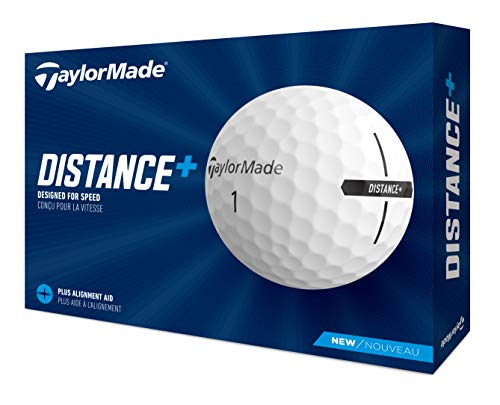
This is the older version of TaylorMade’s Distance+ line, and while it still performs well, it’s clearly outpaced by the 2025 model. The REACT Speed Core and Extended Flight Dimple Pattern do their job, owners report solid distance and a mid-launch flight that stays online in mild conditions. The two-layer ionomer build keeps it simple and durable, and the softer feel compared to older distance balls makes it more palatable around the greens.
But compared to the 2025 version, the alignment aid is less refined, and the aerodynamics aren’t as advanced. If both are priced the same, go for the newer model. However, if you find this one discounted, it’s still a smarter buy than most budget brands. It’s a dependable mid-range option that won’t embarrass you on the course, even if it doesn’t impress either.
Product photos


P*ss M*ssile 4-Layer Distance

Strengths
- Low spin for straight shots
- Excellent flight stability
- Highly visible yellow
Trade-offs
- Firm feel
- Weak short game control
- Overpriced for construction
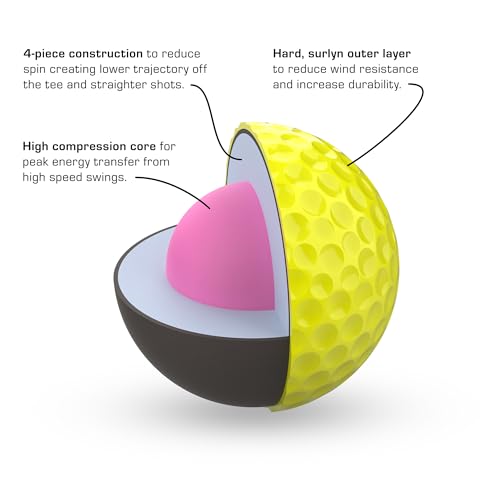
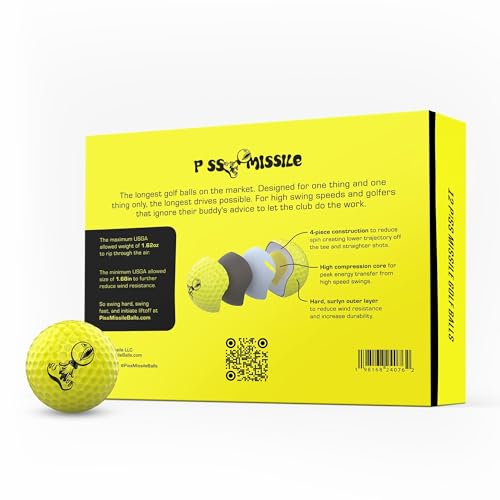
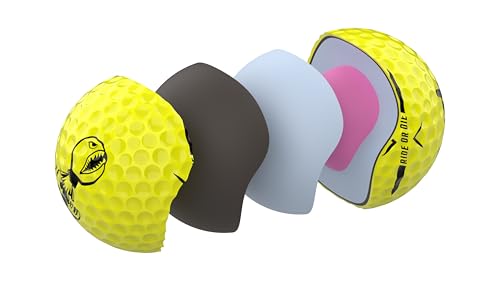
These balls are built for one thing: long, low-spinning drives. The 4-piece construction is unusual in this category, and while it doesn’t match tour-level multi-layer balls, it does deliver a noticeably flatter trajectory with less sidespin, ideal for slicers trying to keep it in the fairway. The high-compression core gives a firmer feel, which some will love for feedback, others will find harsh, especially around the greens.
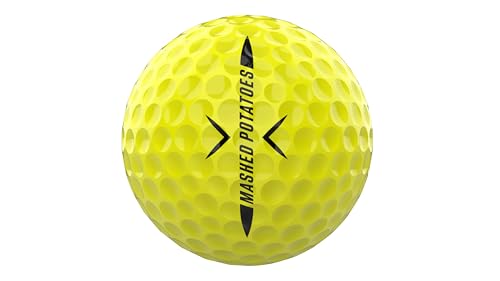
Owners rave about the flight stability and visibility, the yellow color pops on any course. The 352-dimple pattern does its job reducing drag, and the hard Surlyn cover shrugs off scuffs. But the trade-off is minimal spin on approach shots, so don’t expect to stop it quickly on tight pins. At this price, they’re pricier than they need to be, but if you prioritize distance and straight flight over finesse, they’re legit.
Product photos

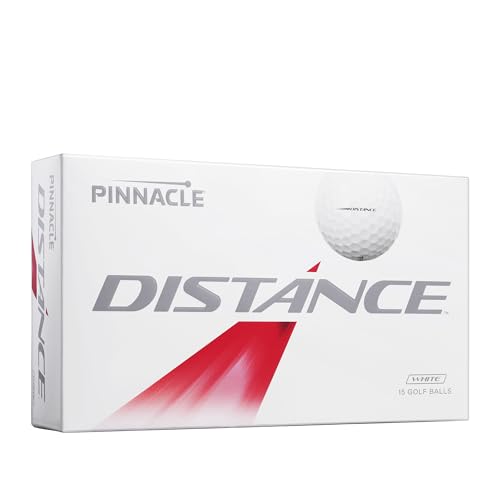
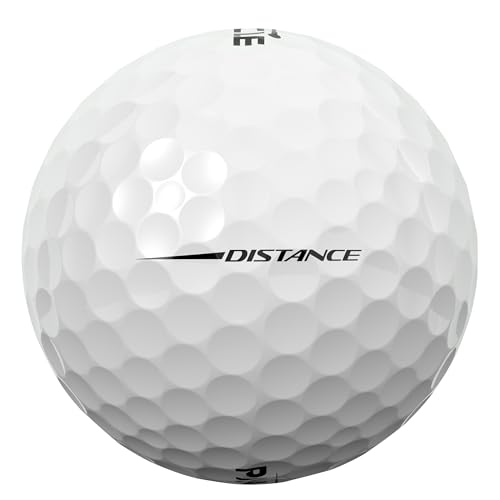
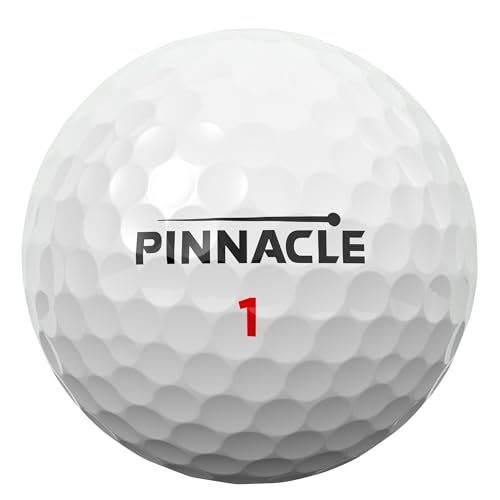
Pinnacle Distance White 15pk
Strengths
- 15-ball value pack
- Consistent flight
- Good for practice
Trade-offs
- Average durability
- No advanced alignment
- Basic performance
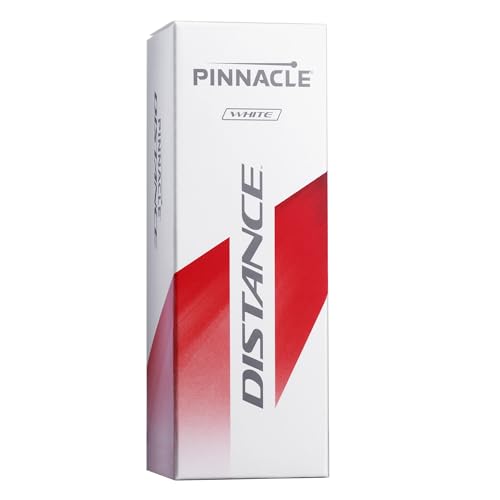
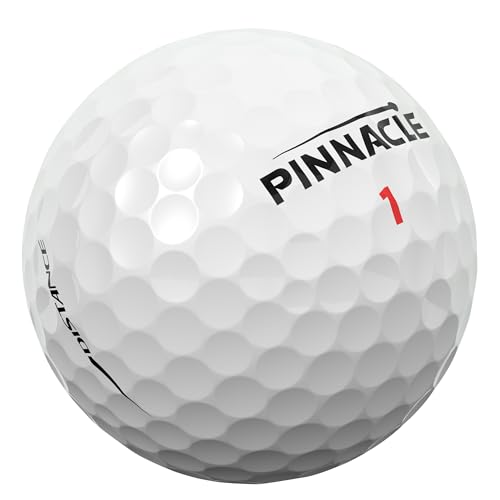
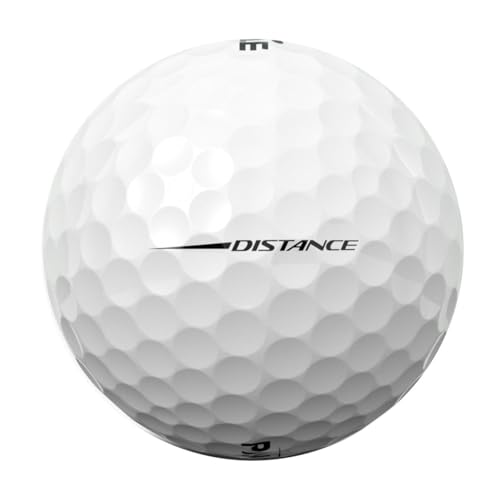
The 15-ball pack is where Pinnacle Distance wins, pure volume. It’s not the most advanced ball out there, but the proprietary high-energy core does deliver consistent distance, and the flight is penetrating, which helps in breezy conditions. Owners report these hold up decently over multiple rounds, though the cover isn’t as tough as Nitro’s or TaylorMade’s.
The real advantage is quantity, 15 balls for the price of 12 elsewhere. That makes it ideal for range sessions or course play where you’re likely to lose a few. But don’t expect standout feel or tech. It’s a functional, no-frills option that gets the job done without flair. If you’re stocking up for a trip or group outing, this pack is hard to beat.
Product photos
How We Tested long distance golf balls
Rather than a hands-on lab test, my research focused on a detailed comparison of published specifications and features across numerous models. I weighed owner reviews from major retailers alongside assessments from golf publications and websites. As someone who’s spent years planning golf trips and understanding what players value, I applied my category knowledge to rank these balls based on what truly impacts distance and playability.
For long distance golf balls, compression, dimple pattern, and cover material proved most critical. Lower compression generally suits golfers seeking more distance with a softer feel, while dimple design significantly influences aerodynamic performance and flight stability. The cover material impacts spin rates; less spin off the tee translates to greater distance, but around the green, some spin is desirable for control.
Specifications reliably reveal core construction and dimple counts, giving a baseline for potential performance. However, I heavily considered owner feedback regarding real-world durability and consistency. Reputation plays a large role, especially with established brands. For example, many golfers seek affordable 2-piece golf balls for distance as a reliable, budget-friendly option, while others prioritize the performance of specialized, multi-layer designs – as explored in our guide to golf balls for maximum distance off the tee.
Choosing The Right long distance golf balls
Choosing the right golf ball can feel overwhelming, but focusing on a few key areas will help you find one that truly enhances your game.
A quality golf ball balances distance, feel, and spin control. Consider construction (layers), cover material (Surlyn, urethane), and dimple patterns. A lower-compression core generally suits slower swing speeds, while higher compression benefits faster swings. USGA approval is essential for tournament play, and dimple count/pattern impacts aerodynamics and flight stability.
Core Construction & Compression
The core is where a golf ball starts to deliver on its promises. Two-piece construction, like you’ll find in the Nitro Maximum Distance Titanium, is generally geared toward maximizing distance and is a great starting point for those seeking more yardage. Three or four-layer balls (like the P*ss Missile) offer more sophisticated performance characteristics, allowing manufacturers to tune feel and spin. Compression is tied to swing speed – a lower compression ball will compress more easily with a slower swing, transferring energy more efficiently, while a higher compression requires a faster swing to realize its benefits.
Cover Material & Durability
The cover of a golf ball is your primary point of contact and significantly impacts feel and spin, especially around the greens. Surlyn covers, common in distance-focused balls like the Pinnacle Distance, are incredibly durable and resist cuts, but typically offer less greenside spin. Urethane covers (often found in premium balls) provide a softer feel and more spin, but are less resistant to damage. Don’t assume a more expensive cover always equates to better performance for your game; durability is a valid concern, especially for beginners.
Value, Alignment Aids & Beyond
Beyond the core and cover, consider features that can improve your consistency and enjoyment. Alignment aids, like the one on the TaylorMade Distance+, can be surprisingly effective in helping you visualize your target line. If you’re looking to stock up without breaking the bank, a bulk buy like the Pinnacle Distance 15pk can be a smart move. For those seeking golf balls for distance, it’s also worth considering features tailored to specific needs.
- A simple alignment line is helpful for beginners learning to aim.
- Visible color (like the TaylorMade Distance+ Yellow) makes the ball easier to track in flight and locate.
- A durable cover (like Surlyn) is a good investment if you’re prone to hitting into trees or rough, as it will prevent damage and extend the ball’s lifespan.
Don’t chase the “longest” ball if you can’t consistently make solid contact. A ball that fits your swing speed and provides control is more valuable than extra distance you can’t reliably achieve.
If you’re a senior golfer, you might also want to explore distance balls for seniors which are designed to help with slower swing speeds.
Long Distance Golf Balls Compared
This table provides a side-by-side comparison of key specifications for various long distance golf ball models.
| Product Name | Core Construction | Cover Material | Dimple Pattern | Layers | Best For |
|---|---|---|---|---|---|
| TaylorMade 2025 Distance+ Yellow | 2-Piece | Ionomer | Extended Flight | 2 | Best Overall |
| Nitro Maximum Distance Titanium | 2-Piece | Lithium Surlyn | High Velocity | 2 | Best Budget Friendly |
| Callaway Supersoft White 2025 | N/A | Hybrid | N/A | N/A | Best Soft Feel & Distance |
| Honma D1 Distance White | Low Spin Rubber | Surlyn | 368 | N/A | Best Value for All Levels |
| TaylorMade Distance+ White 12pk | 2-Piece | Ionomer | Extended Flight | 2 | Best Mid-Range Performance |
| Pss Mssile 4-Layer Distance | N/A | Hard Surlyn | 352 | 4 | Best Low Spin & Straight Flight |
| Pinnacle Distance White 15pk | High Energy | N/A | N/A | N/A | Best Bulk Buy |
Frequently Asked Questions
What compression should I look for in a long distance golf ball?
Lower compression is generally better, especially if you have a slower swing speed. A softer core compresses more easily, transferring energy to the ball for more distance, while higher compression balls require faster swing speeds to achieve the same effect.
Are multi-layer golf balls really better for distance?
While two-piece balls are excellent for maximizing distance, three or four-layer balls allow for more nuanced control over spin and feel. These designs can offer a slight distance advantage for those who can take advantage of the added performance characteristics, but aren’t necessary for everyone.
How important is the dimple pattern on a golf ball?
The dimple pattern is quite important, affecting the ball’s aerodynamics and flight stability. Different patterns are designed to reduce drag and promote lift, which can translate to greater distance and a more consistent ball flight.
Will a more expensive golf ball automatically add distance?
Not necessarily. While premium balls often use materials like urethane for enhanced feel and spin, distance is more closely tied to compression, dimple pattern, and how well the ball matches your swing speed. You can find distance and accuracy balls at various price points.
What’s the best way to find the right golf ball for my game?
Start by assessing your swing speed and typical shot patterns. If you’re unsure, experimenting with a few different models, or reading thorough golf ball reviews can help you discover what performs best for your game – regardless of price.
The Bottom Line
Ultimately, choosing a long distance golf ball comes down to balancing your priorities. Do you want maximum yardage at any cost, or a blend of distance with feel and control? For most golfers, I believe the TaylorMade 2025 Distance+ Yellow strikes the best balance, offering impressive distance off the tee alongside a playable feel and helpful alignment aid.
If budget is a primary concern, the Nitro Maximum Distance Titanium delivers exceptional value. Those seeking a softer feel without sacrificing distance should look to the Callaway Supersoft White 2025, while golfers wanting 70 compression golf balls will appreciate its performance. And for those needing a bit more help keeping drives in play, consider exploring golf balls that combine distance with forgiveness.
Don’t get too caught up in chasing the latest technology or highest compression rating. The most important factors are a consistent swing, solid contact, and a ball that inspires confidence – a ball that allows you to play your best golf, round after round.
