
4 Best Golf Balls for Older Golfers 2026
This post contains affiliate links. As an Amazon Associate, we earn from qualifying purchases.
This post contains affiliate links. As an Amazon Associate, we earn from qualifying purchases.
The best golf ball for older golfers is the Callaway Supersoft Golf Balls 2025, offering a perfect mix of distance, feel, and forgiveness at a reasonable price. For those on a tighter budget, the TaylorMade Distance+ delivers strong performance with an alignment aid that helps keep shots on track. If you’re willing to invest more for premium control, the Titleist Pro V1 remains a top-tier choice.
Choosing the right golf ball as you age isn’t about chasing the longest drive, it’s about consistency, feel, and maximizing what your swing delivers today. Many mature golfers struggle with losing ball speed, but the right ball can help you maintain distance without sacrificing short-game control.
This guide cuts through the noise by focusing on specs, real owner feedback, and what actually matters on the course. I looked for balls that deliver soft feel, reliable spin, and durable performance, key traits that support smarter, more enjoyable golf as you get older.
Top 4 Golf Balls For Older Golfers in the Market
The Best Golf Balls For Older Golfers, Reviewed
Callaway Supersoft Golf Balls 2025

Strengths
- Very soft feel
- Good distance for slow swings
- Durable hybrid cover
Trade-offs
- Mid-level spin around greens
- Not for high-swing-speed players
Callaway’s 2025 Supersoft model continues the legacy of being one of the most accessible high-performance balls for older players, blending a soft feel with surprisingly strong ball speed. The HyperElastic SoftFast Core is designed to promote faster clubface separation with less effort, a big plus for those with declining swing velocity. Owners praise its low compression for reducing hand vibration, and the Hybrid Cover strikes a smart balance between durability and greenside control.
It doesn’t spin like a Pro V1, but it’s noticeably better than basic two-piece balls when chipping or holding a green on approach shots. In head-to-head comparisons with the TaylorMade Distance+, the Supersoft offers a softer feel and slightly better short-game response. For the golfer who wants a well-rounded ball that doesn’t punish slower swings, this is the most complete package in the mid-price range.
Video review
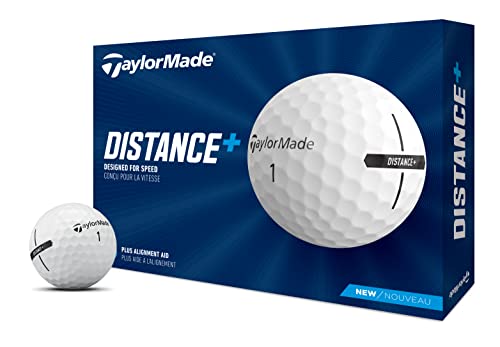
TaylorMade Distance+ Golf Balls
Strengths
- Explosive ball speed
- Affordable price
- Alignment aid
Trade-offs
- Limited short-game spin
- Firmer feel than urethane balls
If you’re an older golfer looking to squeeze every yard out of your drive without paying a premium, the TaylorMade Distance+ delivers exactly what the name promises, distance, plain and simple. The REACT Speed Core and Extended Flight Dimple Pattern are engineered to reduce drag and stay airborne longer, and reviewers frequently note they see measurable gains off the tee compared to standard two-piece balls. The ionomer cover keeps costs down, but it also means you’ll sacrifice some greenside spin and softness.
It’s a no-frills ball, but that’s the point. The alignment aid on the side is a thoughtful touch that helps with setup on putts and drives, a small detail that can make a difference for aging players who value consistency. When stacked against pricier urethane-covered models, it won’t match them in feel, but for weekend rounds where distance is the goal, it’s hard to beat the value.
Video review
Titleist Pro V1 Golf Balls

Strengths
- Soft feel
- High short-game spin
- Consistent flight
Trade-offs
- Expensive
- Harder to compress for slower swings
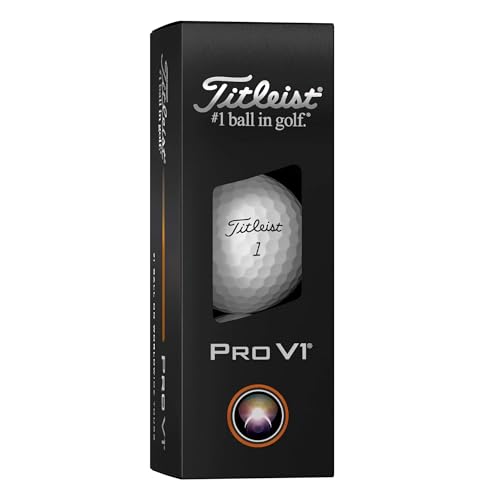
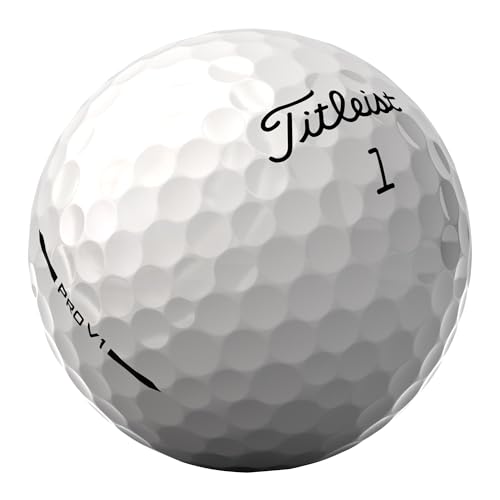
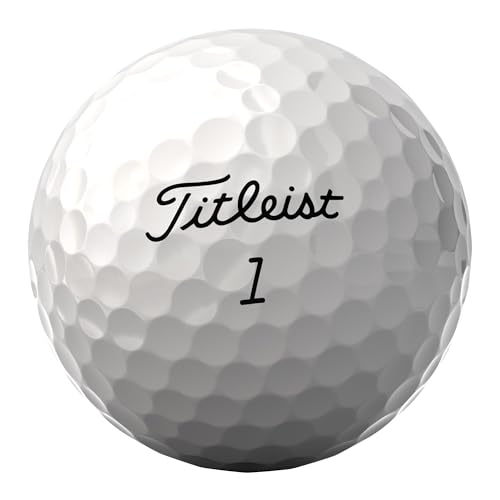
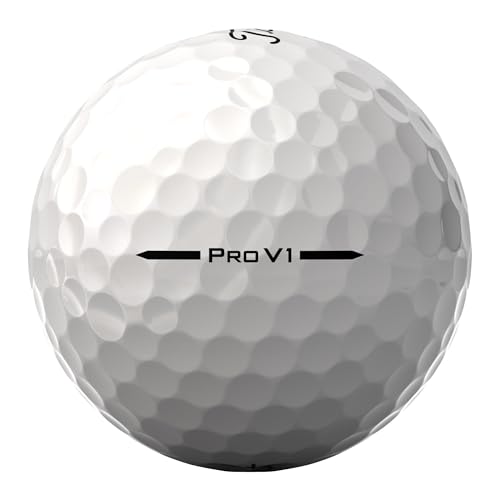
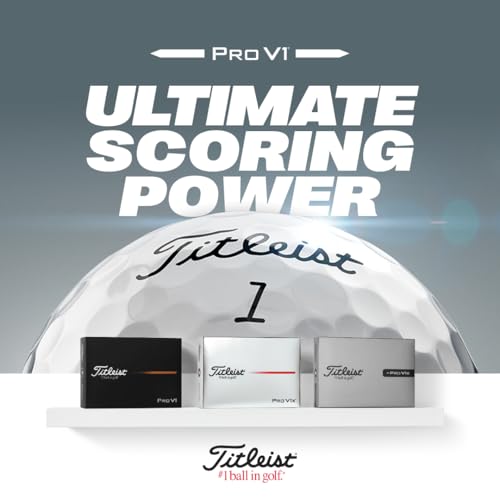
The Pro V1 has long been a benchmark in golf ball performance, and it still sets the standard for players who demand precision, feel, and consistency from tee to green. On paper, the high-gradient core and 388-dimple design promise a flatter trajectory with less long-game spin, which can help older golfers who struggle with excess backspin off the driver. Owners consistently report that the soft cast urethane cover delivers exceptional feedback on chips and putts, making it easier to control touch around the greens.
Compared to the Pro V1x, this model flies lower and offers a softer feel, which many aging players prefer for shot shaping and comfort. While it’s one of the pricier options, its performance across all clubs justifies the cost for those who play frequently and value scoring control. That said, it’s not the easiest ball to compress for players with slower swing speeds.
Product photos
Vice Pro Plus Gold Golf Balls

Strengths
- Premium urethane cover
- High short-game spin
- Strong value for performance
Trade-offs
- Less soft than low-compression balls
- Not ideal for very slow swings
The Vice Pro Plus Gold is the kind of ball that makes you wonder why more people aren’t playing it. It uses a thin cast urethane cover, typically found in balls costing twice as much, which delivers excellent greenside bite and a soft, responsive feel that rivals the Titleist Pro V1. On paper, it’s built for golfers who want tour-level spin separation: low off the driver, high on wedges. Owners consistently report it holds greens better than expected for the price.
It’s a direct challenger to the Pro V1, offering nearly the same performance at a noticeably lower cost. The trade-off? Brand prestige and availability. But if you’re an older golfer who still wants to shape shots and control approaches without overspending, this is the smarter buy. It’s not as soft as the Callaway Supersoft, so feel-sensitive players should test both.
Product photos


How We Evaluated golf balls for older golfers
Rather than a hands-on test, my research focused on comparing published specifications and features across numerous models. I weighed owner reviews from major retailers against expert opinions found in golf publications, applying my experience with what golfers prioritize on different courses. The goal was to identify balls consistently praised for characteristics that benefit mature players, and rank them accordingly.
For golfers seeking more distance and forgiveness, compression and cover materials are critical. I gave significant weight to balls with lower compression – around 70 – because these generally provide more feel and energy transfer at slower swing speeds. Equally important was the cover’s ability to generate spin around the greens, as maintaining control is key when distance isn’t the only concern; you can learn more about low compression balls.
Specifications reliably reveal core construction and cover materials, indicating potential performance characteristics. However, owner feedback proved vital in assessing real-world feel and durability. Reputations matter; brands known for consistent quality (like Titleist and Callaway) carried additional weight, but value-focused options like TaylorMade and Vice were considered if reviews highlighted strong performance for the price, and especially for golf balls for senior distance.
Choosing The Right golf balls for older golfers
Choosing golf balls can feel overwhelming, but as someone who spends a lot of time thinking about optimizing a golfer’s experience, I’ve seen how the right ball really can make a difference – especially as we age.
A quality golf ball for mature players prioritizes feel and consistency over raw distance. Look for lower compression cores designed to transfer energy efficiently on moderate swing speeds, durable covers that maintain spin in cooler weather, and visible markings to aid alignment. Construction (piece count), cover material, and dimple patterns all contribute to performance.
Compression is Key
As we lose swing speed, compression becomes paramount. A lower compression ball – generally anything under 80 on the compression scale – will compress more easily on impact, giving you more energy transfer and, ultimately, more distance. Don’t get hung up on chasing the highest compression ball like the pros use. You’ll actually lose energy if you can’t compress the ball properly. I often see golfers trying to swing at the ball to get distance, when a softer ball allows for a smoother, more controlled swing. This is why many golf balls for older players are designed with lower compression cores.
Understanding Cover Materials
The cover is what interacts with your clubface, and it heavily influences spin. Older golfers often benefit from a softer cover, typically urethane, as it provides more feel and control around the greens. Ionomer covers are more durable and affordable, but they generally offer less spin. Don’t assume urethane automatically equals better; consider your short game.
- If you struggle with consistency on approach shots, a urethane cover can help.
- If durability is a major concern (you slice frequently or play on hard courses), an ionomer blend might be more practical.
- For many, a blend of both materials offers a good compromise, providing both feel and longevity without a huge price increase.
Distance vs. Control: Finding the Balance
It’s tempting to equate distance with a good golf ball, but control is arguably more important as we age. Losing distance is a natural part of the game, but losing control is far more frustrating. A ball that offers a good blend of distance and control will help you keep the ball in play and score better. Many golfers also find alignment aids helpful. Consider balls like the TaylorMade Distance+ with its alignment line; keeping your line true is crucial when you’re also working on maximizing your swing with best drivers for seniors.
A good rule of thumb: prioritize consistency over chasing marginal gains in distance. A ball you can reliably control is worth far more than a few extra yards off the tee.
Golf Balls for Older Golfers Compared
Here’s a comparison of key specifications for golf balls designed with older golfers in mind.
| Product | Construction | Cover Material | Core Type | Feel | Spin |
|---|---|---|---|---|---|
| Callaway Supersoft Golf Balls 2025 | Two-Piece | Hybrid | HyperElastic SoftFast | Soft | Mid |
| TaylorMade Distance+ Golf Balls | Two-Piece | Ionomer | REACT Speed | Soft | Mid/High |
| Titleist Pro V1 Golf Balls | Three-Piece | Urethane | High Gradient | Soft | High |
| Vice Pro Plus Gold Golf Balls | Three-Piece | Cast Urethane | N/A | Soft | High |
Frequently Asked Questions
What compression rating should I look for in a golf ball?
Generally, a compression rating of 70 to 80 is best for slower swing speeds. Lower compression allows for greater energy transfer, helping you achieve more distance and feel with less effort. Don’t assume higher compression automatically means better performance; it requires a faster swing to properly compress the ball.
Are more expensive golf balls always better for seniors?
Not necessarily. While premium balls with urethane covers offer superior feel and spin, a well-made two-piece ball can provide excellent distance and durability at a lower price point. Consider prioritizing a ball that fits your swing speed and skill level over simply spending more.
Will a softer cover material really help my short game?
Yes, a softer urethane cover provides more friction and grip on the clubface, resulting in increased spin and control around the greens. This is especially valuable as swing speed decreases, as it allows you to maintain stopping power even with less power. You might also want to check out golf balls for senior women designed for specific needs.
How important is the dimple pattern on a golf ball?
Dimple patterns influence ball flight and aerodynamics. Modern dimple designs are engineered to reduce drag and increase lift, which can translate to more distance and a more stable trajectory. While subtle, a well-designed dimple pattern can offer a noticeable advantage, especially in windy conditions.
Should I be using the same golf ball as my friends?
Not necessarily. The best golf ball is the one that performs best for your swing. Factors like swing speed, launch angle, and spin rate all influence how a ball will fly, so finding a ball that complements your individual game is crucial. Many golfers find that best all-round golf balls are a good starting point for experimentation.
The Bottom Line
Choosing golf balls always involves a trade-off between chasing distance and maintaining control, and for mature golfers, that balance shifts noticeably toward consistency. While many options promise extra yards, I believe the Callaway Supersoft Golf Balls 2025 strike the best overall balance, offering a soft feel, good spin, and reliable performance without demanding a huge swing speed. They’re a solid choice for most players looking to enjoy their game.
If you’re specifically seeking a budget-friendly option, the TaylorMade Distance+ Golf Balls deliver excellent value. For golfers who prioritize feel and spin above all else, and aren’t overly concerned about price, the Vice Pro Plus Gold Golf Balls are a fantastic premium pick. And don’t overlook options like Bridgestone balls for seniors if you’ve had good experiences with that brand in the past.
Ultimately, the best golf ball is the one that inspires confidence. Don’t get bogged down in chasing the latest technology or highest compression. Focus on finding a ball that feels good coming off your clubface, provides enough spin for your short game, and helps you keep the ball in play. A ball offering golf balls for distance and forgiveness is a great place to start.
