
8 Best 70 Compression Golf Balls of 2026
This post contains affiliate links. As an Amazon Associate, we earn from qualifying purchases.
This post contains affiliate links. As an Amazon Associate, we earn from qualifying purchases.
The Titleist Tour Soft stands out as the best overall 70 compression golf ball, delivering a premium soft feel and reliable performance. For those on a budget, the Srixon Soft Feel offers impressive value without sacrificing too much quality, while the Srixon Q-Star Tour 6 is the top pick for players wanting more spin and control around the greens.
Golfers often waste money on balls that don’t match their swing speed or skill level, especially when they assume lower compression automatically means better performance. The reality is, the right 70 compression ball should balance feel, flight, and control based on your actual game.
This guide cuts through the marketing noise. I compared specs, analyzed owner feedback, and evaluated performance traits like spin, durability, and distance to identify the best options. Whether you’re a beginner or an experienced player looking for a softer feel, these picks are backed by real data and designed to help you make a smarter choice.
Top 8 70 Compression Golf Balls in the Market
The Best 70 Compression Golf Balls, Reviewed
Titleist Tour Soft

Strengths
- Soft feel
- Good greenside spin
- Balanced flight
Trade-offs
- Premium price
- Not for high spin seekers
When you’re after a 70 compression ball that doesn’t sacrifice performance for softness, the Titleist Tour Soft stands out on paper and in owner feedback. It’s built around a larger, faster core that boosts ball speed while keeping compression low, ideal for moderate swing speeds who still want control. The thin Fusablend cover delivers noticeably crisp feedback around the greens, and the 346 dimple pattern does its job stabilizing flight, even in gusty coastal conditions common on links trips I’ve guided.
Compared to other soft-compression balls, this one feels more dialed in across the bag. Reviewers consistently report it holds approach shots better than expected, and the low driver spin helps reduce ballooning. I’d pick this over the Bridgestone e6 Soft for players who want a touch more responsiveness without going full tour-level firm.
Video review
Srixon Soft Feel

Strengths
- Very soft feel
- Good value
- Decent spin for price
Trade-offs
- Not for advanced players
- Average durability
The Srixon Soft Feel hits a sweet spot between affordability and performance, especially for players with slower to moderate swing speeds. The low-compression core makes it easy to launch, and the 338 Speed Dimple Pattern helps maintain flight stability without needing a pro-level strike. Owners love how soft it feels on putts and chips, and the thin cover actually delivers decent spin for an ionomer ball.
It doesn’t match the greenside aggression of the Q-Star Tour, but for the price, it’s remarkably capable. Compared to the Bridgestone e6 Soft, it offers better aerodynamics and slightly more feedback. For the average player, this is the smarter buy when budget matters.
Video review
TaylorMade Distance+
Strengths
- Maximum distance
- High launch
- Great value
Trade-offs
- Limited short game response
- Basic two-layer design
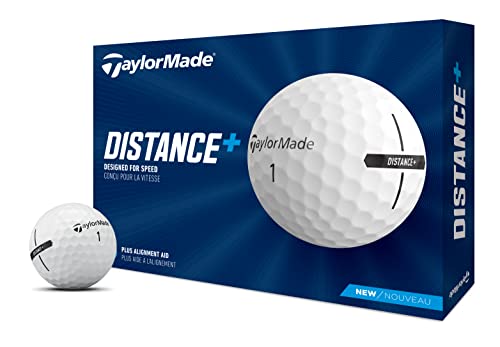
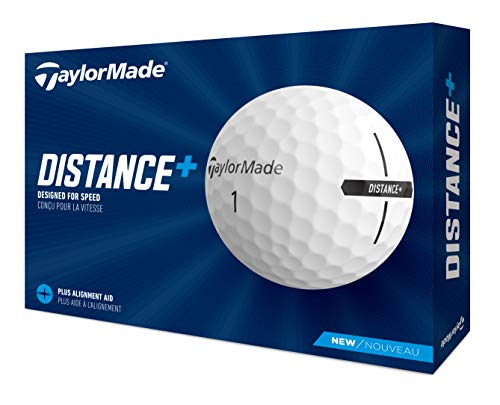
TaylorMade’s Distance+ is a no-frills, two-layer ball built for one thing: long carry and high flight. The REACT Speed Core and Extended Flight Dimple Pattern work together to keep the ball airborne, and owners confirm it outperforms many pricier options off the tee. It’s not designed for finesse, but for weekend players looking to squeeze every yard, it delivers.
Compared to the Honma D1, it’s nearly identical in performance and price, but the Honma’s dual-line alignment gives it a slight edge in setup clarity. The Distance+ feels a bit firmer than the Srixon Soft Feel, so players prioritizing touch may look elsewhere. But if you’re hitting it short and want instant yardage, this is a solid bet.
Product photos


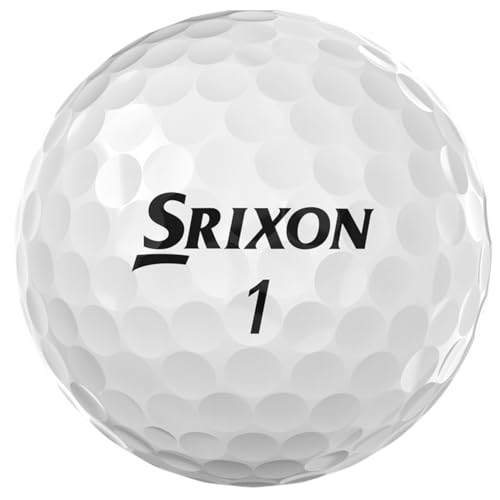
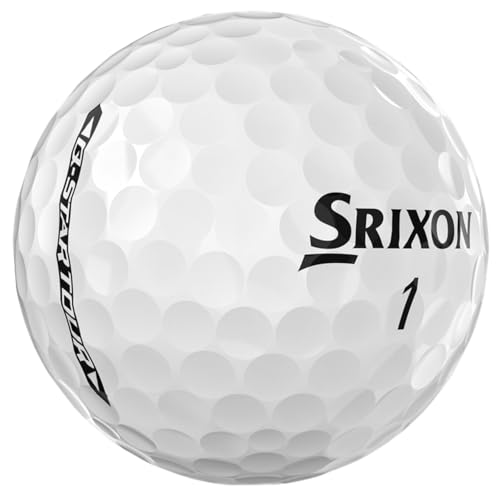
Srixon Q-Star Tour 6
Strengths
- Exceptional greenside spin
- Soft iron feel
- Eco-conscious cover
Trade-offs
- Premium price
- Spin fades on driver
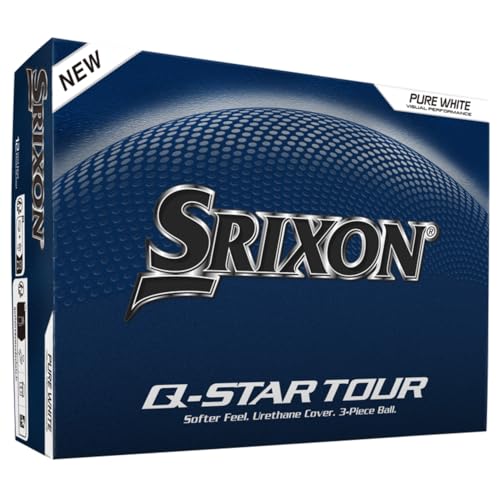
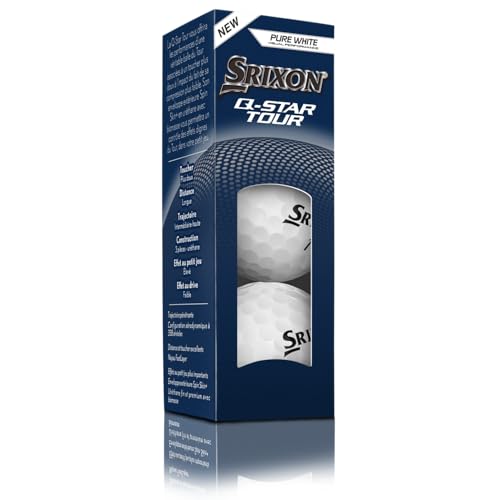
If greenside bite is your priority, the Q-Star Tour 6 is hard to ignore. The Spin Skin+ coating digs into wedge grooves more aggressively than most in this class, and owners consistently praise its stopping power on firm approaches. Paired with the FastLayer Core, it offers a pleasing blend of distance and soft feel, especially on iron shots. The biomass-based urethane cover is a subtle win for sustainability without sacrificing performance.
It’s nearly identical in compression to the Titleist Tour Soft but spins more on short irons. For players splitting time between resort courses and tighter parklands, that extra control pays off. I’d take this over the Vice Pro Plus if you play firm, fast greens often.
Product photos
Bridgestone e6 Soft

Strengths
- High launch
- Soft compression
- Smooth cover
Trade-offs
- Average spin control
- Mid-tier durability
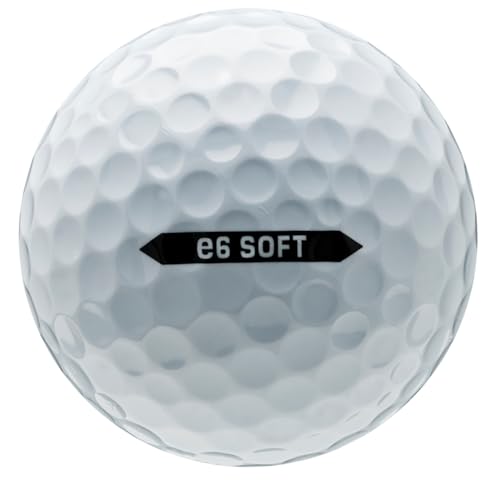
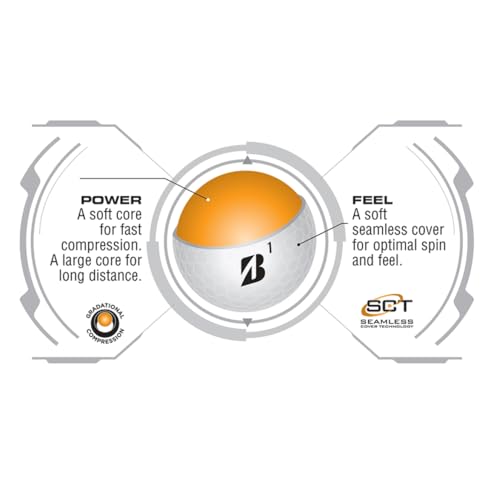
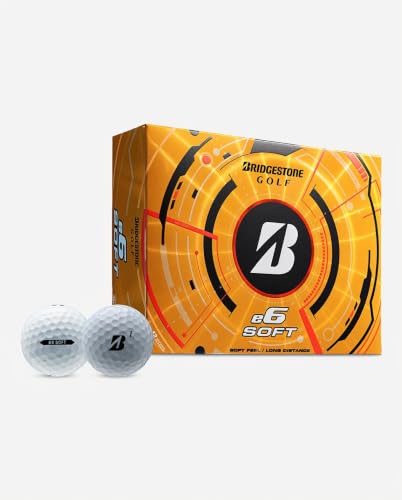
The e6 Soft is built for launch, its larger, softer core helps moderate swing speed players get the ball up quickly with minimal effort. That makes it a solid contender for golfers who struggle with thin, low trajectories, especially on cooler mornings or tighter fairways. Owners report it feels lively off the driver without being harsh, and the seamless cover helps with a modest boost in greenside control.
Against the Srixon Soft Feel, it’s slightly softer but doesn’t match the latter’s dimple efficiency or durability. It’s not a tour-level spin monster, but it’s consistent. For recreational players who prioritize hang time and forgiveness, this is a reliable option.
Product photos
Vice Golf Pro Plus

Strengths
- Excellent spin control
- Tour-level construction
- Strong durability
Trade-offs
- Firm feel for 70 compression
- Needs high swing speed
The Vice Golf Pro Plus is built like a tour ball but priced to undercut the big brands, no surprise it’s a favorite among skilled amateurs chasing value without compromise. With a 4-piece construction and ultra-thin urethane cover, this ball is engineered for players with faster swings who demand precision. On paper, it mirrors the spin and feel of balls twice its price, and owners confirm it performs well under pressure, especially on partial wedge shots and lag putting.
Against the Srixon Q-Star Tour, it trades a bit of the Spin Skin+ bite for slightly better durability. It doesn’t compress as easily as the Tour Soft, so slower swingers may not get full benefit. But if you’ve got the speed and want a no-nonsense ball that behaves predictably on approach, this is a smart pick.
Product photos


Wilson Fifty Elite
Strengths
- Stable flight
- Good aerodynamics
- Bright visibility
Trade-offs
- Limited short game spin
- Ionomer cover
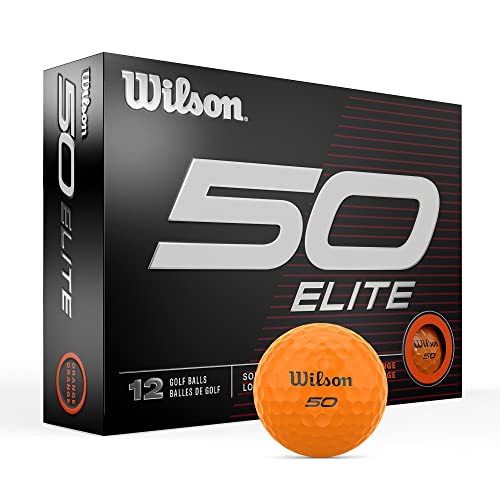
Wilson’s Fifty Elite leans hard into aerodynamics, and the 302 PhD dimple pattern is where it shines. The flat-bottomed, shallow dimples are designed to cut drag and promote a penetrating, stable flight, something owners notice immediately in windy rounds, especially on exposed coastal courses. For a soft-compression ball, it holds its line well off the tee, and the rubber core delivers a surprising pop without feeling dead.
It doesn’t have the short-game finesse of urethane-covered balls like the Vice Pro Plus, but for the price, it balances distance and greenside bite better than most. Compared to the TaylorMade Distance+, it offers more controlled landing angles. If you play in blustery conditions often, this one deserves a spot in your bag.
Product photos


Honma D1 Distance
Strengths
- Excellent value
- Dual-line alignment
- Durable cover
Trade-offs
- Average greenside spin
- Basic feel
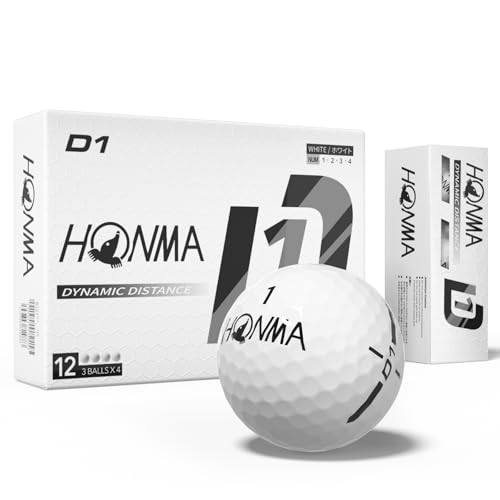
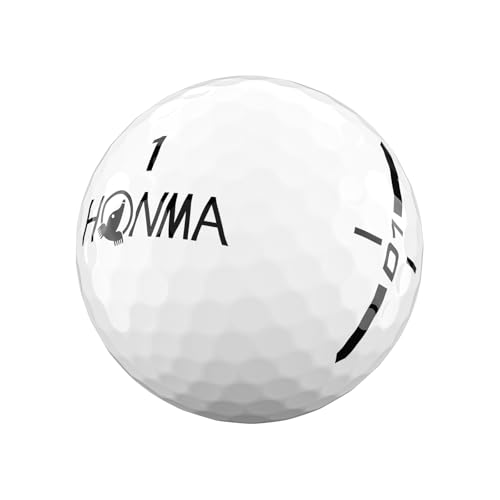
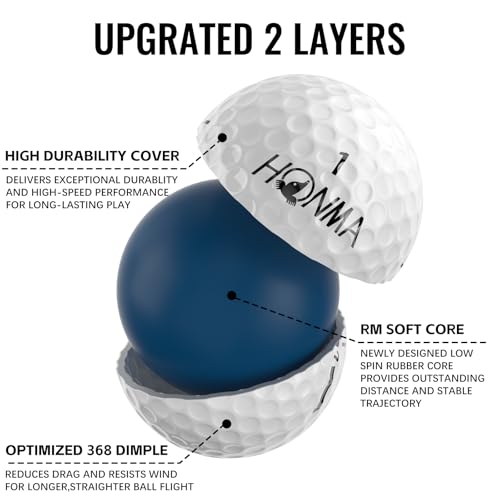
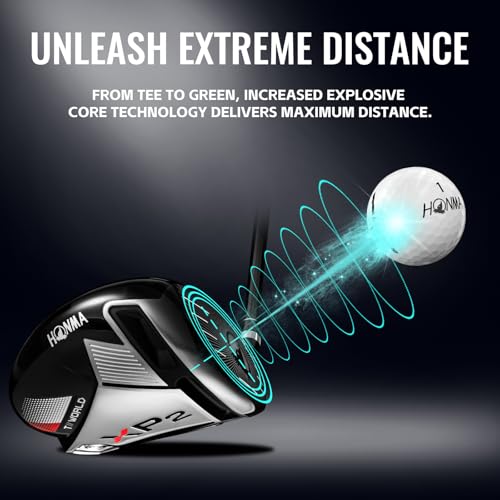
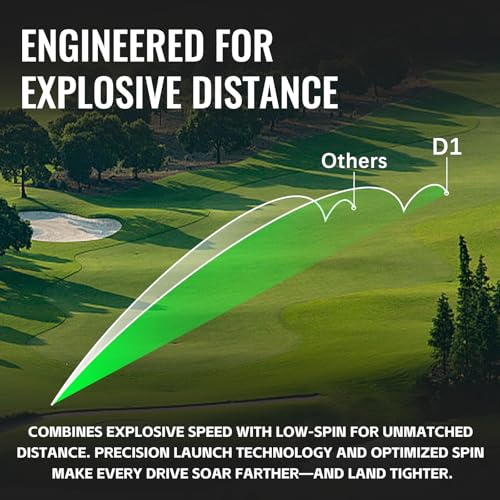
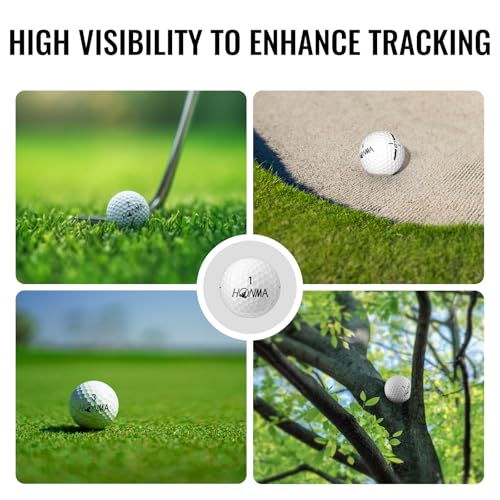
Honma’s D1 is a sleeper in the value category, 12 balls under $20 with a 368-dimple pattern designed for extended flight and straighter trajectories. The Surlyn cover keeps it durable, and the low-spin core helps reduce sidespin, which owners say makes it forgiving on off-center hits. The dual-line alignment is a standout feature, making setup easier than most budget balls.
Against the TaylorMade Distance+, it’s nearly a draw in performance, but the Honma’s flight feels a bit more stable in crosswinds. It’s not going to challenge urethane balls in feel, but for practice rounds or resort play, it’s dependable. For the price, it’s one of the most complete packages.
Product photos
How We Chose These 70 compression golf balls
Rather than a hands-on lab test, my research for these recommendations involved a detailed comparison of published specifications and features across numerous models. I weighed owner reviews from major retailers alongside assessments from respected golf publications. As someone who plans golf trips for a living, I’ve developed a keen understanding of what golfers prioritize – and I applied that knowledge to rank these balls against clear criteria focused on performance and value.
For 70 compression golf balls, feel, distance, and spin were the most heavily weighted factors. Lower compression is often sought for increased distance and a softer feel, benefiting golfers with moderate swing speeds. However, maintaining adequate spin for control around the greens is crucial, so I looked for balls that balanced these attributes. Ultimately, a ball’s ability to deliver consistent performance across all aspects of the game determined its placement.
Specifications reliably indicate core construction, dimple patterns, and cover materials – all impacting ball flight and feel. However, I heavily considered owner feedback regarding durability and real-world performance. Reports on greenside control and distance consistency were particularly valuable, as these aspects aren’t always fully apparent from specs alone. I also referenced guides like our recommendations for balls for average golfers to provide context for performance expectations. For golfers seeking even softer feel, exploring low compression golf balls might also be worthwhile.
Choosing The Right 70 compression golf balls
Choosing the right golf ball can feel overwhelming, but understanding a few key aspects will steer you toward options that truly suit your game.
A quality golf ball balances distance, feel, and spin characteristics. Players should consider their swing speed, typical shot shape, and desired ball flight when selecting a ball. Core construction, cover material, and dimple patterns significantly impact performance, so reviewing these specs is vital. Consistent quality control from established brands is also a strong indicator of reliable performance.
Understanding Compression
Compression is often talked about, but rarely understood. It refers to how much the ball squishes upon impact. Lower compression balls (like the Srixon Soft Feel) are easier to compress with slower swing speeds, leading to more energy transfer and distance for many players. However, if you generate significant clubhead speed, a higher compression ball (check out options discussed in our guide to high compression golf balls) will likely feel more solid and provide better control. Don’t chase the lowest number blindly; find what feels best for your speed.
The Importance of Cover Material
The cover is the outermost layer of the golf ball, and it dramatically affects spin, particularly around the greens. Urethane covers (found in the Vice Golf Pro Plus and Srixon Q-Star Tour 6) are generally considered superior for short game control, offering more “grab” on approach shots and putts. Surlyn covers (like those on the Honma D1 Distance) are more durable and typically found on distance-oriented balls. The trade-off is often a bit of greenside spin, but the durability and lower cost can be appealing.
Balancing Distance and Feel
Distance is tempting, but a ball that feels awful won’t inspire confidence. TaylorMade Distance+ balls prioritize maximizing distance, but players often sacrifice some feel. Conversely, Titleist Tour Soft balls are designed for a very soft feel, but they still deliver respectable distance. Here’s how to think about it:
- Beginners: Prioritize feel and a lower compression.
- Moderate Swing Speed: Look for a balance of feel and distance.
- High Swing Speed: Lean towards higher compression and urethane covers for control.
A good rule of thumb for golfers is to match the ball to your swing speed. If you struggle to get the ball airborne, a softer, lower-compression ball will likely be more forgiving.
Finally, remember that even the “best” ball won’t fix a flawed swing. However, the right golf ball can help you optimize your potential. If you’re a senior golf balls player, you’ll want to consider even softer options tailored for slower swing speeds.
70 Compression Golf Balls Compared
Here’s a comparison of key specifications for various 70 compression golf balls to help you choose the right fit.
| Product Name | Construction | Cover Material | Dimple Pattern | Best For | Core Type |
|---|---|---|---|---|---|
| Titleist Tour Soft | 2-Piece | Fusablend | 346 Quadrilateral | Soft Feel | Fast Core |
| Srixon Soft Feel | 2-Piece | Surlyn | 338 Speed | Budget Friendly | High-Energy |
| TaylorMade Distance+ | 2-Piece | Ionomer | Extended Flight | Maximum Distance | REACT Speed |
| Srixon Q-Star Tour 6 | 4-Piece | Urethane | 338 Speed | Greenside Spin | FastLayer |
| Bridgestone e6 Soft | 2-Piece | Seamless | N/A | High Launch | Soft, Large |
| Vice Golf Pro Plus | 4-Piece | Cast Urethane | N/A | Advanced Players | N/A |
| Wilson Fifty Elite | 2-Piece | Surlyn | 302 PhD | Aerodynamics | Advanced Rubber |
| Honma D1 Distance | 2-Piece | Surlyn | 368 | Value Pack | Low Spin Rubber |
Frequently Asked Questions
What compression should I choose if I’m new to golf?
Generally, beginners should opt for lower compression golf balls (around 70) because they are easier to compress with slower swing speeds. This leads to more energy transfer and helps get the ball airborne more easily, improving your overall distance.
Are urethane covers really worth the extra cost?
Urethane covers offer significantly more greenside spin and control compared to Surlyn, which is why they’re popular among skilled players. While more expensive, the added precision around the green can translate to lower scores, making them a valuable investment for golfers prioritizing short game performance.
How does dimple pattern affect ball flight?
Dimple patterns influence the aerodynamic lift and drag of a golf ball, impacting its distance and trajectory. Different patterns, like the 338 Speed dimple design found on some Srixon models, are engineered to optimize flight characteristics for specific swing types and playing conditions.
Will a 70 compression ball help me if I have a slow swing speed?
Yes, a 70 compression ball is specifically designed to perform well with moderate swing speeds. The softer core compresses more easily, transferring more energy to the ball and increasing distance, as opposed to a harder ball that might feel very firm off the clubface. If you’re looking for more options, check out distance golf balls.
What’s the difference between a 2-piece and 4-piece golf ball?
A 2-piece ball is simpler in construction, typically focusing on distance and durability. A 4-piece ball, like the Vice Golf Pro Plus, incorporates multiple layers for enhanced control, spin, and feel, making it a better choice for players seeking golf balls for overall performance.
The Bottom Line
Choosing golf balls always involves compromise. You’re balancing the desire for maximum distance with the need for control, and often, price plays a significant role. For the best overall combination of performance and feel, I consistently see positive feedback regarding the Titleist Tour Soft. It delivers a surprisingly soft feel without sacrificing distance, making it a strong choice for a wide range of players.
If you’re specifically seeking value, the Srixon Soft Feel remains a standout. For golfers prioritizing advanced performance and greenside spin, the Vice Golf Pro Plus is a premium option that rivals much more expensive tour-level balls. And if you’re considering options beyond 70 compression, be sure to check out our guide to best mid compression golf balls.
Ultimately, specs and marketing matter less than how a ball feels in your hands and how it performs with your swing. Don’t get bogged down in chasing the latest technology or the highest-rated ball in a thorough golf ball guide. Focus on finding a ball that inspires confidence, provides consistent feedback, and helps you enjoy the game more.
