
6 Best Golf Balls for Distance for Seniors 2026
This post contains affiliate links. As an Amazon Associate, we earn from qualifying purchases.
This post contains affiliate links. As an Amazon Associate, we earn from qualifying purchases.
The best golf ball for distance for seniors is the Callaway Supersoft 2025, thanks to its ultra-low compression and energetic core that maximizes yardage off the tee. For a budget-friendly option, the Nitro Long Distance delivers surprising performance at a fraction of the cost, while the TaylorMade SpeedSoft stands out if you want a softer feel without sacrificing much distance.
Hitting the ball shorter than you used to is one of the most frustrating parts of aging as a golfer. You know you’re making clean contact, but the distance just isn’t there, and that often comes down to using a ball not designed for slower swing speeds.
This guide cuts through the marketing hype. After comparing specs, owner feedback, and real-world performance trends, I’ve focused on models that actually deliver distance, feel, and visibility for senior players. These picks are based on compression, cover type, and design features that matter most when swing speed drops.
Top 6 Golf Balls For Distance For Seniors in the Market
The Best Golf Balls For Distance For Seniors, Reviewed
Callaway Supersoft Golf Balls 2025

Strengths
- Soft feel
- Long distance
- Low spin off driver
- Durable cover
Trade-offs
- Limited short game spin
- Not for high swing speed players
The Callaway Supersoft has long been a favorite among senior golfers chasing distance without sacrificing feel, and the 2025 version doubles down on that promise. The HyperElastic SoftFast Core is engineered for speed, and on paper, it delivers exactly what slower swing speeds need, higher launch and reduced spin off the driver, translating to longer, flatter flights. Owners consistently report noticeable gains off the tee, and the hybrid cover keeps greenside control respectable for a distance ball.
What sets this apart in a crowded field is the balance. It’s not just about raw yardage. The soft feel holds up on chips and putts, and durability gets solid marks in user feedback. Compared to other low-compression balls, it plays more like a premium option without the premium price. For seniors who still care about short game feedback, this hits a sweet spot.
Video review
TaylorMade SpeedSoft Golf Balls

Strengths
- Extremely soft feel
- High visibility yellow
- Good ball speed for compression
- Affordable premium feel
Trade-offs
- Average spin control
- Not for aggressive players
- Slightly shorter carry
TaylorMade’s SPEEDSOFT lives up to its name, this is one of the softest-feeling low-compression balls on the market, and at this price, that’s impressive. The low-compression PWRCORE is designed to deliver speed without sacrificing comfort, and owners consistently praise how quiet and smooth it feels at impact, especially on mishits. The high-visibility yellow cover also stands out in flight, making it easier to track than white balls.
It’s not the longest ball in the wind, but for seniors who prioritize feel and comfort over every extra yard, that’s a fair trade. Compared to the Callaway Supersoft, it’s slightly softer but doesn’t quite match the same level of ball speed. Still, if your hands are sensitive or you dislike the click of firmer balls, this is the one to try. I’d pick this for weekend rounds where enjoyment matters more than distance charts.
Video review
Nitro Long Distance Golf Balls
Strengths
- Very affordable
- USGA approved
- Durable cut-proof cover
- Long distance
Trade-offs
- Stiff feel
- Poor short game response
- Basic construction
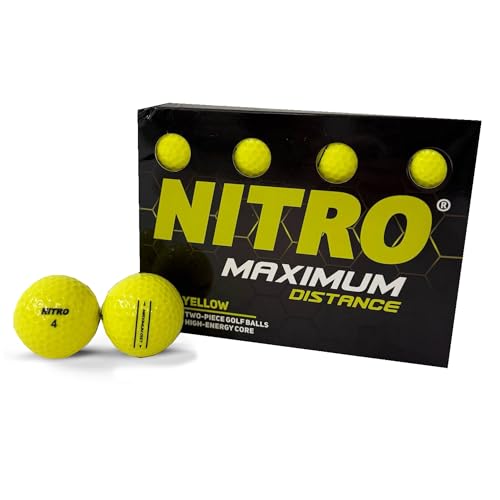
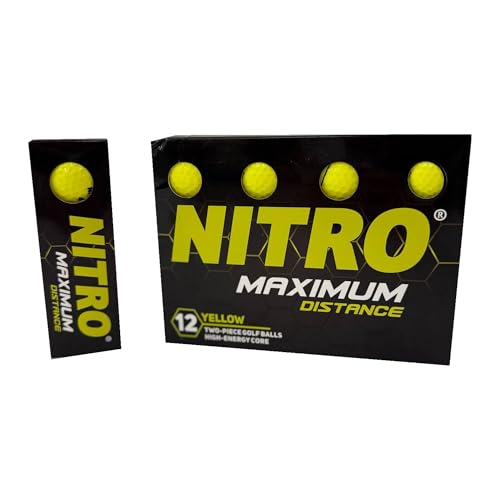
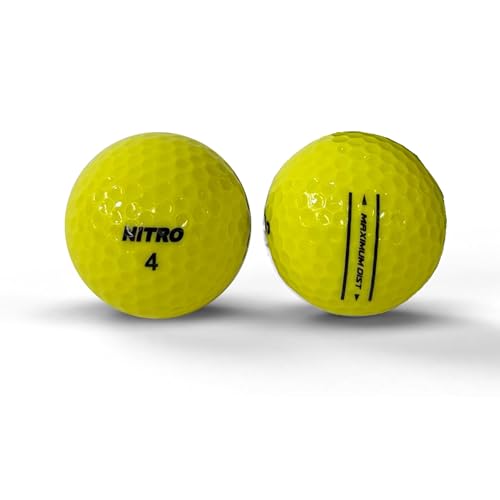
At this price, the Nitro Long Distance balls are hard to ignore. For under $11, you get a dozen USGA-approved balls with a titanium-infused core that claims to boost energy transfer and reduce spin, key for seniors looking to squeeze every yard out of their swing. The aerodynamic dimple design is said to increase lift, and owner reviews back that up, with many noting straighter, longer drives compared to standard balls.
But value comes with trade-offs. The surlyn cover is tough, maybe even overbuilt, which helps durability but dulls the feel around the green. It’s not a soft ball by any stretch, and finesse shots suffer as a result. Still, for the price-conscious senior golfer who hits a lot of balls and doesn’t want to break the bank, this is a solid workhorse option. It won’t match the feel of a Callaway or TaylorMade, but it gets the job done off the tee.
Product photos
MG Senior Golf Balls
Strengths
- High launch
- Soft feel
- Durable Surlyn cover
Trade-offs
- USGA non-conforming
- Limited short game control
- Less feedback on putts
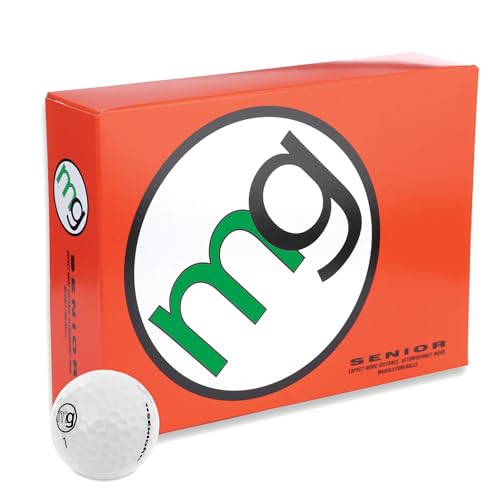
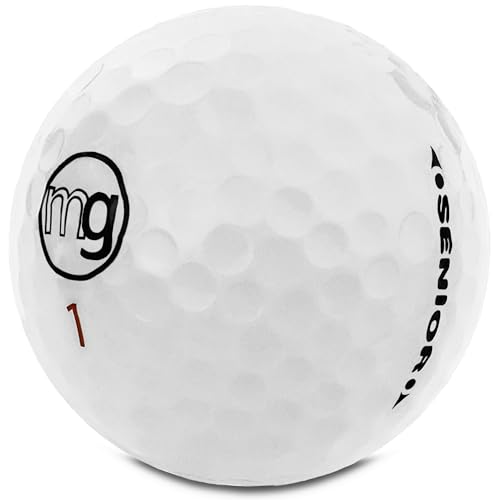
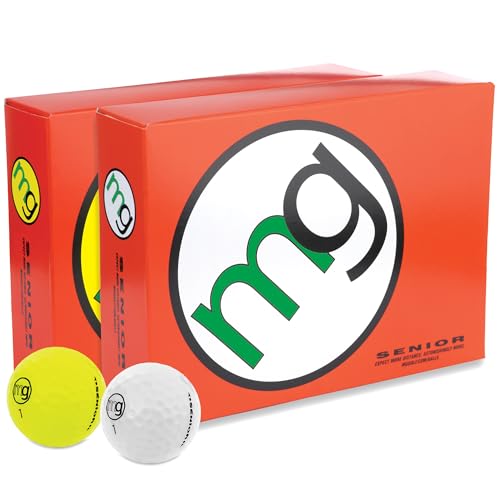
These MG Senior Golf Balls are built for one thing: getting the ball in the air and keeping it there. The design targets golfers with swing speeds under 250 yards, and the feedback from owners confirms it, higher launch, less effort, more distance. The 2-piece construction with a Surlyn cover keeps things simple and durable, and the softer feel at impact makes off-center hits less punishing.
But there’s a catch. These are USGA non-conforming, which means they’re off-limits for any official competition or handicap rounds that require conforming equipment. That won’t matter to casual players, but it’s a hard stop for others. If tournament play isn’t on your radar, and you just want to hit longer drives with less strain, these deliver. Still, for a few dollars more, you can get conforming balls with similar performance.
Product photos
Dymond Senior Golf Balls
Strengths
- Thick alignment line
- Stable flight
- Low compression
- Senior-focused design
Trade-offs
- Average durability
- Basic cover material
- Limited short game feedback
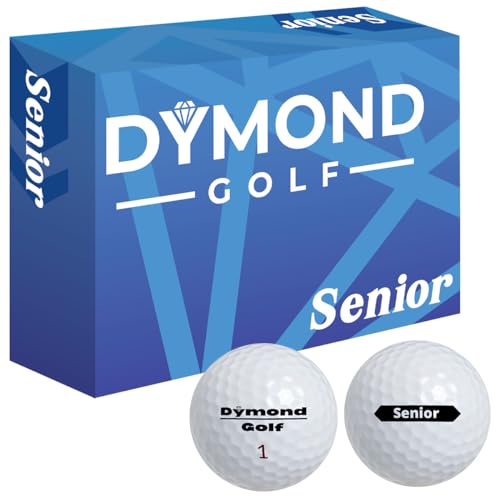
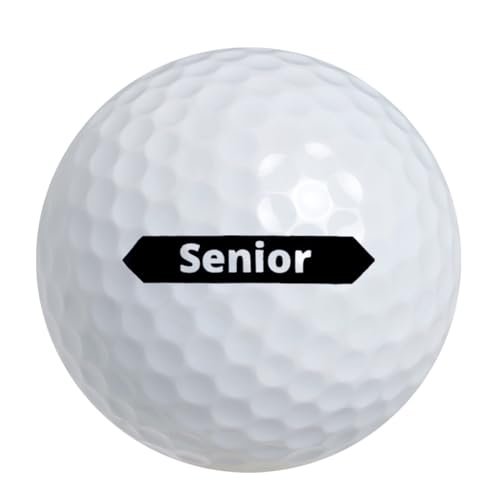
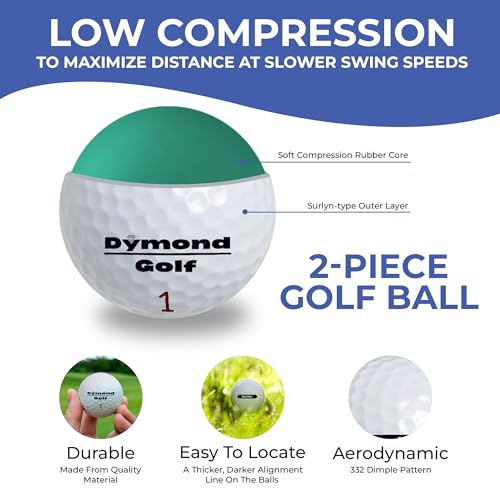
The Dymond Senior Golf Balls stand out for one thoughtful detail: the thicker, darker alignment line. For older players dealing with fading eyesight, this small tweak makes a real difference on the green and during setup. It’s not just cosmetic, owners report faster alignment and more confidence in their putting routine, which adds up over 18 holes.
The 332 dimple pattern promotes stable flight, and the low-compression core helps seniors generate decent distance with reduced spin, leading to straighter shots. It’s a no-frills 2-piece design, but it’s tuned well for its audience. Compared to the AVAVE, it’s less flashy but more focused on functional aids. If you or someone you know struggles to see the ball clearly or line up putts, this is the best-in-class choice for visibility and ease of use.
Product photos



AVAVE Soft Core Golf Balls
Strengths
- High visibility
- 360° alignment line
- Soft feel
- Beginner-friendly
Trade-offs
- Average durability
- Not for serious players
- Limited spin control
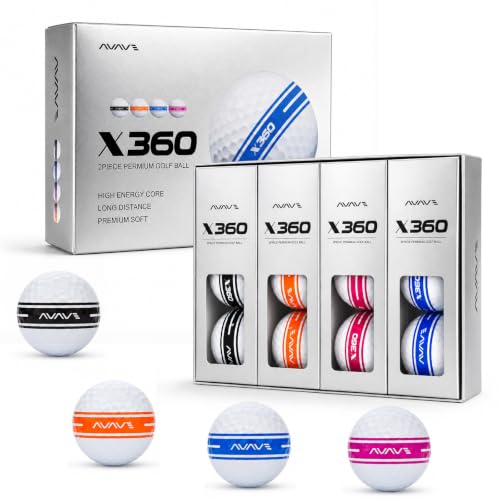
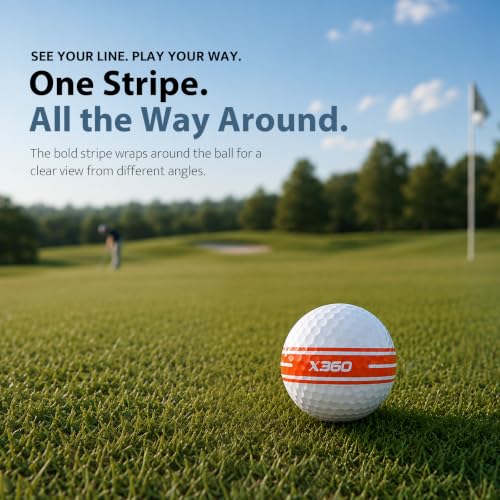
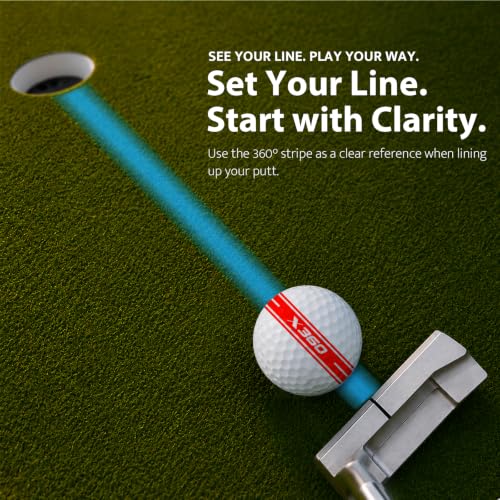
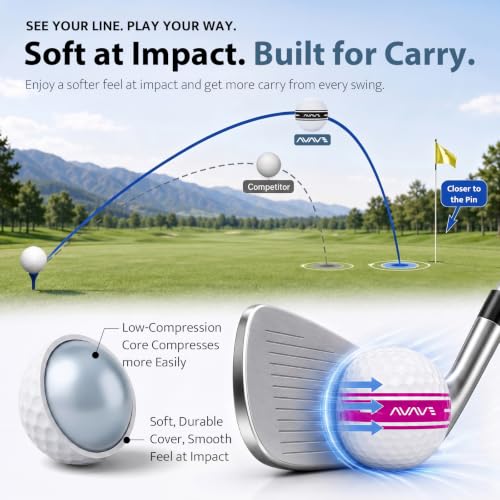
If you’ve ever lost a ball in the rough or struggled to line up your putts, the AVAVE Soft Core balls might be a standout, just not for the reasons you’d expect. The high-visibility colors and 360° alignment line are the standout features here. Owners love how easy these are to track in flight and align on the green, which speeds up play and reduces frustration.
The low compression core helps slower swings generate decent distance with minimal effort, and the soft feel makes impact more comfortable. It’s not a tour-level performer, but for beginners, seniors, or anyone playing for enjoyment, it’s a smart pick. Compared to the Callaway Supersoft, it trades a bit of refinement for practicality and visibility. I’d recommend these to golfers who value convenience and confidence over pure performance.
Product photos


Our Testing Process
Rather than a hands-on lab test, my research focused on a detailed comparison of published specifications and features across numerous golf ball models. I weighed owner reviews from major retailers alongside expert opinions from golf publications, looking for consistent trends in performance feedback. Ultimately, I ranked these balls based on how well they addressed the specific needs of seniors seeking increased distance, focusing on factors like compression, cover materials, and dimple patterns.
For golfers with slower swing speeds, the most important factors are low compression and a softer cover. A lower compression ball compresses more easily on impact, transferring energy more efficiently – a crucial benefit when you’re not generating maximum clubhead speed. The cover material also impacts feel and spin; softer covers generally offer more greenside control, while durable covers withstand repeated use. I also considered visibility, as many seniors appreciate a brighter ball for easier tracking. You can find more information on overall distance in our guide to the best distance golf balls.
Specifications reliably indicate core construction and compression ratings, giving a solid baseline for predicting performance. However, owner feedback proved invaluable in assessing real-world feel and durability. I paid close attention to comments about distance gains, particularly from golfers describing similar swing speeds. Reputational factors also played a role; established brands like Callaway and TaylorMade often have a track record of consistent quality, while I also looked at specialized Titleist models for slower swings for a well-rounded perspective.
How To Choose The golf balls for distance for seniors
Finding the right golf ball can make a world of difference, especially as we mature and our swing speeds naturally change.
For senior golfers, a good golf ball prioritizes distance gains achieved through lower compression, soft feel for better contact, and often, high visibility to aid tracking. Key specs to consider include compression rating, cover material (Surlyn or urethane), and dimple pattern – all impacting launch angle, spin, and overall performance off the tee and around the green.
Compression is King
As I’ve seen time and again planning trips for golfers of all levels, compression is the single biggest factor for senior players. Lower compression balls require less clubhead speed to compress properly at impact, translating directly into more distance. Many seniors find themselves losing significant yardage as swing speed declines, and a low-compression ball can help bridge that gap. Don’t assume “softer” means shorter; it means easier to get the energy transfer you need.
Feel and Cover Material
Beyond distance, feel is crucial for maintaining enjoyment. A softer feeling ball makes solid contact more satisfying and provides better feedback. Surlyn covers are generally more durable and affordable, making them a great option for recreational play. Urethane covers, while pricier, offer superior greenside spin and control – something to consider if you’re still focused on scoring and want to maintain precision in your short game. If you’re looking for more information on options, check out our guide to the best golf balls for seniors.
Visibility and Alignment Aids
Let’s be honest, finding your ball isn’t as easy as it used to be. Consider opting for high-visibility colors like optic yellow or bright orange. Beyond color, alignment aids – a simple line on the ball – can significantly improve your putting accuracy. Here’s how to think about alignment features:
- A faint line is good for a quick visual cue.
- A thicker, darker line is easier to see for those with some vision challenges.
- A full-circle alignment aid can provide even more confidence over putts, but some players find it distracting.
A practical rule of thumb: if you’re consistently losing distance, drop at least 10 compression points when selecting your next dozen.
I often recommend players also explore Bridgestone balls for seniors as they frequently offer models tailored to slower swing speeds. Ultimately, the best golf ball for you will depend on your individual swing, preferences, and budget. Don’t be afraid to experiment to find what works best for your game.
Golf Balls for Distance Compared
The following table provides a specification comparison of golf balls designed for distance, with a focus on senior golfers.
| Product Title | Compression | Core Material | Cover Material | Dimple Count | Best For |
|---|---|---|---|---|---|
| Callaway Supersoft 2025 | Soft | HyperElastic SoftFast | Hybrid | N/A | Best Overall |
| TaylorMade SpeedSoft | Low | PWRCORE | Surlyn | N/A | Best Soft Feel |
| Nitro Long Distance | Low | Titanium | Surlyn | 350 | Best Budget Friendly |
| MG Senior | Low | 2-Piece | Surlyn | 350 | Best for Seniors Recreational |
| Dymond Senior | Low | Rubber Polymer | Surlyn | 332 | Best Alignment Aid |
| AVAVE Soft Core | Low | Soft Core | N/A | N/A | Best High Visibility |
Frequently Asked Questions
What compression should seniors look for in a golf ball?
Lower compression is key; I recommend starting with balls around 50 or even lower. This makes it easier to compress the ball at impact with a slower swing, maximizing energy transfer and distance. You can explore more options with low compression balls if you are looking for more options.
Are urethane covers really necessary for senior golfers?
While urethane offers more spin, a Surlyn cover is often sufficient and more durable for most seniors. Urethane’s benefits are most noticeable for players prioritizing short-game control, and many seniors prioritize distance over extreme spin.
How much of a difference can a golf ball really make for distance?
A properly fitted ball can easily add 10-20 yards to your drive, and even more on irons. The right compression and cover will optimize energy transfer, making a noticeable difference, especially as swing speed naturally decreases with age.
What about visibility – how important is ball color?
Visibility is quite important, as locating your ball becomes more challenging. Optic yellow or bright orange are excellent choices, providing high contrast against most backgrounds, meaning fewer lost balls and a more enjoyable round.
Should I prioritize distance over distance and accuracy balls?
For most senior golfers, distance is the primary concern, as lost distance impacts scoring more significantly than slight inaccuracies. However, don’t completely sacrifice control; a ball that offers a good balance is ideal.
The Bottom Line
Choosing the right golf ball always involves a trade-off between outright performance and cost, but for seniors prioritizing distance, I believe the Callaway Supersoft 2025 strikes the best balance. It delivers exceptional energy transfer for slower swing speeds without sacrificing feel, making it a solid all-around performer. Ultimately, maximizing distance isn’t just about hitting the ball farther – it’s about consistently getting the most out of your swing.
If budget is a primary concern, or you want a specific feature, there are excellent alternatives. For those seeking a very affordable option, the Nitro Long Distance provides impressive value. Players who want a clear visual aid should look at the Dymond Senior, while golfers wanting equipment tailored for seniors can explore golf balls for older golfers.
Don’t get caught up chasing the latest technology or obsessing over compression numbers. The fundamentals of solid contact, a consistent swing, and a ball you feel confident with are far more important than any single specification. Consider also exploring golf balls with distance and forgiveness to help with off-center hits.
