
7 Best Golf Balls for Simulator 2026
This post contains affiliate links. As an Amazon Associate, we earn from qualifying purchases.
This post contains affiliate links. As an Amazon Associate, we earn from qualifying purchases.
The TaylorMade TP5X PIX 2024 stands out as the best golf ball for simulator use, delivering reliable data and tour-level performance. For those on a budget, the Amazon Basics Core Soft 24-Pack offers solid consistency without breaking the bank. If you value advanced tracking and alignment, the TaylorMade TP5X PIX3.0 USA is a strong versatility pick.
Most golfers don’t realize how much a simulator-specific ball can improve shot tracking and overall experience. Outdoors, you can adjust based on feel and visual feedback, but indoors, your system depends on clean, predictable ball behavior to render accurate results.
This guide cuts through the noise, focusing on balls that deliver consistent spin, clear alignment, and durability under repeated indoor use. I researched each pick based on construction, owner-reported performance, and how well they support a realistic simulator session.
Top 7 Golf Balls For Simulator in the Market
The Best Golf Balls For Simulator, Reviewed
TaylorMade TP5X PIX 2024

Strengths
- Excellent spin separation
- Crisp feedback
- High-speed core
Trade-offs
- Expensive
- Overkill for casual sim use
This is TaylorMade’s tech-packed answer for data-driven sim users who want precision and performance that translates from real course to digital. The 5-layer construction isn’t just marketing fluff, it creates a noticeable spin gradient, with low spin off the driver (great for sim accuracy) and sharp bite on wedge shots. Reviewers note the sound is crisper than previous versions, and the softer core tuning helps with feel without sacrificing ball speed.
Compared to the standard TP5X, the PIX version adds enhanced visual feedback, which matters when you’re analyzing launch angles and spin rates. It’s one of the few balls designed with enough sophistication to keep up with high-end simulators like TrackMan or Foresight. I’d pick this over most for serious practice sessions where spin data fidelity is key.
Video review
Titleist Pro V1 RCT

Strengths
- Tour-level spin
- Consistent flight
- Durable cover
Trade-offs
- Higher price per ball
- Firmer feel than soft-core options
Even in this reduced 3-ball pack, the Pro V1 name carries weight, and for sim users chasing tour-realistic behavior, it’s hard to beat. The polyurethane cover delivers the kind of short-game spin that sim software picks up clearly, and the low long-game spin helps stabilize ball flight in virtual environments where spin misreads can ruin consistency.
Owners consistently praise its penetrating trajectory and how it behaves predictably across irons and wedges. It’s not the softest feeling ball out there, but the trade-off is control. Compared to the Supersoft or TruFeel, this one is clearly aimed at better players. If your simulator is part of serious game improvement, this ball gives you the feedback you need.
Video review
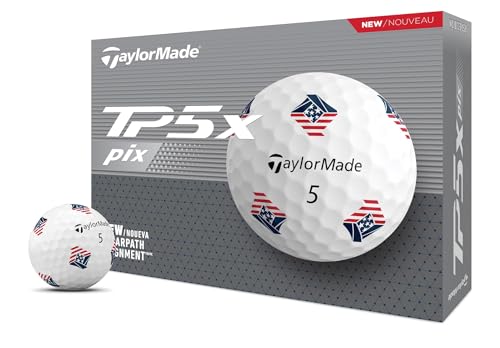
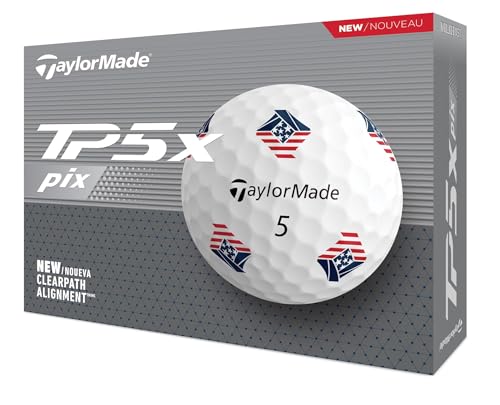
TaylorMade TP5X PIX3.0 USA
Strengths
- Superior alignment aid
- Fast core response
- Low driver spin
Trade-offs
- Premium price
- Less soft feel
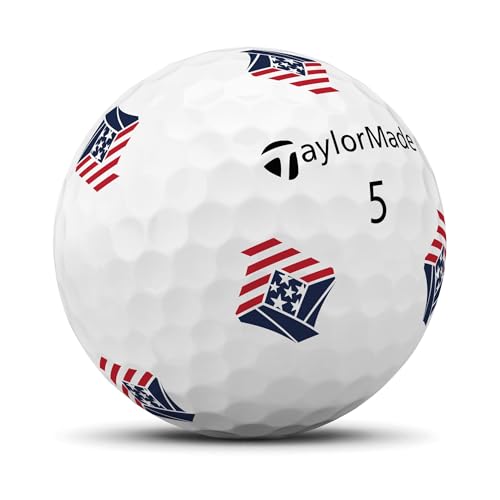
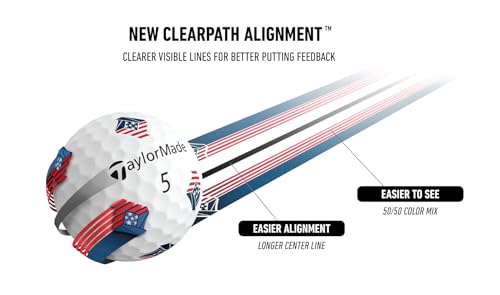
The PIX3.0 stands out with its ClearPath Alignment system, longer lines and high-contrast coloring that make setup easier under simulator lighting, where glare or screen reflection can obscure ball markings. That small detail actually matters when you’re repeating swings and need visual consistency.
Underneath, it shares the same 5-layer core as the TP5X PIX, meaning strong spin separation and a firm, responsive feel off the driver. On paper, it’s nearly identical to its sibling, but the alignment edge gives it a slight nod for players who rely on visual cues. For sim users focused on improving alignment and strike consistency, this is the smarter buy over the standard PIX.
Product photos

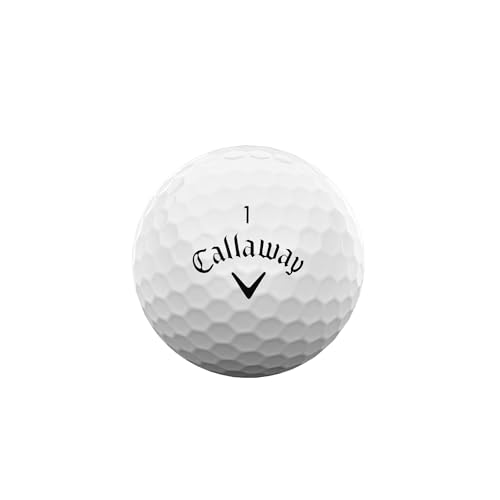
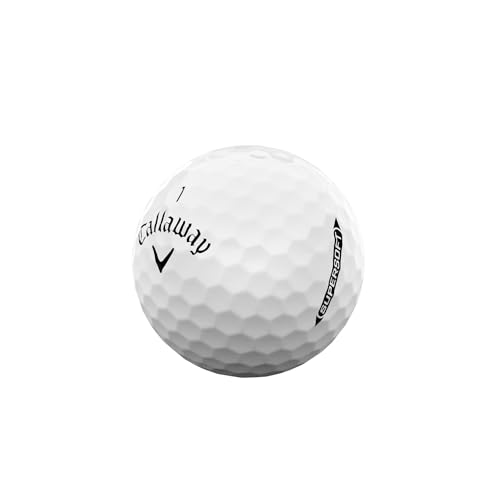
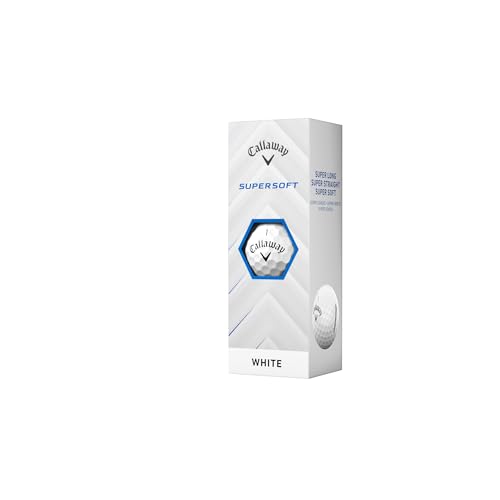
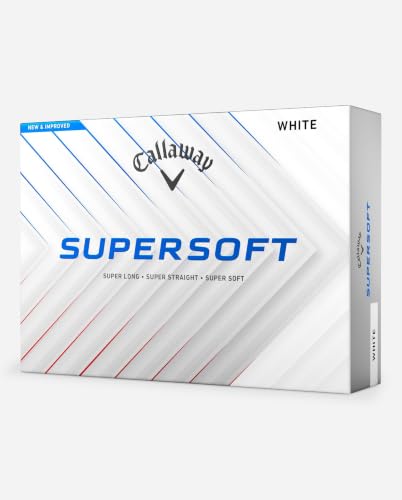
Callaway Supersoft 2025

Strengths
- Very soft feel
- Strong driver distance
- Improved short game spin
Trade-offs
- Not high-spin optimized
- Less feedback than tour balls
The 2025 update to the Supersoft line refines what the series does best: deliver extreme softness with surprising distance. The new cover system boosts greenside control over the 2023 model, and owners report noticeably sharper spin on approach shots in sim environments.
It still leans toward the lower-spin side, which helps keep flight paths stable in simulator readings, great if you’re fighting a slice. While it doesn’t match the TP5X or Pro V1 in spin differentiation, it’s arguably the best balance of soft feel and distance in this list. For sim users who want a plush impact and consistent carry without complexity, this is my top pick.
Product photos
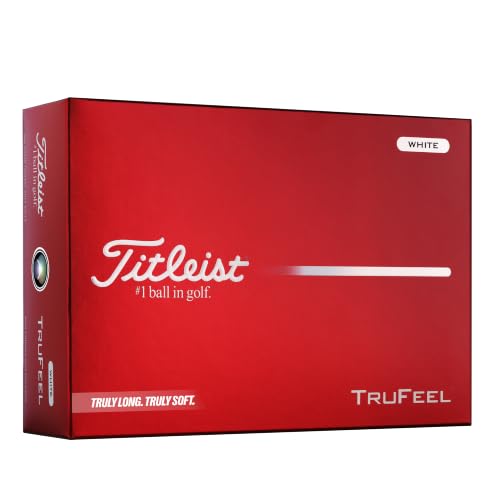
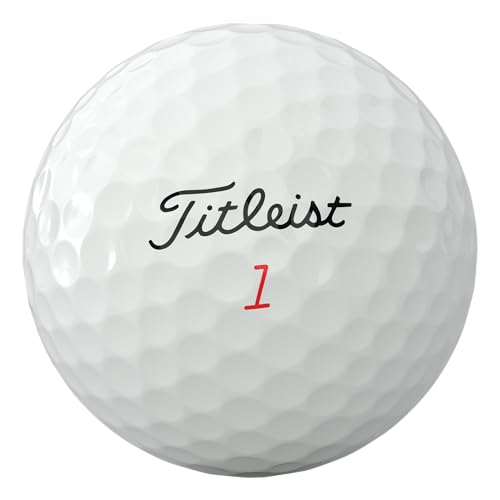
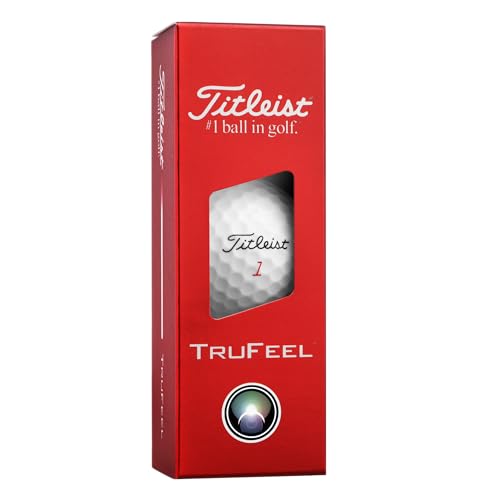
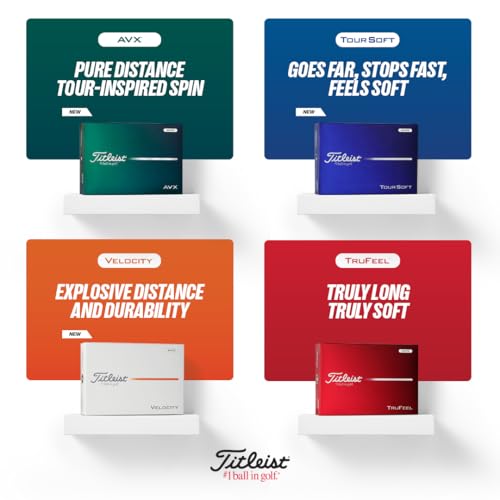
Titleist TruFeel
Strengths
- Ultra-soft feel
- Trusted brand
- Good short-game grip
Trade-offs
- Limited spin separation
- Low flight
The TruFeel is Titleist’s entry-level answer to the soft-ball trend, and it hits the mark for sim users who want brand trust without the Pro V1 price. The TruTouch core delivers a genuinely soft feel, some owners say it rivals balls twice the cost, and the 3.0 TruFlex cover helps with short-game grip on virtual greens.
It doesn’t spin like a Pro V1, and the flight is lower, which can limit carry in sim mode if you’re not generating high clubhead speed. But for high-handicappers or casual players using a simulator for fun rounds or light practice, it offers a great balance. I’d recommend this over the Amazon Basics ball for anyone who wants real Titleist consistency without breaking the bank.
Product photos


Amazon Basics Core Soft 24-Pack

Strengths
- Great value
- Soft compression
- Alignment aid
Trade-offs
- Inconsistent spin data
- Less durable
- Not tour-spec
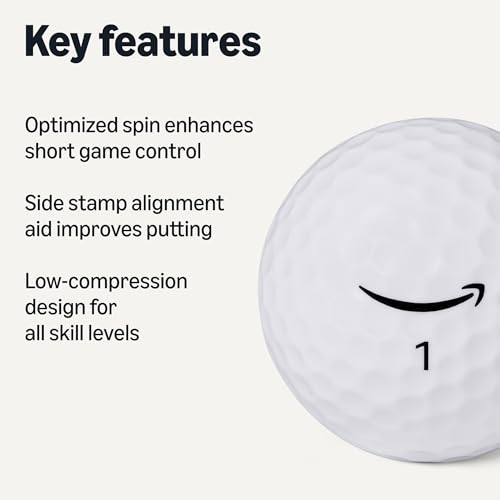
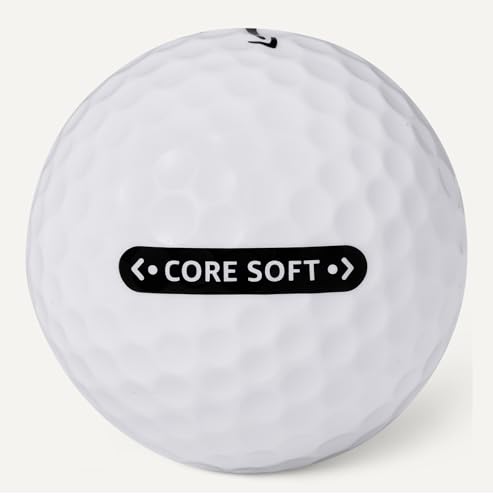
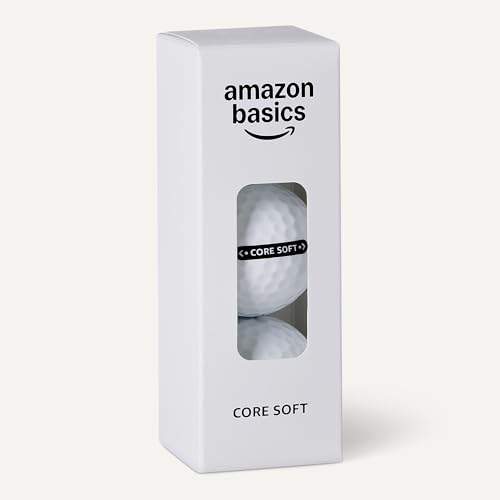
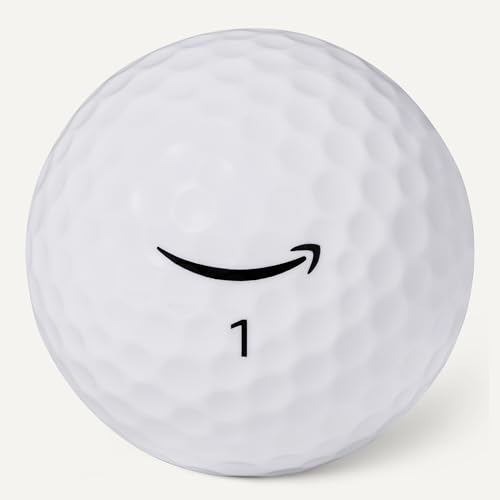
Let’s be real: this isn’t a ball for tour-level sim training. But as a high-volume option for frequent simulator users, it makes sense. The 24-pack offers serious value, and the low-compression core delivers a soft feel that won’t punish off-center hits, helpful when you’re grinding through 100 balls in one session.
Owner feedback highlights decent distance and straight flight, though spin numbers are inconsistent compared to premium models. The side stamp alignment helps a bit, but the cover material doesn’t hold up to aggressive wedge play over time. Still, for beginners or families using a sim at home, this is the kind of no-fuss, replaceable ball that keeps the game moving.
Product photos
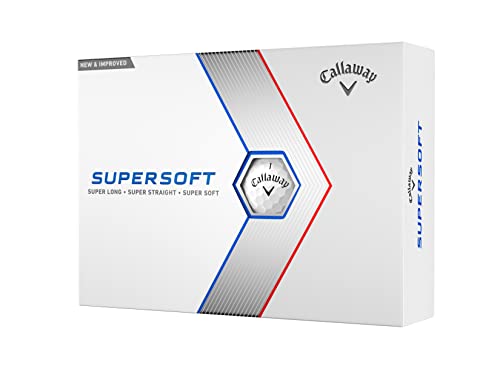
Callaway Supersoft 2023
Strengths
- Soft feel
- Low driver spin
- Good durability
Trade-offs
- Moderate wedge spin
- Not tour-level control
The 2023 Callaway Supersoft builds on a trusted name in soft-compression balls, and for sim use, its low spin off the driver can help reduce sidespin exaggeration in launch monitor readings. The HyperElastic SoftFast Core promises speed with a plush feel, and owners consistently report it delivers a forgiving flight that doesn’t punish slight mis-hits, important when your simulator session is all about dialing in consistency.
That said, while it offers decent greenside control, it doesn’t match the short-game precision of premium tour balls. The hybrid cover helps durability, but on paper and in user feedback, it still falls short of the spin nuance high-speed sim players want when chipping or pitching around virtual greens.
Product photos


How We Picked These golf balls for simulator
I approached this guide by researching the specifications and features of numerous golf balls marketed for simulator use, then weighing that information against owner reviews and insights from golf publications. Rather than a hands-on lab test, this is a research-led comparison focusing on how well each ball’s stated characteristics align with the needs of indoor golfers. I considered factors like spin rates, feel, and visual alignment aids.
For simulator play, consistent performance and visibility are paramount. I prioritized balls known for low driver spin (to maximize distance on simulated drives) and high wedge spin (for accurate short game control). Alignment aids also factored heavily, as they are more valuable when you don’t have the natural ground cues available during outdoor play. Finding the right balance between these elements determines a ball’s suitability.
Published specs reliably indicate core construction and cover materials, providing a baseline for expected performance. However, owner feedback proved crucial in assessing real-world feel and durability. I paid close attention to comments regarding consistent flight, visual clarity on a simulator screen, and whether the ball held up to repeated use. You can find more about maximizing distance with balls for distance.
What To Look For In golf balls for simulator
Choosing the right golf ball for simulator play demands a slightly different approach than selecting one for the course.
A quality golf ball for simulator use prioritizes consistent flight, accurate spin data, and durability. Look for multi-layer construction, a durable cover capable of withstanding repeated impacts, and a dimple pattern designed for stable aerodynamics. Consider compression ratings suited to your swing speed, and prioritize balls known for reliable tracking within your specific simulator system.
Understanding Compression
Compression is frequently discussed, but it’s easy to overthink. Generally, lower compression balls (like the Callaway Supersoft 2025) are better for slower swing speeds, providing more feel and distance. Higher compression balls (like the TaylorMade TP5X PIX 2024) suit faster swings, maximizing energy transfer and control. However, simulators are fairly forgiving, and a slight mismatch isn’t catastrophic. I’ve seen players achieve excellent results across a range of compression levels.
Prioritizing Spin Consistency
Simulators rely on accurately reading spin to calculate ball flight. A consistent spin profile is far more important than raw spin numbers. Look for balls with a reputation for predictable behavior, like the Titleist Pro V1 RCT, which is specifically engineered for consistent performance and uses a unique RCT (Reliable Core Technology) for enhanced accuracy. Inconsistent spin leads to inaccurate readings and a less realistic experience.
Here’s what to consider when evaluating spin consistency: * Cover Material: Urethane covers generally provide more spin than Surlyn, but durability can be a concern. * Dimple Pattern: The number and shape of dimples impact aerodynamics and spin. * Layered Construction: Multiple layers allow for greater control over spin separation (low spin off the driver, high spin around the greens).
A practical rule of thumb: if a ball is consistently launching higher or lower than expected in your simulator, even after adjusting settings, the spin profile might be the culprit.
Balancing Performance and Value
Simulator play can be hard on golf balls, so constantly replacing premium models gets expensive. While I always recommend investing in quality, especially when starting out, there are excellent value options available. The Amazon Basics Core Soft 24-Pack offers a surprising level of performance for the price, and can be a great choice for high-volume practice sessions. Don’t automatically dismiss quality budget golf balls – they can significantly reduce your ongoing costs without sacrificing too much accuracy. For those seeking a broader overview, our golf ball buying guide provides additional insights into the factors that should influence your decision.
Golf Balls for Simulator Compared
Here’s a spec comparison of golf balls suitable for use with a golf simulator, focusing on key characteristics for accurate performance.
| Product Name | Construction | Cover Material | Compression | Alignment Aid | Pack Size |
|---|---|---|---|---|---|
| TaylorMade TP5X PIX 2024 | 5-Layer | N/A | N/A | N/A | 1 |
| Titleist Pro V1 RCT | Multi-Layer | Polyurethane | N/A | N/A | N/A |
| TaylorMade TP5X PIX3.0 USA | 5-Layer | N/A | N/A | Yes | N/A |
| Callaway Supersoft 2025 | Multi-Layer | Hybrid | Low | N/A | N/A |
| Titleist TruFeel | 2-Piece | N/A | Low | N/A | N/A |
| Amazon Basics Core Soft | 2-Piece | N/A | Low | Yes | 24 |
| Callaway Supersoft 2023 | Multi-Layer | Hybrid | Low | N/A | N/A |
Frequently Asked Questions
Will any golf ball work with a simulator?
Yes, any golf ball can work with a simulator, but some perform significantly better than others. Simulators read ball flight through various sensors, and consistent spin and visibility are key, so balls designed with those features in mind will provide the most accurate and enjoyable experience.
How important is the RCT (Reliable Core Technology) in the Titleist Pro V1 RCT?
The RCT technology is very important for simulator accuracy. It’s designed to deliver a more consistent ball flight, which translates to more reliable spin data and a more realistic simulation, particularly with TrackMan simulators.
What compression should I look for if I’m new to golf and using a simulator?
Lower compression balls, like the Callaway Supersoft 2025, are generally recommended for beginners. They provide a softer feel and require less swing speed to compress, resulting in higher launch angles and greater distance, which can be helpful while you’re developing your swing.
Are more expensive golf balls always better for simulator use?
Not necessarily. While premium balls often offer superior performance, the benefits can be marginal in a simulator setting, especially if your simulator isn’t calibrated to recognize the nuances of a specific ball. Consider all-round golf balls to balance cost and performance.
Can I use range balls in my simulator?
While it’s possible to use range balls, I strongly advise against it. Range balls are often damaged, misshapen, and lack the consistent spin characteristics needed for accurate simulator readings. Using proper golf balls will dramatically improve the realism and data quality of your simulation experience, and you’ll get a much better feel for your game.
The Bottom Line
Ultimately, choosing a golf ball for your simulator comes down to balancing control with convenience. While premium options deliver the most consistent data and feel, you don’t necessarily need to spend a fortune to enjoy a realistic and accurate experience. For the best overall performance and reliability, I recommend the TaylorMade TP5X PIX 2024. It consistently receives high marks for its stable flight and predictable spin, offering a top-tier experience for serious simulator players.
If you’re on a tighter budget, or simply want a ball you won’t hesitate to hit repeatedly, the Amazon Basics Core Soft 24-Pack is a fantastic choice. For those seeking versatility – a ball that performs well and offers visual feedback – the TaylorMade TP5X PIX3.0 USA provides a great combination of features. And, if you’re just starting out or looking for something exceptionally forgiving, consider exploring golf balls for beginners to build confidence.
Don’t get too caught up in chasing the latest technology or obsessing over minor spec differences. A consistent swing, a well-calibrated simulator, and a ball that feels comfortable to you are far more critical than any single feature. Remember, the goal is to enjoy the game and improve your skills – focusing on those fundamentals will yield far greater returns than endlessly searching for the “perfect” ball. If you’re looking for a step up in performance, exploring 3-piece golf balls is a good move.
