
7 Best Golf Drivers Under $150 of 2026
This post contains affiliate links. As an Amazon Associate, we earn from qualifying purchases.
This post contains affiliate links. As an Amazon Associate, we earn from qualifying purchases.
The best golf driver under $150 is the Intech Behemoth, a non-conforming beast that delivers serious distance for recreational players. For those who want USGA-compliant performance without breaking the bank, the Speed System Golf Driver Blue stands out as the top conforming pick. If you’re just starting out and need maximum forgiveness, the Powerbilt TPS Blackout Max offers excellent value.
Most golfers shopping under $150 are looking for more distance, better consistency, or a way to make the game more fun. The reality is that not every driver in this range delivers on its promises, some cut corners on materials or design, leaving you with gear that feels clunky or performs unpredictably.
This guide cuts through the noise. I compared specs, analyzed owner feedback, and looked at how these drivers actually perform for real players on the course. My picks balance forgiveness, ball speed, and build quality, focusing on models that deliver real results without requiring tournament-level spending.
Top 7 Golf Drivers Under 150 in the Market
The Best Golf Drivers Under 150, Reviewed
Intech Behemoth Non-Conforming Driver
Strengths
- Extreme forgiveness
- Low price
- Large sweet spot
- Durable build
Trade-offs
- Non-conforming
- Aluminum face
- Basic components
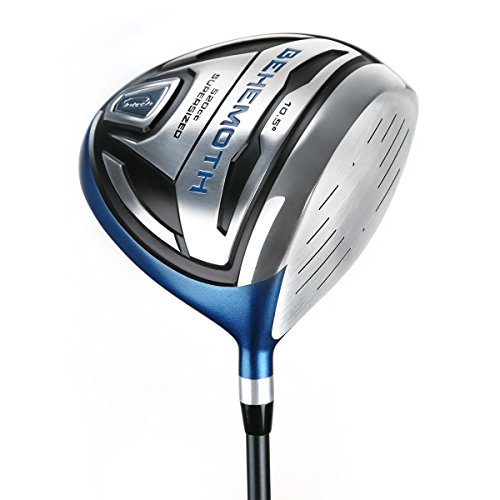
The Intech Behemoth is a no-nonsense distance monster aimed squarely at recreational players who want maximum forgiveness and power without spending a dime more than necessary. With a 520cc head and military-grade aluminum construction, it’s built to be durable and hot off the face, owners report it delivers noticeably longer drives than standard drivers, especially on center and near-center hits. The high MOI design helps keep slices and hooks in check, which is a win for high-handicappers.
It’s not made with titanium, so don’t expect the refined feel of a $300 driver, but for under $55, it’s arguably the best bang-for-buck in the non-conforming category. Compared to the Juggernaut, it’s less premium but gets you 90% of the distance at half the price. If you’re playing backyard golf, resort rounds, or just want to have fun on the range, this is a smart, stealthy pick.
Video review
Powerbilt TPS Blackout Max Driver

Strengths
- Very affordable
- USGA conforming
- Good forgiveness
- Sleek look
Trade-offs
- Basic grip
- Minimal tech
- Average distance
At around $50, the Powerbilt TPS Blackout Max is the cheapest driver here that still feels like a real club, not a toy. It sticks to the basics: a 460cc USGA-legal head, high MOI design, and a lightweight graphite shaft that helps boost swing speed. It’s not flashy, but it’s functional, and for the price, it offers decent forgiveness on mishits. The black/red aesthetic gives it a modern look that punches above its cost.
It won’t match the ball speed of pricier options, and the grip is pretty basic, but for someone on a tight budget or needing a backup driver for the range, it’s a solid pick. Compared to the Intech Behemoth, it’s more regulation-friendly and slightly better built, even if it lacks the wow factor of oversized heads. This is the kind of club you toss in the bag without worrying about dings or theft.
Video review
Juggernaut Non-Conforming Golf Driver

Strengths
- Explosive ball speed
- High forgiveness
- Premium feel
Trade-offs
- Non-conforming
- Higher price
- Not tournament legal
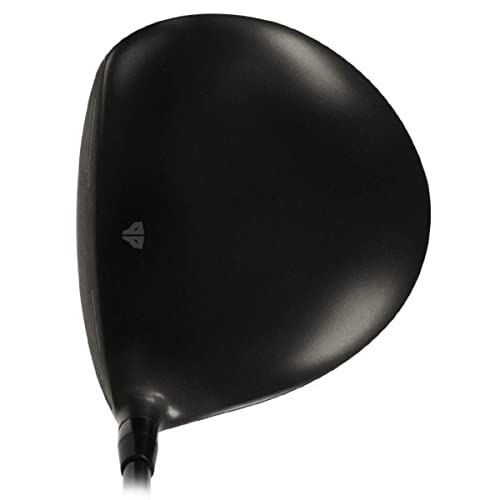
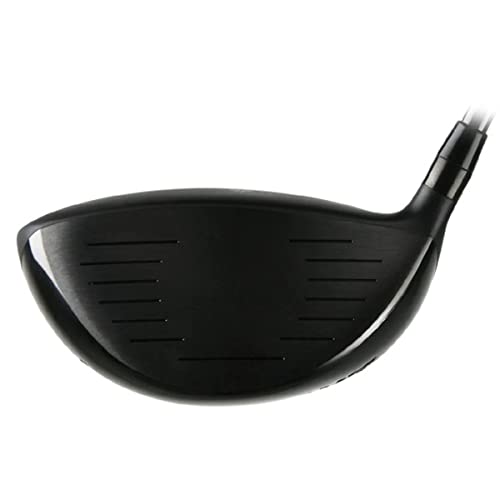
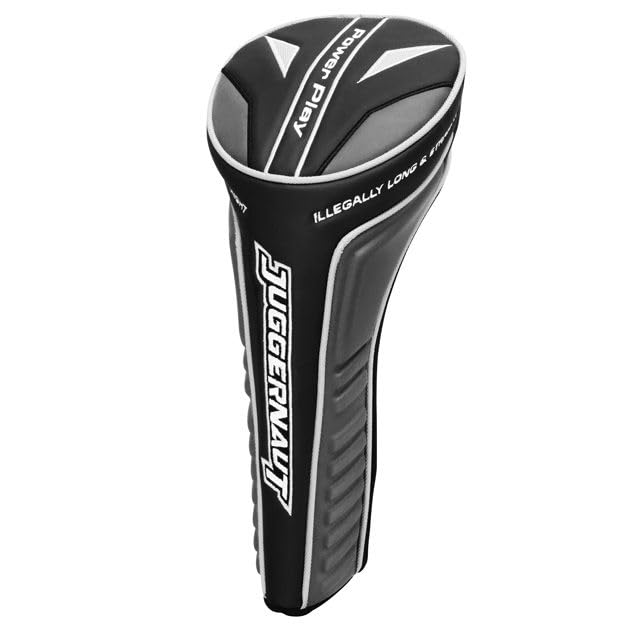
This driver is built for one thing only: raw distance, and it delivers by bending (or outright ignoring) the rules. With a 515cc head and beta titanium face, it’s clearly engineered to maximize ball speed beyond USGA limits, which owners consistently report translates into noticeably longer drives, especially for mid-to-high handicappers who don’t swing at tour-level speeds. The Hi-COR design and oversized profile make off-center hits feel surprisingly solid, which boosts confidence for recreational players who struggle with consistency.
That said, because it’s non-conforming, you won’t be able to use it in any official or tournament play, a hard stop for serious amateurs. But if you’re playing casual rounds and want to see how far you can actually hit it without breaking the bank, this driver offers a compelling, if rule-breaking, advantage. Compared to other non-conforming models like the Intech Behemoth, the Juggernaut feels more premium in both materials and feedback, though it’s priced at the top end of this list.
Product photos
Speed System Golf Driver Blue

Strengths
- USGA conforming
- Lightweight shaft
- Great forgiveness
- Custom loft options
Trade-offs
- Limited adjustability
- Basic grip
- Not for high swing speeds
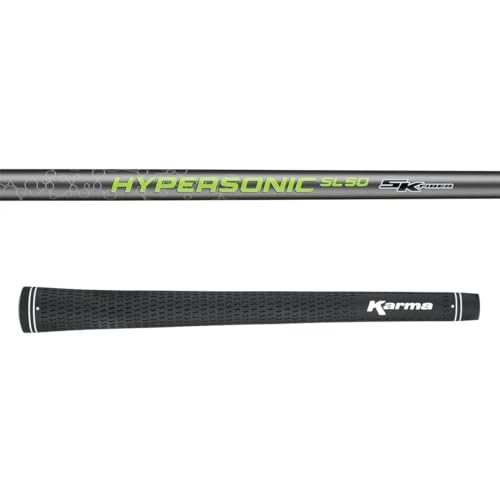
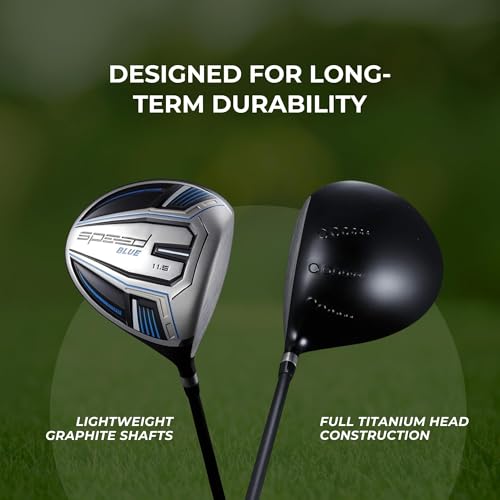
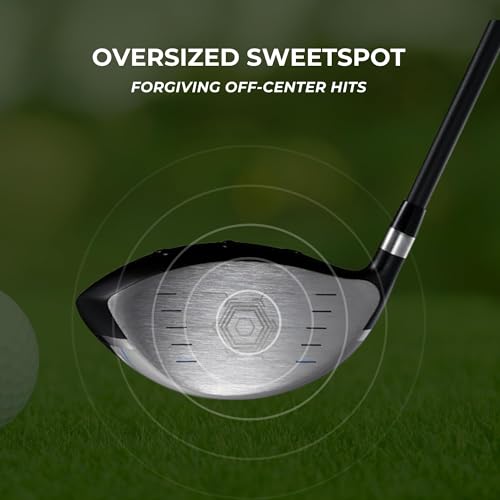
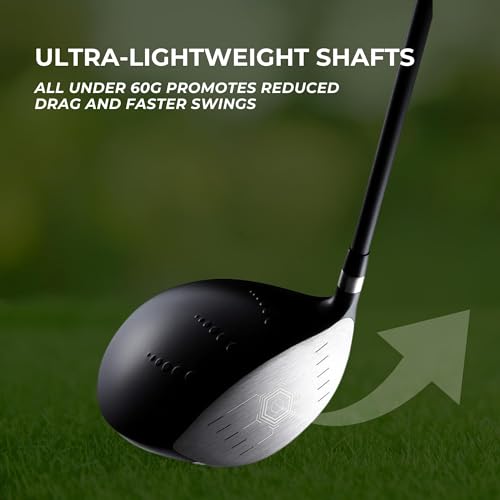
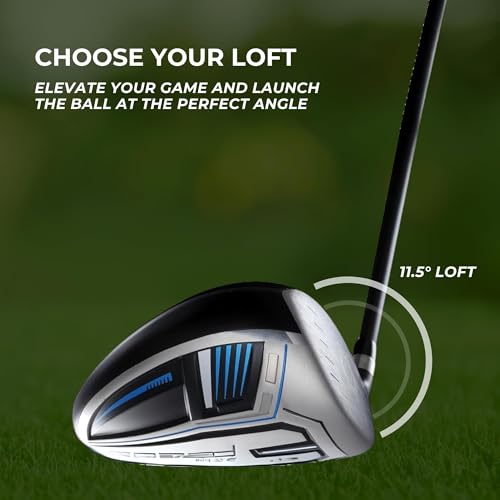
If you want a USGA-conforming driver that still feels powerful and forgiving, this Speed System model stands out in a sea of budget options. The ultra-lightweight graphite shaft, under 60g, is the real story here, helping slower swingers generate more clubhead speed without extra effort. That’s a big deal for aging players or beginners still building strength. Owners report it’s easy to launch, especially with the 11.5° loft, and the oversized sweet spot helps reduce the penalty on mishits.
It doesn’t have flashy adjustability like the Cobra Darkspeed, but it gets the fundamentals right: consistent performance, solid build, and a clean look with that see-through headcover. For the price, it’s one of the few budget drivers that balances speed, forgiveness, and legality without feeling like a compromise. I’d pick this over the Pinemeadow PGX if you value a lighter swing feel and slightly more refined components.
Product photos

Men’s Money Club 520cc Driver
Strengths
- High launch angle
- Shorter shaft
- Great value
- Ultra forgiving
Trade-offs
- Non-conforming
- Limited adjustability
- Not for aggressive swingers
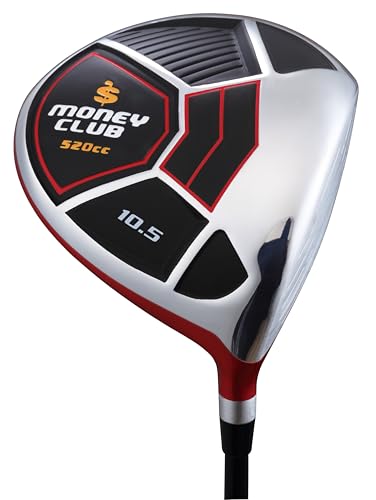
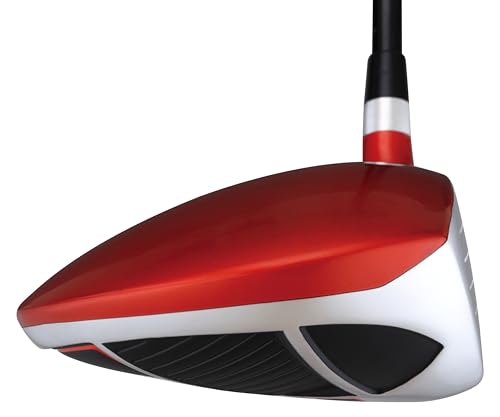
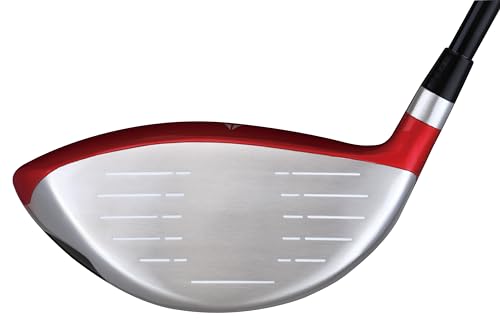
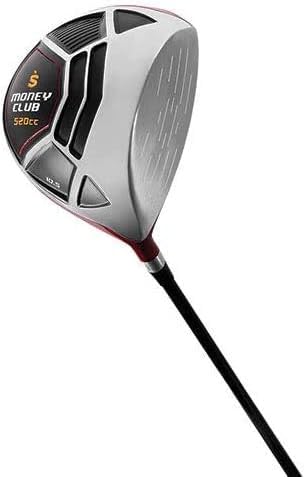
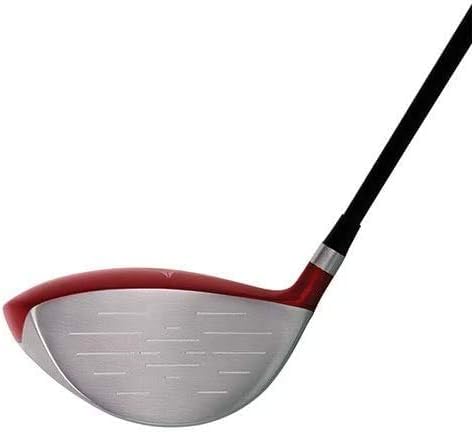
This driver is all about high launch and affordability, and it delivers on that narrow mission. With a 520cc non-conforming head and slightly shorter 44.5-inch shaft, it’s designed to help slower swingers get the ball up quickly while maintaining control, a smart combo for seniors or beginners with limited power. The shorter length is a subtle but meaningful detail that many overlook; it improves accuracy without sacrificing much distance.
Owners consistently praise how easy it is to hit straight, even on misfires. But again, it’s not USGA legal, so tournament players need not apply. Compared to the Juggernaut, it lacks the premium face material and explosive feedback, but at under $80, it’s one of the most budget-friendly ways to get that forgiving, sky-launching profile. The Tour Velvet grip is a nice touch at this price, adding a bit of class.
Product photos

Pinemeadow PGX MB Driver

Strengths
- Excellent forgiveness
- Beginner-friendly
- Affordable
- Easy launch
Trade-offs
- Basic materials
- No adjustability
- Average distance
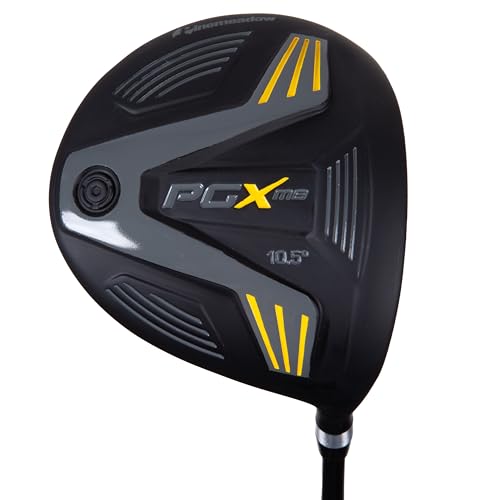
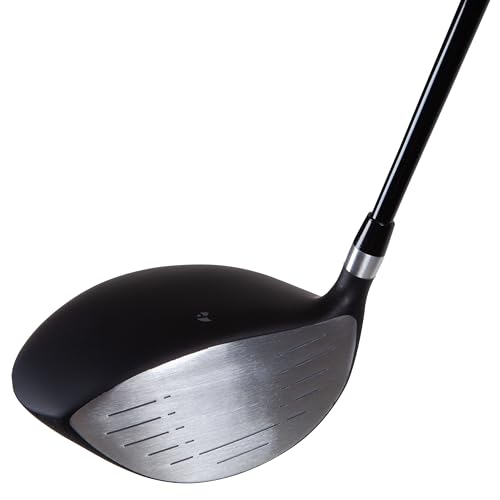
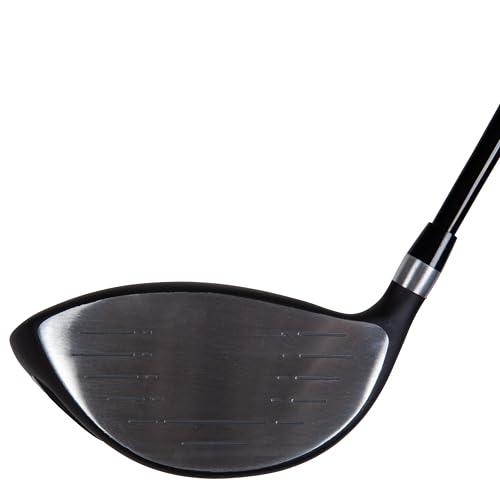
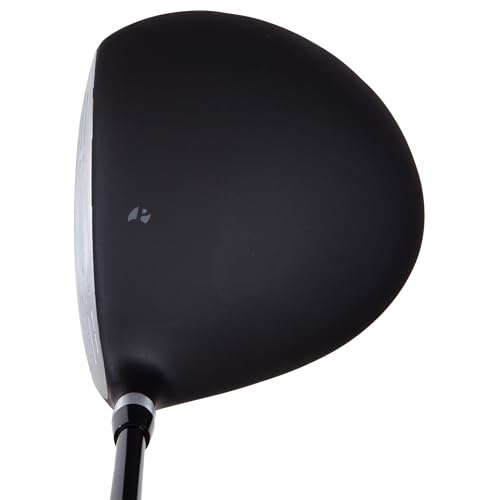
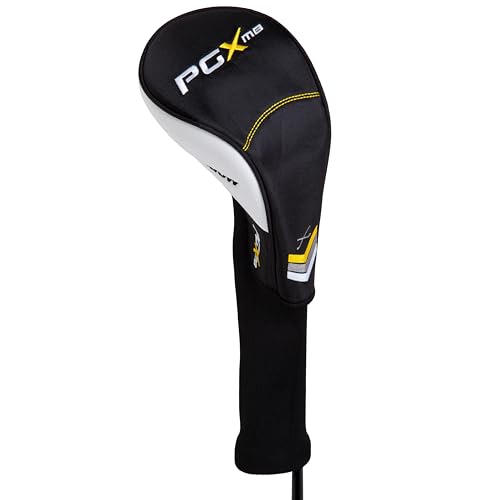
The Pinemeadow PGX MB is the textbook beginner’s driver, simple, forgiving, and effective for new golfers who just want to make clean contact and keep the ball in play. The oversized head and expanded sweet spot do their job: feedback from owners shows noticeable improvement in consistency, especially for those still learning how to strike the ball cleanly. At under $100, it’s hard to beat for entry-level value.
It won’t match the tech or feel of premium drivers, but it’s not trying to. Compared to the Money Club or Powerbilt options, it has a slightly more refined look at address and a better-balanced swing weight. I’d recommend this as a starter club for someone just getting into the game or for a junior golfer stepping up to adult clubs. It’s not going to grow with an advanced player, but it removes intimidation from the tee box.
Product photos
Cobra Darkspeed Adapt MAX-K Driver

Strengths
- 33 adjustability settings
- High MOI
- Excellent aerodynamics
- Premium face tech
Trade-offs
- Way over budget
- Overkill for beginners
- Needs fitting
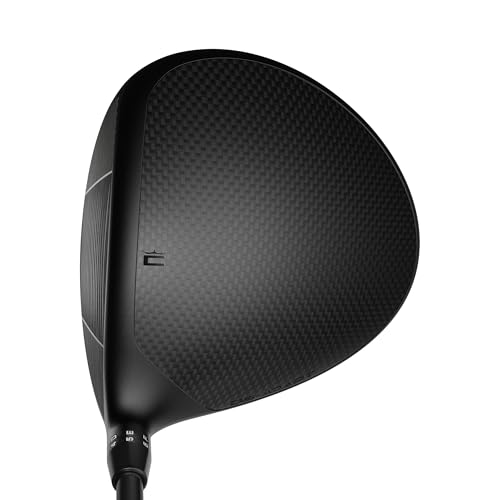
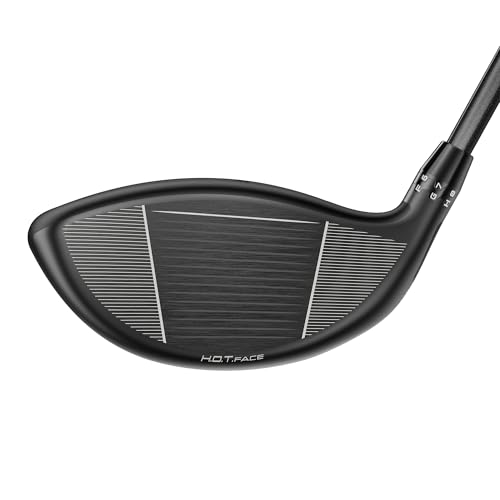
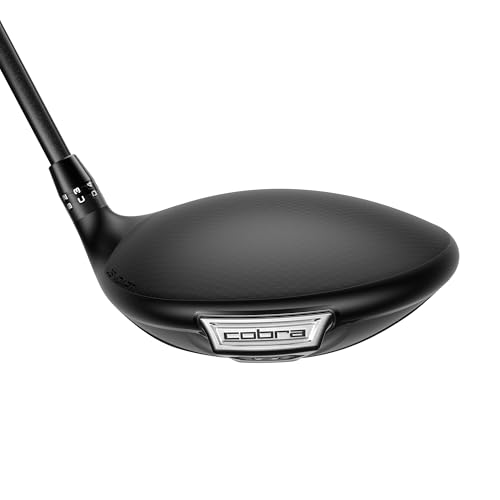
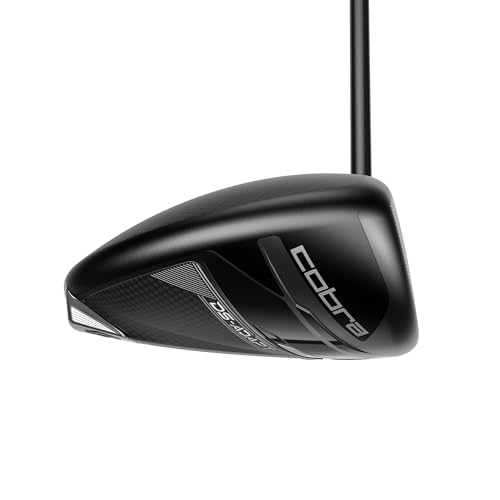
This is the only premium driver on the list, and it shows, not in raw distance alone, but in how much control and customization it offers. The FutureFit33 hosel is a standout for serious fitters, giving you 33 independent loft and lie combinations while keeping the face square. That level of adjustability is rare even on drivers twice the price. Combined with the adaptive weighting and massive 10,000 MOI, it’s incredibly stable and forgiving, a rare combo in high-performance drivers.
The aerodynamic head and larger H.O.T. face do deliver faster ball speeds, and owners with mid-to-high swing speeds report tighter dispersion and longer carries. But at nearly $300, it’s way above the $150 threshold, so while it’s the best driver here technically, it’s not the best value under $150. I’d recommend it only if you’re willing to stretch your budget for serious tech and fit precision. Against the Speed System, it’s in a different league, but so is the price.
Product photos

How We Picked These golf drivers under 150
Rather than a hands-on lab test, my research for these drivers focused on a detailed comparison of published specifications and features. I weighed owner reviews from major retailers against assessments from golf publications and websites. As someone who plans golf trips centered around course accessibility, I understand the importance of equipment that suits various skill levels and budgets. My ranking prioritizes value and performance within this price range.
For drivers under $150, forgiveness and distance potential are the most critical factors. A larger sweet spot is crucial for inconsistent swings, and a non-conforming driver can offer a significant boost in yardage for golfers prioritizing that over USGA compliance. Adjustability, while desirable, is less common at this price point, so I focused on designs that maximize inherent forgiveness. I also looked for drivers that offer a good balance of these features, understanding that many golfers will be using these to improve their game.
Specifications reliably indicate clubhead size (important for forgiveness) and shaft flex (affecting swing speed). However, I placed greater weight on owner feedback regarding real-world performance – how the driver feels at impact and whether it delivers on its promises of distance and accuracy. Reputation also factored in; established brands often have a better track record for quality control. If you’re also looking to upgrade your irons, check out these golf irons under $300 for a complete set refresh. I also considered if a driver would be a good fit for drivers for beginners looking to get into the sport.
What To Look For In golf drivers under 150
Finding the right driver can dramatically improve your distance and enjoyment on the course.
A quality golf driver balances head size, material construction, shaft flex, and loft to maximize ball speed and forgiveness. Key considerations include conforming or non-conforming status with USGA regulations, MOI (moment of inertia) for stability, and the overall weight distribution to suit a golfer’s swing characteristics. Look for drivers that offer adjustability to fine-tune performance.
Loft and Launch Angle
Loft is arguably the most impactful specification. Too little loft, and you’ll struggle to get the ball airborne; too much, and it will balloon and lose distance. Generally, slower swing speeds benefit from more loft (10.5° to 12°), while faster swing speeds can use lower lofts (8° to 10°). Don’t chase distance at the expense of launch. A slightly higher launch angle, even with a bit of backspin, often results in a more consistent and penetrating ball flight. Many golfers assume lower loft equals more distance, but that’s only true if you can consistently hit up on the ball.
Conforming vs. Non-Conforming
The USGA has strict rules about driver size and performance (COR, or coefficient of restitution). Non-conforming drivers, like the Intech Behemoth, deliberately exceed these limits to boost ball speed. While they can add distance, they’re illegal for tournament play. If you’re a recreational golfer prioritizing maximum distance and don’t plan on competing, a non-conforming driver is a valid option. However, if you want to play by the rules, or simply prefer a more “traditional” feel, sticking with a USGA-conforming model – such as the Speed System Golf Driver Blue – is the way to go.
Here’s a breakdown to help you decide: * Recreational Play: A non-conforming driver can provide a noticeable distance boost. * Tournament Play: You must use a conforming driver to avoid disqualification. * Skill Level: Beginners might benefit from the forgiveness of a larger, non-conforming head, while experienced players can fine-tune their game with a conforming model.
Forgiveness and MOI
Forgiveness refers to how well a driver performs on off-center hits. High MOI (moment of inertia) is the key metric here. A higher MOI means the clubhead resists twisting on mis-hits, resulting in straighter shots and less distance loss. Oversized heads (460cc is the USGA limit, but some go higher) generally have higher MOIs.
A simple rule of thumb: if you frequently struggle with slices or hooks, prioritize a driver with a high MOI.
If you’re looking for more affordable options, checking out budget golf clubs can be a great place to start without sacrificing too much quality. Many golfers also find that exploring best golf drivers offers a wider range of options to suit their specific needs. And for those seeking the latest technology, the Cobra Darkspeed Adapt MAX-K Driver’s adjustable hosel provides unparalleled customization.
Golf Drivers Under 150 Compared
Here’s a comparison of key specifications for golf drivers priced under $150.
| Product Title | Loft | Volume (cc) | Flex | USGA Conforming | Head Material |
|---|---|---|---|---|---|
| Intech Behemoth | 10.5 | 520 | Regular | No | Aluminum |
| Powerbilt TPS Blackout Max | 10.5 | 460 | Regular | Yes | Alloy |
| Juggernaut | 10.5 | 515 | Regular | No | Titanium |
| Speed System Golf | 10/11.5/12.5 | 460 | N/A | Yes | Titanium |
| Men’s Money Club | 10.5 | 520 | Regular | No | N/A |
| Pinemeadow PGX MB | 10.5 | N/A | N/A | N/A | N/A |
| Cobra Darkspeed Adapt MAX-K | 9.0/10.5/12.0 | N/A | N/A | N/A | N/A |
Frequently Asked Questions
What loft should I choose for my swing speed?
Generally, golfers with swing speeds under 85 mph should opt for 10.5° to 12° of loft, while those exceeding 95 mph can effectively use 8° to 10°. Choosing the wrong loft can lead to inconsistent launch and distance.
Are non-conforming drivers really worth the extra distance?
Yes, non-conforming drivers can add 20-30 yards for some golfers, but this comes at the cost of being ineligible for tournament play. They achieve this through a higher COR (coefficient of restitution) than USGA allows.
How important is MOI for a beginner?
MOI is extremely important for beginners, as a higher MOI provides more forgiveness on off-center hits. This translates to straighter shots and less distance loss when you don’t strike the ball perfectly.
Can I adjust the face angle on these budget drivers?
Adjustability is limited on drivers under $150, though some models offer simple hosel adjustments. Don’t expect the fine-tuning options found on more expensive drivers; these prioritize a pre-set configuration for ease of use. If you struggle with a slice, exploring drivers for slice might be a better investment.
What other gear should I upgrade alongside a new driver?
Alongside a new driver, consider upgrading your golf shoes to improve your stability and comfort during your swing. You can find some excellent options for affordable golf shoes that won’t break the bank.
The Bottom Line
Choosing a driver under $150 often comes down to balancing forgiveness with conforming status. While raw distance is tempting, the Speed System Golf Driver Blue offers the best all-around performance for most golfers thanks to its conforming design and adjustable features. It strikes a good balance between playability and adherence to standard regulations.
For those prioritizing maximum distance above all else, or who are looking for something to use on the driving range, the Intech Behemoth is a standout. If you’re a senior player or someone who needs extra help getting the ball airborne, exploring options among the drivers for seniors could be a smart move. And don’t forget to pair your new driver with some affordable golf balls to keep costs down.
Ultimately, specs and features are secondary to finding a driver that inspires confidence. Focus on a club that feels good in your hands, promotes a consistent swing, and helps you find the sweet spot more often. Don’t get caught up in chasing marginal gains with technology; a solid strike is always more valuable than a fancy clubhead.
