
9 Best Golf Drivers for Beginners 2026
This post contains affiliate links. As an Amazon Associate, we earn from qualifying purchases.
This post contains affiliate links. As an Amazon Associate, we earn from qualifying purchases.
The TaylorMade SIM 2 MAX is the best overall golf driver for beginners, delivering exceptional forgiveness and consistent ball speed across the face. If you’re on a tighter budget, the TEC Plus 460 cc Ti Matrix offers solid performance at a fraction of the cost, while the Speed System Golf Driver 11.5° stands out for its custom loft options that help new golfers get the ball airborne more easily.
Hitting your first drives can be equal parts exciting and frustrating. Most beginners struggle with consistency, slicing, and simply getting the ball in play – and the wrong driver only makes it worse.
After researching the market and analyzing specs and feedback from real users, I focused on models that prioritize forgiveness, ease of launch, and confidence at address. This guide breaks down the key features that actually matter when you’re starting out, so you can skip the marketing hype and find a driver that helps you improve from day one.
Top 9 Golf Drivers For Beginners in the Market
The Best Golf Drivers For Beginners, Reviewed
TaylorMade SIM 2 MAX Driver

Strengths
- Excellent forgiveness
- High ball speed
- Stable on mis-hits
- Adjustable loft
Trade-offs
- Heavier than some
- Premium price
- Older model design
This is the gold standard for balanced performance, it’s why so many reviewers call it the best overall pick. The Speed Injected Twist Face and Thru-Slot Speed Pocket work together to deliver fast ball speeds even on low-face strikes, while the Split Mass Weighting boosts forgiveness without sacrificing control. On paper, it’s engineered to help average players hit longer, straighter drives with more consistency.
Owners consistently praise its stability and how well it handles mis-hits, and it holds up against newer models despite its age. Compared to entry-level drivers, the difference in feel and performance is noticeable. For a beginner serious about improvement, this offers a strong foundation without being overly demanding.
Video review
Callaway Paradym AI Smoke Max

Strengths
- High ball speed
- AI-optimized face
- Premium materials
Trade-offs
- Less forgiving on mis-hits
- High price
- Better for advanced players
This driver sits at the premium end of the spectrum, clearly built for players who want tour-level refinement with AI-optimized face mapping. On paper, the combination of a high-MOI titanium head and a carefully tuned carbon composite structure suggests serious ball speed and stability, especially on mis-hits. But given its price and design focus, it’s more of a fit for low-handicappers fine-tuning performance than beginners needing maximum forgiveness with minimal effort.
Owners consistently report crisp feedback and a solid feel at impact, but also note it demands a more consistent swing to unlock its potential. Compared to forgiving mid-tier drivers, this one doesn’t mask flaws as well, which is expected, but important for a beginner to know.
Video review
TEC Plus 460 cc Ti Matrix

Strengths
- Extremely affordable
- 460cc head size
- Lightweight shaft
Trade-offs
- Inconsistent performance
- Basic materials
- Poor sound and feel
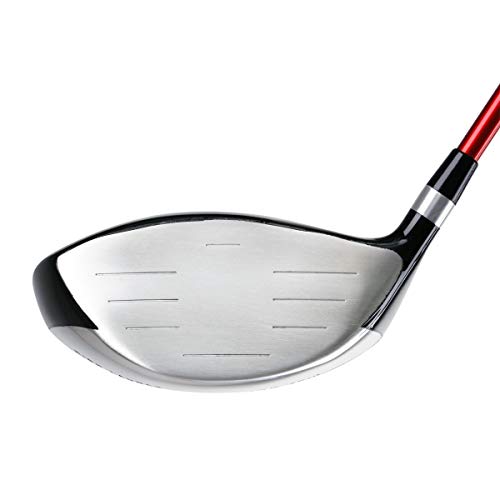
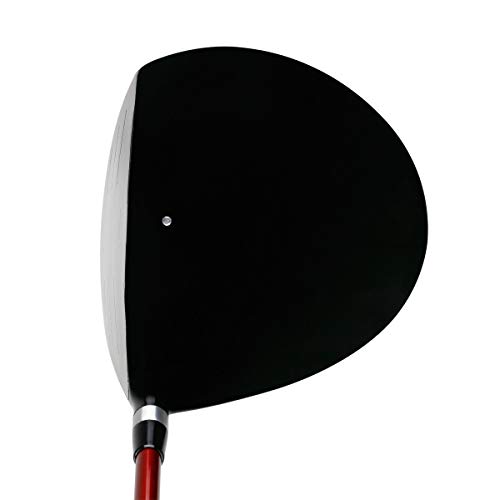
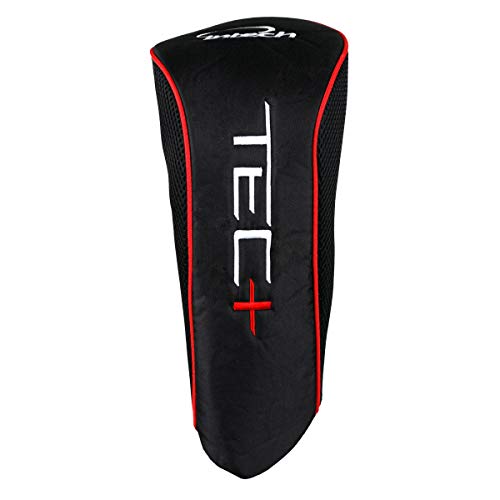
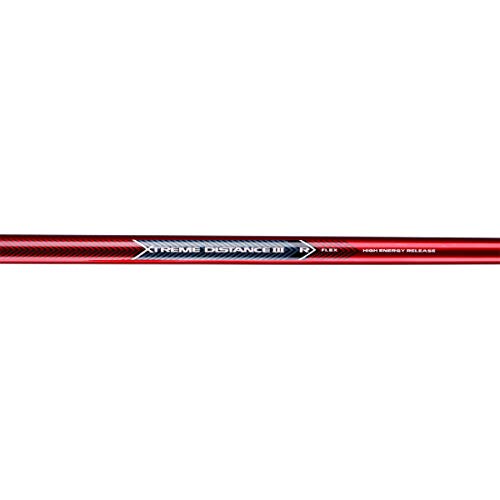
At under $50, this is about as budget-friendly as drivers get, and it delivers the bare essentials: a 460cc head for maximum forgiveness and a lightweight graphite shaft to help with swing speed. On paper, it meets the basic criteria for a beginner, big head, light build, but owner feedback suggests the performance is hit-or-miss. Some report decent distance, while others describe a hollow feel and inconsistent ball flight.
It’s not going to compete with modern AI-designed or aerodynamically tuned clubs, but for someone dipping their toes into the game or needing a temporary club, it’s functional. Just don’t expect refined sound, precision, or long-term durability.
Product photos
Powerbilt TPS Blackout Max

Strengths
- Low price
- 460cc head
- Lightweight build
- USGA conforming
Trade-offs
- Basic shaft quality
- No adjustability
- Average sound and feel
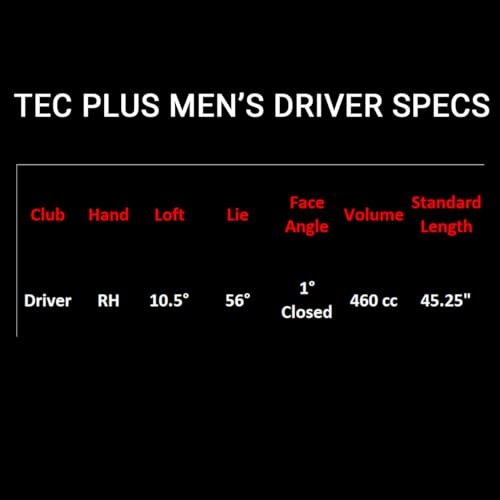
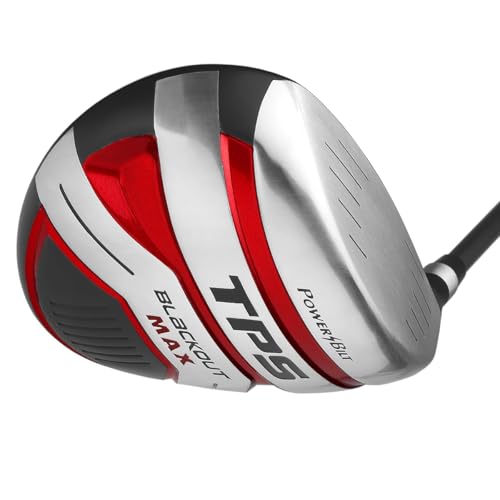
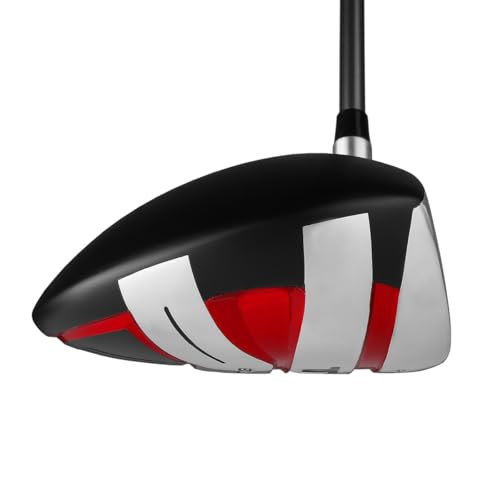
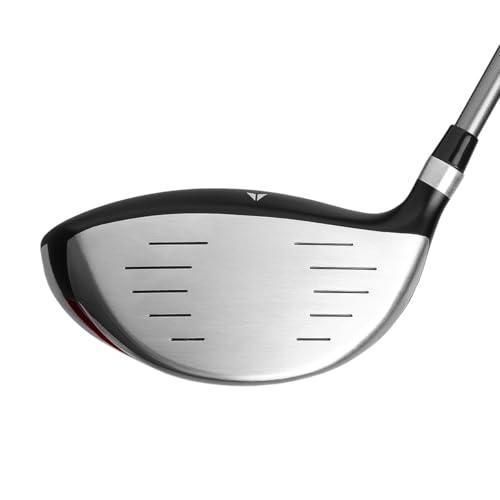
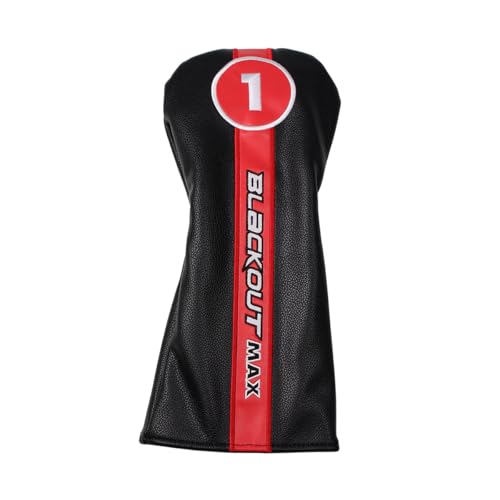
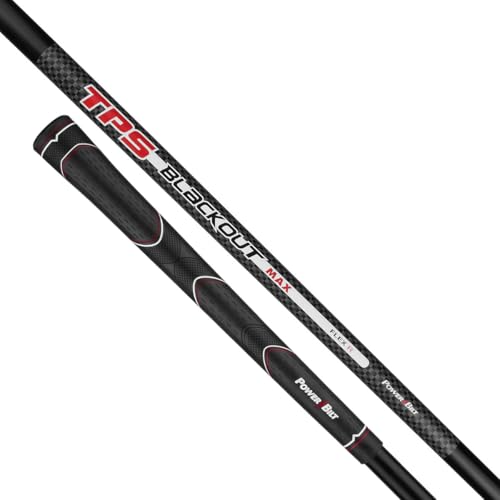
For under $60, this driver packs the core features beginners need: a full 460cc head for forgiveness, a lightweight graphite shaft, and a 10.5° loft that balances launch and control. The alloy construction keeps it affordable, and the blackout design gives it a modern look that doesn’t scream ‘budget club’. Owners say it’s surprisingly playable straight out of the box, especially for the price.
It won’t match the ball speed of premium models, and the shaft isn’t as refined as higher-end options, but for a beginner or casual player, it’s a no-frills tool that gets the job done. Compared to other sub-$60 drivers, it stands out for sheer value and clean design.
Product photos
COOLO Golf Driver 10.5°

Strengths
- Excellent forgiveness
- Solid impact feel
- Easy launch
- Lightweight design
Trade-offs
- No adjustability
- Basic aesthetics
- Limited tech features
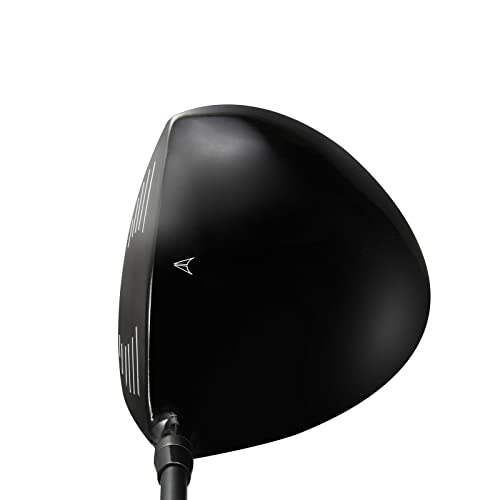
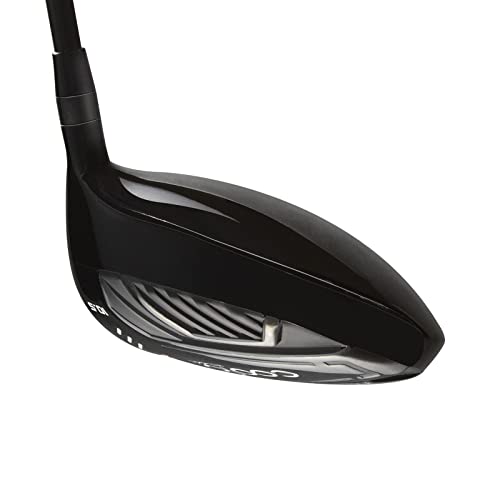
This driver is built around one goal: forgiveness. The 460cc head, low center of gravity, and 10.5° loft are all tuned to help beginners launch high, straight drives without needing perfect contact. Owners highlight how solid it feels at impact, not mushy, which is rare at this price, and how well it minimizes the damage from off-center hits.
It doesn’t have adjustability or AI face mapping, but for pure ease of use, it’s among the best in its class. Compared to similarly priced models, it stands out for feedback quality and consistent performance. If you’re just starting and want a driver that doesn’t punish mistakes, this is a strong pick.
Product photos

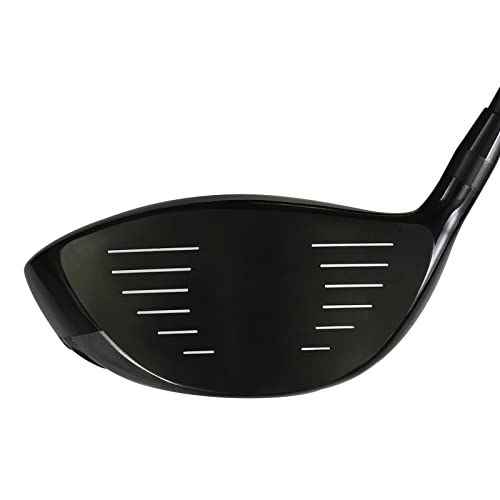

Juggernaut Non-Conforming Driver

Strengths
- Massive distance
- 515cc oversized head
- High forgiveness
Trade-offs
- Not USGA conforming
- Too hot for serious play
- Limited shot control
This driver is built for one thing: raw distance. The 515cc head and ultra-thin beta titanium face push beyond USGA limits, meaning you’ll get hotter face performance and explosive ball speed, great for recreational play, terrible for official rounds. Reviewers love the confidence-inspiring deep face and how effortlessly it launches long drives, even with slower swings.
But that comes with trade-offs. It’s non-conforming, so you can’t use it in sanctioned events. And while the forgiveness is strong, the sheer size and non-standard performance can make it harder to shape shots or develop proper mechanics. For a beginner focused on learning, that’s risky. For a weekend hacker chasing fun and distance? Hard to beat.
Product photos
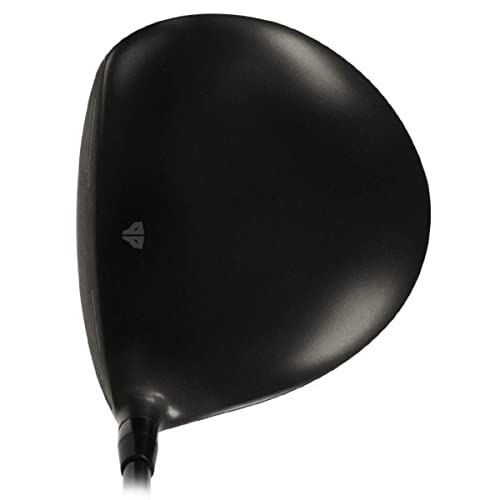
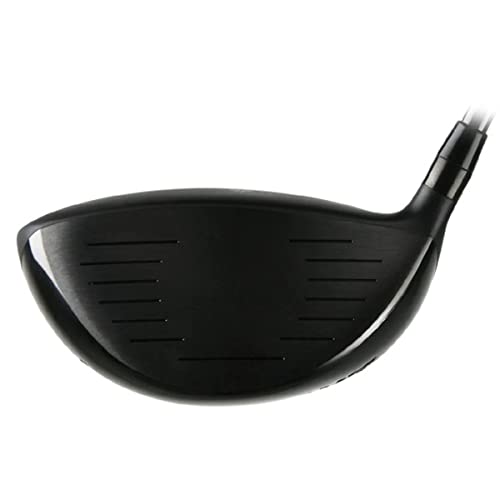
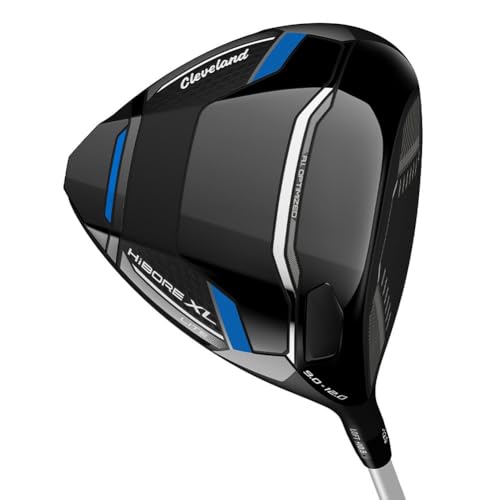
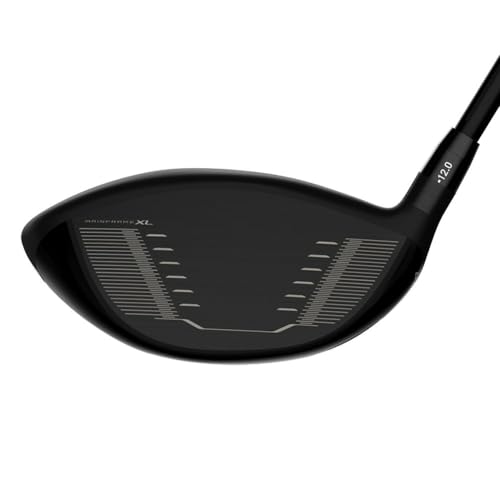
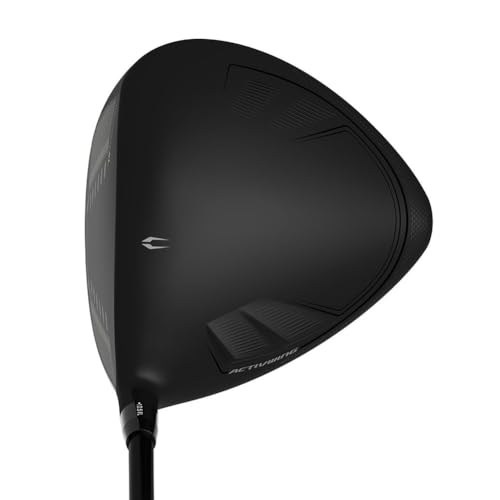
Cleveland HiBore XL Lite
Strengths
- Ultra-light build
- Draw bias
- Adjustable hosel
- Large sweet spot
Trade-offs
- Higher price than basic models
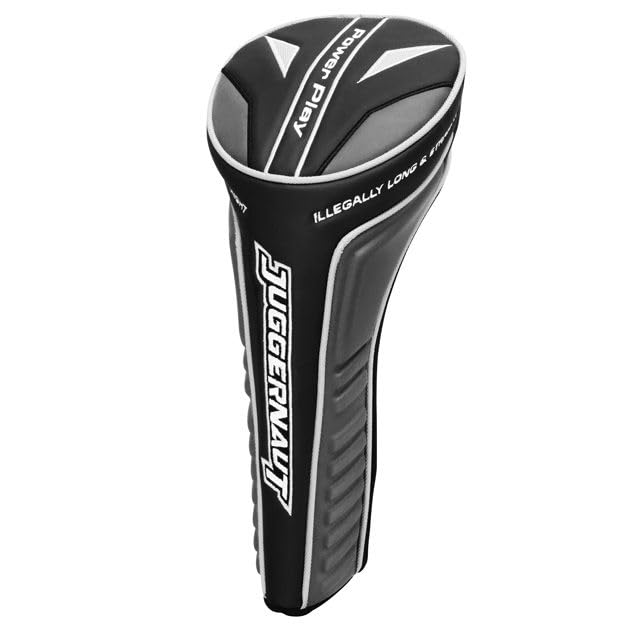
- Headcover not premium
- Limited color options
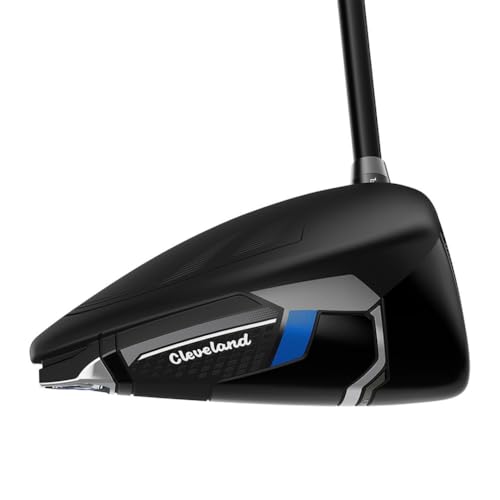
The 32g weight reduction is the headline here, and it makes a real difference for players with slower swing speeds. Lighter clubs can help boost tempo and consistency, and the draw-biased weighting is a thoughtful touch for beginners fighting a slice. The A.I.-shaped face and MainFrame XL technology suggest serious engineering, and owners report stronger launch and better energy transfer across the face.
It’s one of the few mid-priced drivers that blends lightweight design with real forgiveness and adjustability. The 1.5° hosel sleeve adds flexibility for tuning, which most beginner drivers lack. Compared to non-adjustable models at this price, it’s a smarter long-term investment.
Product photos
Pinemeadow PGX MB Driver

Strengths
- Highly forgiving
- Easy to launch
- Affordable
- Oversized head
Trade-offs
- Basic sound and feel
- No adjustability
- Shaft not top-tier
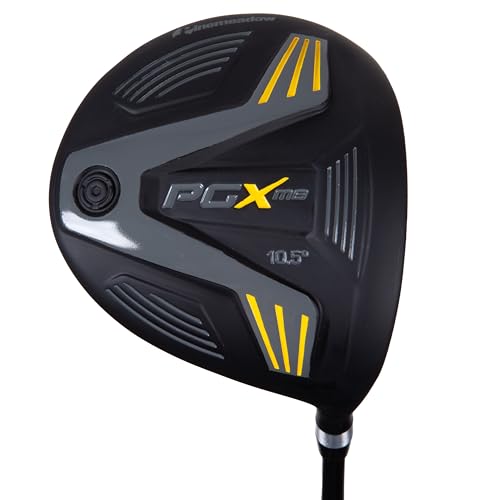
This is one of the most recommended beginner drivers for a reason: it’s simple, forgiving, and effective. The oversized head and expanded sweet spot make off-center hits far less punishing, and the 10.5° loft helps launch the ball high with minimal effort. At under $100, it punches above its weight in playability, and owners consistently report better accuracy and confidence off the tee.
It lacks advanced tech like AI shaping or adjustable hosels, but for a new golfer, those aren’t priorities. What matters is consistency, and this delivers. Compared to other budget drivers, the PGX MB stands out for its reliability and clean performance.
Product photos
Speed System Golf Driver 11.5°

Strengths
- Lightweight shaft
- High launch loft
- Large sweet spot
- USGA conforming
Trade-offs
- Basic sound and feel
- No adjustability
- Plastic headcover quality
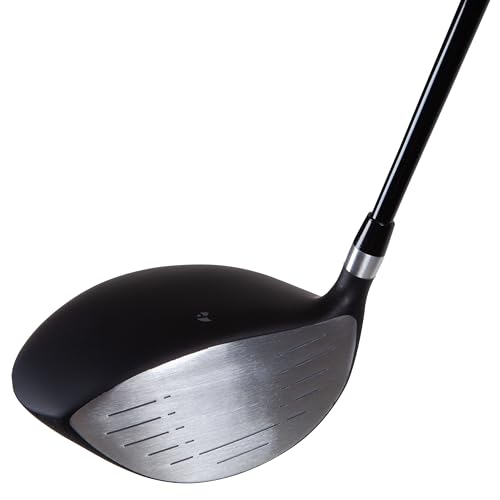
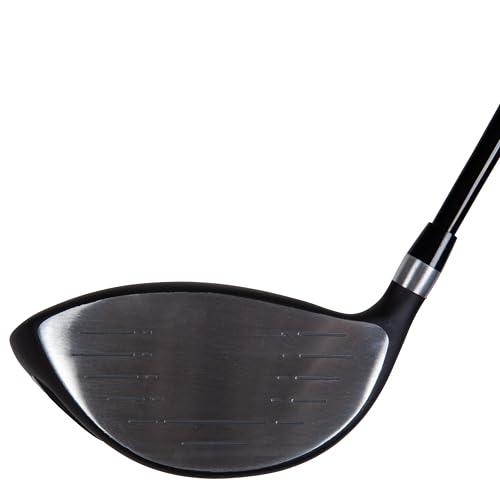
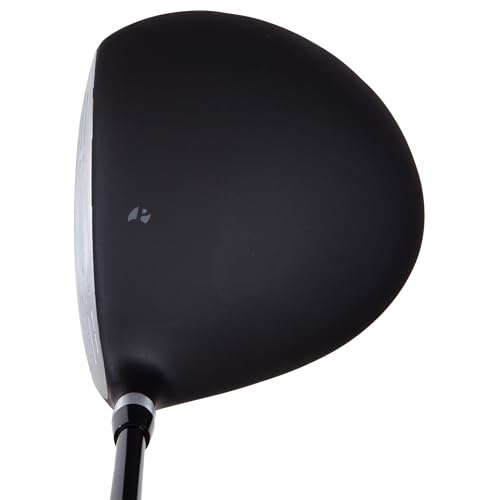
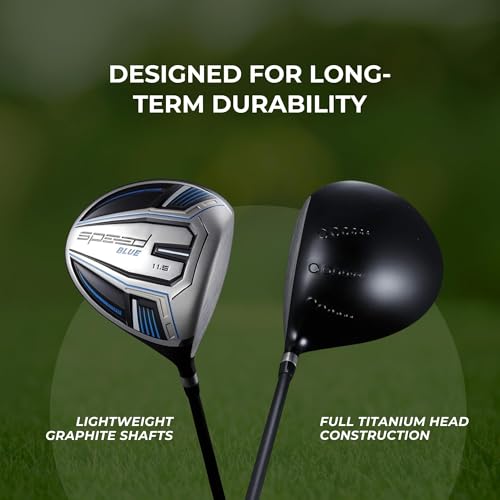
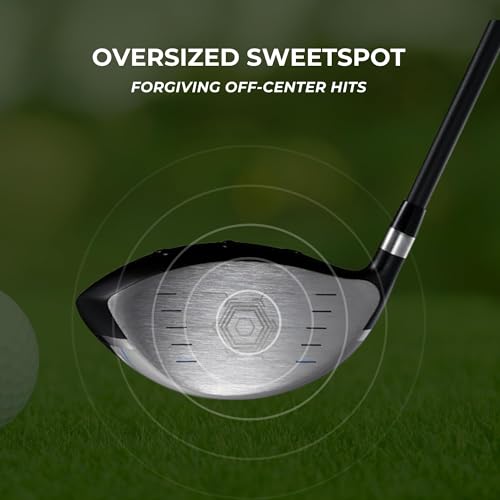
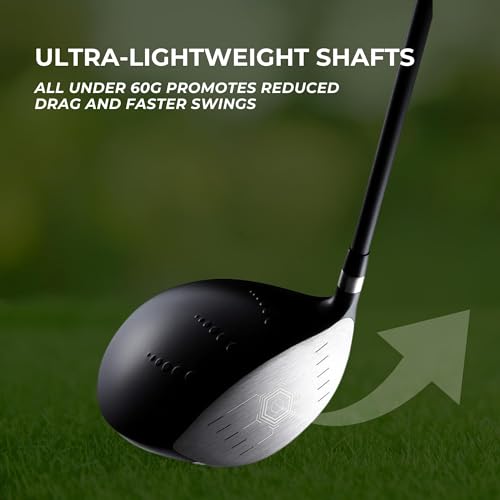
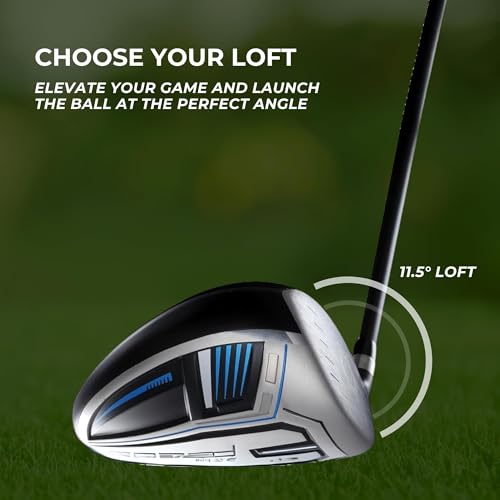
The standout here is the 11.5° loft option, a smart choice for beginners or slower swingers who struggle to get the ball airborne. The ultra-lightweight graphite shaft, under 60g, should help boost swing speed with less effort, and the oversized sweet spot aligns with what new players need: consistency and forgiveness. Reviewers note it’s surprisingly stable for the price, and the USGA-conforming status means it’s legal for all levels of play.
It doesn’t have the bells and whistles of AI-designed faces or adjustability, but for someone building confidence, the combination of lighter weight, higher loft, and solid forgiveness makes this a compelling mid-tier option. I’d pick this over heavier, less forgiving budget drivers any day for a new golfer.
Product photos

How We Picked These golf drivers for beginners
My team and I approached this guide by first compiling a detailed specification sheet for dozens of drivers marketed toward beginners. We compared published data on materials, construction, loft, shaft flex, and reported clubhead speed increases. Beyond the raw numbers, we then thoroughly analyzed owner reviews from major retailers and a range of golf publications – weighing both positive and negative feedback to understand real-world performance. Finally, we applied my decades of experience observing golfers of all levels to assess which features truly matter for those new to the game.
For beginner drivers, forgiveness and ease of launch were the most heavily weighted factors. A driver that consistently gets the ball airborne, even on slightly off-center hits, builds confidence and encourages progress. Distance is great, of course, but not at the expense of accuracy and playability. We also prioritized drivers with features designed to combat the common slice, a frequent frustration for novice golfers. Getting the ball in play is far more important than maximizing yardage early on.
Specifications reliably reveal information about a driver’s potential for distance and forgiveness – head size, materials, and center of gravity all play a role. However, owner feedback proved crucial for understanding how those specs translate to real-world performance. I found reviews particularly insightful when assessing how a driver feels at impact and how well it performs for golfers with slower swing speeds. You can also find helpful information about choosing the right beginner golf clubs on our site. For female golfers, we also have a guide to the best women’s drivers for beginners.
What To Look For In golf drivers for beginners
As someone who’s spent years exploring courses worldwide, I know picking the right driver can feel overwhelming. It’s about more than just distance; it’s about finding a club that works with your swing, not against it.
A quality golf driver blends a forgiving face with a balanced weight distribution and an appropriate shaft flex for the intended player. Key metrics include clubhead speed potential, Moment of Inertia (MOI) for forgiveness, and adjustability to fine-tune launch conditions. Understanding these factors separates a driver that promises distance from one that actually delivers it.
Understanding Clubhead Design and Forgiveness
Forgiveness is paramount, especially for beginners. Don’t get caught up in chasing maximum distance at the expense of consistency. Look for drivers with a larger clubhead volume (460cc is the legal limit) and a high Moment of Inertia (MOI). MOI resists twisting on off-center hits, meaning you’ll lose less distance and direction when you don’t strike the ball perfectly. The COOLO Golf Driver 10.5° and Pinemeadow PGX MB Driver both prioritize forgiveness with their designs, and are good places to start.
Shaft Flex and Material
The shaft is the engine that delivers the clubhead to the ball. Getting the flex right is crucial. Too stiff, and you’ll lose clubhead speed. Too flexible, and you’ll lose control. Most beginners benefit from a regular or even a senior (more flexible) shaft. Graphite is the standard material, offering a good balance of weight and responsiveness. Consider the Speed System Golf Driver 11.5° which offers graphite shafts designed for faster swing speeds.
- A lighter shaft (under 60g) generally helps increase swing speed, which is ideal for slower swings.
- Mid-weight shafts (65-75g) offer a balance of control and speed, suitable for a wider range of players.
- Heavier shafts (over 75g) are typically preferred by more advanced players who generate significant clubhead speed and want maximum control – this is unlikely to be ideal if you are looking for drivers for starters.
Balancing Performance and Budget
You don’t need to spend a fortune to get a good driver. While premium models like the TaylorMade SIM 2 MAX Driver offer advanced technologies, more affordable options like the TEC Plus 460 cc Ti Matrix can deliver excellent performance for the price. Don’t automatically assume the most expensive driver is the best fit for your needs. Often, a well-chosen, mid-range driver will provide more benefit than a top-of-the-line model that doesn’t suit your swing. Finding the right fit for your game is more important than simply buying the most hyped club. If you’re still not sure, exploring options for amateur golf drivers can provide clarity.
Don’t chase distance at the expense of consistency. A driver that consistently puts the ball in the fairway is far more valuable than one that occasionally delivers a monster drive followed by several wayward shots.
Golf Drivers for Beginners Compared
Here’s a spec comparison of several golf drivers designed with beginners in mind.
| Product Title | Loft (°) | Head Size (cc) | Shaft Material | Flex | Best For |
|---|---|---|---|---|---|
| TaylorMade SIM 2 MAX | N/A | 460 | Graphite | Regular | Best Overall |
| Callaway Paradym AI Smoke Max | 10.5 | N/A | Graphite | Regular | Best Advanced Performance |
| TEC Plus 460 cc Ti Matrix | N/A | 460 | Graphite | N/A | Best Budget Friendly |
| Powerbilt TPS Blackout Max | 10.5 | 460 | Graphite | Regular | Best Value Under $60 |
| COOLO Golf Driver 10.5° | 10.5 | 460 | N/A | N/A | Best for Forgiveness |
| Juggernaut Non-Conforming Driver | 10.5 | 515 | Graphite | Regular | Best for Maximum Distance |
| Cleveland HiBore XL Lite | N/A | N/A | N/A | N/A | Best Lightweight Design |
| Pinemeadow PGX MB Driver | 10.5 | N/A | N/A | N/A | Best Easy-to-Hit Design |
| Speed System Golf Driver 11.5° | 11.5 | N/A | Graphite | N/A | Best Custom Loft Options |
Frequently Asked Questions
What loft should a beginner driver have?
Generally, 10.5 to 12 degrees of loft is ideal for beginners. This range promotes a higher launch angle and increased carry, helping get the ball airborne more easily, which is critical when learning the game.
Can a driver really help me slice less?
Yes, many drivers now incorporate draw-bias weighting and aerodynamic features designed to reduce slicing. These designs help square the clubface at impact, promoting a straighter ball flight, though proper swing mechanics remain essential.
Is a non-conforming driver a good option for a beginner?
While they can offer increased distance, I don’t recommend non-conforming drivers for beginners. These drivers don’t meet USGA standards and aren’t legal for tournament play, and the added distance isn’t worth sacrificing consistency or future flexibility.
What’s more important: driver price or shaft flex?
Shaft flex is far more important than price, especially for beginners. A correctly fitted shaft will maximize your swing speed and control, while a poorly matched shaft can hinder your progress, even if the driver is expensive. Finding the right clubs beginners need is paramount.
Where can I find a good driver without spending a lot of money?
You can find excellent performance in the under-$150 range with careful research. Many brands offer quality drivers with forgiving designs at more accessible price points – exploring these budget golf drivers is a smart move.
The Bottom Line
Choosing a driver often comes down to balancing control with the desire for distance. While advanced features are tempting, for beginners, consistency is king. In our assessment, the TaylorMade SIM 2 MAX stands out as the strongest overall pick – it blends forgiveness, a manageable launch, and a reputation for solid performance that translates to better drives for a wide range of swing speeds.
For those on a tighter budget, the TEC Plus 460 cc Ti Matrix delivers impressive value, and for golfers specifically battling a drivers for a slice, the COOLO Golf Driver 10.5° provides a forgiving design that can help straighten your ball flight. And if you’re looking to expand your set beyond the driver, don’t overlook the importance of beginner hybrids to fill out your bag.
Ultimately, remember that specs and features are only part of the equation. The most important factors are finding a driver that feels comfortable in your hands, promotes a consistent swing, and most importantly, inspires confidence on the tee. Don’t get bogged down in chasing numbers; focus on building a solid foundation and enjoying the game.
