
3 Best Golf Sensors of 2026
This post contains affiliate links. As an Amazon Associate, we earn from qualifying purchases.
This post contains affiliate links. As an Amazon Associate, we earn from qualifying purchases.
The Arccos Smart Sensors Gen 4 stands out as the best overall golf sensor system, delivering elite accuracy and deep Strokes Gained analytics. For golfers who want phone-free tracking, the Arccos Sensors + Link Pro Bundle is a powerful upgrade. If you’re on a tighter budget but still want pro-level data, the Gen 3+ offers strong performance at a lower entry price.
As a golf travel expert, I’ve seen how data transforms the way players understand their game, especially when preparing for new courses around the world. But with so many sensors claiming to track every detail, it’s hard to know which ones actually deliver reliable, usable insights.
This guide cuts through the noise. I researched each system based on real owner feedback, technical specs, and the depth of analytics that truly matter. These picks give you accurate shot tracking, smart app integration, and long-term value, so you can focus on lowering your score, not figuring out your gear.
Top 3 Golf Sensors in the Market
The Best Golf Sensors, Reviewed
Arccos Smart Sensors Gen 3+
Strengths
- Solid core tracking
- A.I. rangefinder
- Automatic shot capture
- Lowest price entry
Trade-offs
- No putter sensor included
- Fewer premium features
- Outdated vs newer bundles
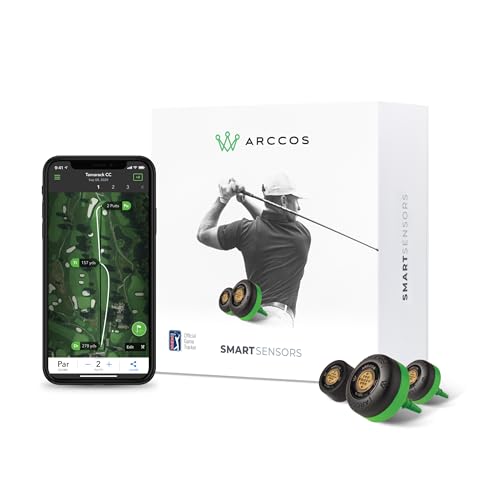
This is the original workhorse of the Arccos lineup, and it still holds up as a solid all-around performer. It gives you the core experience, automatic shot tracking, A.I. rangefinder with real-time environmental adjustments, and integration with the Caddie app, without extras like the putter sensor or Link Pro. On paper, it’s the most basic package, but for someone testing the waters with game-tracking tech, that can be a plus.
Owners note it’s easy to set up and reliable in shot detection, though some report occasional missed putts since the putter sensor isn’t included. Compared to the higher-tier models, this one feels leaner, but not stripped down. I see it as a good entry point if you’re unsure whether you’ll stick with the system. Still, given the small price jump to the B0DSVPT117 model, which includes the putter sensor and more features, this one’s harder to recommend unless you’re strictly minimizing spend.
Video review
Arccos Sensors + Link Pro Bundle
Strengths
- Phone-free tracking
- A.I. caddie advice
- Free sensor renewal
- Strokes Gained analytics
- Wind-adjusted rangefinder
Trade-offs
- High initial cost
- Subscription required
- Link Pro adds bulk
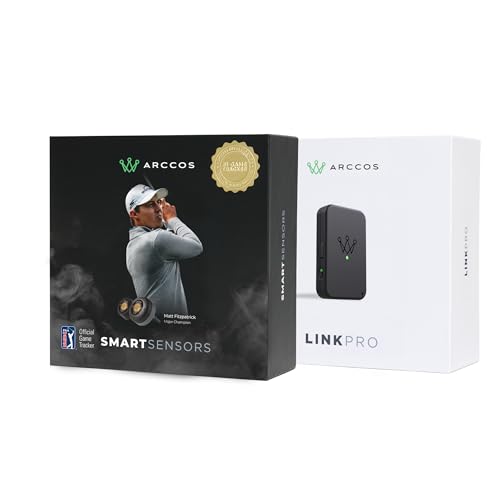
If you’re serious about improving your game and want to ditch your phone on the course, this bundle is a standout. The inclusion of the Link Pro changes the game by letting you track every shot without needing your phone in your pocket. On paper, that’s a big win for players who value a clean, distraction-free round but still want full data capture. Owners consistently report that the automatic tracking with Link Pro is reliable, and pairing it with Arccos’ A.I. caddie advice makes for a powerful combo.
The real strength here is the ecosystem. With Strokes Gained analytics, smart club distances, and wind-adjusted rangefinding, you get insights that mirror what tour pros use. The free annual sensor renewal is also a smart perk, no worrying about lost or damaged sensors. While the upfront cost is steep, the long-term value adds up if you’re committed to using the data. Compared to the standalone sensor set, this is the better pick if you hate carrying your phone.
Video review
Arccos Smart Sensors Gen 4
Strengths
- Complete analytics suite
- Includes putter sensor
- Affordable entry point
- A.I. GPS rangefinder
- Strong customer support
Trade-offs
- Requires phone on course
- No Link Pro option
- Ongoing subscription
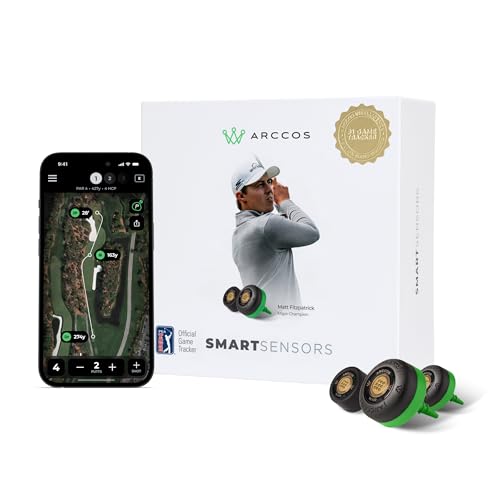
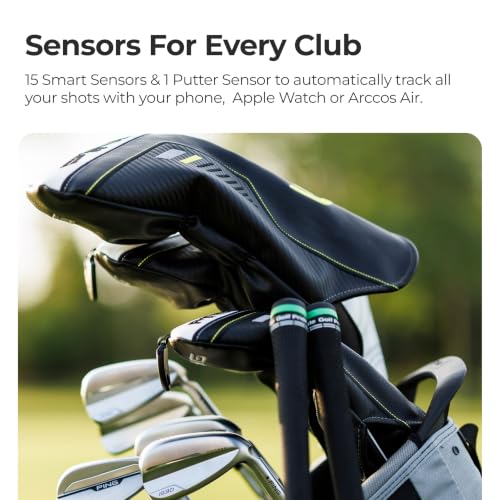
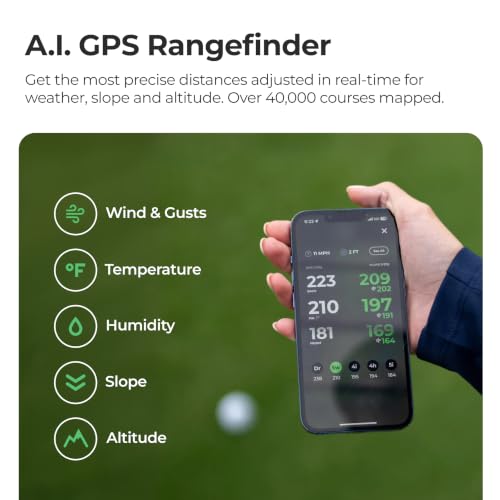
This version delivers nearly all the high-end Arccos features at a more accessible price, making it the smartest value in the lineup. You still get 15 sensors, full Strokes Gained analysis, A.I. caddie insights, and that excellent wind-adjusted GPS rangefinder, all without the Link Pro. For most golfers, that’s fine. Most owners say they don’t mind having their phone in their pocket, especially since the app interface is intuitive and the data capture is seamless once set up.
Where this model shines is in its balance of cost and capability. It lacks the phone-free freedom of the Link Pro bundle, but you’re not missing much in terms of analytics. The PGA Tour comparison feature is a nice touch for motivation, and the free first-year membership softens the subscription sting. I’d pick this over the base GEN 3+ model because it includes the putter sensor and more robust app tools. For data-driven players who don’t mind the phone, this is the sweet spot.
Product photos
How We Chose These golf sensors
Rather than a hands-on lab test, my research focused on comparing the published specifications and features of leading golf sensors. I weighed owner reviews from major retailers alongside assessments from golf publications and tech reviewers. As someone who plans countless golf trips, I understand how data can truly improve a golfer’s experience, so I applied my understanding of what golfers value most when evaluating these systems.
For golf sensors, accuracy and reliability of data capture were paramount. A system is useless if it doesn’t consistently record shots. Beyond that, the depth of analytics offered by the accompanying app heavily influenced my rankings. Players looking to improve need more than just distances; they need insights into strokes gained and personalized advice, which is why those features carried significant weight.
Sensor specifications, battery life, weight, and weather resistance, are easily compared, and those details are important. However, I placed more emphasis on what owners reported about real-world performance and long-term durability. User feedback also revealed which apps were truly intuitive and provided actionable advice, and I’ve included a link to our guide on best golf balls for those looking to round out their gear.
How To Pick The Right golf sensors
I’ve spent years advising golfers on how to improve their game, and one of the biggest advancements I’ve seen is in golf sensor technology. It’s no longer about just feeling like you’re playing better; now you can know it.
Golf sensors provide detailed data on swing mechanics, ball flight, and on-course performance. A good system should offer accurate shot tracking, reliable data transmission, intuitive software, and long-term durability. Consider battery life, sensor weight (minimal impact on club feel is key), and the depth of analytics provided by the accompanying app. Look for compatibility with your phone and preferred golf apps.
Sensor Accuracy & Data Depth
The core of any golf sensor system is, naturally, accuracy. Don’t assume all sensors are created equal. Some rely on basic accelerometer data, while the more advanced ones – like those from Arccos – use a combination of sensors and algorithms to provide a far richer dataset. Beyond simply tracking shots, the best systems offer Strokes Gained analytics, letting you pinpoint where you’re losing (or gaining) strokes relative to your handicap. This is where a system moves from a novelty to a genuine practice aid. I often recommend golfers starting with detailed data analysis look into golf club sensors to get a baseline understanding of their game.
Phone Integration & Automatic Tracking
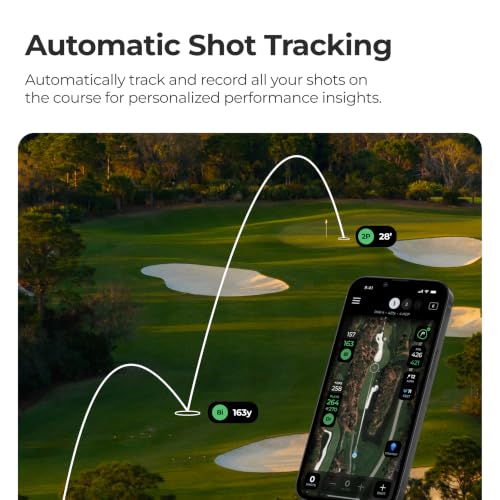
For many, the appeal of golf sensors is the convenience of automatic shot tracking. Early systems required manual input, which defeats the purpose. Now, you want a system that works smoothly with your smartphone, or, like the Arccos Link Pro, offers phone-free tracking. This is a huge advantage if you dislike carrying your phone around the course or if you have older phone models. Consider how easy the app is to navigate and whether it integrates with other golf apps you use.
- Ease of Setup: A complicated setup process can be a major deterrent. Look for systems that boast quick and intuitive installation.
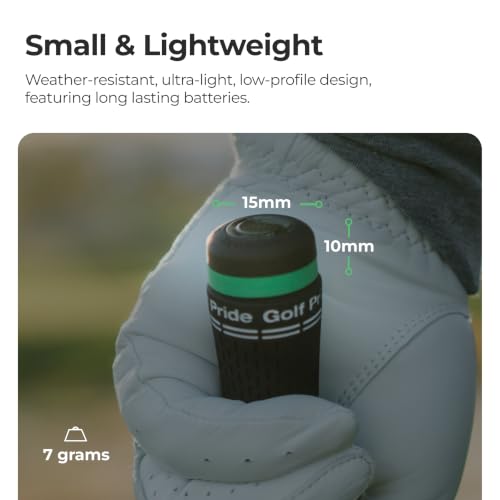
- Sensor Weight & Feel: You want sensors that are lightweight enough not to noticeably alter the swing characteristics of your clubs.
- Data Export Options: The ability to export your data to a spreadsheet or other analysis tool is valuable for serious golfers who want to dig deeper.
Value & Long-Term Cost
Golf sensor systems represent an investment, and it’s one where the initial purchase price is only part of the equation. Many require annual subscriptions for full access to data and features. Be sure to factor in the cost of the subscription when comparing systems. Also, investigate warranty options and replacement sensor programs. Arccos, for example, offers an annual sensor renewal program, which can add significant value over time. If you struggle with swing speed, you might also want to explore low compression balls alongside sensor data for a holistic approach to improvement.
Don’t chase the latest features if they don’t address your biggest weaknesses. A simple, accurate system that you’ll actually use consistently is far more valuable than a complex one collecting dust in your bag.
Golf Sensors Compared
Here’s a comparison of key specifications for the golf sensors featured in this guide.
| Product Name | Sensors Included | Putter Sensor | Phone-Free Tracking | Battery Life | App Membership (1st Yr) |
|---|---|---|---|---|---|
| Arccos Smart Sensors Gen 3+ | 14 | Yes | No | N/A | Included |
| Arccos Sensors + Link Pro Bundle | 16 | Yes | Yes | N/A | Included |
| Arccos Smart Sensors Gen 4 | 16 | Yes | No | N/A | Included |
Frequently Asked Questions
What level golfer benefits most from using a golf sensor?
Beginners to advanced players can benefit, but sensors are especially useful for golfers with a handicap between 15 and 30. These players typically have identifiable patterns in their game that data can help reveal and correct, leading to faster improvement.
Can golf sensors replace professional lessons?
No, sensors are tools to supplement lessons, not replace them. A qualified instructor can provide personalized feedback and address fundamental swing flaws that a sensor can only identify. However, the data a sensor provides can help focus those lessons, making them more effective.
Are golf sensors difficult to install on my clubs?
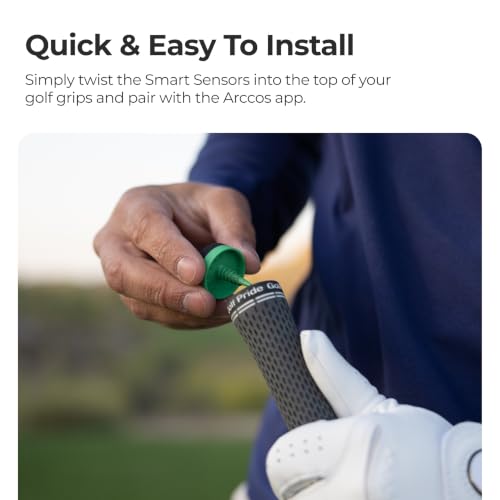
Modern sensors are designed for easy installation. Most simply attach to the grip end of your clubs and pair with your smartphone via Bluetooth. While some older systems required more involved setup, today’s sensors typically take less than 10 minutes per club.
What if I lose a sensor during a round?
Most manufacturers offer replacement sensors for purchase, often with a discount for existing customers. Arccos, for example, has a sensor renewal program, which may be a cost-effective option. Losing a single sensor isn’t the end of the world, but you should consider replacement costs when evaluating a system.
Do these sensors work with all smartphones and golf apps?
Compatibility varies by sensor. Generally, systems work with both iOS and Android devices, but older phone models may not be supported. Many sensors integrate with popular golf apps like the Golfshot app and others, allowing you to combine data and features. For golfers who want a versatile golf balls to complement their sensor data, it’s best to research pairings for optimal performance.
The Bottom Line
Choosing a golf sensor often comes down to how much detail you want versus how much you’re willing to spend, and frankly, how seriously you are about improving. For the golfer who wants the most complete picture of their game, with detailed analytics and a robust feature set, the Arccos Smart Sensors Gen 4 are the clear leader. They provide incredibly detailed data and integrate well with the golfing ecosystem.
If you’re on a tighter budget, or are primarily interested in tracking basic stats, the Arccos Smart Sensors Gen 3+ offer a fantastic entry point. For golfers who prefer to leave their phones in the bag, the Arccos Sensors + Link Pro Bundle is the obvious choice, providing phone-free tracking without sacrificing data quality. And for those looking to dial in their iron play, exploring amateur golf irons alongside sensor data can be a powerful combination.
Ultimately, the best golf sensor is the one you’ll actually use consistently. Don’t get bogged down in chasing the latest specs or features. Focus on finding a system that’s easy to set up, provides accurate data, and offers insights that help you play better golf – and perhaps pair it with some high-quality three-piece golf balls to maximize your performance on the course.
