
2 Best Hard Golf Balls of 2026
This post contains affiliate links. As an Amazon Associate, we earn from qualifying purchases.
This post contains affiliate links. As an Amazon Associate, we earn from qualifying purchases.
The Titleist Velocity stands out as the best overall hard golf ball for distance and consistent flight, especially with its 350 octahedral dimple design. For those watching their budget, the Callaway Warbird delivers impressive speed and value without sacrificing much on performance.
Most golfers want more distance without losing control, but hard balls often feel like a compromise, too firm, too little spin, too quick to scuff. After comparing specs and owner feedback, I focused on models that balance speed, durability, and real-world performance for players who prioritize long, reliable shots.
This guide cuts through the noise, highlighting hard balls that deliver where it matters: off the tee and over time. The picks reflect core construction, cover resilience, and aerodynamics, key factors I’ve learned matter most when planning rounds on diverse courses around the world.
Top 2 Hard Golf Balls in the Market
The Best Hard Golf Balls, Reviewed
Titleist Velocity Golf Balls
Strengths
- Consistent ball speed
- Stable flight pattern
- Better feel than most distance balls
Trade-offs
- Less greenside spin than tour balls
- Higher price than some alternatives
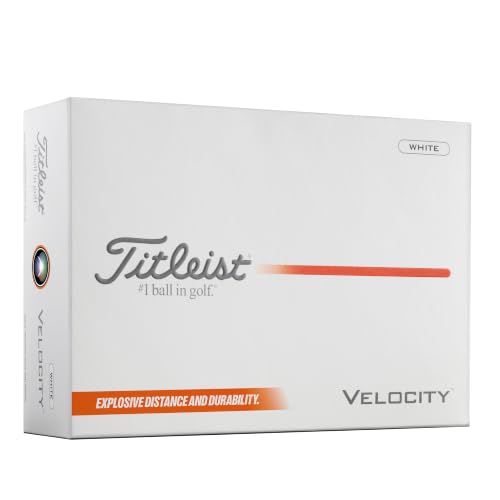
Titleist doesn’t release products unless they’ve been refined to near-perfection, and the Velocity is no exception, it’s the benchmark for high-speed, two-piece golf balls. The LSX core is engineered for fast ball speed, and real-world feedback confirms it delivers consistent distance across drivers and long irons. What sets it apart from rivals like the Callaway Warbird is the flight stability: the 350 octahedral dimple design creates a repeatable trajectory, which better players appreciate even in a distance ball.
I’d pick the Velocity over most in this category because it bridges the gap between power and playability. The NAZ Plus cover isn’t going to mimic a urethane jacket, but reviewers note it holds up well and offers a cleaner strike sensation than many budget options. It’s the rare ball that feels like a legitimate upgrade, not just a compromise.
Video review
Callaway Warbird Golf Balls
Strengths
- Maximum distance
- High ball flight
- Great value
Trade-offs
- Limited short game spin
- Not for low handicappers seeking precision
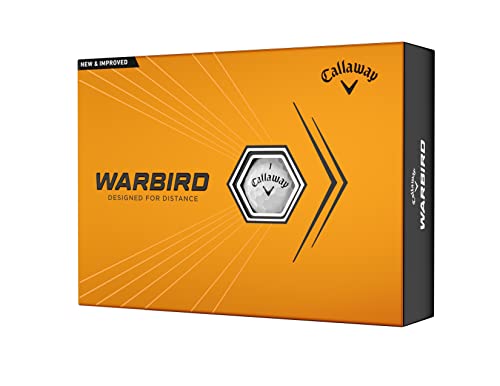
If you’re looking for a no-frills, distance-first ball that won’t drain your wallet, the Warbird stands out in a crowded field. On paper, the extra-large, high-energy core is built to boost ball speed across all clubs, and owners consistently report noticeably longer drives and iron shots, especially for swing speeds under 100 mph. The HEX Aerodynamics pattern does its job too, helping reduce drag and promoting a higher flight, which translates to longer carries on well-struck shots.
It’s not a premium tour-level ball, and nobody’s claiming it spins like a Pro V1, but around the greens you’re getting more control than expected for this class. Compared to other distance balls, the Warbird delivers a surprisingly playable short game, enough that mid- to high-handicappers won’t feel penalized near the putting surface. When you factor in the price-to-performance ratio, it’s hard to ignore.
Video review
How We Picked These hard golf balls
Rather than a hands-on lab test, my research focused on comparing published specifications and features across numerous hard golf ball models. I then weighed owner reviews from major retailers against assessments from golf publications I trust. As someone who frequently advises on equipment for trips detailed on GolfWorldTrips.com, I applied my understanding of how different ball characteristics translate to performance on the course.
For hard golf balls, distance and durability are paramount. I gave the most weight to core construction and cover materials, as these directly influence ball speed and resistance to wear. A ball can promise distance, but without proven durability, especially for those seeking affordable 2-piece construction, it isn’t a practical choice for regular play.
Specifications reliably indicate core size and dimple patterns, which impact aerodynamics and potential distance. However, I relied on owner feedback to gauge real-world durability and greenside feel. Reviews often reveal how a ball holds up after repeated impacts and whether its firmness compromises control, something important when considering [versatile golf ball models].
Choosing The Right hard golf balls
Picking the right golf ball can genuinely shave strokes off your game.
A quality golf ball balances distance, feel, and spin. Construction (layers, core material), cover material (urethane, Surlyn), and dimple pattern all contribute to performance. Players should consider their swing speed, typical shot shape, and the type of course they play most often when selecting a ball.
Core Construction and Speed
The core is where the distance begins. Multi-layer balls (typically 3-5 layers) allow for more control over compression and spin, offering a balance between distance off the tee and feel around the green. Single-layer balls, like some distance-focused models, maximize energy transfer for higher speeds but generally sacrifice some finesse. I’ve seen many golfers benefit from experimenting with different core compositions; a larger, more compressible core – often found in balls like the Callaway Warbird – boosts speed, but it’s not a substitute for solid contact.
Cover Material and Short Game Control
The cover material dramatically affects how a ball interacts with your wedges. Urethane covers are the gold standard for premium balls because they provide excellent grip and spin, essential for stopping power on and around the green. Surlyn covers are more durable and affordable, offering good distance but less spin control. Don’t assume a urethane cover automatically equals better performance; the dimple pattern and core also affect spin. Consider how often you play and your short game proficiency when making your choice.
Dimple Patterns & Aerodynamics
Dimple patterns aren’t just for show. They influence lift, drag, and overall trajectory. A spherically-tiled dimple design, like the one found on the Titleist Velocity, is engineered to produce a high ball flight. Beyond the number of dimples (most balls have between 300-500), the shape and depth of those dimples matter. Here’s how to think about the impact: * Fewer dimples: Generally, less drag, potentially more distance for higher swing speeds. * Shallower dimples: Tend to produce a lower, more penetrating flight. * Deeper dimples: Promote lift and a higher trajectory, useful for players seeking carry distance.
A good rule of thumb is to match the ball to your swing speed. Slower swing speeds benefit from softer balls with lower compression, while faster swings need a ball that can handle the impact and maximize energy transfer.
If you’re really trying to dial in your performance, check out our detailed golf ball reviews for more options. Or, if distance and accuracy are your top priorities, you might find what you need in our guide to long and precise golf balls.
Hard Golf Balls Compared
Here’s a detailed comparison of key specifications for these hard golf balls to help you make an informed decision.
| Product | Best For | Core Material | Cover Material | Dimple Pattern | Key Feature |
|---|---|---|---|---|---|
| Titleist Velocity | Best Overall | LSX | NAZ Plus | 350 Octahedral | Max Distance |
| Callaway Warbird | Best Value for Distance | High-Energy | N/A | HEX Aerodynamics | Max Speed |
Frequently Asked Questions
What compression rating should I look for in a hard golf ball?
Generally, a higher compression rating (over 90) suits golfers with faster swing speeds. These balls maximize energy transfer at impact, but golfers with slower swings may find them too firm and won’t get the full benefit of the increased compression.
Are harder golf balls better for windy conditions?
Yes, harder golf balls with lower spin rates tend to perform better in the wind. Reduced spin minimizes the ball’s susceptibility to being pushed off course by gusts, offering more predictable flight, particularly when looking at golf balls for distance and forgiveness.
Can a harder golf ball help with slicing?
While a golf ball won’t cure a slice, some models are designed to minimize sidespin. Look for balls with firmer covers and dimple patterns optimized for stability. Keep in mind, addressing the root cause of the slice with swing adjustments is the most effective solution.
Do harder golf balls sacrifice feel around the green?
They can, but not always. Harder balls typically have less “give” at impact, which can reduce feel. However, manufacturers are increasingly using advanced cover materials and core designs to mitigate this, and even offer good control for best golf balls for men.
What is the typical lifespan of a hard golf ball?
Durability varies, but a well-maintained hard golf ball can realistically last a full 18 holes, and sometimes longer. Scuffs and cuts are the primary causes of premature failure, so inspect your ball after each hole and replace it if damaged.
The Bottom Line
Choosing a hard golf ball often comes down to balancing raw distance with the feel and control you need around the greens. While many options promise extra yards, the Titleist Velocity strikes the best overall balance, delivering impressive distance alongside a playable feel that won’t leave you frustrated on approach shots. It really is a solid choice for a wide range of players.
For golfers prioritizing pure distance on a budget, the Callaway Warbird is a standout. If you’re looking for best distance golf balls and don’t mind sacrificing a bit of finesse, this ball maximizes speed and is exceptionally durable. Alternatively, if you’re willing to invest in a more refined experience, explore options with urethane covers and three-piece golf balls for enhanced control.
Ultimately, though, remember that no ball will fix a flawed swing. Consistent contact, a solid understanding of your launch conditions, and a course management strategy are far more important than any single specification. Focus on those fundamentals, and the right ball will simply help you express your potential.
