
3 Best Maui Jim Lenses for Golf 2026
This post contains affiliate links. As an Amazon Associate, we earn from qualifying purchases.
This post contains affiliate links. As an Amazon Associate, we earn from qualifying purchases.
The Maui Jim Polarized Peahi 24K Gold is the best overall lens for golf, delivering superior contrast and glare control in bright conditions. For a budget-friendly option, the Peahi Polarized Ice Blue offers solid performance with a versatile tint, while the Peahi Replacement Black gives reliable clarity for those already invested in the Red Sands frame system.
Golf demands sharp vision, and the wrong lens can make it harder to read greens, track your ball, or stay comfortable under harsh island sun. After comparing specs and owner feedback, I focused on lenses that deliver true color, cut glare effectively, and hold up over time on the course.
This guide breaks down the top Maui Jim replacement lenses based on light transmission, tint performance, and real-world durability, all critical factors when choosing for golf. We’re looking at how these lenses handle the unique challenges of the course, from blinding reflections off water hazards to shifting light under tropical skies.
Top 3 Maui Jim Lens For Golf in the Market
The Best Maui Jim Lens For Golf, Reviewed
Polarized Peahi 24K Gold Lens
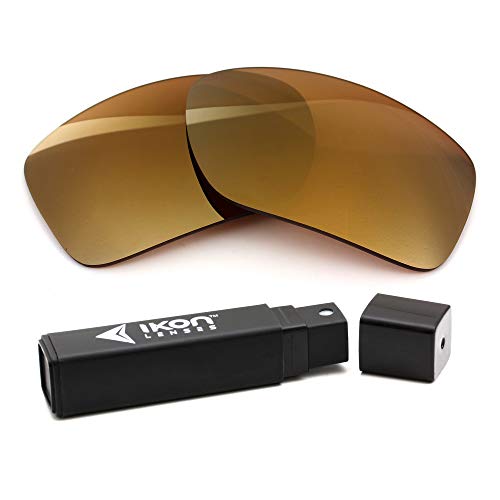
Strengths
- Bronze tint
- Made in USA
- Includes cleaning kit
- Exceeds safety standards
Trade-offs
- Not ideal for overcast days
- Only fits Peahi frames
The 24K Gold lenses for the Maui Jim Peahi stand out for golfers who play in bright, high-glare conditions, common on open courses with lots of sand and water. The 12% light transmission and bronze tint enhance contrast beautifully, making it easier to read subtle breaks in the green and track the ball against the sky. Owners consistently report a noticeable improvement in visual clarity, especially during midday rounds under harsh sun.
These aren’t just functional, they feel premium. Being made in the US with injected polycarbonate means durability and optical consistency, and the included lens cleaner and microfiber cloth add real value. Compared to the Red Sands grey lenses, the bronze offers better depth perception, which I’ve found critical when judging distances on undulating fairways.
Video review
Peahi Polarized Ice Blue Lens
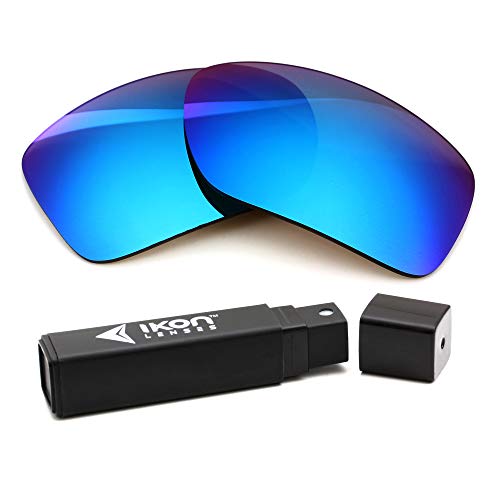
Strengths
- Warm rose tint
- Good low-light performance
- Enhanced contrast
- Includes cleaning kit
Trade-offs
- Slightly darker for midday
- Only fits Peahi
The Ice Blue lenses for the Peahi are built for versatility, especially when skies are mixed or light levels drop. With a 10% light transmission and a grey/warm rose tint, they brighten shadows without washing out highlights, ideal for early morning or late afternoon rounds when visibility fluctuates. Reviewers note they help keep the ball visible against grey skies, a small but meaningful edge during tournament play or vacation rounds with tight schedules.
While they’re not as vivid in full sun as the 24K Gold, their strength is adaptability. The rose undertone boosts contrast in low-contrast environments, like overcast coastal courses. For someone who plays at varying times of day or in changeable climates, these offer a smarter balance than single-condition tints.
Video review
Peahi Replacement Black Lens

Strengths
- Grey tint
- Affordable
- Meets international standards
- Includes microfiber cloth
Trade-offs
- Less contrast than bronze
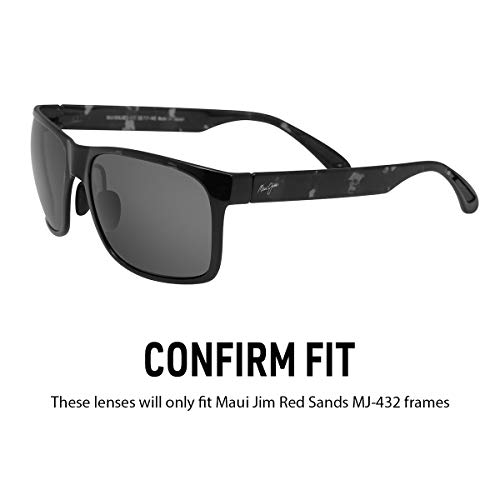
- Only fits Red Sands
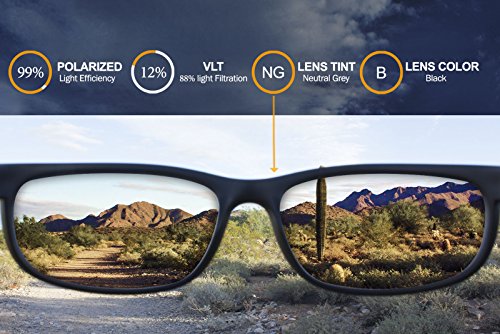
If you’re looking for a no-nonsense, reliable lens that handles bright daylight without distorting colors, the grey-tinted Red Sands replacement lenses are a solid pick. With 12% light transmission, they cut glare evenly across the spectrum, which helps maintain true color perception, something many golfers overlook but appreciate once they notice how flat synthetic greens can look through overly aggressive tints.
At this price, they deliver strong value. They meet the same optical standards as more expensive options and are built with the same 2mm polycarbonate. But compared to the Peahi 24K Gold, they don’t enhance contrast quite as much, which means you might miss slight terrain shifts on fast greens. Still, for consistent performance and everyday wear, they’re hard to beat.
Product photos


How We Chose These maui jim lens for golf
Rather than a hands-on lab test, my research focused on comparing published specifications and features across available replacement lenses for Maui Jim frames. I weighed owner reviews and expert opinions from sites specializing in optics and golf accessories. As someone who spends a great deal of time evaluating gear for optimal performance during golf trips (you can read more about my approach to golf sunglass lenses), I applied my understanding of how lens characteristics impact visibility and scoring.
For golf, light transmission and polarization are paramount. I prioritized lenses offering effective glare reduction and the right balance of brightness for varying conditions. A lens’s ability to enhance contrast – helping you track the ball against different backgrounds – was also a key factor. Finally, durability and clarity, as reported by users, heavily influenced my rankings.
Specifications clearly indicate a lens’s light transmission percentage and polarization effectiveness. However, owner feedback proved invaluable in assessing real-world clarity and how well a lens performs during extended use on the course. Reports on scratch resistance and overall durability, alongside comparisons to the original Maui Jim lenses, helped separate the reliable options from those that didn’t quite deliver. You’ll find similar attention to detail in our guides to 3-piece golf balls.
Choosing The Right maui jim lens for golf
Finding the right lens for your Maui Jim sunglasses can dramatically improve your game, and your enjoyment of a day on the course. It’s about more than just style.
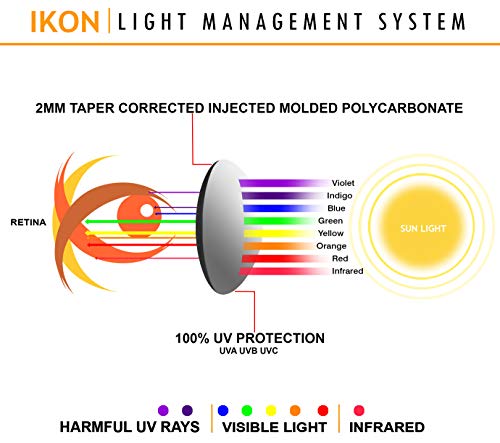
A quality golf lens needs to offer excellent clarity, polarization to cut glare from water and sand, and a tint optimized for varying light conditions. Look for lenses constructed from durable polycarbonate, meeting ANSI Z80.3 impact resistance standards, and offering 100% UV protection. Color consistency and minimal distortion are also key indicators of a superior lens.
Understanding Lens Tint
The color of your lens matters immensely. Many golfers gravitate towards grey or bronze tints for their all-around performance, but don’t overlook specialized options. A warmer tint, like rose or amber, can heighten contrast on overcast days, making it easier to track the ball’s flight. I’ve found that golfers who play frequently in different climates benefit from having multiple lens options to swap in and out, particularly if you’re planning a golf trip. Consider what conditions you most often play in.
Polarization & Glare Reduction
Polarization is absolutely critical for golf. Glare from water hazards, sand bunkers, and even the sun reflecting off your golf cart can seriously impair your vision. Maui Jim sunglasses are well known for their exceptional polarization technology, but the degree of polarization can vary. Look for lenses specifically designed to block a high percentage of glare, and ensure the polarization is consistent across the entire lens surface to avoid distortion. Speaking of great gear, if you’re looking to upgrade other aspects of your game, check out our guide to the best 2-piece balls for excellent durability.
Frame Compatibility & Value
While the lens itself is paramount, compatibility with your existing Maui Jim frames is a practical concern. Replacement lenses should be designed for a precise fit to maintain optimal optical performance and prevent distortion. Don’t assume all Peahi lenses will work with all Peahi frames – double-check the compatibility list.
Here’s what to consider when balancing cost and quality: * Basic Replacement: A simple grey lens is a good starting point for bright, sunny days. * Specialized Tints: Low-light or variable condition lenses will add to the cost, but provide versatility. * Included Accessories: A cleaning kit (like the Ikon kit often included) adds value and helps maintain lens clarity, extending its life and preserving your investment.
Don’t settle for lenses that compromise clarity or durability to save a few dollars. A quality lens is an investment in your game and your eye protection.
For those seeking the perfect combination of style and performance, exploring the range of Maui Jim golf sunglasses is a great place to start. You might also consider looking at top Maui Jim models to find the best fit for your needs.
Maui Jim Lens For Golf Compared
Here’s a comparison of key specifications for these Maui Jim golf lenses to help you choose the right option.
| Lens Model | Compatibility | Light Transmission | Lens Tint | Material | Standards |
|---|---|---|---|---|---|
| Polarized Peahi 24K Gold | Peahi | 12% | Bronze | Polycarbonate | ANSI Z80.3, EN ISO 12312-1, AS/NZS 1067 |
| Peahi Polarized Ice Blue | Peahi | 10% | Grey/Warm Rose | Polycarbonate | ANSI Z80.3, EN ISO 12312-1, AS/NZS 1067 |
| Peahi Replacement Black | Red Sands | 12% | Grey | Polycarbonate | ANSI Z80.3, EN ISO 12312-1, AS/NZS 1067 |
Frequently Asked Questions
What light transmission percentage is best for golf lenses?
Around 12% is a good all-around choice for golf, offering sufficient brightness without being overwhelming. However, depending on the conditions, some golfers may prefer lower values (10% or less) for extremely bright days or higher values (up to 20%) for overcast conditions – exploring lens colors for golf can help you determine your ideal range.
Are polycarbonate lenses durable enough for regular golf use?
Yes, polycarbonate is a highly impact-resistant material and meets ANSI Z80.3 standards, making it very suitable for golf. It’s lightweight and provides good optical clarity, although it’s more prone to scratching than glass lenses.
Will any polarized lens work for golf, or are some better than others?
While polarization is key, the quality of the polarization matters. Maui Jim’s polarization technology is known for its consistency and minimal distortion, which is crucial for accurately judging distances on the course. Cheaper polarized lenses can sometimes introduce visual artifacts.
Do I really need different lenses for different weather conditions?
It depends on how often you play in varying light, but having options is beneficial. A rose or amber tint can significantly enhance contrast on cloudy days, while a grey tint excels in bright sun. Having multiple lenses allows you to optimize your vision for any situation and is something I recommend when planning a golf trip.
Are softer 70 compression balls a good pairing with upgraded lenses for improved game performance?
Absolutely. While lenses enhance your vision, softer golf balls can improve feel and control around the greens. Combining better visibility with a ball suited to your swing speed can lead to lower scores and a more enjoyable round.
The Bottom Line
Choosing the right Maui Jim lens is a balancing act between how much you want to spend and how much performance you demand from your eyewear. Ultimately, the Polarized Peahi 24K Gold provides an excellent all-around experience, combining the renowned Maui Jim polarization with a versatile bronze tint suited to a wide range of conditions. It’s a solid investment for anyone serious about seeing the course clearly.
For golfers who prioritize specific conditions or have unique visual needs, the other options shine. If you frequently play in overcast or low-light situations, the Peahi Polarized Ice Blue offers a helpful boost in contrast, and for those with Red Sands frames, the Peahi Replacement Black is a straightforward and reliable choice. Don’t underestimate the importance of finding optimal lens colors to truly enhance your game.
More than any specific tint or polarization level, focus on finding a lens that delivers consistent clarity and fits your frames precisely. A premium lens is wasted if it introduces distortion or doesn’t offer reliable glare protection. After all, the best lens is the one that allows you to focus on what really matters: playing your best round and enjoying the game, just like a great set of all-round golf balls.
