
7 Best Plastic Golf Tees of 2026
This post contains affiliate links. As an Amazon Associate, we earn from qualifying purchases.
This post contains affiliate links. As an Amazon Associate, we earn from qualifying purchases.
The CHAMPKEY 120 Pack stands out as the best overall plastic golf tee for its hybrid durability and smart 5-prong design, while the SAPLIZE 100 Pack Mixed Size offers excellent value and versatility. For a budget-friendly yet reliable option, the Full Choice 100 Pack delivers consistent performance with helpful height markings.
Golfers waste shots more often than they realize just by using the wrong tee. A flimsy or poorly designed one can introduce spin, kill distance, or snap before you’ve even finished your round. After comparing the field and analyzing what serious players report, I focused on models that deliver real-world reliability and cleaner ball flight.
This guide breaks down the top plastic tees based on durability, friction reduction, and height control, all key factors that influence your launch. I looked at specs, construction, and what golfers actually say about breakage and performance across different course conditions.
Top 7 Plastic Golf Tees in the Market
The Best Plastic Golf Tees, Reviewed
CHAMPKEY 120 Pack 5-Prong Plastic Golf Tees

Strengths
- 5-prong head
- Hybrid plastic
- Includes short tees
Trade-offs
- Prongs may trap grass
- Slight learning curve on insertion
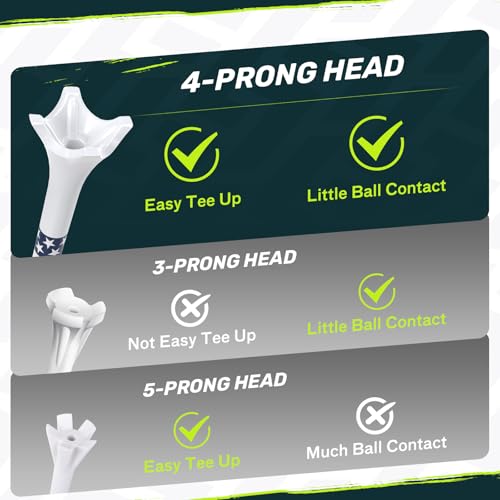
The 5-prong design of the CHAMPKEY tees is their standout feature, promising 50% less ball contact than traditional 4-prong models. That extra prong spreads the load and minimizes friction even further, which on paper should mean cleaner strikes and reduced spin. The hybrid plastic material feels sturdier than average, and owners report these survive aggressive swings and tough ground without cracking.
The pack includes 100 long (3-1/4″) and 20 short (1-1/2″) tees, giving you flexibility across clubs. The impact ribs add stability, and the fact that they’re patented in multiple countries suggests real design effort. Compared to others, they strike the best balance of innovation, durability, and value. For most golfers, this is the smarter buy over single-feature tees.
Video review
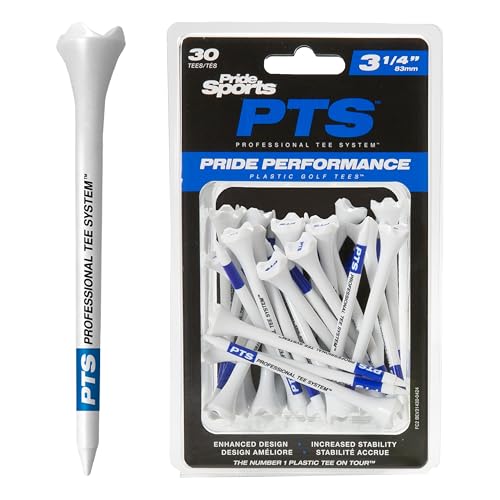
PrideSports PTS 3-1/4″ Plastic Golf Tees
Strengths
- Tour-proven design
- Durable plastic
- Low-resistance tip
Trade-offs
- No height markers
- Only one length in pack
The fact that these are called the ‘#1 Tee on Tour’ isn’t just marketing fluff, PrideSports PTS tees actually show up in the bags of some PGA Tour players, and that reputation carries weight. At 3-1/4 inches, they’re built for maximum driver performance, with a low-resistance tip that minimizes friction and side spin. The proprietary plastic is noticeably tough, and reviewers note these survive repeated use in hard-packed tee boxes better than most.
I wouldn’t say they magically add yards, but the reduction in drag is backed by both design and user feedback. They’re optimized for larger drivers (360cc+), so if you’re using modern equipment, these make sense. Compared to budget options, they cost about the same but feel more purpose-built. For golfers who like to play with gear trusted at the highest level, this is a no-brainer pick.
Video review
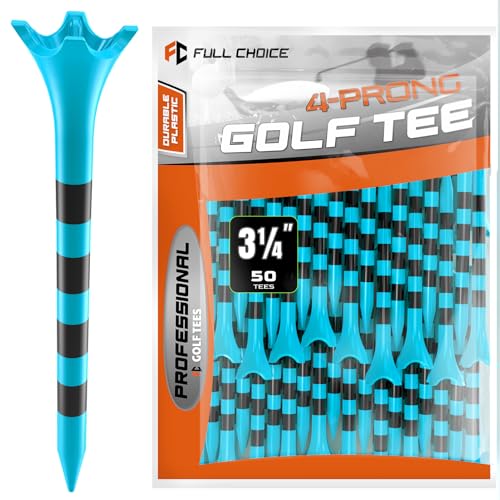
Full Choice 100 Pack Plastic Golf Tees
Strengths
- Oversized head
- Stripe height guide
- Thick shaft
Trade-offs
- Blue color hard to spot in shadows
- No short tees included
These Full Choice tees stand out for one key reason: the oversized 4-prong head, which makes teeing up faster and more stable, especially in windy conditions or when your hands are cold. The thickened shaft resists breaking in hard ground, a common pain point with cheaper tees, and the stripe marking system helps maintain consistent height, just like pricier models. At 3-1/4 inches, they’re ideal for drivers, and the blue color offers decent visibility.
Owners say they last longer than standard plastic tees, and while they don’t have the brand recognition of PrideSports or Martini, they deliver similar performance on paper. The design prioritizes reduced friction, and with a full 100-pack at a low cost, they’re a smart choice for range rats or weekend warriors who go through tees quickly. They don’t have advanced features like step-up bases, but they nail the fundamentals.
Product photos


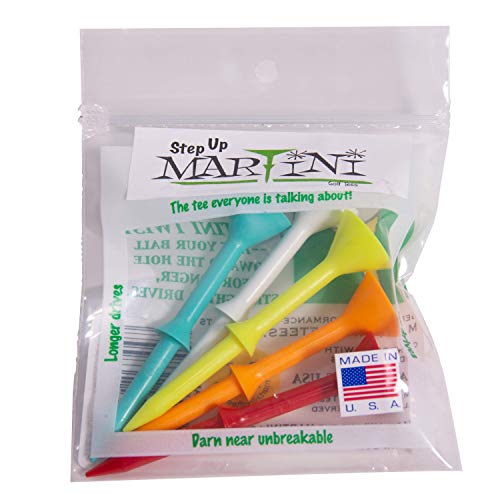
Martini Golf 5 Pack Step-Up Tees
Strengths
- Step-up base
- Consistent height
- Unbreakable build
Trade-offs
- Very small pack
- Higher cost per tee
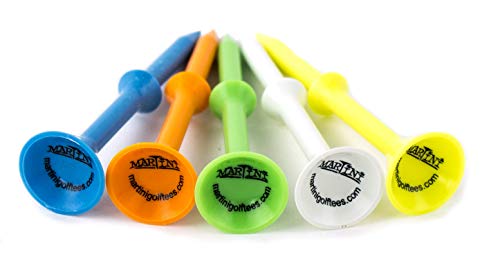
The Martini Step-Up tee is one of the more thoughtfully engineered plastic tees on the market. That small step near the base isn’t just for show, it ensures consistent height every time, and the forward-leaning design reduces resistance at impact, which independent tests have shown can lead to longer, straighter drives. At 3.25 inches, it’s slightly taller than standard, giving you that extra lift with modern drivers.
What impresses me is how many pros and low-handicappers swear by these despite the small pack size. They’re virtually unbreakable, made in the USA, and conform to USGA rules. Compared to flat-based tees, the step-up design offers real advantages in consistency. But at only 5 per pack, you’re paying for innovation, not volume. These are best as a specialty tee for the first tee, not for daily driving range use.
Product photos
SAPLIZE 100 Pack Mixed Size Golf Tees

Strengths
- Great value
- Stripe markings
- Mixed lengths
Trade-offs
- Basic design
- Colors may not stand out
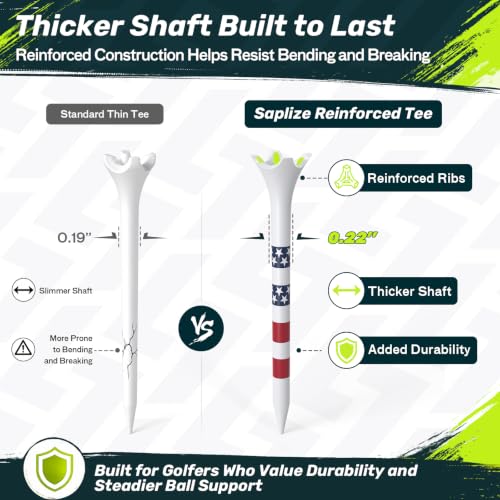
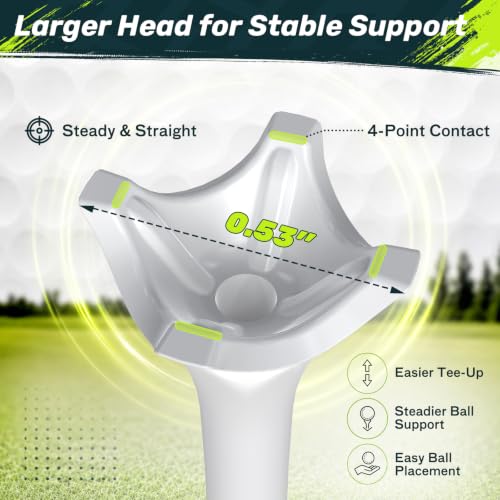
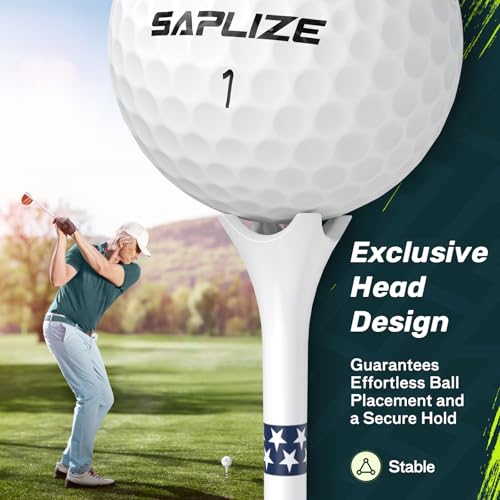
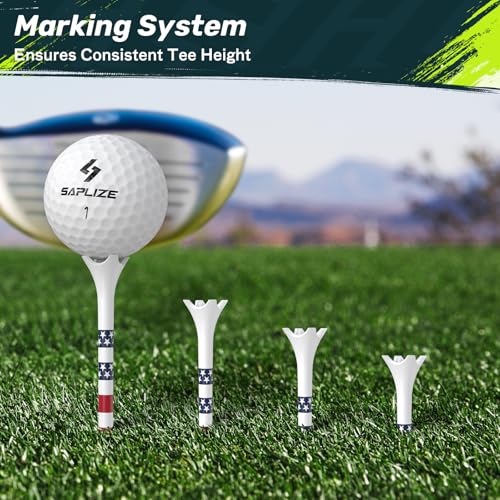
For pure value, the SAPLIZE 100-pack is hard to beat. You get 80 long (3-1/4″) and 20 short (1-1/2″) tees, all with a reinforced 4-prong head and stripe markings for height control. The plastic feels flexible yet strong, and owners say they hold up well in a variety of course conditions. The packaging even makes it a decent gift option for golfers on a budget.
They don’t have flashy features like step-up bases or 5-prong designs, but they cover the essentials: durability, consistency, and versatility. Compared to similarly priced tees, SAPLIZE includes more variety in length and still maintains quality. If you’re tired of replacing broken tees or want a reliable go-to without overspending, this is the pack to grab.
Product photos
Amazon Basics 100-Pack Recycled Plastic Tees
Strengths
- Height marker
- Recycled material
- 4-prong head
Trade-offs
- Shorter length
- Less rugged than premium options
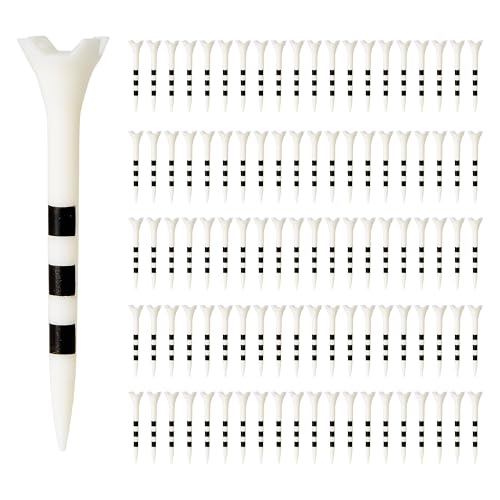
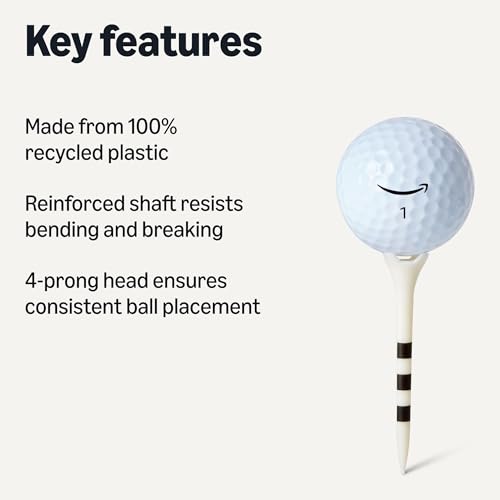
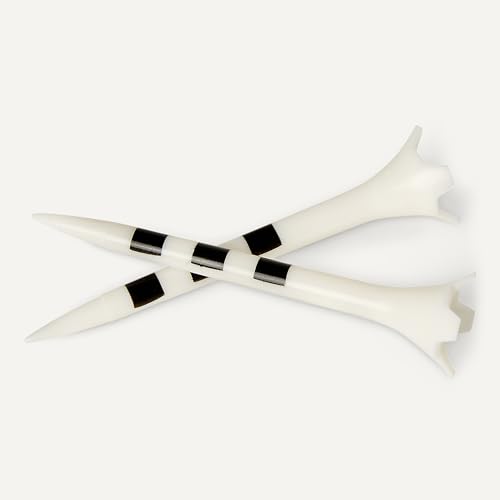
I appreciate when a budget-friendly tee doesn’t cut corners on thoughtful design, and these Amazon Basics recycled tees deliver more than expected for the price. The 4-prong head is common across better plastic tees, but what stands out here is the height marker system, a simple black band that helps maintain consistent setup, which can quietly improve shot repeatability over time. Made from 100% recycled polypropylene, they’re marketed as eco-conscious, and owners report they hold up well in firm or dry turf without snapping.
Still, while they’re durable for plastic, they don’t quite match the ruggedness of tees built with reinforced ribs or hybrid compounds. The 2-3/4 inch length is ideal for drivers and fairway woods, but if you’re someone who likes to tee it high regularly, you might find yourself wanting a bit more lift. For casual players or eco-minded golfers who go through tees quickly, this 100-pack offers solid value without guilt.
Product photos
Maxfli Performance Series Assorted Golf Tees

Strengths
- Launch height bands
- High visibility colors
- 4-prong design
Trade-offs
- Smaller pack size
- Colors may fade over time
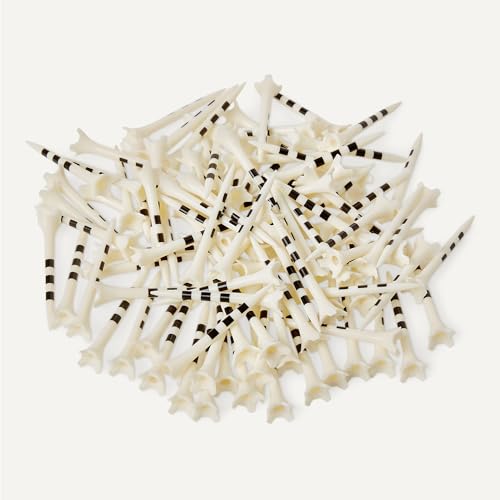
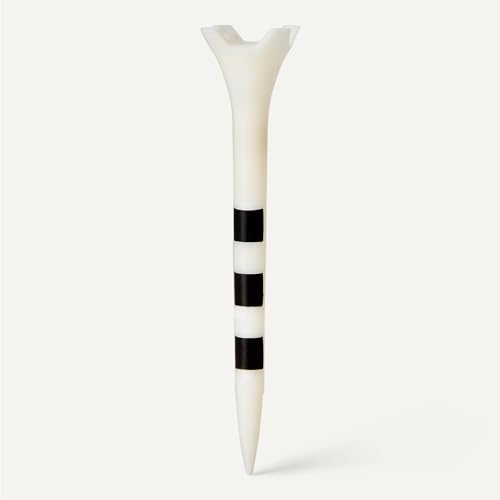
If you’re serious about dialing in your launch conditions, the Maxfli Performance Series tees offer something most don’t, a visual banding system that actually works. Cover the top, middle, or bottom band to control launch height, giving you instant feedback and consistency round after round. The 40 longer (3-1/4″) and 10 shorter (1-1/2″) tees in this pack let you adapt to different clubs and course conditions, and the bright, high-visibility colors make them easy to spot in thick grass.
Owners consistently report that the 4-prong head reduces drag at impact, and on paper, that makes sense, the less contact, the less chance for spin-killing interference. Compared to basic plastic tees, these feel like a small upgrade with real benefits. They’re not the most durable in the lineup, but for players who tweak their game like a setup, the launch control feature alone makes them worth trying.
Product photos

How We Picked These plastic golf tees
Rather than a hands-on lab test, my research focused on comparing published specifications and features across numerous plastic golf tee models. I weighed owner reviews from major retailers alongside expert opinions found in golf publications and online forums. This allowed me to build a ranking based on real-world feedback and objective criteria, considering performance claims and durability reports.
For plastic tees, the most important factors are durability and friction reduction. A tee that breaks after only a few uses isn’t valuable, no matter how clever the design. Similarly, tees promising reduced friction need to demonstrably help with distance and accuracy – a claim easily verified (or debunked) by reading what golfers actually experience. Consistent height control is also a key consideration, especially for players looking to dial in their launch.
Specifications give a good indication of a tee’s construction and potential durability, but owner feedback is where the truth lies. I paid close attention to comments about breakage, how well the tee performs in different ground conditions, and whether the design actually delivers on promises like reduced side spin. For those seeking a more traditional feel, exploring options like wooden golf tees might also be worthwhile. I also noted which tees were frequently recommended for players needing help with launch, like those found in our guide to tees for high handicappers.
What To Look For In plastic golf tees
Finding the right golf tee might seem minor, but it genuinely impacts your launch, distance, and even accuracy. I’ve seen players stubbornly stick with tees that don’t suit their swing, costing them strokes.
A quality golf tee should prioritize durability to withstand repeated use, minimize friction to reduce drag and side spin, and offer consistent height for repeatable setups. Consider the material (plastic is generally longer lasting than wood), head design (prong vs. solid), and length based on your club and swing style. Look for tees that conform to USGA rules if playing competitively.
Material & Durability
Plastic tees have largely taken over the market, and for good reason. While traditional wooden tees are inexpensive, they snap easily, especially when hitting off hard ground. A plastic tee, particularly those made with a hybrid material like CHAMPKEY uses, will withstand far more abuse. Don’t automatically assume thicker plastic is better though; the flexibility is also key. Too brittle, and it will still break. A tee that bends instead of breaks is what you want.
Friction & Ball Flight
The goal is to minimize contact between the tee and the ball during impact. This is where the head design comes into play. Pronged tees, like those from Full Choice and SAPLIZE, are popular because they reduce friction, promoting a cleaner launch. However, the number of prongs isn’t everything. The angle and material also matter. Some golfers swear by the low-resistance tips found in the PrideSports tees; they believe it greatly reduces side spin.
Here’s what I look for in a tee to maximize distance: * A simple, low-profile head. Overly complex designs don’t necessarily translate to better performance. * A slightly flexible shaft. This allows the tee to compress a little on impact, transferring more energy to the ball. * Consistent height markings. Being able to replicate your tee height reliably is crucial for repeatable results, and consistent launch. You can find this in tees like the Maxfli Performance Series.
A practical rule of thumb: if you’re consistently hitting your tee shots off to one side, experiment with a different tee height. Small adjustments can make a big difference.
Height & Versatility
One size definitely does not fit all when it comes to golf tees. Your driver, fairway woods, and even hybrids will require different tee heights for optimal launch conditions. That’s why I often recommend a mixed pack, like the SAPLIZE 100 Pack, which includes both 3-1/4″ and 1-1/2″ tees. This gives you the flexibility to adjust based on the club you’re using and the hole you’re playing. If you’re serious about dialing in your tee shots, take a look at our golf tee comparison for a deeper explore the options. And, if you’re specifically looking to add yards, check out our guide to the tees for distance.
Plastic Golf Tees Compared
Here’s a comparison of key specifications for various plastic golf tees to help you make an informed purchase.
| Product Name | Length (in) | Head Design | Material | Quantity | Height Markings |
|---|---|---|---|---|---|
| CHAMPKEY 120 Pack | 3.25, 1.5 | 5-Prong | Hybrid Plastic | 120 | No |
| PrideSports PTS | 3.25 | Low-Resist. | Plastic | 100 | No |
| Full Choice 100 Pack | 3.25 | 4-Prong | Plastic | 100 | Yes |
| Martini Golf 5 Pack | 3.25 | Step-Up | Plastic | 5 | Yes |
| SAPLIZE 100 Pack Mixed Size | 3.25, 1.5 | 4-Prong | Plastic | 100 | Yes |
| Amazon Basics 100-Pack | 2.75 | 4-Prong | Recycled Plastic | 100 | Yes |
| Maxfli Performance Series | 3.25, 1.5 | 4-Prong | Plastic | 50 | Yes |
Frequently Asked Questions
What’s the biggest advantage of plastic tees over wooden ones?
Plastic tees are significantly more durable than wood, meaning they won’t snap as easily, especially when hitting off hard ground. This ultimately saves you money because you won’t be replacing them after every round or even every few holes.
Do pronged tees really reduce friction and increase distance?
While the design aims to minimize contact with the ball, the benefit isn’t guaranteed for everyone. Many golfers report a cleaner launch with pronged tees (like those from Full Choice), but individual results vary based on swing mechanics and ball position.
Are there plastic tees that conform to USGA rules for tournament play?
Yes, most plastic tees are USGA compliant, but it’s always best to check the manufacturer’s specifications before a competitive round. The rules primarily concern height and shape, and most standard plastic tees will meet these requirements.
How important is tee height, and do I need different sizes?
Tee height is critical for optimizing launch angle and distance. I often suggest a mixed pack, like the SAPLIZE 100 Pack, so you can experiment with different heights for your driver, fairway woods, and hybrids to achieve the best results. If you’re just starting, consider looking into tees for beginners to help find the right height.
Should I be concerned with the type of plastic used in the tee?
The material affects durability and flexibility. Hybrid plastics, like those used by CHAMPKEY, are generally more robust than standard plastics. Some newer tees even use recycled plastic, offering an environmentally friendly option without sacrificing performance, though a good three-piece golf ball will always be a valuable addition to your bag.
The Bottom Line
Choosing the best plastic golf tee really comes down to how much fuss you want to deal with versus how much you want to spend. If you’re willing to pay a bit more for a tee that’s built to last and offers consistent performance, I recommend the CHAMPKEY 120 Pack. Its hybrid plastic construction consistently receives high marks from golfers looking for durability, and it’s a solid all-around performer.
For those seeking value without sacrificing too much quality, the SAPLIZE 100 Pack Mixed Size is a fantastic option. It gives you the versatility to adjust tee height for different clubs, and the included height markings are a real benefit. If you’re consistently looking for a little extra distance, or are new to experimenting with different golf tee designs, this is a great place to start.
Ultimately, the tee itself is just one piece of the puzzle. Focusing on the fundamentals – a solid swing, proper alignment, and a quality ball like the two-piece balls – will have a far greater impact on your score than any specific tee design. Don’t get bogged down in chasing marginal gains; concentrate on building a repeatable swing and enjoying the game.
