
8 Best Recycled Golf Balls of 2026
This post contains affiliate links. As an Amazon Associate, we earn from qualifying purchases.
This post contains affiliate links. As an Amazon Associate, we earn from qualifying purchases.
The best recycled golf balls for most players are the 72 Callaway Mix Recycled Golf Balls, offering solid performance and consistent quality at a smart price. If you’re after something closer to premium play, the 50 Kirkland Mix Recycled Golf Balls deliver surprising performance for the cost, especially in near-mint condition. For pure volume and range work, the 72 Shag Practice Recycled Golf Balls are a no-brainer.
Golfers lose balls. I’ve seen it on links in Scotland and resorts in Arizona – even careful players lose a few per round. When that happens, shelling out for brand-new premium balls every time doesn’t make financial sense.
This guide cuts through the noise by focusing on what actually matters: condition consistency, brand reliability, and real-world performance based on specs and owner feedback. I looked at dozens of recycled ball options, weighing how they stack up for actual play versus practice, so you can decide where to save and where to splurge.
Top 8 Recycled Golf Balls in the Market
The Best Recycled Golf Balls, Reviewed
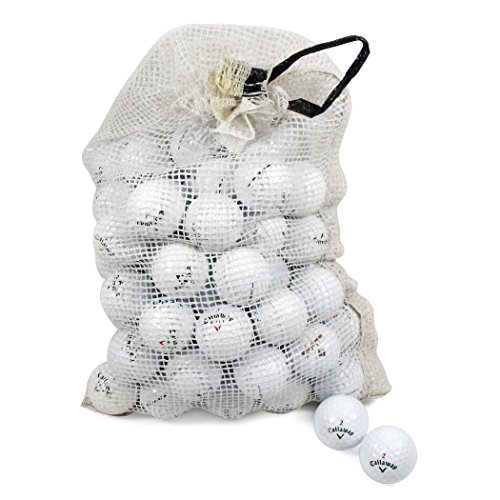
72 Callaway Mix Recycled Golf Balls
Strengths
- Stable flight
- Variety of Callaway models
- Good durability
Trade-offs
- Mixed feel across balls
- Minor discoloration
- Some logo marks
This 72-ball Callaway mix strikes the best balance between volume, brand trust, and playability in the B/C grade range. The balls are free of cuts but show light scuffs and blemishes, and owners say flight remains stable thanks to Callaway’s HEX and Tour Aero dimple designs. Since it includes various models, you’ll get a mix of feels and spin profiles, some firmer, some softer, but all retain their original core technology.
For a player who likes experimenting or wants a reliable rotation of Callaway balls without the retail hit, this is the smartest all-around pick. It’s more consistent than random brand mixes and better built than generic practice balls.
Video review
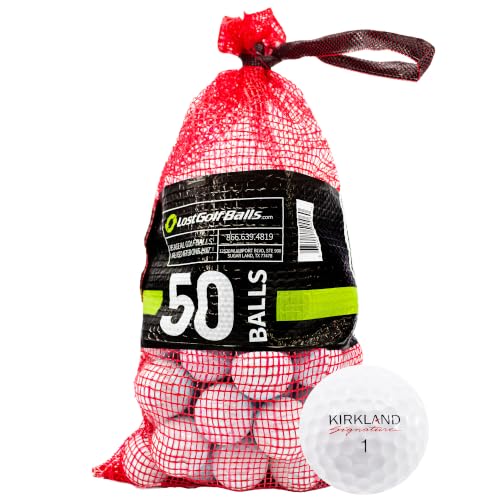
50 Kirkland Mix Recycled Golf Balls
Strengths
- Near mint condition
- Soft feel
- Stable trajectory
Trade-offs
- Mixed model years
- Limited brand consistency
- Some surface wear
Kirkland Signature balls have their fans, and this 50-pack in near mint condition offers a rare blend of value and playability. The grading suggests light blemishes only, nothing that affects structural integrity, so owners get the responsive distance and soft urethane feel these balls are known for. The aerodynamic dimple design holds true, delivering stable flight even after recovery and cleaning.
Given that these mimic the Pro V1’s construction at a fraction of the cost new, playing recycled versions makes even more sense. For the golfer who wants solid performance without brand snobbery, this pack outshines many mid-tier new balls. I’d confidently use these for casual rounds.
Video review
48 Clean Green Recycled Golf Balls

Strengths
- Eco-conscious choice
- Brand variety
- Tournament legal
Trade-offs
- Aesthetic imperfections
- Inconsistent model mix
- Some fading
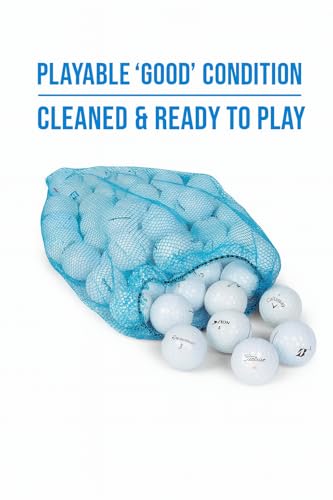
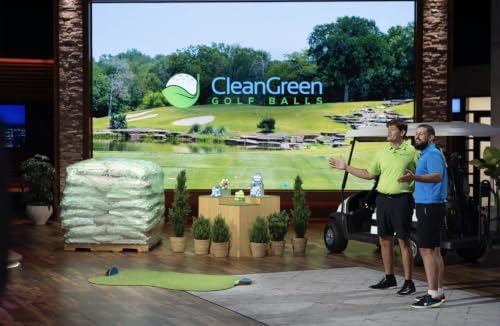
This pack lives up to its eco-friendly pitch, 48 washed, graded, and playable balls from top brands, all given a second life. Owners appreciate the brand variety, letting them test Titleist, Taylormade, and Kirkland side by side without commitment. The “good” condition means scuffs and pen marks, but no cuts, so performance stays credible.
It’s not the most consistent pack, but that’s part of the fun. For golfers who hate losing balls and want to reduce waste, this is a feel-good choice that still delivers solid flight and spin. And yes, recycled balls are legal in tournaments, so you can play them anywhere.
Product photos



24 Top Flight Reload Recycled Balls

Strengths
- Near-new appearance
- Low marks
- Affordable entry point
Trade-offs
- Basic two-piece performance
- Limited spin control
- Less soft feel
Top Flight Reload balls are the sleeper hit for budget players who still want a clean look at address. Owners note these often appear almost unplayed, with minimal marks and no scuffs, rare for recycled packs at this price. While the performance won’t match urethane-covered premium balls, the flight is stable and predictable for a two-piece design.
Compared to other entry-level recycled options, this 24-pack gives you the most “like-new” experience. If you’re a beginner or occasional player who hates the look of beat-up balls but doesn’t want to splurge, this is the sweet spot.
Product photos
12 Titleist Pro V1 Recycled Balls

Strengths
- Softer feel
- Consistent flight
- Drop-and-stop control
Trade-offs
- Minor cosmetic wear
- Higher price per ball
- Limited quantity
If you want to play the same ball the pros use without paying full retail every time, this pack delivers. The 2021 Pro V1s in AAA quality won’t match a fresh pack out of the box, but owners consistently report consistent flight and solid greenside control, which is impressive for recycled balls. On paper, the urethane cover and multi-layer design are intact, so you’re getting real performance, just with some minor cosmetic wear.
Still, at this price per ball, it’s not the cheapest way to sample Pro V1s. But if you’re a serious player who values softer feel and drop-and-stop spin, and you don’t mind a few light blemishes, this is a smart shortcut to premium play. I’d pick these over reconditioned knockoffs any day.
Product photos
72 Shag Practice Recycled Golf Balls

Strengths
- Durable mesh bag
- Good for drills
- Low cost per ball
Trade-offs
- No performance consistency
- Heavy scuffing possible
- Not for actual play
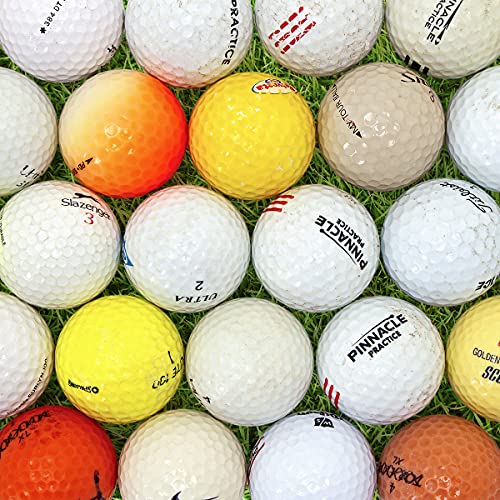
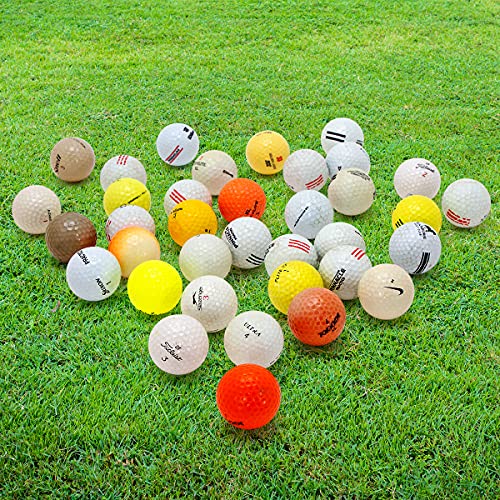
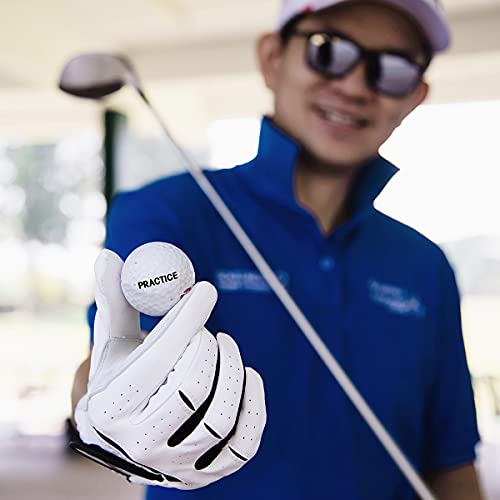
This 72-ball mesh pack is pure utility, no frills, no promises of performance. It’s clearly aimed at practice, and owners confirm the balls are scuffed, marked, and visually mixed, with no guarantee of brand or model. But for chipping drills, shag bags, or range buckets, that’s all you need.
Compared to the Bastex 100-pack, it’s lighter on volume but still offers solid value. The mesh bag is durable and breathable, which helps with drying and storage. If you’re coaching or just pounding balls at the range, this is a no-brainer. But don’t expect anything close to course-ready performance.
Product photos


36 Kirkland Signature Recycled Golf Balls
Strengths
- Mint condition
- Low spin for accuracy
- Urethane cover feel
Trade-offs
- Limited to Kirkland model
- Fewer balls than bulk packs
- Higher price per ball
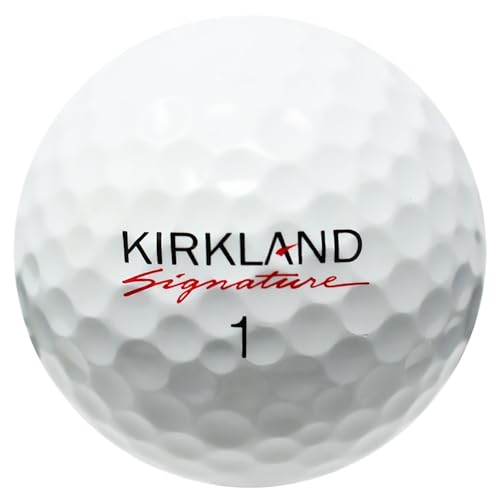
AAAAA quality means these Kirkland balls are as close to new as recycled gets, minimal wear, no cuts, and full performance retention. Owners praise the low spin off the tee, which helps reduce hooks and slices, and the urethane cover delivers surprisingly good greenside bite for the price. At this grade, you’re getting near-premium performance with serious savings.
For fans of the Kirkland model, this pack is a no-brainer. It outperforms many new mid-tier balls and holds its own against pricier recycled Pro V1s in real-world play. I’d recommend this over mixed-brand packs if you know you like Kirkland’s flight and feel.
Product photos
100 Hit-Away Recycled Golf Balls
Strengths
- High quantity
- Ideal for range use
- Beginner-friendly price
Trade-offs
- Inconsistent performance
- Heavy cosmetic damage
- Not course-play ready
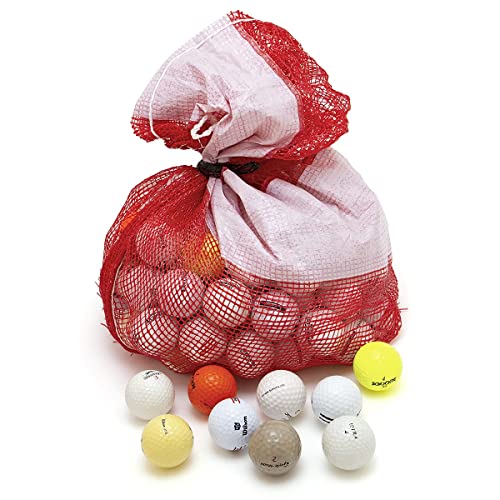
This isn’t a pack for weekend rounds, it’s a range grinder’s dream. With 100 hit-away balls in a durable mesh bag, it’s built for relentless practice. Owners say these 2A quality balls are scuffed, discolored, and marked, but still flight-worthy for shag drills and swing work. The mix includes various brands and models, so don’t expect consistency in feel or spin, but that’s not the point here.
For beginners or high-handicappers working on fundamentals, this is the most cost-effective way to rack up reps without wincing at every lost ball. Compared to pricier recycled packs, this one sacrifices quality for volume, and that’s exactly what it should do.
Product photos


How We Evaluated recycled golf balls
Rather than a hands-on lab test, this was a research-led comparison of specifications and owner feedback for a range of recycled golf ball offerings. I focused on compiling data from manufacturer descriptions, carefully weighing owner reviews across multiple retail sites, and applying my experience with golf ball performance from years of planning golf trips. My goal was to rank these options based on what delivers the most value – and playability – for the money.
For recycled golf balls, consistent quality and the stated condition are paramount. I placed the heaviest weight on reported ball condition (mint, good, practice) as described by sellers and confirmed by owner reviews. Equally important was the variety of models included in each pack; a mix from reputable brands like Titleist and Callaway suggests a higher overall performance level. Finally, the price per ball was a key factor, especially when considering options geared towards practice or high-volume play.
Specifications reliably indicate core construction (multi-layer vs. two-piece) and cover material (urethane vs. Surlyn), which influence feel and spin. However, judging actual playability relies heavily on owner feedback. Reviews help determine if the balls truly match the advertised condition and perform as expected on the course or driving range. You’ll find more information on best golf balls in our broader guide, and for those looking at buying golf balls in quantity, we have a dedicated resource as well.
How To Pick The Right recycled golf balls
Finding the right golf ball, even a recycled one, can make a real difference in your game. I’ve seen firsthand how the right ball can shave strokes off a score, and it’s not always about spending a fortune.
A quality recycled golf ball maintains original construction while offering cost savings. Buyers should assess condition grades (mint, good, practice), consider core construction (multi-layer vs. two-piece), and evaluate cover material (urethane or Surlyn) based on desired feel and performance characteristics. Consistent dimple patterns and minimal blemishes contribute to predictable flight.
Understanding Condition Grades
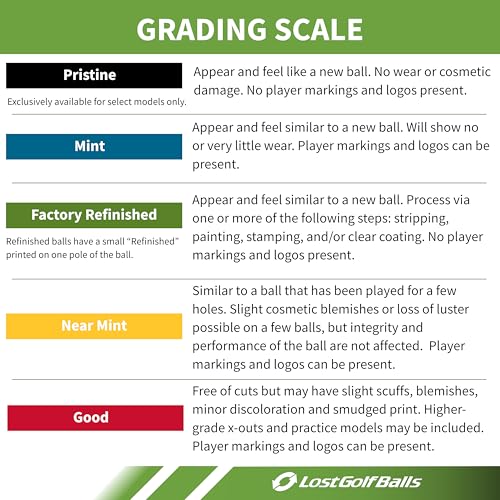
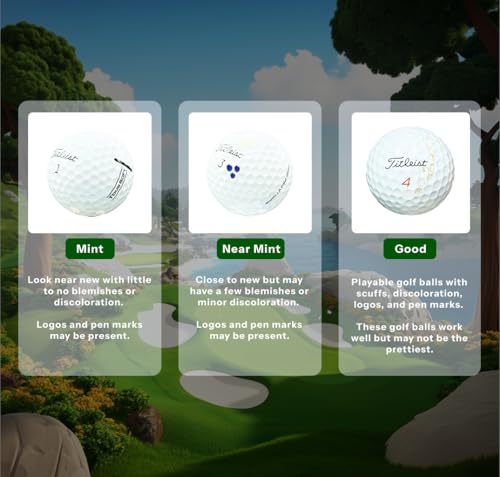
The biggest variable with recycled golf balls is condition. Don’t assume “good” means unplayable. Manufacturers use different grading systems, so pay close attention to what each seller defines as “mint,” “good,” or “practice.” Generally, a “mint” grade implies very light use, almost like a ball played just a few holes. A “good” grade will have scuffs and potentially some discoloration, but the ball should still perform reasonably well. “Practice” grade balls are, as the name suggests, meant for range work and aren’t suitable for a round.
Core Construction and Spin
The core of the ball greatly influences distance and feel. Multi-layer cores, often found in premium recycled balls like the Titleist Pro V1, are designed for more responsive ball speed and distance, offering greater control. If you’re looking for something more affordable two-piece construction, you’ll generally sacrifice some of that finesse for consistency. Here’s a breakdown of what to look for: * A simple, solid core (like in many range balls) – best for maximum durability and affordability. * A two-layer core – a good balance of distance and feel for average golfers. * A multi-layer core – provides the most control and spin, ideal for experienced players.
Balancing Performance and Value
For many golfers, especially those of us who lose a few balls each round, finding the sweet spot between performance and price is crucial. I’ve always advocated for getting the most out of your money, and recycled golf balls are a fantastic way to do that. If you’re primarily interested in practice, a bulk pack of “practice” grade balls, like the 72 Shag Practice Recycled Golf Balls, makes complete sense. But if you want something you can confidently take to the course, a mix of Callaway or Kirkland balls offers a solid compromise. Don’t overlook the option of best value golf balls – you can get a lot of play for your dollar.
Don’t chase perfection. A slightly scuffed recycled ball can perform nearly as well as a new one, especially if you’re not a professional. Focus on finding a consistent grade and a core construction that matches your swing speed and playing style.
Recycled Golf Balls Compared
Here’s a comparison of key specs for various recycled golf ball options.
| Product Title | Quantity | Best For | Cover Material | Condition | Brand Mix |
|---|---|---|---|---|---|
| 72 Callaway Mix Recycled Golf Balls | 72 | Best Overall | N/A | Good | Callaway |
| 50 Kirkland Mix Recycled Golf Balls | 50 | Practice Play | Urethane | Near Mint | Kirkland |
| 48 Clean Green Recycled Golf Balls | 48 | Eco-Friendly | N/A | Good | Multiple |
| 24 Top Flight Reload Recycled Balls | 24 | Budget Friendly | N/A | Very Few Marks | Top Flight |
| 12 Titleist Pro V1 Recycled Balls | 12 | Premium Pick | N/A | N/A | Titleist |
| 72 Shag Practice Recycled Golf Balls | 72 | Value Bulk Pack | N/A | Scuffed | Mixed |
| 36 Kirkland Signature Recycled Golf Balls | 36 | Callaway Fans | N/A | N/A | Kirkland |
| 100 Hit-Away Recycled Golf Balls | 100 | Range Practice | N/A | Worn | N/A |
Frequently Asked Questions
What condition should I expect from “good” recycled golf balls?
“Good” condition recycled golf balls will typically show scuffs, discoloration, and minor wear, but they should still be suitable for on-course play. Don’t expect perfection; these balls have seen use, but reputable sellers will ensure they meet minimum standards for performance and durability.
Are multi-layer recycled golf balls really worth the extra cost?
Yes, multi-layer recycled golf balls generally offer more control and spin, similar to their new counterparts. While they cost more, they can provide a noticeable performance benefit for golfers with faster swing speeds who prioritize precision around the green.
What’s the difference between urethane and Surlyn covers on recycled balls?
Urethane covers provide more spin and a softer feel, favored by skilled players, while Surlyn covers offer increased durability and a firmer feel which suits those prioritizing distance. Recycled balls with urethane covers, like some Kirkland options, will likely be more expensive but offer premium performance.
How do recycled golf balls impact the environment?
Choosing recycled golf balls keeps them out of landfills and reduces the demand for new ball production, lessening the environmental impact of manufacturing. It’s a small step, but when multiplied across many golfers, it’s a significant contribution to sustainability.
Where can I find affordable golf balls for practice if I’m just starting out?
For beginners or those wanting inexpensive practice balls, a bulk pack of “practice” grade recycled balls, such as the 72 Shag Practice Recycled Golf Balls, is a great choice. You can also find value golf balls for amateurs that strike a balance between cost and reasonable performance.
The Bottom Line
Choosing recycled golf balls often comes down to balancing how much you prioritize control and quality against your budget. While a fresh sleeve of premium balls feels good, the 72 Callaway Mix Recycled Golf Balls consistently earns top marks for a blend of performance and value, you get recognizable quality without the new-ball price tag.
For specific needs, the options shine. Golfers seeking a dedicated practice ball should look no further than the 72 Shag Practice Recycled Golf Balls for pure affordability. And if you’re a Kirkland fan, the 36 Kirkland Signature Recycled Golf Balls provides a reliable, cost-effective choice, or consider 50 Kirkland Mix Recycled Golf Balls if you’re looking for near-mint condition for practice. If you’re still developing your game, browsing golf balls for beginners can help you understand what features to look for.
Ultimately, remember that a slightly imperfect recycled ball can still deliver excellent performance. Don’t get bogged down in chasing the absolute lowest compression or the newest cover technology. Focus on finding a consistent grade and a ball that feels comfortable in your hands, a predictable flight is far more valuable than a pristine dimple pattern. And if you’re looking to add some fun to your game, explore brightly colored golf balls for easy tracking on the course.
